
As temperatures drop, a dangerous grandmotherly impulse takes hold of many gardeners.
The infamous urge to stuff their beloved (plants) with one last, huge meal before they go dormant. Stop right there, Gramma! Put down that fertilizer shaker now. Save the heavy feeding for the select few who are actually still working.
Why Most Plants Shouldn’t Be Fertilized Before Winter

The transition to winter is a time of great confusion in the garden. Most plants shift from frantic leaf production to focusing on quiet root survival. You dumping nutrients on plants that want to sleep only forces them into a last-ditch growth frenzy.
And just to be clear, it’s the fast-acting nitrogen stuff that causes this nonsense. Slow-release goodies like compost or mulch don’t cause this, they don’t shout ‘grow now!’ the way quick fertilizers do.
The sprouts growing on this nitrogen-heavy snack won’t have time to harden off and will become tender prey for the approaching freeze. And we don’t want that. There are, however, a few rule-breakers who still want a little food before the cold hits.
If you’re doing your usual pre-winter chores right now, you’ll probably find my November checklist handy, it walks you through everything that actually matters this month, without the guesswork.
Plants You Should Fertilize Before Winter

The rules change for a select handful often because they are cool-season workers or they have an important job to finish before the tiny ice age.
1: Lawns (Cool-Season Grasses)

Some turf species are built differently. Your fescue, bluegrass, and rye are constantly building root strength. Therefore, give them a final, delicious reward. Apply the late-season fertilizer from late October through November.
This schedule provides the deep roots with ample opportunity to absorb the energy they need. You should specifically seek out a specialized winterizer fertilizer for this task
Just remember, a proper winterizer isn’t a big nitrogen bomb. It’s usually lower in nitrogen and higher in potassium, the plant equivalent of a warm coat, not an energy drink.
2: Spring-Flowering Bulbs

Bulbs, which you are likely planting right now, need immediate fuel. When you are putting them in the ground, at planting time, generally October or November, you should toss in some fuel.
This fall feeding helps them establish strong root systems. And for the best spring show, ensure you use bone meal or a specialized bulb fertilizer.
3: Garlic

Garlic cloves are, in a way, like ladies. If you want them to take you seriously, impress them with a full fridge (of nutritious food, not beer). Back to garlic!
It requires immediate energy to fully develop its roots before the soil freezes solid, anytime from late September through November (depending on your climate).
Skimp on this essential step, and you will see weak results next season. To guarantee genuinely remarkable bulbs, incorporate a balanced fertilizer or rich compost the moment you put the cloves into the earth.
4: Evergreens (with caveats)
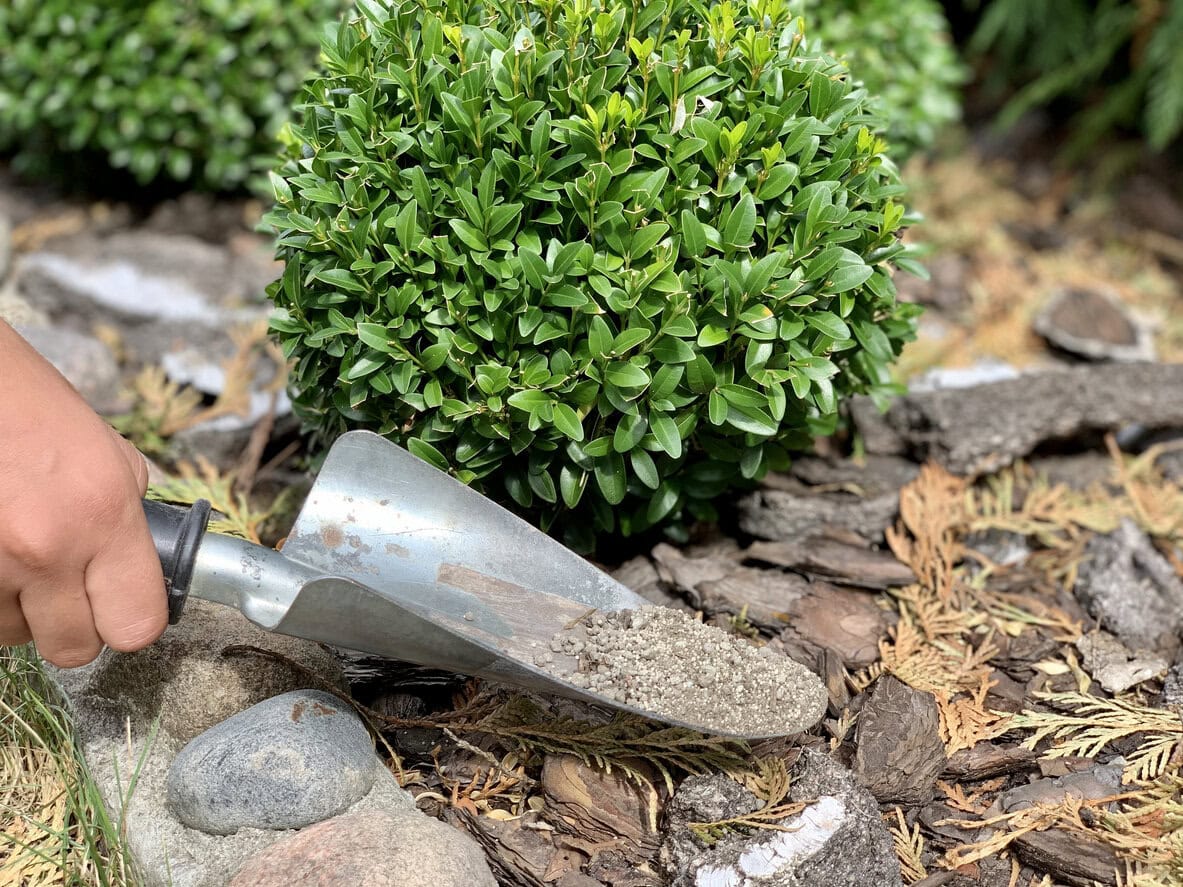
Evergreens do not truly and fully go dormant. But they’re picky. They only accept dinner in early fall. Past that point, they’re basically closed for service. They just slow way down. A mild feeding can help them through winter desiccation, the process of losing moisture to dry and cold winds.
Use caution! Early fall is the safe window. Once you creep toward November, even in Zone 7, skip the feeding entirely. And use a slow-release evergreen fertilizer. If you blinked and late November is here, abort the mission!
And if you’ve got shrubs that suffer from winter burn, I also keep a quick guide on which ones are worth wrapping before real cold arrives, it makes a big difference in zones with harsh winds
Plants You Should NOT Fertilize Before Winter

If you’re looking for a good time to feed these, try next spring, when they wake up.
If you’re not sure what to cut back now and what’s better left standing for winter interest, I’ve also put together a simple guide that breaks that down clearly.
Perennial Flowers

These garden favorites need to go dormant naturally. Applying fertilizer stimulates tender growth that simply gets killed by frost.
This wasted effort fatigues the plant, potentially compromising its health come spring. Only when you see reliable growth start again in spring is it time to attack them with a spoon.
And if you’re reading this earlier in the season, there’s also a simple guide on which perennials are worth dividing in early fall before the cold really settles in.
Deciduous Trees and Shrubs

Shedding leaves is a “Do Not Disturb” on a doorknob for the deciduous. Hence, feeding them with late fertilizer is a big gamble. The resulting sprouts won’t get tough enough, and will leave the soft wood completely vulnerable to winter damage.
The only time you get a free pass is with an early fall feeding for shrubs that flower in the spring, such as lilacs or azaleas, just to help them form next year’s buds.
But be warned: early means six weeks before late fall hits! Just make sure it’s a mild or slow-release fertilizer so you’re not triggering any late-season leaf flush.
Roses

Roses are the drama queens of the garden. They require focused effort to harden off for winter. The final dinner must be served precisely six weeks before you expect that first frost to hit your area. Late fall means you should focus on their winter insulation, not their diet.
Vegetables (with exceptions)

The season is ending for most vegetables. You need to focus on harvesting the last bits and getting your cleanup done.
There’s one exception, though. It involves persistent fall crops in your mild climate (like spinach or kale), which still actively grow. If they work, you can give them a light nitrogen boost.
For the rest, play the long game and start thinking about what amendments that dirt needs come spring.
Container Plants Going Dormant

If you are moving containers into storage or an unheated space, the plants inside are not actively growing. Do not feed them. Instead, wrap the containers in burlap, bury them in mulch, or move them against a sheltered wall.
Tropical Houseplants

Expectedly, less light in winter equals slower growth equals why they do not need the same level of nutrients. You should reduce or stop fertilizing completely until spring.
The only exception occurs if your houseplant lives under powerful grow lights and remains vigorously active all winter.
What to Do Instead of Fertilizing
You can still be a good, caring gardenmother without forcing a late meal on your green grandkids. So let’s talk insteads.
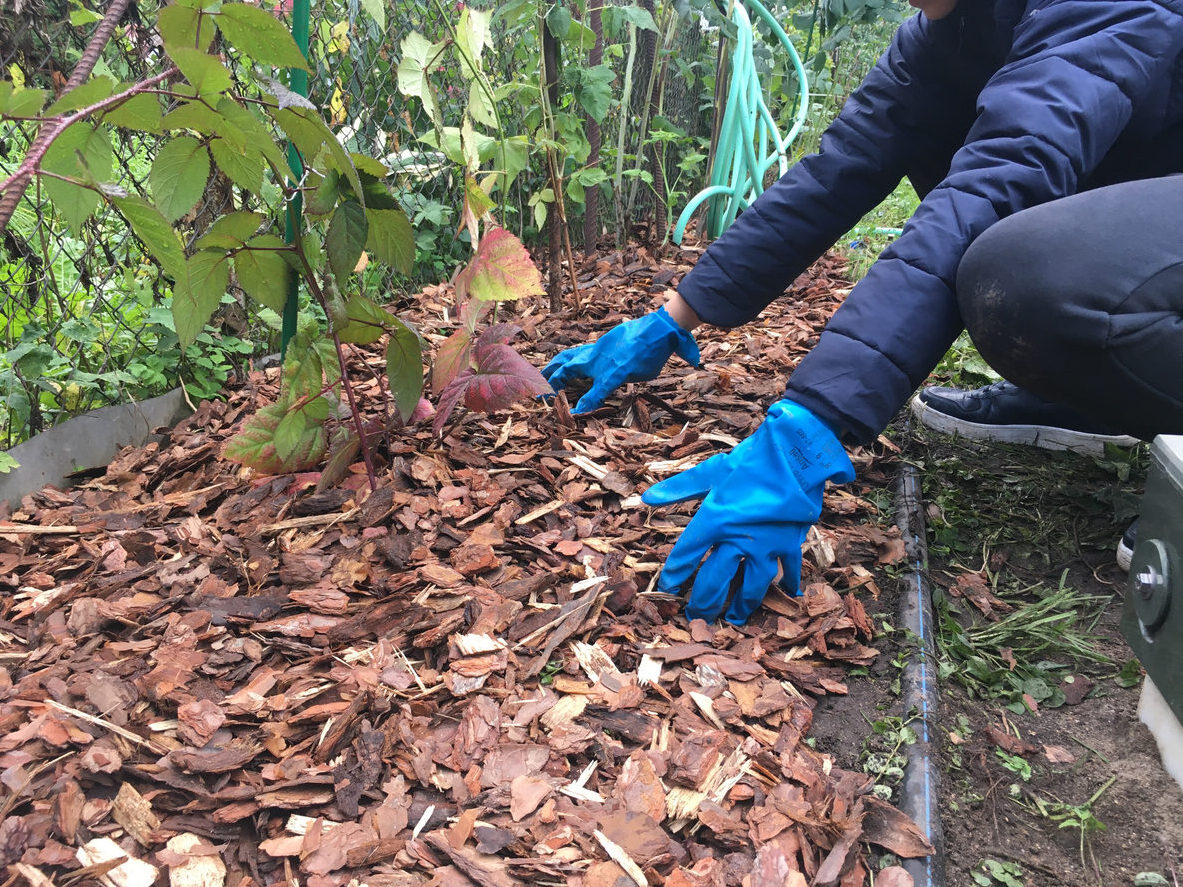
Instead of feeding, layer generous amounts of compost or mulch. Keep in mind that compost isn’t the same as fertilizer, it breaks down slowly and won’t trigger any late growth.
So, instead of obsessing over nutrients, guard the plants against the cold. Instead of getting discouraged, use this quiet time to schedule any garden improvements.
Ultimately, do a soil test now to know exactly what your garden needs next year. The best late fall gardening advice? Relax. Your plants need rest, not an energy drink at silly o’clock.
And if you’re unsure which plants actually appreciate a protective mulch layer versus the ones that really don’t, I’ve got a simple breakdown that clears that up!




I have 2 Amarillos I let grow for the summer, I just brought them in before freeze. I put them in a dark closet, now what?
Hi Chris! 😊 Perfect timing bringing them in! Now just let them rest in that dark closet for about 6–8 weeks with no water. After the leaves die back and the bulbs finish their nap, bring them out, repot if needed, and start watering lightly, they’ll wake up and get ready to bloom again.