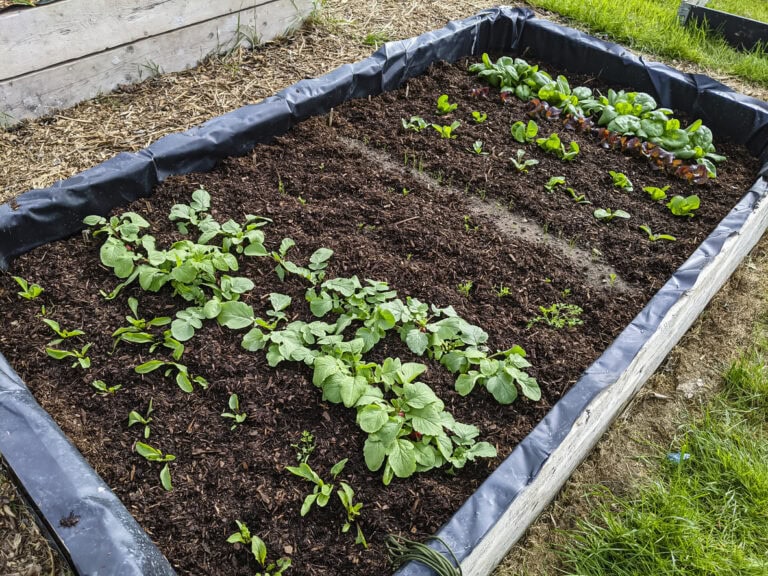
While the modern-day gardening community has a tendency to disregard anything that isn’t “ideal”, in my opinion, one should be more flexible and able to adapt to the circumstances present strategically.
Many gardeners view soggy soil as something terrible, but they should really be looking at it as an opportunity, especially when plants that love to grow in soggy soil exist.
In today’s article, we’ll be taking a look at some plants that actually prefer growing in soggy soil. You might be surprised to find that some very familiar names can also do well in wet conditions. Let’s get right into it, shall we?
Plants That Love Soggy Soil
Not every soil is the same, and that’s what makes gardening so interesting. If your soil is acidic, for example, there are plenty of plants that actually love it. I’ve shared a few of my go-to choices in this guide to plants that thrive in acidic soil conditions.
1: Iris (Zones 4-8)

Irises like the Louisiana or Siberian types thrive in wet and soggy soil conditions because their rhizomes love moisture. This perennial is known for its clean and elegant blooms that are versatile enough to create a meaningful impact in any garden.
Quick tip: Most people make the mistake of planting irises too deep! I keep the tops of the rhizomes slightly exposed so they don’t rot in wet soil.
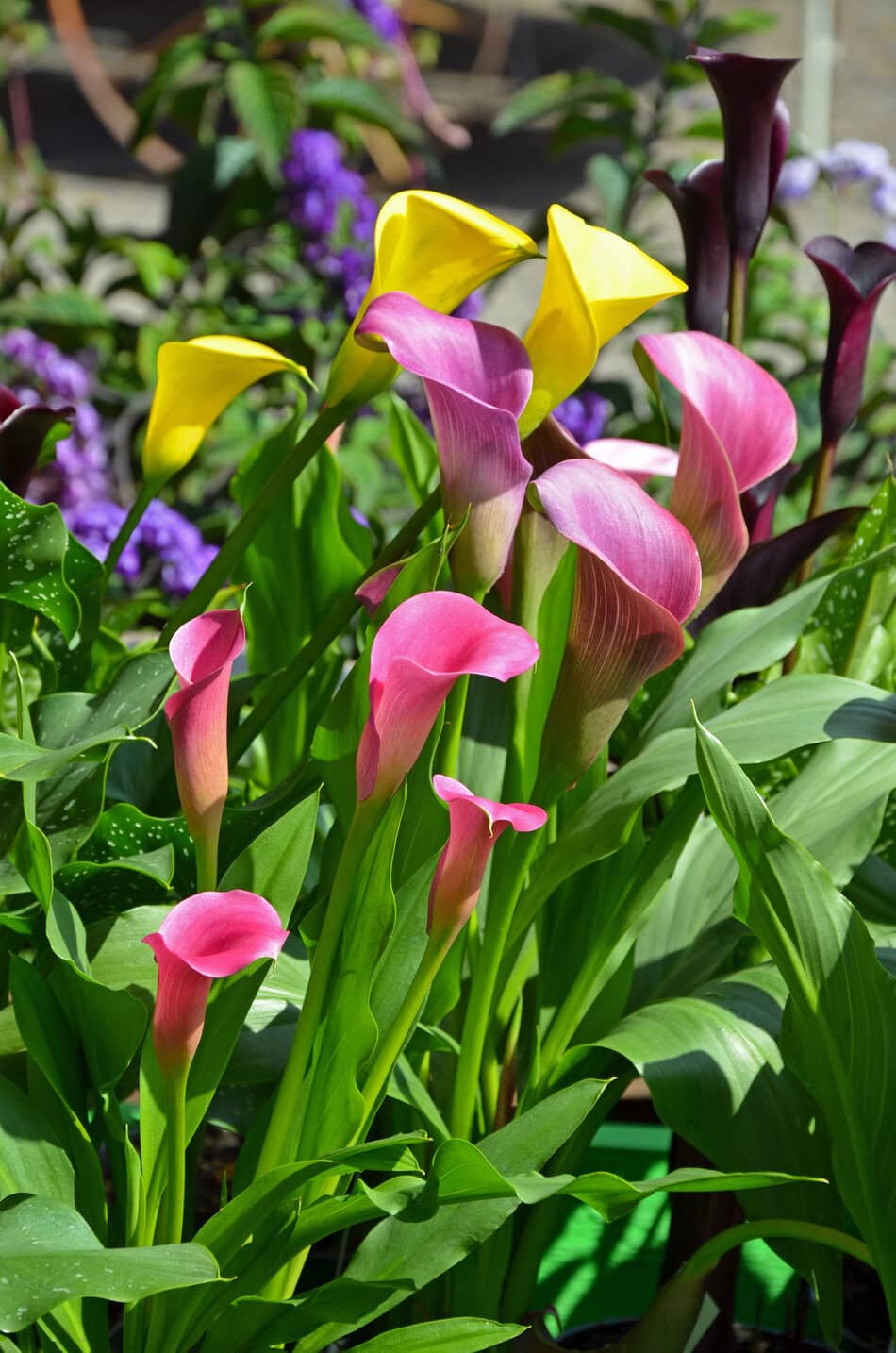
2: Calla Lilies (Zones 8-10)
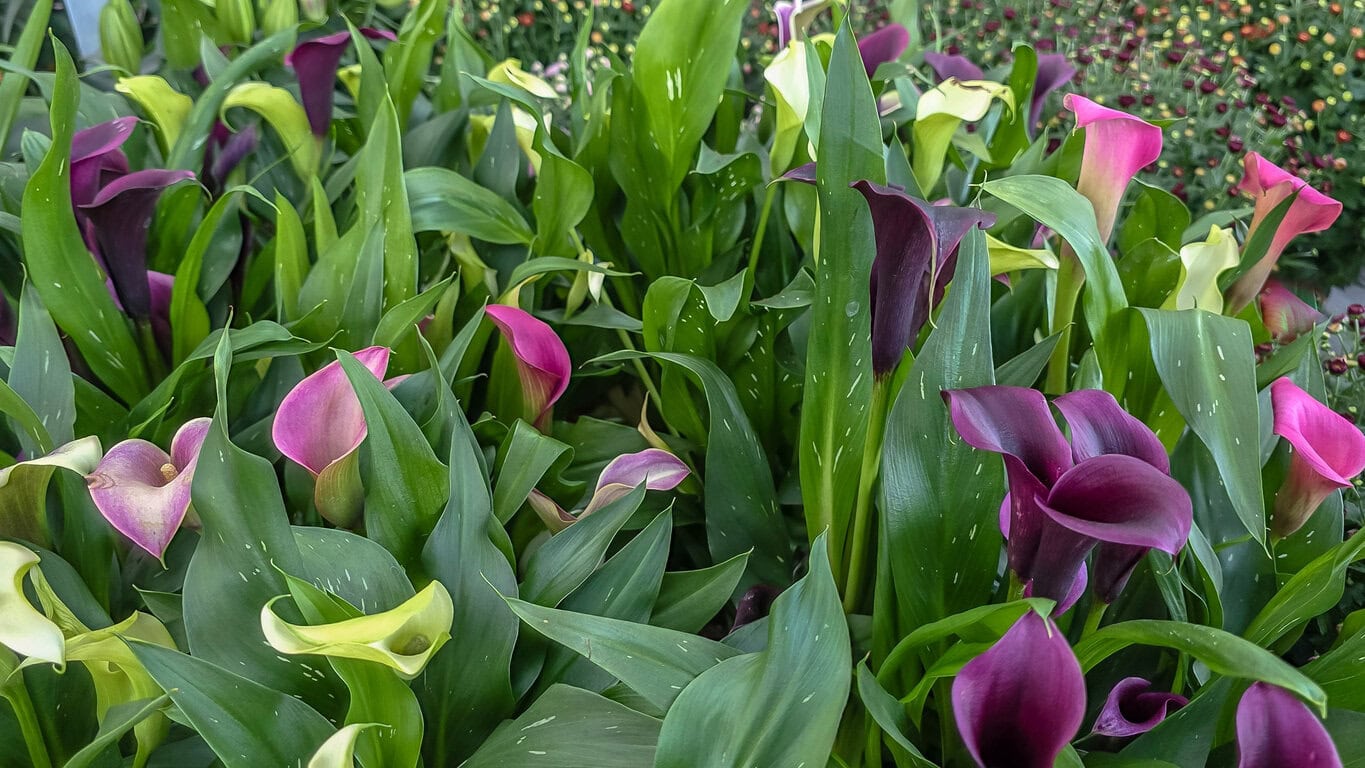
Calla lilies have tubers that thrive in wet, mushy soil. Where other plants and perennials won’t grow, these will. Famed for their stunning trumpet-shaped flowers, calla lilies are definitely one of a kind.
They do especially well along pond edges or in boggy containers where the soil stays constantly damp.
3: Cardinal Flowers (Zones 3-8)

Shockingly, cardinal flowers can still do relatively well even if you submerge them in shallow water, even a few dry days can set them back! Soggy soil is a staple growth requirement for cardinal flowers, and once they bloom, they will draw in lots of pollinators to your garden.
4: Papyrus (Zones 8-11)
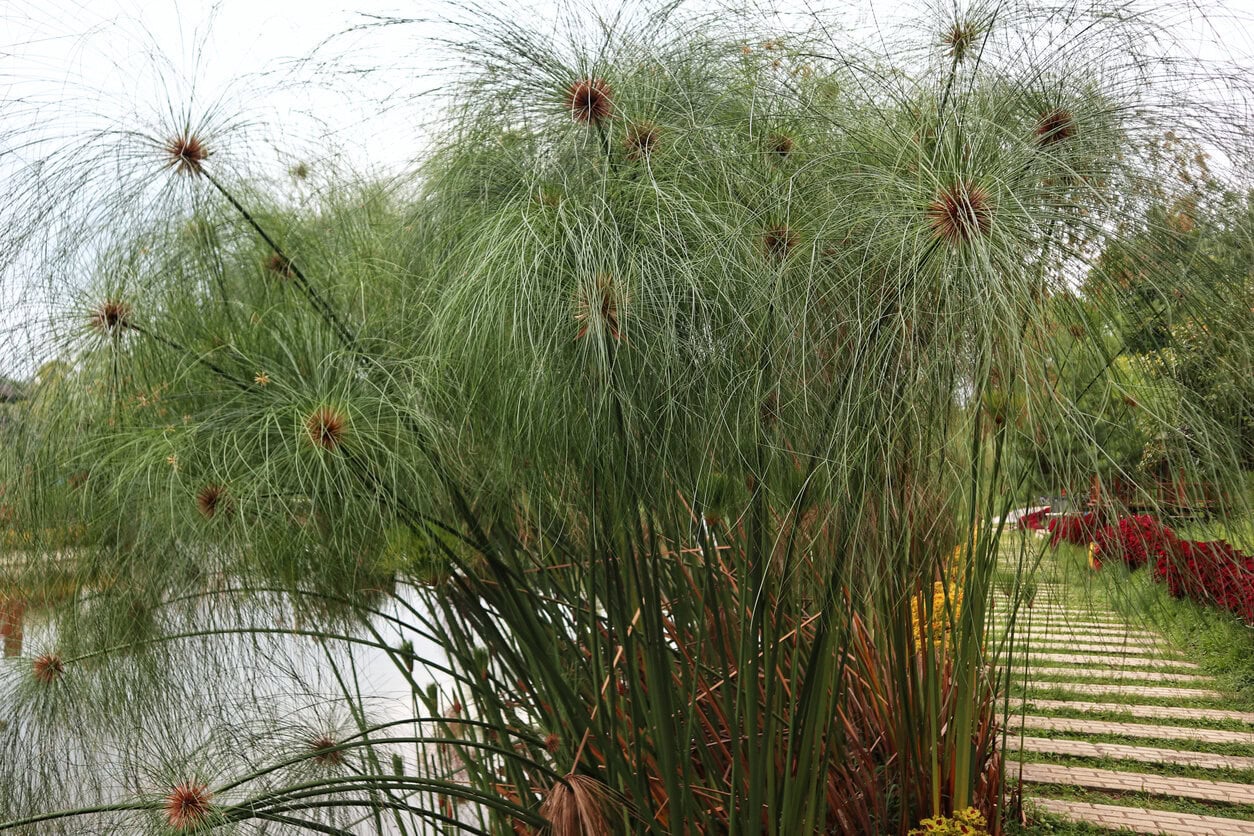
Papyrus is a moisture-loving perennial that naturally thrives in wet, waterlogged soil conditions. Its tall growing stems produce these tiny yellow flowers that add some color but mostly visual density and fullness to the garden landscape.
5: Hibiscus (Zones 4-9)

Out of all the perennials on this list, I’m confident that most gardeners already know how much hibiscus loves moisture.
The hardy types, like Hibiscus moscheutos, actually thrive in soggy soil and can grow up to 7 feet tall in full sun. Their huge, tropical-looking blooms attract bees and hummingbirds and add a bold, dramatic touch to wet areas of the garden.
Quick tip: I always add a layer of mulch around the base, it keeps the moisture steady and the blooms huge.
6: Spiderworts (Zones 4-8)

Spiderworts are one of those perennials that not only handle moisture very well but can also tolerate some amount of occasional flooding.
Despite the creepy name, they offer stunning three-petaled blue and purple flowers, making them a perfect choice for dull gardens in rainy areas. I cut mine back hard after they finish blooming, it keeps them tidy and encourages new growth.
Quick reminder: Spiderworts can spread quickly if they’re happy, so divide them every few years or pull stray seedlings to keep them in check.
7: Forget-Me-Nots (Zones 5-8)

The reason why you’ve probably always seen forget-me-nots growing near ponds and water bodies is that they love soggy soil. Tiny blue forget-me-nots have a very long bloom time, and they can even change color as they age.
8: Swamp Milkweeds (Zones 4-9)

Like their name suggests, swamp milkweeds love growing in swampy areas. They’re known for their beautiful but complex pink blooms that monarch butterflies absolutely love.
9: Bee Balms (Zones 3-8)

This popular perennial can actually thrive in soggy spots and high humidity without an issue. Bee balms serve as the perfect attraction for pollinators, and their bright pink and crimson flowers really shine through against more contrasting foliage backgrounds.
Quick reminder: Bee balm spreads fast through underground rhizomes, trimming the edges or planting it in a contained bed helps control its growth.
10: Cannas (Zones 7-10)
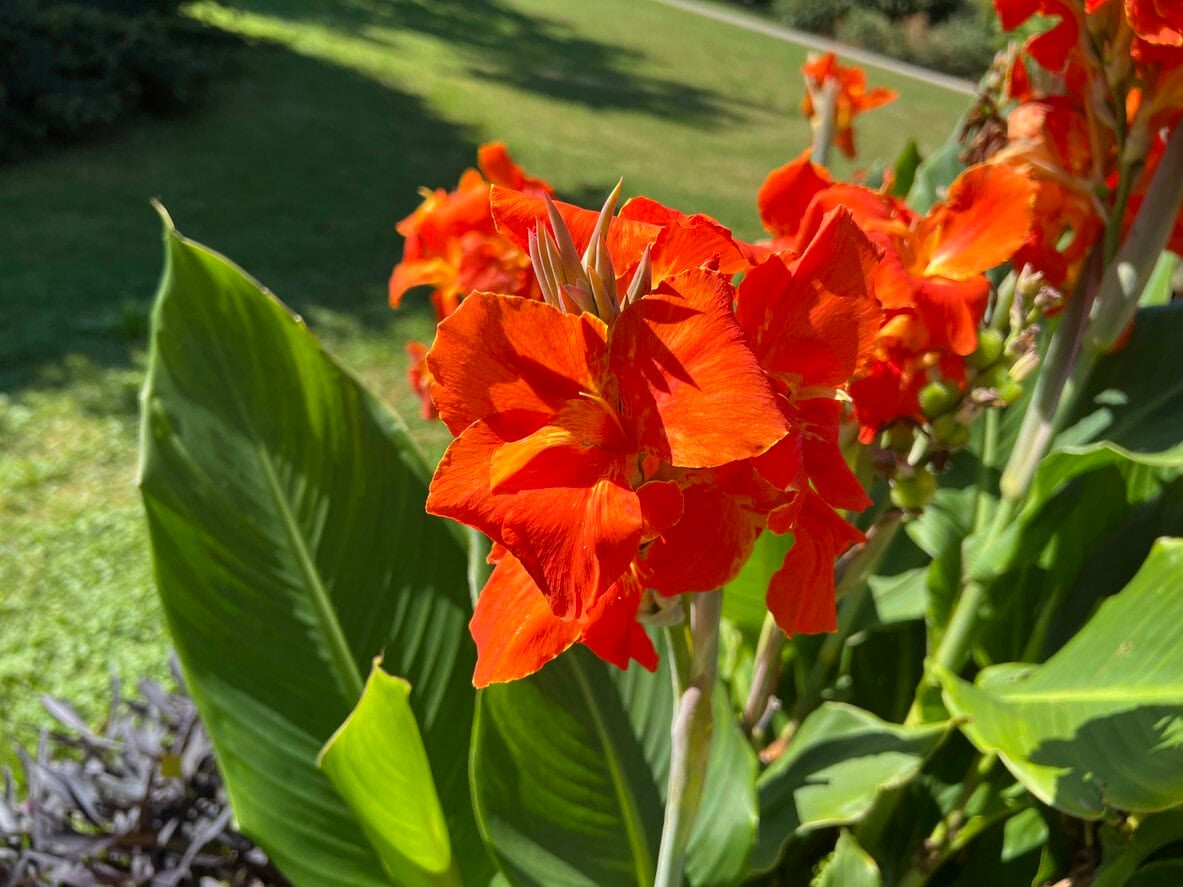
Cannas love soggy soil for growth and can even do well in some degree of shallow water. While their flowers aren’t really the boldest, their lush foliage steals the show! They have this unique shape with foliage that really complements.
11: Astilbes (Zones 4-8)

While many people love astilbes, not everyone knows that these perennials can actually do pretty well in soggy, damp conditions. They offer soft, velvety plumes in colors like baby pink, blue, and white that really give the garden landscape a fuller appearance.
Just be careful not to let the soil dry out when growing these! They’re also one of the few moisture-loving plants that thrive in part shade.
Quick tip: Most people forget to water astilbes enough! I keep mine evenly moist from spring through bloom for fuller plumes.
12: Mint (Zones 4-11)

Mint is one versatile perennial herb that grows well in various temperature conditions and prefers moist soil. It’s loved for its strong minty scent and freshness that really makes dishes come alive if used as a garnish on top.
Quick reminder: Mint loves to wander! Grow it in a large container or sink a pot into the ground to keep the roots from taking over.
13: Meadowsweet (Zones 3-8)
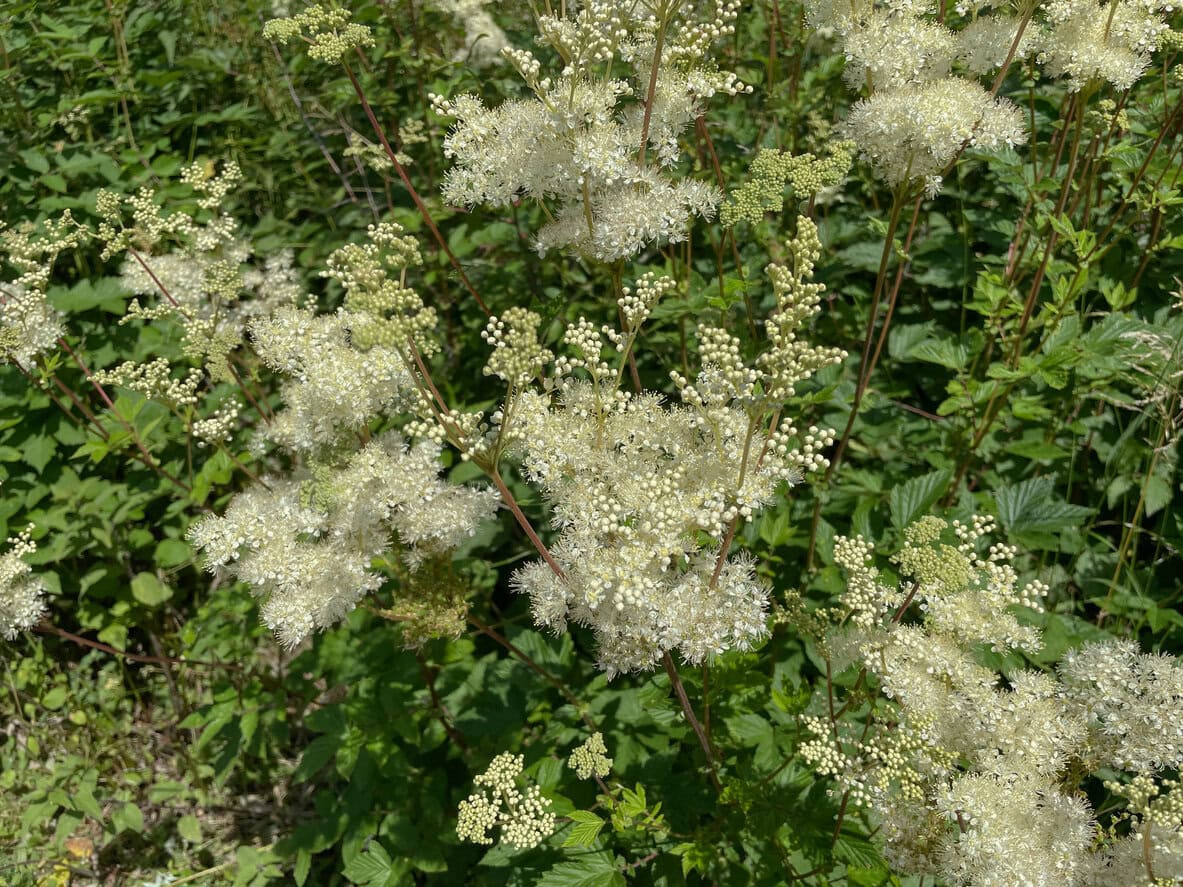
Meadowsweets are literally known for thriving in wet meadows and growing near water bodies. This perennial offers tiny, soft flower clusters on tall stems with a very nostalgic, sweet fragrance to them.
Quick tip: I’ve found it does best in part sun. Full sun dries it out too quickly, even in wet soil.
14: Turtleheads (Zones 4-8)
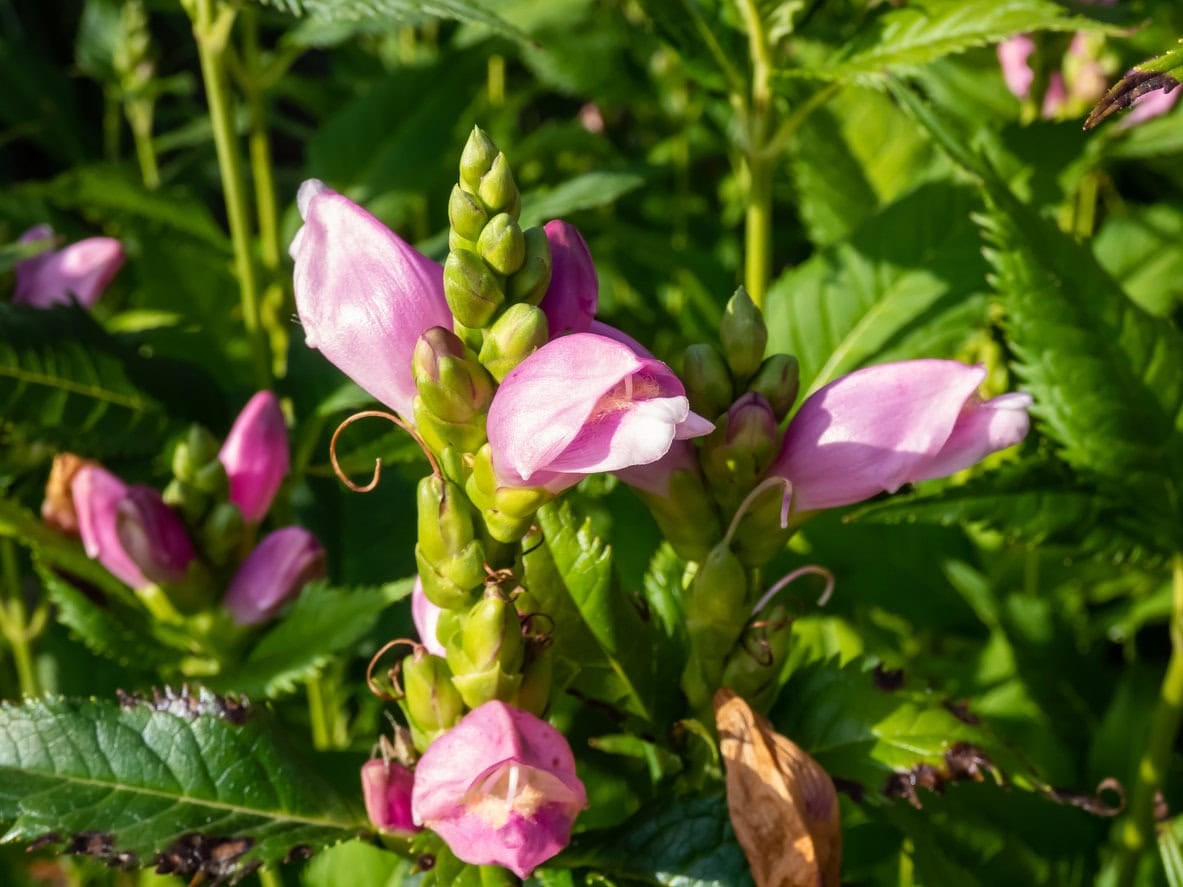
Turtleheads can deal with situations involving standing water very well. They offer turtle-shaped, pink and white blooms that open and close throughout the day, adding a unique, constantly shifting look to the garden.
What Happens If You Underwater A Moisture-Loving Plant?

Plants that grow best in soggy soil prefer consistent moisture levels to maintain healthy function and blooming. If they’re underwatered and kept dry for too long, you’re just asking for trouble.
The first thing you’ll probably notice is an immediate slowdown in plant growth, followed by drying stems and discoloring foliage. Soon, the plant will take on a weak, puny appearance, making its vulnerability and stress quite obvious.
For the best results, set up a proper, high-frequency watering routine for your moisture-loving plants and ensure you never go for too long without watering them.
If you’re unsure when watering matters most, I wrote a short guide on the best time to water your plants: morning, afternoon, or night.
Can Soggy Soil Be Dangerous For Plants?
For some, yes, soggy soil can be extremely dangerous! Plants that prefer dry conditions and infrequent watering will absolutely not be able to survive with moisture-loving plants, so DO NOT try to pair the two in any way.
If your garden leans more toward dry soil, you’ll have better luck with garden plants that almost never need watering.
The right kind of plants, like swamp milkweeds, forget-me-nots, hibiscus, and papyrus, will like it if you strategically plant them in spots that hold a lot of water and have somewhat poor drainage.
Let’s Conclude
As risky and troublesome as soggy soil can be for many plants, it’s also a planting opportunity for gardeners who are wise enough to know what plants would thrive in it.
Now that you know all there is to know about moisture-loving plants, how about you try planting one yourself and sharing your experience in the comments below? Good luck!