Everyone’s telling you to fix your soil? Here’s a tip: don’t. While the neighbors are busy adding lime and shaking their heads at your problem, you’re about to grow a pH-enomenal garden.
It turns out your acidic soil is the perfect VIP lounge for some of the most stunning plants around. Who’s laughing now?
How Soil pH Dictates What’s on the Menu

Let’s say your soil’s pH is like a locked pantry full of gourmet snacks. And the low pH holds a special key that can unlock specific nutrients, like iron and manganese.
Even if those nutrients are in your soil, your plants cannot get to them if the doors stay locked. So it’s not that the food is missing. It’s just that your plants’ roots may or may not have the right key.
So if you prefer to play with the cards your soil has been dealt, it’s time to choose plants that appreciate its taste.
The Seven Plants That Love Acidic Soil
For thousands of years, plants have gotten really good at living in their home soil. And their roots and internal chemistry perfectly match a specific pH range.
And here’s the choice we all have to make: Do you fight to change the soil you have, or do you simply choose plants that are perfectly at home in your dirt already?
My advice? Forget being a sourpuss about your soil and make your garden pH-antastic with these plants.
1. Rhododendrons & Azaleas
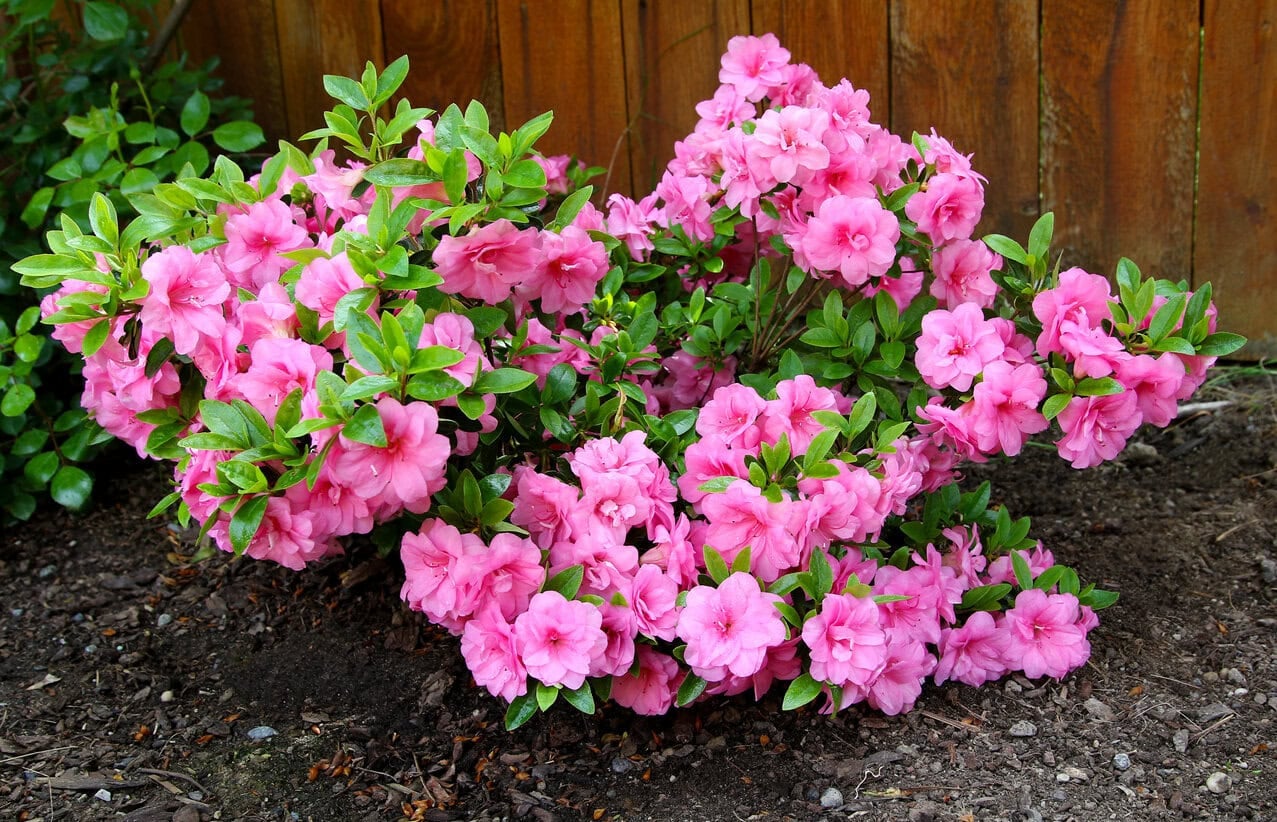
If you want to grow a garden with a serious reputation, start here. Rhododendrons and azaleas are particular. If the pH isn’t sitting in their preferred 4.5 to 5.5 window, a crucial nutrient like iron is completely off the menu for them.
This causes a condition called chlorosis when their leaves turn a sickly pale yellow. But if you give them rich and well-drained soil and a bit of shade, you’ll discover their secret. They’re actually quite simple to please.
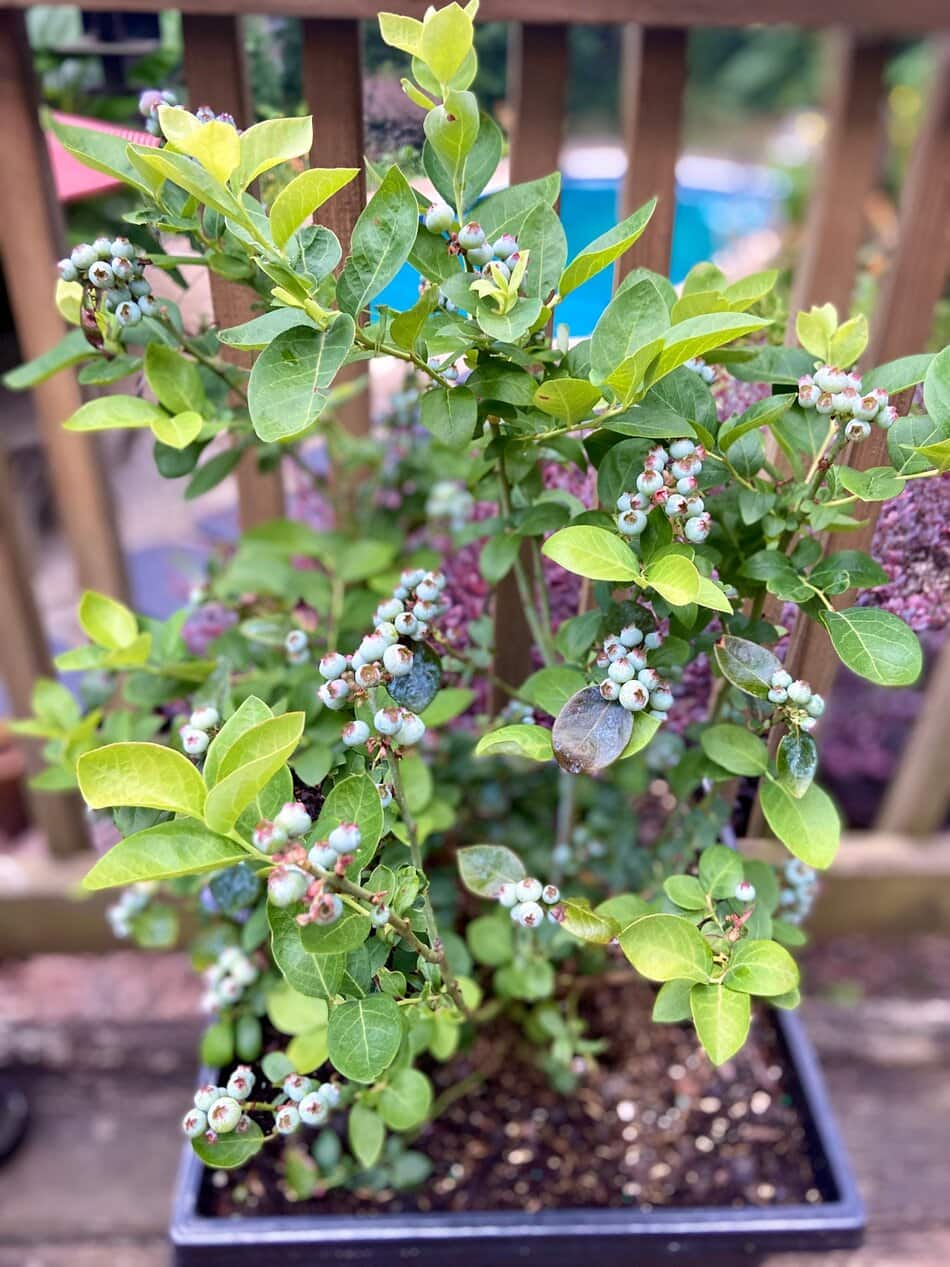
2. Blueberries
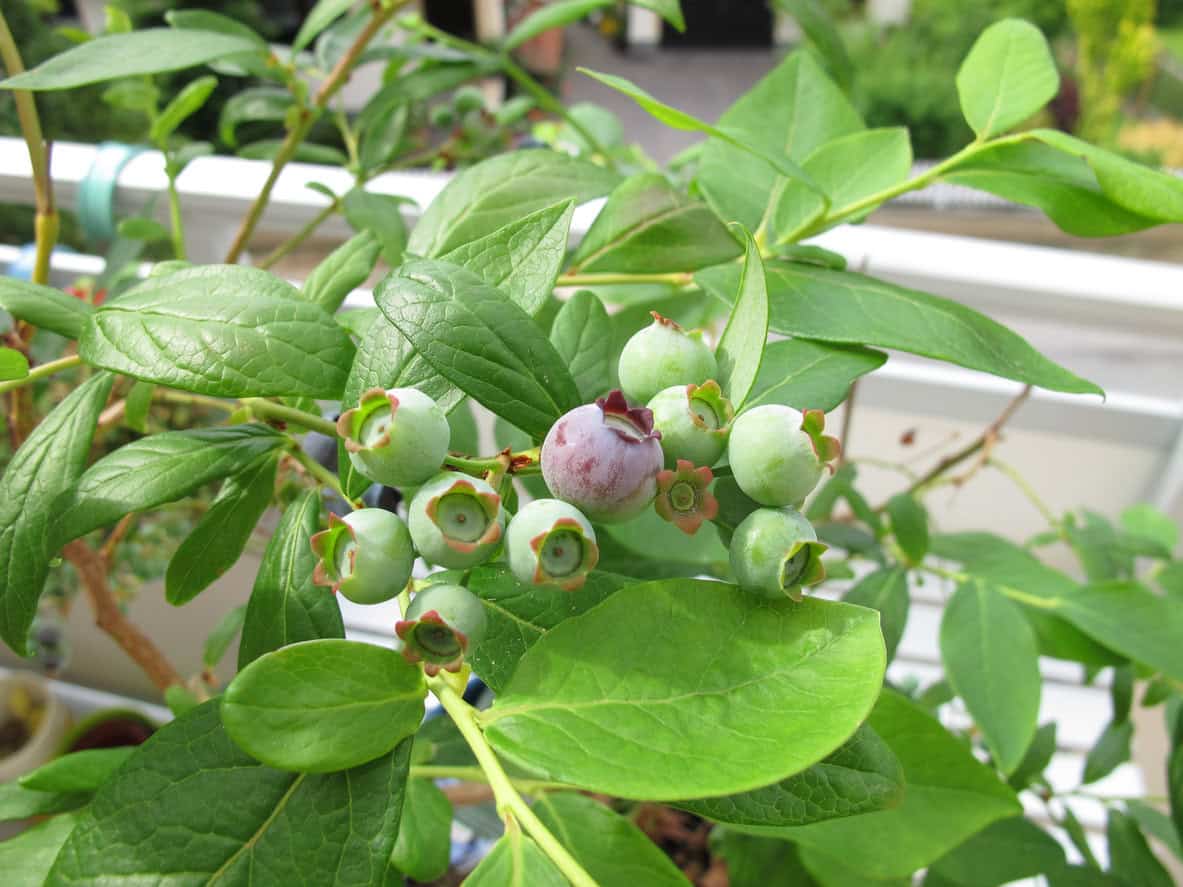
Next up is a plant with a truly discerning palate. Blueberries are famously picky, and they’re not shy about it, demanding a very specific pH between 4.0 and 5.0.
This is a non-negotiable requirement for their nutrient intake. Just give them a sunny spot and a nice blanket of pine needles to keep their soil nice and acidic.
Prefer growing edibles rather than ornamentals? Check out vegetables that flourish in poor or acidic soil, I’ve covered some great options.
3. Hydrangeas
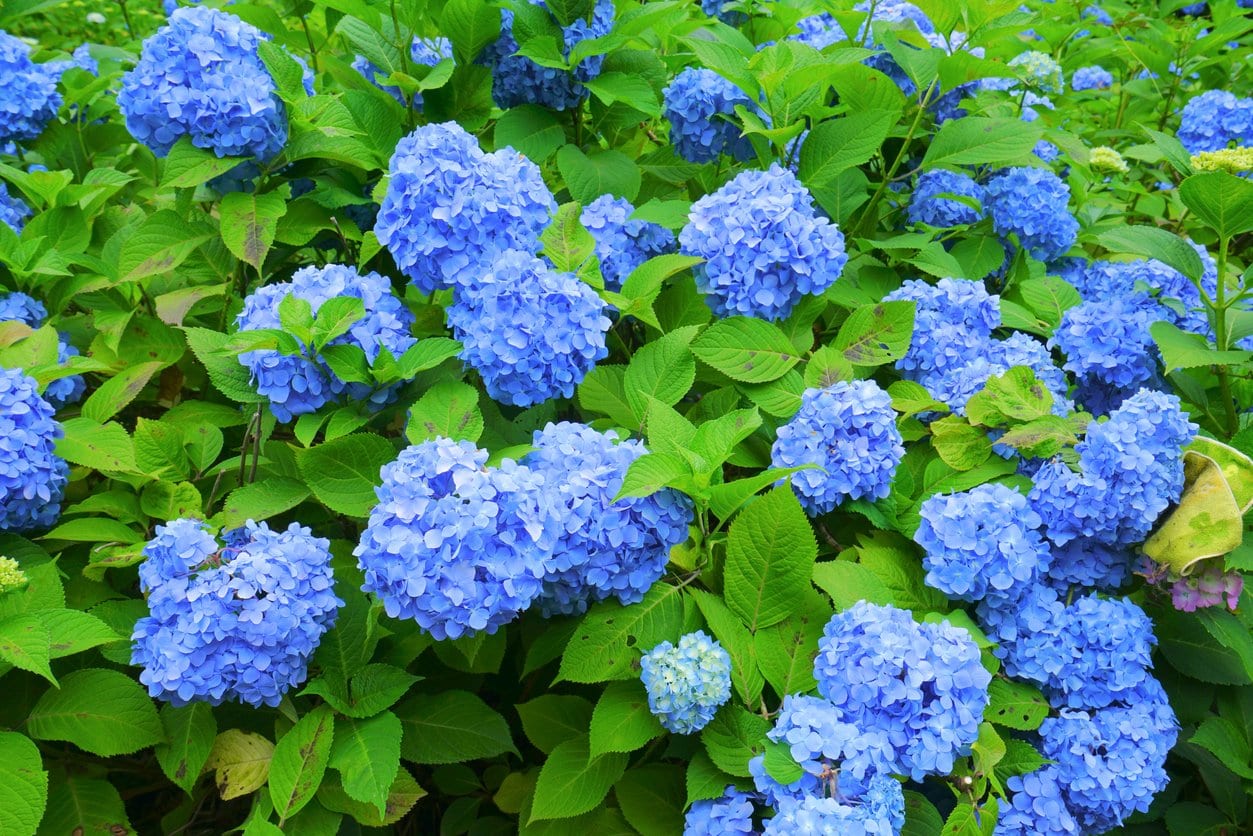
These are the plants for when you want to show off your science or Fairy Godmother skills. Hydrangeas are the garden’s great chameleons, with big, beautiful blooms that can literally change color. It’s not a mystery, but a matter of soil pH.
If you get it just right (a touch below 5.5), they’ll reveal that show-stopping blue. If your topsoil is a bit more neutral, they’ll stubbornly remain a pretty pink.
If hydrangeas fascinate you, take a look at my guide on how to change the color of your hydrangeas naturally, soil pH magic included!
4. Camellias
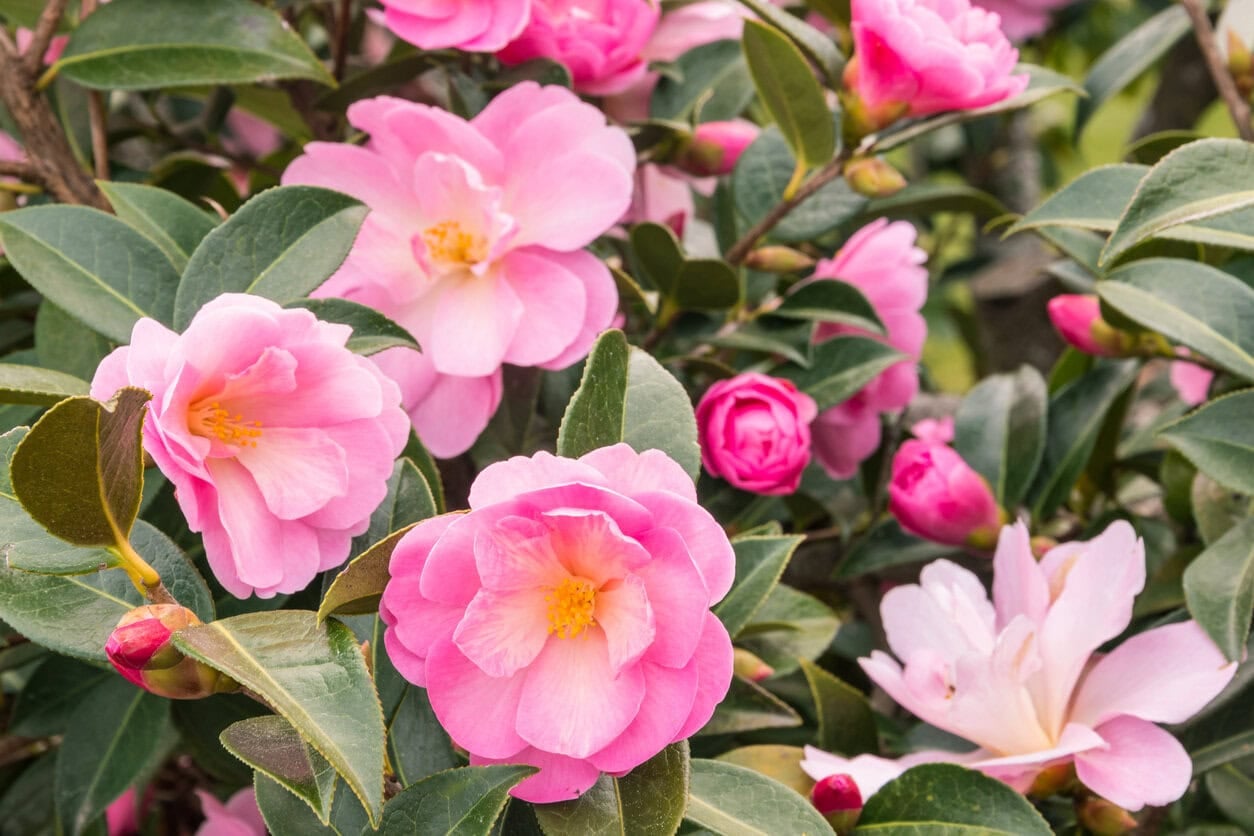
Camellias are for all who crave a touch of refined elegance. They prefer a slightly acidic pH of 5.5 to 6.5, which happens to be exactly the kind of loose and loamy soil of their native forest habitats.
A sheltered spot will protect their waxy blooms, and some mulch will keep the soil happy. When they finally decide to bloom in the dead of winter, they’ll be the belle of the winter ball.
5. Ferns

Most fern varieties are content with a slightly acidic pH of 6.0 to 6.5, which comes with a steady diet of decaying leaves and organic matter. They’re begging you to pile on the compost and leaf mold to make them feel right at home.
If you want to get really serious about your acidic shade garden, look for varieties like the Royal or Hay-scented fern, which are a match made in heaven. They’ll fill in all the shady spots where your other plants won’t grow, and not complain once.
6. Magnolias
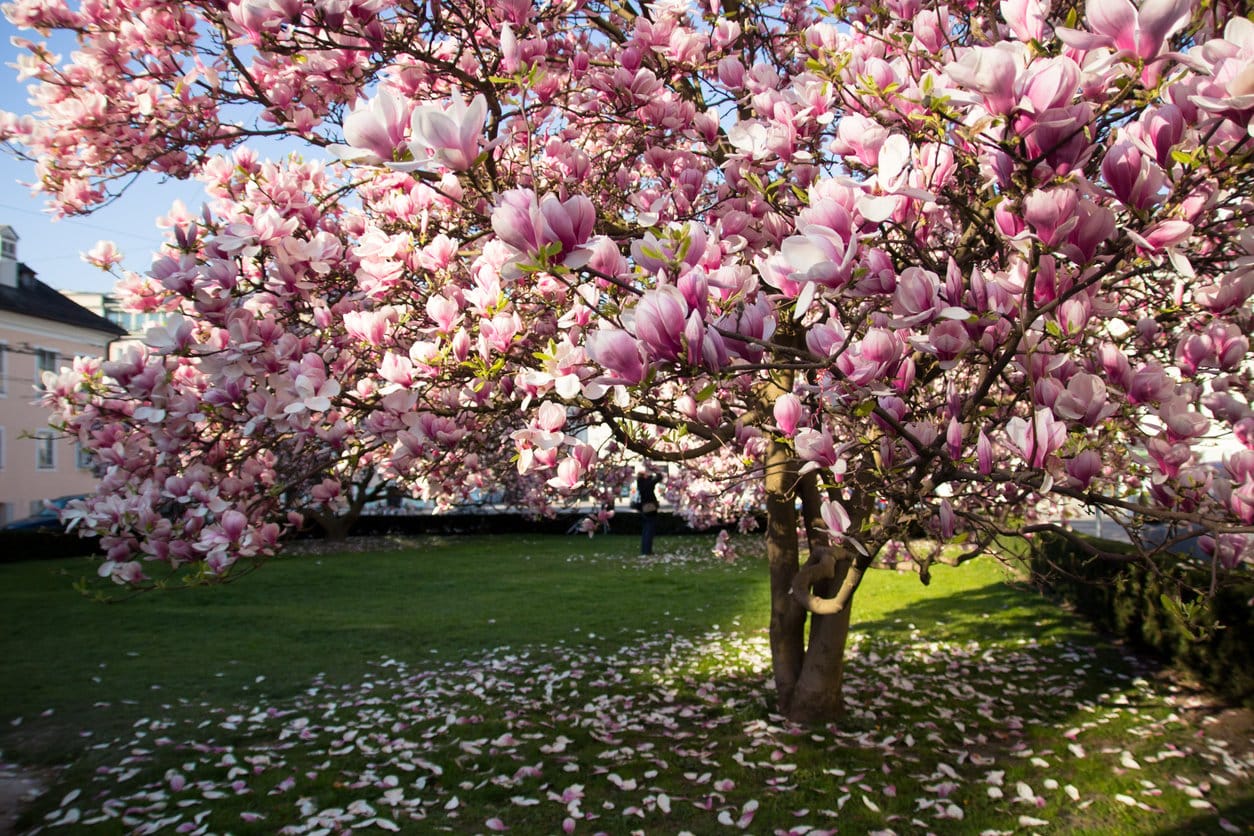
Magnetic Magnolias magically magnify the majestic magnificence of any garden. So plant yours in a slightly acidic pH of 5.0 to 6.5, which helps them develop a strong root system.
Once you do it, leave them be and try not to disturb the soil around their roots. Also, a thick layer of mulch will keep the soil consistently damp and acidic.
7. Heather and Heath
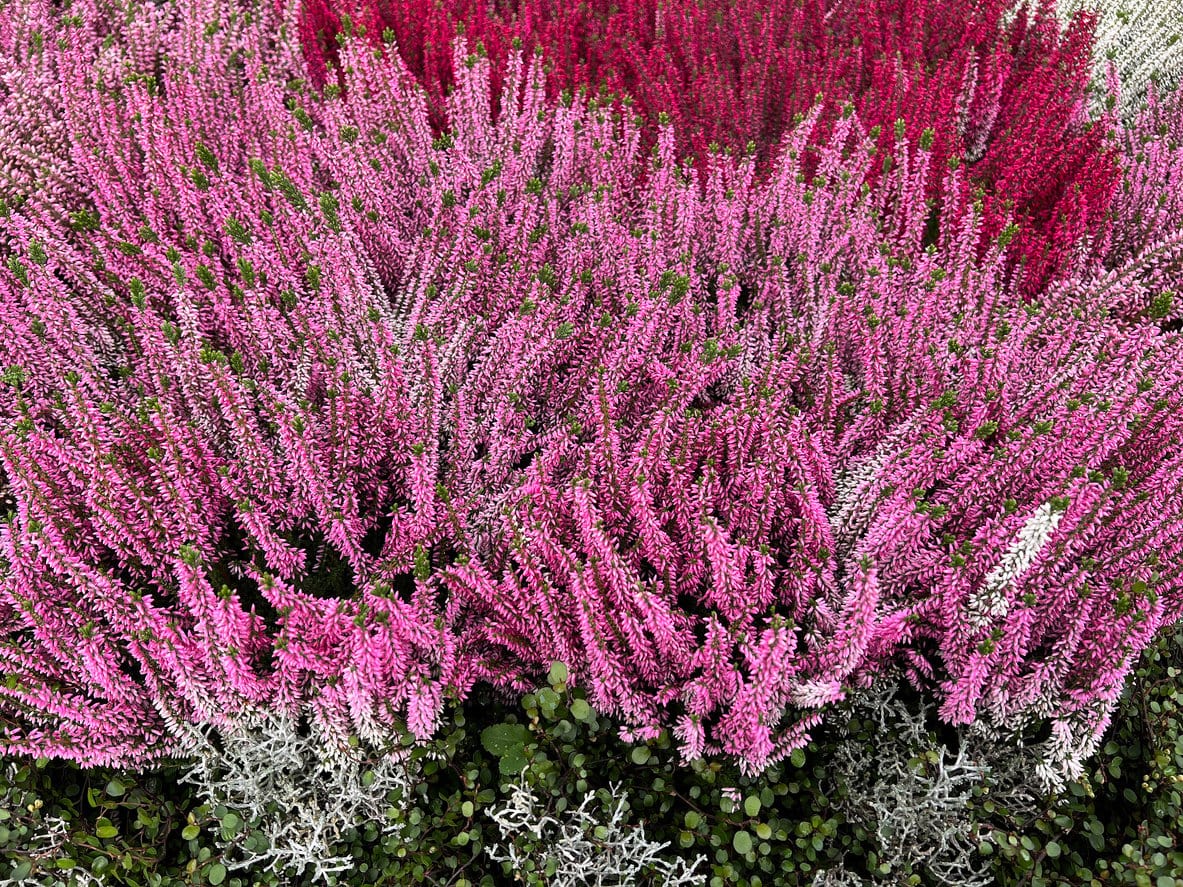
If you’re looking for evergreen plants that can handle being ignored, these are your guys. They’re originally from rocky, rugged landscapes, so they practically snort at the idea of loamy soil.
They need a highly acidic pH of 4.5 to 5.5. Otherwise, they’ll get grumpy. What do you call a heather and a heath who don’t like being noticed? A low pHocus group.
Your Soil’s pH-ilosophy or How to Figure Out Your Garden’s pH

A quick way to get a general idea of your soil pH is a simple at-home fizz test. Scoop some soil into a bowl, add a little bit of distilled water, and then pour in some vinegar.
The quick fizz test is only for a rough idea. For a precise number you need for picky plants like magnolias and heathers, you’ll have to use a proper soil testing kit or send a sample to a lab.
Just don’t let any pHobias keep you from planting the garden of your dreams.