
You might’ve heard that November is the ideal time to prune many perennials, but I bet nobody has ever told you the reason why this month is so special for pruning.
Well, that’s what we’re going to discuss today. In this article, I’m going to take you through the ideal pruning time for each zone and discuss perennials you can prune in November for a healthier spring garden.
Let’s get started, shall we?
But Before You Start…

Before diving into the list, it’s important to remember that November pruning isn’t one-size-fits-all. What feels like late fall in one garden might still be mild and leafy in another. Your USDA zone plays a big role in timing, so here’s how to plan your cuts based on where you live:
Before you start pruning, think of who else calls your garden home. Birds, bees, and tiny insects rely on dry stalks and seed heads for food and shelter through winter. A few uncut plants can make a big difference.
Perennials You Should Prune In November By USDA Zone

1: Peonies (Zones 3-7)

Peonies are a little different in the sense that, in colder zones, you would ideally prune them around early November, whereas in warmer zones, pruning later in November makes more sense.
Once the first hard frost has blackened the foliage, cut the stems all the way down to about 2 inches above the soil. Be sure to dispose of the foliage instead of composting it to avoid disease.
If you’re ever unsure whether to leave them standing or cut them down, this post on cutting back peonies in fall walks you through both options.
2: Hostas (Zones 3-8)

Hostas can turn mushy and draw attention from slugs once frost hits. Once the leaves have turned yellow or mushy, snip them right down to ground level, keeping the base clean and clear of any decaying leaves.
If your hostas are starting to look tired, here’s how to trim back yellowing leaves without harming the crown.
3: Bee Balm (Zones 4-9)

When it comes to bee balms, you should cut down stems to just 2-3 inches above the soil to reduce the likelihood of fungal diseases, like powdery mildew.
In warmer zones (8-9), prune more lightly if the plants are still green and vigorous, leaving a few short stubs to mark their spot for spring.
Note: Leave a few seed heads standing for the birds. Finches love picking them clean, and the hollow stems can shelter native bees.
4: Phlox (Zones 4-8)

Garden phlox, like bee balm, can easily develop mildew in cool, damp weather. So, after the first frost, cut garden phlox back to a few inches above the ground. This keeps mildew at bay and encourages strong new shoots next spring.
Note: While phlox seed heads can feed small birds, these plants often carry powdery mildew. You can leave a few clean stems for wildlife but prune most to prevent disease.
If you’re unsure which plants to cut and which to leave for wildlife, this guide on which perennials to cut back before winter (and which to leave standing) can help you decide.
5: Daylilies (Zones 3-9)

Daylily foliage tends to go soggy or yellow around November, so pruning it right away is a good idea. Use clean shears to cut each clump back to about 4 inches tall, removing any soggy or collapsed leaves around the crown.
For zones on the warmer end, foliage may stick around for longer and not go soggy as quickly. But, when it does, prune it right away.
6: Yarrow (Zones 3-9)

Cut your yarrows back down to 3-4 inches above the crown once the blooms are spent, leaving a tidy little mound of green.
In warmer zones, wait until the plants go fully dormant in winter before cutting.
Note: Yarrow seed heads add winter texture and sometimes attract birds. You can leave a few upright stems if they still look sturdy.
7: Astilbe (Zones 3-8)

Like some of the other perennials on this list, astilbe foliage begins to turn soggy and rot in winter, especially if it rains a lot.
Once the foliage has browned, cut all astilbe stems right down to soil level. This keeps the crown free of wet, decaying debris that can cause rot in winter.
8: Catmint (Zones 3-8)
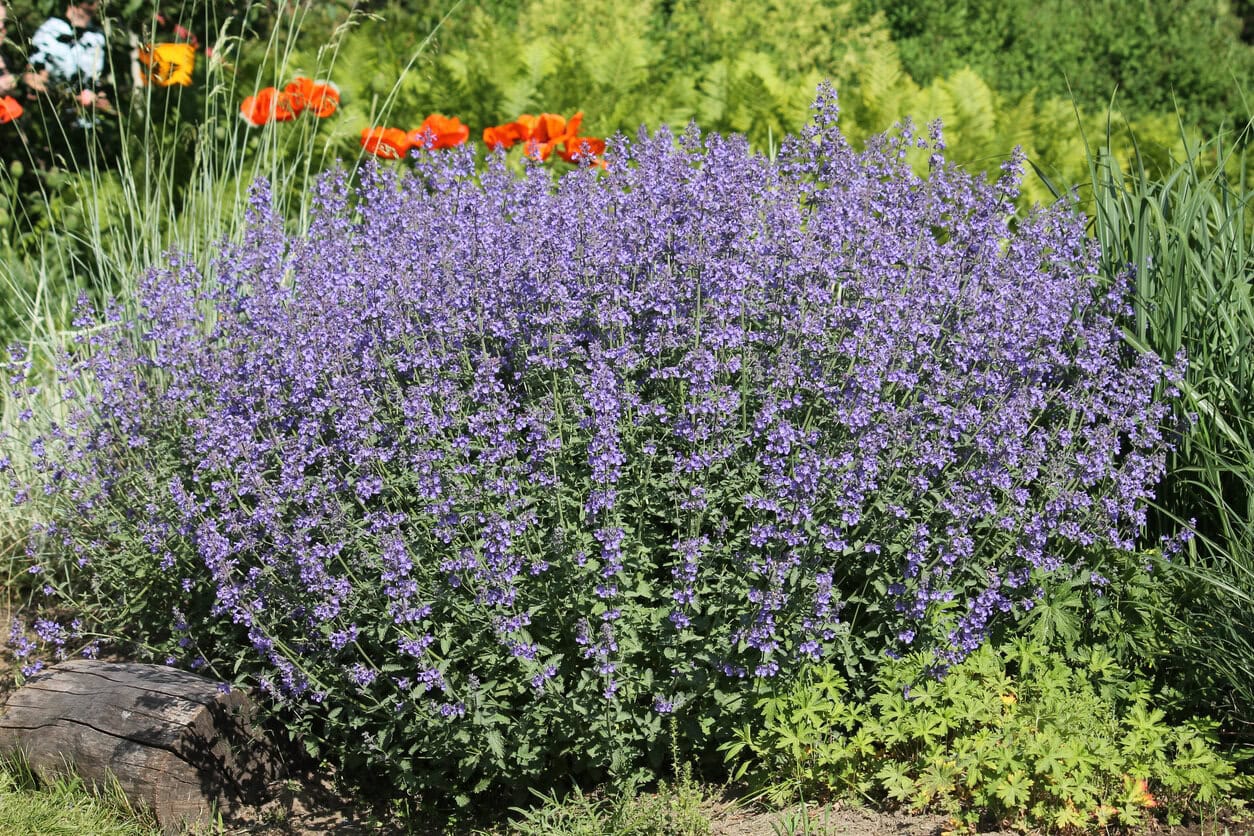
Catmint stems turn straggly in the winter, so it makes sense to cut the stems back to about 3 inches above the base for a neat winter look.
In warmer zones, wait until late winter before giving it a proper trim.
Note: Catmint stems can offer light shelter for overwintering insects, so you can trim lightly now and finish pruning in late winter.
9: Coreopsis (Zones 4-9)

Cut your coreopsis stems back to 2-3 inches above the ground once they start turning brown, leaving just a small tuft to protect the crown over winter.
In cool zones, a mid-November prune is best. While in mild zones, prune later if the plants appear somewhat evergreen.
Note: Leave some seed heads standing to feed birds over winter and delay pruning those clumps until early spring. Goldfinches especially love the seeds.
And while you’re at it, make sure you’re not cutting something you shouldn’t, here’s a helpful list of plants you should never prune in fall but wait until spring.
Is November Too Late To Prune Perennials?
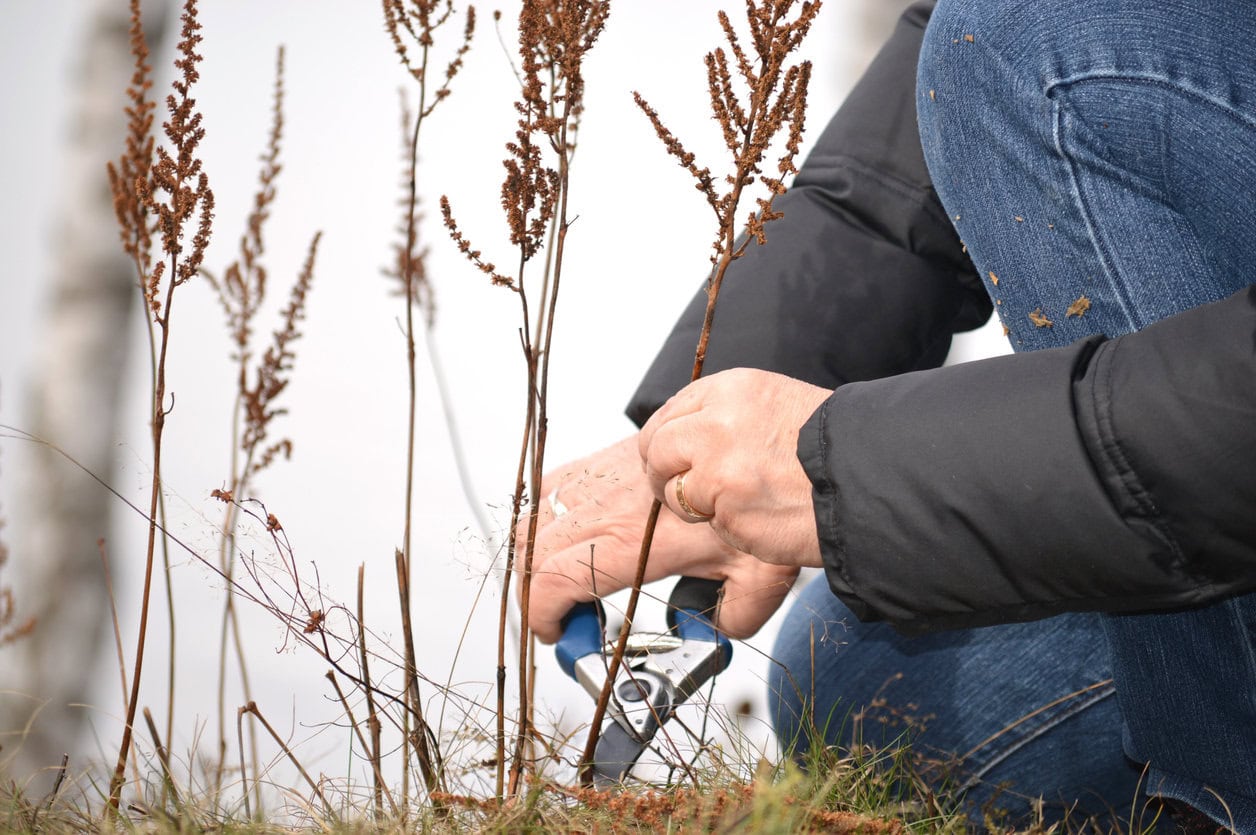
Well…not really…
If you live in milder zones (between 6-7), November is actually the best time to prune most perennials.
In cooler zones, all pruning and cutting tasks should be handled by early November, whereas warmer zones give you the freedom to prune anytime until late winter. That said, it also depends on the perennial and whether it’s a hardy or a sensitive one.
What Happens If You Don’t Prune Your Perennials In Fall?

Untidy, overgrown foliage tends to attract pests and diseases, and that can be a serious problem for the health and longevity of your perennials.
Classic perennials like peonies, phlox, and bee balms are some of the most common victims.
Sometimes, during rainy winters, many perennials also go soggy and messy. Pruning helps rejuvenate the plants and encourages new growth.
Once you’re done pruning, you can also start thinking ahead, check out the best bulbs to plant in November for spring blooms.
Let’s Conclude
While November might not sound like an ideal pruning month, it’s exactly when experienced gardeners pull out their tools.
I mean, yes, it’s cold outside, your hands are freezing, and you don’t want to touch the wet, soggy foliage, but it’s an extra mile you have to go in order to make the most out of your precious perennials.




Do Mums need to be pruned, if yes, when is the best time?
Hi Delvin! 😊 Mums definitely benefit from pruning! The best time is in late fall after they’ve finished blooming and the foliage has died back, or in early spring before new growth starts. I usually cut mine back to about 3-4 inches from the ground in late fall. They’ll come back stronger next year!