
One of the reasons I find gardening to be such a fun and likable hobby is that you can really simplify it. I mean…most gardening work really just involves you checking small, repetitive tasks off a list.
Since November is right around the corner, I thought, why don’t we simplify the month by making a checklist of everything you need to tackle in order to prepare your garden for the wintertime? Let’s do it!
November Tasks Checklist

1: Harvest Any Remaining Crops
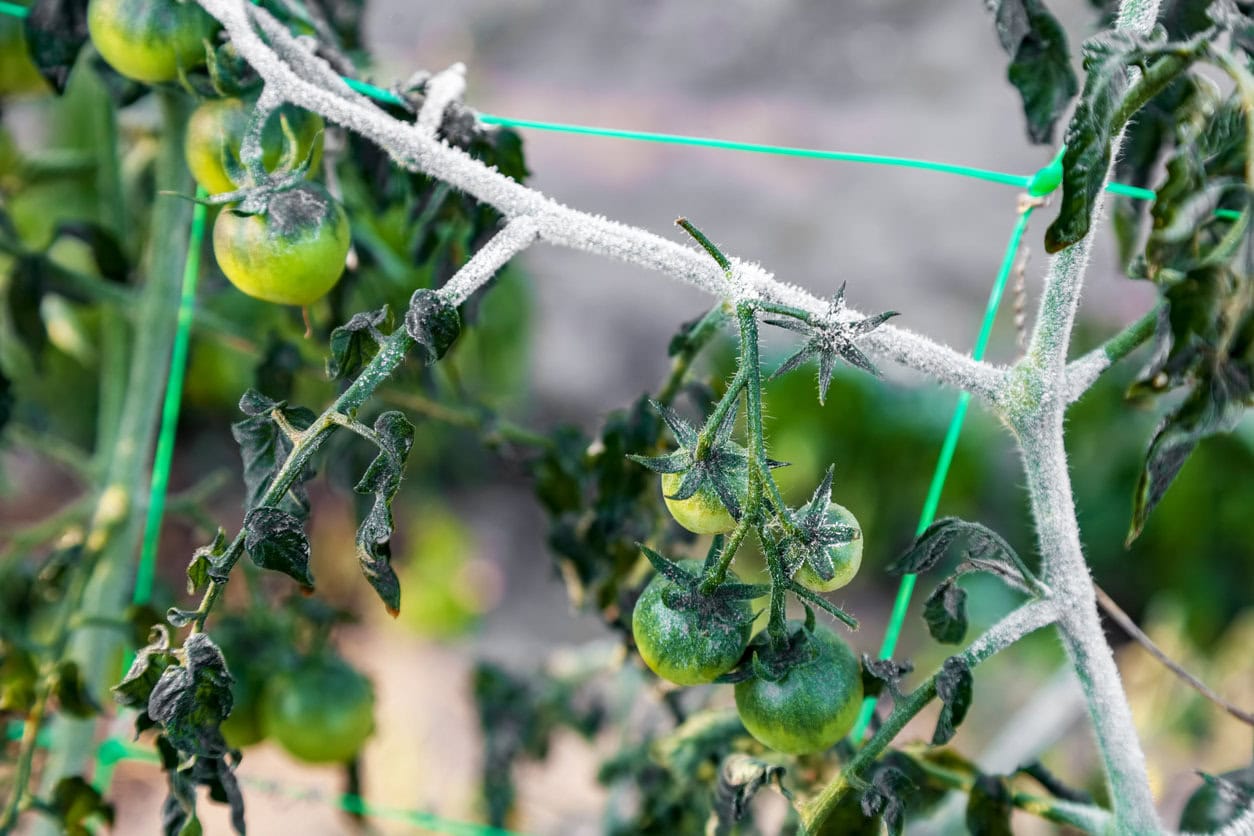
Before frost starts to kick in, it’s a good idea to harvest any last herbs and vegetables that might be remaining. Peppers and tomatoes are especially sensitive to the emerging cold.
Don’t worry about cleaning up spent crops right now; that can be handled later.
If you’re unsure which plants can stay standing a bit longer, here’s a full guide on what to cut back vs. what to leave standing in a November garden.
2: Remove Annuals And Clean Beds
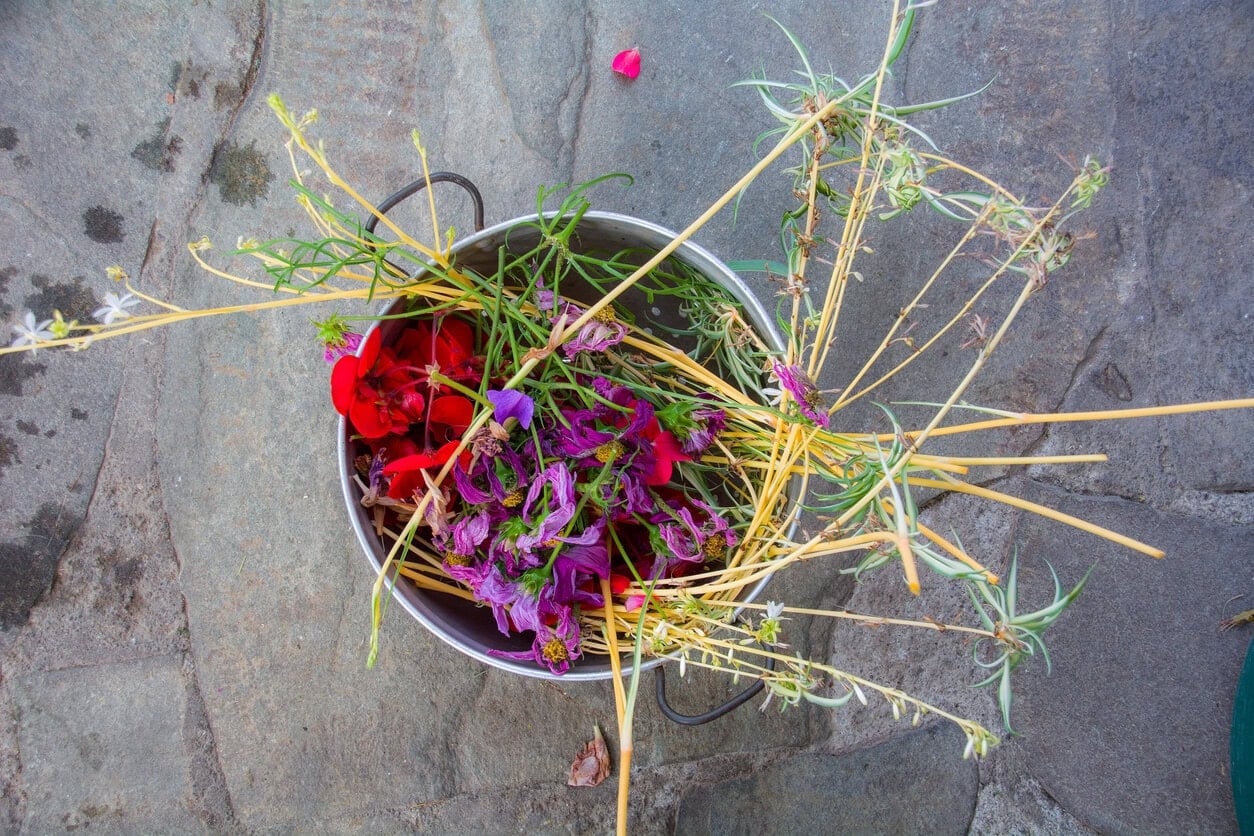
If you’re growing summer annuals in the garden, it’s best to pull them out for now and get rid of any diseased foliage while you’re at it.
Healthy plant material can be used in compost, and rotten or damaged parts should be discarded far away from the garden.
To see which annuals you should cut back (and how) this fall, check out annuals you must cut back this fall.
3: Collect And Store Seeds
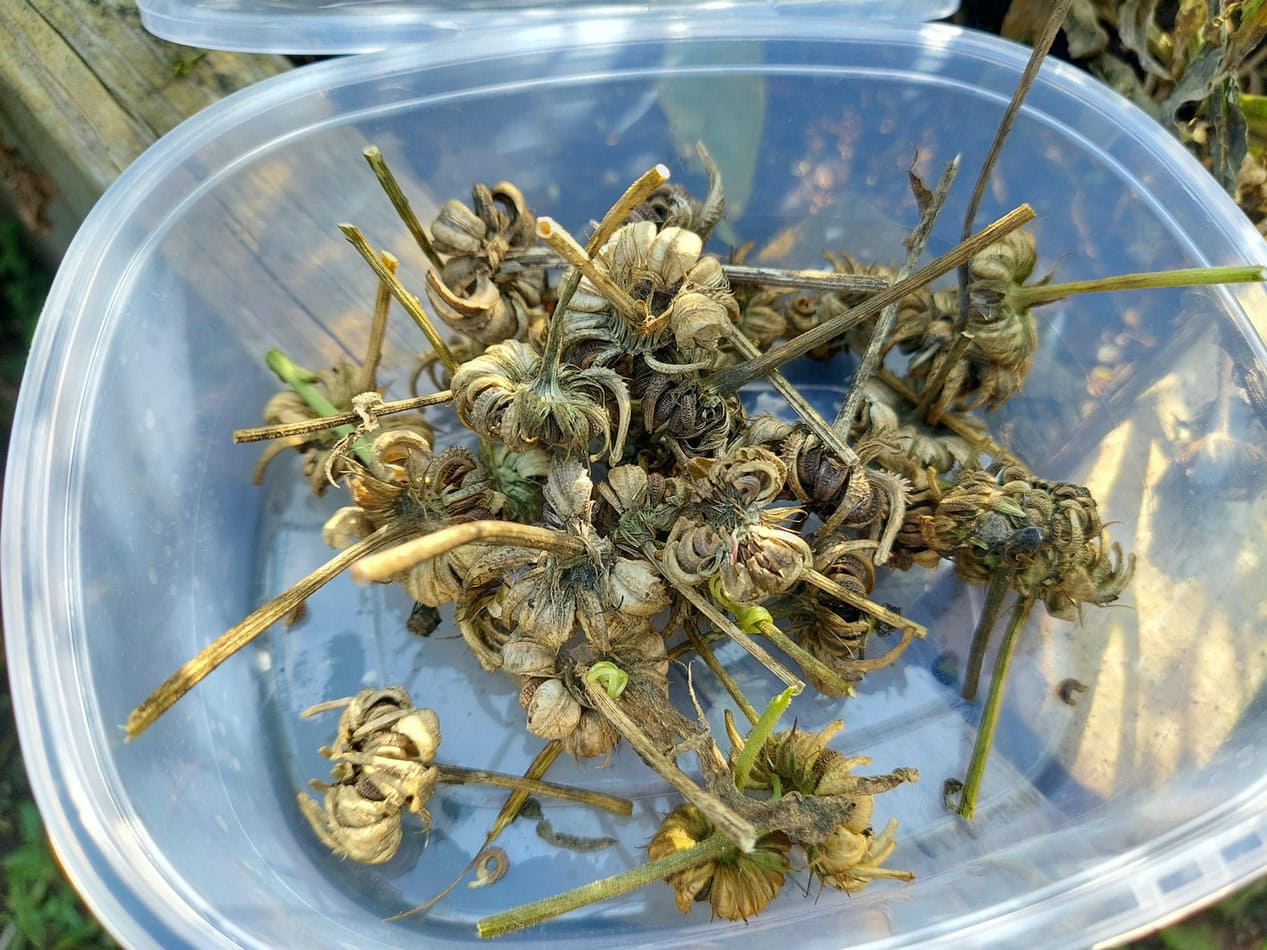
If you have seed-producing flowers in your garden, save their seeds when November arrives. Coneflower, zinnia, cosmos, and tomatoes are some plants you should definitely store seeds of.
Let the seeds dry completely before storing them in labeled jars or envelopes in a cool, dry place.
For long-term success, follow this guide on how to store garden seeds so they last for years.
4: Plant Bulbs And Garlic

In colder zones, the month of November is essentially your last chance to plant bulbs before the ground freezes and the soil becomes impossible to work with.
A few reliable bulbs I would suggest planting in November include crocuses, daffodils, tulips, and alliums. If you’re looking to plant a vegetable crop, go for garlic since it really thrives in cool soil.
You’ll find more inspiration in this guide to bulbs to plant in November for gorgeous spring blooms.
5: Divide Or Transplant Perennials

If you feel certain plants in your garden are misplaced or just too crowded, it’s probably a good idea to divide and transplant them to a more ideal location in November. You’ll find this especially applicable to daylilies, hostas, and black-eyed Susans.
Ideally, before the ground freezes hard so so they can establish roots before deep winter dormancy. For more guidance on when and how to divide, check out the article on dividing perennials in early fall.
6: Mulch And Protect Roots
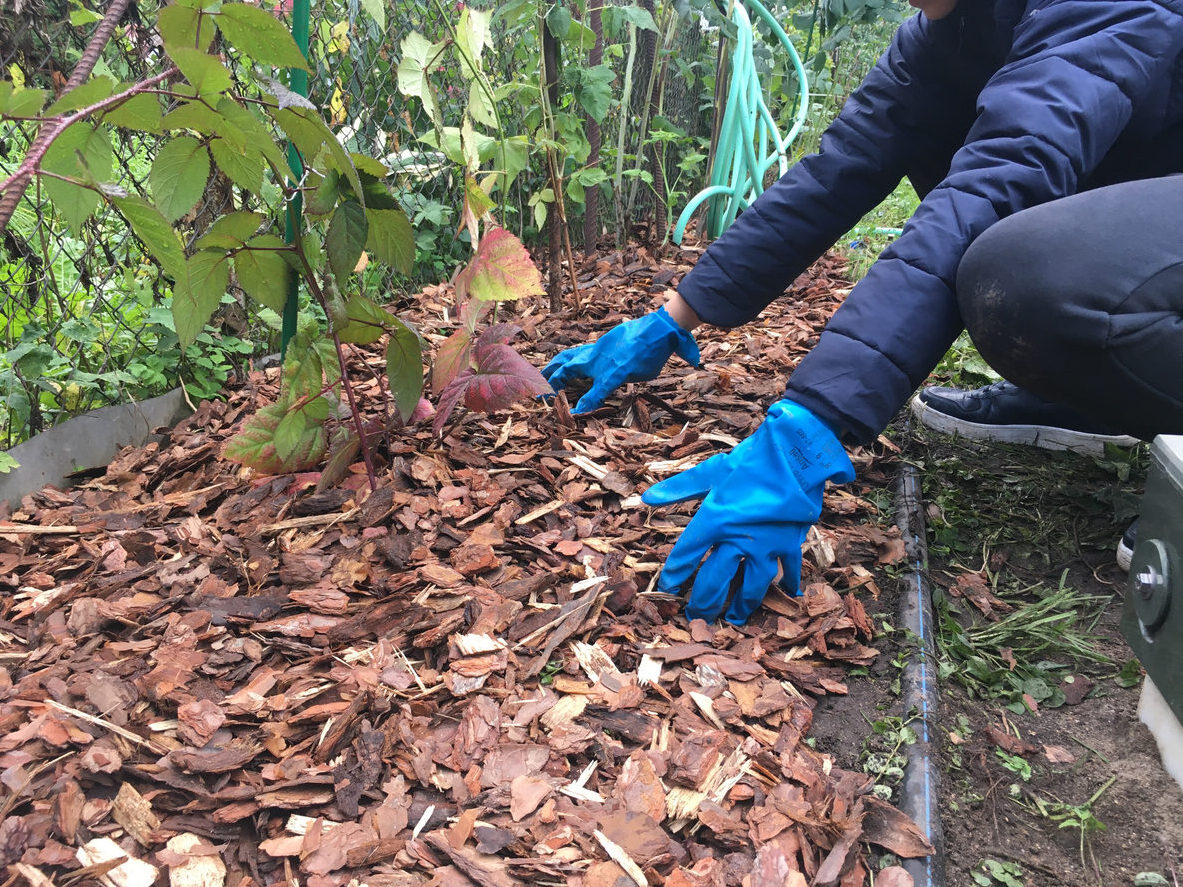
Once you’re sure that the cold is going to be rough this time around, add a 2-3 inch thick layer of mulch around your winter plants. Materials like shredded leaves and straw are ideal for cool-season mulching.
Just try not to pile up mulch directly on the crowns, and you’re pretty much good. For a deeper look at which plants benefit most, see plants you should mulch before winter (and shouldn’t).
7: Dig And Store Tender Bulbs

Plants particularly sensitive to frost, like dahlias, cannas, and elephant ears, should be lifted out of the ground in November and stored in a cool, dry place until spring arrives.
Here’s the full step-by-step guide on how to overwinter dahlias: dig, store & replant next spring.
8: Weed And Amend Soil

Since weeds can spread relatively quickly in spring. To amend the soil and combat nutrient deficiencies, add compost or manure to it and let it work its magic through winter.
9: Clean And Store Tools
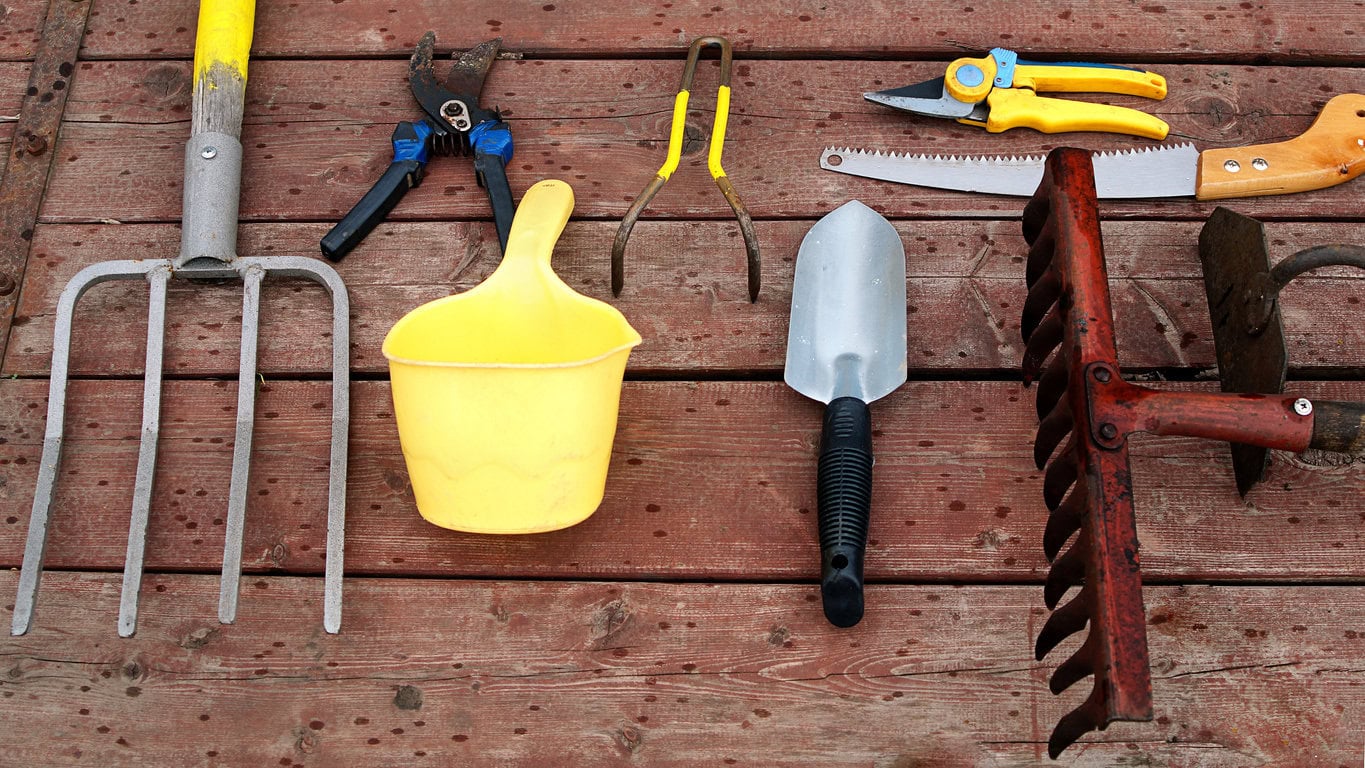
Wash your gardening tools and equipment thoroughly to remove any dirt or grime, and oil the blades to keep them smooth and ready for the next use.
Pipes and hoses used in the garden for watering should be drained and stored indoors to prevent cold damage, rust and cracking
10: Plan Next Year’s Garden

While this might sound like a mad, far-fetched idea, it’s actually beneficial for many gardeners to pre-plan and fantasize about next year’s garden. Review the successes and mistakes from this year, and learn from them, lessons that will lead you to greater success next year.
If you want to garden with wildlife in mind, don’t miss this article on plants not to cut in fall, birds need them for winter.
If you’re a passionate brainstormer, try sketching layouts, scheduling crop rotations, and ordering any seeds you need early.
Let’s Conclude

While gardening might seem like a daunting and intricate hobby, I love the fact that it’s for everyone – people like me who enjoy garden work and experimentation, as well as people who just want to follow the traditional route and check things off a checklist while they go about it.
Now that you have your November checklist, it’s time you get to work and start checking tasks off of it like there’s no tomorrow. Best of luck!


