Veggies that feed a family? If you live with a cat, your life is mostly naps and catnip. But a family of four (or more) takes real calories. You need rugged plants that yield massive harvests faster than your kids lose socks.
After years of growing food at home, these are the vegetables I rely on when the goal is filling plates, not just pretty beds.
Un-beet-able Producers for Your Backyard
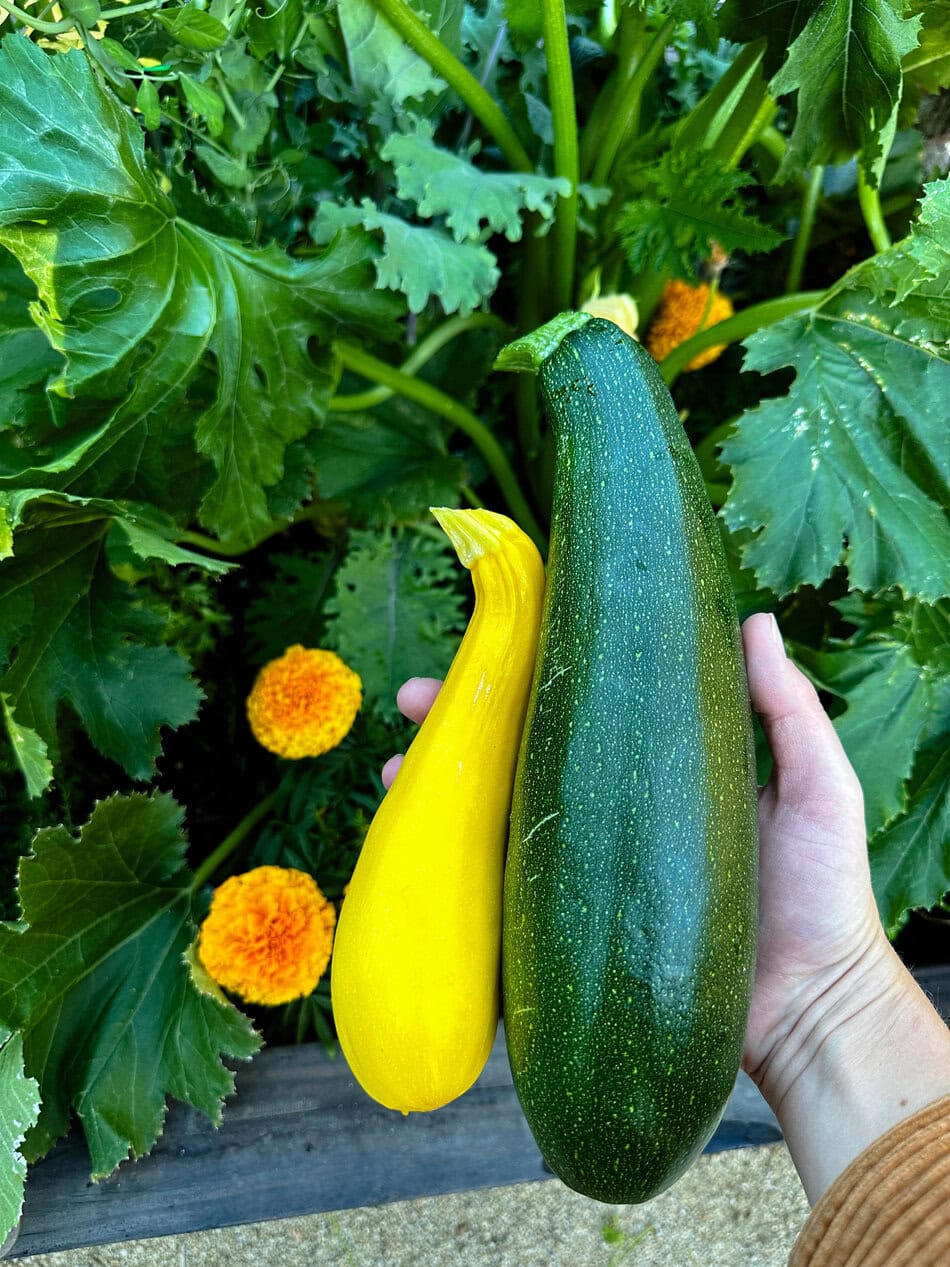
Meet the six vegetables that work harder than an Italian barista on Monday morning. These are the veggies that don’t just grow, they perform!
Quick note: Garden yields vary, and so do appetites! These numbers are based on what’s worked well for my family of four in an average home garden. Depending on how often you cook, preserve, or snack straight from the bed, you may want to grow a little more or less.
1: Zucchini (USDA Zones 3-10)

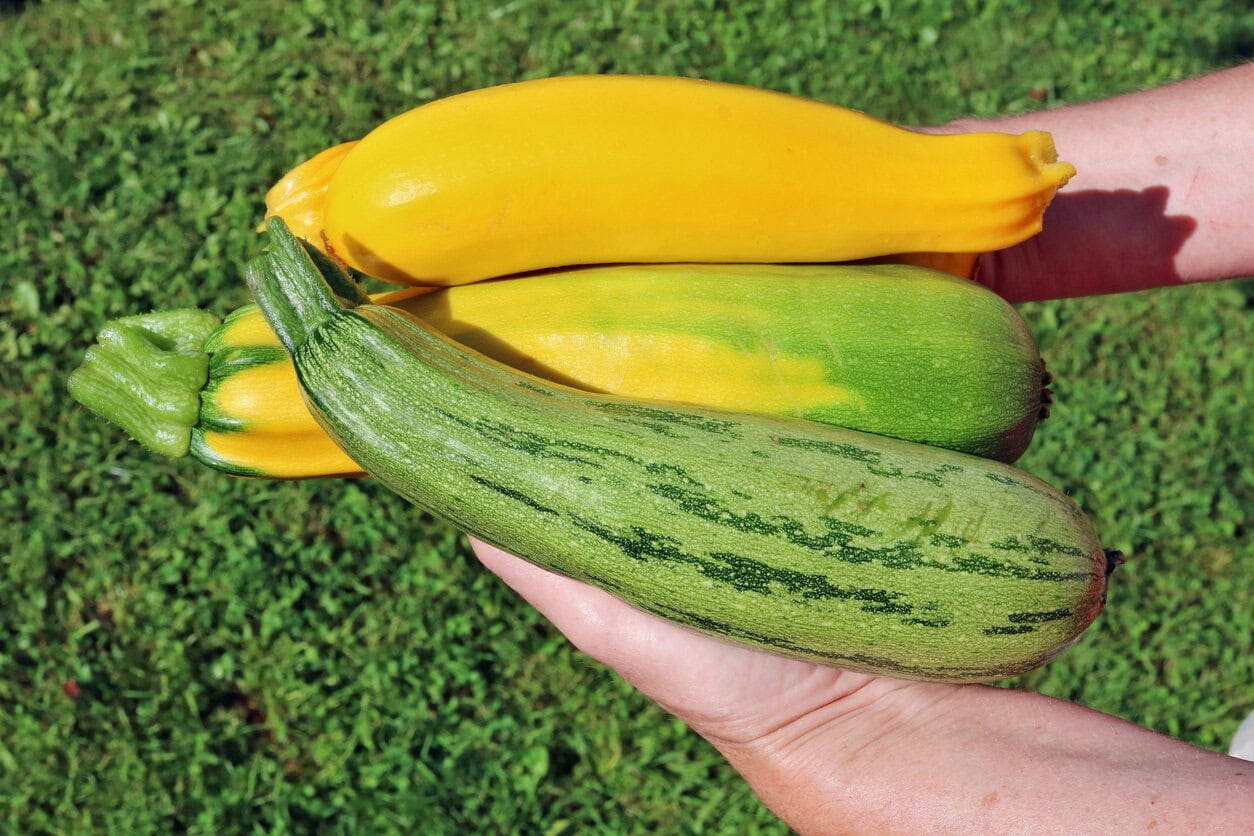
Planting two or three zucchini mounds is usually enough to keep a family of four well supplied.
Each plant requires full sun and about three feet of space to ensure airflow. Once they get going, you’ll end up with a steady supply of tender and sweet squash every few days.
Quick tip: Zucchini are heavy feeders. So I always mix plenty of compost before planting, because I’ve noticed they respond fast to rich, well-fed beds. Water right at the base of the plant rather than overhead to avoid powdery mildew.
If zucchini is a staple in your kitchen, we’ve shared exactly how we grow ours for bigger harvests, from feeding to spacing and timing.
2: Pole Beans (USDA Zones 3-10)

To keep four bellies from grumbling, plant about twenty to twenty five pole bean seeds along an eight-foot trellis. Vertical setup saves both yard space and your back during harvest.
Pole bean vines grow best with at least six hours of sun. I plant the seeds about an inch deep once the soil has warmed and the risk of frost has passed, then keep the soil evenly moist while they get established. Once they start climbing, they’re surprisingly low-maintenance.
Quick tip: I harvest every couple of days, it encourages the vines to keep flowering instead of slowing down.
We’ve also written more about how to get bigger bean harvests from fewer plants if you want to really maximize your trellis.
3: Cherry Tomatoes (USDA Zones 3-10)
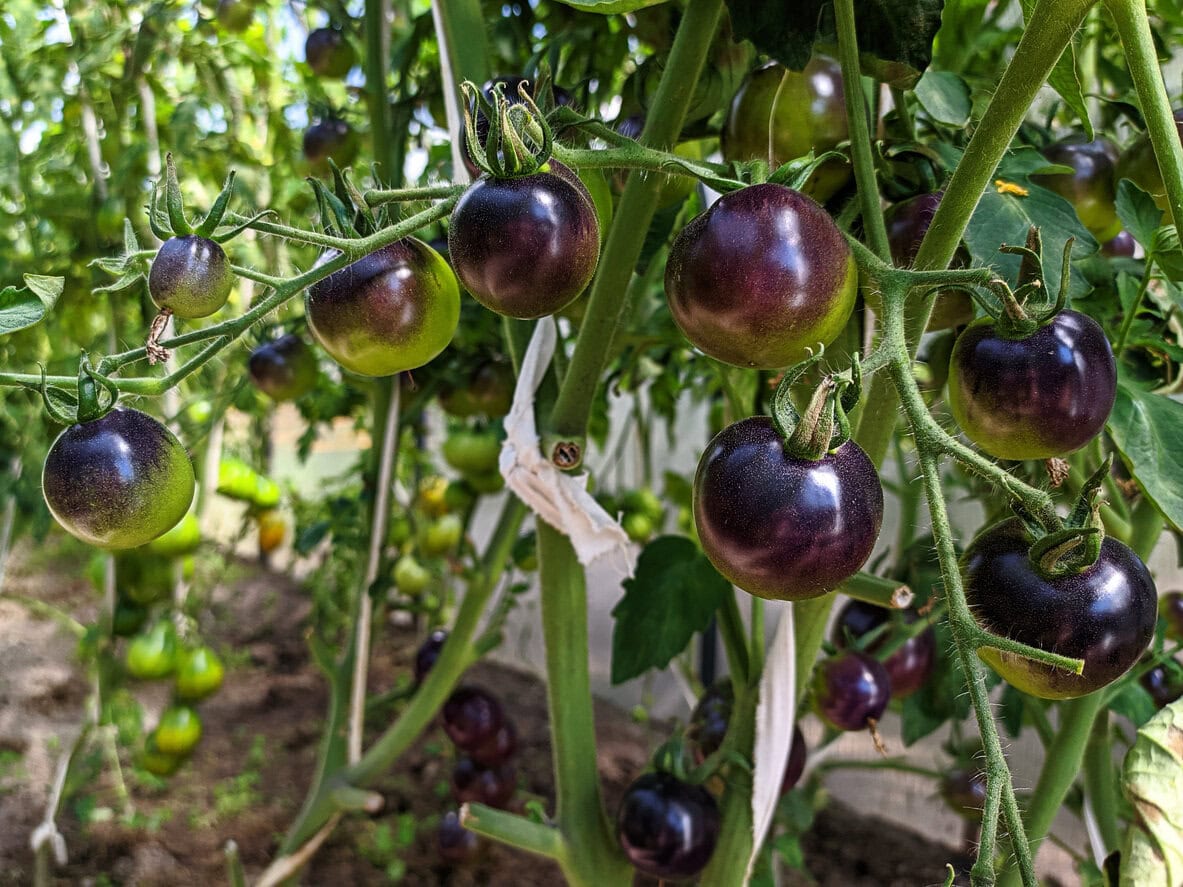
Three cherry tomato plants are usually enough to keep a family of four happy. If you plant five, soon enough you’ll be running a small salsa factory by midsummer.
Grow them in the brightest, sunniest spot you have, but don’t just merely set them in the dirt. I always bury tomato seedlings deep, leaving only the top few inches exposed. Roots will pop out all along the buried stem, which helps anchor the plant and keeps it steady during summer storms.
Quick tip: You’ll also notice small side shoots forming in the leaf joints. I like to pinch some of these off early to keep plants manageable and improve airflow, especially in tight garden beds.
4: Kale (USDA Zones 2-9)

Kale… you either love it or you hate it. Five or six plants will provide a constant supply of greens for a family of four without personal beef with this leaf.
Find a spot with decent sun, though kale can handle some partial shade. Plant it in early spring or again in late summer.
Quick tip: To keep the harvest moving through the first frost and beyond, I snatch the older, bottom leaves first and leave the center growing point untouched. It also stays sweeter and less bitter when harvested regularly.
If you’re still building confidence, we’ve also put together a list of the easiest vegetables to grow in a garden bed, especially for newer gardeners.
5: Potatoes in Bags (USDA Zones 3-9)

Forget digging up half the yard and grow your potatoes in ten-gallon fabric bags. I like this method because it saves your back and sanity from a muddy scavenger hunt.
Four or five bags are usually plenty for a family of four. I plant two to three sprouted seed potatoes in each bag over a few inches of soil, then keep adding soil as the plants grow. This “hilling” process encourages the stems to produce way more tubers than they would in a shallow planting.
Quick tip: I’ve noticed fabric bags dry out faster than garden beds, so consistent watering makes a big difference in tuber size and overall yield.
If you like growing in bags, we’ve put together a list including several other vegetables that do surprisingly well in grow bags too.
6: Carrots (USDA Zones 3-10)

Sow about sixty to eighty seeds to keep four sets of teeth joyously munching. Carrots need loose, rock-free soil, or they’ll grow “legs” and look like a medieval experiment. Say no to heavy fertilizers. Too much nitrogen leads to hairy roots and zero flavor.
Be patient with carrots. The seeds take their sweet time to wake up. So until you see green, keep the soil surface consistently damp.
Quick tip: If your soil is compacted or heavy, I’ve had the best results mixing in plenty of compost to help roots grow straight and deep.
If space is tight, we’ve also shared a list of crops that don’t need much room but still produce generously, which can help you plan smarter beds.
Lettuce Feast in Peace and Quiet
From roots to vines, you can turn your backyard into a grocery store with these. Minus the annoying self-checkout. And plastic-wrapped produce. Or a mushy crop trucked from a thousand miles away. Convinced? Now get out there and make that Italian barista look lazy.
Before you leave, bed layout matters more than most people realize. We’ve broken down the raised bed shapes and sizes that actually work best for productivity if you want to fine-tune your setup.