Since winter is right around the corner for many of us, I feel like this would be a good time to discuss cold-weather protection for shrubs. Yes, whether you like it or not, it’s important!
In today’s article, we’ll not only cover that but also go over some ideal protection methods you can employ to ensure your shrubs do not fall victim to the cold.
Let’s dive right into it, shall we?
Do All Shrubs Need To Be Wrapped For Winter?
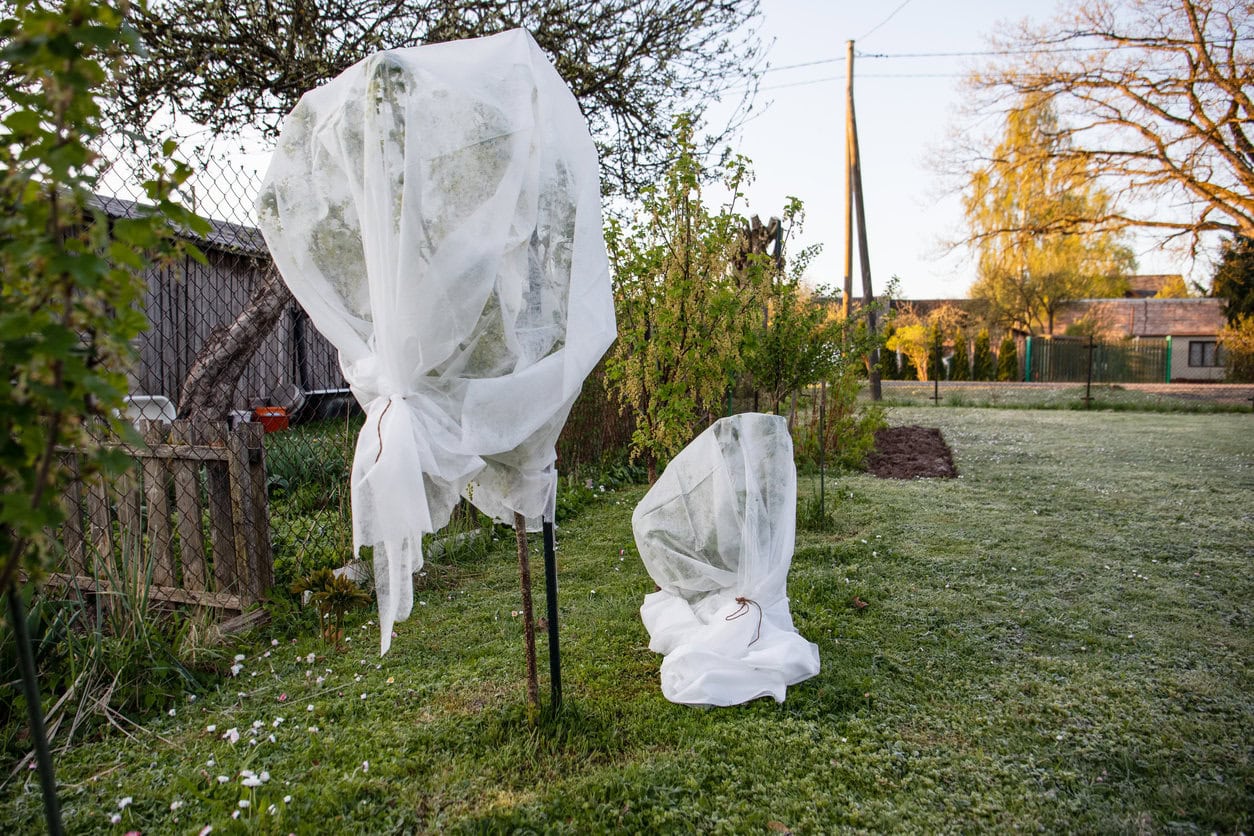
Well, we’ve been getting this question a lot in our Facebook group as well, and the only real answer to it is that it depends entirely on the shrub.
Wrapping shrubs isn’t just about keeping them warm, it also protects them from cold winds, winter sun, and moisture loss that can cause winter burn or desiccation.
Most shrubs typically don’t require winter protection. Only certain kinds, like tender shrubs, broadleaf evergreens, or young plants, might need to be sheltered from the cold.
If you like keeping your garden wildlife-friendly, take a look at which plants you shouldn’t cut back in fall birds rely on them through winter.
Shrubs You Should Wrap Or Protect Before Winter
1: Boxwood

Evergreen boxwood leaves are substantially more prone to winter burns from the wind and sun combined. You want to create a windbreak for them in the garden and wrap them with burlap for extra protection.
2: Holly

This evergreen shrub with large, broad leaves tends to dry out in cold winds. It makes sense to use burlap screens to prevent leaf scorch in the winter season.
3: Bigleaf Hydrangea

Although hydrangeas can survive the cold, their buds are quite sensitive and susceptible to freezing. It’s best to mulch around their base and wrap them in burlap cages for protection.
4: Rose
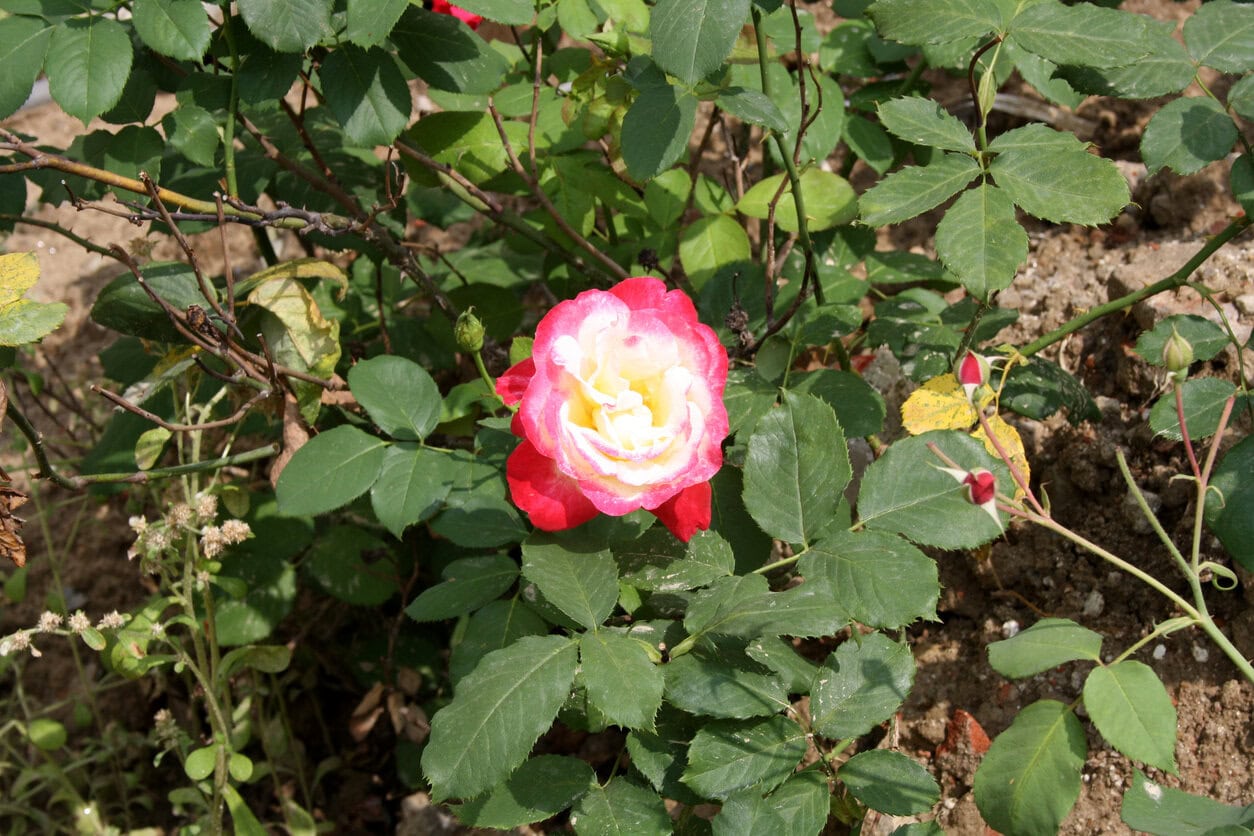
Grafted rose varieties need some protection at the crown level. You want to mound soil or mulch around the base of most rose plants. For an extra layer of protection, consider wrapping exposed stems too.
If you’re not sure whether you have a grafted variety, look for a swollen bump or knot near the base of the plant, that’s the graft union. Most hybrid tea and floribunda roses are grafted and that graft union at the base needs extra protection from winter cold.
5: Azaleas

Many evergreen azalea varieties can suffer from problems like leaf curl and winter burn. This is where burlap screens come in handy to provide much-needed shelter.
6: Camellia

Unfortunately, camellias are only hardy in warm zones. In colder regions, they need extra protection through burlap or a frost cloth.
7: Japanese Maple

Extremely young or dwarf Japanese maple trees can suffer from problems like bark splitting and tip dieback in the cold. You want to wrap their trunks carefully and mulch them around the base for protection.
8: Arborvitae

This upright, tall-growing shrub is evergreen and can often get split under the weight of the snow. Tie your arborvitae branches together loosely and wrap them with burlap for added protection.
And if heavy snow or ice builds up, gently brush it off instead of shaking the branches, frozen stems can snap easily!
9: Pieris Japonica

This evergreen shrub produces incredibly beautiful but delicate foliage that turns brown if exposed to harsh winds. Wrap them and set up barriers in your garden to protect the shrub from wind damage.
And if you’re preparing other plants for the cold, check out our guide on which perennials to cut back before winter for more winter garden prep tips.
What’s The Best Material To Wrap Shrubs With?

Well, believe it or not, this is a very important factor in shrub protection because not all materials will be able to effectively protect against the harsh winter cold.
In my experience, breathable fabrics like burlap or thick frost cloths generally work best for complete and effective protection.
You can also spread a 2-4 inch layer of mulch around the base of each shrub. Mulch insulates the roots, keeps the soil temperature more stable, and prevents freeze-thaw cycles that can heave roots upward.
And if you’re adding mulch this season, here’s a quick guide on which plants actually benefit from mulching before winter (and which ones don’t) to help you get it right.
Avoid using plastic at all costs since it can trap moisture and lead to a plethora of new problems like rot and fungal diseases.
When Should I Wrap My Shrubs?
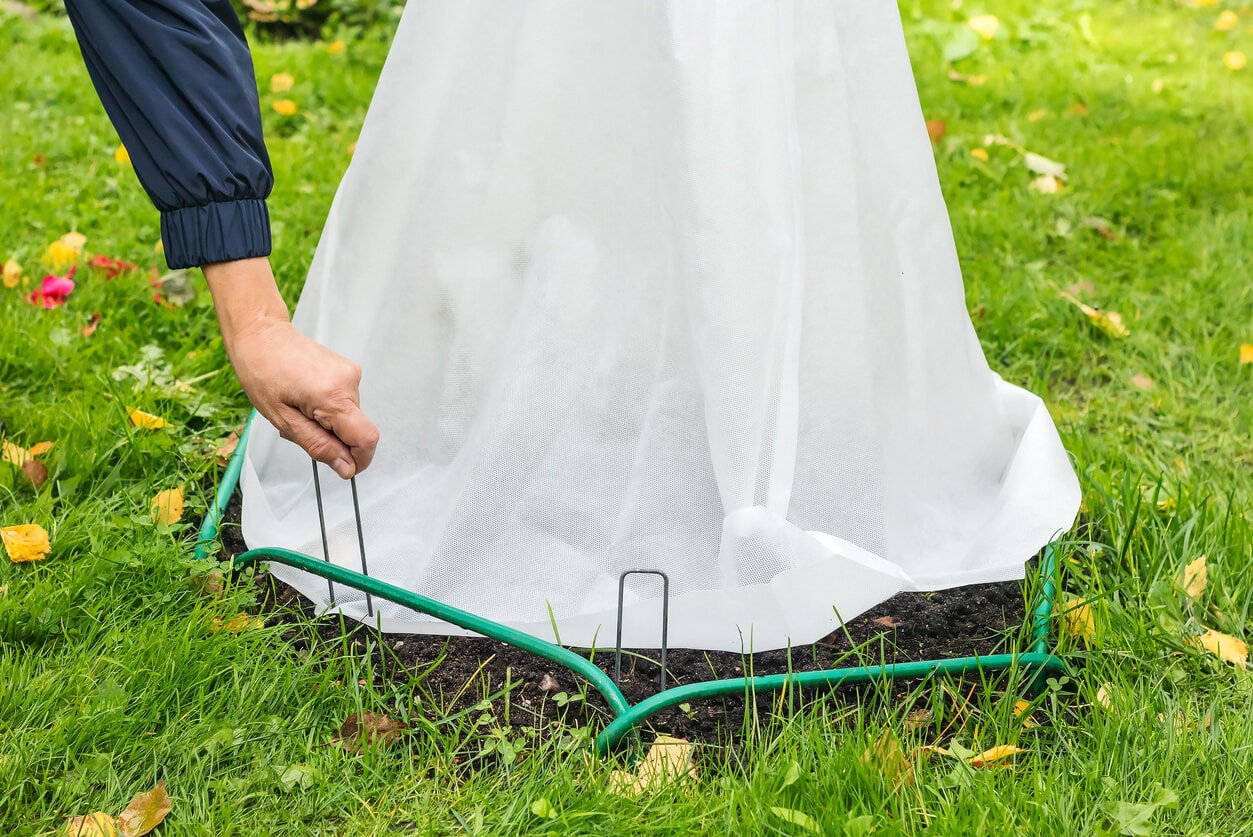
Although there is no set time or deadline for when you should get ready to wrap your shrubs for winter, keep in mind these general guidelines, and you’ll be able to get the timing just right.
As a general rule, start wrapping when daytime temperatures consistently stay below 40°F (4°C) and the plant is fully dormant.
In most cases, waiting until late fall is a good idea since that’s when the shrub has gone dormant after experiencing several hard frosts consistently. If you wrap it too early in the season, heat can get trapped, and fungal issues might begin to emerge pretty quickly.
Once you’ve wrapped everything up, check out which plants need a break from watering in winter so you don’t overdo it during dormancy.
Let’s Conclude

Wrapping shrubs in winter and protecting them from the cold can be a real pain in the bum, especially if you go lazy and lethargic like me as soon as winter hits.
Fortunately, however, wrapping shrubs is an excellent way to protect them from the harshness of winter long-term, but it’s important to do so with the right material and approach.
Don’t forget to unwrap your shrubs gradually in early spring once the freezing temperatures have passed. Leaving wraps on for too long can trap moisture and encourage mold or disease.
If you’ve got any special winter protection tips and tricks under your belt, quit gatekeeping and share them with our community, it’ll help everyone!