
Apart from queries about which plants to prune, a question I get very often is “When is it the right time to prune?”
And, the answer to that is very straightforward…and disappointing: it depends!
Since September is just around the corner, let’s limit some of the variables we need to worry about and focus on what you should actually prune this month or leave behind to achieve a healthier overall garden.
Why Does September Pruning Matter?
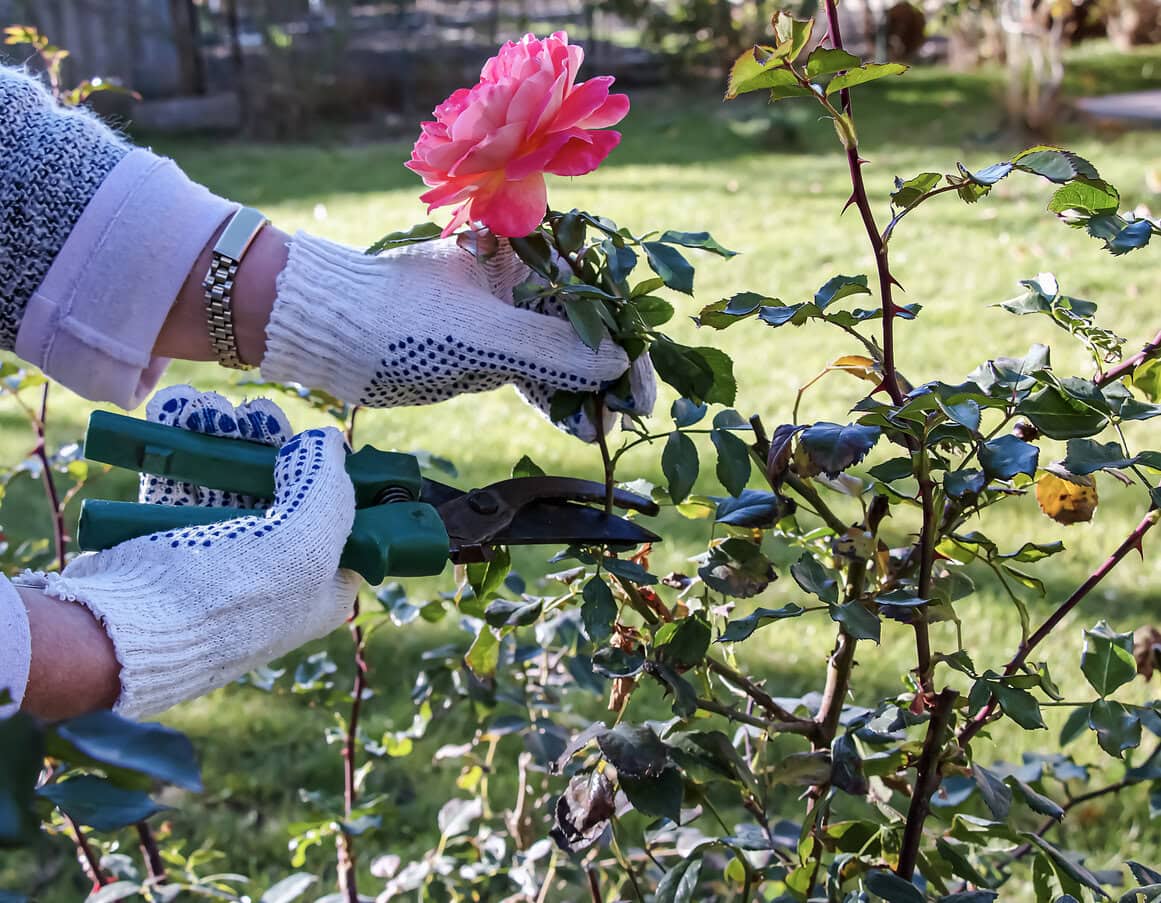
While many believe that September is a little too early in the fall to be pruning, it’s actually a great time since spent flowers can be timely removed and plants remain protected from unwanted diseases.
Many plants are also about to enter dormancy around September, which makes it a much gentler time for pruning compared to mid-summer cuts that can terribly stress out most plants.
This pruning guide is going to be perfect for gardeners in USDA Zones 4 to 8, where September offers slightly cooler weather and adequate time for plants to recover before the peak winter season kicks in full power.
Curious about plants worth planting now? Here’s a great guide on flowers to plant in September for a stunning spring display.
What To Cut Back In September
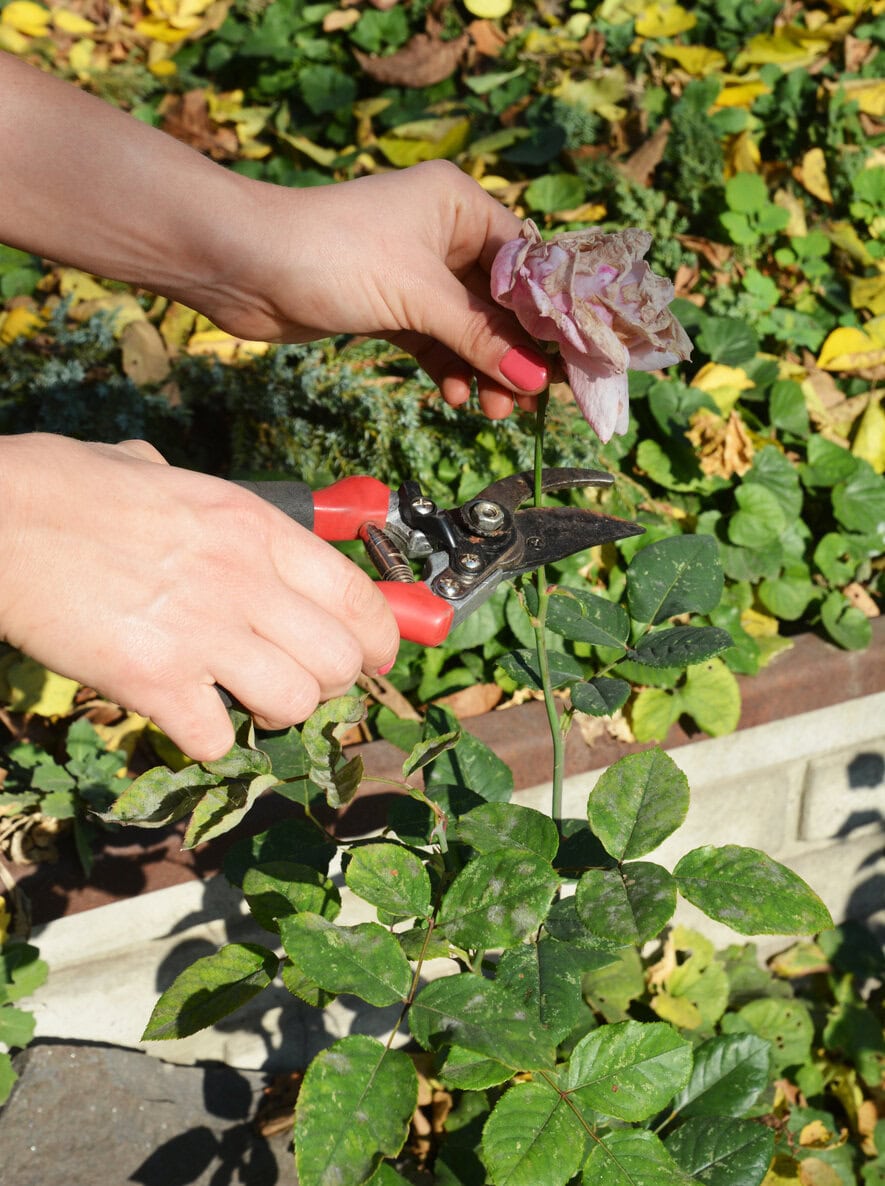
Spent Summer Perennials:
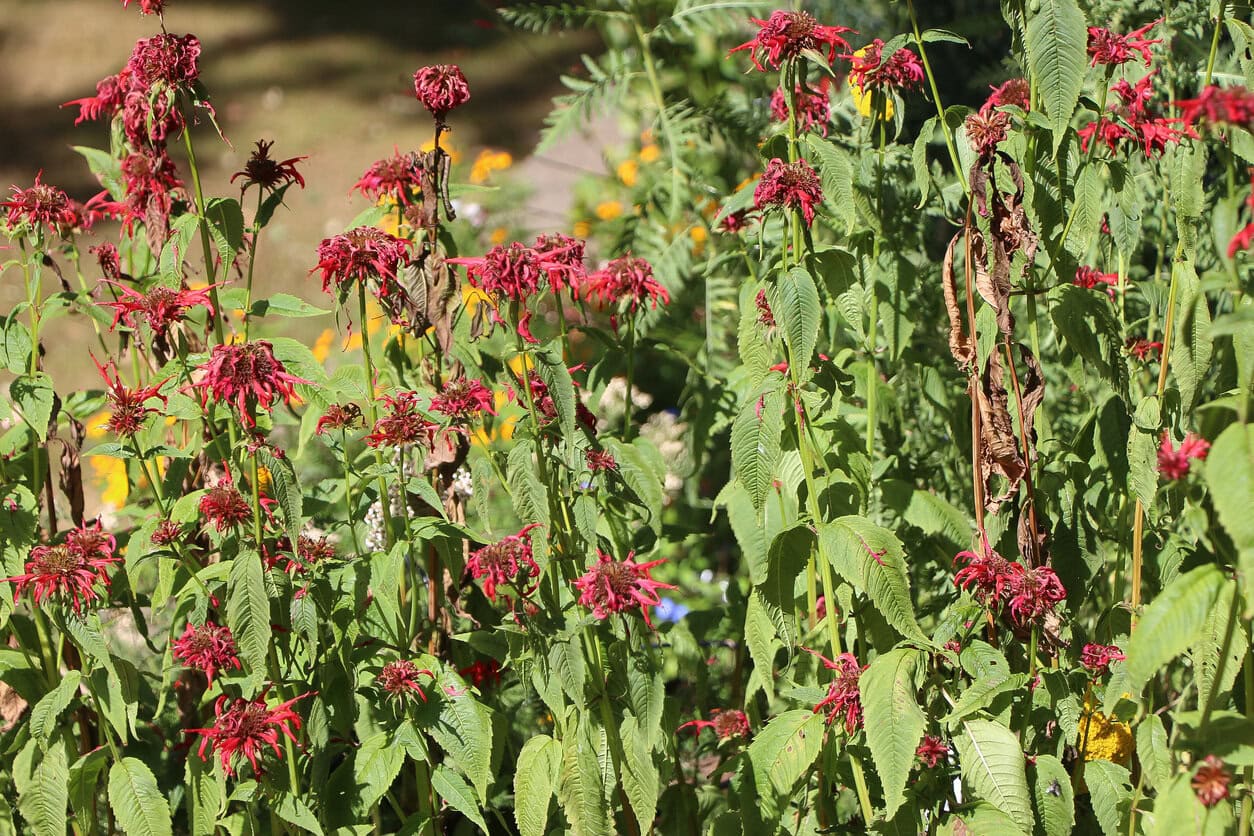
Summer perennials like bee balms, catmint, coreopsis, daylilies, and yarrows might require some trimming and tidying up in September because it’s typically the time when they’ve finished blooming, and a light trim may even encourage a surprise rebloom in these perennials.
Just make sure not to overprune them; a light, tidy trim should be more than enough.
Dead Or Diseased Growth:
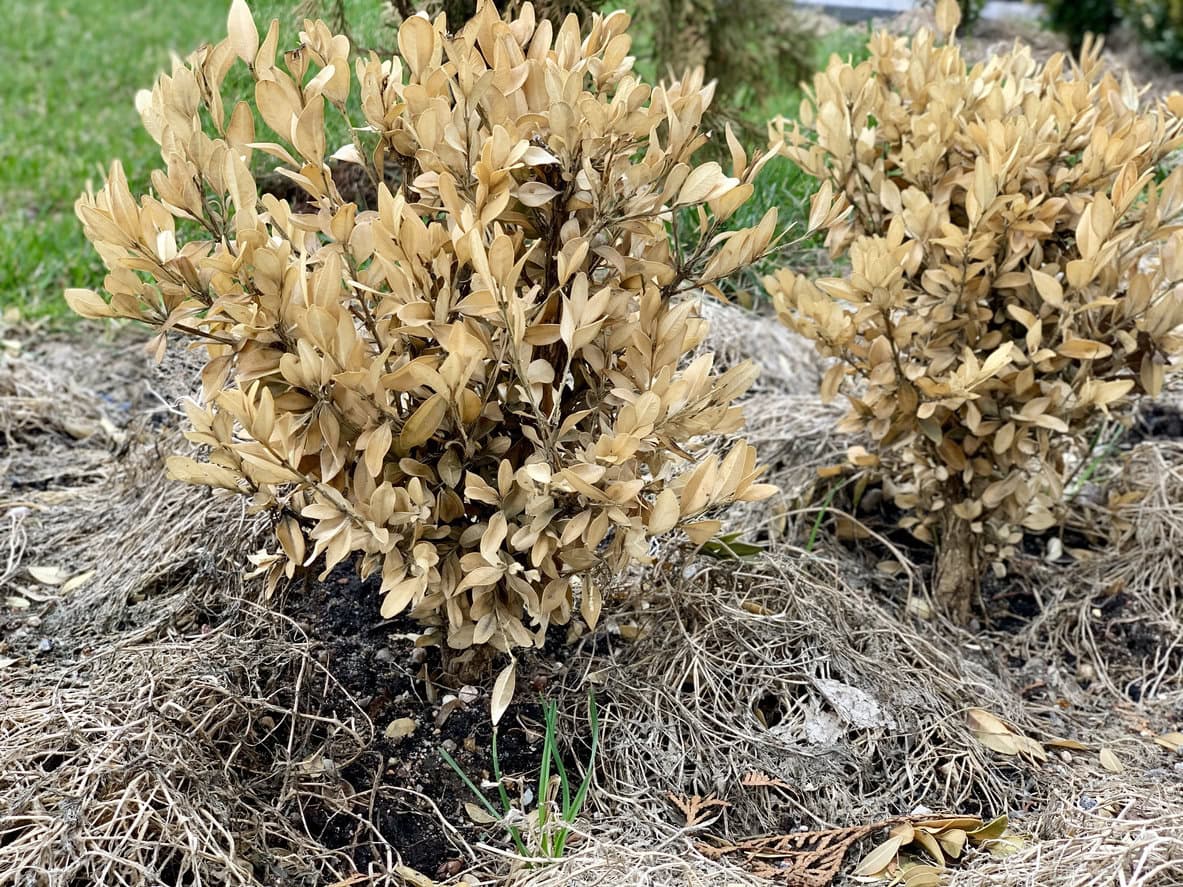
Plants that have visibly dead or diseased growth should immediately be trimmed in September. Watch out for signs like discoloration, mold growth, and stems with strange patterns and marks on them.
Making this trim in September will ensure no unwanted pests and diseases are carried over to the winter season.
Rebloomers (Light Deadheading):
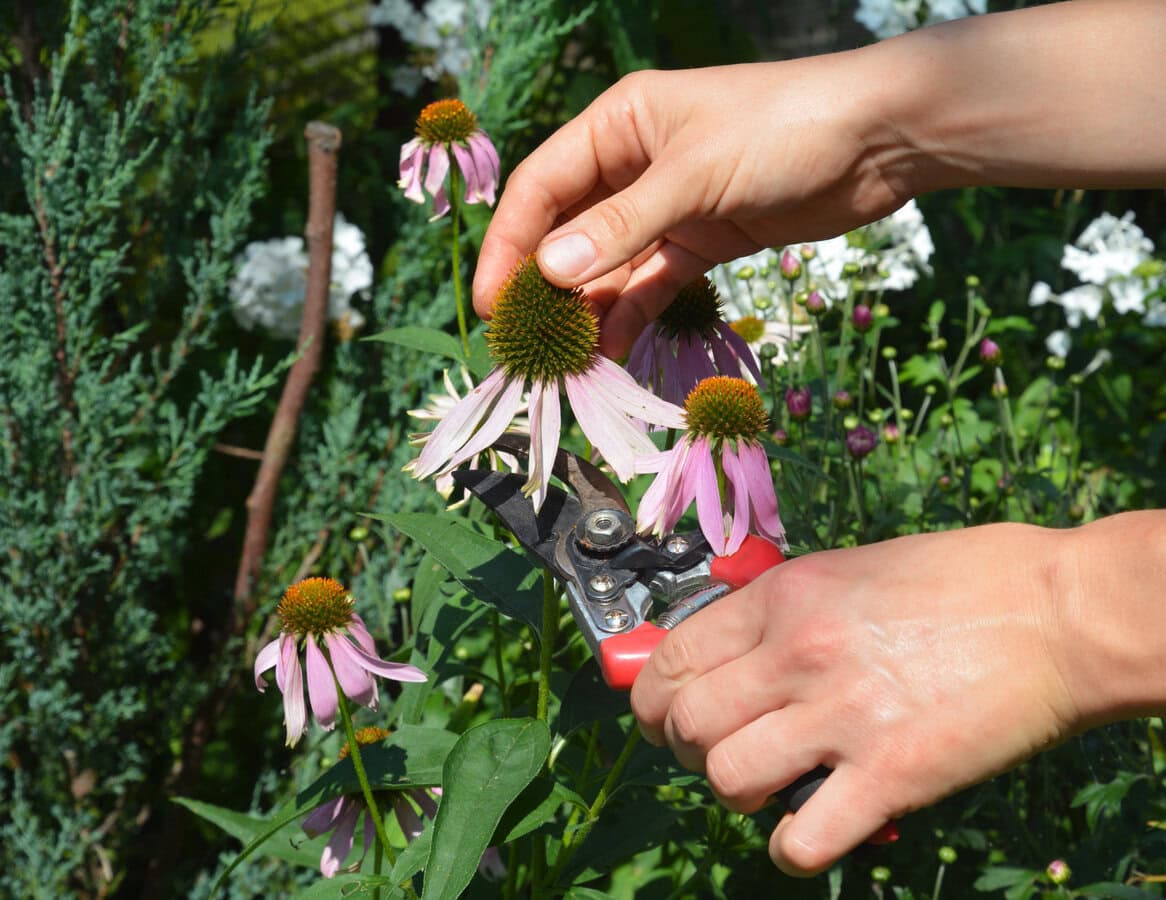
Fall rebloomers such as roses, black-eyed susans, and coneflowers only need some light trimming to rebloom and keep blooming into late fall.
DO NOT make the mistake of trimming the whole plant bald; just removing spent blooms will do plenty!
If you’re unsure which flowers to still deadhead (or which to let stand) this September deadheading guide lays it all out in clear, easy terms.
Note: If the plant is healthy, deadheading now can extend blooming, just leave the final round of flowers to go to seed for birds later on. But if the plant looks rough, skip the deadheading and let it seed fully now, it’s a win for the birds either way.
Fruiting Canes That Are Done:
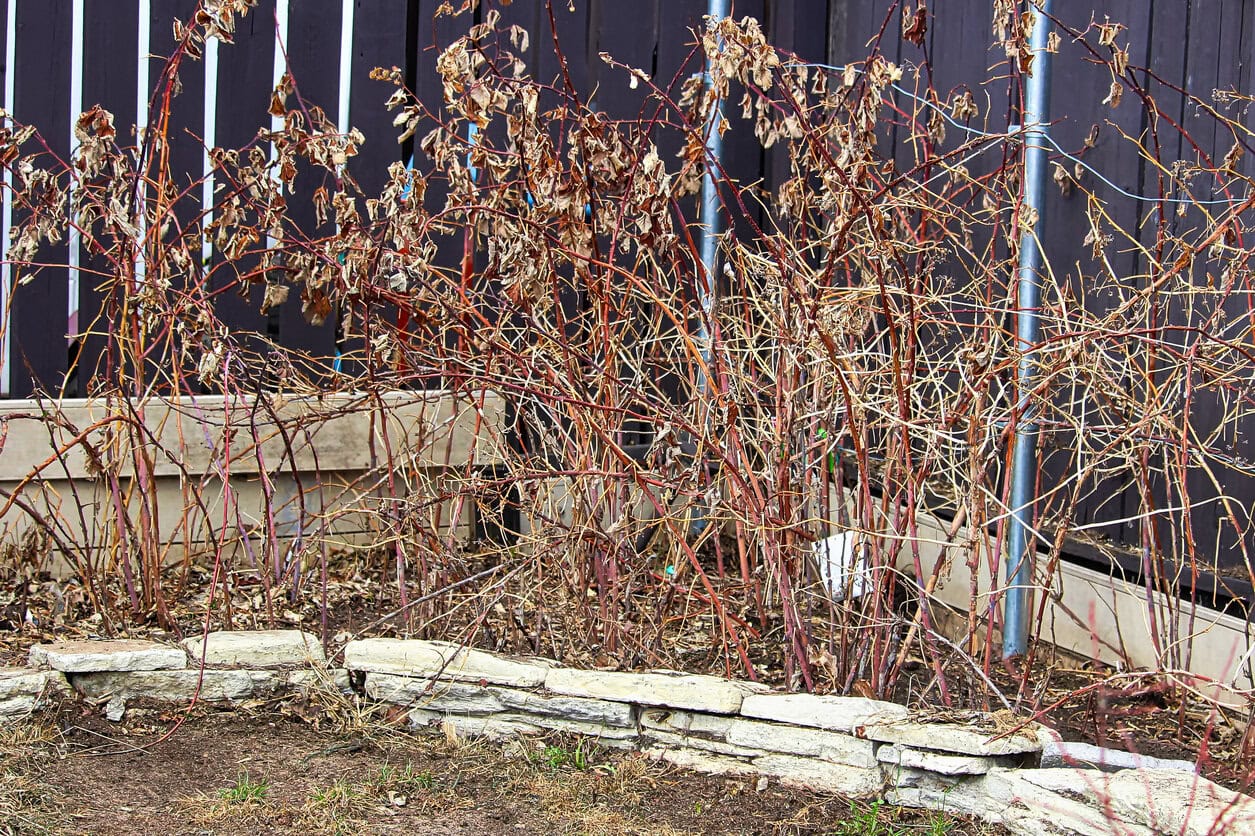
If you have summer-bearing raspberry canes in your garden that produced fruit this year, September might be the ideal time to prune them. You want to cut old, aged canes at the base and leave behind fresh green ones for the next season.
Woody Herbs (Light shape + Harvest):

Many woody herb varieties like lavender, thyme, and oregano (fragrance magic) can actually do quite well with some light reshaping in September.
These herbs tend to grow quite fast and often become untidy by fall, so trimming them now makes sense, as long as you don’t cut into their woody stems and injure them.
Believe it or not, September can also be an ideal time to harvest and dry herbs for instant use or storing.
What To Leave Alone In September
Ornamental Grasses:
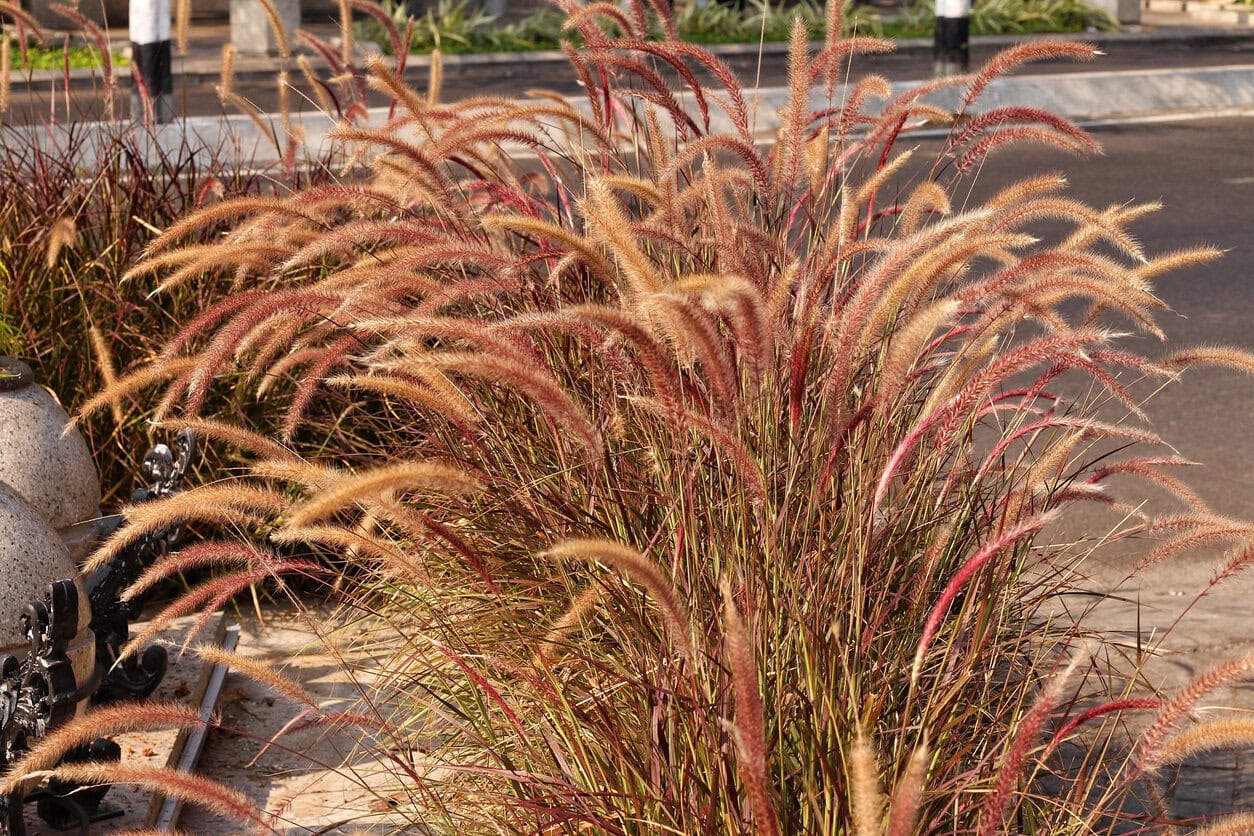
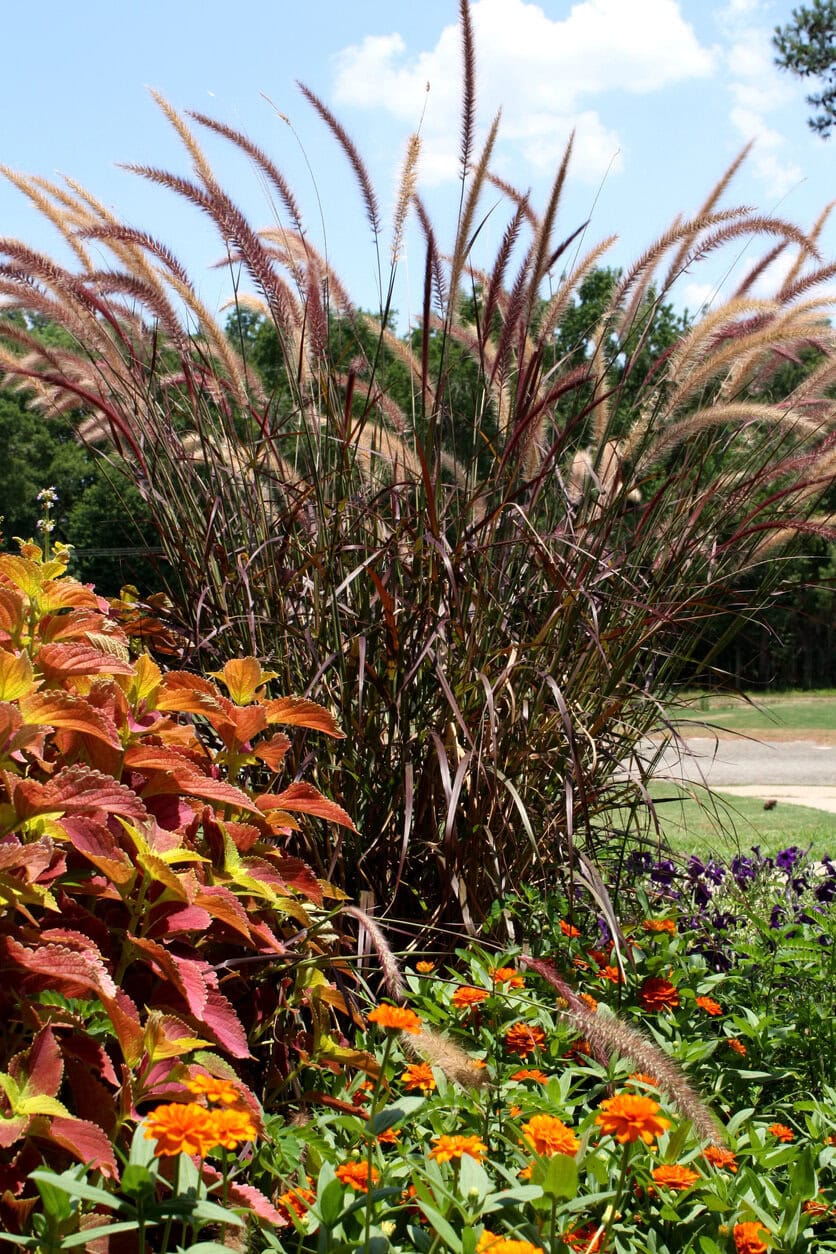
Most ornamental grass varieties should be left alone in September and not trimmed until late winter. This is because they add structure to the fall garden and their frost-covered plumes look magical on cold mornings.
And most importantly, they provide essential shelter for wildlife throughout the colder months.
Seed Heads For Birds:

Perennials like Joe-pye weed and coneflowers typically shouldn’t be hard pruned in September, as pollinator birds are drawn to them and they look stunning in the frost.
Spring-Blooming Shrubs:
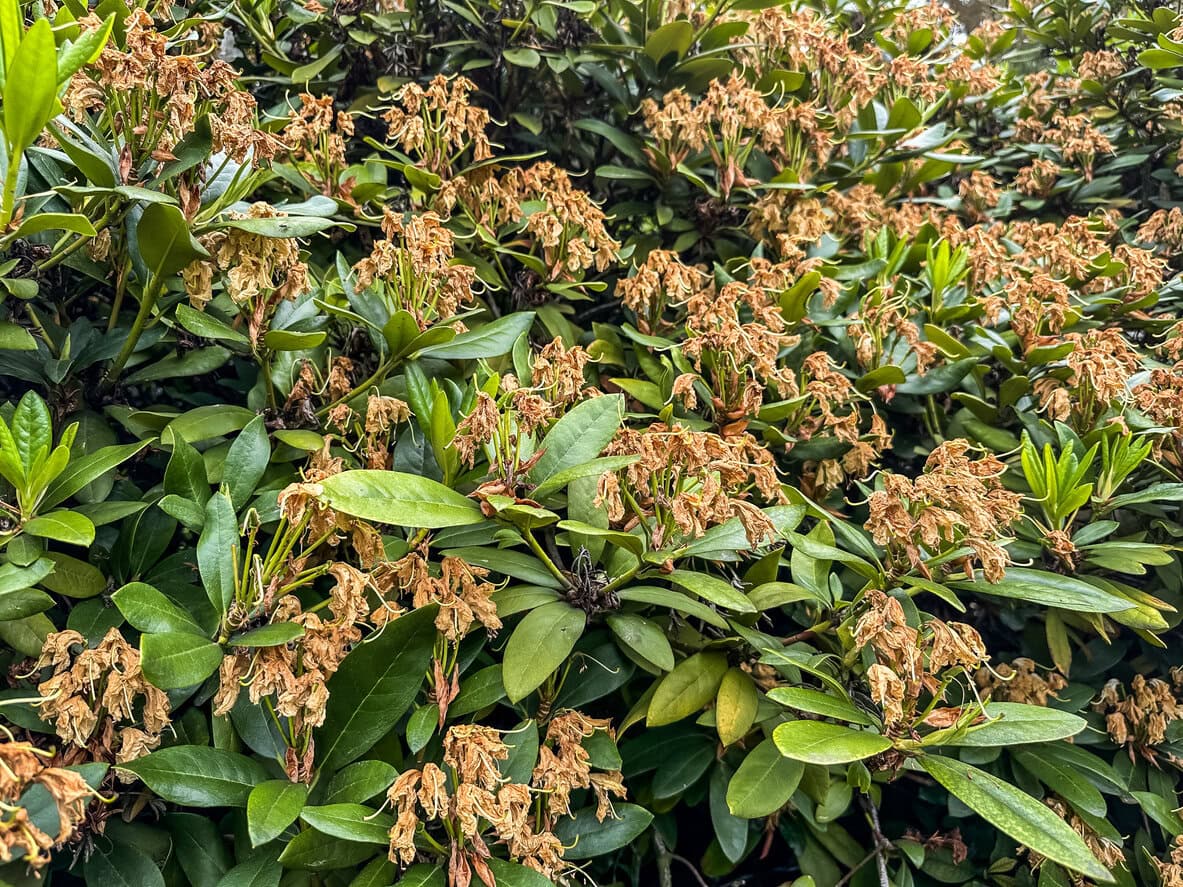
Pruning plants like lilacs, azaleas, and forsythias in September is a one-way ticket to damaging next spring’s blooms. Only prune these after they’re done flowering, which is typically around spring.
Thinking ahead to spring? While you prune, consider how dividing certain perennials now can set your garden up for a brighter future. Here’s a helpful list of perennials to divide in September.
Evergreens & Shrubs:

More often than not, September is just not the right time to trim evergreens and shrubs, as it’s too late in the season, and pruning now can completely ruin next year’s blooms due to harsh winter exposure.
Don’t Forget To Check Your USDA Zone!

If you’re even remotely serious about gardening and want to make something meaningful out of it, start taking USDA zones and local frost forecasts seriously!
Still planning your planting schedule? Check out what vegetables you can plant in September by zone. Yes, there’s still plenty you can grow!
Let’s Conclude
What to prune, when to prune, and how to prune – you’ve got the entire package now! It’s time you put this newly acquired knowledge into action and elevate your garden by either taking on a pruning task this September or dropping one that may cause more harm to your plant than good.
If you’re in the mood to sneak in a final round of color, these fall-blooming flowers can still be started in August or September and brighten your late-season garden.


Cut hostas off in fall?Broomstruck hydrangeas?
Hi Mary! 😊 For hostas, I usually wait until the frost knocks the leaves down, then cut them back to tidy up. Broomstruck hydrangeas bloom on old wood, so I just remove dead or weak stems after they flower, never all the way to the ground.
Wondering about my everbearing, strawberries, they’re thick and you’d end out, when’s the best time to do that
Hi Deb 🙂 Everbearing strawberries are a little different from June-bearing types, so I wouldn’t mow or renovate the whole patch. If they’re getting too thick, remove excess runners and crowded daughter plants while keeping the healthiest crowns spaced out. You can do that during the growing season, including now, as long as you keep the remaining plants well watered afterward.
What about peonies? I usually cut back later in the fall. Some of mine have some whitish discoloration on them. I think it’s fungus. Thank you
Hi Fran 🙂 That whitish coating does sound like it could be powdery mildew, which is pretty common on peonies late in the season. I’d leave any healthy green foliage for now, then cut the whole plant down near ground level once the foliage browns or frost finishes it. Remove the diseased debris from the bed so spores aren’t left to overwinter there.
I need to thin some hostas. When and how do I do that? Thank you
Hi Marsha 🙂 If by thinning you mean dividing your hostas, early spring as the shoots begin emerging is the easiest time, although early fall can work too if you still have several weeks before your first hard frost. Dig up the clump, split it into sections with healthy roots and at least a few shoots or buds, then replant at the same depth and water well.