
In the past, I’ve often heard about dividing irises to achieve healthier growth and longevity, but this doesn’t only apply to irises. As a matter of fact, most perennials should be divided from time to time to keep them growing well for decades on end!
Since September is just around the corner, in today’s article, let’s go over a list of popular perennials that you should consider dividing in September for healthier growth. Trust me, your perennials will thank you for it!
Why Divide In September?
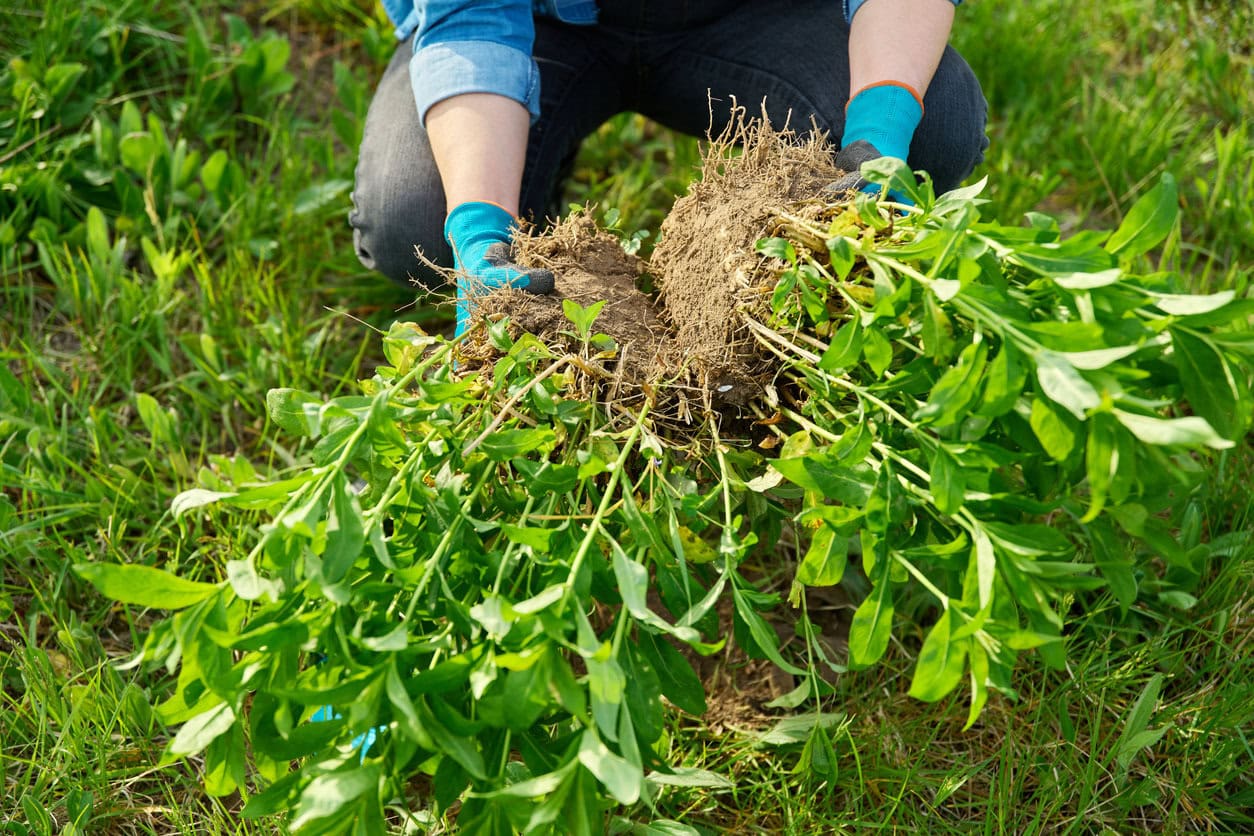
September is generally the best time to divide perennials since the month provides a perfect mix between gradually cooling temperatures and workable warm soil.
Fall ensures the perennials won’t become overly stressed, and rainfall during the month can help them kick off growth and recovery time.
Unlike spring, where you’ll have to rush things and get the timing right, dividing in early fall will give you fuller, healthier perennials by the next growing season.
If you’re also thinking about starting a few fall veggies while you’re out in the garden, here’s my list of what you can plant in September by zone.
Perennials To Divide In September

1: Peonies (Zones 3-8)

The best time to divide peonies is around early fall when the foliage starts to fade and eventually shed. Dividing will rejuvenate old clumps as long as they’re healthy and free of any unwanted diseases.
Just try to be as gentle as possible and avoid burying your peony eyes too deeply when replanting.
2: Daylilies (Zones 3-9)

Daylilies should be divided after blooming begins to slow down or the clumps become overly crowded. September is the best chance this perennial has at recovering and reestablishing properly before the first frost kicks in.
3: Coneflowers (Zones 4-9)

Because coneflowers can grow super dense and crowded, timely division ensures proper airflow and opportunity for blooming. As a general rule of thumb, consider crowded, woody centers in coneflowers a sign that division is needed.
Replant divisions with good root sections only, as mushy, messy root sections may create trouble for you.
4: Shasta Daisies (Zones 4-9)

Shasta daisies have a tendency to flop or thin out in the center, and that’s your sign to divide them.
Dividing and resetting these perennials in September restores strong growth and shape, considering it’s done consistently every 2-3 years. Trim down weak and problematic stems to reduce transplant stress.
Also, take a look at my September deadheading guide. I explain exactly which plants to trim and which to leave standing.
5: Bee Balm (Zones 4-9)

Bee balms too grow super fast and tend to become overcrowded quickly.
You want to divide them from time to time to limit the chances of overcrowding and prevent fungal diseases like powdery mildew from spreading. Before dividing these perennials, however, consider trimming them and composting any unwanted woody parts.
Tip: In Zones 8-9, aim to divide earlier in September so the plants have plenty of time to establish before any sudden heatwave or early frost.
6: Garden Phlox (Zones 4-8)

Dividing garden phlox in September helps achieve better airflow to the perennials, which can limit the spread of fungal diseases and other problems. For the best blooming results and overall longevity, divide your garden phlox every 3-4 years and replant them in moist, fertile soil.
Tip: Early September is best for division so the plant can settle in before cold weather begins to set in.
7: Coreopsis (Zones 4-9)

The coreopsis is another perennial that benefits from fall division. This heavy bloomer spreads relatively fast and requires frequent watering to produce meaningful flowering results. Divide it once every 2-3 years and pick deep clumps when doing so.
Tip: Tickseed coreopsis handles fall division well, but threadleaf types in colder zones may respond better if divided in spring.
8: Asters (Zones 3-8)

Dividing asters in September is a good idea since fall blooming starts soon. If you’re dealing with weak, floppy asters that lack strength and structural integrity, dividing them and replanting clumps in sunny areas can bring massive improvement.
Tip: Because asters are actively blooming in September, aim for early in the month so the plant has recovery time before cooler nights slow root growth.
9: Siberian Iris (Zones 3-8)

Divide your Siberian iris 4-6 weeks after they’re done blooming, between late summer and early fall. The timing doesn’t need to be precise, as long as you’re within the safe ballpark.
Split the iris rhizomes, separate clumps, and replant them in fresh, moist soil quickly. Follow up with some light watering to relieve stress.
And…Here Are Some Perennials You Shouldn’t Touch In September

These perennials usually enter dormancy in September, and division during this period can put them at risk of rot or disease. The best time to divide bleeding hearts is usually early spring.
Again, like with bleeding hearts, if you divide oriental poppies in September, it can mess with their late-summer dormancy. Divide your oriental poppies in early spring…only if necessary.
Thanks to their deep, woody taproots, baptisia usually don’t handle division very well. Divide baptisia in early spring only if necessary. To be very honest, this perennial really doesn’t need division.
Lavender doesn’t respond well to division and prefers propagation through cuttings. Take semi-hardwood cuttings in late summer and propagate the perennial instead. If you’ve never done it before, here’s my step-by-step on how to propagate lavender from cuttings.
Note: This applies to most lavender types, especially English lavender, since they don’t regenerate well from older woody stems.
Some Quick Tips Before You Leave

Let’s Conclude
While dividing garden plants can be a real pain in the bum, one cannot argue that it doesn’t work. My mom and grandma have sustained consistently blooming perennials for decades on end, thanks to timely, strategic division, and now, I follow the same practice.


If I divide my daisies now, will it kill them? They still have such pretty blooms I just wondering if it will make them die if I divide them as I only purchased and planted them this year
Hi Connie! 😊 If they’re still blooming and were just planted this year, I’d wait! Dividing too soon can stress them out, especially while they’re still getting established.
Let them finish blooming and grow a stronger root system this fall, then plan to divide them next year when they’re more settled.
how about hastus when should they be separted. Mine are very crowded.
I have big green eaves but very few blooms
What should I do for next year
Hi Patricia 🙂 Which perennial are you referring to? There are several in this article, and lots of green foliage with few flowers can have very different causes depending on the plant.
My asters are just starting their blooms. It says to replant early September . Should I still trim down by 50% zone 5 in illinois.
Hi Robin 🙂 Since your asters are just starting to bloom, I would not cut them back by 50% now. Let them finish their show this fall. In Zone 5, spring is actually a better time to divide asters, since fall-blooming perennials recover more easily when divided as new growth begins.
Thank you
Hi Jan 🙂 You’re very welcome!
These are for northern hemasphere times not Australia.
Do you happen to havea tutorial about dividing and replanting peonies? My mom has very thick ones and I’d like to divide but not familiar with “the eye” that you don’t want me to plant to deep?
Hi Jen 🙂 We don’t have a full tutorial on dividing peonies yet, but that’s a great idea for a future article!
Until then, the “eyes” are the small pink or reddish buds on the crown where next year’s stems will grow. We show a photo of what those eyes look like in our October peony guide, which may help. When dividing, try to keep 3 to 5 healthy eyes with a good section of roots on each piece, then replant with the eyes only about 1 to 2 inches below the soil surface.
When is the best time to seperate Monkey Grass? I did it in early spring and it did well just want it to fill the other side of the walkway.
Hi Greg 🙂 Early spring is actually one of the best times to divide monkey grass, so I’d do exactly what worked for you before. Dig up a mature clump, split it into smaller sections with plenty of roots attached, and replant them where you want them to fill in. Keep them watered while they settle in, and they should spread nicely from there.