Every fall, you can practically hear the collective groan of homeowners staring down a freshly carpeted yard. It echoed on our Facebook page, filled with inquiries from rakers and antirakers.
Should you welcome the leaf pile or tackle it like it owes you money? To rake or not to rake is apparently a bigger moral dilemma than snatching the last slice of pizza.
Alas, poor Yorake if only he knew the reasons to leave leaves alone, and the few times to rake them. But you will.
Why Leaving Leaves Can Be Good

Before you feel the ache of the rake, let’s mulch over the compelling arguments for why nature’s confetti deserves a stay of execution.
Here’s a guide to pre-fall garden jobs that set you up for spring if you’re planning ahead beyond leaf management.
Free & Superior Soil Amendments:
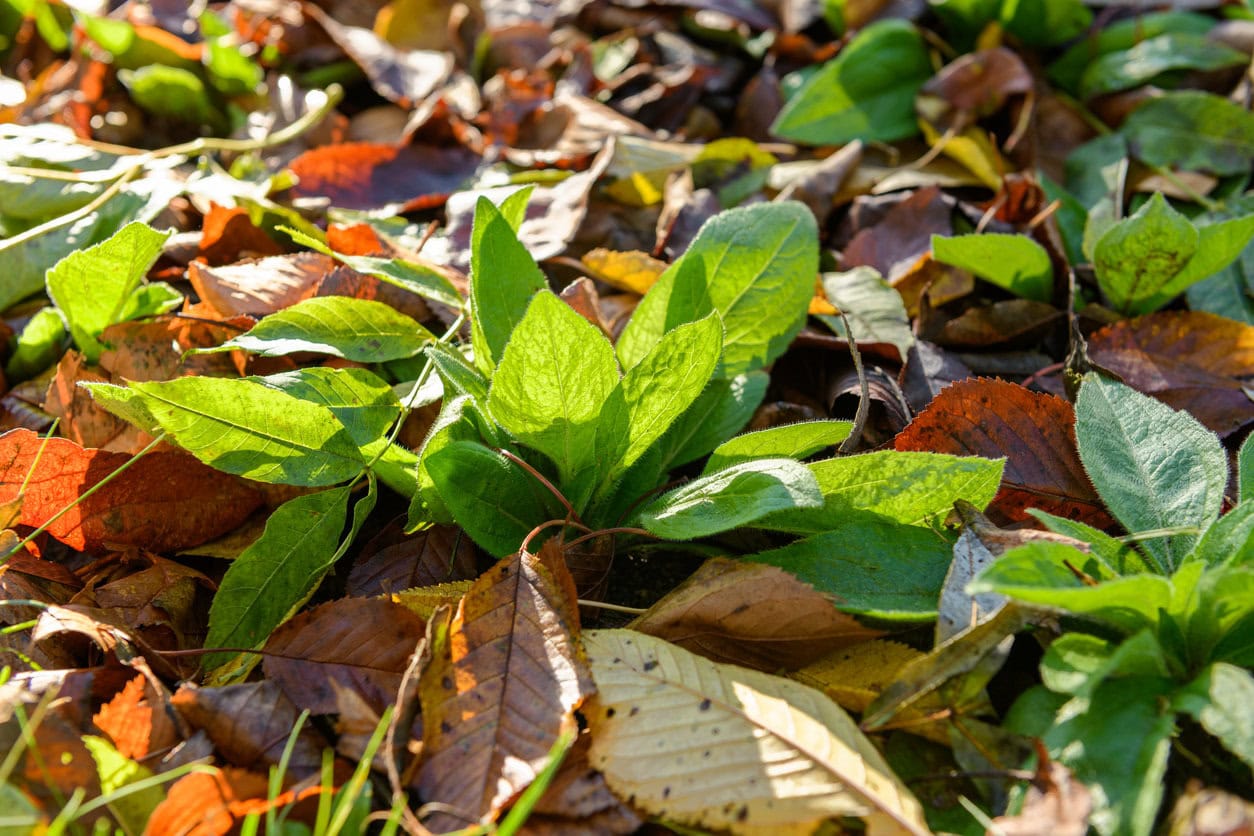
The most convincing reason to skip the cleanup is purely chemical. When leaves stay put, they initiate a slow-motion decay process, creating leaf mold. It’s an organic, high-quality soil conditioner, and it costs precisely nothing, zilch, nada.
Decaying foliage breaks down into a fluffy material and directly feeds the earth with nutrients and microscopic life. Quite surprisingly, it removes the necessity of purchasing expensive bags of fertilizer.
This same decomposing layer acts as fantastic winter insulation (also free), protecting the delicate roots of your plants from harsh temperature swings while simultaneously preserving crucial moisture in the ground.
A Cozy B’n’B for Beneficial Wildlife:

If you don’t mind subletting your yard to tiny animals, leave the leaf layer to provide immediate ecological support. The messy debris will shelter small creatures who cannot just jet off to the Maldives.
For example, helpful toads, salamanders, and even hedgehogs will hide in undisturbed piles as their primary sanctuary from Sub-Zero. Moths, butterflies, and countless essential pollinating insects rely too on the protection of your leaf litter to safely overwinter as pupae and larvae.
Birds also benefit from leaf piles and standing plants. You can read more about it in this article on plants you shouldn’t cut back in fall if you want to support birds.
The Ultimate Low-Effort Disposal System:

Ignoring fallen leaves is a win for both your sciatica and the public infrastructure. Why haul dozens of bags to the curb when you can allow the material to recycle itself right where it landed?
It’s also ideal for any homeowner who values a natural look, favors clever yard management, and prioritizes carving pumpkins over relentless yard cleaning.
And if you care about global warming, know that keeping the debris in place diverts a huge volume of organic material away from municipal landfills. Organics there decompose in anaerobic conditions, produce methane, which then escapes and traps heat in the atmosphere.
If anybody asks, you’re not lazy, just very environmentally proactive and strategically inert.
When You Really Should Rake

Even the leaflovers will concede there are a few specific and necessary scenarios where the rake must, unfortunately, be deployed.
The Smothering Blanket Effect:

An excessively thick and sodden blanket of mulching leaves is a death sentence for the grass beneath.
If the leaves are piled so deeply that you can no longer see the grass blades, or if they’ve become matted down into a thick, wet oak or maple leaf pancake after a heavy rain, rake.
The mat starves the grass of both sunlight and air, which becomes the perfect environment for mold and fungal diseases like snow mold.
You don’t need to bag them! Use a mulching mower to shred the leaves like last year’s bills so the material can easily settle into the grass and decompose quickly. It keeps the nutrients but saves the lawn.
The Drainage Dilemma:
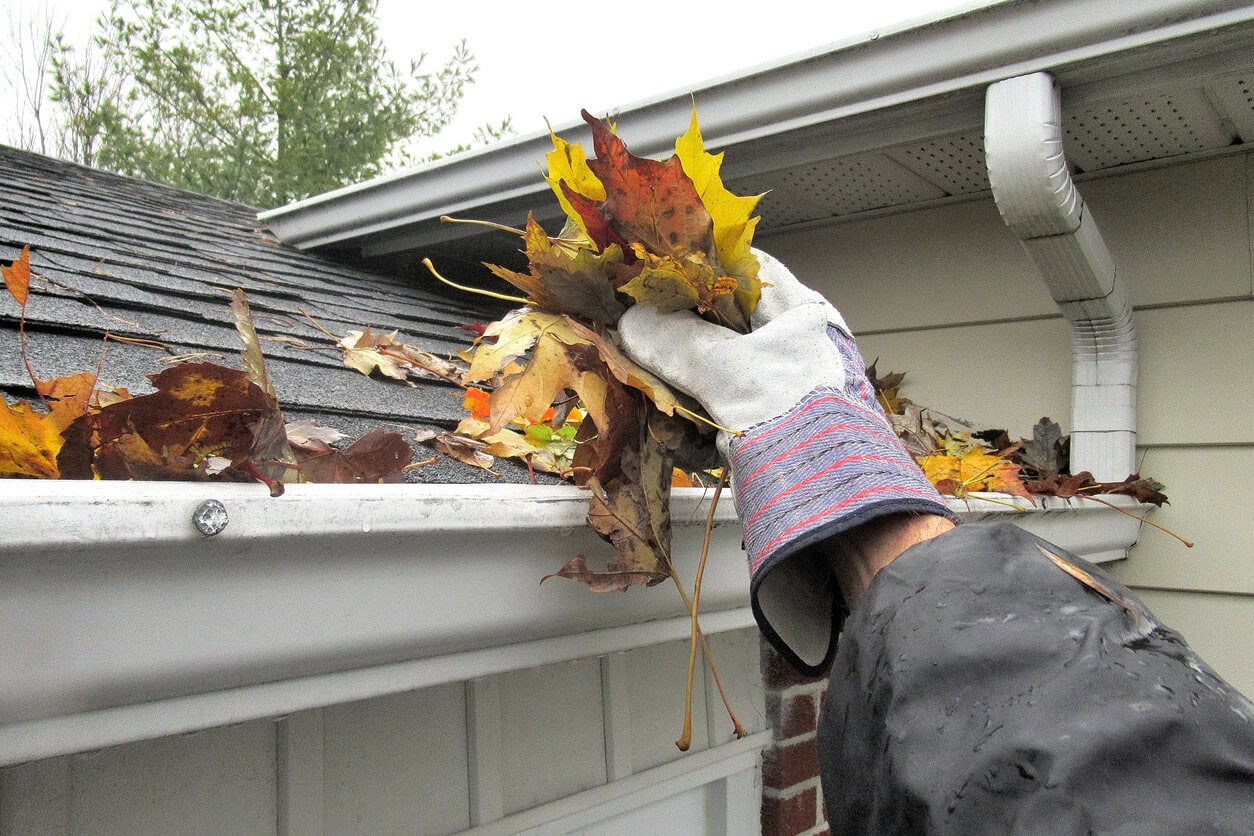
Leaves are sneaky little saboteurs of public works.
Do remove piles of leaves that are clogging storm drains or otherwise blocking the flow of water on your property or along the street.
Blocked drains lead to street flooding, which can further damage roads, cause property damage, and make your municipal engineers cry.
If You Have Certain Diseased Trees:
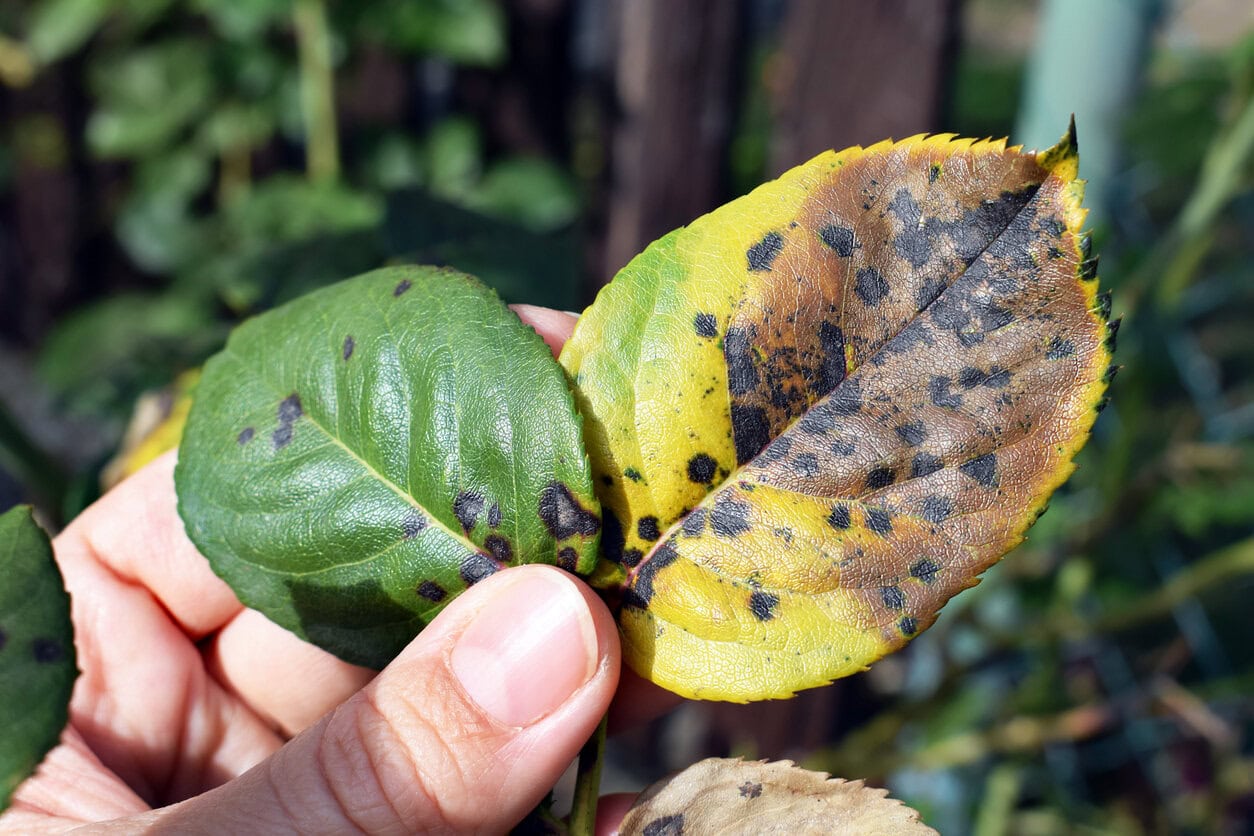
Sometimes, the leaves are not innocent mulch. They are tiny but traitorous bioweapons.
If you maintain anything high-strung like roses, fruit trees, or tomatoes, their foliage is a problem, a host to unwanted fungal spores. Think of issues like apple scab on fruit trees, black spot on roses, or tomato blight, all of which survive winter in fallen leaves. Plus, they might even shelter sleeping insect pests.
Leaving them in the garden is plain reckless. With a perfect, early head start, they will aggressively ruin your entire next growing season.
So, you must gather those specific and guilty leaves. Bag them for proper disposal and send those biological threats far, and definitively, away.
You do not get to compost this batch. Interrupting the disease cycle is apparently worth the minor, albeit unfortunate, effort.
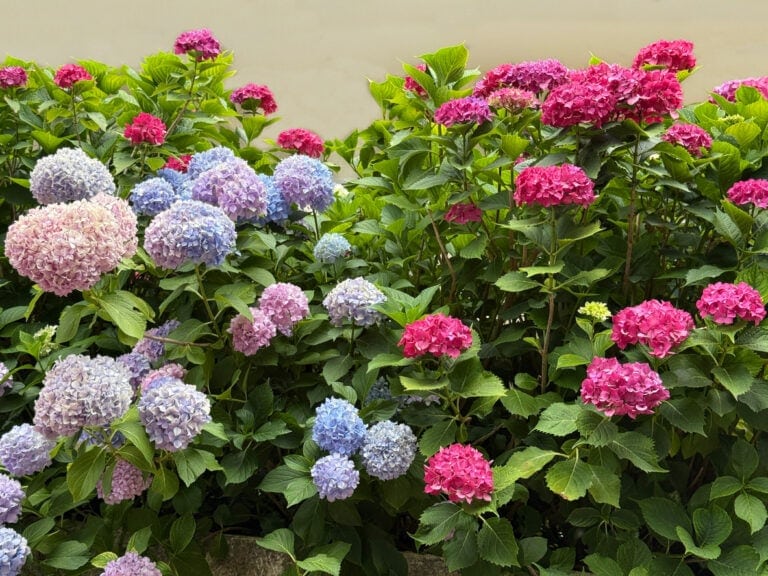
Here’s a detailed guide on what to do with hydrangea leaves and blooms after they finish flowering.
For Walkways, Patios, and Driveways:
While this isn’t about saving your lawn, it is a matter of saving your hip.
Leaves that get wet and matted on hard surfaces become incredibly slick and a serious slipping hazard. They will also stain concrete or stone if left to decay for months. A quick sweep is the easy and injury-preventing move here.
If you’re looking for privacy-friendly plants that still add seasonal beauty, check out this list of trees that don’t lose their leaves and provide year-round privacy.
And for smaller yards, here’s a roundup of small evergreen shrubs that give color and coverage all year.
Frequently Asked Questions for the Leaf-Ambivalent

You have questions about your lawn, and we have the answers to justify your indecision since you have far mulch more important things to do right now.
A light layer is fine as it becomes free fertilizer and shelter for wildlife. But an impenetrable layer will smother your grass, cause nasty mold, and potentially kill your lawn.
Experts advise against the raking ritual. Their strong preference is for mulching: just shred the leaves with your mower. Leaving the tiny pieces returns essential nutrients and cleverly improves soil structure.
Only when necessary to prevent a smothering carpet, thus, about every one to two weeks during peak leaf drop. If you mulch, you can simply keep mowing as usual.
Rake everything toward a central tarp. Use a wide, flexible, and plastic rake to gently gather them, which saves your back and avoids ripping up your grass.
Not really, no. Raking removes valuable organic matter and nutrients your soil desperately needs. It’s only a “good” move when you are urgently trying to save your lawn from being suffocated.
No. Mulching leaves does not create thatch. Thatch is an entirely different issue caused by a buildup of un-decomposed grass stems and roots above the soil line, not finely shredded leaves.
When in doubt, mulch… Your soil, your back, and the planet will thank you.