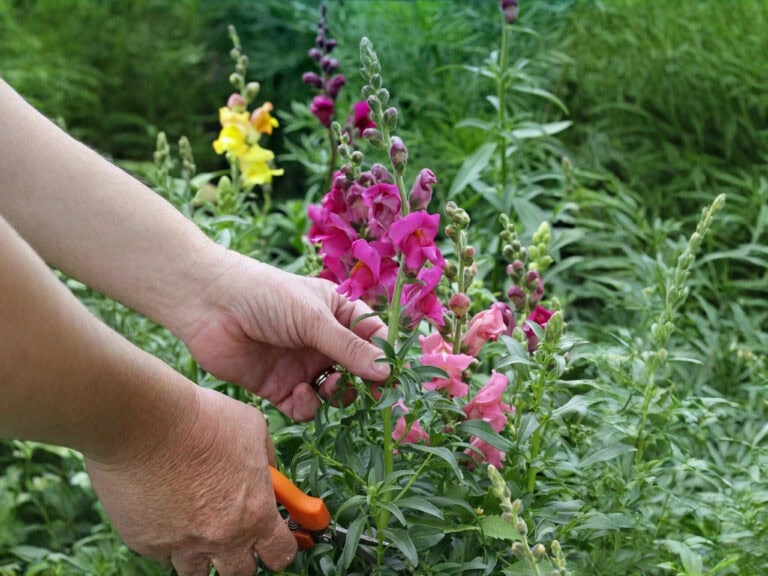
Are you completely out of planting ideas for the upcoming winter season? Don’t worry, fellas, I got you!
In today’s article, we’re going to take a look at some winter-flowering plants that can add stunning beauty to your cold-season garden. To make things simpler, I’ll mention the ideal USDA planting zones for each plant, so you can make more strategic choices.
Let’s jump straight into it, shall we?
Can Flowers Really Bloom In Winter?
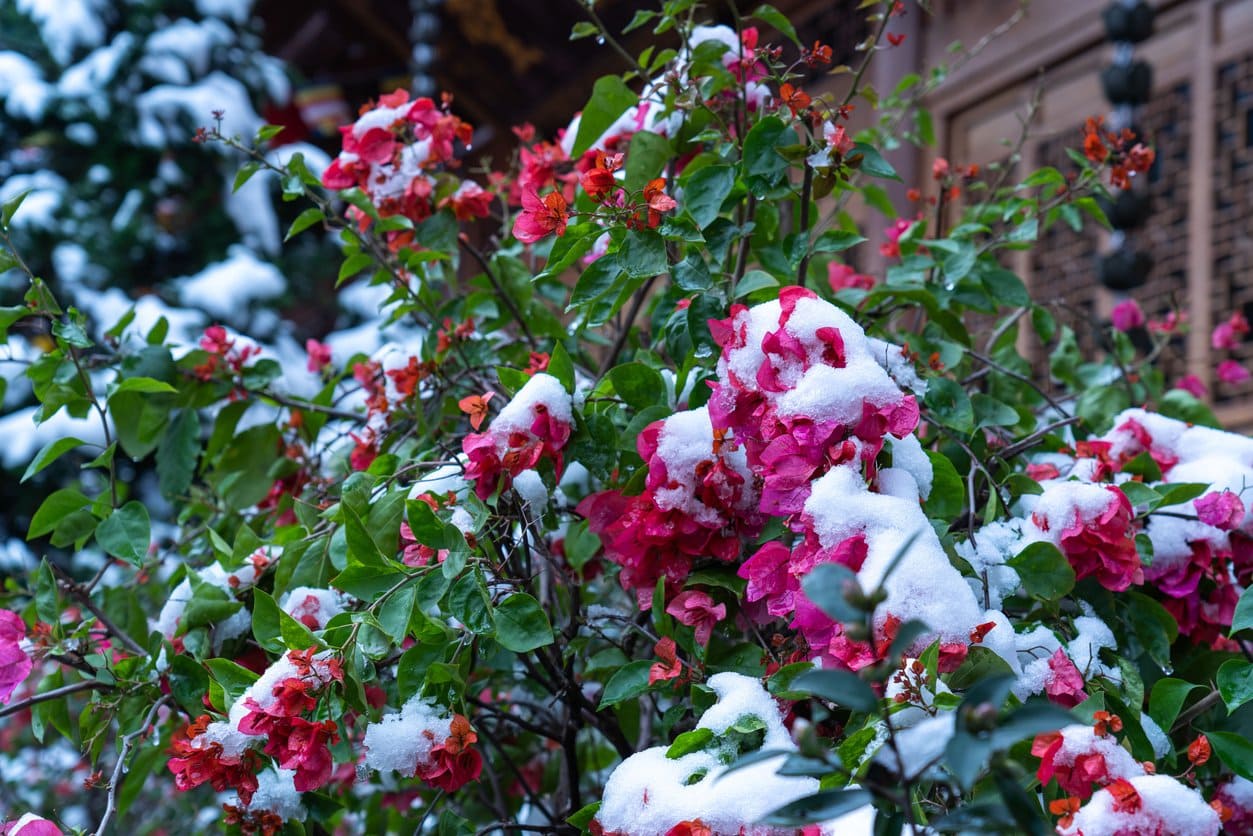
Yes! Many flowering plants bloom in winter just like they would bloom during any other season.
While it is rare for many popular flowers to bloom in the cold since most enter dormancy during this period, there are certain varieties that do extremely well, and you must experiment with them if you want to bring life to your winter garden.
If you’re preparing your beds for the cold season, here’s a guide on which perennials to cut back (and which to leave) before winter.
Winter-Flowering Plants That Are Perfect For Cold-Season Beauty
1: Hellebores (Zones 4-9)
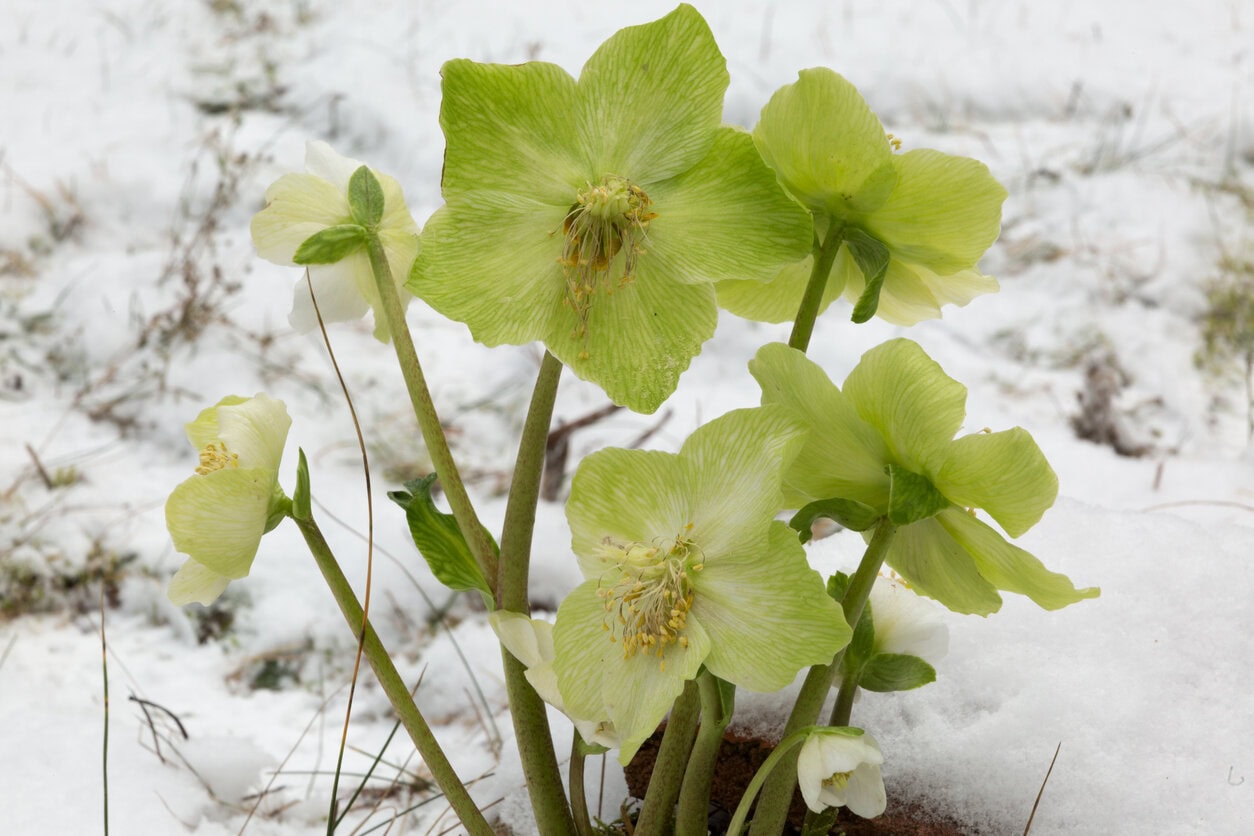
Hellebores, also known as the Christmas rose, thrive in shaded conditions and bloom beautifully in late winter.
2: Witch Hazel (Zones 3-9)

Witch hazel is very popular for its bright, fragrant flowers that emerge between January and March in a thin, spidery form.
3: Camellia (Zones 7-9)

If you have low pH soil in your garden, camellias would absolutely thrive in it since they prefer higher acidity for growth.
Depending on the type, they can bloom from late fall into winter. Camellia sasanqua blooms from late fall into winter, while Camellia japonica blooms late winter into early spring.
They are sensitive to harsh environmental conditions like wind, so you might want to protect them from it.
4: Snowdrops (Zones 3-8)

Plant snowdrops in the fall and allow them to grow undisturbed throughout the season to bloom later in winter.
Snowdrops aren’t the only bulbs and flowers to get in the ground early, here’s a full guide on flowers you can sow in fall for spring color by zone.
5: Winter Jasmine (Zones 6-10)
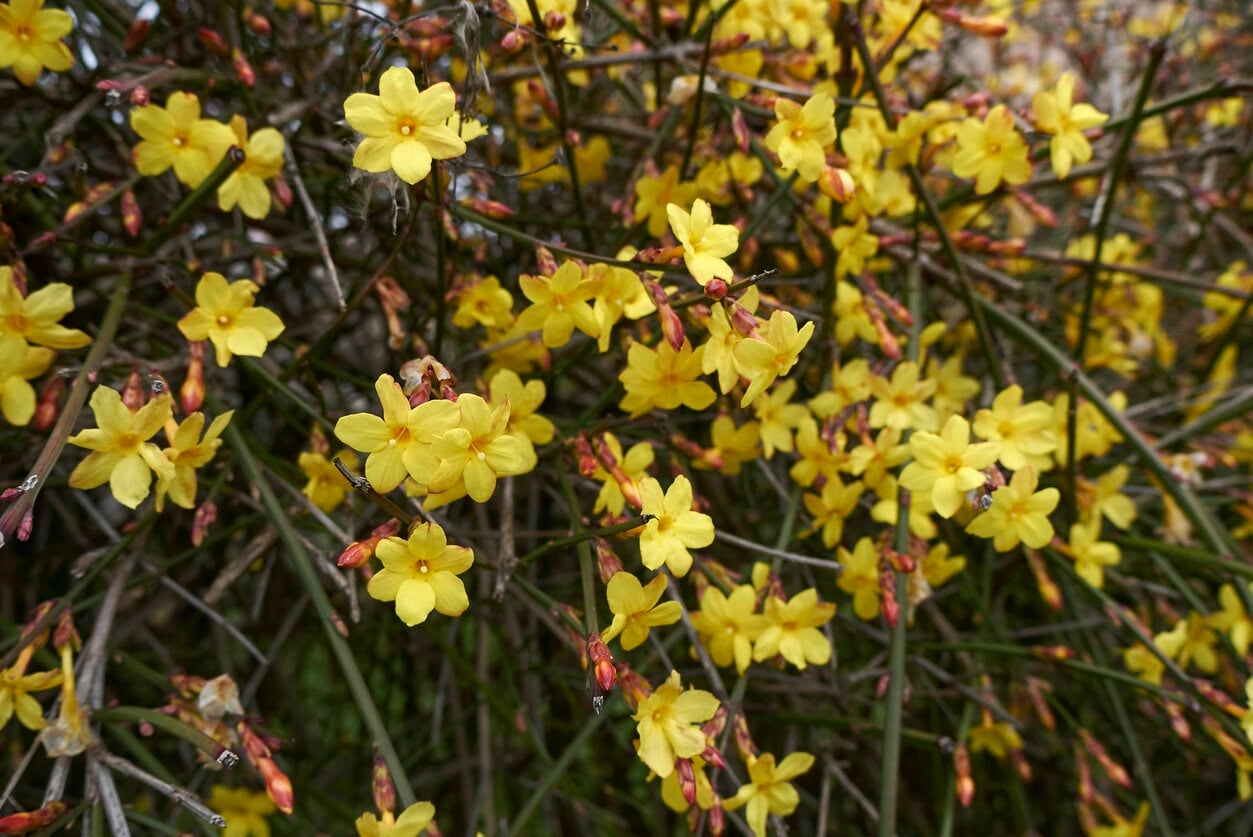
Winter jasmine can grow quite tall, but instead of climbing on its own it tends to sprawl, so you might want to give it some support. This winter shrub produces bright yellow flowers that draw attention from afar.
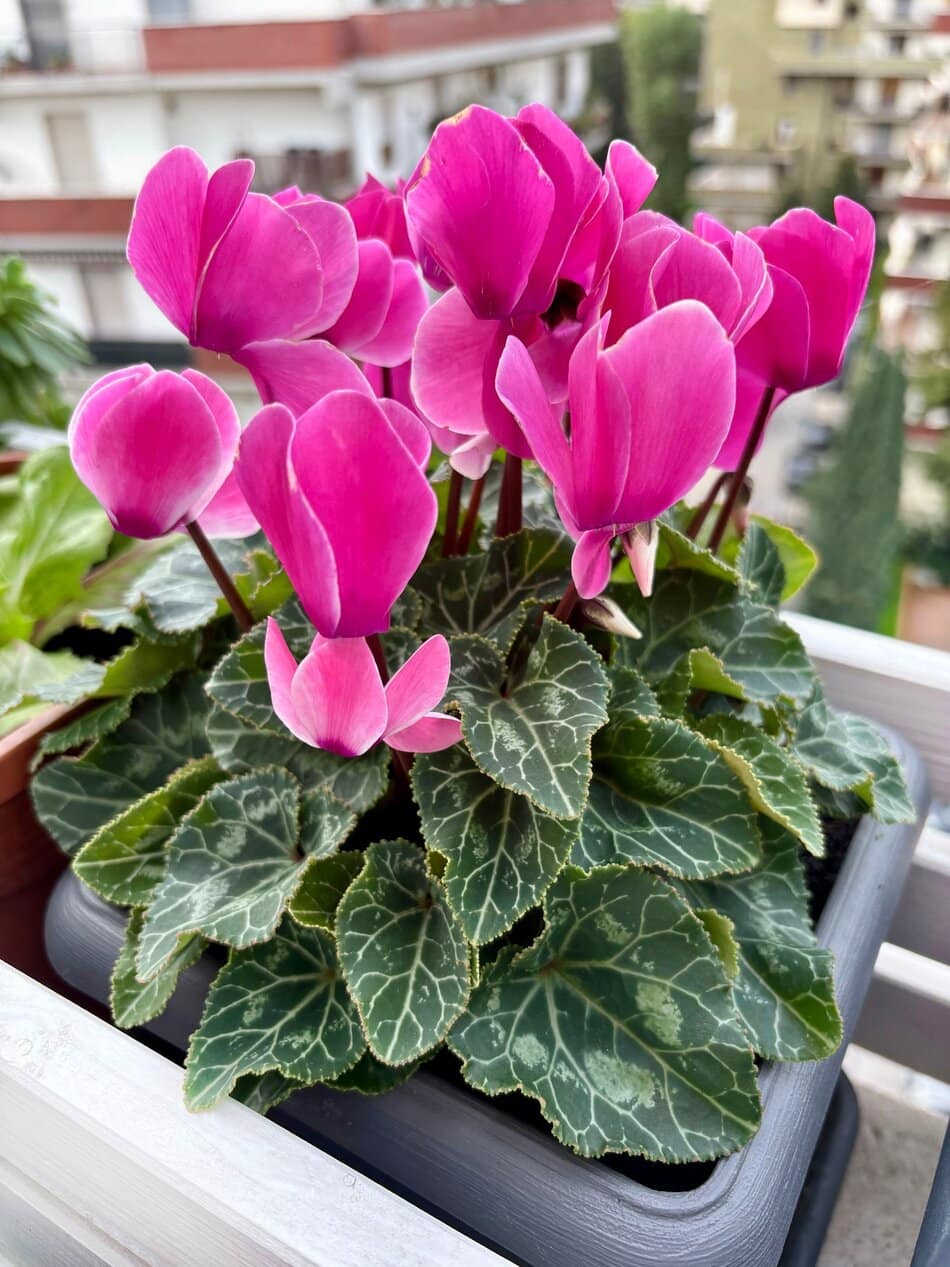
6: Cyclamen (Zones 6-9)
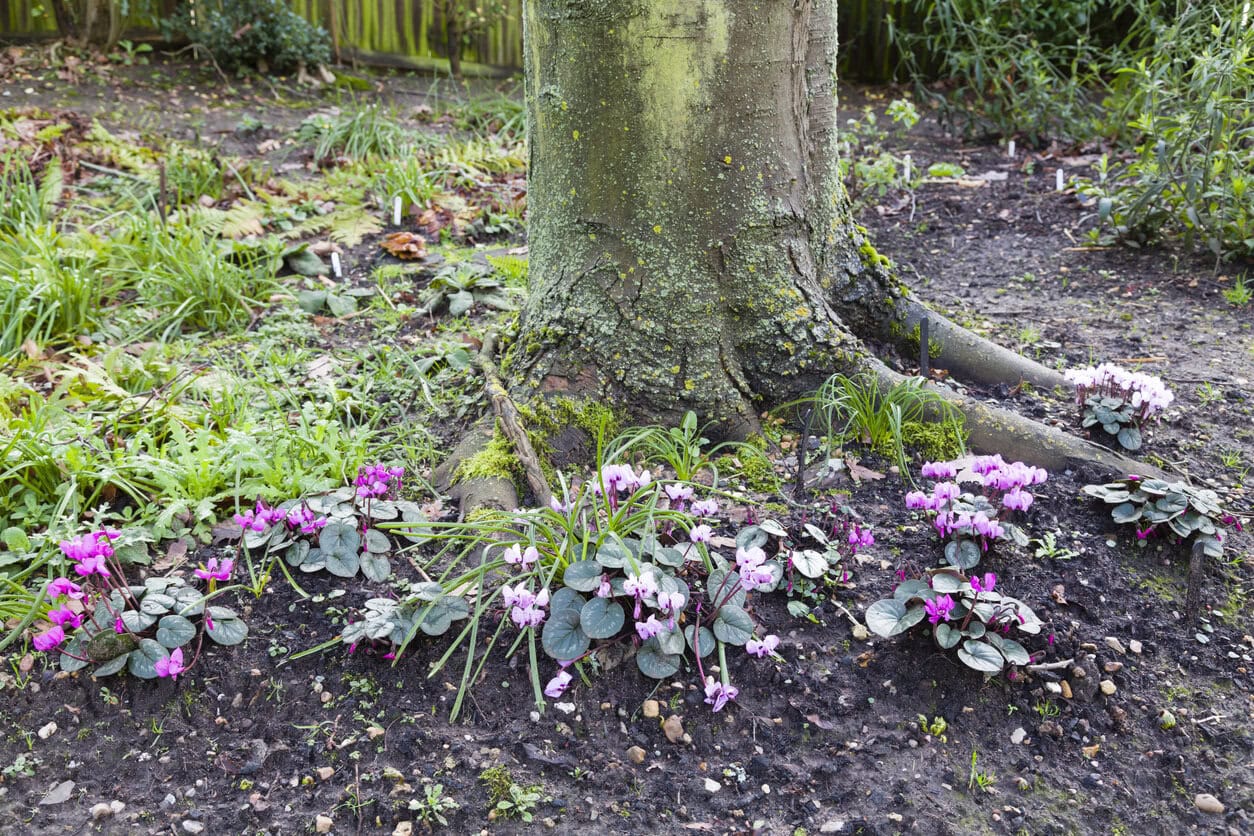
Cyclamen offers small, compact flowers and thrives in the shade of large trees.
Hardy species bloom outdoors in late winter into early spring in Zones 6-9 (sometimes even in zone 5 with protection). But florist cyclamen are more often grown indoors through the winter.
7: Mahonia (Zones 5-9)
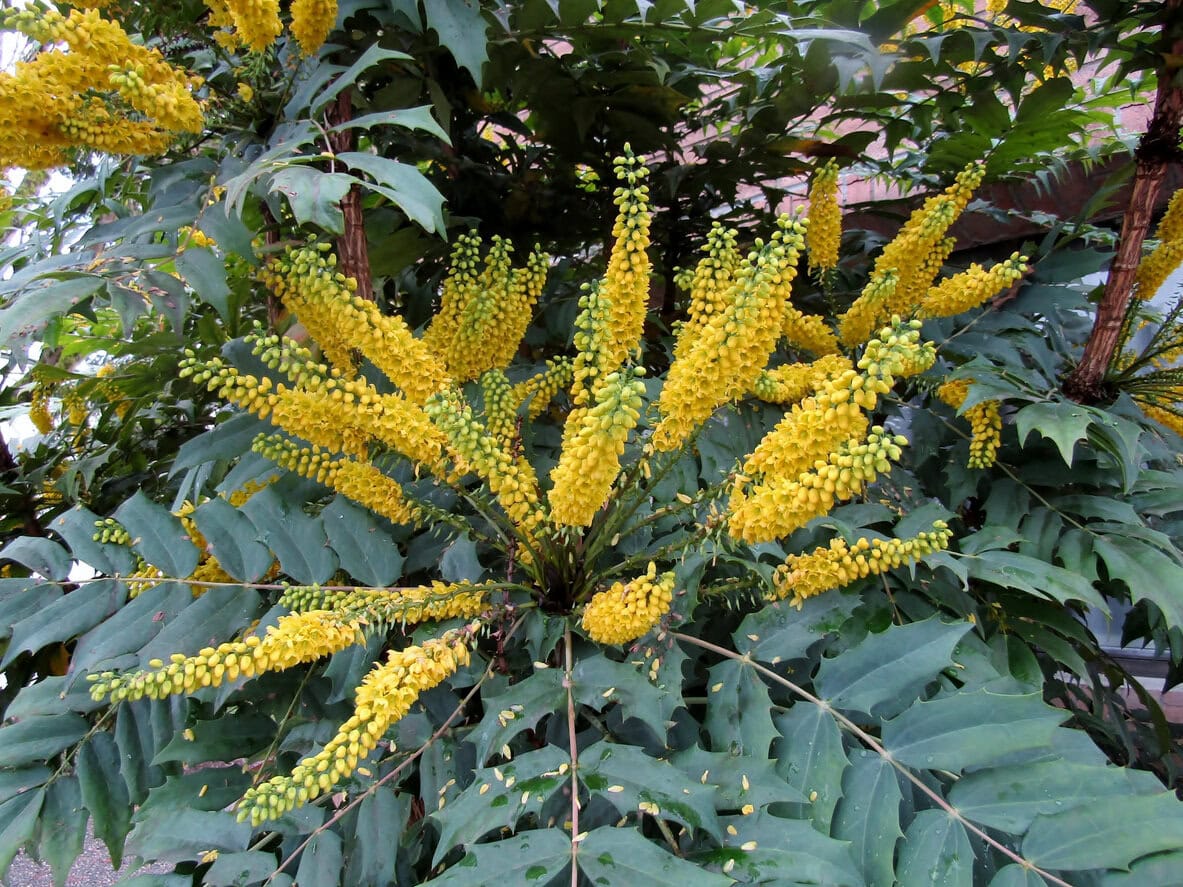
While mahonias do have pretty stunning yellow blooms, they’re mostly known for being the perfect pollinator attraction.
8: Pansies & Violas (Zones 6-10)

Pansies and violas are grown as annuals in cooler zones. In Zones 8-10, they can flower straight through winter, while in Zones 6-7 they usually overwinter and bloom again in late winter to early spring.
They’re super low-maintenance and only require regular deadheading to extend blooms.
9: Daphne (Zones 7-9)
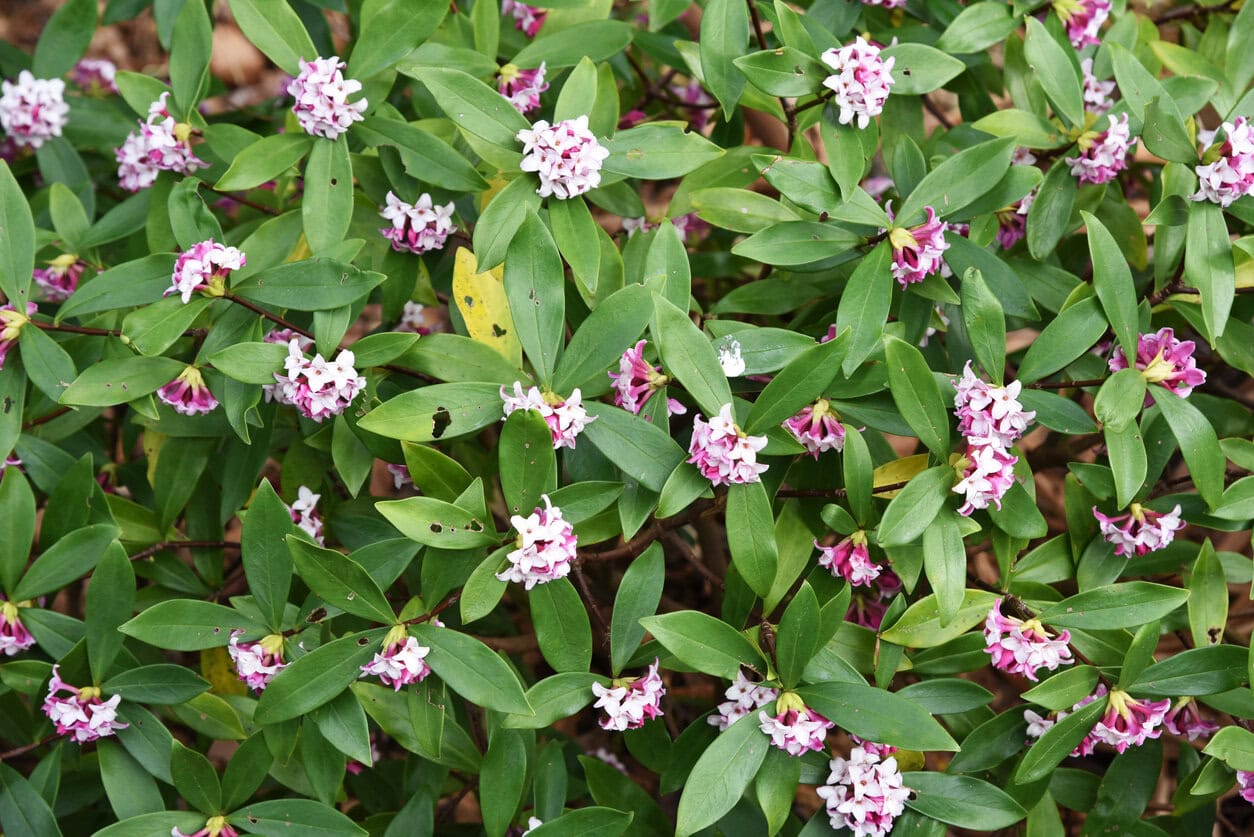
Daphne is a perennial shrub that grows close to the ground and produces intensely fragrant flowers. In most climates, it blooms in late winter into early spring, though in very mild winters you may catch the flowers opening as early as January.
10: Primrose (Zones 3-8)

Primroses thrive in shade and evenly moist soil that’s ideally well-draining at the same time. While most varieties bloom in early spring, some cultivars in milder climates can start as early as late winter.
11: Heather (Zones 5-7)
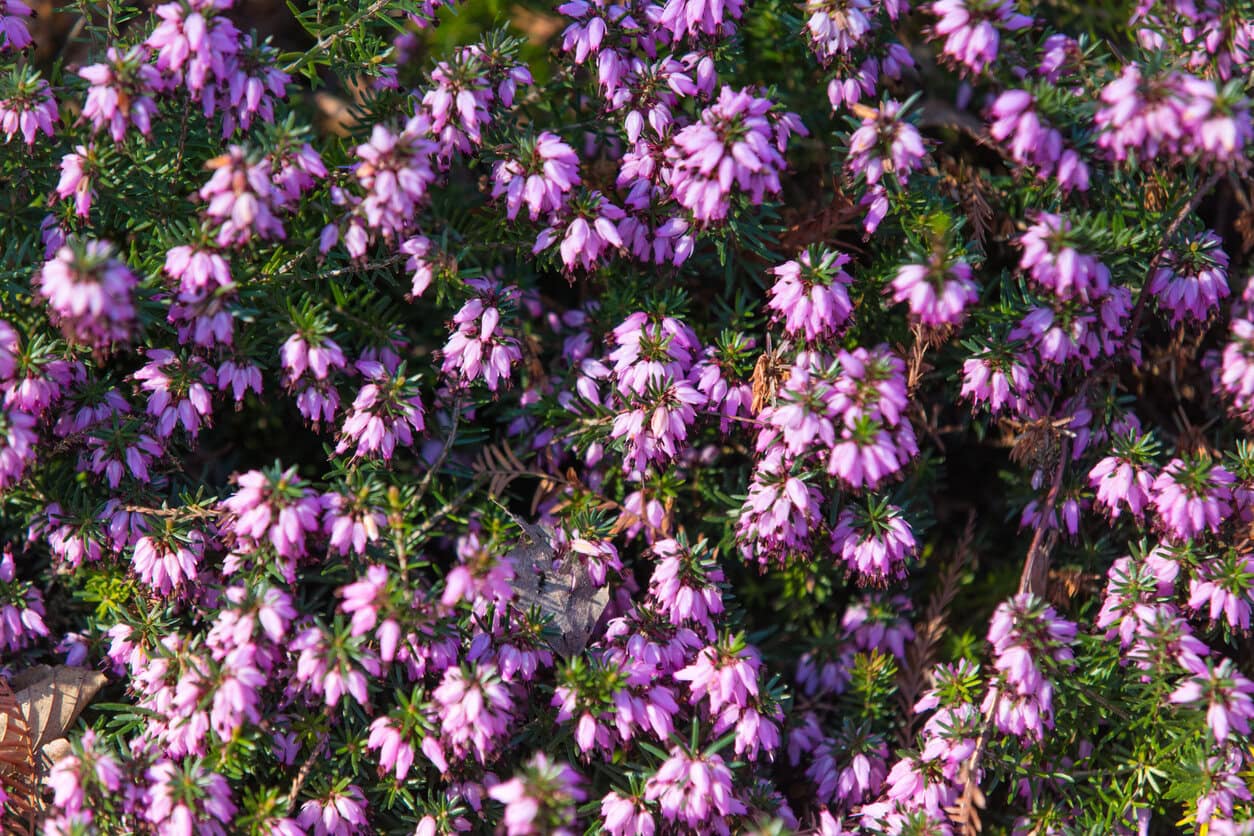
Most gardeners plant this perennial shrub as a low-growing groundcover. Winter-flowering heather (Erica carnea) blooms all season long and adds stunning uniformity to the garden landscape.
12: Japanese Apricot (Zones 6-9)
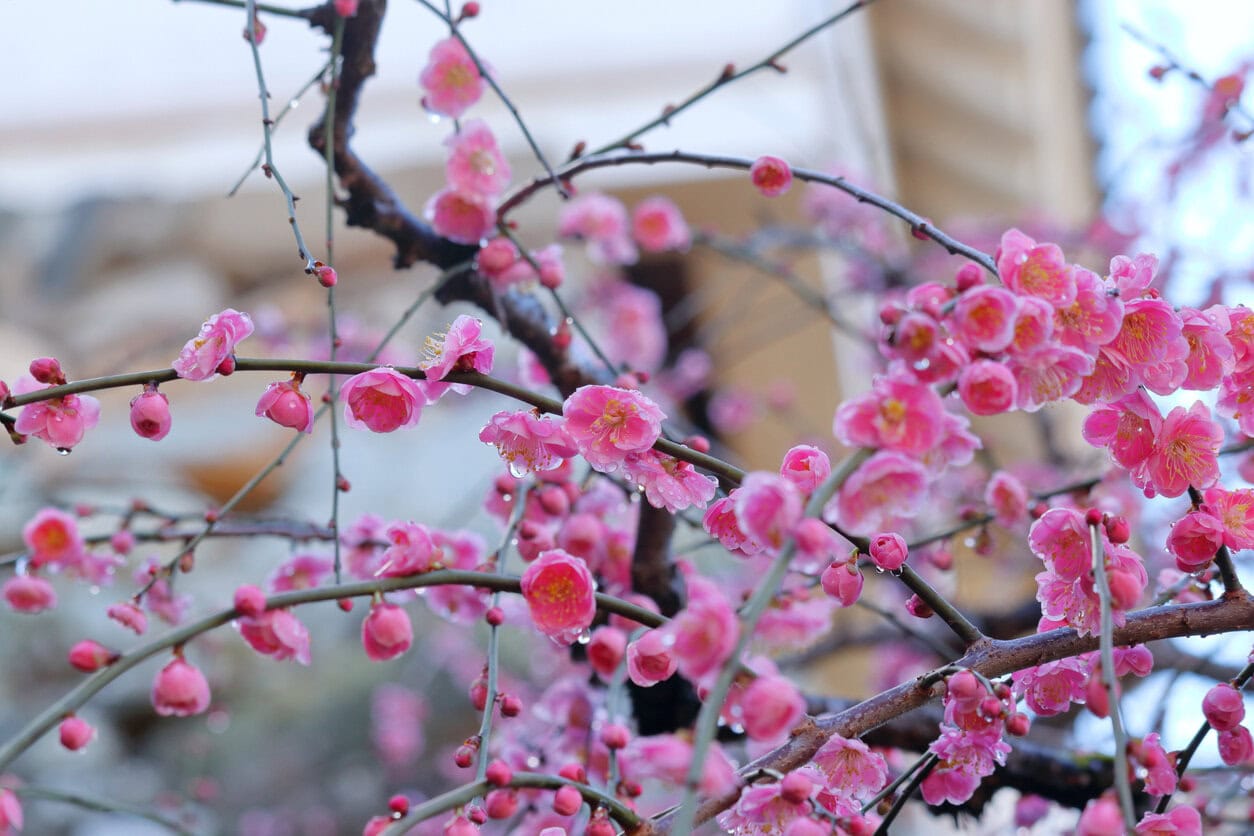
Japanese apricot trees bloom quite early in the winter season and offer a mix of hot pink and pearly white flowers that look truly mesmerizing when actively blooming.
Do Winter-Flowering Plants Need Special Care?
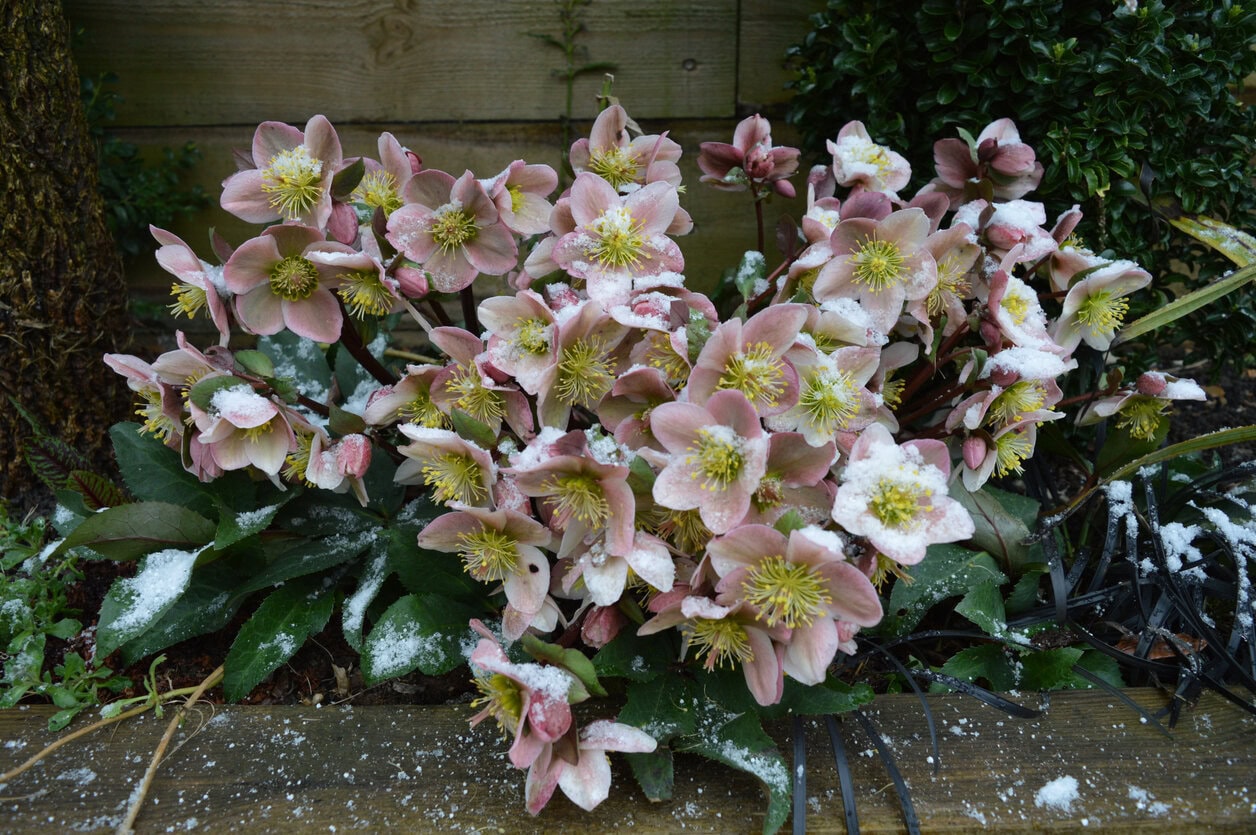
Because winter-flowering plants are generally much more hardy, they do not require constant love and attention.
That said, some necessary tasks like watering in dry cold spells, sheltering pots when frost kicks in, and pruning shrubs timely must still be taken care of if you want your plants to grow optimally.
And if you’d like something fresh to enjoy indoors while your outdoor blooms rest, check out our list of herbs you can grow inside during winter.
Which Winter Flowers Work Best In Pots?
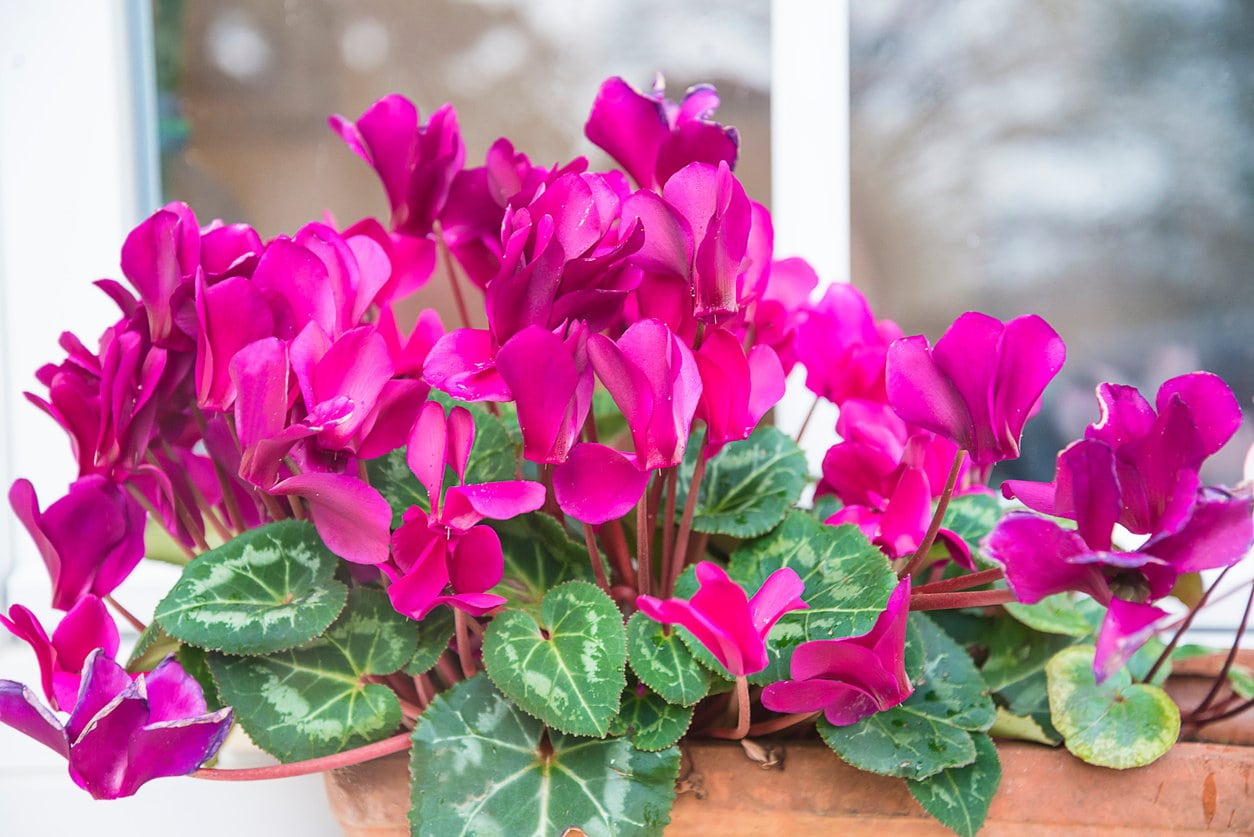
Although most of the flowers on the list above will do pretty well in pots and containers, classics like cyclamen, hellebores, and pansies are much better suited for container planting and keeping on porches or patios.
Trust me when I say this, there’s no hard and fast rule on what you can and cannot grow in pots. I’ve grown many plants that “aren’t supposed” to grow in tight spaces in pots without any problem whatsoever.
And if you’re still enjoying your autumn blooms, learn which fall flowers can keep going even through frost.
Let’s Conclude
Winter-flowering plants are the ultimate cheat code to achieving a stunning cold-season garden. Some can be low-growing shrubs or groundcovers, while others grow tall and produce large, beautiful flowers.
You don’t have to play around with every single flowering plant from the list above – just the ones you like and believe will suit your garden best. Pick the ones that suit your garden best, and your winter display will shine. Good luck!