Winter can drag on, but early spring doesn’t wait for perfect weather. The first warm-ish days bring bees and other pollinators out looking for food, and early bloomers help fill that gap. If you’ve ever wondered why it’s worth planting early bloomers, this is the reason.
And if you’re not sure which ones to choose, start with these eleven hardy favorites.
The Spring Flowers That Show Up First
Spring gardens usually wait for a warm invitation, yet these party crashers decided to break in through the basement window.
Quick note from my garden: Most of these do best planted in fall (especially the bulbs) if you want them to wake up early. When I plant in spring, I use a small nursery plant so it establishes faster.
If it’s still cold where you are, we also put together a simple winter-sowing list that gives you a head start on spring.
1: Marsh Marigold (USDA Zones 3-7)
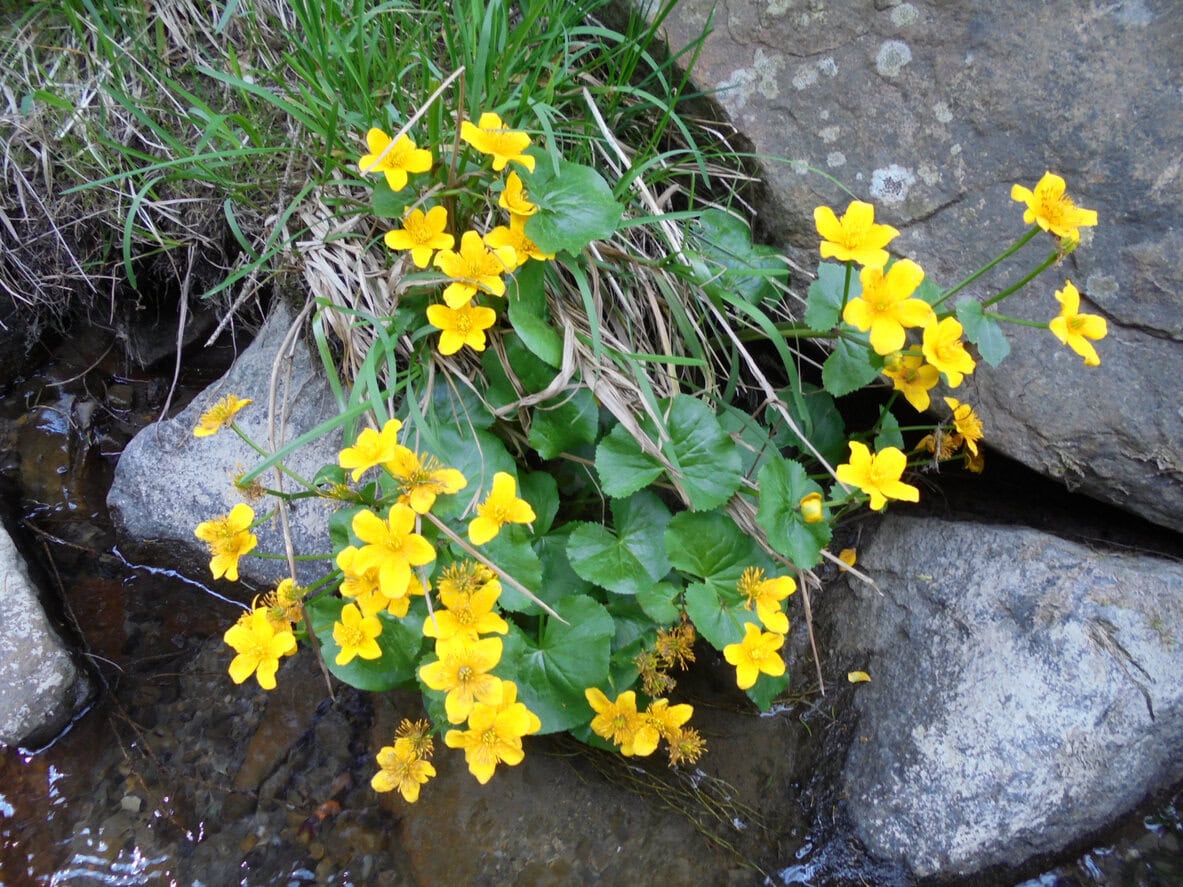
Marsh marigold is picky in one way: it wants soil that stays consistently moist. Scout a patch near a pond or any low area that doesn’t dry out to satisfy their obsession with soggy soil.
Pollinators swarm the bright yellow blooms while the stems stretch a foot toward the sky. Deer usually take one sniff and walk away because the taste is truly bitter and unappetizing.
Quick tip: I keep a thin layer of leaf mulch around it to hold moisture, but I don’t bury the crown, too much mulch piled on top can make it sulk.
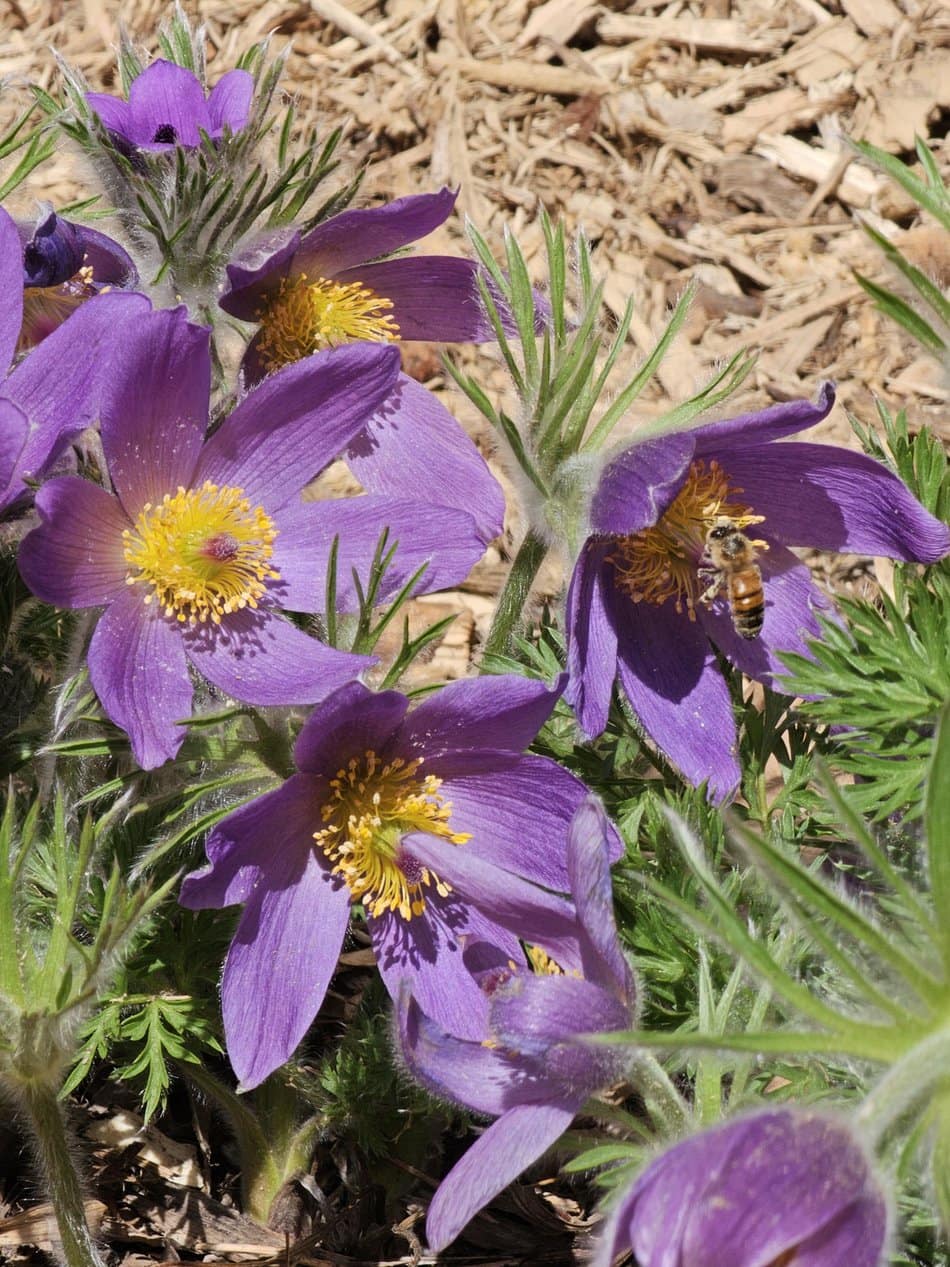
2: American Pasque Flower (USDA Zones 3-7)

It’s South Dakota’s state flower because only something this tough survives a prairie winter without crying. Those silky, fuzzy stems protect the blooms from sudden frosts, and the flowers stay low to the ground when the wind is still brutal.
Find them a sunny spot filled with gravelly soil that drains in a flash. Anything less leaves you with a pitiful pile of compost instead of blooms.
Quick tip: Don’t move this one once it settles in. If you transplant it around, it sulks for ages (or just disappears).
If you want more plants that wake up early like this, we also have a February planting list worth skimming.
3: Hepatica (USDA Zones 3-8)
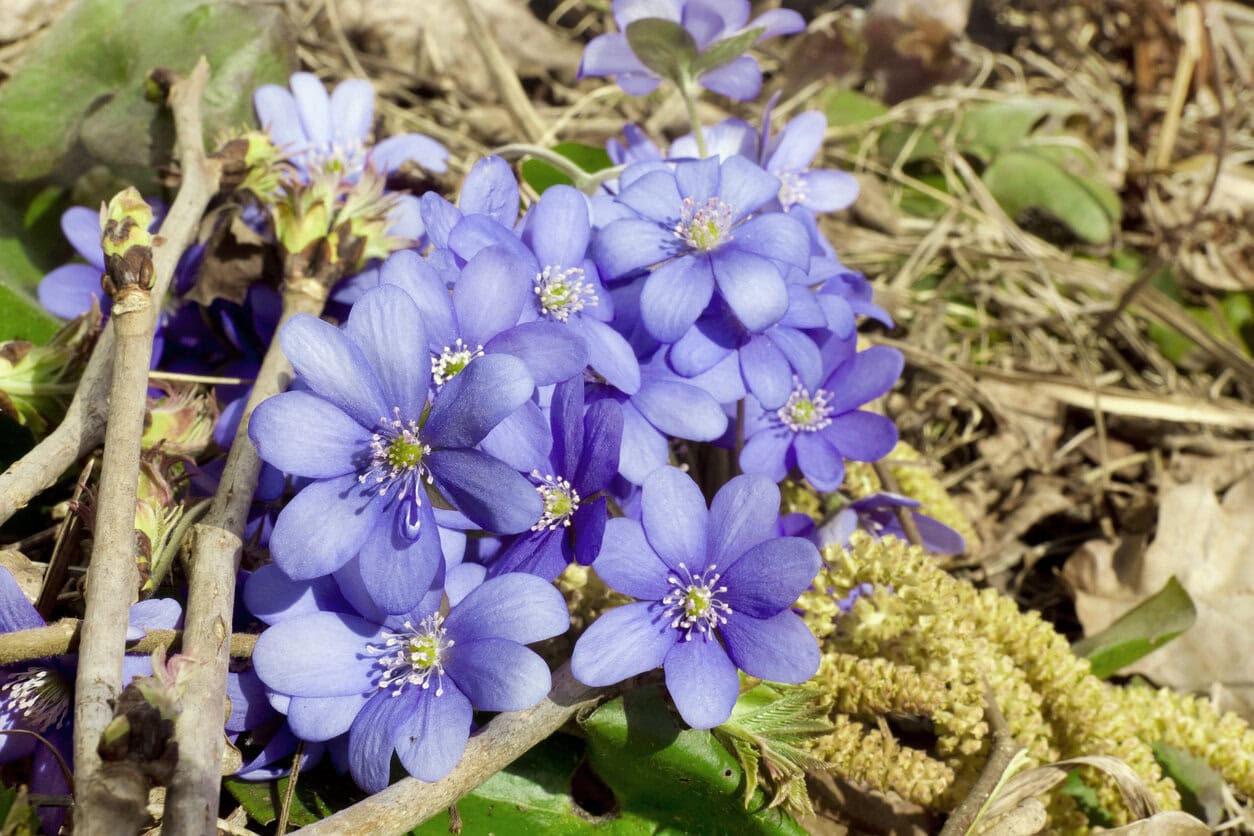
Look closely for these dainty little stars hiding under old leaves. They often bloom before the snow even melts.
Most gardeners call them “Liverleaf” because the lobed leaves look like a human organ. Is that gross? Maybe, but the flowers are undeniably charming and resilient.
Quick tip: I leave the old leaves in place until spring is fully underway. Hepatica likes that little blanket, especially during surprise cold snaps.
4: Wood Anemone (USDA Zones 3-8)
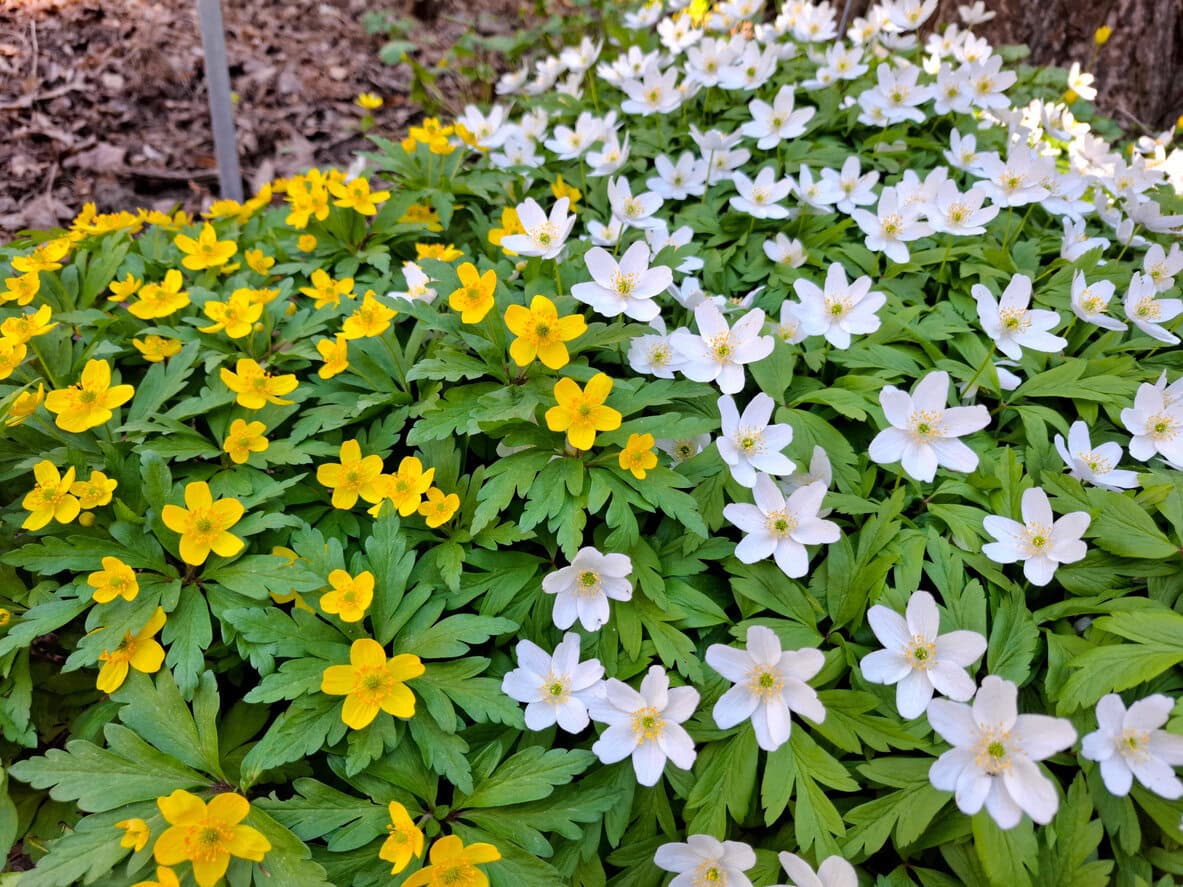
Wait, is that salad? Absolutely not. Those lacy leaves mimic parsley, but it isn’t an edible plant. It spreads by underground rhizomes and does best in shady woodland corners where grass struggles.
Give it part shade to shade with moist, humus-rich soil that drains well. In early spring, it makes a low patch of white blooms, then it usually fades back as summer warms up.
Quick tip: Pair it with later-leafing plants (like hostas or ferns) so the space still looks full after the anemone goes dormant.
If you’re working with shade, we’ve also shared our favorite low plants for under trees (the kind that don’t fight you all season).
5: Snowdrops (USDA Zones 3-7)

Snowdrops pierce through frozen soil using hardened leaf tips. Buy them right after they finish flowering, while the leaves are still on. Dried bulbs can work, but this method is usually the safer bet because they settle in faster.
You should tuck the bulbs under deciduous trees where they get winter sun and summer shade. They multiply every year and create a drift of white that looks like… snow dropped.
Quick tip: I never cut snowdrop leaves early. I let them yellow naturally so the bulbs can recharge for next year.
This is a “plan ahead” thing, but if you want a big burst of color next spring, I also wrote about wildflowers that are best sown in fall.
6: Crocus (USDA Zones 3-8)

Early bees rely on these cups for a first meal while the snow still lingers. These purple and yellow blooms also work well in lawns, because the foliage finishes up early (usually before I’m mowing regularly).
Quick tip: Squirrels treat every corm like a buried potato, so I lay chicken wire flat over the spot for a couple of weeks after planting, or plant in tight clumps to make digging harder.
If you’re also doing winter prep, we break down which perennials we prune in January and February so they come back stronger.
7: Winter Aconite (USDA Zones 3-7)

Winter aconite pops up shockingly early, sometimes while snow is still on the ground. The bright yellow flowers look like tiny buttercups and bring instant “spring” to a bare garden.
Offer them a spot in part shade to sun with soil that stays moist in spring but drains well. They fade back and go dormant by late spring anyway.
Quick note: Winter aconite is toxic if ingested, so avoid planting where pets or kids like to dig!
8: Glory-of-the-Snow (USDA Zones 3-8)
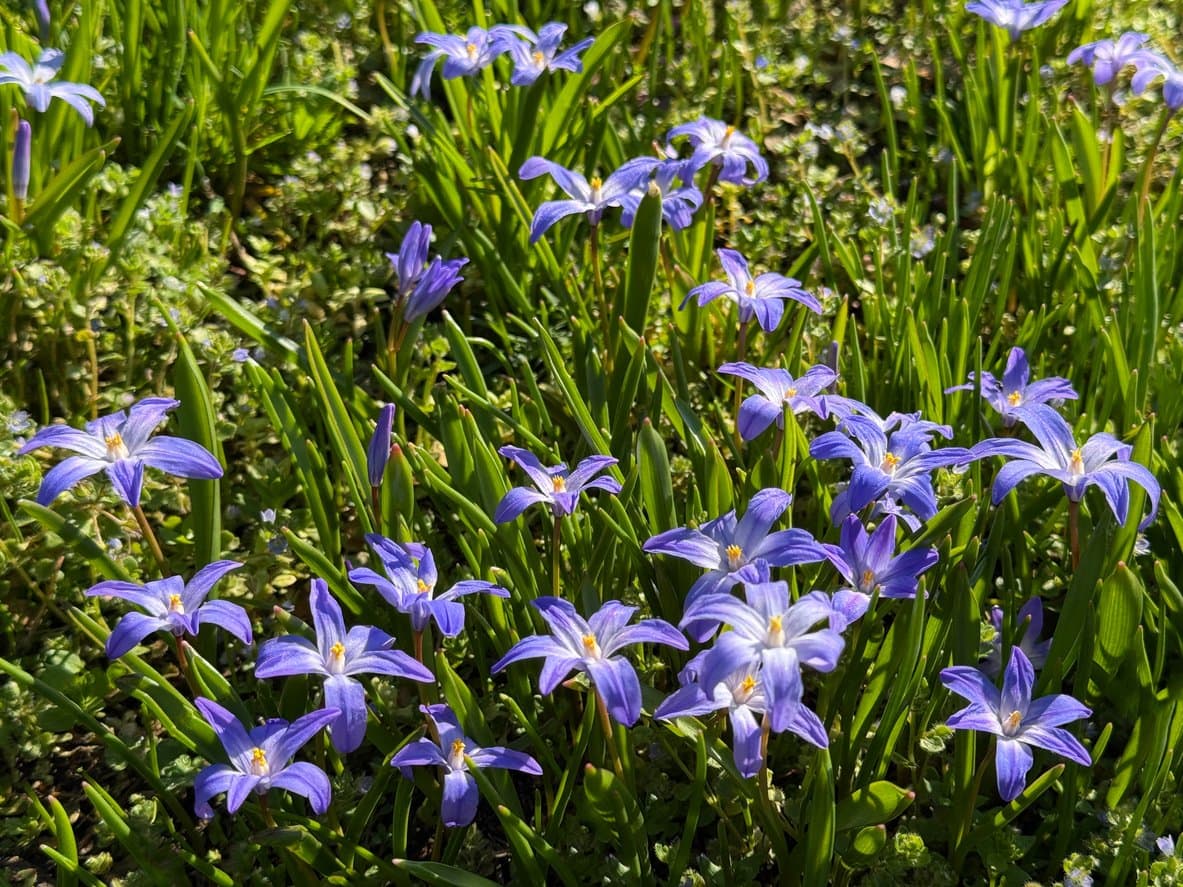
These soft blue, white, or pink stars earned their name by punching through ice and making your yard look like a fallen sky when everything else still looks half-asleep.
They do best in sun to part shade and can even be planted in lawns. You get a magical meadow without ever lifting a mower. Once the color fades, they retire and let the lawn take over. It’s a classic case of fading glory: all that hype just to fade back naturally and go dormant by late spring.
Quick tip: The biggest mistake I made with these was mowing too early. Now, I wait until the leaves start yellowing and flopping over, then mow like normal.
9: Virginia Bluebells (USDA Zones 3-8)

Virginia bluebells are classic spring natives from eastern U.S. woodlands and stream edges. They like moist, rich soil in part shade, especially spots that stay damp in spring but don’t stay waterlogged.
Unlike aggressive weeds that jump fences, these natives mind their own business. They leave the party early in summer, so tuck them under some wide hosta leaves to mask the gap they leave behind.
They’re also often left alone by rabbits and deer, though it depends on your area.
Quick tip: I mark the spot with a small label because once bluebells go dormant, it’s easy to forget they’re there and accidentally dig right into them.
And if you’re trying to fill space and keep weeds from moving in, here are fast groundcovers that actually do the job.
10: Garden Primrose (USDA Zones 5-7)

Ancient lore claims a single primrose tapped against a stone unlocks the door to a fairy realm. Just don’t blame me if neighbors start giving you the side-eye.
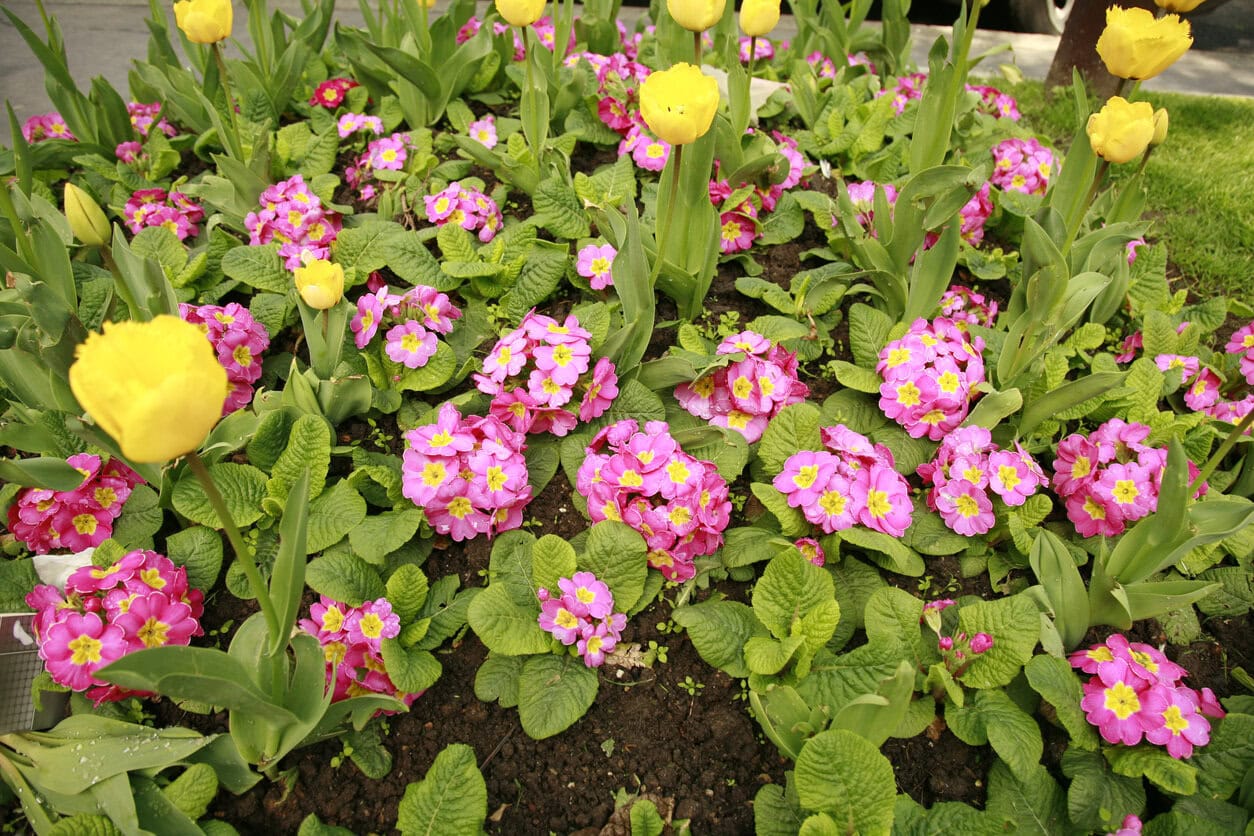
The best spot for them is a cool, damp nook in part shade. There, they flaunt soft shades of pink, purple, and yellow without a care in the world.
Wonder why their leaves are so wrinkly? It’s just part of their thick, textured foliage, made for cool, damp spring weather.
Quick tip: Primrose does best where it gets morning sun and afternoon shade, and I keep the soil evenly moist (not soggy) so it doesn’t fade fast once it warms up.
And once things start waking up, it helps to know what’s worth feeding. So I put together a February fertilizing guide for perennials (with the why behind it).
11: Common Blue Violet (USDA Zones 3-7)
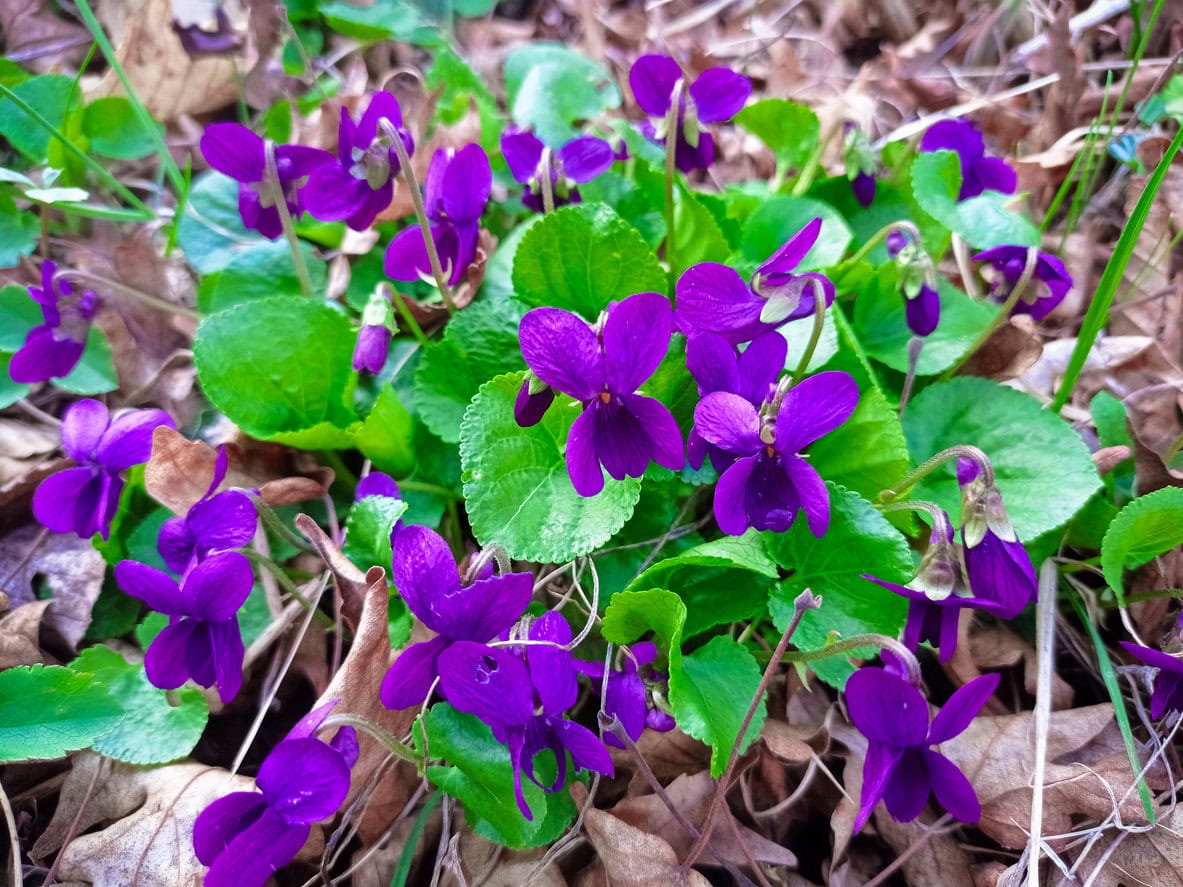
There isn’t an honest early-bloomers list without these persistent and purple freckles. Let the patches wander. Early pollinators appreciate any color that shows up while the yard still looks half-asleep.
And yes, you can toss a few petals into a fancy cocktail. Just double-check your ID first, and make sure the area is chemical-free before you snack on the scenery.
Quick reminder: Common violets are generally edible, but only eat positively identified violets. Never eat unidentified plants (and avoid flowers from treated lawns).
If your perennials don’t come back the way you expect each year, I pulled together the most common mistakes that quietly hold them back.
The Lowest Effort Victory Ever
Spring gardening stays easy when you pick plants that do the heavy lifting. These tough guys fight the frost, feed hungry pollinators, and garnish your salads while looking magical. They deliver the goods while you get all the credit for a beautiful lawn without ever breaking a sweat (or a fingernail).
If you’re in that late-winter mood where you want to tidy things up before spring really hits, I shared the plants I cut back before March.