
From the age of 11 to 19, houseplants were my absolute obsession! I loved spider plants, monsteras, and pothos so much that I would often cry if their leaves ever started yellowing.
Yeah…let’s just say my mom went through hell during those years…
If you have multiple houseplants at home like me, it can be incredibly frustrating to decide which ones you should repot at a certain time and which ones you shouldn’t. Today, I’ll be making this decision super simple for you!
Why Should You Repot Your Plants?
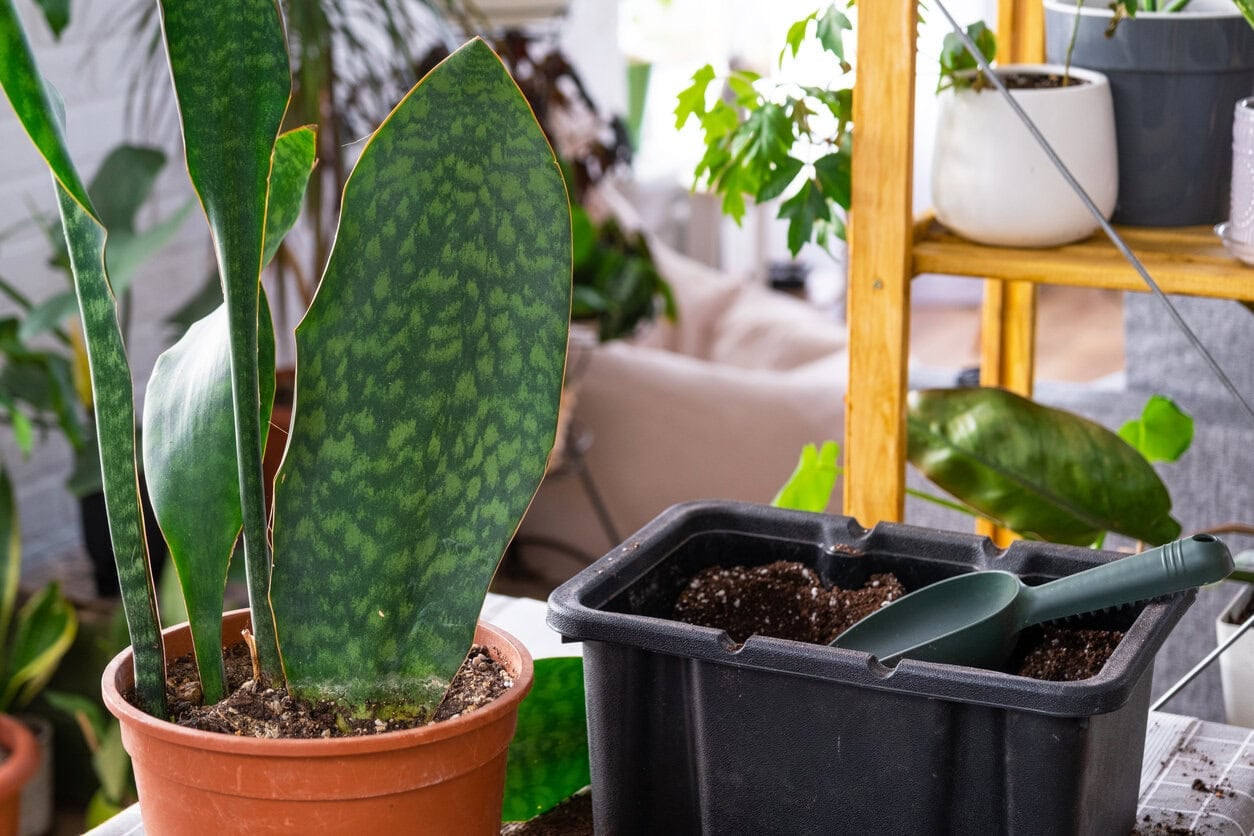
Whenever repotting is discussed, the first question that comes to mind is “why?”.
The answer is actually pretty simple. Some plants outgrow their pots, or they have tangled roots that need more space to spread freely, so repotting them in larger pots is generally a good idea.
Repotting also makes sense if you sense a problem with the roots (i.e. rot, fungus) that needs to be addressed quickly. Keeping the houseplant in the affected pot will only make things worse.
What Happens If I Don’t Repot The Plants?
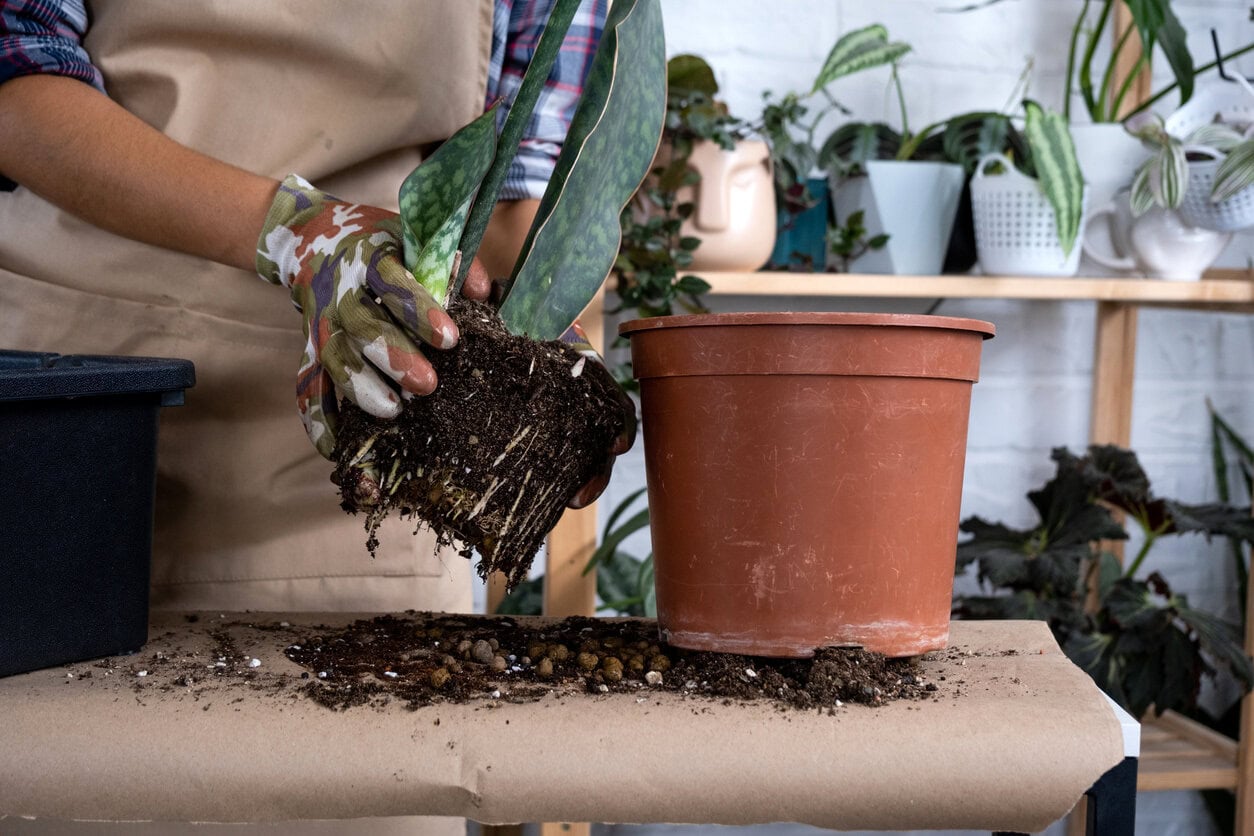
“But bro I don’t want to repot my plants. It’s not like they’re gonna die or something, right?… Right?….” Well…they might!
Keeping your houseplants in old pots with bad drainage, fungus, or poor soil structure will absolutely take a toll on them…potentially leading to a fatal end. Yeah…trust me, you definitely don’t want to deal with all that!
Houseplants You Should Repot In Late Summer
1: Pothos (Epipremnum Aureum)

Despite the complex plant name, pothos are actually very popular houseplants, and I’m pretty sure most of you have seen them.
Sometimes, what happens is that the roots of the pothos plant begin to poke through the drainage holes at the bottom of the pot. It gives the whole plant a dirty, unkept look, while also putting the roots at risk of external harm. Repotting in late summer saves you all this stress and trouble for free!
And if your pothos has healthy roots but still isn’t putting out new growth, this might be what’s missing.
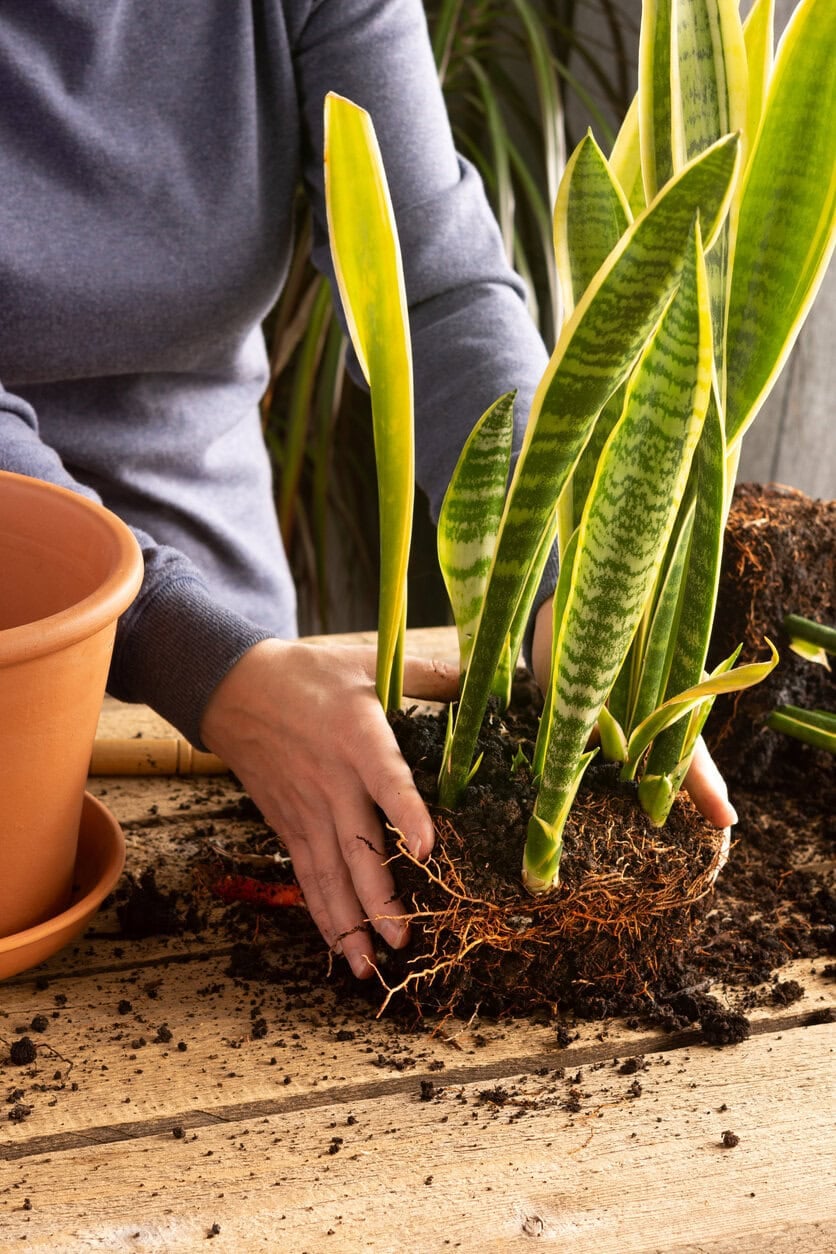
2: Snake Plant (Sansevieria / Dracaena Trifasciata)

While snake plants actually do well when they’re root-bound, it sometimes makes sense to repot them if they’re outgrowing their container too fast, bursting out of the pot or slowing down its growth.
Technically, spring is the best time to repot snake plants BUT I’m including them here because for some reason, mine are ALWAYS ready in late summer. If yours are too, go ahead and do it now. Just don’t go crazy on the pot size!
Oh, and if you’ve ever wondered how to get one to flower (yes, it’s possible!), here’s how I finally got mine to bloom.
3: Monstera (Monstera Deliciosa)

Because monsteras have aerial roots, they generally love being repotted into a wider container with better drainage and fresh potting soil.
Just keep in mind that their roots are also a little more sensitive compared to some of the other plants on this list, so try to be as gentle as possible when repotting them.
Struggling with small leaves that don’t split? Here’s how I fixed that with my monstera.
4: Fiddle Leaf Fig (Ficus Lyrata)

Fiddle leaf figs have a tendency to become top-heavy in the summertime. Repotting them ensures the base is supported well and the roots can accommodate this top-heavy growth without getting stressed.
Still, aim to do it earlier in the season if possible, since they can get stressed right before going dormant.
5: Peace Lily (Spathiphyllum)

Peace lilies often become stagnant and dormant in the wintertime time and you don’t want to be messing around with them too much. In summer, however, repotting can help with root-related issues and encourage more vigorous growth.
And if yours isn’t blooming even after repotting, this might be the fix you need.
6: Philodendron (Vining & Upright Types)
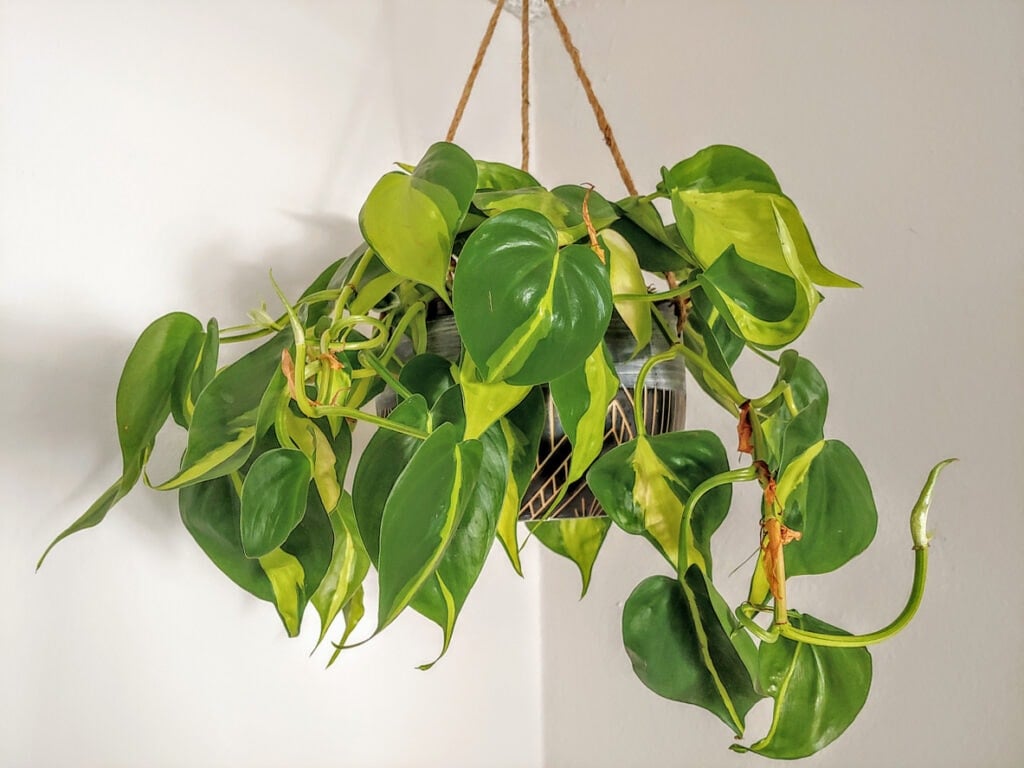
Philodendrons have a very wide and deep root system that requires a lot of space to spread freely. Repotting this houseplant in a larger pot ensures that there won’t be any unwanted root constriction, and the plant will be able to grow to its max potential.
7: ZZ Plant (Zamioculcas Zamiifolia)

Just like snake plants, ZZ plants don’t mind being snug in their pots and usually grow very slowly. But, once they’re fully root bound that can become a problem.
Repotting it in late summer to a bigger, wider pot will prevent root-bound growth and allow the houseplant to reach new heights much faster.
Not sure how much is too much? This watering schedule guide will help you find the sweet spot.
8: English Ivy (Hedera Helix)
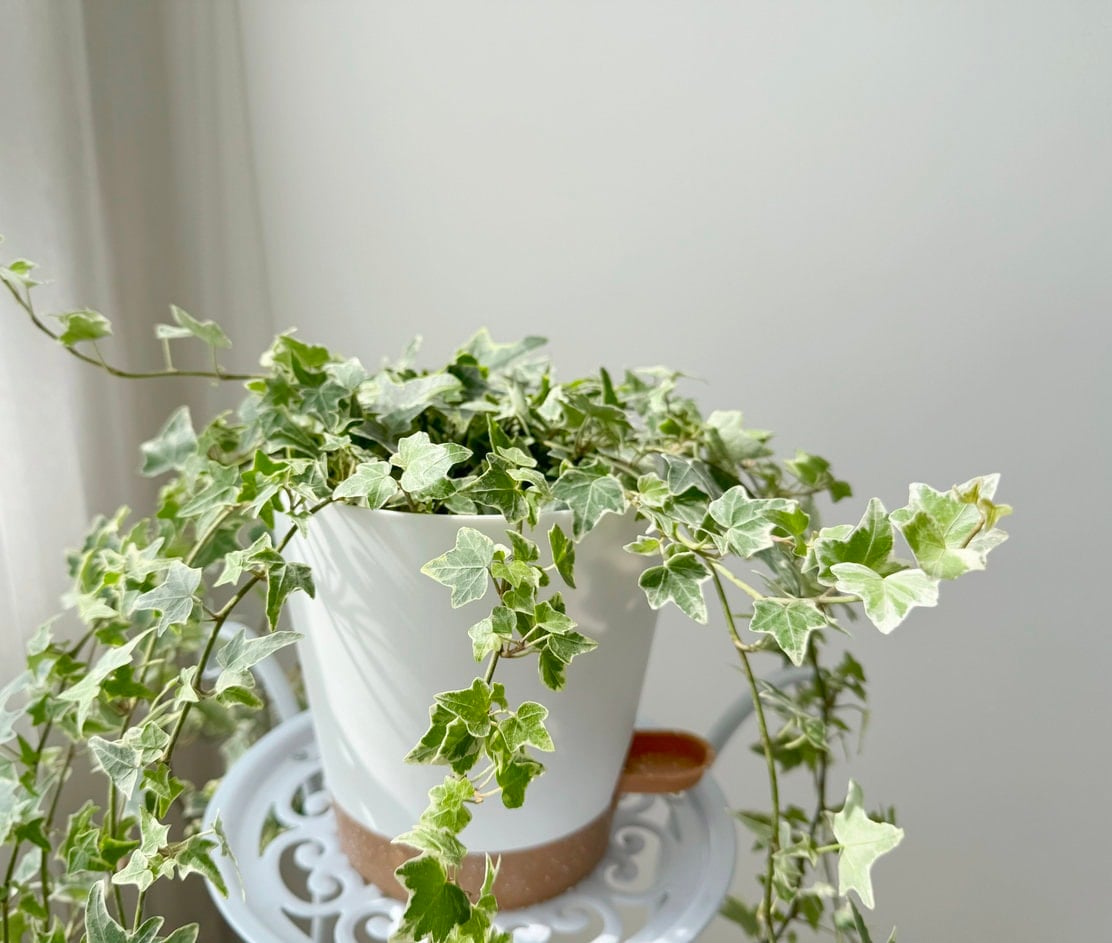
English ivy growth can become stagnant if it’s kept in old, nutrient-deprived soil for too long. Repot this houseplant in a new pot with fresh potting mix to encourage better root development and depth.
9: Aloe Vera (Aloe Barbadensis Miller)

Aloe vera is quite easily the most popular houseplant out there. It thrives in the summer heat, but can often experience root-related problems (rot or bacterial/fungal disease).
But you know what usually happens in summer? We tend to get too excited and overwater it… That’s when root rot, mushy leaves, and bacterial problems creep in. So, repot if it’s root-bound or showing signs of stress (like yellowing, mushy base, or slow growth).
Repotting can even help trigger pup production. Here’s what to do if your aloe still isn’t sending any out.
Before You Leave…Read These Tips
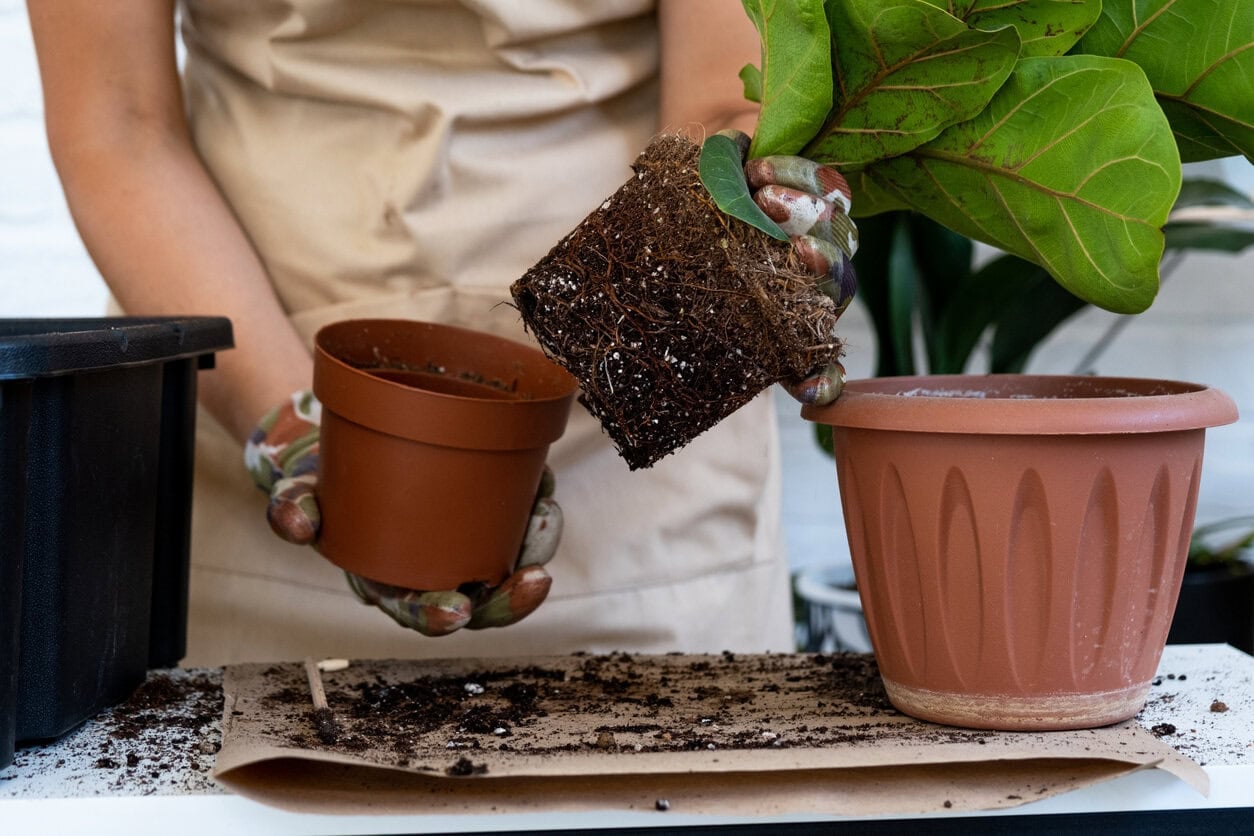
While you’re repotting, it’s also a good time to give your plants a little trim. Here’s a quick guide on which houseplants to prune in summer.
Let’s Conclude
As much as I love growing houseplants, it is true that they can be very annoying for the average gardener who just wants to do this as a hobby and have fun.
And if you’re just in this for fun (no judgment), check out these easy houseplants that don’t need much watering or attention.
One of the ways you can cut the hassle, however, is by diligently repotting your houseplants every 1-2 years to give them a fresh new base to grow out of.
Repot your houseplants this summer and let me know how it goes!


My Monstera is huge and already in a big pot, so I’m wondering about repotting? I’m not sure I could even lift it out, it’s so big! Also, do those grow well and live outside? And how would you propagate them?
Thanks for your help/advice!
Hi Terri! Sounds like your Monstera is thriving! 😄 If it’s already in a big pot and still healthy, you might not need to repot fully. Just refresh the top few inches of soil and check the drainage. For outdoors, they can go outside in warm weather (above 60°F), but keep them out of direct sun.
As for propagation, super easy! Just snip a stem with one node and aerial root, then pop it in water until roots grow. I’ve done it tons of times, they root fast! 😊