
While dividing is a very useful and productive technique in the garden, many new gardeners just don’t understand its purpose and aren’t able to take full advantage of it.
In today’s article, not only will we discuss the importance of division in the garden, but also look through a list of reliable perennials that should be divided in August for long-term results.
This guide will work especially well for gardeners in Zones 5-9, where the August soil would still be warm enough for root recovery. In case you’re in a cooler zone, consider dividing your perennials in early spring instead.
First Of All, Some Signs Your Perennials Need Dividing
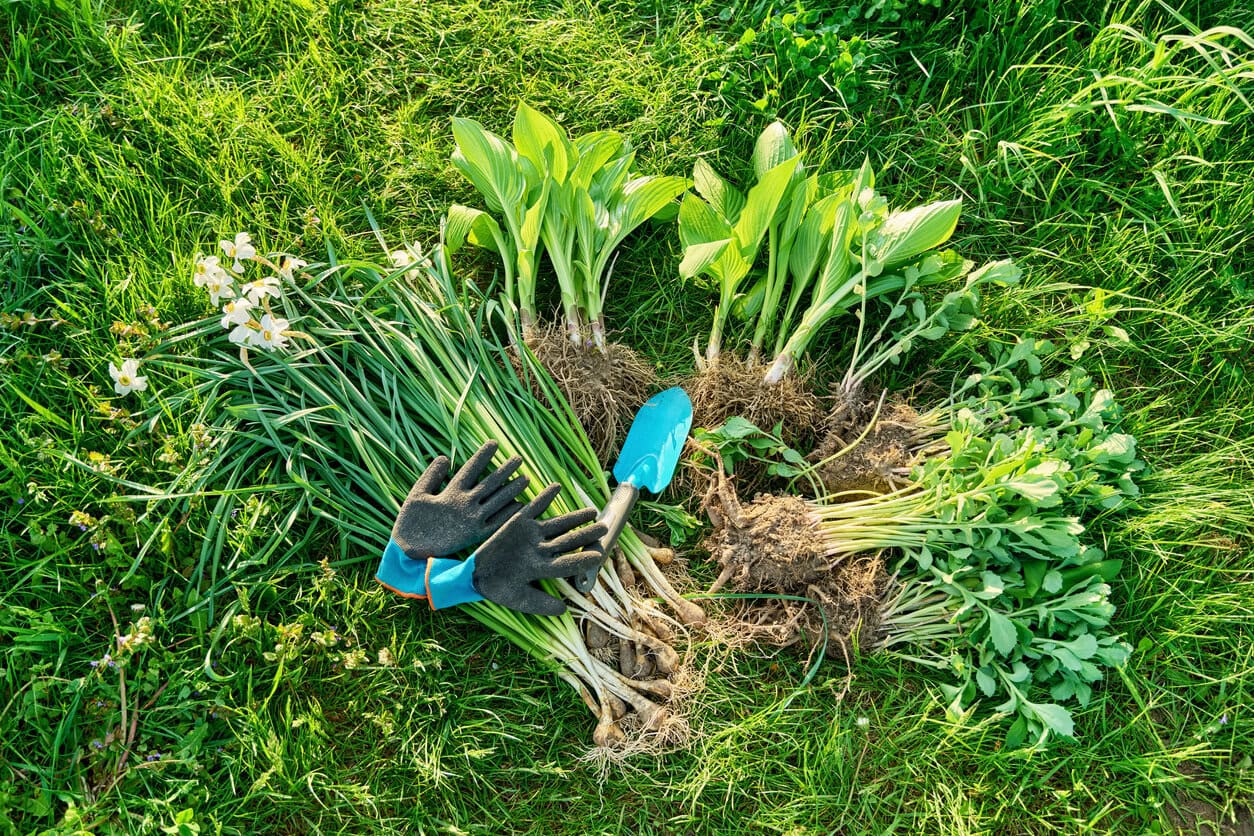
In most cases, your perennials will communicate with you when they need dividing. Of course, it won’t be a straightforward verbal conversation, but there will be signs you must look out for. These signs include:
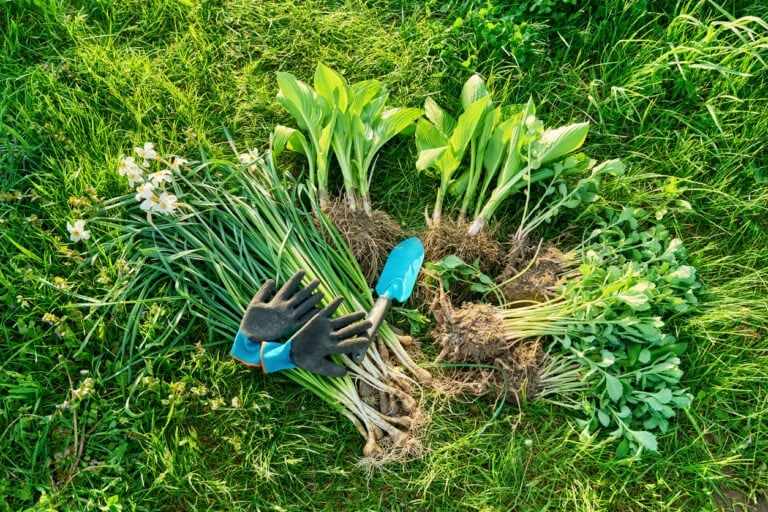
A Quick Guide On How To Divide These Perennials
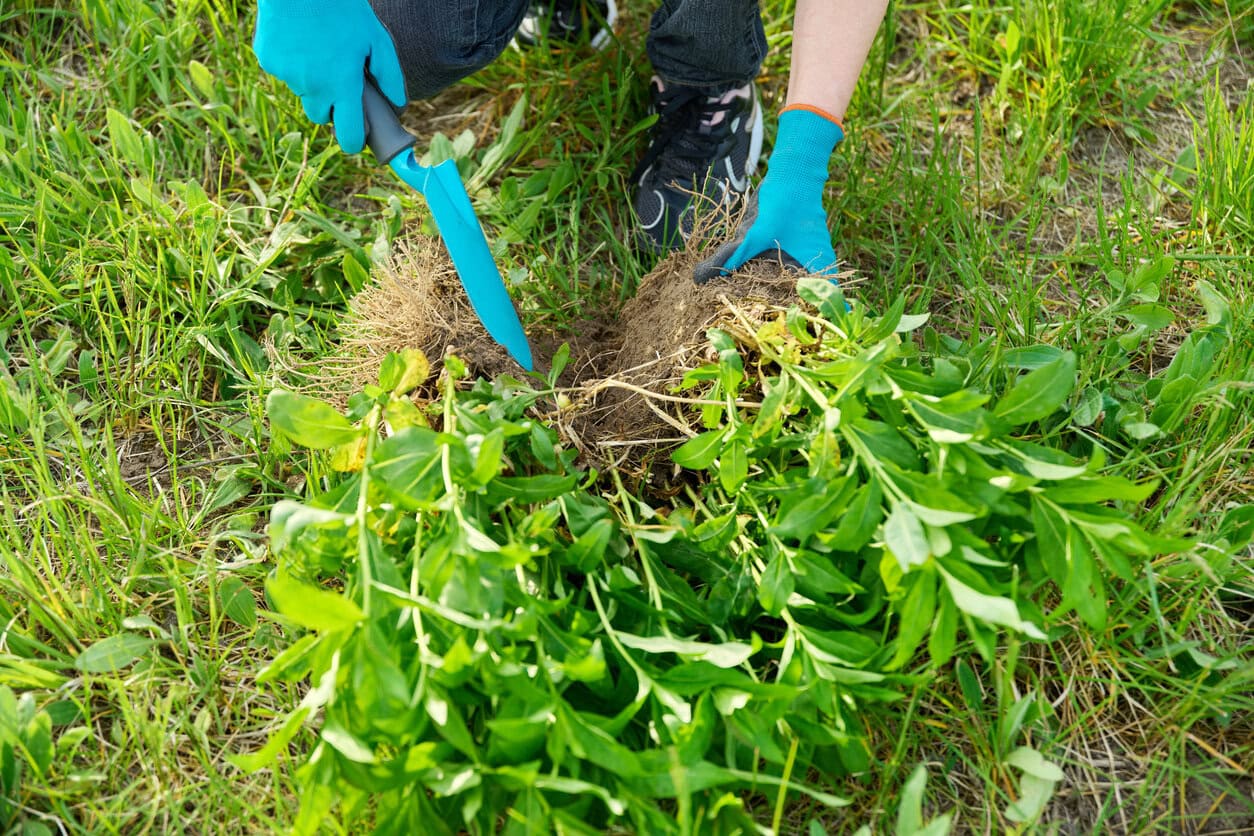
Optimal division always starts the day before.
While you’re dividing, it’s also a great time to tidy up nearby plants. Here’s a list of perennials you can safely cut back in August.
Perennials You Can (& Probably Should) Divide In August

1: Daylily (Hemerocallis)

Daylilies are hardy perennials with tough roots that will have to be separated using a spade or some sort of small saw. Give them plenty of sun throughout the day and divide them every 3-5 years for slowly but surely improving blooms.
August is also the perfect time to divide them, since they’ve usually finished blooming by the end of the month and still have enough warm soil to recover before fall.
And if you’re growing a repeat-blooming variety, this guide can help you keep them flowering late into the season.
2: Bearded Iris (Iris Germanica)

Many experienced gardeners consider hollowness in the center of bearded irises a sign that division is needed.
You want to cut bearded iris rhizomes and replant the younger outer sections. After dividing, cut the leaves down to about 4–6 inches to help the rhizome recover and avoid excess moisture loss.
Unfortunately, this one is the kind of perennial that needs lots of sun and proper drainage
3: Black-Eyed Susan (Rudbeckia)

Black-eyed Susans have a tendency to become overcrowded in tight areas, which sometimes results in floppy, weak growth overall. It’s best to divide them into chunks with strong and capable roots, ideally in ideally in well-draining soil that doesn’t stay soggy, but also isn’t bone-dry.
4: Coreopsis
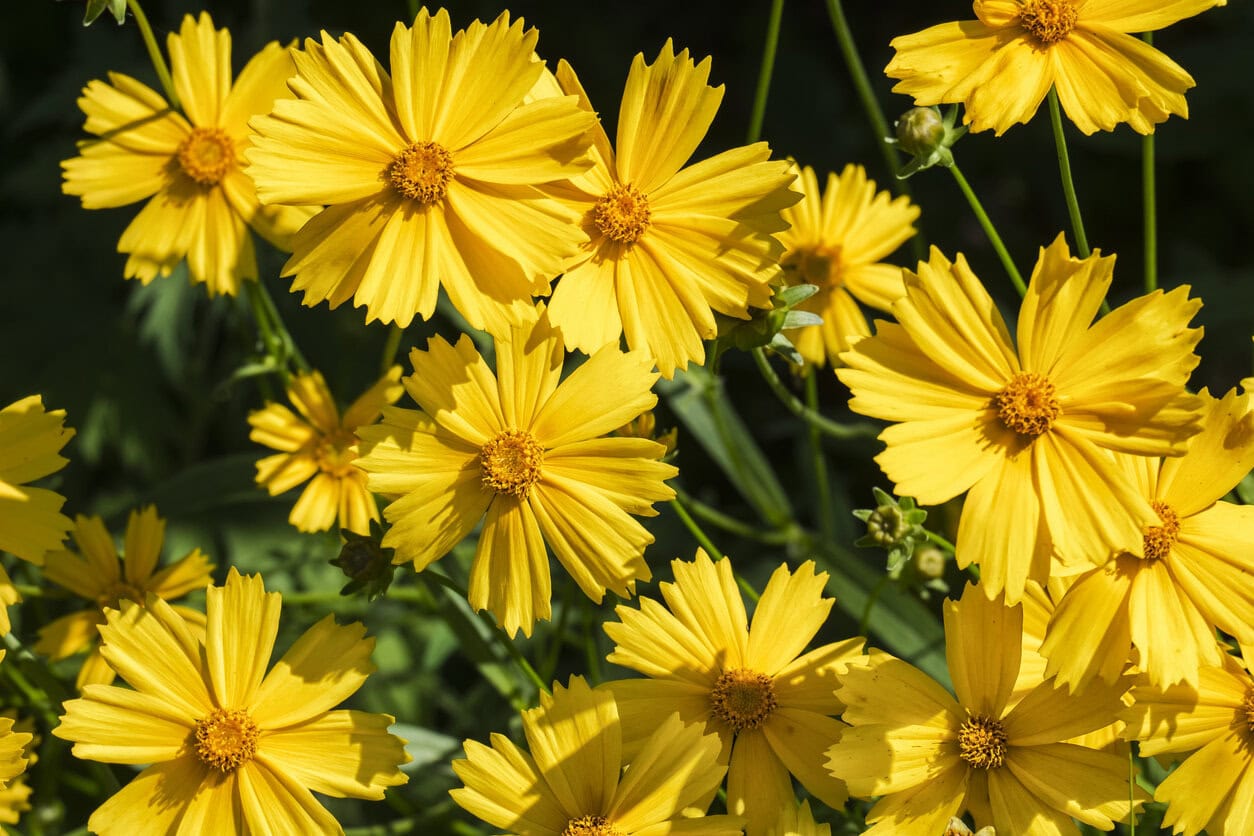
If not divided properly every few years, coreopsis can spread fairly quick while having fewer blooms. I’d suggest you use some sort of sharp spade or garden fork to slice the clumps apart for division. This perennial can also tolerate hot conditions well and actually prefers to be planted in the heat.
5: Shasta Daisy (Leucanthemum)

Shasta daisies are super quick and easy to divide. And, just like Bearded Iris, they can become leggy or hollow-centered if you don’t divide them.
Ideally, you should be dividing them every 2-3 years to keep the base soil safe and nutrient-dense. To no surprise, Shasta daisies love the heat and thrive in full sun.
6: Yarrow (Achillea)

Dividing can help prevent that dreadful woody center in yarrow plants and give them the opportunity to spread more evenly through the garden (otherwise, it can become invasive). Because of their drought-tolerant nature, yarrows naturally need very little maintenance apart from some water, fertilization, and timely division.
7: Garden Phlox (Phlox Paniculata)

Because garden phlox are super sensitive to mildew-related issues, dividing them from time to time ensures mildew problems won’t surface, and the air circulation around the perennial always promotes fresh, high-quality growth.
If you’re just getting started, here’s a broader list of easy-to-divide perennials that multiply fast and bring more blooms every year.
8: Sedum (Hylotelephium ‘Autumn Joy’)

The sedum is another reliable perennial that can benefit from a little dividing action. Clumps might slowly begin to flop or die out, that’s your cue to start considering division.
Separate the clumps using your hands and just give them full sun and occasional watering to achieve the best low-maintenance sedum growth. You can divide it now, just after flowering, or early spring.
Let’s Conclude

Not all plants enjoy being divided, though, this list covers the ones you should leave alone.
Plant division is a challenging subject to address, as many things can go wrong during the process, even when the rewards are clear and worthwhile.
When you decide to divide your perennials, do it with intention and heart. In most cases, division isn’t “necessary”, but if you do it with knowledge, gentleness, and intention, flowering results, and your overall garden health can be significantly improved!




Hi Rita
I live in the UK in the midlands and have recently discovered your posts. I’m finding them really useful as I have recently moved house and to a much smaller garden which has been/is a perennial haven. In my previous garden I focussed on wild gardening and growing vegetables and fruit and very little on flowers. I’ve been gardening since introduced to it by my grandfather when I was 5 or 6. I’m now almost 80 and still enjoy working in the garden but have a lot to learn about growing flowers. Your posts have already closed a few gaps in my knowledge. Thank you. Alan
Hi Alan! 😊 That’s so lovely to hear. It sounds like you’ve had such a rich gardening journey already! My mom’s the same, she grew veggies for years before really getting into perennials, and now she loves how they just keep giving. I’m so glad the posts are helping you settle into your new garden.
Good morning! I just started following you and really appreciate your knowledge. I’d like to know about dividing hydrangeas. Thank you
Julie
Hi Julie 😊 Hydrangeas can’t be divided like other perennials, they’re better propagated from cuttings. Here’s a step-by-step guide we have that shows exactly how to do it: How To Propagate Hydrangeas: Step-By-Step For Beginners 😊
All these plants are ones I am familiar with in my area. But where I live August tends to be the hottest and driest month of the year. Would it make more sense to wait until September/October when it’s still reasonably warm but starting to rain?
Hi Daniel! 😊 If August is scorching and dry where you are, waiting until September or even early October makes sense. Cooler temps and a bit of rain help the roots settle in without as much stress. I do the same here when summer heat hangs on.
I live in a northern climate Zone 3. Alberta, Canada
I have some trouble with perennial winter kill. Some plants thrive and some disappear.
Astilbe- no snow cover. Gone
Silver mound. Gone.
Blue Fescue. Gone
I need to know how to prevent this.
Hi Joan 🙂 Zone 3 Alberta winters can be tough on perennials, especially in years without much snow because snow is excellent insulation!
Choose cultivars rated for Zone 3 or colder, water them well before the ground freezes if fall is dry, and once the soil has started to freeze, cover the crowns with about 4 to 6 inches of loose leaves or straw. Leaving some stems standing can also help catch snow.
Good drainage is especially important for Silver Mound and blue fescue, while astilbe needs more consistent moisture. I’d also double-check the specific variety of each plant because some blue fescues and astilbes are only marginally hardy in Zone 3! 😊
I planted 4 Shasta daisies this year. One needs to be moved, when should I do that thanks!
Hi 🙂 Since we’re in October now, I’d wait until early spring to move your Shasta daisy unless you’re in a mild climate with several weeks before the ground freezes. Since it was only planted this year, giving it a full winter without another disturbance is the safer choice. In spring, move it as soon as the soil is workable and keep it well watered while it settles in.