
Since the fall season is just around the corner, this is probably the perfect time to discuss fall-blooming perennials.
If you’re an old-time reader, you’ll know how much I love vibrant perennials and how I eagerly wait every year just to plant more fall-blooming perennials in my backyard.
In today’s article, we’ll be taking a look at some fall-blooming perennial options that can keep your garden lively and colorful for years to come. Let’s just jump straight into it!
And if you’re planning ahead, here are some pre-fall garden jobs that set you up for a strong spring
12 Fall-Blooming Perennials That Keep Your Garden Colorful
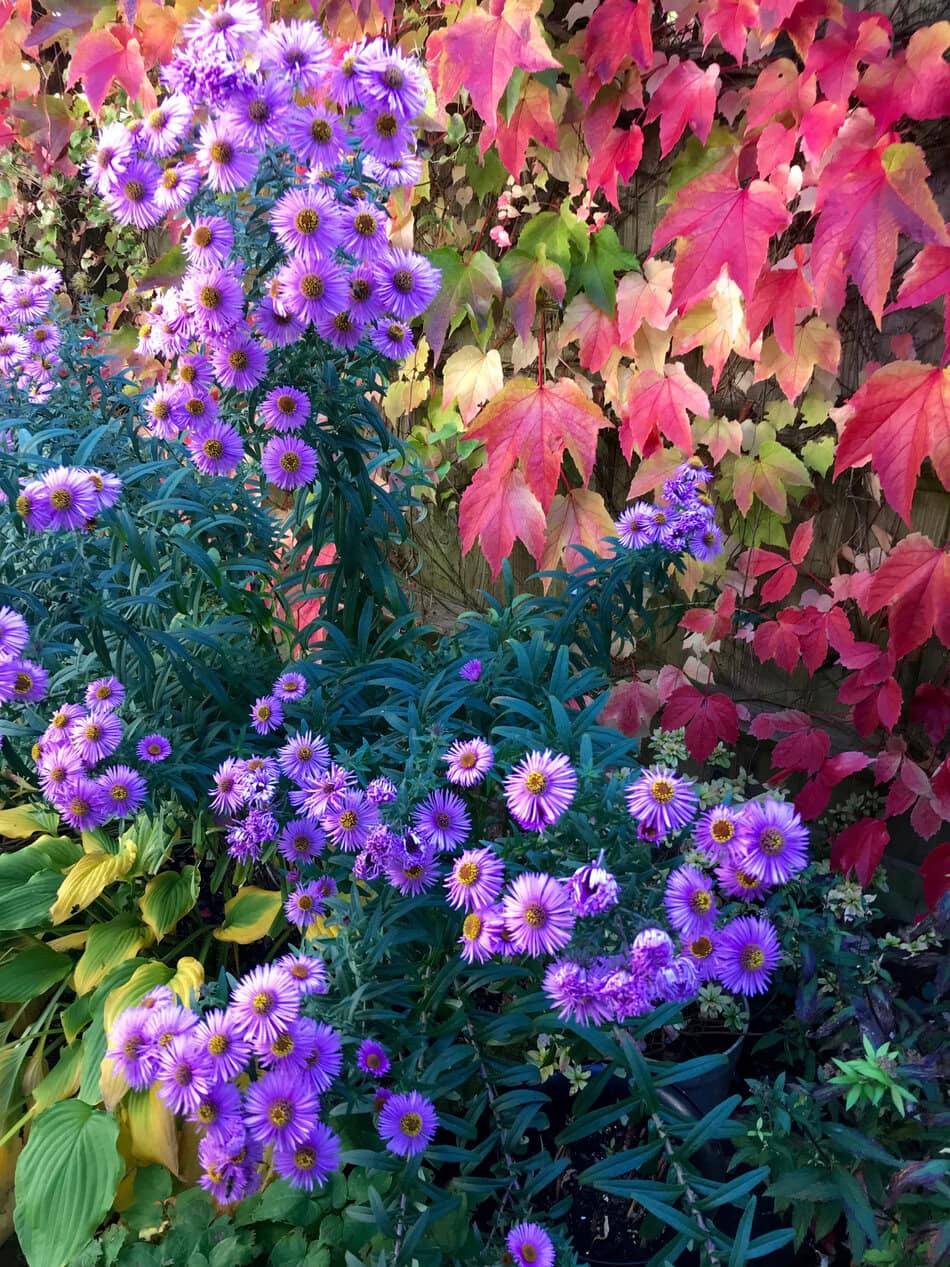
1: Asters

Perfect for zones 3-8, asters produce bright daisy-like flowers in shades of red, pink, blue, and sometimes purple.
If you’re decorating your porch or patio this fall, check out these fall flowers perfect for hanging baskets.
2: Chrysanthemums

While the name might confuse you a bit, chrysanthemums are a fall classic, and I’m sure all of you have seen them before. The perennial offers classic, vibrant fall flowers and thrives in zones 5-9.
To keep chrysanthemums looking fresh through the season, here’s a step-by-step guide on deadheading mums for abundant fall blooms.
3: Japanese Anemones
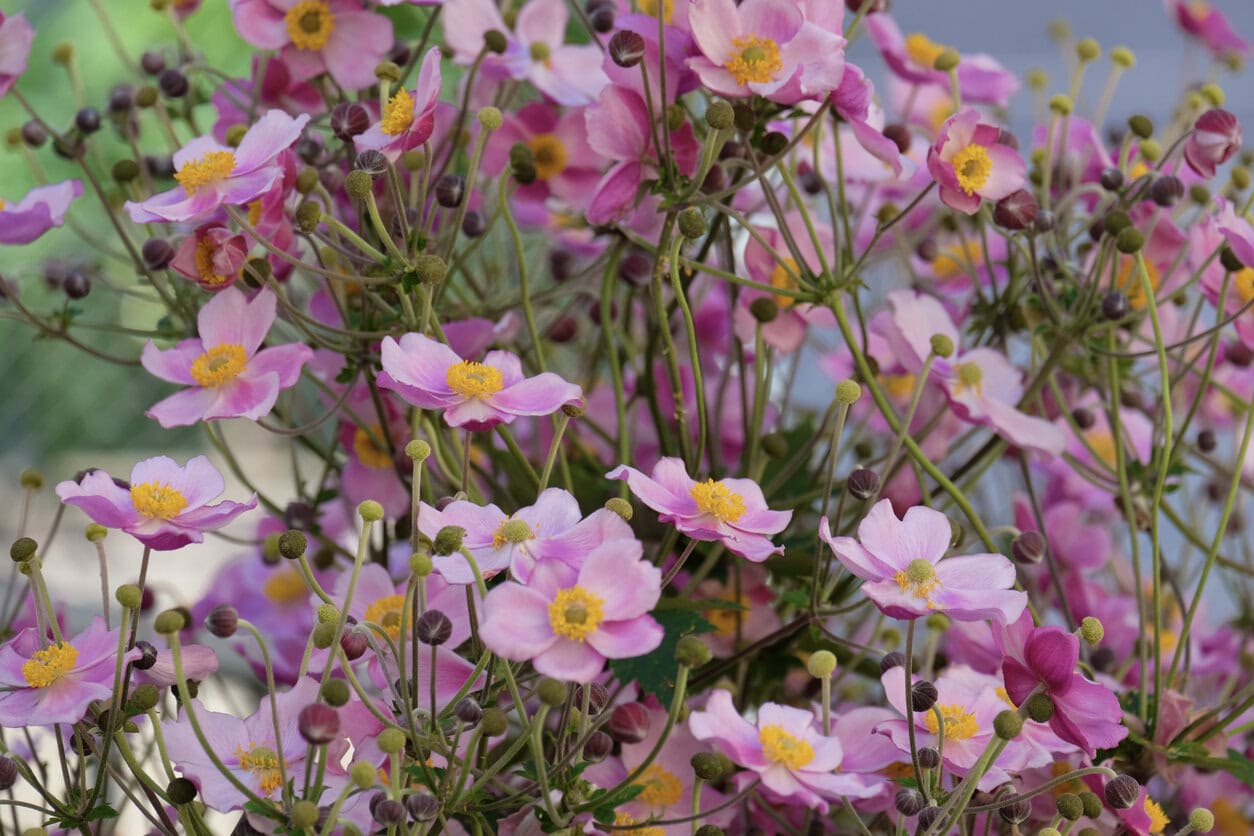
Japanese anemones produce elegant pink and white flowers that grow on tall stems. They thrive in zones 4-8.
4: Sedum ‘Autumn Joy’

Sedums are a solid option for folks in zones 3-9. They offer succulent leaves and bright pink blooms that get deeper in color as fall approaches.
5: Goldenrods
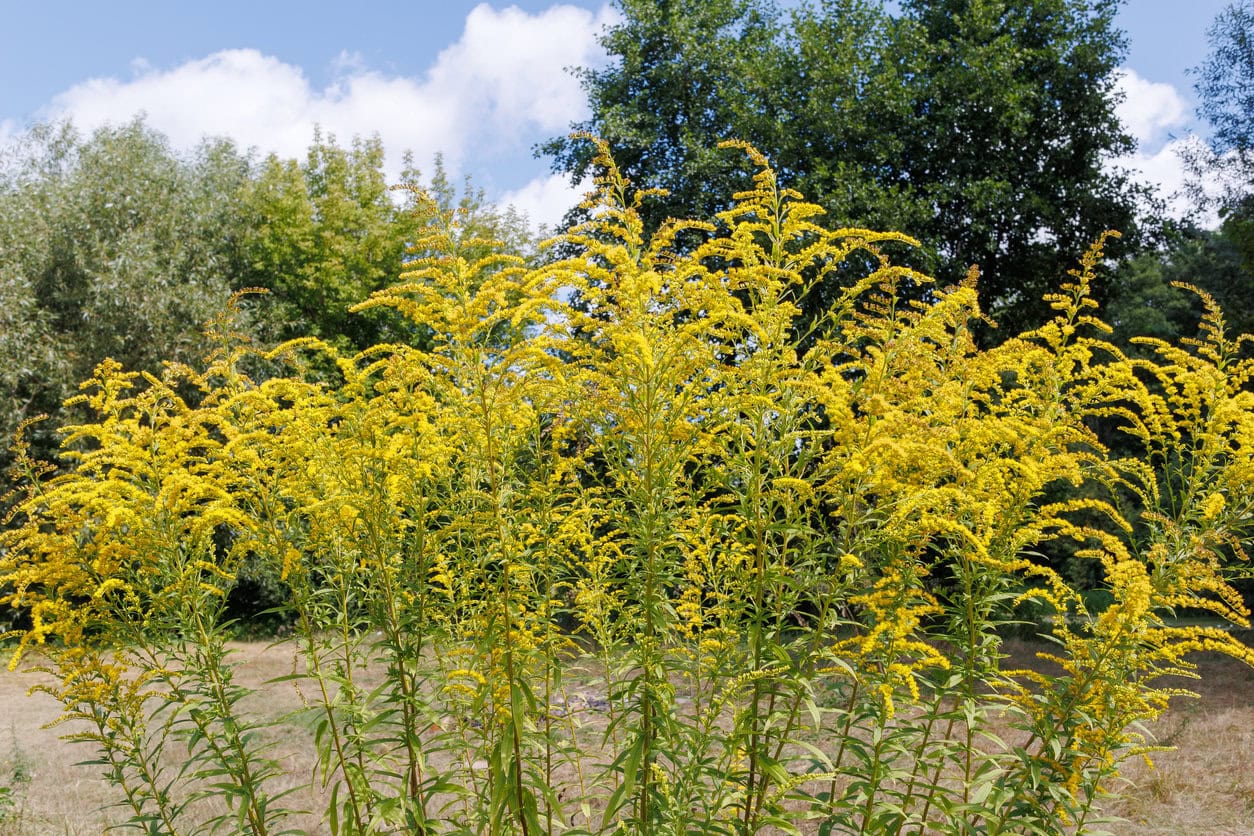
Like the name suggests, goldenrods offer yellowish-golden flowers that pollinators absolutely love thanks to their rich nectar content. Plant this perennial in zones 3-9 for optimal growth.
If you want to support wildlife even more, here’s a guide to plants you shouldn’t cut back in fall so birds can enjoy their seeds.
6: Toad Lily
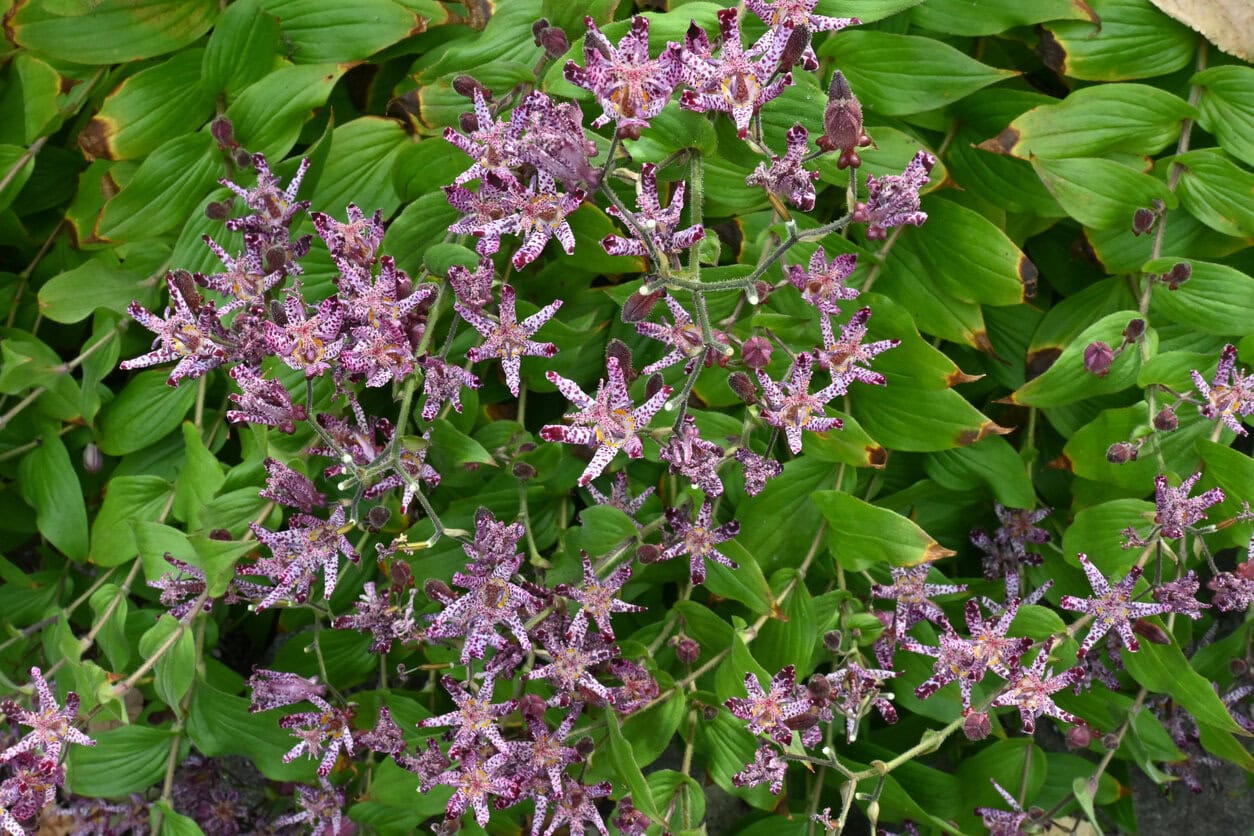
If you aren’t really familiar with toad lilies, they bloom with spotted orchid-like flowers and thrive in shaded conditions. Ideal planting zones for toad lilies would be between zones 4 and 9.
7: Russian Sage

Most of you are probably familiar with Russian sage; many consider it to be a lavender “alternative”. The bushy perennial produces tall spires of purple and lavender colored flowers in the fall. Plant this one in zones 4-9.
8: Heleniums (Sneezeweed)
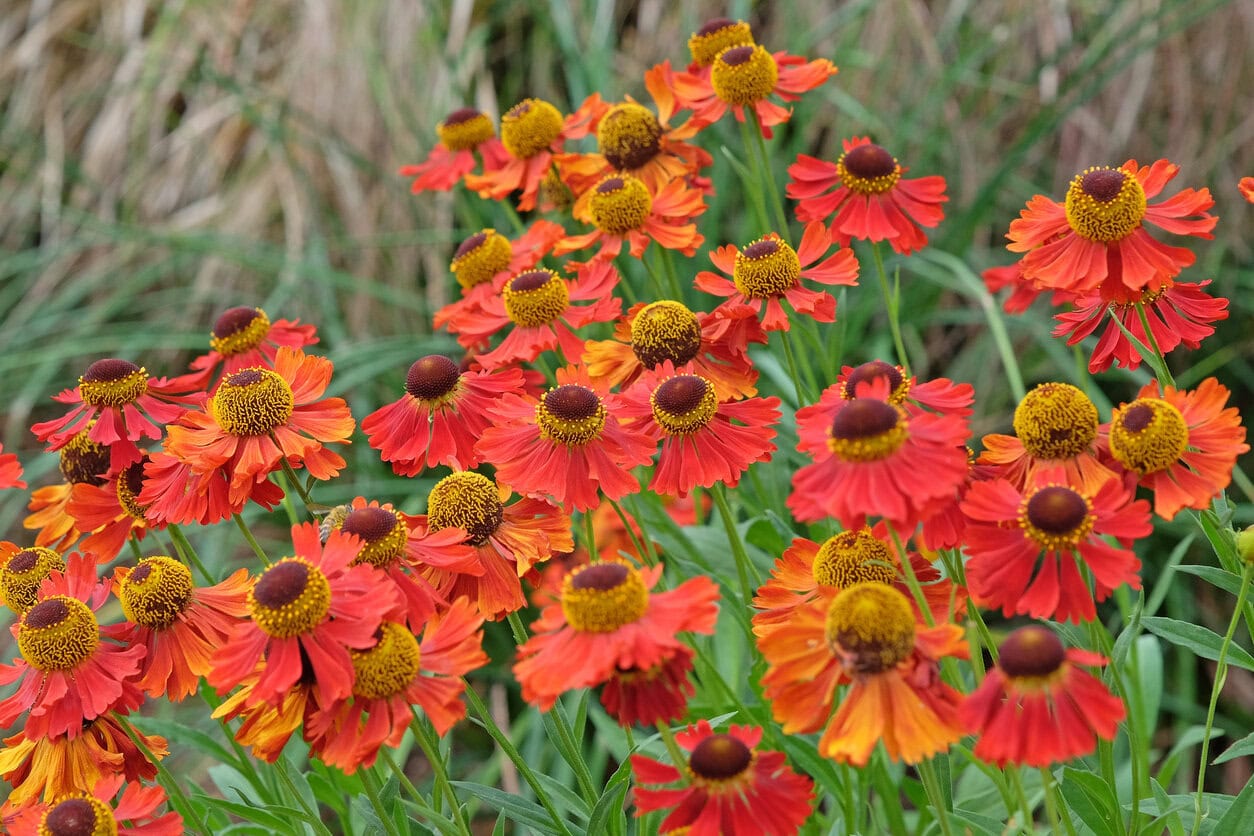
The helenium is another perennial that offers daisy-like blooms in spectacular shades of red, yellow, and orange. Zones 3-8 can accommodate its growth quite well.
Looking for frost-tough blooms? Try these fall flowers that keep the color going through frost.
9: Coreopsis

Coreopsis varieties like ‘golden shower’ are perfectly suitable for zones 4-9, thriving and producing lively golden flowers that bloom beautifully into fall.
10: Coneflowers

Coneflowers, and especially their hybrid varieties, keep blooming late into fall and will often reappear if deadheaded properly. They thrive in both cool and warm regions, so you can plant them in any zone between 3 and 9 without a problem.
11: Montauk Daisy
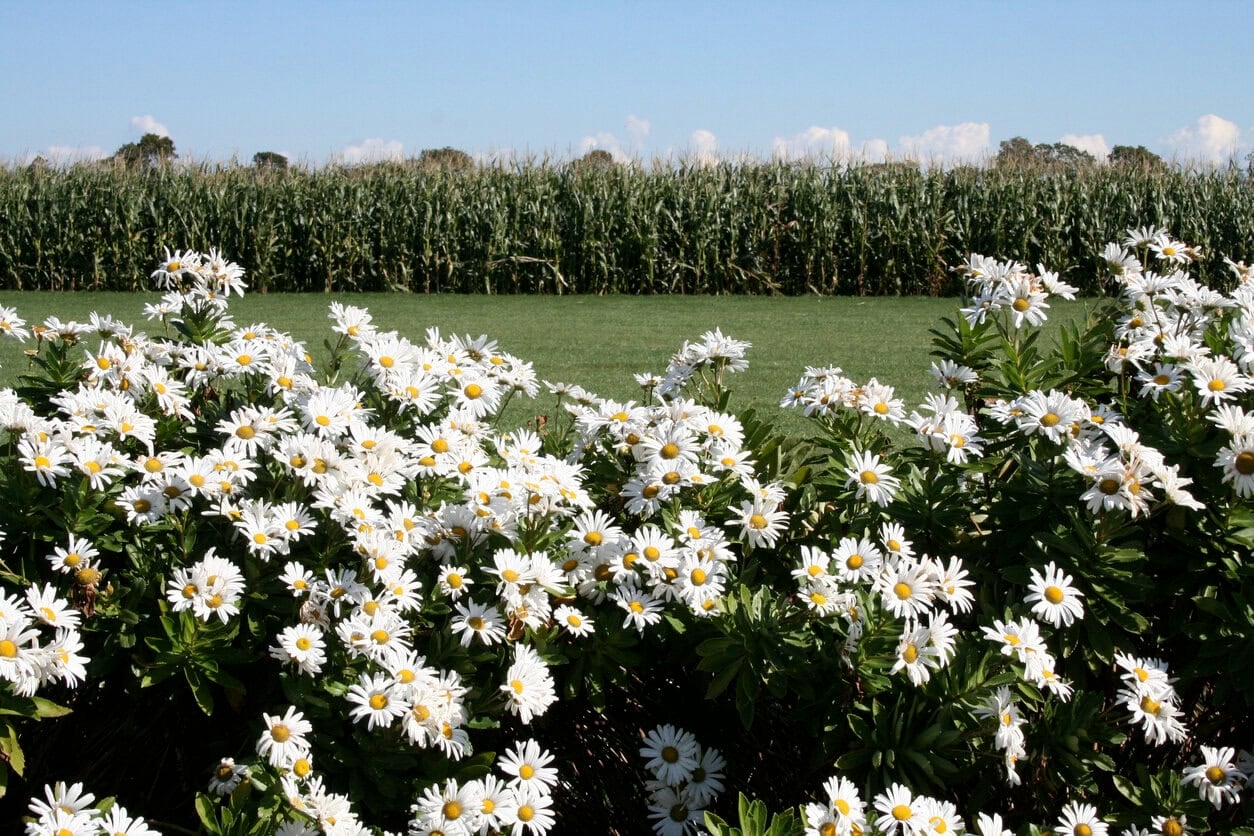
The Montauk daisy is a large white daisy variety that blooms very late into fall and thrives in slightly warmer zones between 5 and 9.
Also, take a look at these fall flowers that thrive in pots and planters.
12: Colchicum
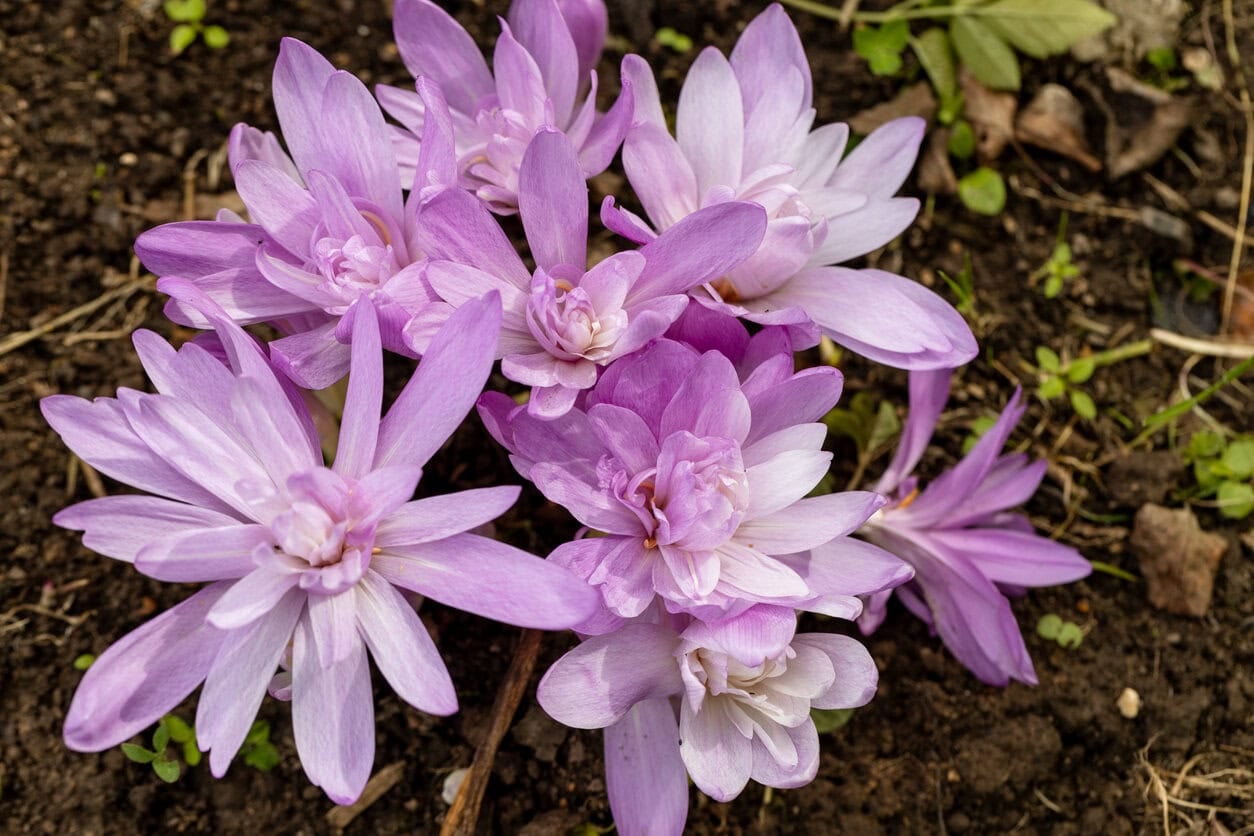
Colchicums are known as “autumn crocus” because of the fact that they resemble crocus flowers quite strikingly. They’re perfect for mild to slightly warmer zones like zones 4 to 9.
Worried about chilly weather? Here’s how to keep fall flowers blooming even through frost.
Which Fall Perennials Do Well In Shade?
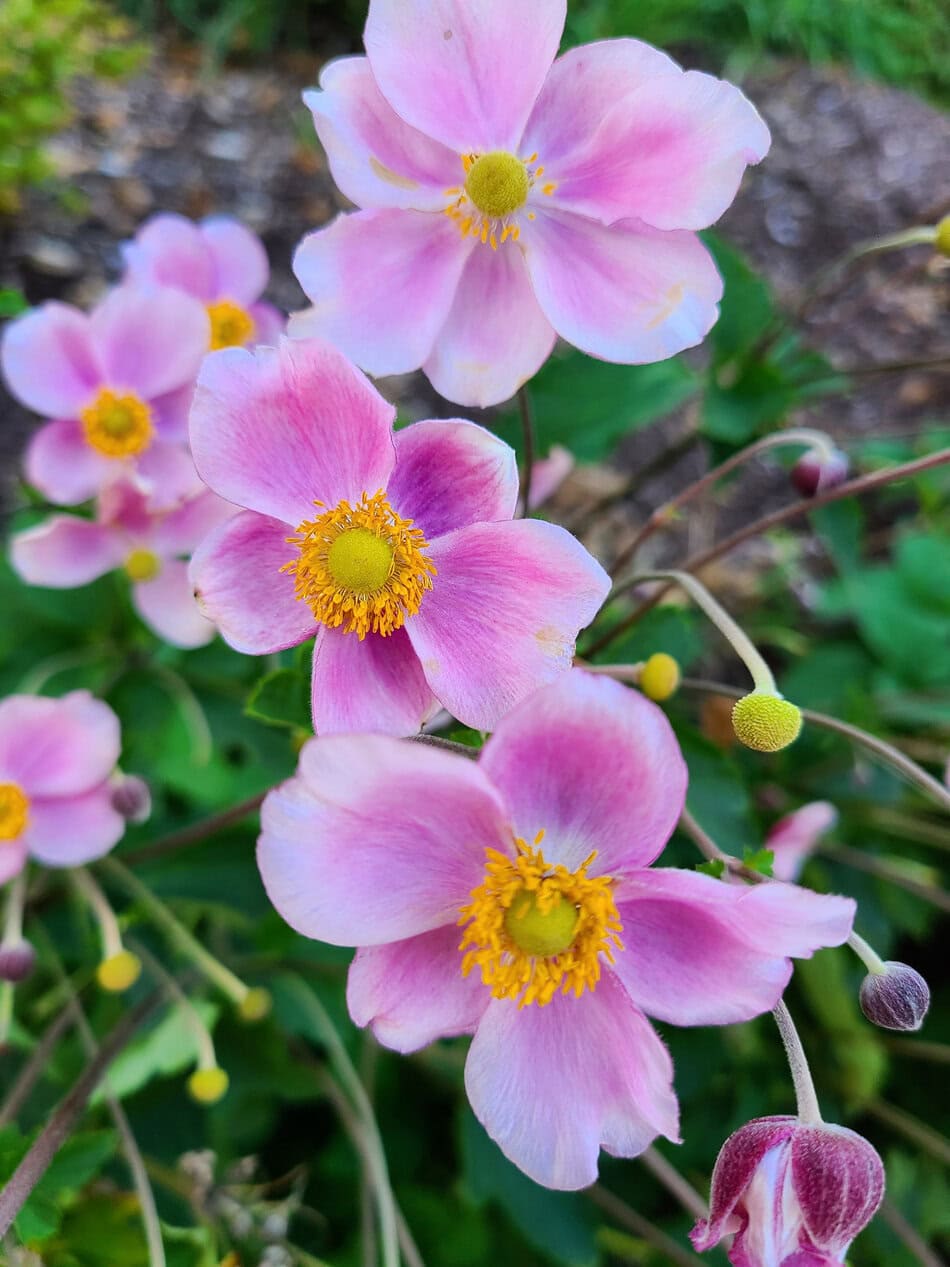
While most fall perennials differ in terms of their lighting requirements, Japanese anemones and toad lilies are two that have been tried and tested to do pretty well even in low-light conditions.
I’ve grown these perennials in pots many times, and they’re a staple on my mom’s porch.
How To Keep Fall-Blooming Perennials Healthy Year After Year?

Just because perennials return every year doesn’t mean you neglect them.
It’s essential that you keep them healthy and fulfill their every need, or else they won’t grow as well and will probably leave you disappointed as time passes by.
Let’s Conclude

So, there you go, some tried and tested perennial options categorized according to ideal planting zones.
However, in many cases, you can fit a perennial into any zone by making adjustments to its growth environment, like providing it with protection using mulch or bringing it indoors when it’s too hot outside.
Now, it’s up to you to pick perennials that would suit your garden and plant them strategically with the intention to stick around and care for them long-term. This means watering timely, fertilizing with a balanced blend, pruning at least once a year, and dividing once every 2-3 years.


How do you know what Zone your in.
Hi Susie! 😊 The easiest way is to pop your zip code into the USDA Plant Hardiness Zone map online, that’s what I use. I’m in Zone 7, so I always check that chart before planting to make sure things will survive our winters.