The forecast just dropped the dreaded F-word. Frost. But before you panic, let’s talk strategy. Preparing for the first deep freeze by following this guide is a truly brrrrilliant idea.
You’ll get a compiled roster of nine high-maintenance bulbs that cry-o in winter and those that don’t care about cryo at all.
A Word on the Voca-bulb-ary
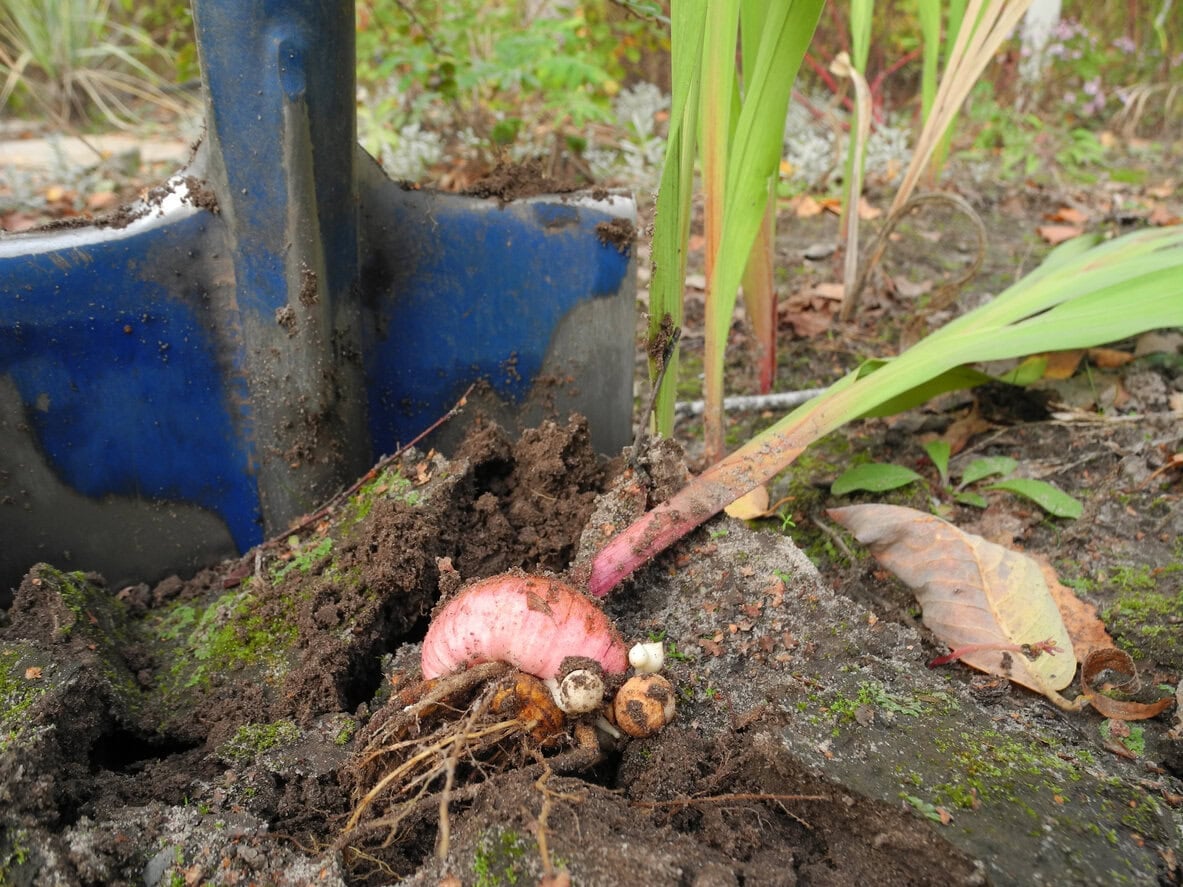
Before you go rescue your delicate delights, let’s clear up the confusing (under)world of storage organs. Because if you misuse these terms in your planning, prepare tuber consequences.
The Nine Tender Treasures: Now That’s Mulch Better!
Knowing which bulbs need saving is only half the battle. Knowing how to save them is the real victory.
Let’s start with the bulbs that can survive winter with nothing more than a thick, cozy mulch layer. They’re tough enough to potentially survive a mild winter, but still need a thick snuggie.
Shrubs also have opinions about winter, so here’s my guide on which ones actually need wrapping or protection before the cold sets in.
1: Agapanthus (Zone 7)

Zone 7 and warmer gardeners opt for 4-6 inches of protective, shredded leaves or straw piled over the crown. Colder climates (Zone 6 and below) must still treat these roots to the lift-and-store method.
Quick note: Anything warmer than Zone 7 doesn’t need pampering, the deciduous types sleep through winter just fine, and the evergreen divas only behave if you’re in Zone 8 or hotter.
2: Ranunculus (Zones 8)

These corms rot if they freeze or drown. Mulching works reliably only in Zone 8 and above, where cold snaps are brief. If your ground is soggy and frozen in Zone 7 and colder, rescue the corms to prevent an absolute, expensive loss.
Quick note: Zones 9-10 can relax! Your Ranunculus will glide through winter without so much as a blanket.
3: Tigridia (Zone 7)
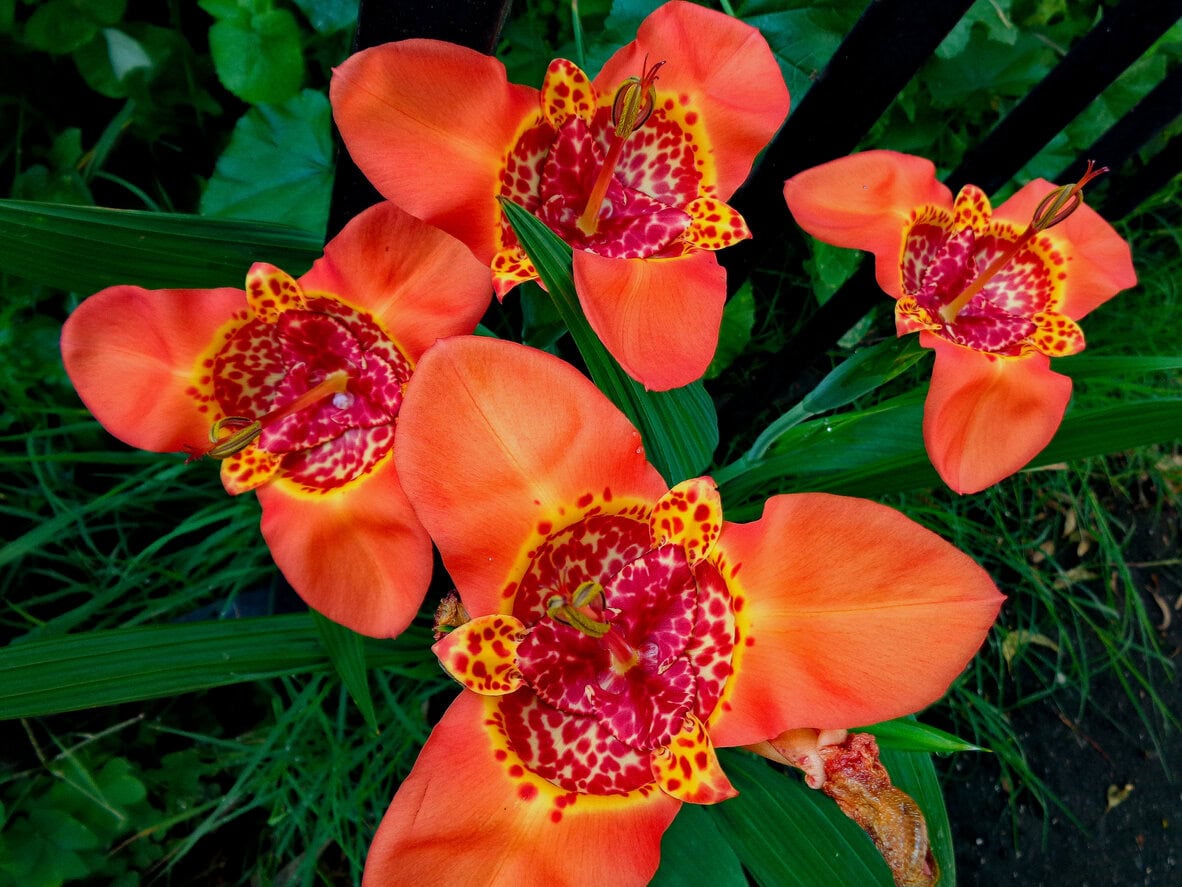
While hardier than Dahlias, they deeply dislike deep freezing. Mulching provides adequate protection in Zone 7 and warmer regions, but be sure the insulating layer extends far past the plant base. If you are in a chilly zone, do not risk it and lift them.
Quick note: Zone 8 and warmer? Lucky you. These bulbs practically book their own winter vacation and need zero fuss.
4: Crocosmia (Zones 6-7)

Crocosmia survives winters surprisingly well, but only if the crown stays insulated. In Zones 6 and 7, give them a deep blanket of shredded leaves to help the corms ride out sudden freezes.
Quick note: Gardeners in Zones 8 and 9 can stop smirking… yes, your Crocosmia survives with no special treatment.
5: Pineapple Lily (Zone 7)
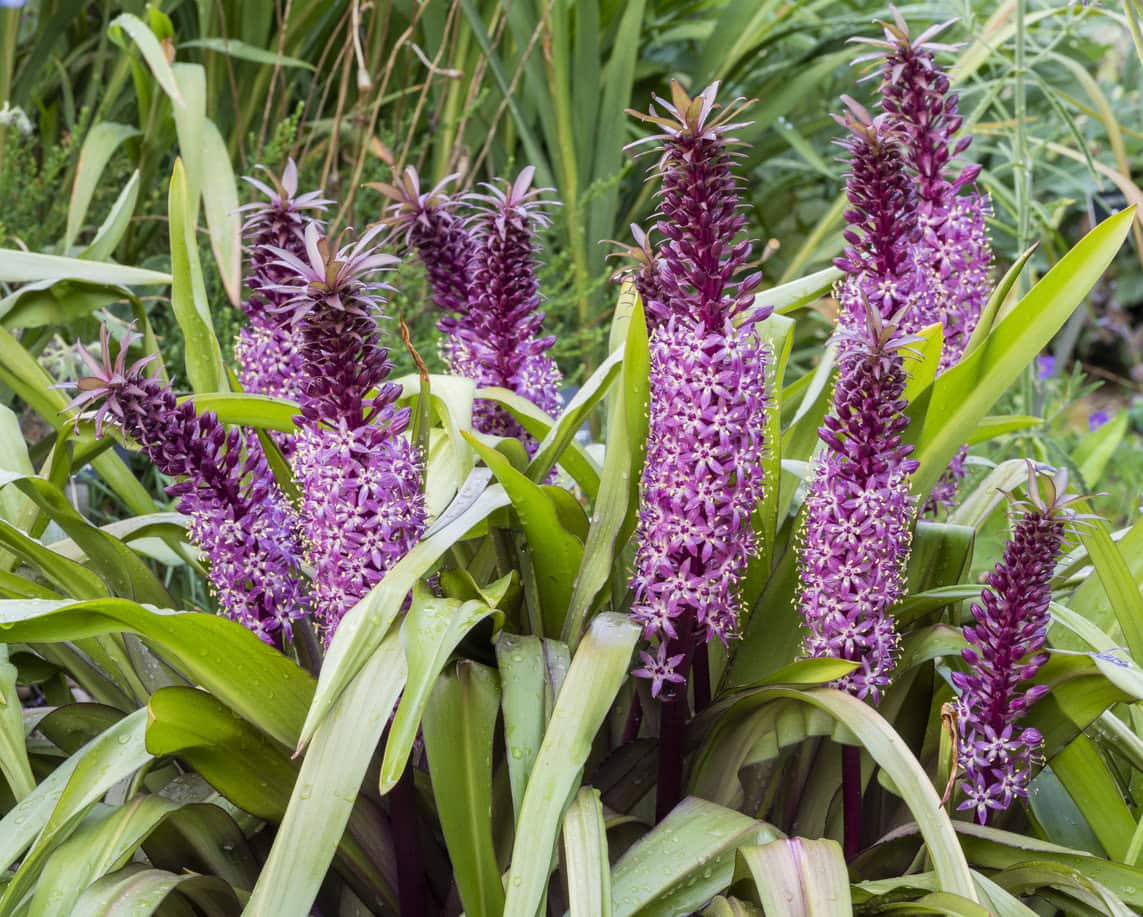
Pineapple Lily loves heat but sulks in the cold. In Zone 7, a 4-6 inch mulch layer over the crown keeps the bulbs from turning into pineapple popsicles.
Quick note: Zones 8-10 don’t have to lift a finger (or a leaf), these bulbs will happily overwinter on their own.
6: Acidanthera (Zone 7)

These fragrant corms behave like shy gladiolus cousins. In Zone 7 or warmer, they’ll overwinter with a thick mulch layer, but colder gardeners should lift them without hesitation.
Quick note: If you’re in Zones 8 or 9, consider yourself spoiled! No mulching required for this glamorous cousin.
And while you’re sorting out fall chores, here’s a quick guide I wrote on which plants to fertilize before winter (and which to skip)!
7: Nerine Bowdenii (Zone 7)

One of the hardiest nerines, but still not tough enough to face winter bare. Mulch generously in Zone 7 to protect the neck of the bulb from frost damage.
Quick note: Zones 8-10? Your Nerines will breeze through winter like they’re on a spa retreat.
8: Hardy Gladiolus (Zones 6-7)

Unlike standard glads, the miniature hardy types can stay put. Give them a mulch coat in Zones 6 and 7, and they’ll reward you with bright spring spikes without lifting drama.
Quick note: Zone 8 gardeners don’t need to mulch, your glads already think they’re indestructible.
9: Watsonia (Zone 8)
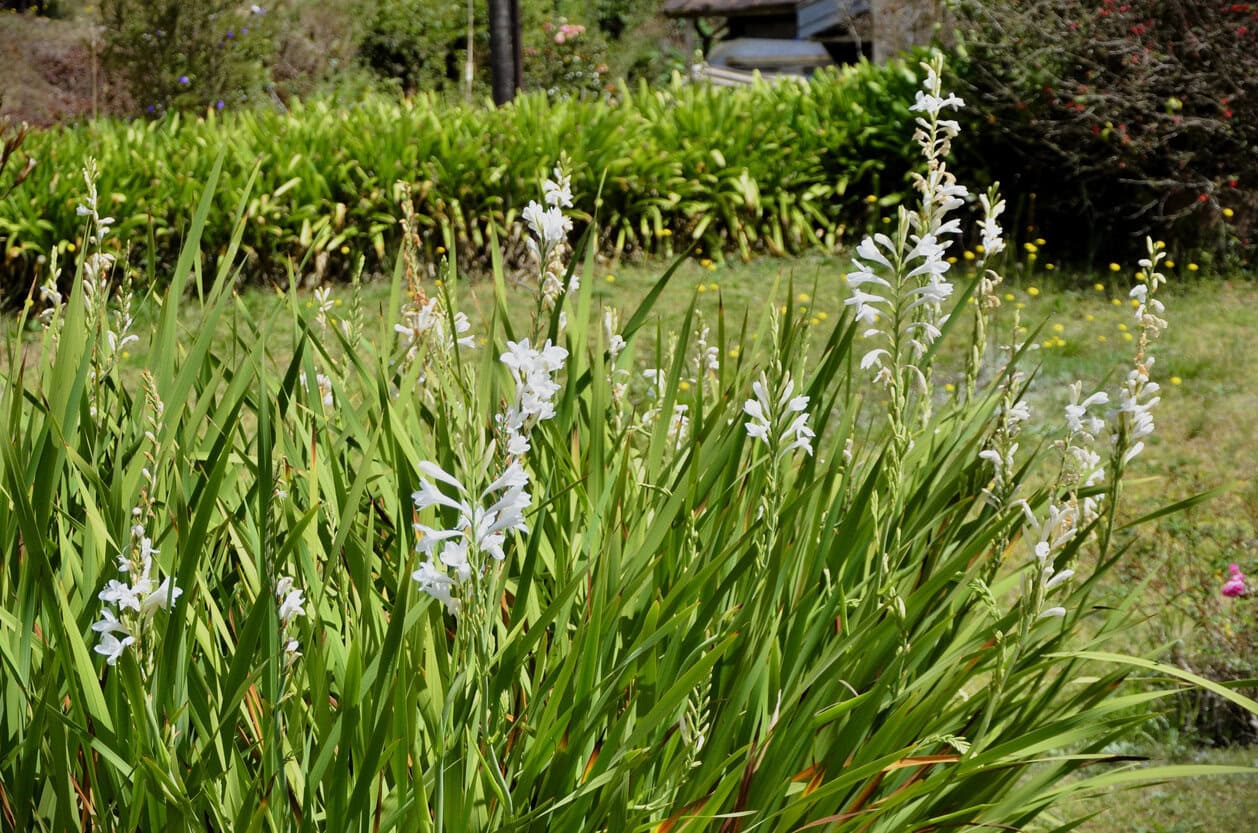
These tall, showy corms can shrug off winter in Zone 8 with a mulch blanket, but Zone 7 gardeners should mulch deeply or lift if the cold snaps are unpredictable.
Quick note: Anyone in Zones 9 or 10 can skip the winter drama entirely. Watsonia laughs at your “cold.”
By the way, gardeners in Zones 8 and warmer… I hope you appreciate how good you have it. Your bulbs practically tuck themselves in for winter. Meanwhile, the rest of us are out here mulching, lifting, labeling, drying, storing… I might just relocate out of spite. Or envy. Probably both!
And if you’re in full mulching mode, here’s a handy list of which plants appreciate a winter blanket and which absolutely don’t!
Do You Even Lift? You Should!
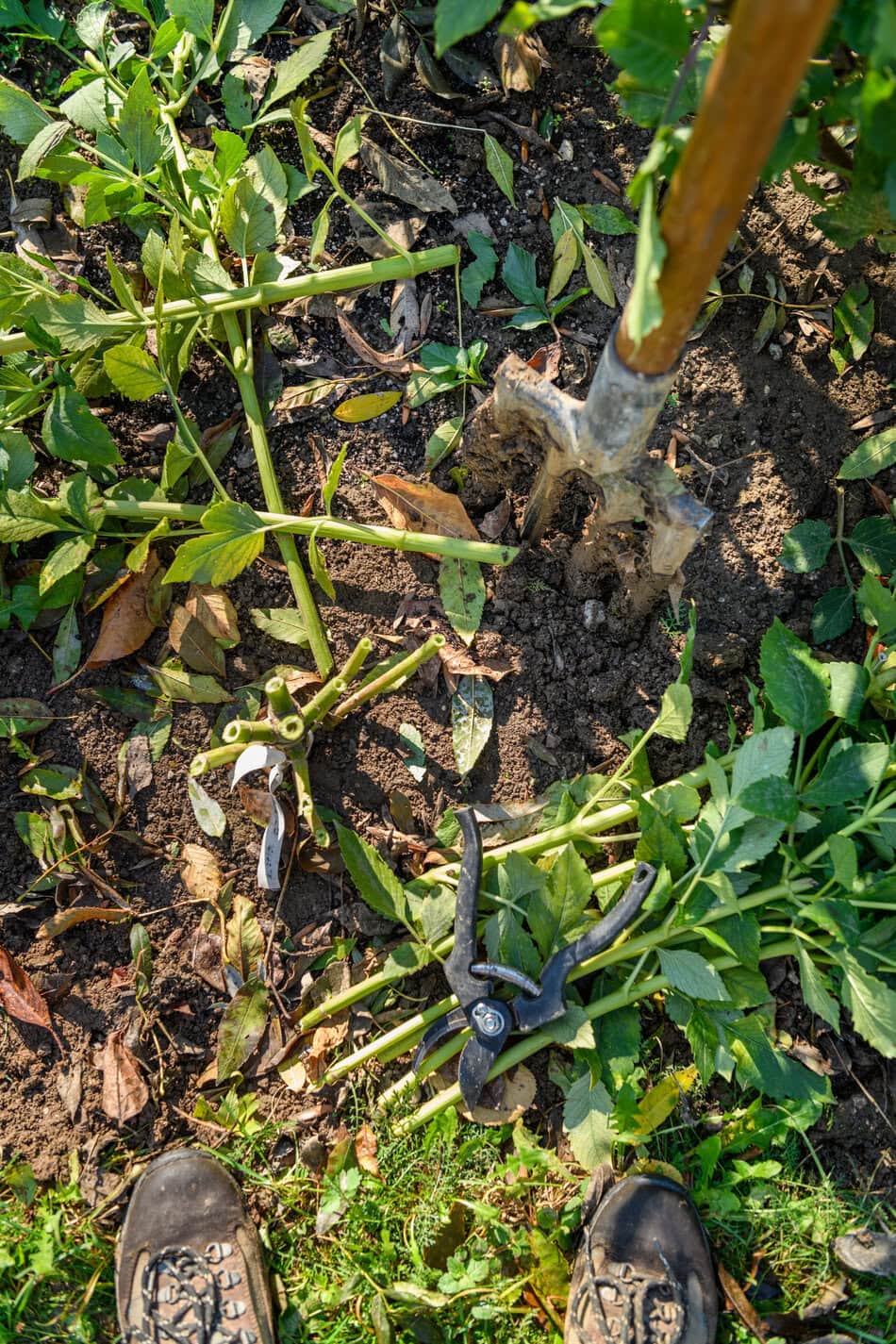
If mulching isn’t enough (or you garden in a colder zone), these next bulbs must be lifted. It’s not a shame to be thin-skinned, nor is it to uproot and move to a warmer living space. Sensitive bulbs, unite!
If you’re unsure which bulbs actually demand a winter eviction notice, Rita’s article on bulbs to dig up before winter walks you through the troublemakers
1: Dahlias (Zones 3-8)
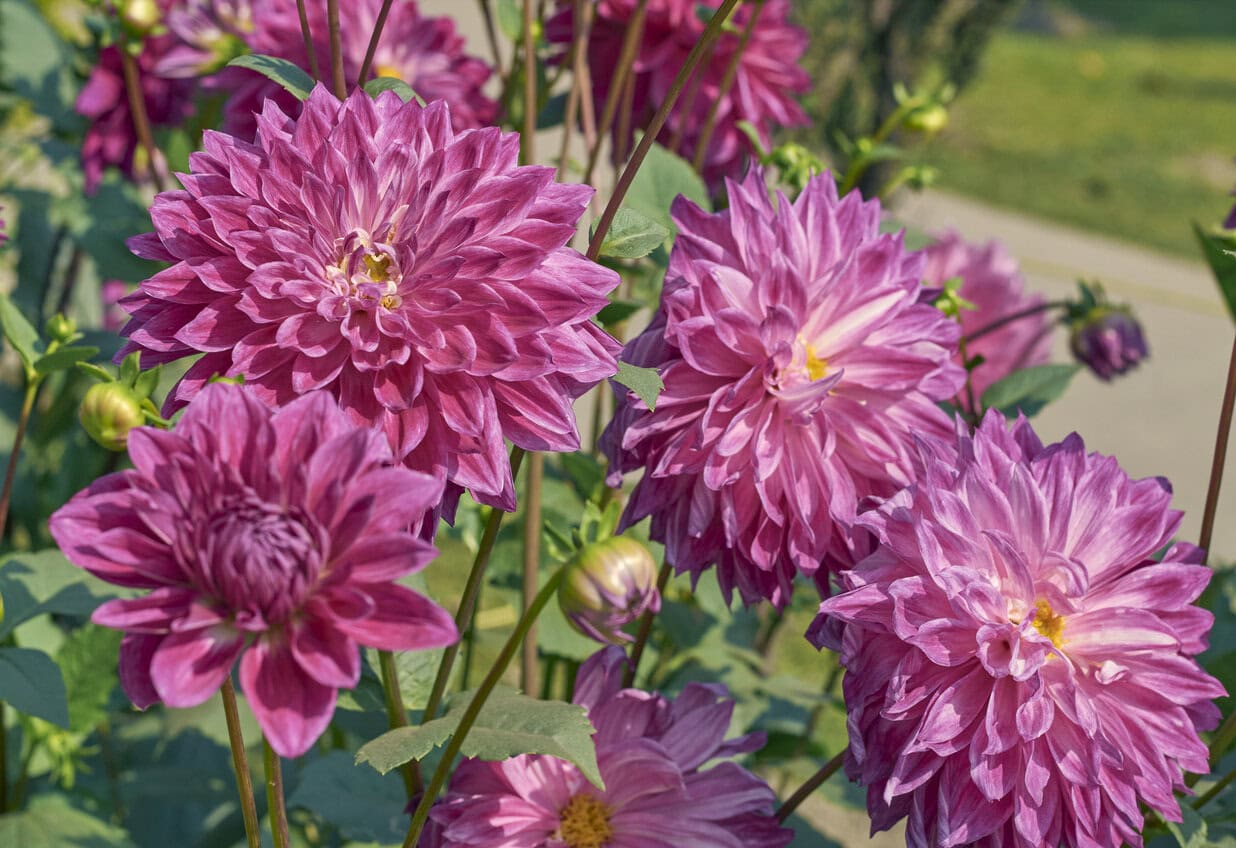
Do not lift them immediately after the first light frost. Wait until the foliage blackens because this important delay allows the tuber to store maximum energy for spring.
Quick tip: If I’m short on time, I leave the clumps upside down for a day after lifting. It lets excess moisture drain before storage.
If Dahlias make you nervous every fall, Rita’s step-by-step guide on how to overwinter Dahlias properly might save you a few headaches
2: Cannas (Zones 3-7)
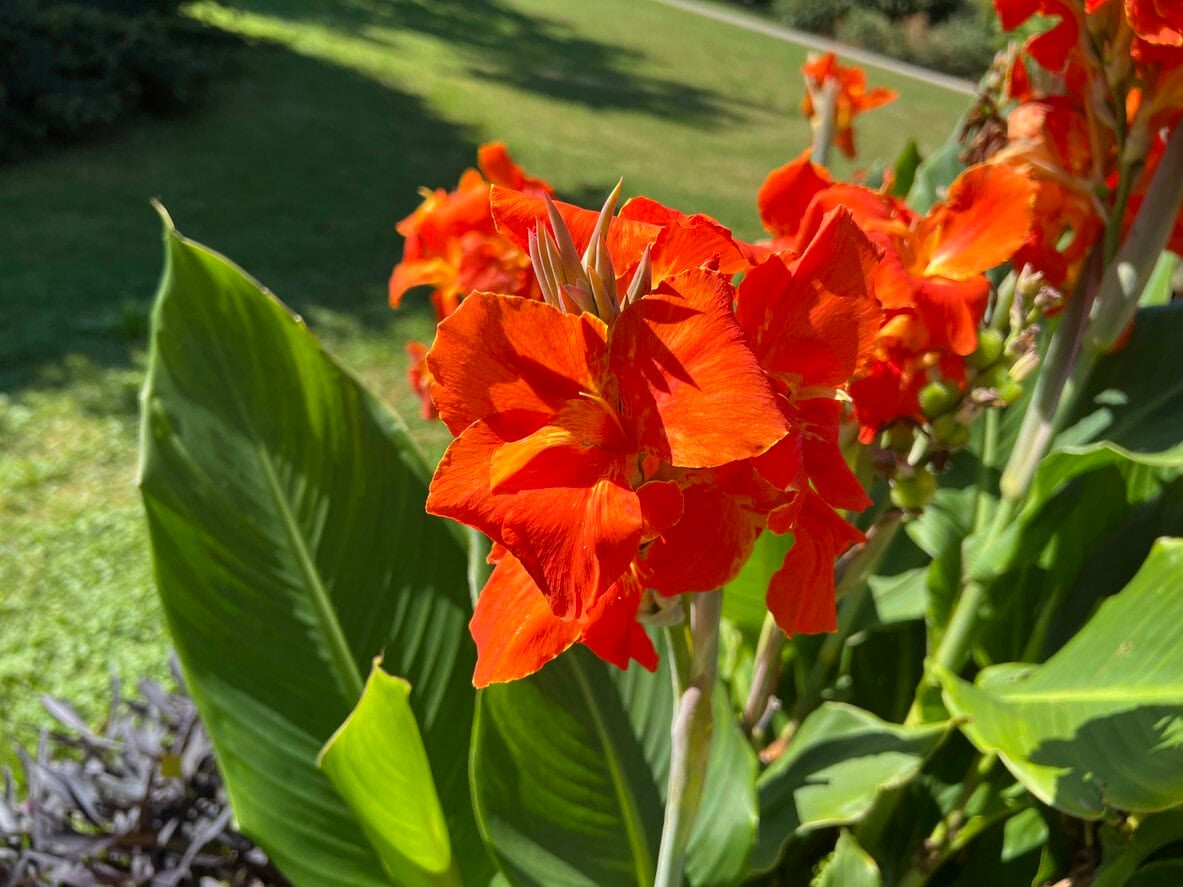
When you dig the rhizomes, leave a little soil clump attached. This tiny protective layer prevents the fleshy roots from drying out too quickly during storage. Whenever I cleaned them too aggressively, they dried out and shriveled by January!
3: Common Gladiolus (Zones 3-7)
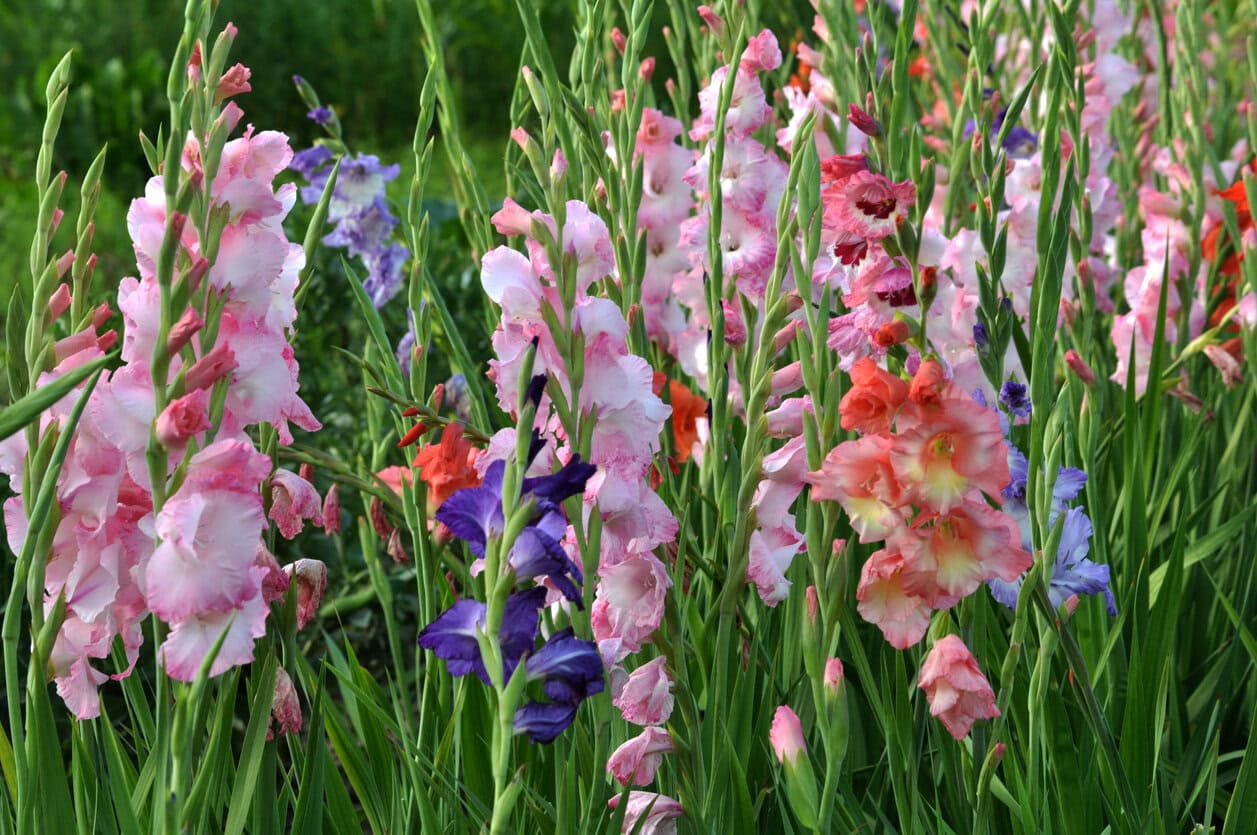
Wait… but I thought gladiolus were hardy? Yes, they are, just not these drama queens. The common florist glads pack zero chill tolerance and absolutely must be lifted!
After lifting, you’ll find a new corm sitting atop the old one. Separate these two and discard the shriveled one. It has done its job and will only invite rot. I learned to toss them religiously after losing a whole batch one winter.
4: Caladium (Zones 3-9)

If they have been in a container, stop watering and let the container dry out. That signals the tuber to go dormant without the digging trauma.
5: Tuberous Begonia (Zones 3-8)

Let the plant start to yellow naturally at the end of the season. Then, lift carefully.
Quick tip: If I lift begonias too early (before they yellow naturally), the tubers never cure properly. Letting them signal dormancy makes a huge difference.
6: Freesia (Zones 3-8)
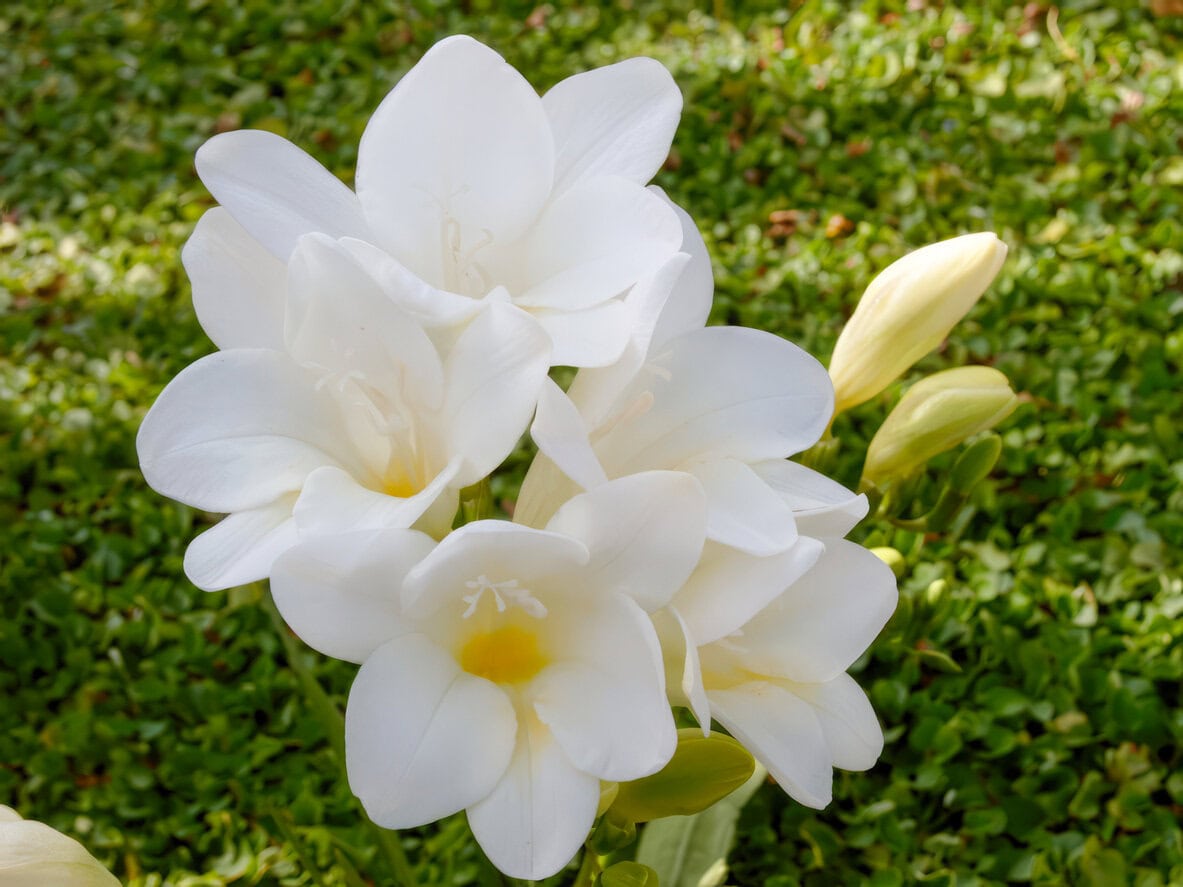
You’d best lift these corms before the leaves are fully dry, as waiting too long makes them nearly impossible to locate in the soil.
Quick tip: Freesia corms vanish fast in dry soil, I’ve lost entire patches by waiting too long. Better to lift early while you can still see the foliage.
Once they are safely out, allow them a few days in a dry spot to cure completely, then gently brush away excess dirt before storing them in a… where? A dark, cool place.
And if you’re running behind (no judgment), here’s my list of bulbs you can still plant in late November and early December!
And All The Rest or the ‘I’ll Be Fine, Thanks’

Now for the easy part. The vast majority of your typical spring-flowering bulbs are what we call hardy. They both tolerate the cold and require it.
With that in mind, there’s no need to lift and store your Tulips, Daffodils (Narcissus), Crocus, Hyacinths, and Snowdrops. Vernalization, I mentioned in one of the previous articles, will help them set their internal clocks.
Covering them with mulch is often unnecessary and can even invite rot. Let nature do its job.
If you want a refresher on vernalization and why some bulbs need the cold to bloom, I broke it all down in my guide on which bulbs to force indoors this fall.
The Corm-mon Sense Approach to Storage

The rescue mission is not over until you correctly store lifted roots.
It continues by nestling your clean bulbs in a bed of peat moss or vermiculite. Next, you keep them in the dark (pun not intended this time) room where you maintain a steady temperature between 40ºF (4ºC) and 50ºF (10ºC).
And check them monthly, because fungal infections are a primary rhizome for shriveling in storage.
As famous proverbs say, “A clean bulb today keeps the rot away.” Or that one, “A clean corm prevents the… rot-storm”. Or “A tidy tuber doesn’t take an Uber?”