
Back in the day, my mom and I used to mark our calendars for when we had to dig up bulbs from the backyard, and now, it’s almost like I’ve developed an intuition for it.
Having worked with hundreds of different bulbs, I can say with confidence that I know which bulbs to dig up and which ones to leave alone during a particular time of the year.
Today, I’m going to tell you exactly which popular bulbs you have to dig up and which you should probably leave in the ground this winter season. Let’s jump straight into it!
Understanding Tender Vs. Hardy Bulbs

Not all bulbs behave the same in winter, and this used to confuse me when I first started gardening. Some absolutely need protection, while others depend on the cold. Understanding this simple difference makes the whole process a lot less overwhelming! Here’s a quick breakdown:
Quick reminder: Your climate zone is the most important determining factor for what type of bulbs you should be working with.
If you’re also trying to figure out the right timing for planting bulbs in fall, here’s a guide I use every year: when to plant tulips, daffodils, lilies, and all the other popular bulbs.
Tender Bulbs You Must Dig Up Before Winter
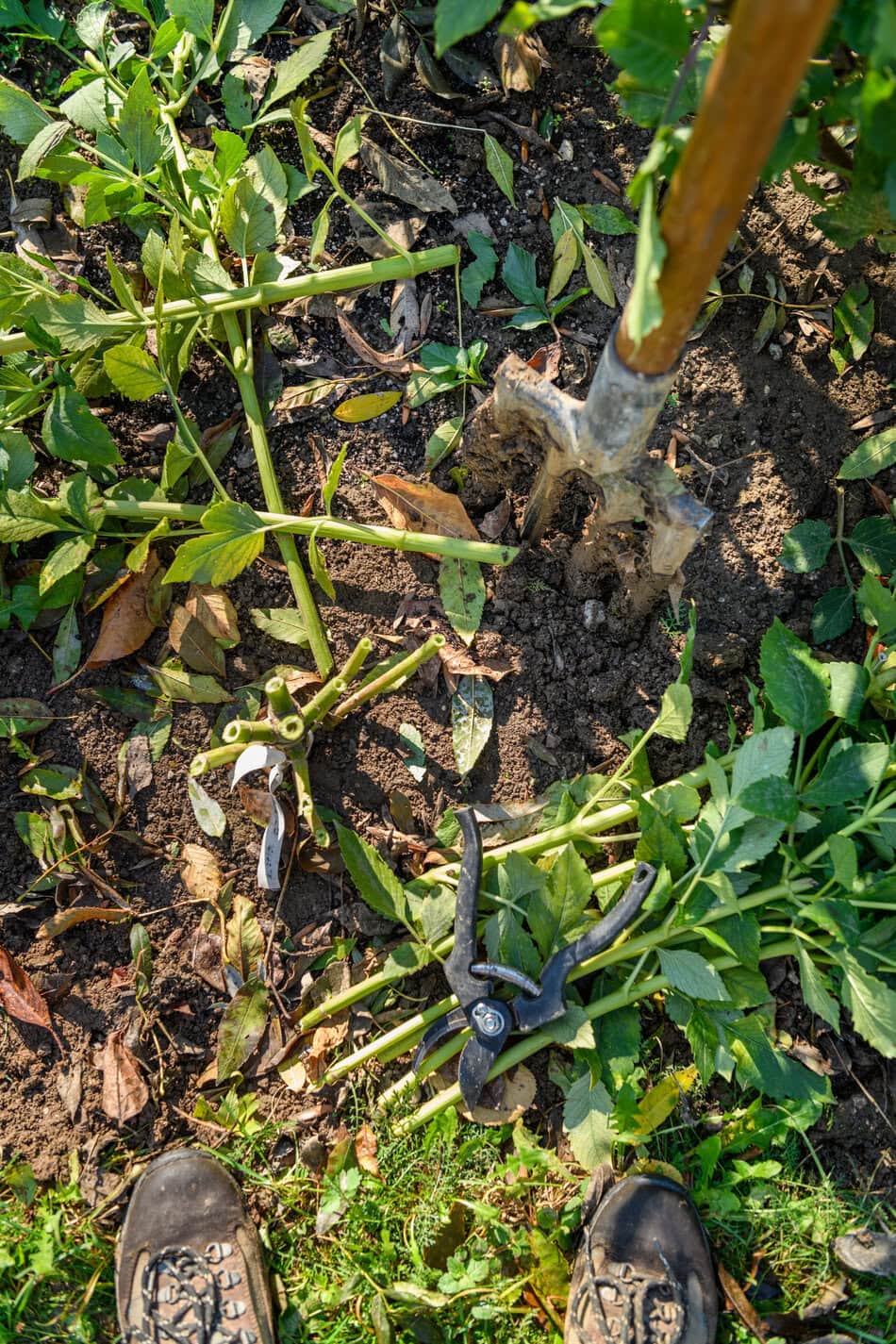
When the cold starts creeping in, this is the part of the garden I pay the most attention to.
Tender bulbs just don’t handle freezing weather well, and if you leave them in the ground by accident, you’ll almost always lose them. Here are the ones I always make sure to dig up in time!
1: Dahlias (Zones 3-7)

Dig up your dahlias right after the first frost begins to darken the foliage.
The best way to do it would be to use a gardening fork and start digging 5-8 inches away from the bulb in a circle. Then, lift the whole thing out of the ground, cut the stems down to 3-4 inches, and get rid of excess debris before storing the bulb.
Quick tip: The first year I dug up dahlias, I snapped so many tubers just by rushing. They’re tougher than they look, but still, go slow when lifting the clump, especially if the soil is heavy or wet.
If you want a full walkthrough just for dahlias, I have a separate step-by-step guide on how to overwinter dahlias that goes into a lot more detail.
2: Gladiolus (Zones 3-7)
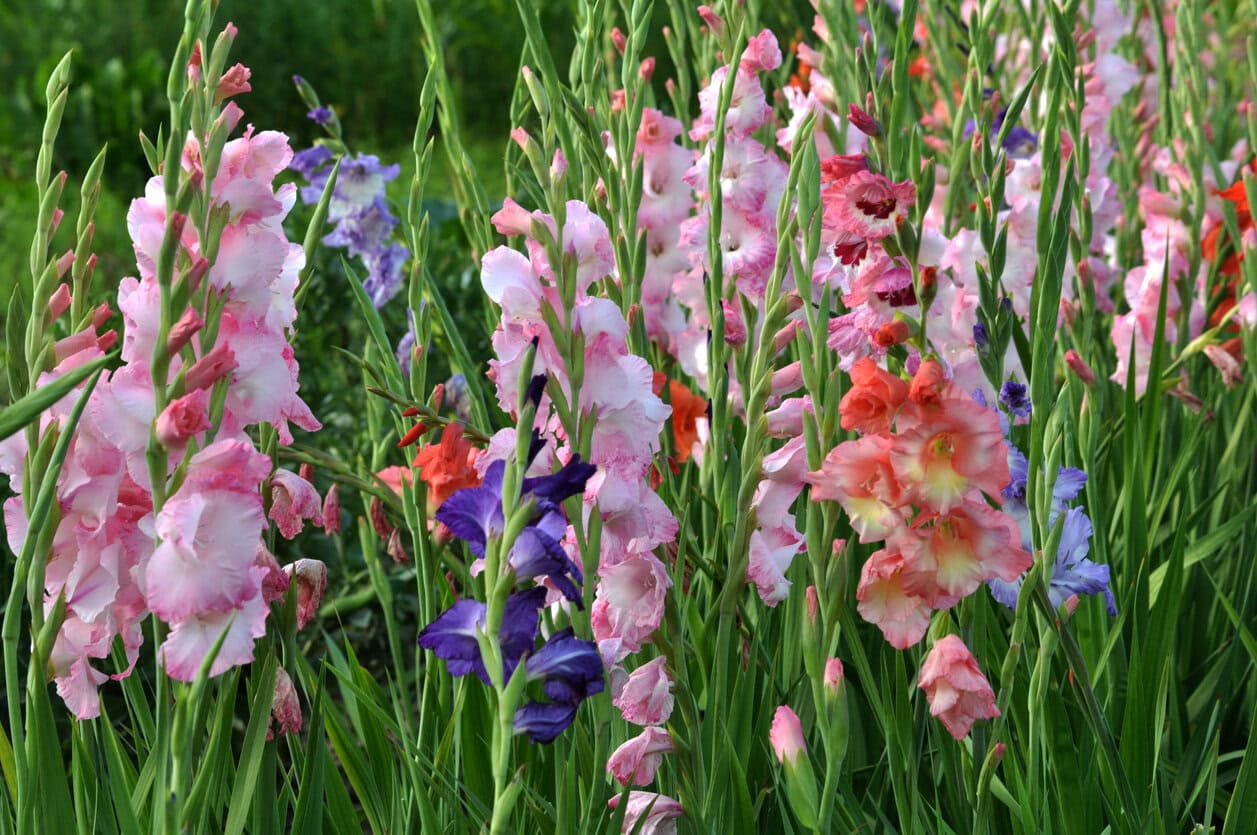
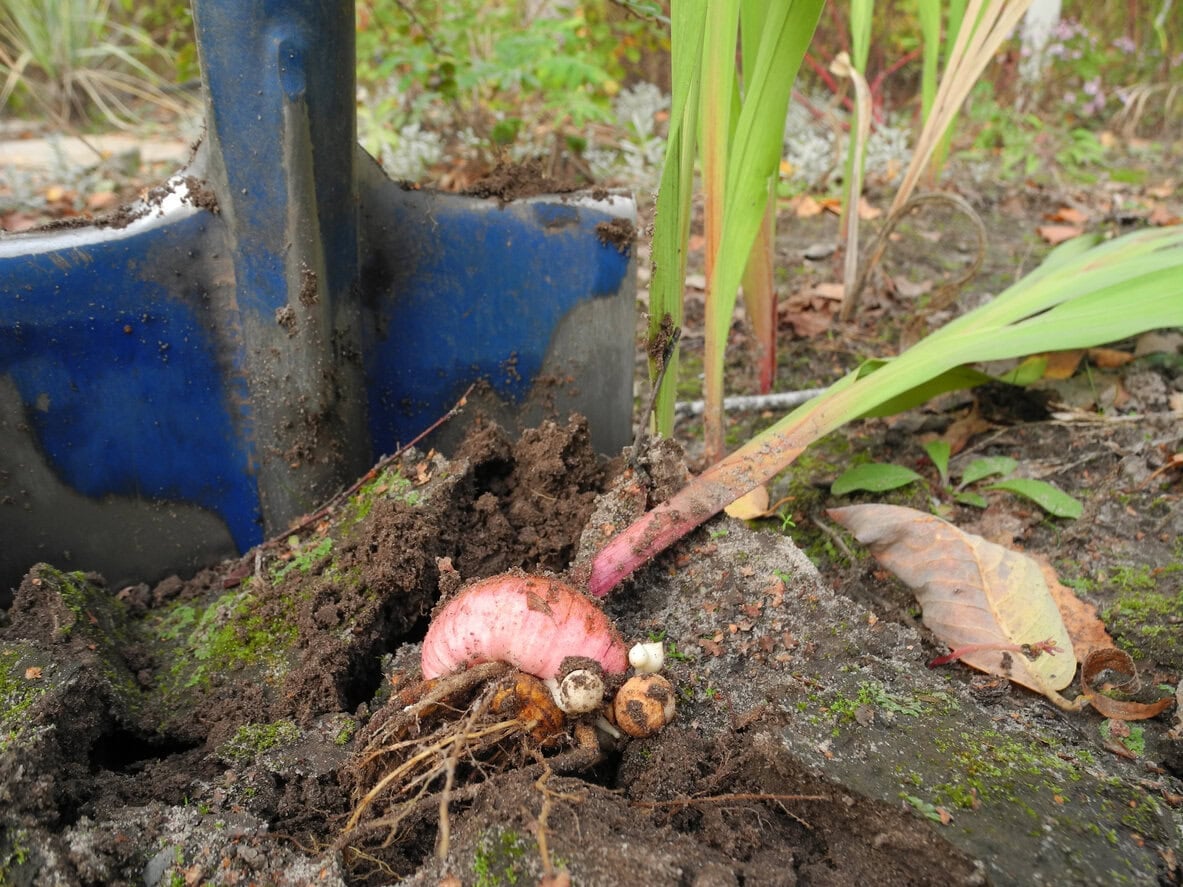
Gladiolus should be dug up once the foliage starts to yellow and die back, or right after a light frost hits.
At that point, use a garden fork to gently lift the entire clump out of the ground and shake off the excess soil. Lay the corms out to cure in a warm, dry spot for 2-3 weeks, and once they’re fully dry, you can trim the roots and store them for winter.
Quick tip: Gladiolus corms love to hide in the soil. I can’t tell you how many times I thought I’d lifted everything, only to find tiny cormlets scattered around weeks later. Take a moment to sift through the soil, there’s always extra babies hiding in there!
3: Cannas (Zones 3-7)
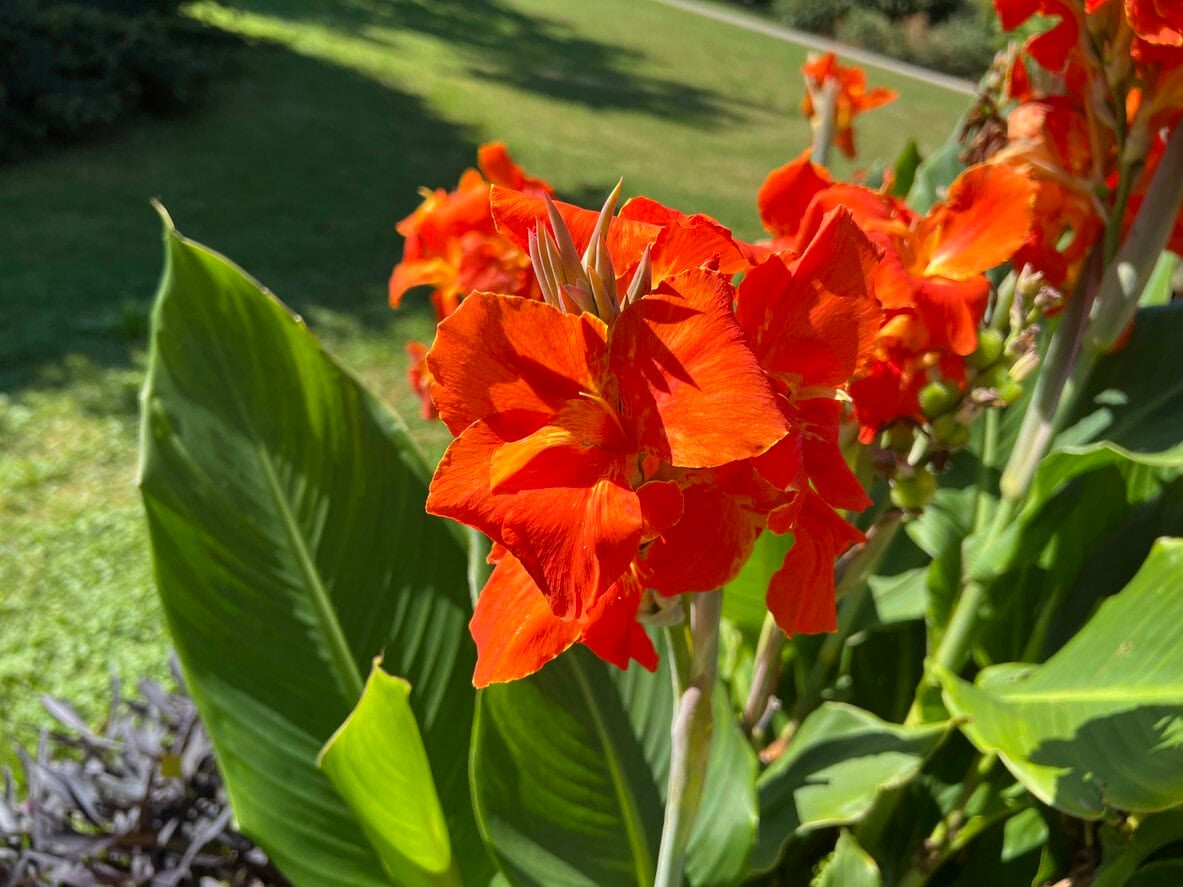
Dig your cannas out of the ground immediately after the first frost. You can carefully pull the rhizomes out with a small shovel, but make sure to keep some soil attached to them.
To prep cannas, trim the leaves down to 2-3 inches and allow them to dry out for a day or two.
Quick tip: The rhizomes can get huge, and I used to try to split them right on digging day. Don’t, let them dry for a day or two first. They’re much easier to handle (and far less slimy) once they firm up a bit.
4: Caladiums (Zones 3-9)

Many gardeners like to dig out caladiums when the leaves first turn yellow before frost.
The whole process is fairly simple because you only have to lift the tubers up. Let them cure in a warm spot for a week or two, and only then can you remove the excess foliage.
Because winter prep usually involves more than just bulbs, here’s a quick guide on which plants benefit from a layer of mulch before the real cold arrives and which to leave alone.
5: Tuberous Begonias (Zones 3-9)

Your tuberous begonias should be dug up right after a light frost or when the foliage starts to discolor and turn yellow.
Because begonia tubers are super brittle, be extremely gentle with them and lift them carefully. When you leave them to cure in pots, the stems fall off on their own.
Quick tip: Begonia tubers feel rock-hard when they’re healthy, but they bruise insanely easily. The best thing you can do is hold the pot and let the soil fall away naturally instead of yanking them out with your hands.
6: Elephant Ears (Zones 3-7)
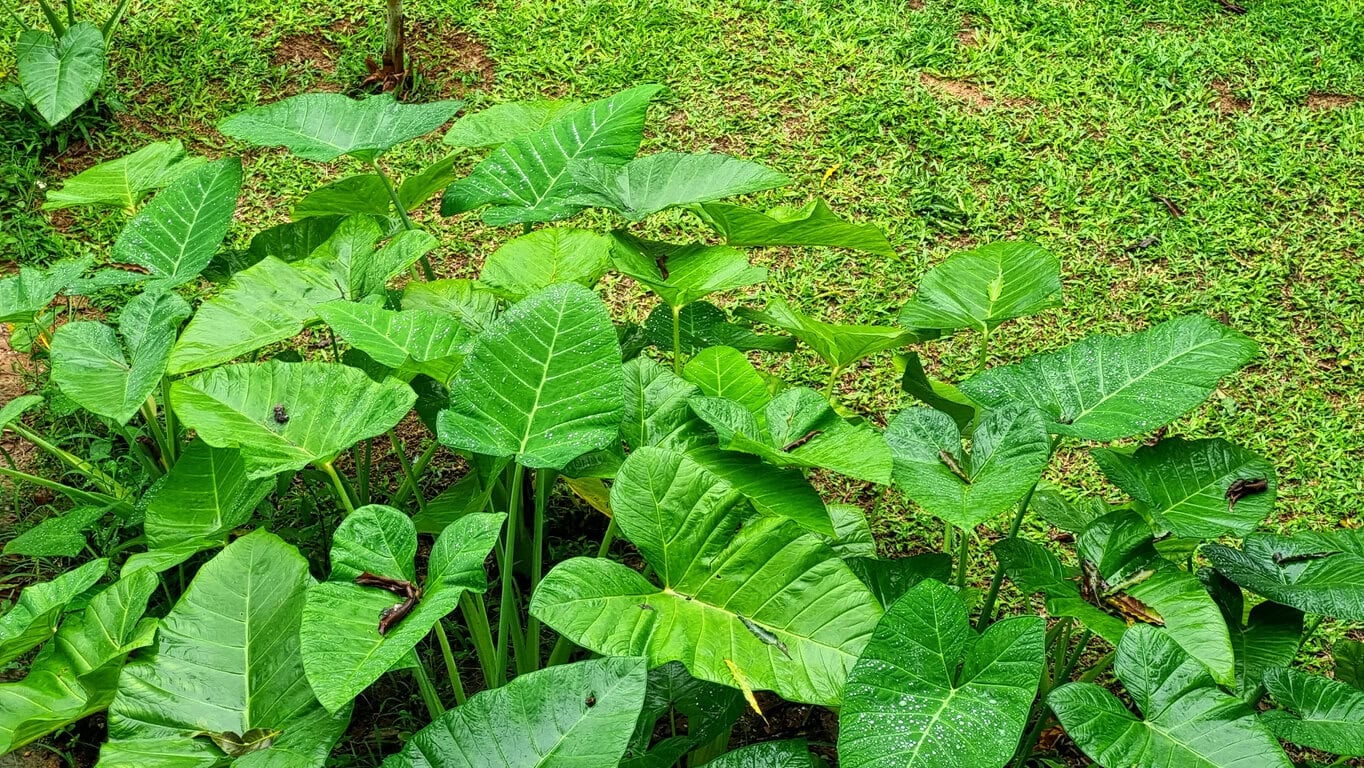
Another lovely bulb that should be dug up after the first frost in your area.
Simply lift the entire clump up and let it dry for a few days. You want to get rid of excess debris around elephant ear clumps, but try your best to keep some soil attached.
Quick tip: Elephant ear clumps hold a TON of moisture. The first few times I stored them, I didn’t let them dry long enough and ended up with moldy mush weeks later. Make sure they’re actually dry before putting them away, this one extra day makes all the difference.
7: Calla Lilies (Tender Varieties) (Zones 3-7)
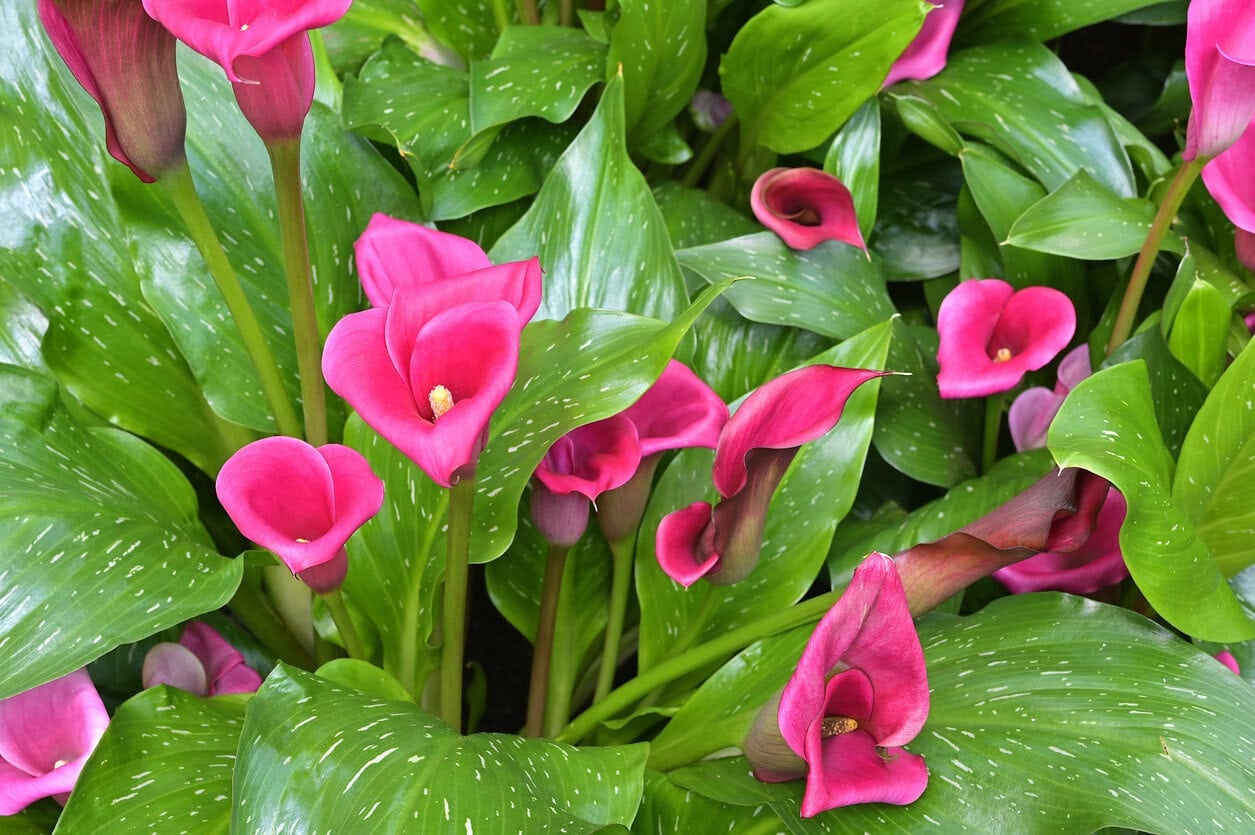
Like other bulbs on this list, calla lilies are best dug up after the first frost or once the foliage starts yellowing.
To dig the rhizomes up, use a fork and lift them gently without damaging them. Before storing, allow them to dry for at least a few days.
And in case you’re in zone 8 or higher and thinking, “Hey… why didn’t you list my zone?”, it’s simply because most of these bulbs don’t need digging there. Warm climates get a little break with this chore!
Since winter prep doesn’t stop with bulbs, you might also find it helpful to see which plants you should fertilize before winter, and which ones you should skip completely.
Hardy Bulbs That DON’T Need Digging
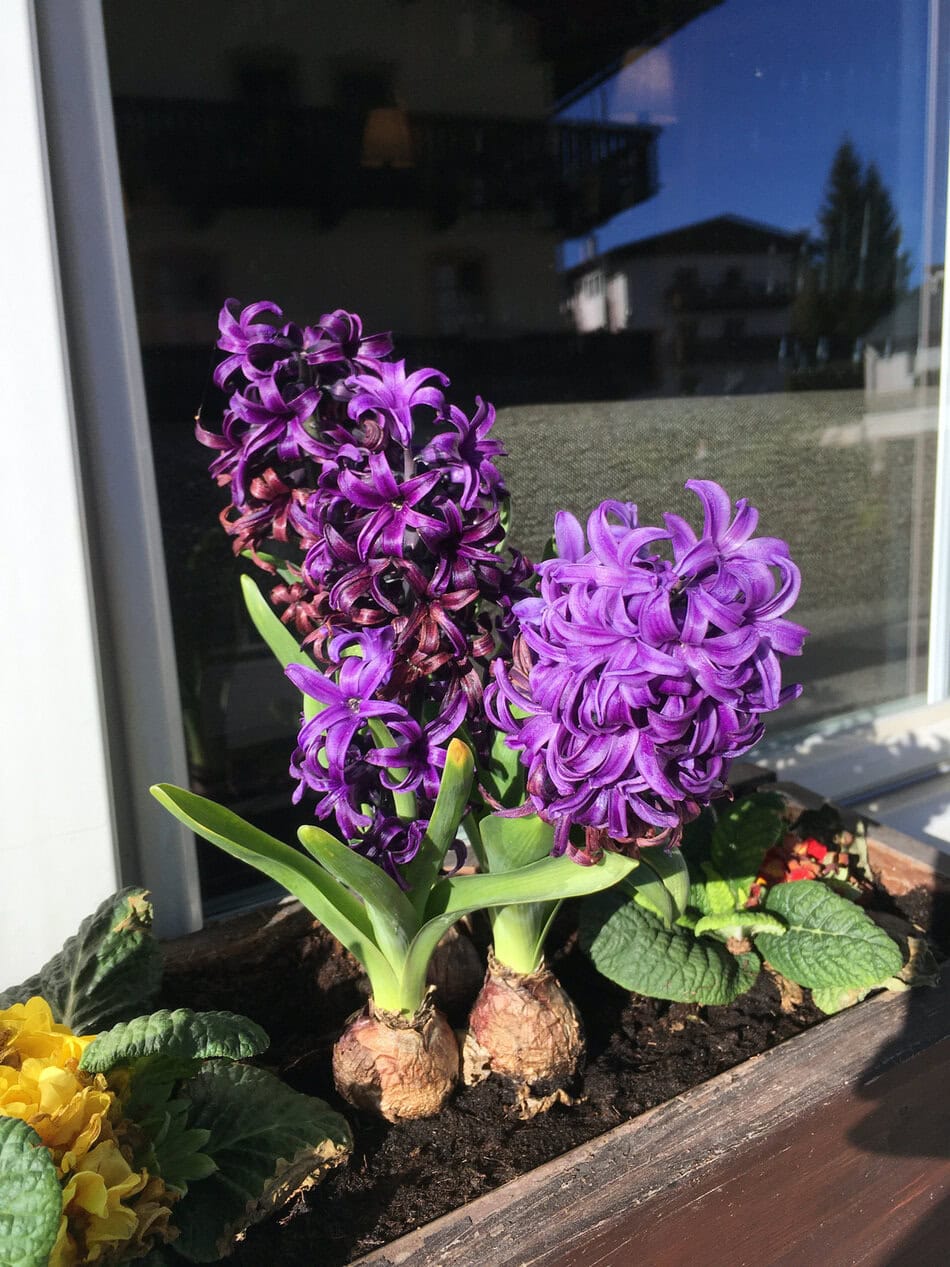
Now for the easy part, the bulbs you can leave exactly where they are. These hardy varieties actually depend on winter cold, so there’s nothing you need to dig up or worry about here.
1: Tulips
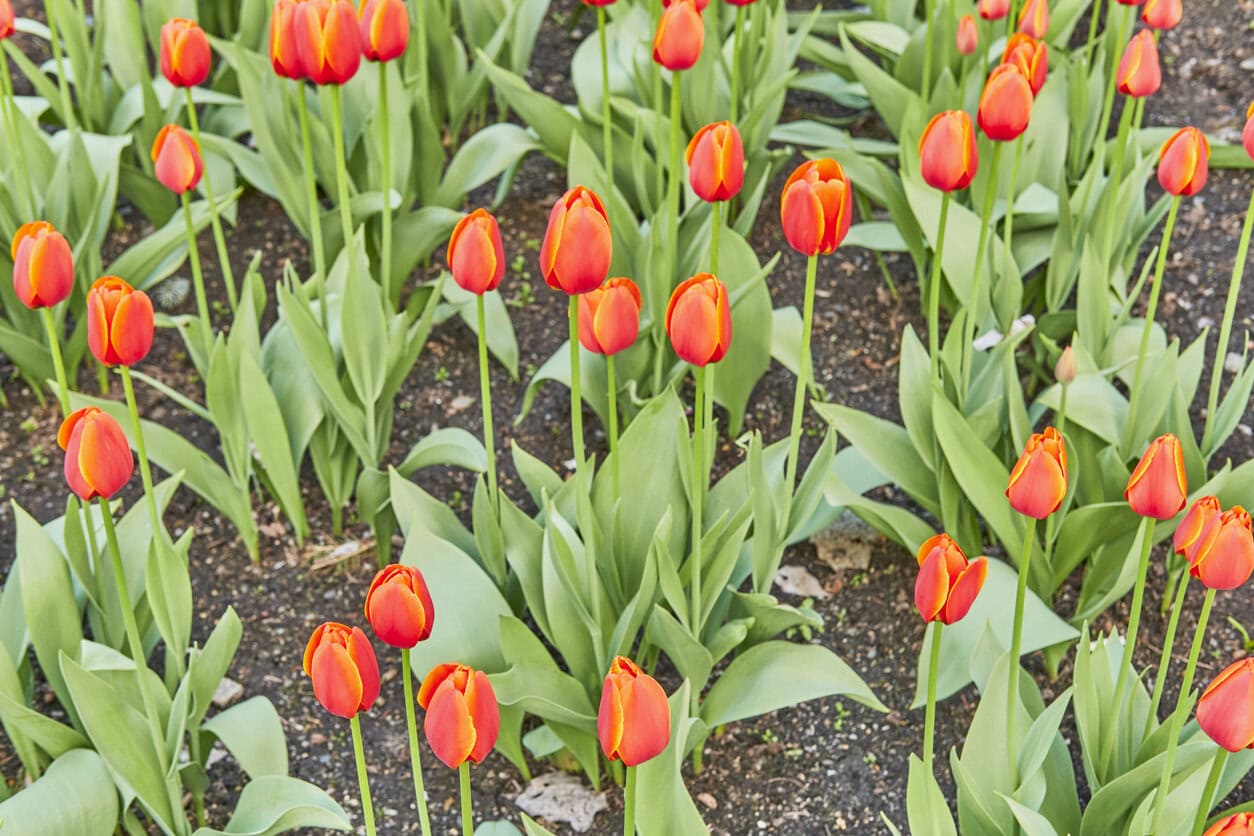
Tulips need some exposure to the cold to develop healthy, happy spring blooms.
And if tulips are your main focus, here’s a quick guide on the right way to cut back tulips so they come back strong next spring.
2: Daffodils

Daffodils are extremely hardy and can withstand cold conditions with ease. They absolutely do not need to be dug up to be protected from the harsh winters.
3: Crocuses

Like daffodils, crocuses can handle harsh winters seriously well, and they’re one of the first bulbs to bloom in spring.
4: Alliums

Alliums too are impressively hardy and don’t need to be dug up in the wintertime.
5: Hyacinths
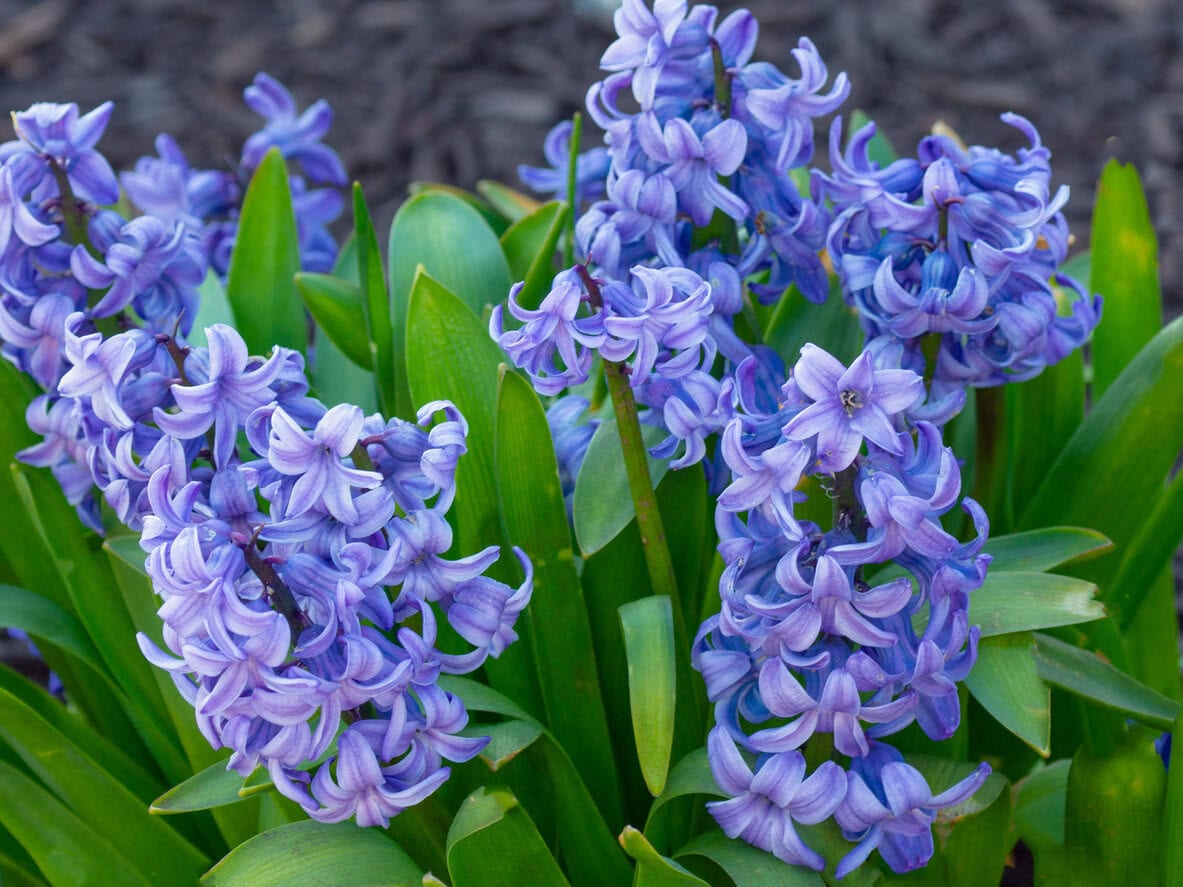
Hyacinths need the winter cold to be able to bloom properly next year.
How To Properly Store Bulbs During Winter

Digging bulbs up is one thing… keeping them alive all winter is another story. I’ve lost plenty over the years from bad storage, so here’s exactly what worked for me and what I still do every season.
Avoid exposing them to extreme temperatures and lightly mist them with room temperature water if they appear to be shriveling.
If you’re also working on winter protection for shrubs, I have another guide on which shrubs you should wrap or protect before winter.
Let’s Conclude
As much as I love gardening work, I have to admit that digging up bulbs before winter isn’t my most favorite task… It takes a serious amount of care and patience I rarely have at that time of year, but it’s a job that has to be done for the betterment and longevity of the bulbs.
So, next time you’re tempted to skip this crucial step, push through with this exact mindset, your bulbs will thank you!
If you’re tackling the rest of your fall cleanup too, this list of which perennials to cut back before winter (and which ones to leave standing) pairs really well with the bulb work you’re doing now.





I was given a potted Calla Lilly plant in April that I kept in the house., It is now Sept. and the plant died so I dumped the dirt outside only to find a hairy bulb inside. Do I repot the bulb? Not sure what to do. Help!!!
Hi Teri 🙂 Don’t throw it away! That “hairy bulb” is most likely the calla lily’s rhizome with old roots attached, and the foliage dying back doesn’t necessarily mean the plant is dead. If the rhizome feels firm rather than soft or mushy, let it dry for a few days and keep it somewhere cool, dry, and frost-free for its dormant period. I’d repot it in fresh soil in spring rather than trying to restart it now. 🤞