Plants are biologically programmed to reproduce and then retire.
To keep the show going, you must intervene. When we deadheading, we’re removing the spent blooms before the plant can focus fully on seed production, encouraging it to make more flowers instead. Is it a form of garden gaslighting? Darn, I think it might be.
Now let’s get into the flowers I deadhead in May because I’ve noticed they bloom longer when I keep up with it.
If you’re still figuring out which plants are worth the effort, we also wrote a guide on which flowers benefit most from deadheading and which ones do just fine without it.
The Fine Print Before You Snip
Clean your blades with rubbing alcohol between different plants. Disease spreads fast, and you aren’t trying to start a garden epidemic.
Focus on making a clean cut just above a fresh leaf, bud, or side shoot. That gives the plant a clear place to push new growth instead of wasting energy on seed production.
Off With Their Heads (For Their Own Good)
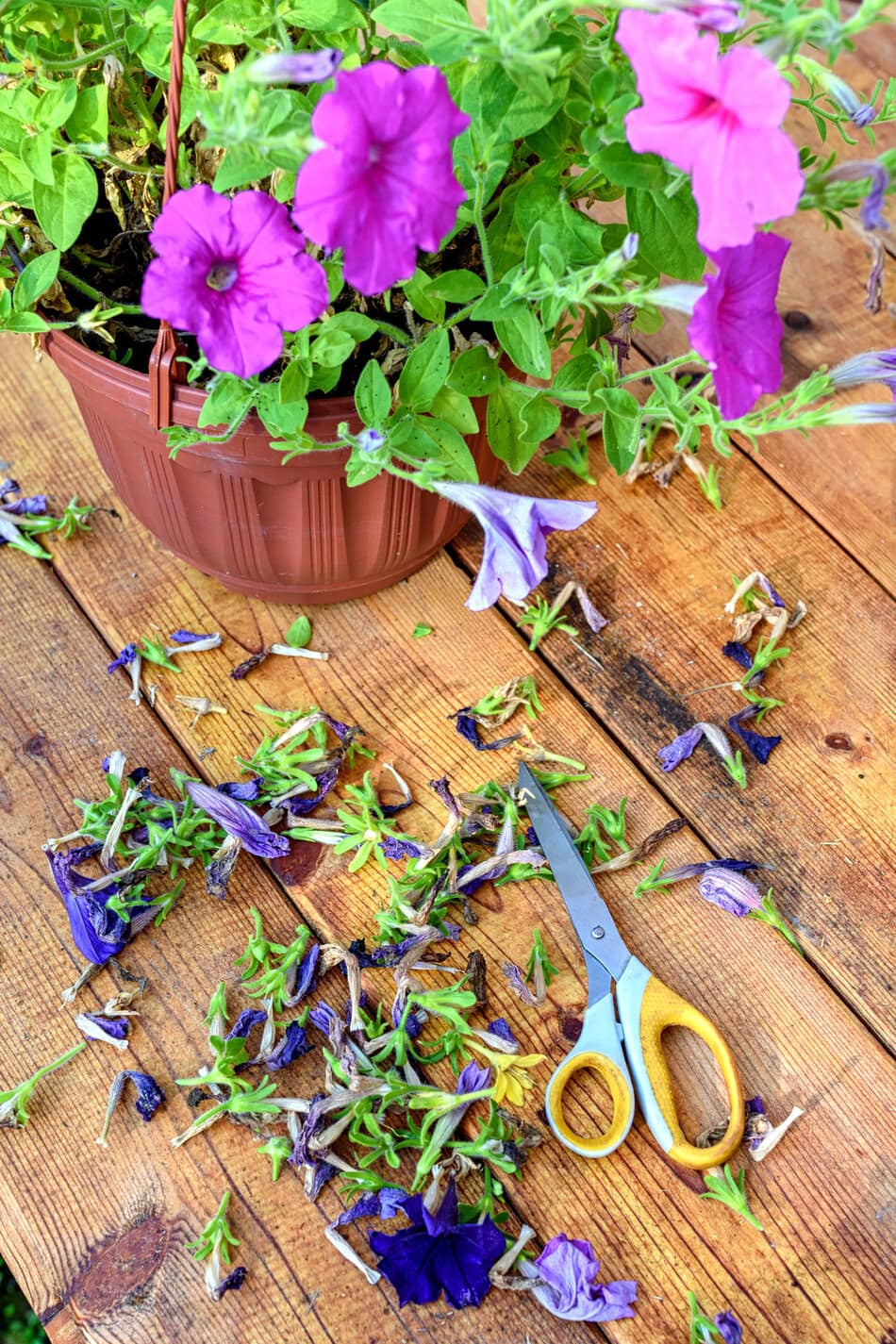
It’s time to play a high-stakes game where the prize for blooming is, unfortunately, losing your head so we can do it all again.
1. Pansies

Face it, these plants are looking for any excuse to quit. The moment a May afternoon starts pushing 78°F, they start melting. I advise you pinch off those fading faces right at the base, or they’ll stop blooming and focus on making babies, AKA seeds.
Quick note: Deadheading helps, but once real heat sets in, pansies usually start fading no matter what you do.
If your pansies already look rough this time of year, we also wrote an article about how to bring wilting pansies back to life.
2. Petunias

Common petunias are the ultimate garden paradox; vibrant, beautiful, and coated in a weird resin that feels like industrial adhesive.
You cannot just pull off the dead petals and call it done; that is amateur hour. Boldly reach in and pinch the green bulbous base.
It’s a messy, tactile job that leaves your fingers tacky, but it helps keep the plant focused on making more flowers instead of seeds
Quick tip: Most people just pull off the dead petals, but that is basically the same as doing nothing. You need to remove the little swollen base behind the flower too.
If you want a closer look at exactly what to remove, we also wrote a guide on how to deadhead petunias for fuller, longer-lasting color.
3. Roses
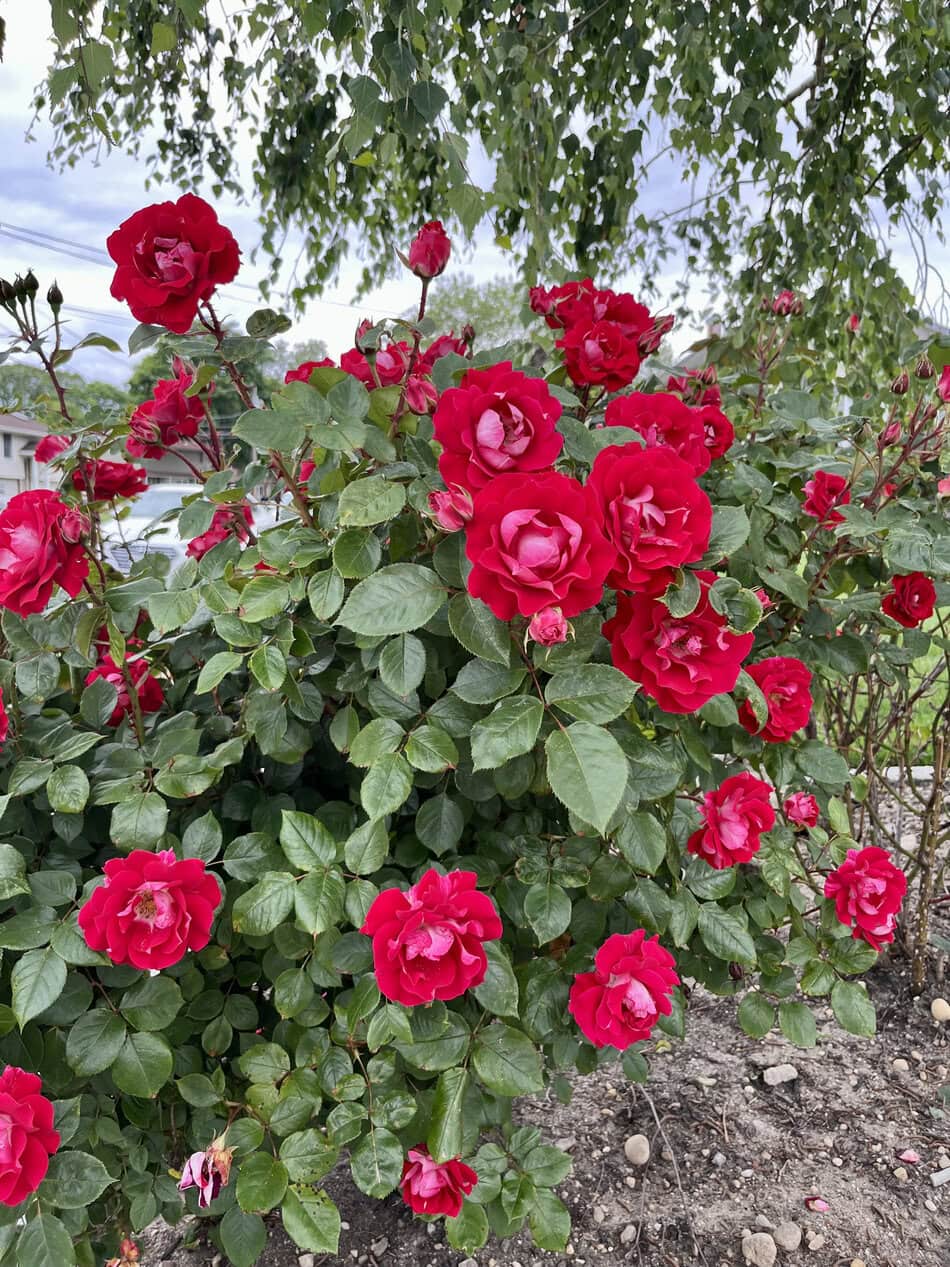
“Knock Out” roses are often called self-cleaning, but that’s a corporate lie. They may drop their petals on their own, but deadheading keeps the plant tidier and may help speed up the next flush of blooms.
Cut the stem back to the first set of five leaves. Your goal is to keep the plant focused on making more flowers instead of putting energy into hips.
We also explain how to deadhead roses step by step if you want a better idea of where to cut and when to do it.
4. Pelargoniums

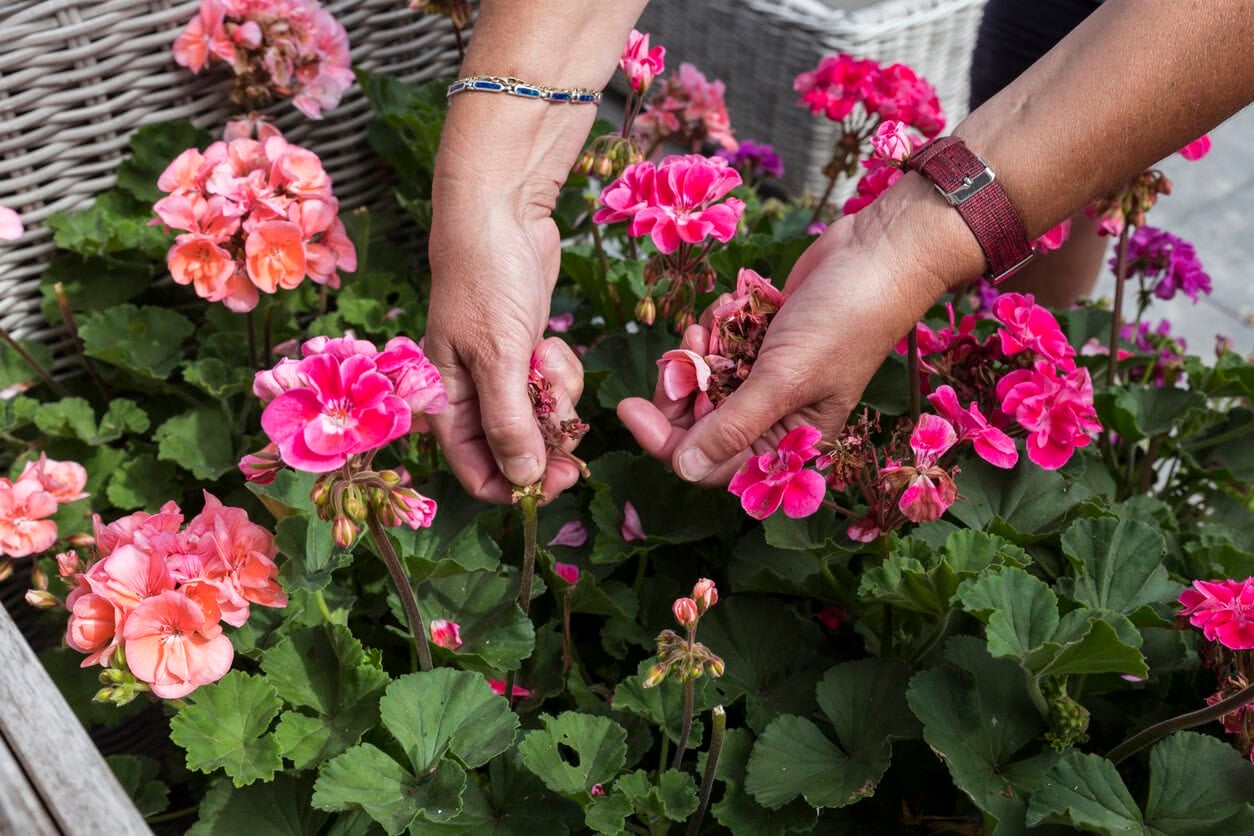
Pelargoniums (aka annual geraniums) are the bread and butter of the American porch, but they get ugly fast. No delicate snipping is required here.
Use your thumb and forefinger to snap off the spent flower right the base where it meets the plant. It makes the most satisfying crunch! The sound of you reclaiming your yard from the clutches of decay.
Quick tip: Remove the whole spent flower stalk, not just the dried petals at the top.
If you grow a lot of geraniums in pots or porch planters, we also wrote a guide on how to deadhead geraniums for continuous blooms all summer.
5. Salvia

Once salvia flowers fade, those brittle spikes are doing nothing but taking up space. Snip them back to the nearest healthy green growth. Yes, it leaves a temporary gap in your border, but it can help encourage a fresh flush of blooms later in the season.
If your salvias tend to slow down later on, I also wrote an article about how to keep salvia blooming longer through summer.
6. Dianthus

Dianthus flowers smell like cloves and look like perfection until they turn into crispy little husks.
Once that happens, they are ready to drop seeds and take over your entire gravel path. Don’t let them! Snip off the spent blooms. You’ll keep the plant tidy and encourage another round of flowers.
7. Snapdragons

Everyone loves a snapdragon for that cottage-core vibe, but they do have one annoying habit. The flowers open from the bottom up. The problem is, by the time the top looks good, the bottom is already fading and trying to set seed.
Once most of that spike looks even slightly sad, cut the whole thing back. You’ll trigger a blast of side shoots and keep the plant blooming longer.
I also wrote a guide on how to deadhead snapdragons if you want more blooms and a tidier plant through the season.
8. Calendula

Calendula is almost too successful for its own good. It wants to produce seeds so badly that it will stop flowering the moment you look away. Be ruthless.
Every time a golden head starts to close up for the last time, snip it off. You’re basically rejecting their resignation, and it will keep pushing out more golden flowers to make up for it.
Quick tip: This one goes to seed fast, so the more often you deadhead, the longer it usually blooms.
9. Columbine

These spurred, whimsical weirdos do not hang around for long. Once the petals drop, the plant starts shifting its energy into its heavy, ugly seed pods.
Cut back the spent flowering stems. It tidies the plant up and helps keep the ferny foliage looking fresher for longer. Columbine won’t bloom forever, but you can certainly stretch its 15 minutes of fame into 30.
Quick tip: If you do not want columbine popping up all over the garden, remove the spent flowers regularly.
10. Coreopsis
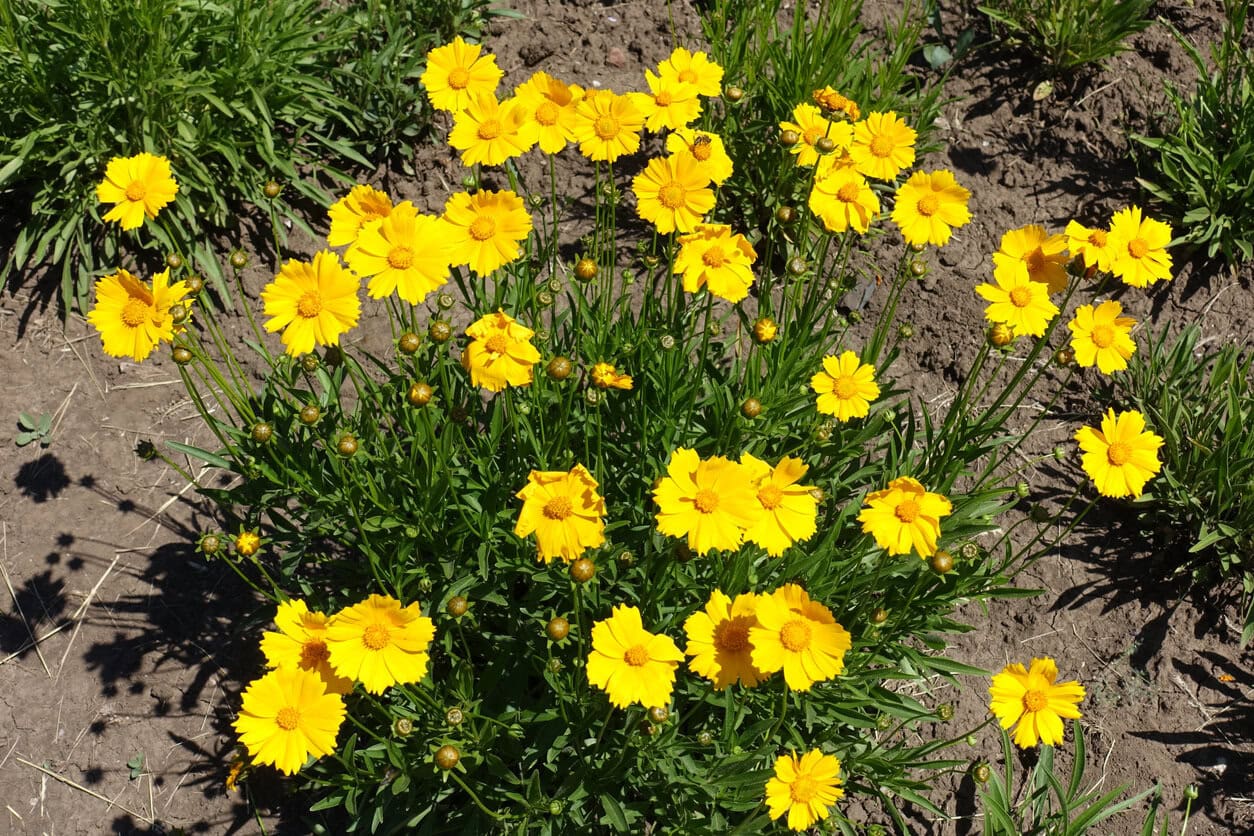
If you find individual deadheading tedious, coreopsis is your best friend. These yellow daisies bloom in such a frantic mass that pinpoint accuracy is impossible.
Wait until the first big flush starts to looks tired, then grab your garden shears and give the whole mound a light haircut. It’s a bold move, but the plant will reward your audacity with a fresh carpet of yellow a few weeks later.
Best Buds Forever (With Help)
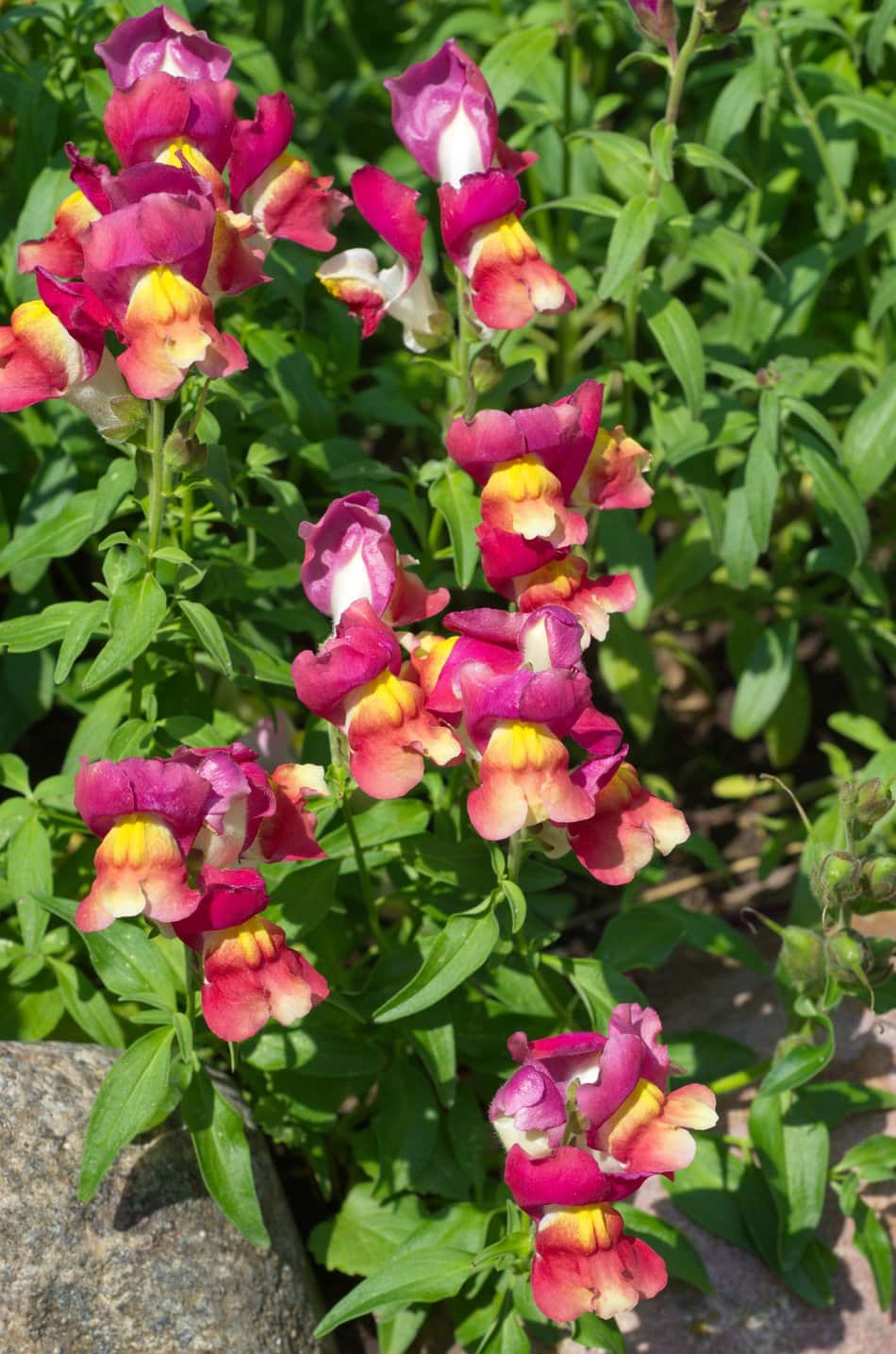
If it looks like it’s dying, snip it. If it’s lost its petals, snip it. Is it drooping with the heavy weight of its own unfulfilled reproductive dreams? Snip it. And try not to enjoy the “off with their heads” part too much. (Actually, do. It’s the best part.)
If you’d rather grow a few plants that do some of this cleanup on their own, we also wrote an article about flowers that practically deadhead themselves.