
I recently wrote an article on plants that naturally fertilize the soil, and it was pretty well received.
The appeal of self-sufficient plants is pretty clear: many gardeners want to grow something beautiful but don’t have the time to constantly care for it…or they’re simply too lazy.
In today’s article, I’ll be taking you through another group of self-sufficient plants – this time, ones that tidy up after themselves by deadheading on their own!
Let’s look more into them, shall we?
What Does It Mean When A Flower Is “Self-Cleaning”?

So, the whole idea of deadheading is to remove spent flowers and stems after the blooming period ends. This is done so that the plant can lighten up and redirect energy towards more productive tasks and functions like reblooming or producing new, healthy growth.
A self-cleaning flower, on the other hand, naturally drops spent petals off the stems or produces new blooms so rapidly that old, dry ones get hidden. This means the plant will be able to stay tidy without needing intervention.
Deadheading is one of those chores that can feel endless in the garden. If you’re new to it, here’s a guide to the basics of deadheading and which flowers actually need it.
Flowers That Really Deadhead Themselves
Note: Most of these plants are tender perennials in USDA Zones 9 to 11 (sometimes up to zone 12) but are grown as annuals in cooler regions. The zone listed for each flower shows where it can survive year-round outdoors.
1: Geraniums (Zones 9-12, annual elsewhere)
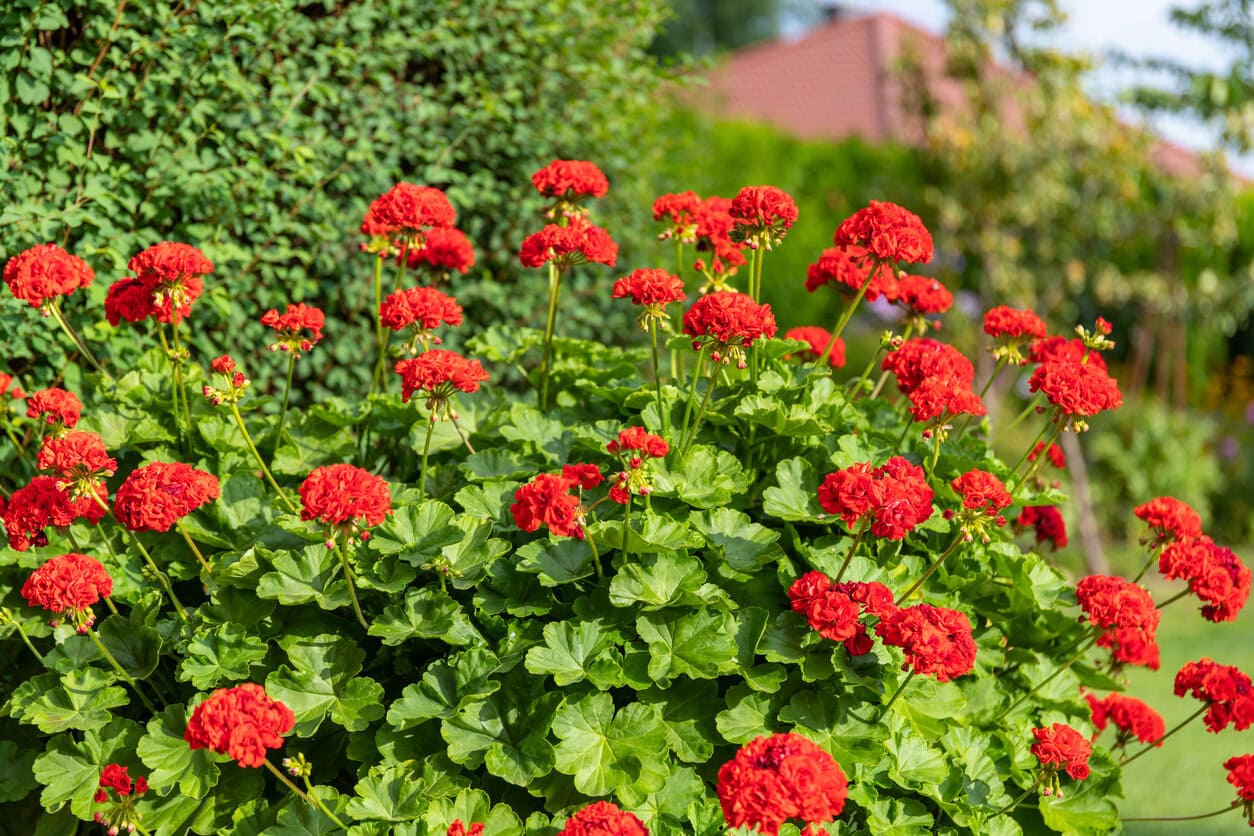
Although classic geranium varieties aren’t known for self-cleaning, many modern hybrids, such as the ‘Calliope’ series and ‘Interspecific’ geraniums, shed petals cleanly and keep plants tidy with minimal help.
Note: This plant is toxic to dogs and cats if ingested.
2: Petunias (Zones 9-11, annual elsewhere)

Traditional petunias often need pinching back, but many modern hybrids like the ‘Wave,’ ‘Supertunia,’ and ‘Surfinia’ series are bred to possess self-cleaning properties and bloom nonstop.
Traditional petunias can be high-maintenance, which is why many gardeners look for easier substitutes. If that’s you, take a look at these low-maintenance alternatives to petunias.
3: Calibrachoa (Zones 9-11, annual elsewhere)

Since calibrachoas are somewhat related to petunias, they too drop faded blooms on their own and maintain constant tidiness. Popular series such as ‘Million Bells’ are known for being naturally tidy.
4: Impatiens (Zones 10-11, annual elsewhere)

Impatiens, especially New Guinea varieties, shed flowers cleanly on their own and don’t need to be pinched manually. On top of that, they’re super easy to maintain, making them ideal for beginners.
If your garden has shady corners or a porch that could use a splash of color, you might also enjoy these low-maintenance potted plants for shady porches.
5: Begonias (Zones 9-11, annual elsewhere)

Wax begonias and other hybrid varieties self-shed their faded blooms incredibly well and continue to provide color even during transitioning periods.
Note: Begonias are toxic to dogs and cats, especially the tuberous types.
6: Vincas (Zones 9-11, annual elsewhere)

Although vincas aren’t very popular in many regions and typically fly under the radar, they’re excellent self-shedders and are able to maintain tidiness after blooming. Madagascar periwinkle is my favorite for beds and borders!
Note: This plant is toxic to pets and humans if ingested, though it’s completely safe to touch.
7: Zinnias (Zones 2-11)

Not all zinnias are self-cleaning and classic cut-flower varieties often need deadheading. But compact hybrids like ‘Profusion’ and ‘Zahara’ series are exceptions, bred to drop old blooms and keep flowering continuously.
8: Angelonia (Zones 9-11, annual elsewhere)

Angelonias shed spent flowers naturally after they’re done blooming. However, in the right conditions, stems may continue blooming even after the initial shedding.
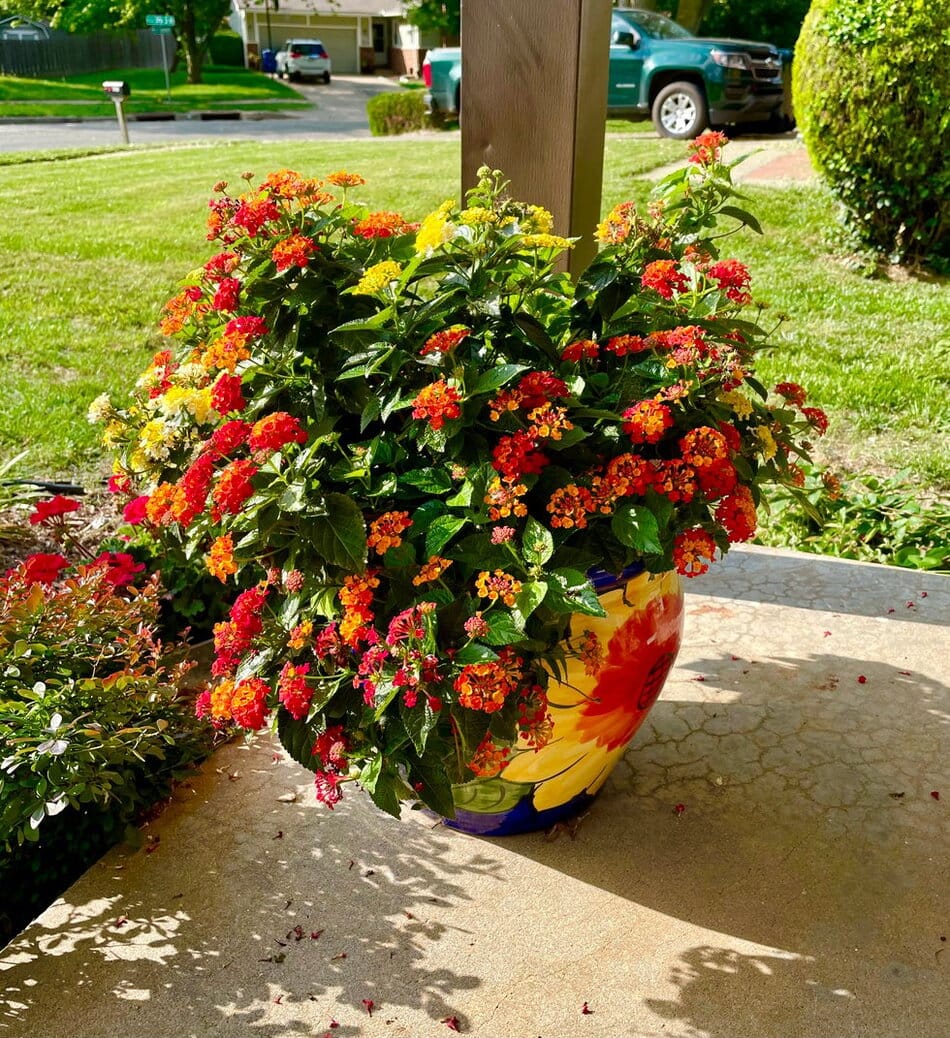
9: Lantana (Zones 9-11, annual elsewhere)

When new lantana flowers come in, they cover up old ones fast, especially prolific series like ‘Lucky’ lantanas. This allows the tender perennial to remain tidy without needing cleanups.
Note: Lantana is toxic to pets and livestock, and in warm regions like Florida, Hawaii, Texas, and parts of California it can become invasive.
10: Nemesia (Zones 9-10, annual elsewhere)

Quick bloom cycles of nemesia plants ensure faded flowers are hidden by fresh ones very quickly.
11: Wishbone Flower (Zones 2-11)
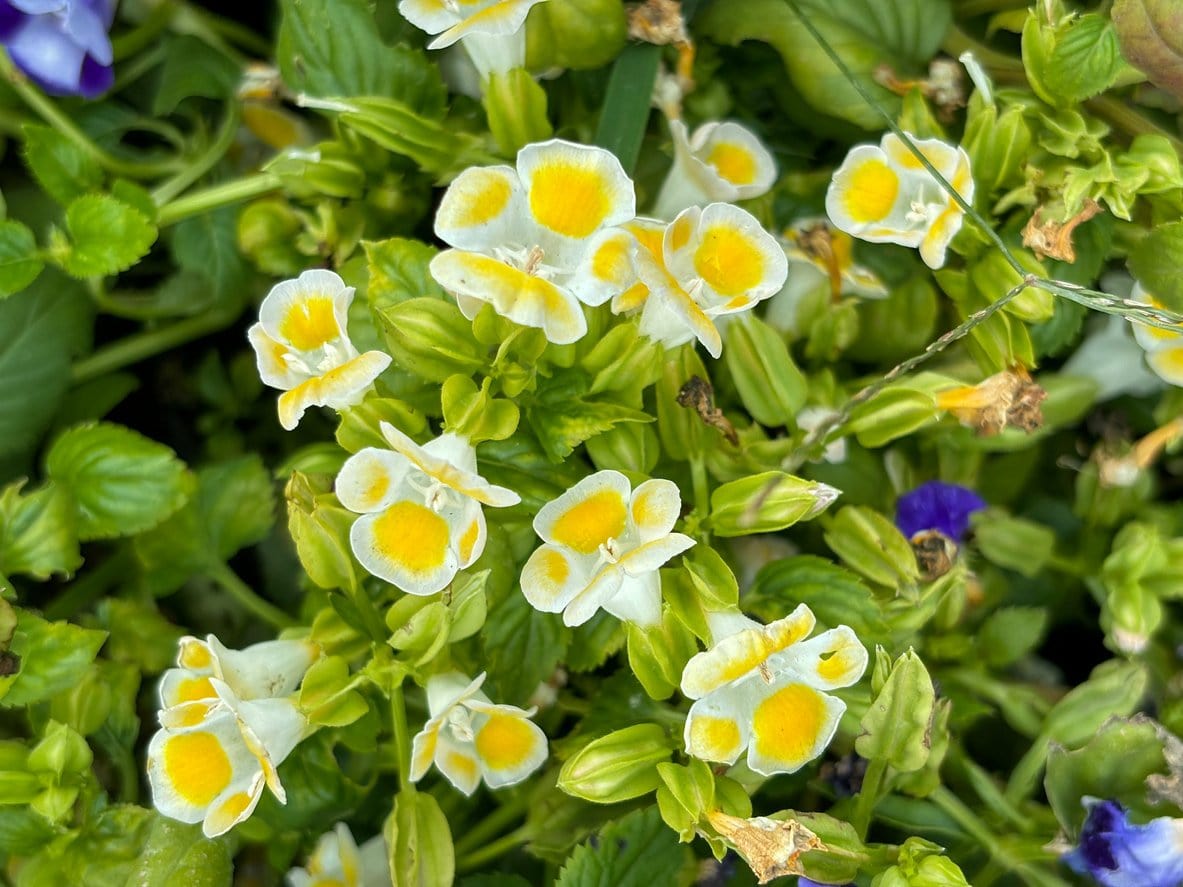
When the blooming period comes to an end and the flowers fade, wishbone flower petals begin to drop naturally. Especially compact series like ‘Kauai’ Torenia, which are perfect for container planting!
12: Cuphea (Zones 9-11, annual elsewhere)

Cuphea plants produce these colorful tubular flowers that are tiny but bloom so well that they brighten up the entire garden landscape. Fortunately for all you lazy folks, spent blooms do drop on their own. Varieties like Cuphea hyssopifolia (‘Mexican Heather’) are especially popular as self-cleaning options.
And if deer are an issue in your area, it helps to choose plants that won’t tempt them. Here’s a list of deer-resistant perennials that can protect your garden.
Do Self-Cleaning Flowers Still Make Seeds?

While many do still produce seeds, the truth is that there’ll be very few seeds because of the fact that spent blooms drop off before seeds are able to fully mature.
If you’re looking to collect seeds, my honest advice would be to opt for more traditional flower varieties that are not bred as self-cleaning.
Are Self-Cleaning Flowers Low Maintenance Overall?

Yes!
One of the biggest and most time-consuming hurdles gardeners face after basic watering, pruning, and fertilizing is deadheading.
Self-cleaning flowers essentially eliminate that variable entirely so that you can direct your time and energy elsewhere while your flowers thrive. They’re also some of the easiest annuals to grow in hanging baskets, pots, or around garden borders.
Just keep in mind that they still need regular watering and feeding to stay alive and carry out basic functions.
Self-cleaning annuals aren’t the only way to simplify your garden, pair them with these low-maintenance shrubs to create structure without adding extra work.
Let’s Conclude
Now that you’ve understood the basics of self-cleaning flowers, the next step is choosing whether to grow them yourself and selecting the varieties that fit your garden’s style and space.
Picking the right flowers and strategically fitting them into your garden can help create a lasting and meaningful impact. Be wise with your choices and, once you’ve made up your mind, get to planting right away! Best of luck!


