Something I’ve commonly noticed with new gardeners is that they’re super impatient about things and tend to cut their winners too early.
This was something my grandma noticed with me in my early days. I was cutting flowers too early and letting the weeds grow because I believed my timing was right (it wasn’t).
In today’s article, I’ll discuss with you a list of flowers you should definitely avoid pulling out early in fall. These flowers keep blooming, and you must let them!
Be Careful, Some Flowers Haven’t Stopped Blooming Yet!
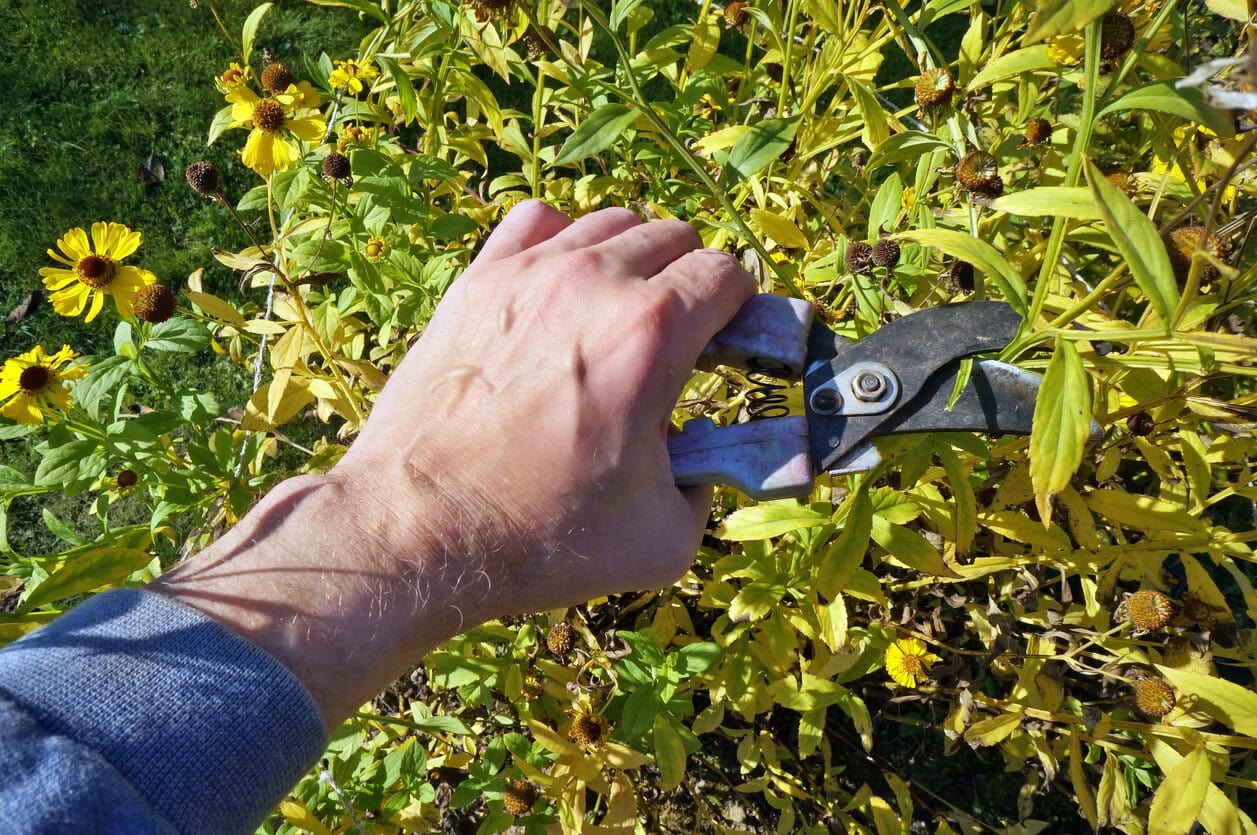
Many beginner gardeners tend to take general guides and outlines a little too seriously when, in reality, they’re lacking context and optionality.
Not all flowers need to be cut in the fall! Some might benefit from it, while others can be left injured and bloomless for many seasons to come. Start applying some context to your situation and figure out if your flowers have even stopped blooming or not.
If you’re unsure what to trim right now, this August pruning guide breaks it down plant by plant.
Also, it’s important to keep in mind that how long these flowers bloom depends mostly on your local frost date.
Flowers That Keep Blooming Into Fall
1: Helenium (Sneezeweed)
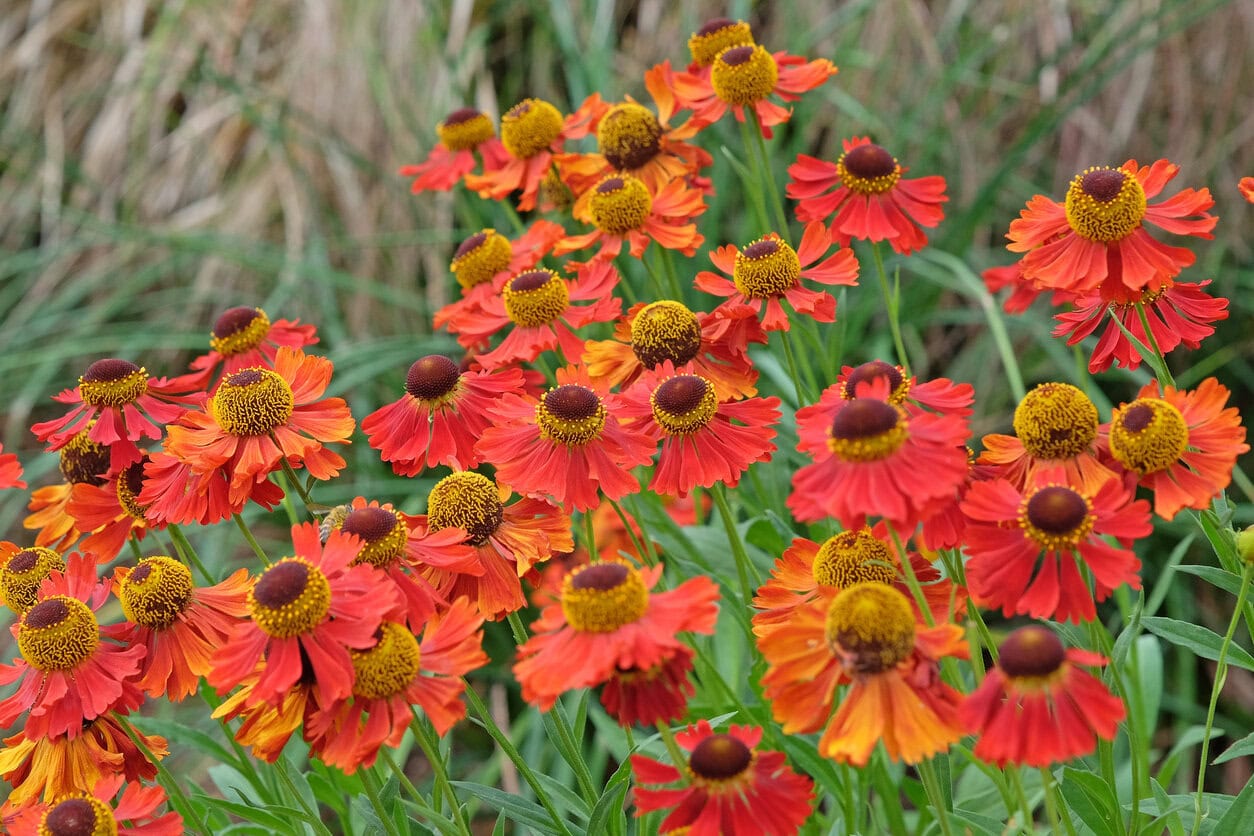
Heleniums have a considerably long bloom period, with flowers lasting from late summer to early fall bloomer in most zones, sometimes even brushing up against the first frost.
The velvety, soft-petaled flowers come in many shades of orange, yellow, and red, making them a solid attraction for pollinators.
Growing tip: Heleniums are best grown in zones 3-9. They must be given plenty of indirect sunlight and moisture to accommodate growth. Deadheading can potentially trigger reblooming and extend the blooming period even further.
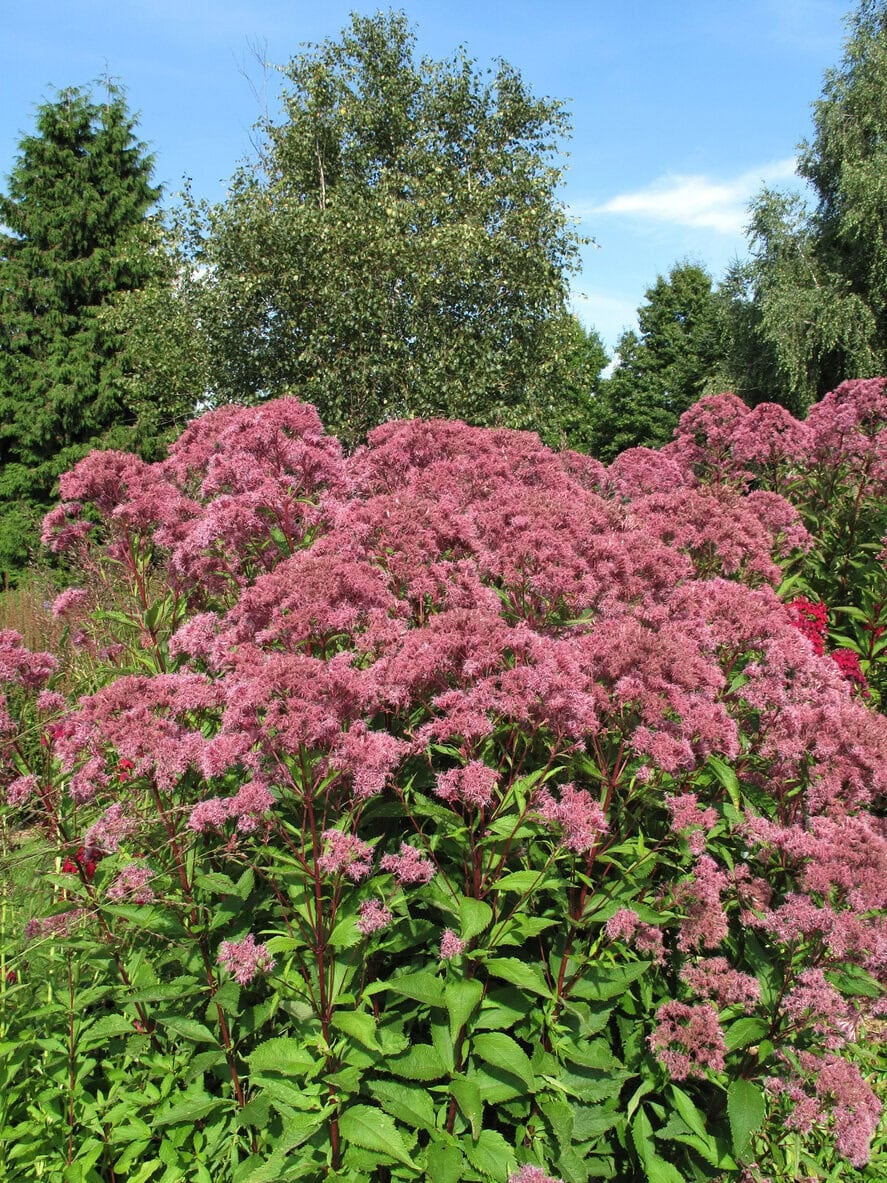
2: Joe-Pye Weed (Eutrochium Purpureum)
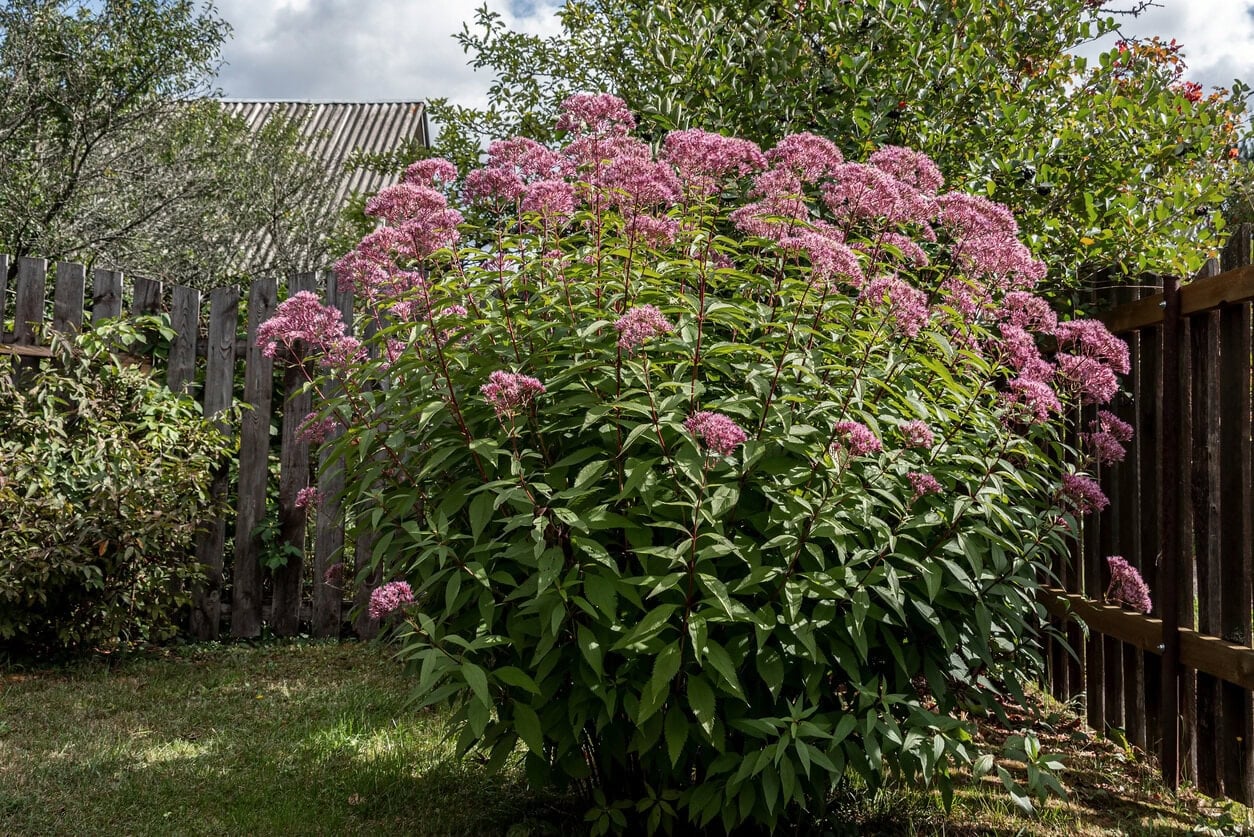
Joy-pye weeds offer tall-growing clusters of tiny flowers mostly in purple and lavender colors. They’re an excellent choice for attracting a large number of pollinators to the garden.
Growing tip: Joe-pye weeds typically do well in slightly warmer zones like 4-9. You can plant them in either full sun or part shade, as long as they’re given sufficient moisture to support optimal growth without drying up.
3: New England Aster (Symphyotrichum Novae-Angliae)

New England asters can be found blooming from September all the way till frost. To me, they resemble the look of daisies and sunflowers combined in various shades of purple, yellow, pink, and white. Believe it or not, these asters are a major source of nectar for monarch butterflies.
Growing tip: Plant these in zones 4-8. They must be given sufficient sunlight throughout the day, and moist, well-draining soil should help prevent dryness.
Initially, New England asters can have very thin and leggy growth, which is why pinching them in mid-summer is important to achieve density and bushiness.
4: Black-Eyed Susan ‘Goldsturm’ (Rudbeckia Fulgida)

Black-eyed Susans are often discussed in my articles as they’re such a well-rounded and awesome perennial. They commonly bloom from mid-summer till the first frost and can fill your garden with deep orange and yellow blooms during that time.
Their seedheads can feed finches in the wintertime! So, leave the seedheads standing through winter.
Growing tip: Black-eyed Susans can withstand various environmental conditions and thus can be planted in any zone from 3-9. They’re drought-tolerant once established firmly in the ground and can be maintained with little to no effort.
5: Coreopsis (Tickseed)

Coreopsis bloom continuously from early summer to mid-fall (especially in warmer zones). Their bright, multi-colored petals attract pollinators in large numbers, and the perennial is known for its ability to self-sow quite well.
Growing tip: Grow coreopsis in mild to slightly warm zones like 4-9. They need full sun and sufficient drainage, as prolonged periods of sogginess can make them very sensitive. Deadhead the perennial to achieve a short-lived reblooming effect.
6: Sedum ‘Autumn Joy’

Sedums typically don’t bloom for very long, and you’ll find them blooming only up to 6 weeks often late August to mid-October. During this time, their flowers go from a slight pink to a deep red color that looks absolutely mesmerizing in the garden landscape.
Growing tip: Sedums can be grown in any zone between 3 and 9. Just give them full sun and fertile soil for growth, and avoid excessive water supply at all costs.
Just like Black-eyed Susan, pollinators love the flat flower heads. So, always remember to leave a few seedheads to dry naturally.
7: Bluebeard (Caryopteris × Clandonensis)

Bluebeard flowers come in deep shades of blue and purple. The small-sized perennial shrub blooms in late summer and fall, offering color and dark contrasting foliage that makes the vibrant flowers stand out even more. The foliage also emits a type of scent that deters deer!
Growing tip: Bluebeards are best for warmer zones between 5 and 9. Cut them back in the springtime to promote blooming on new wood. Also, it’s drought-tolerant and deer-resistant, a win-win!
Bluebeard blooms on new wood, so it’s one of those shrubs that benefits from a good spring cut. Here are other shrubs that need hard pruning before the season starts.
8: Panicle Hydrangea (Hydrangea Paniculata)

Panicle hydrangeas have the softest and most delicate-looking blooms. To me, they are one of my favorites, they are so full of cheerful color. This hydrangea variety blooms on new wood.
Growing tip: Plant panicle hydrangeas in zones 3-9. Give them plenty of sunlight as they’re much more sun-tolerant than other hydrangea varieties.
Trim your panicle hydrangeas in late winter to rejuvenate the plant and ensure fresh blooms come in properly on new wood.
Should I Wait For The Flowers To Finish Blooming?
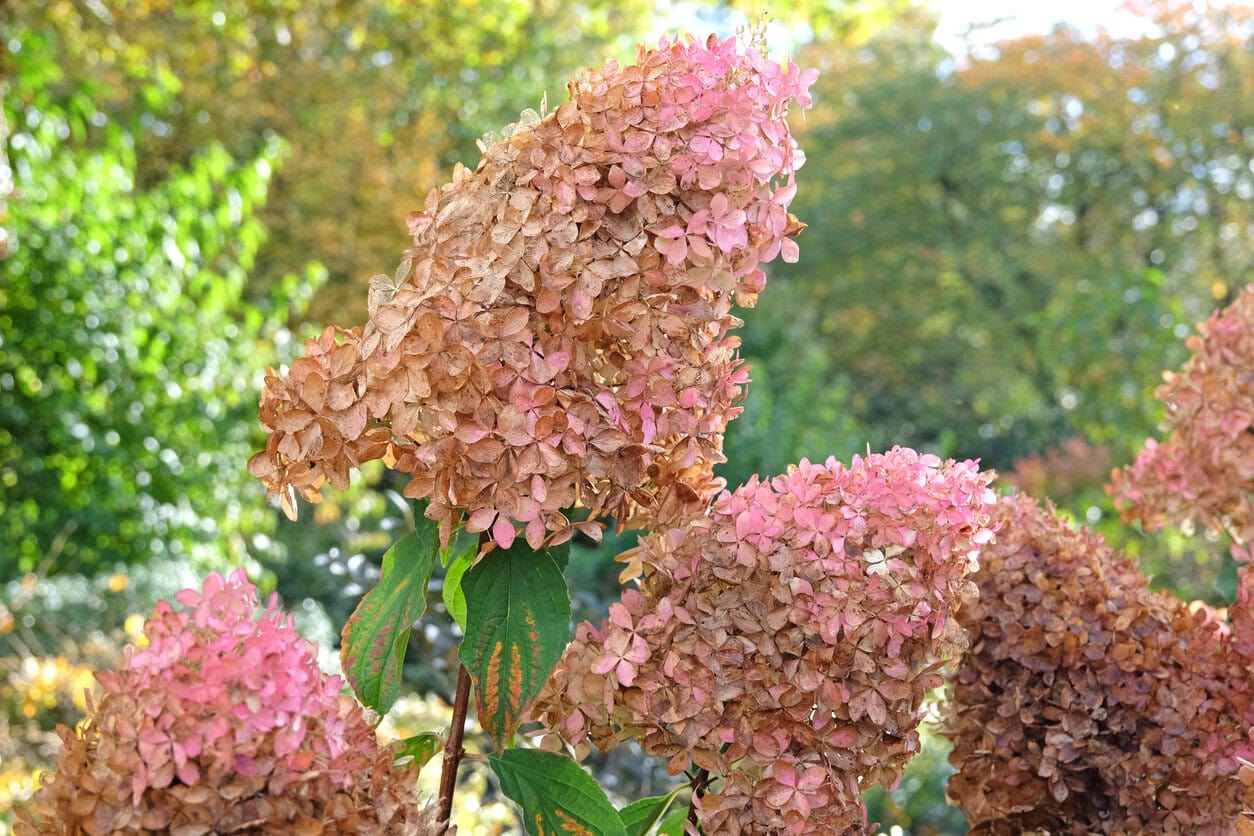
Yes! It’s always a good idea to wait for any flowers to finish blooming before you do anything with them. When you cut back too early, not only are you ruining the display, but also potentially harming next year’s blooms.
Many of the flowers we discussed above (like asters, black-eyed Susans, and sedums) can bloom well into fall and even linger around after the first frost!
Need help figuring out when to trim based on where you live? Here’s the best time to prune hydrangeas by growing zone.
After blooming, Can I Prune The Flowers?
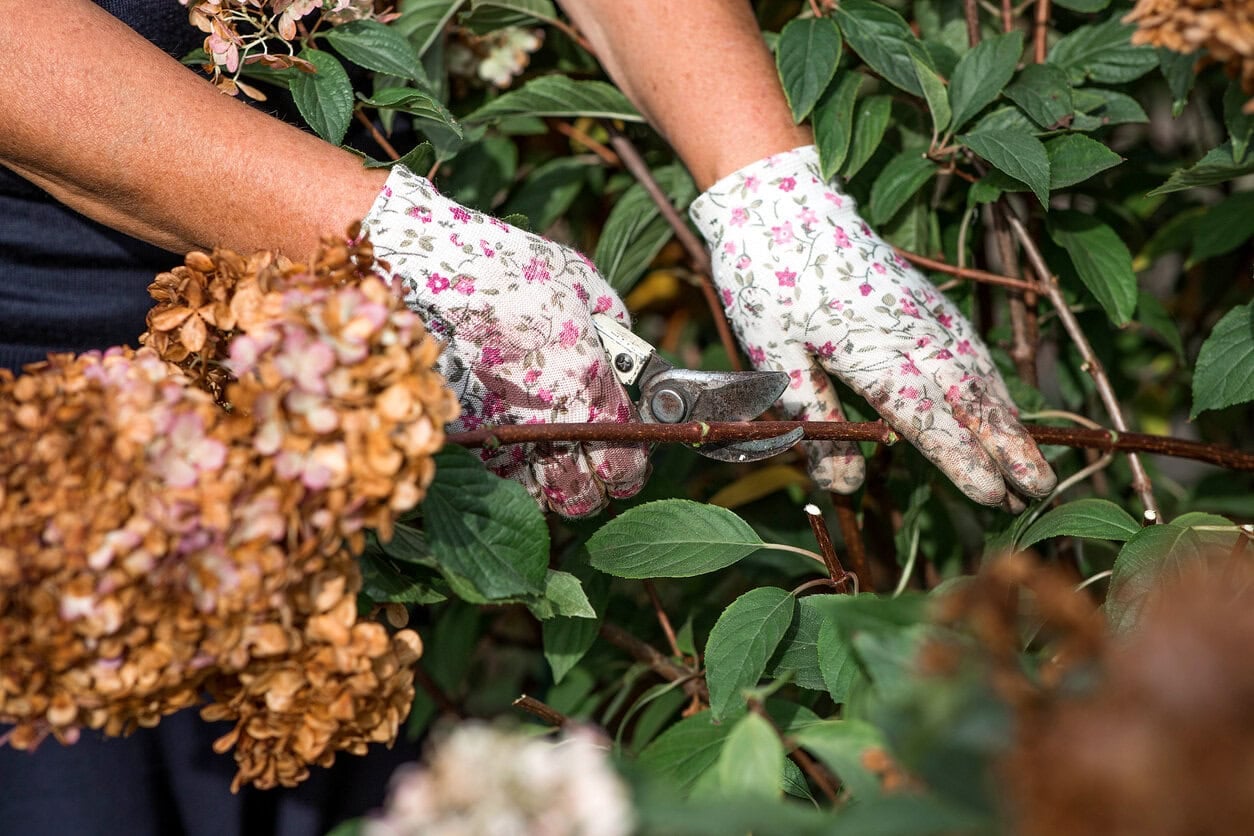
If the plant appears to still be blooming into fall, hold your horses! You’ll risk cutting off fresh buds, and nothing good will come out of it.
Only prune once the flowers begin to fade and the first frost kicks in. Trim down weak foliage and dead stems that could be weighing down your flowering plants.
A harder prune later on in early spring can help with keeping the plants tidy and promoting fresh growth.
A harder prune later on in early spring can help with keeping the plants tidy and promoting fresh growth. Here’s a full guide on what to cut back (and what to leave alone) in spring.
Let’s Conclude

Growing and maintaining flowers can be super fun and annoying at the same time, especially when you’re working with varieties that need you to be extra careful.
Now, if you have any of the flowers we discussed today in your garden, DO NOT pull them just yet, as they’ll likely keep blooming into fall!