
If you think pruning is just a fancy word for yard-based destruction, you’re doing it wrong, or at least, you’re doing it at the wrong time.
March is that awkward teen month when the weather can’t decide if it’s edgy and cold-hearted or bright and bubbly, but your plants don’t have time for the identity crisis and they are starting to wake up. Put on your gloves now, grab your pruners, and separate from the people who merely own dirt.
Before you start cutting everything back, it’s also worth knowing that some perennials should actually be left alone this time of year. Our guide on 12 Perennials You Should NOT Cut Back in March highlights a few plants that prefer to keep their old growth a little longer.
Why Certain Plants Appreciate a Little Off the Top
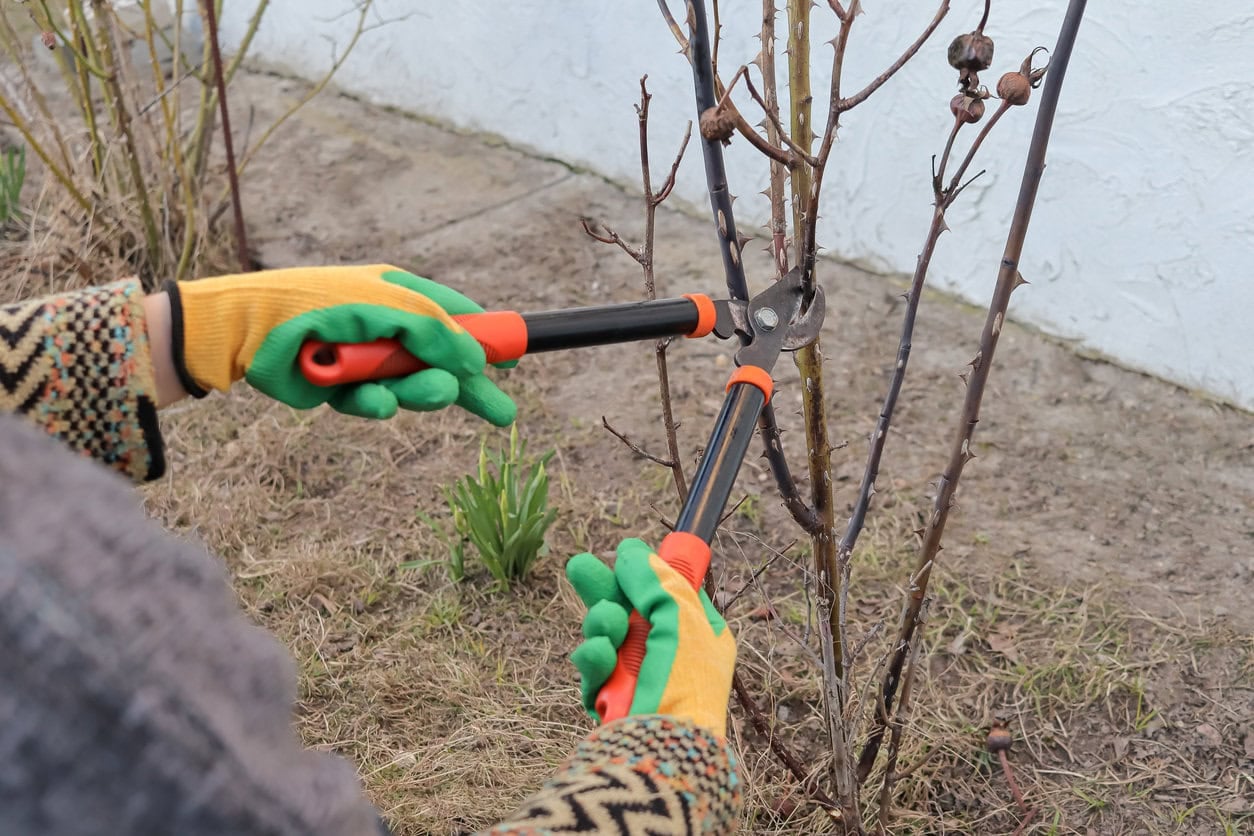
March provides a small window when plants wake up just enough to heal, but not enough to be stressed by heavy growth.
You’re shaving off the dead weight now so the plant can focus on pushing strong new buds instead of wasting energy on weak or damaged branches. I’ve noticed that when I do this in early spring, growth comes in fuller and more balanced.
Removing winter debris means more sunlight reaches the interior. The air can flow freely and, together, help reduce fungal issues once spring rains begin. As a bonus, cuts made at this stage usually seal over quickly, helping protect the plant from pests and disease.
Note: If your garden is buried under three feet of snow right now, I can already hear the Facebook comments forming. Grab some coffee and just wait until the snow melts and you can actually see the plant. Pruning should follow your local weather, not just the calendar, and yes, I did say that.
Ornamentals, Vines, and Perennials

These are the plants that make summer exciting, but March is when I set them up for it. While they’re still mostly dormant, it’s easier to shape them, remove winter damage, and encourage strong new growth before the season takes off.
The USDA zones listed below reflect where March is typically pruning season for these plants. This is a timing guide, not a dare!
1: Knock Out Roses (USDA Zones 6-9)
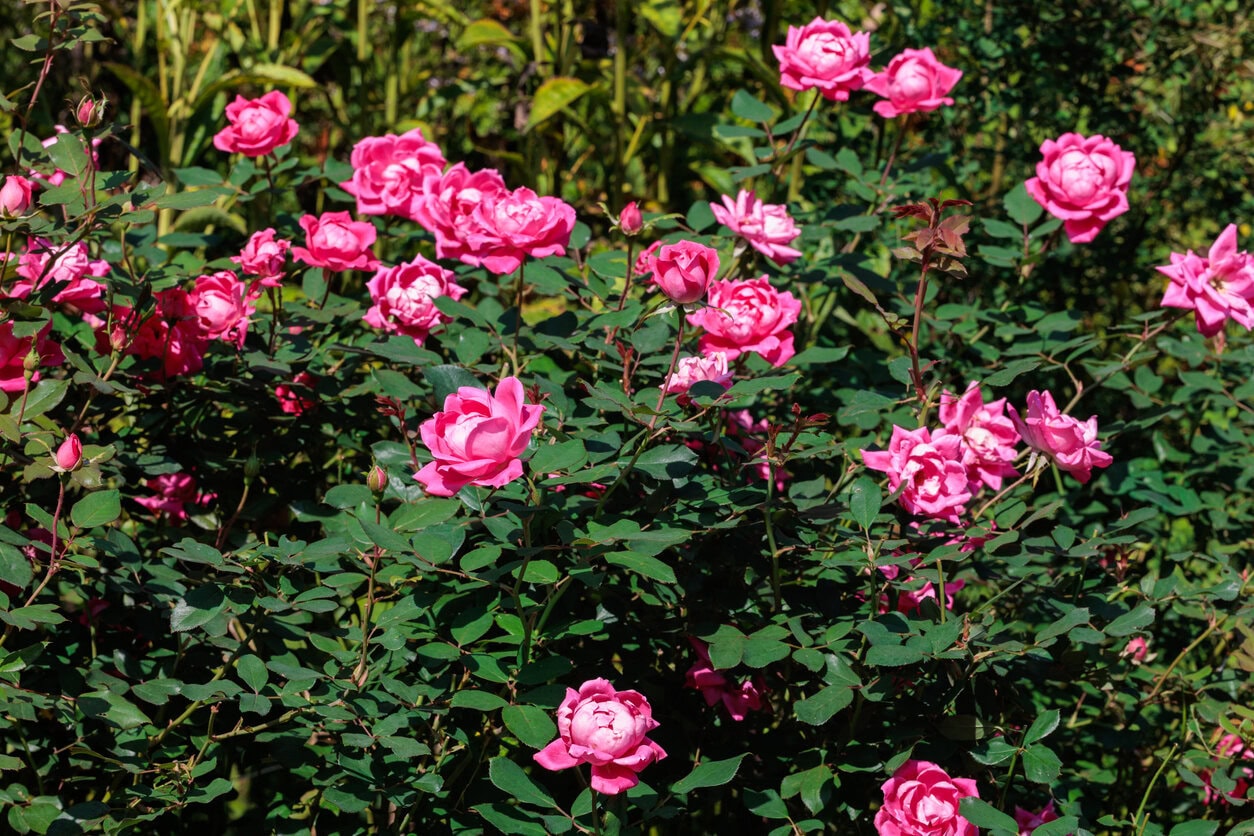
I’ve mentioned pruning roses earlier in the season, but Knock Out roses are especially forgiving and perfect for a solid early spring trim. I like to prune them in late winter or very early spring, just as you start to see buds swelling but before strong new growth takes off.
I usually cut mine back by about one-third to one-half, depending on how wild they got the year before. Removing any dead or crossing canes and opening up the center helps keep them blooming hard all summer instead of turning into a thorny mess by July.
2: Butterfly Bush (USDA Zones 6-9)

Butterfly bush responds beautifully to a hard spring reset. It comes back stronger and absolutely loaded with blooms, which means plenty of winged traffic all summer.
Cut your butterfly bush down to about 12-18 inches above the ground in March to prevent a woody eyesore during the peak flowering season in mid to late summer.
3: Japanese Spirea (USDA Zones 5-8)

Japanese spirea is one of the easiest shrubs to prune, which is probably why I like planting it so much. It blooms on new wood, so an early spring trim actually sets it up for a better show.
I cut mine back by about one-third, sometimes more if it’s gotten leggy.
If the center looks crowded, I’ll remove a few of the oldest stems right at the base to keep the shape compact and encourage fresh growth. Once it leafs out, you’d never guess it got such a haircut.
4: Group 3 Clematis (USDA Zones 5-9)

Group 3 clematis are the easiest ones to prune because they bloom on new wood. That means you don’t have to overthink it.
I cut mine back to about 12-18 inches above the soil, just above a strong set of buds. Without a drastic chop in March, you’ll end up with a tangled mass of old vines and most of the flowers way up at the top instead of covered from the ground up.
5: Wisteria (USDA Zones 6-9)

Wisteria needs discipline, and now is the time to reinforce it. This is the late-winter prune that keeps the vine from swallowing everything in sight.
I cut back last summer’s long shoots to just two or three buds. That’s where the flower spurs form. A ruthless trim keeps the vine under my thumb and produces fragrant clusters that hang exactly where people can see them.
6: Hardy Fuchsia (USDA Zones 7-9)
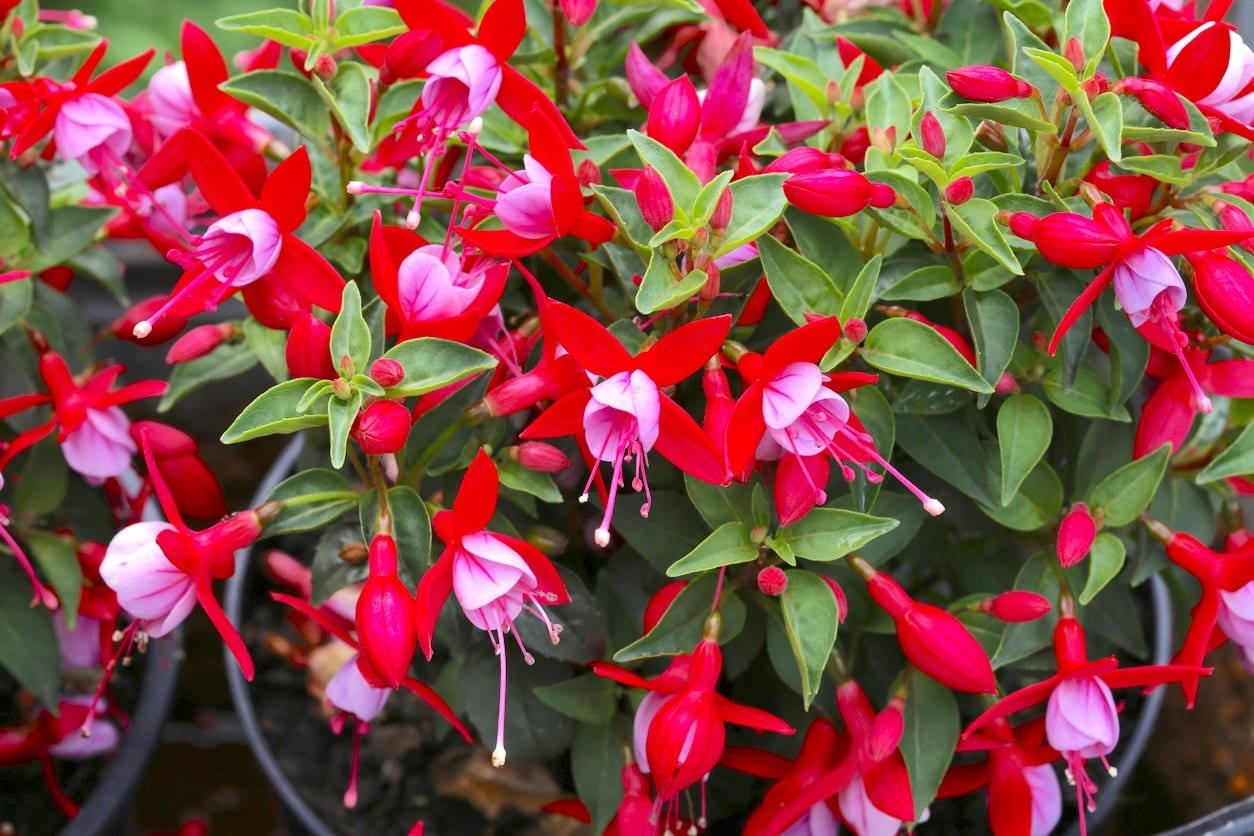
With hardy fuchsia, patience matters. I wait until I see new growth starting at the base before cutting anything back. That way I know exactly where the plant is waking up after winter.
Once that fresh growth appears, I cut the old woody stems down close to the ground. Pruning hardy fuchsia in March is a deliberate delay. It protects the crown from a late frost, ensures I’m not removing viable growth too early, and encourages the plant to send up fresh, strong, flower-packed stems.
Old Wood Bloomers

I keep my shears away from the flower buds, but I focus strictly on the structural health of these three before the leaves hide the problems.
7: Hydrangeas (USDA Zones 6-9)
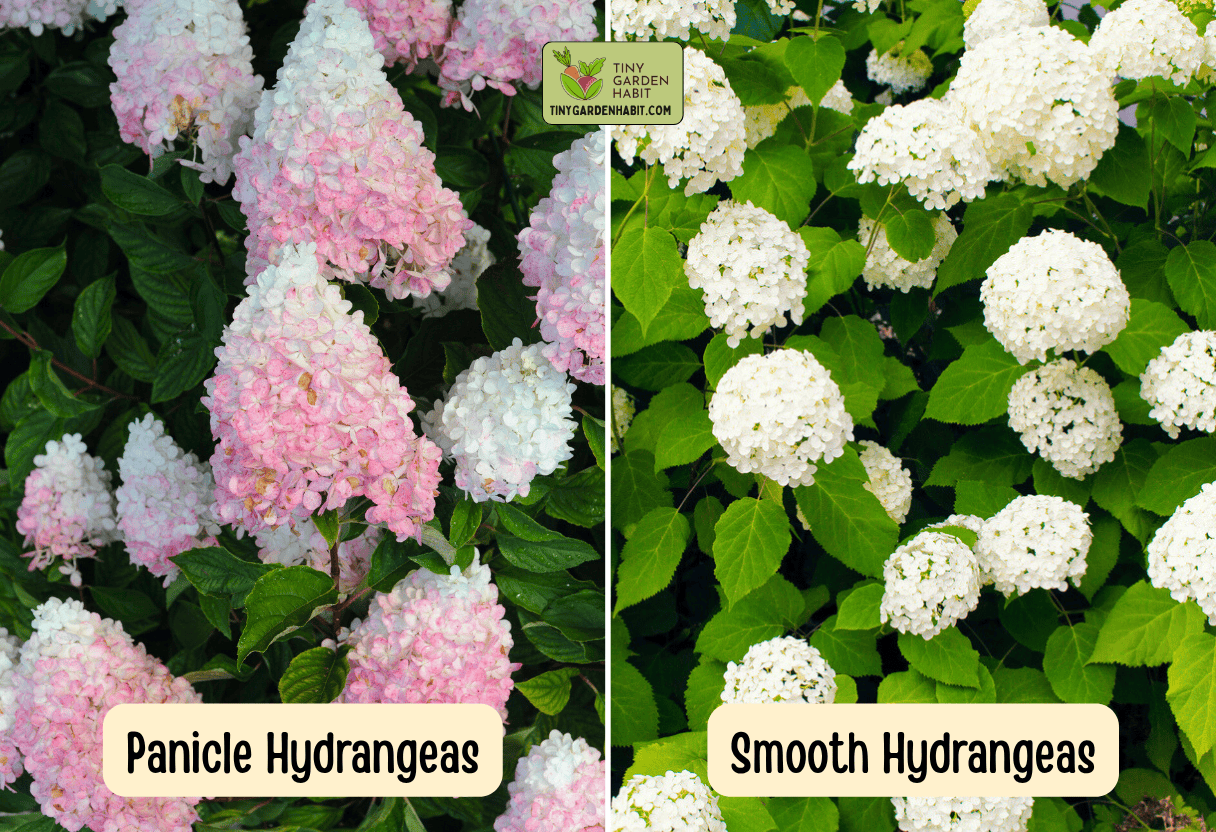
Hydrangeas are where people get nervous, but once you know which type you have, it’s simple.
I cut these new wood varieties back in March because they grow their flowers on fresh stems produced this season:
I keep my shears away from the main structure of these old wood varieties in March. Since they formed their flower buds last fall, any major cuts now would remove this year’s flowers:
Quick tip: If you’re unsure whether a stem is alive, you can always scratch the stem. If it’s green underneath, it’s alive. Brown and brittle all the way through means it can go.
8: Crape Myrtle (USDA Zones 7-9)

Crape myrtles are tough, but they still benefit from smart pruning in late winter or very early spring.
I focus on removing skinny interior shoots and any branches rubbing or crossing through the center. If there are thin, straight-up water sprouts, those go too.
What you don’t want to do is commit “crape murder” by hacking the top off! That only creates weak, awkward regrowth. A thoughtful thinning keeps the structure strong and sets the tree up for those big summer blooms without turning it into a lopsided mess.
9: Dogwood (USDA Zones 6-9)
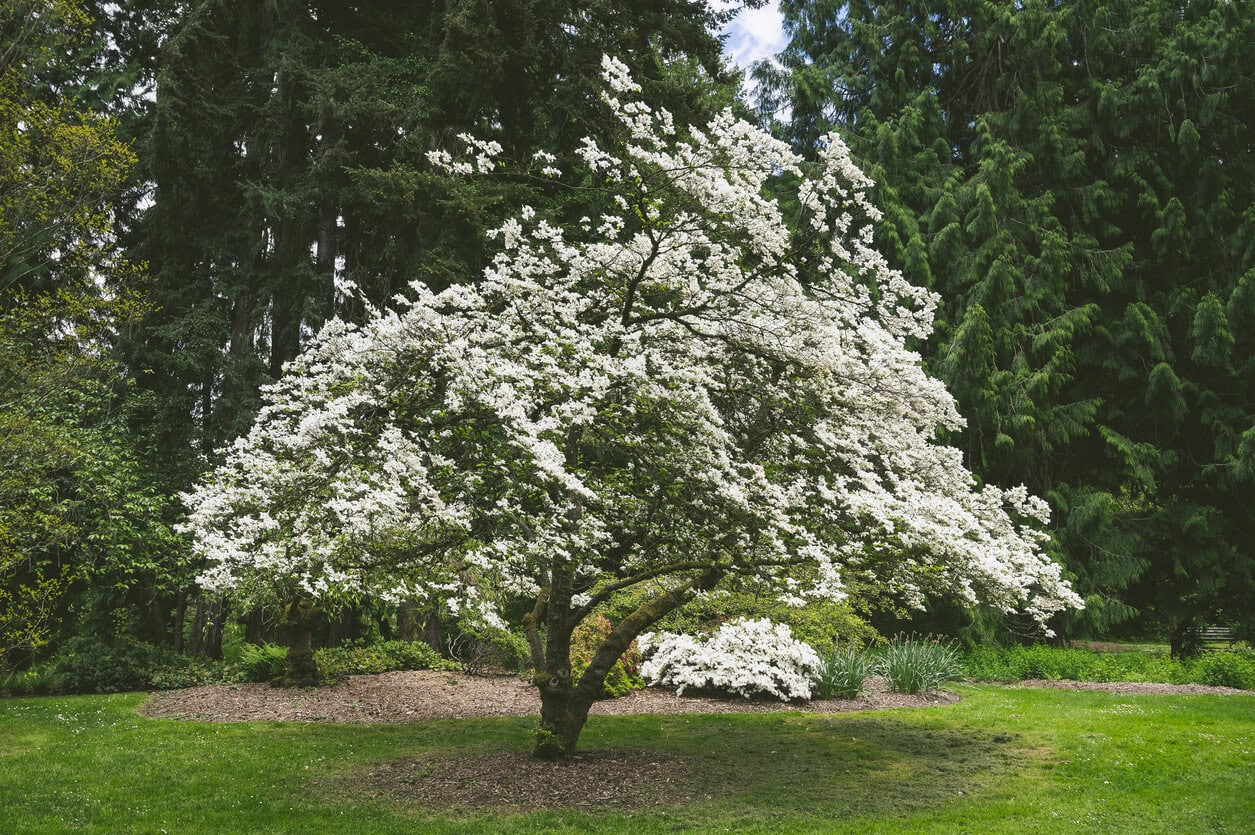
Dogwoods aren’t heavy-prune trees, but March is a good time to inspect them while the branches are still bare.
I inspect the bare Dogwood branches for sunken cankers, dead tips, or any damaged wood from winter. If I find a problem branch, I cut it back to healthy wood or remove it entirely to prevent disease from spreading once humid spring air arrives.
Quick tip: Otherwise, just leave the structure alone. Dogwoods bloom on old wood, so aggressive pruning now would mean fewer flowers.
Orchard Management
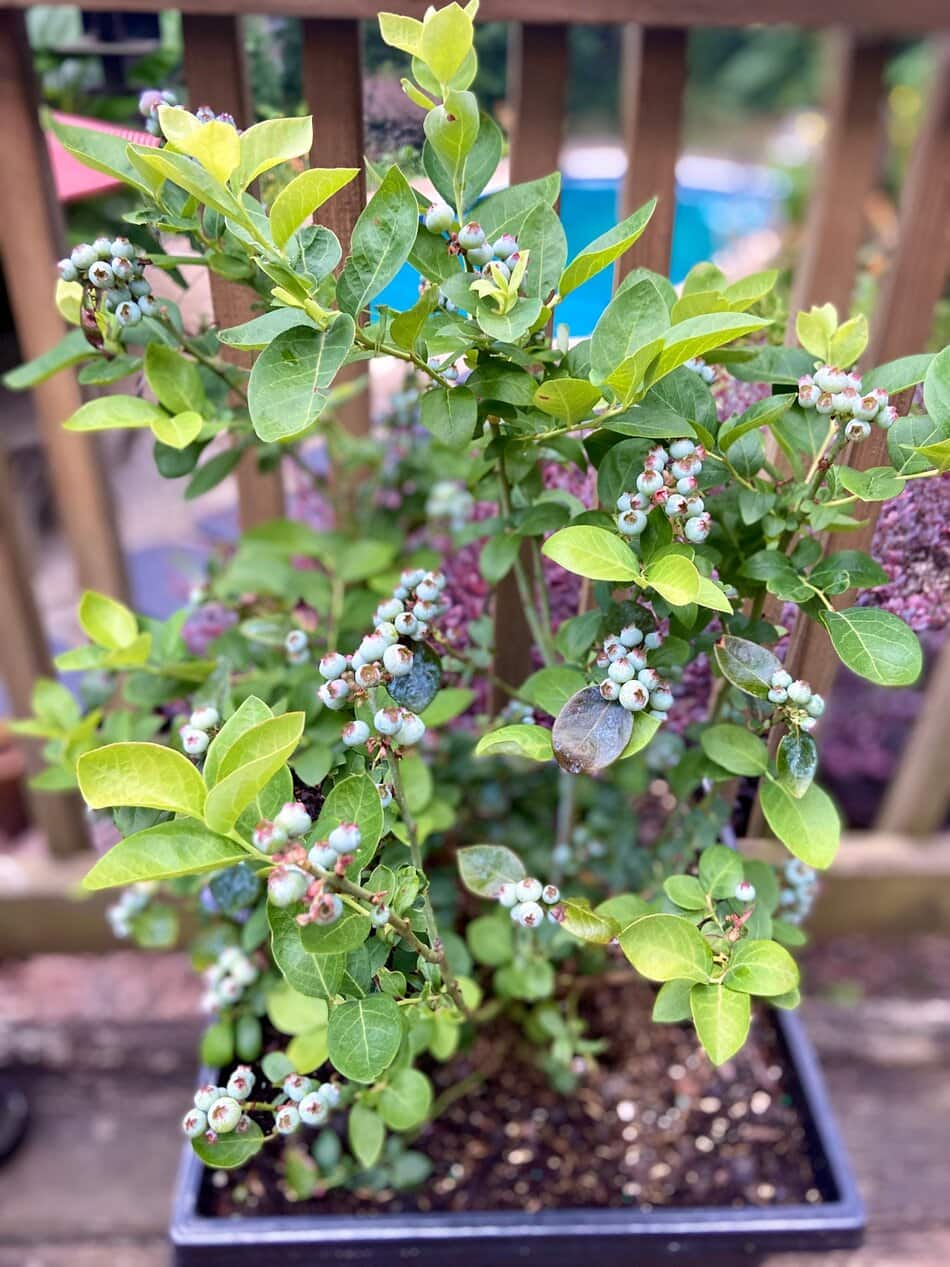
Prune these staples in March while they remain dormant and easy to read. With no leaves in the way, you can actually see what you’re doing.
A golden rule? Stop pruning once you can comfortably throw a cat through the center of the tree.
Disclaimer: Please do not actually launch the family pet. If a metaphorical cat doesn’t get stuck in your tree, airflow is optimal.
Pruning for the Payoff
I consider pruning to be the simplest gardening task ever, and it’s quite fun too (at least for me). There’s no magic or secret hack to pruning well. Make clean cuts and don’t remove more than about a quarter to a third of a tree or shrub at once.
However, if you’re sloppy and reckless, you can do some serious damage to your plants that may even be irreversible.




Prune satsuma tree?
Hi! Yes, you can prune a satsuma tree in early spring! 😊
✂️ Focus on removing dead, damaged, or crossing branches;
🌿 Thin out the interior slightly to let light and air in;
🍊 Avoid heavy pruning. Just shape it gently and keep it open.
This helps promote healthy growth and better fruit production. Happy pruning! 🍊🌿✨
My rose bush has not been growing much . Do you cut or pick off dead buds, and where and how much should you trim on rose bushes.
Hi Patricia! 😊 Yes, you should remove dead buds (deadhead) to encourage new blooms. You can still prune even if leaves have started to grow! Just cut right above the first set of healthy leaves. For general pruning:
✂️ In early spring, cut back about 1/3 of the bush;
🌿 Remove any dead, weak, or crossing branches;
🌹 Always cut at a 45° angle above an outward-facing bud.
This helps boost growth and keeps the bush healthy and blooming! 🌸✨
When Do you Trim flowering pear trees?
Hi Mary! 😊 The best time to trim flowering pear trees is in late winter to early spring, before they start actively growing, but after the coldest weather has passed.
✂️ Remove dead, damaged, or crowded branches;
🌿 Avoid heavy pruning—just shape lightly to maintain structure;
🚫 Try not to prune in late summer or fall, as it can encourage weak new growth.
Pruning now helps keep the tree healthy and blooming beautifully! 🌸🌳✨
When do you prune lilac bushes
Hi Kathy! 😊 Lilac bushes should be pruned right after they finish blooming in spring, usually late spring to early summer.
✂️ This gives the plant time to set buds for next year’s flowers!
🌿 Remove spent blooms, thin out old wood, and shape the bush.
Avoid pruning in late summer or fall, or you might cut off next season’s blooms. 🌸✨
I live near the Gulf Coast. I wish people who post about flowers, plants and trees (how to care for, plant or prune, etc.) would list the zones they are talking about. What works for a plant or tree in Illinois will not work in Alabama or Texas and vice versa.
I’m dismayed to see so many non-native invasive plants on your list such as wisteria and butterfly bush. I hope you’re consider making planting natives as a part of your regular column. Thank you.
Prune Butterfly Bush to stubs you can grab, dig it out. It’s invasive, spreads readily, alters ecosystems, displaces beneficial natives.
Hi Andrew 🙂 I understand your concern. Butterfly bush can be invasive in some areas, so checking with your local extension office is smart. In places where it spreads aggressively, choosing a native alternative is definitely the better option.
How about Azalea & Hibiscus?
Hi Lynn 🙂 Azaleas are best pruned right after they finish blooming, since they set next year’s buds later in the season. Hibiscus depends on the type, but hardy hibiscus can usually be cut back in late winter or early spring, while tropical hibiscus is better trimmed lightly once warm weather is steady.
Hi, when would be best to trim a Magnolia Tree? We live in Idaho where the weather changes to the extreme in all directions. Thank you for any advice you can offer.
Hi 🙂 For magnolia, I’d prune lightly right after it finishes blooming, not in late winter or early spring. They don’t usually need much pruning, so I’d stick to removing dead, damaged, or crossing branches, especially with Idaho’s unpredictable weather.
What about zones 10a and 10b?
Hi Terry 🙂 In zones 10a and 10b, March can already feel like spring or even early summer, so I’d be careful with heavy pruning. Go by the plant, not just the month. If it has already leafed out or started blooming, wait and prune after flowering or do only light cleanup.
Hi, I believe I got carried away on pruning my dwarf crate Myrtle yesterday (3/6/26). I cut it back leaving just 4-5 feet of the trunk. Do you think I killed it or will i see new growth coming from the cut area. Thanks
Hi Melvin 🙂 You may not have killed it, but that was a hard cut for a crape myrtle. I’d wait and watch for new growth as the weather warms, but avoid cutting more for now. Next time, it’s better to thin crossing branches and suckers rather than cutting the trunk back that far.
What about a Rose of Sharon Hibiscus?
Hi Michelle 🙂 Rose of Sharon hibiscus is usually pruned in late winter or early spring. I’d remove dead or weak stems first, then shape it lightly before it starts putting on fresh growth.
When should Rose of Sharon bushes be pruned?
Hi Sue 🙂 Rose of Sharon can be pruned in late winter or early spring before new growth really takes off. It blooms on new wood, so light shaping or thinning at that time usually works well.
When should I prune my flowering cherry blossom trees?
Hi Donna 🙂 Flowering cherry trees are usually best pruned right after they finish blooming. Keep it light and focus on dead, damaged, crossing, or crowded branches so you don’t remove next year’s flower buds.
Shi shi camillas in South Georgia?
Azaleas in South Georgia?
Thanks
Hi Tom 🙂 For South Georgia, camellias and azaleas are usually pruned right after they finish blooming. That way you can shape them without cutting off the buds they’ll make for next year’s flowers.
When should I trim back my bougainvillea’s?
Hi Dixie 🙂 Bougainvillea is usually best trimmed after a bloom cycle, once the flowers fade. In warm areas, you can do light shaping through the growing season, but avoid a hard cut right before cold weather.
Can you top an Avocado tree?
Hi Nancy 🙂 You can reduce the height of an avocado tree, but I wouldn’t “top” it hard all at once. It’s better to prune gradually, remove dead or crossing branches, and shorten tall growth lightly so the tree isn’t shocked.