Rose care in the fall is a thorny subject. If your rose had its way, it would probably whisper, “I’ll never let go, Jack. I’ll never let go”.
Should you, by chance, prune incorrectly, you will soon feel like you are standing in a crowded room, screaming at the top of your lungs, and no one even looks up. And that’s fitting, btw. After all, your precious future blooms will sink like the Titanic, all because you were not paying enough attention.
Why We Prune, and When

I can’t decide what is worse: over-trimming the bush or simply letting it overgrow. That’s why knowing the primary purpose of fall pruning is so important.
It is to control damage and provide protection, not hard pruning! You are not shaping the shrub for next year’s photoshoot, but preventing wind damage and disease.
When is “fall” exactly? The ideal moment is when the rose begins to show signs of fatigue. That is, after the first light frost but still well before a hard freeze hits. Never start trimming too early.
An untimely snip tells the plant to “Go! Go! Go!” while instead you need to “Get out of there, it’s gonna blow!”
If you’re wondering which plants should be completely left alone right now, you might want to check out plants you should never prune in fall. It’ll save you from a few heartbreaks next spring.
Who Gets the Tidy-Up?

Before winter brings its chilly ending, your roses need an edit. Fall pruning is purely damage control. It is a terrifying dance between tidiness and bloom-killing destruction. Time to get shear-ious about this.
The Cleanup Crew (Universal Cuts)

These canes get the universal snip regardless of the rose’s variety:
In case you never saw a rose with crossed canes, it’s because it was afraid of getting cut from its very own family tree.
If you like to garden with wildlife in mind, you’ll also love this one on plants not to cut in fall (birds need them for winter).
The Towers of Power (The Big Choppable Targets)
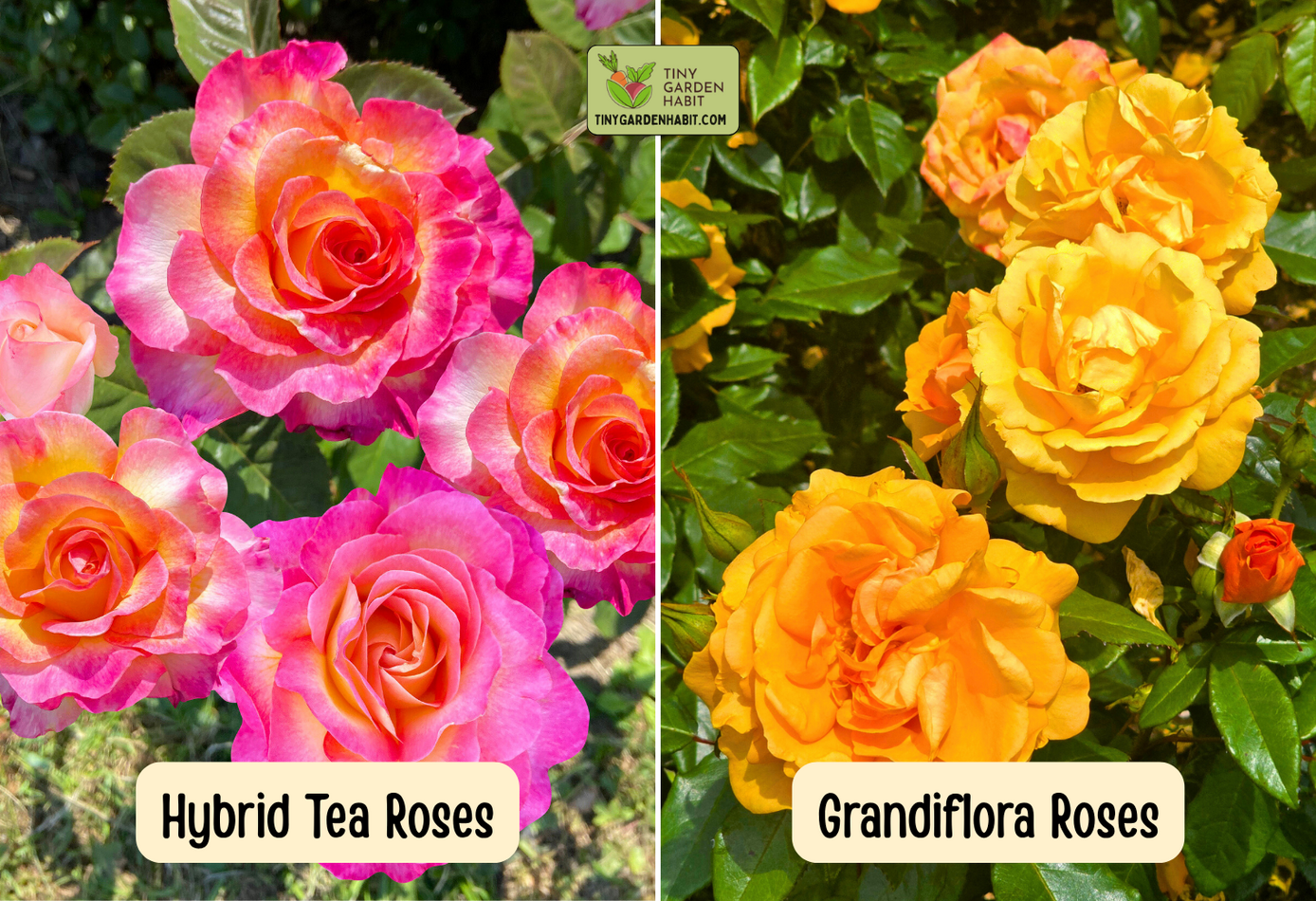
Next, address the tall roses that get easily damaged by heavy snow or wind. These are your biggest targets for a light trim:
After all, if the roses get too tall, they all start wanting to be “King of the World” right before the ship goes down.
Back Away From the Bush!
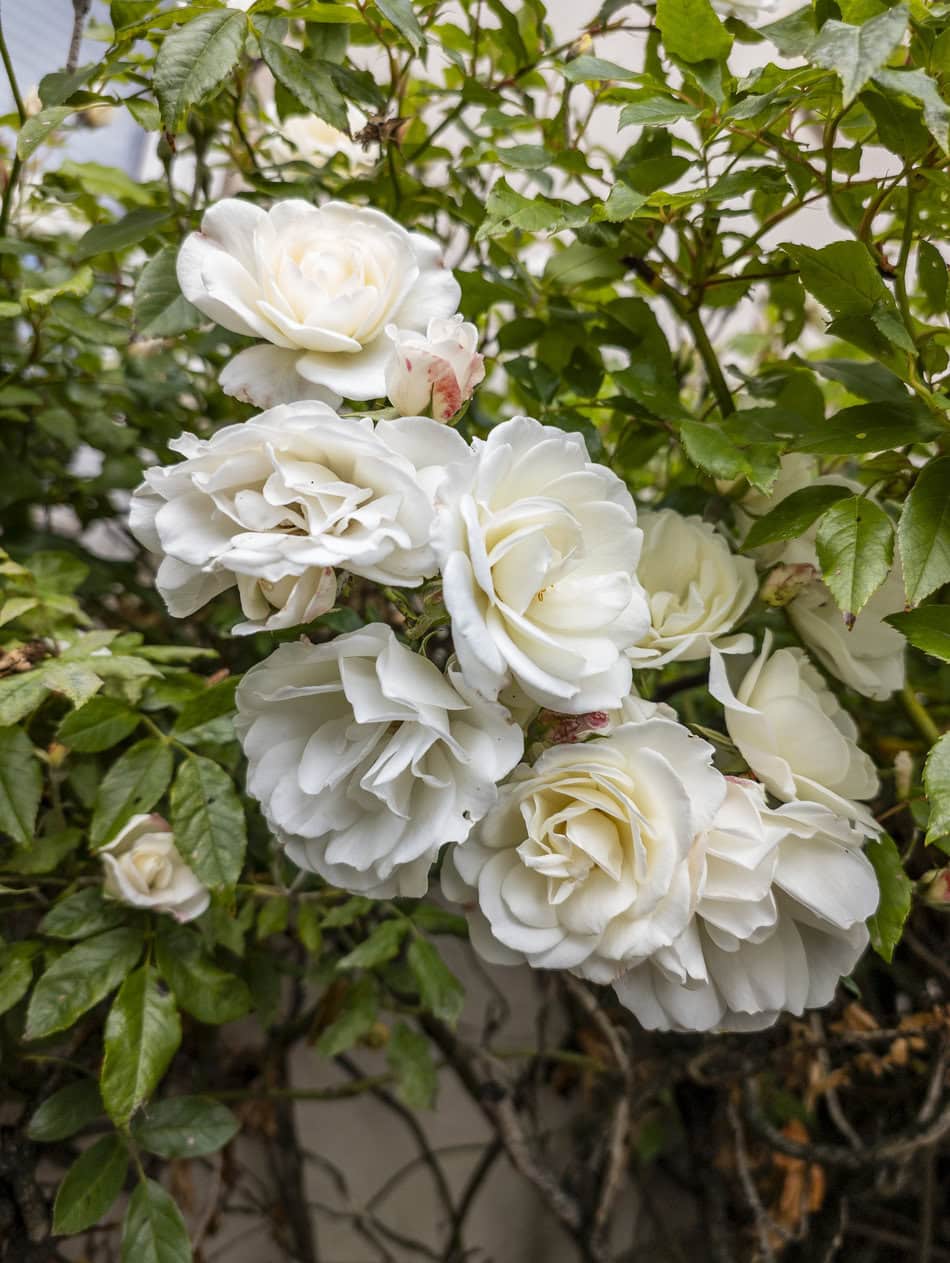
Certain popular varieties bloom exclusively on old wood. It means that cutting them back now is the fastest way to sabotage them, throwing away next season’s flowers. Save the serious haircut for early spring for these touchy types.
If you’re unsure about how far to take deadheading, this guide on how to deadhead roses for more blooms walks you through the timing and cuts that keep your bushes blooming strong.
Climbers and Ramblers

The number one rule-breakers are climbing and rambling roses like ‘Iceberg’ Climber or the stunning ‘New Dawn’. Do not aggressively prune the main, thick, established canes on these varieties now.
They rely on this strong structure to produce the side shoots that will flower next year. The only exceptions are necessary cuts following the “3 D’s” rule and lightly taming any wildly long canes that could snap off in the winter wind.
If you like experimenting with natural care, here’s what gardeners say about using coffee grounds on roses. Spoiler: it’s not always the miracle fix it’s made out to be.
Shrub and Old Garden Roses
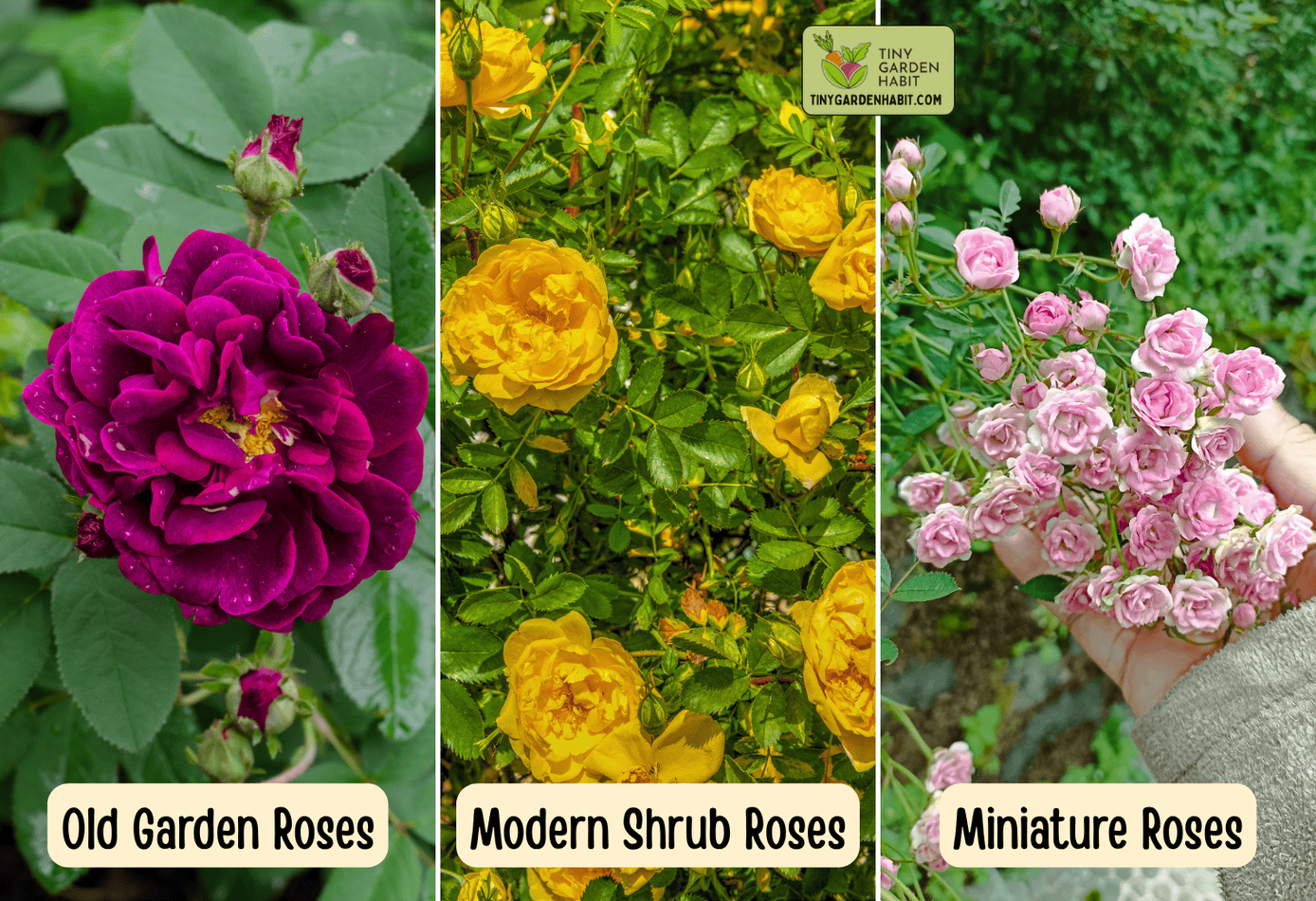
Many heritage types thrive on minimal interference, including classic Old Garden Roses (such as the ancient Centifolias or the fragrant Bourbons), and modern Shrub Roses like the famous Knock Out series.
A heavy pruning now is sacrificing an entire year’s worth of flowers for many of these varieties, since old garden types set their blooms on wood that’s already formed by fall. Even modern shrubs like Knock Outs prefer to be left alone until early spring.
You can perform a small protective trim if they are so tall that heavy snow is an actual threat. Reducing their overall height by about one-third is quite enough.
Finally, leave Miniature Roses alone. Being such compact cuties, they’re already low-profile enough to handle the harsh elements without any fall shearing.
Once spring returns, timing your feeding is key. Here’s a quick guide on when to fertilize roses for thriving blooms.
Cane Pruning Blunders That Will Be Their ‘End of Days’
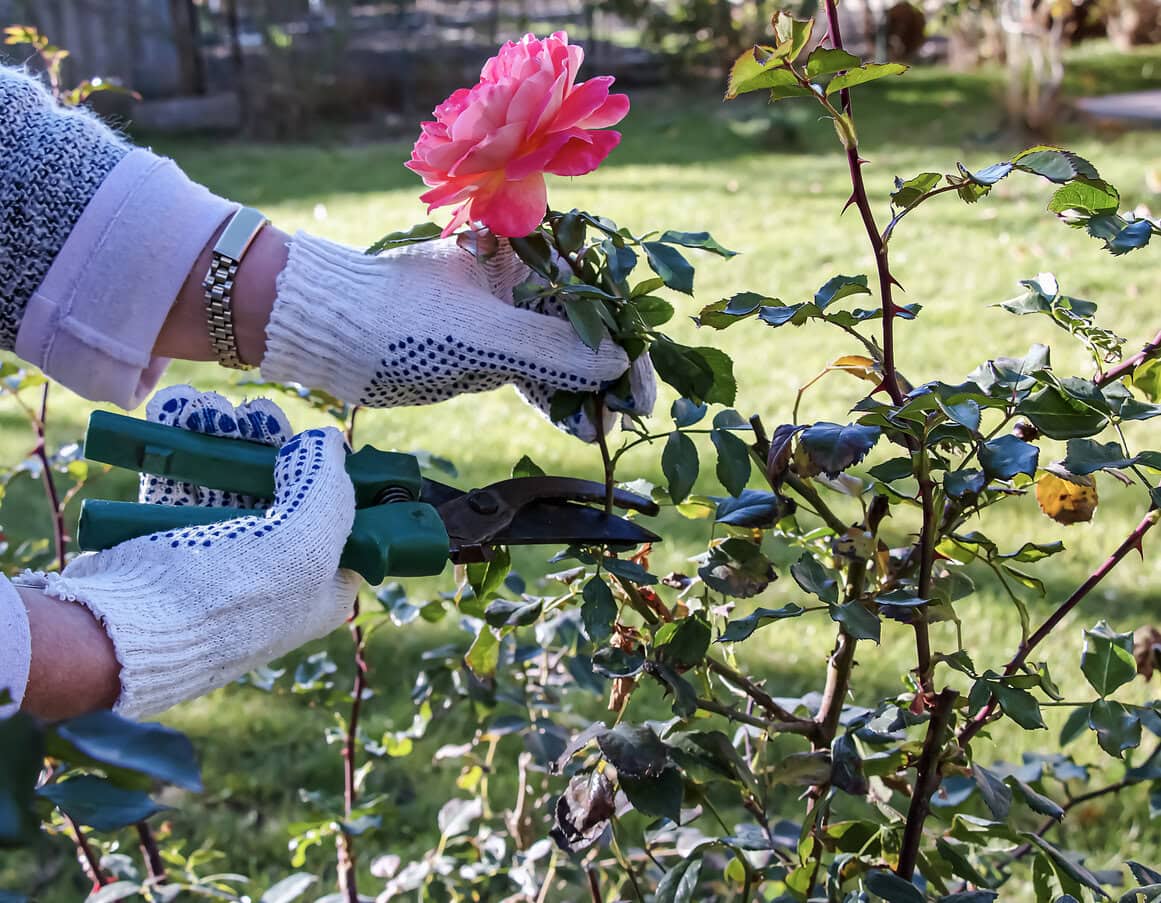
I do not believe the meager blooms are what you envision, so pay attention.
Do avoid these flaws, and your reward will be a rose so happy to shout “Jack, I’m flying!”
And once your roses finish blooming next year, here’s what to do next: cut back or leave alone: what to do with roses after they bloom.