The truth is, while many dream of a full and abundant garden, not nearly so many actually want to work for it. There’s one thing you should do at the very beginning as an aspiring gardener. You need to clarify your garden’s purpose.
Does it exist as a full-time job, or as a spectator sport? If you lean toward the cheering section, you’re Team Perennials. The Old Reliables of the world flora that return every spring without sending a single RSVP. They do not need your life story. Just the sun and perhaps a loving word of praise.
The 10 Bloomin’ Miracles

Meet the true lords of the laze and ladies of the lush lethargy, the majesties of low-to-no-effort gardenship who require almost no service from you.
1: Daylily

Behold the queen of zero demands. So utterly undemanding, it actively mocks anything you try to do for it.
Skip a month of watering? Fine. Forget it exists entirely? It’ll just produce thousands of bright blooms out of spite. Just plant the day-m thing in the sun. It’s an aggressive self-starter that offers a ROI so high, it should be illegal.
If yours slows down a bit midseason, here’s how to encourage repeat blooming in daylilies, it’s easier than it sounds.
2: Coneflower
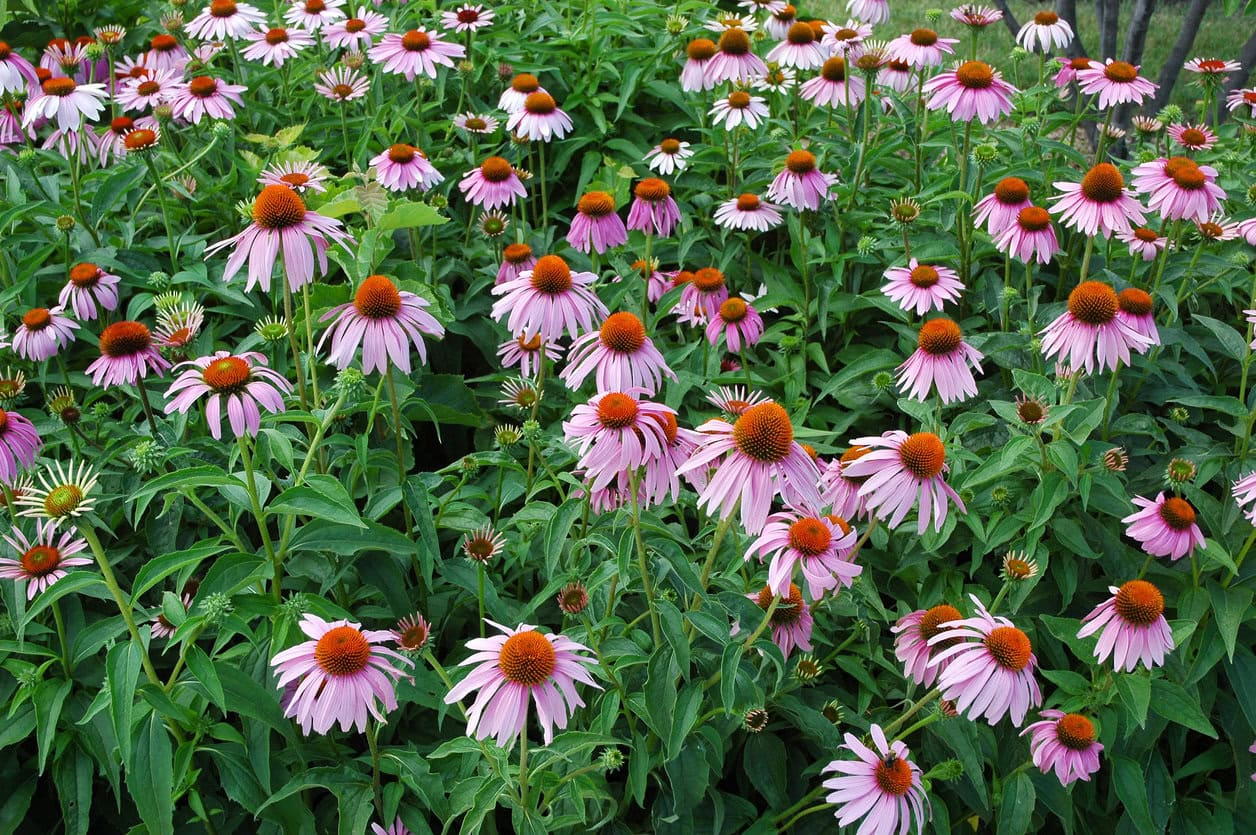
It is the model “I told you so” plant. Once it’s established, the coneflower handles drought and high temperatures like a Sicilian grandma. It stays standing, looking utterly pristine, when all your expensive annuals have collapsed.
Leave the dead seed heads standing. The goldfinches will eat some, and the plant will reseed itself with the rest.
For more on keeping those blooms tidy without overdoing it, check out the coneflower deadheading guide, it shows exactly what to cut and what to leave for the birds.
3: Coreopsis
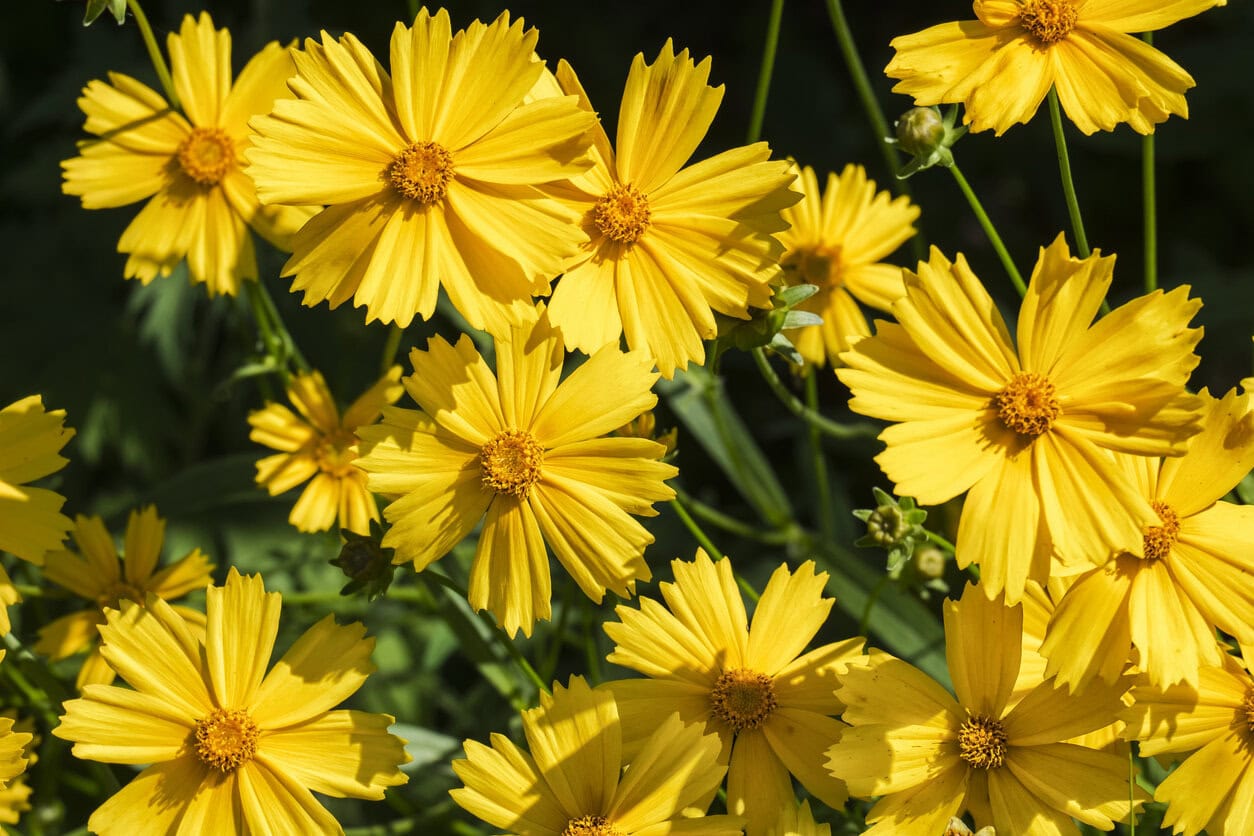
Do you (not so) secretly despise high-maintenance blooms? You’ll adore this one. It’s genetically engineered to be relentlessly happy, pumping out color from early summer until the moment frost intervenes.
Give it a swift mid-summer trim, and it’ll immediately start blooming again, because apparently, it has no off switch.
4: Sedum

Welcome to the pinnacle of plant laziness. Because it stores water in its chunky leaves, the sedum only requires moisture during the rare apocalypse. Just give it a bit of water the first year while it settles in, after that, it’s basically on autopilot forever.
You could move to a different continent, and it would probably still put on its late-season show. But for heaven’s sake, do not fertilize it. Lean dirt keeps it from getting leggy and looking like ’90s models.
You might also like these easy-care plants for garden borders that thrive on neglect, all the same lazy-day energy in one list.
5: Shasta Daisy

The daisy is the classic yet tough flower that refuses to join in the garden drama. It’s what you get when low effort meets high returns.
You just have to set it in a well-drained soil and pluck off the dead flowers. Manage this task and the Shasta will reward you with a daisy-ling amount of perfect blooms.
6: Creeping Phlox

Phlox and behold, a pretty weed deterrent. It solves two problems by simply existing. This low-growing genius creates a dense carpet of pink, purple, or white spring color all the while smothering weeds you both hate. It does all the dirty work for you in exchange for a sloped terrain or a retaining wall.
And just so we’re clear, we’re talking about the low-growing Phlox subulata here, the spring carpet kind, not the tall drama queen that shows up in midsummer.
7: Yarrow

Got a hot patch of dirt where everything else instantly dies of thirst? Yarrow doesn’t care. It thrives on negligence, providing handsome color and textural foliage through the entire miserable summer.
Just be selective; choose a hybrid like ‘Moonshine’, ‘Coronation Gold’, ‘Paprika’, ‘Terra Cotta’, or ‘Strawberry Seduction’, because the wild type is frankly too busy sprawling to look decent.
And if you want even more low-effort overachievers, take a peek at perennials that thrive for decades & bloom every year.
8: Bleeding Heart

This one’s the most polite, albeit antisocial, plant you’ll ever own. It delivers heart-shaped flowers in the spring and then—poof—it vanishes completely (goes dormant) when the temperature rises. No tedious summer care! Plant a hosta next to it so something else can fill the space it leaves behind.
If you’re craving even more hands-off beauty, here are flowers that practically deadhead themselves, they really do make gardening feel like a spectator sport.
9: Catmint
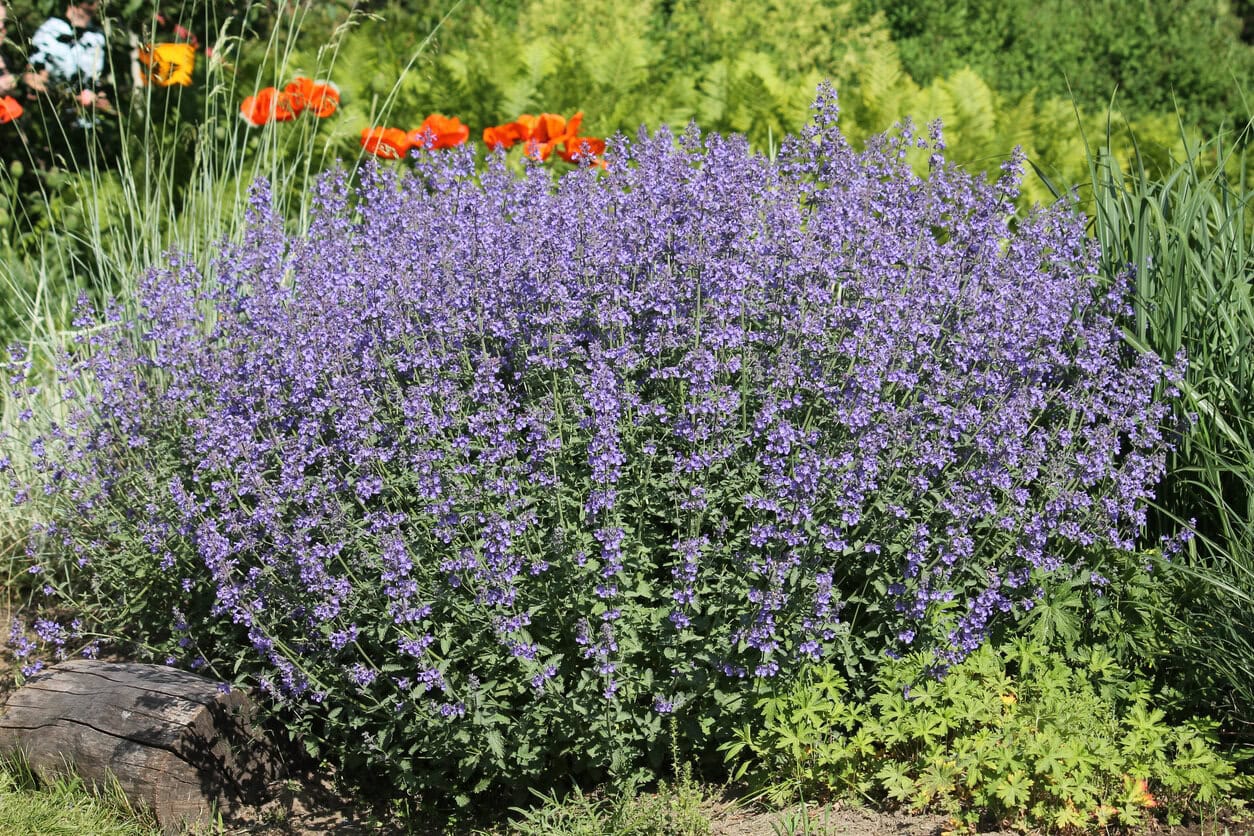
The fuzzy marvel is nature’s perfect fence: bees love it, but deer and rabbits actively find its scent offensive. It tolerates any soil and any level of sun with zero complaints.
Wait for the first wave of lavender-blue flowers to fade, then simply shear back by half to force an immediate, impressive second bloom.
10: Peony

It’s the definition of legacy laziness. It can genuinely live and bloom gloriously for over a century with absolutely no assistance. It has one weird request for success, though. Plant the root’s red “eyes” no deeper than two inches. Fail this one direction, and you get great foliage but zero flowers. No mercy.
When the season ends, here’s a quick guide on peonies in fall: cut back or leave standing through winter so you don’t second-guess your cleanup.
Your Final Excuse to Do Nothing

And if you’ve ever wondered why some perennials don’t come back as strong as they should, this piece on mistakes that keep your perennials from coming back stronger each year might save you a few headaches later.
You need a secret weapon that does the work for you called a thick blanket of organic matter. It’s like having a silent butler who cuts your watering duties, suppresses wretched weeds, and keeps the soil perfectly cool.
Beyond that genius move, the only other thing you’ll need is a massive dose of patience, because you simply must wait it out for at least two full years. Don’t be an annoying helicopter gardener!
Just relax, and remember the perennial’s chant: the first year they barely sleep, the second year they finally creep, and the glorious third year is when they truly leap.