Congrats on surviving winter. Just please don’t celebrate by decapitating your dormant stalks and back away from the garden shed. March a way of tricking beginners into premature pruning. Don’t let a few warm days fool you.
In my experience, waiting a little longer is often the difference between a thriving comeback and a stressed plant. Your yard needs a bodyguard right now, not a barber.
The Logic Behind the Laziness

Nature doesn’t keep dead stalks around just to spite you. Most of the time, that “mess” is doing an important job. Every plant on our list has a motive for staying messy a little longer.
Keeping your shears in the holster ensures these biological systems stay intact until the weather truly warms up.
And if you’re itching to prune something without ruining your blooms, we explain which shrubs are actually safe to cut back before spring growth starts.
Twelve Reasons to Stay on the Couch
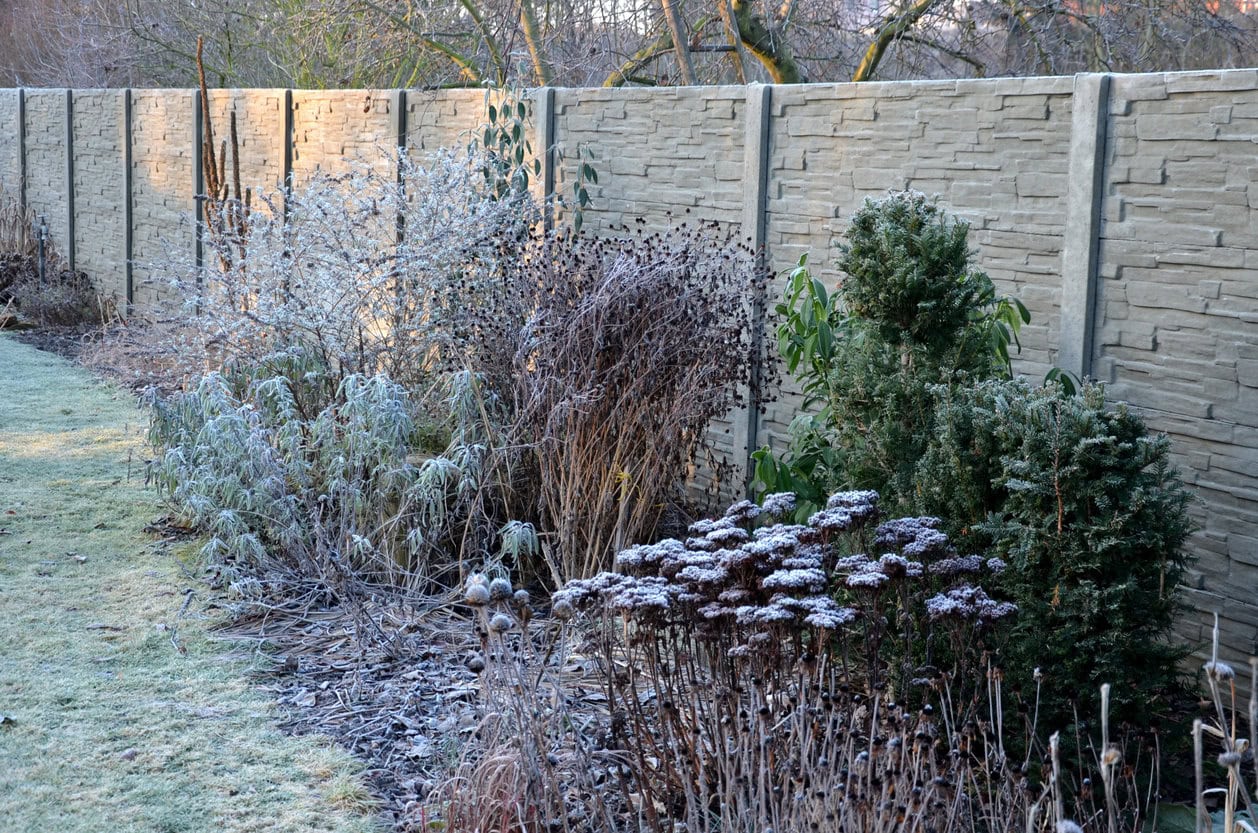
Consider this list as a restraining order against your inner perfectionist. I know the urge to tidy up is strong. I feel it too every spring. But for now, the best thing you can do is keep these twelve safe… from yourself.
Spring-Blooming Woodies and Perennials

These guys already packed their bags and set their blooming plans last autumn. Their flower buds are sitting patiently on existing growth, so your “helpful” pruning is nothing more than sabotage.
1: Lenten Rose

Tattered leaves act like a windbreaker through winter and should remain in place until nodding flowers finally arrive. Snapping off the old guard prematurely exposes the sensitive new buds to a late-winter slap.
In my garden, I wait until the flower stalks are clearly rising before trimming away the worst of the old foliage.
2: Creeping Phlox

Flowers for this groundcover were pre-ordered months ago and packed into the stems last fall. A spring haircut is just a sweaty way to throw your May color show straight into the compost bin.
I don’t touch creeping phlox until after it finishes flowering. Once the spring color show is over, you can trim it back lightly to keep it neat and encourage fuller growth.
If you love plants that show up and bloom without much effort, we also shared a few flowers that practically take care of themselves.
3: Bleeding Heart

This Victorian darling collapses if you look at it too hard. The old stems are fragile like we spaghetti, and the crown underneath is easy to disturb while it’s still waking up. So keep your clumsy boots and sharp tools far away from the plant. You’d better not distress the crown.
With bleeding heart, I wait until fresh shoots are clearly visible before cleaning up any truly dead stems. After flowering, the foliage will naturally yellow later in summer, that’s the right time to cut it back if needed.
Ruin a woolen sweater on a hot cycle if you’re feeling destructive, but keep the shears away from this group!
The Solar Panels and Safety Blankets

Green leaves on these winter survivors act like built-in batteries. Even when a plant looks tired, that foliage is still helping store energy and shield the crown. Pruning them too early just cuts the power line right before spring growth begins.
4: Coral Bells
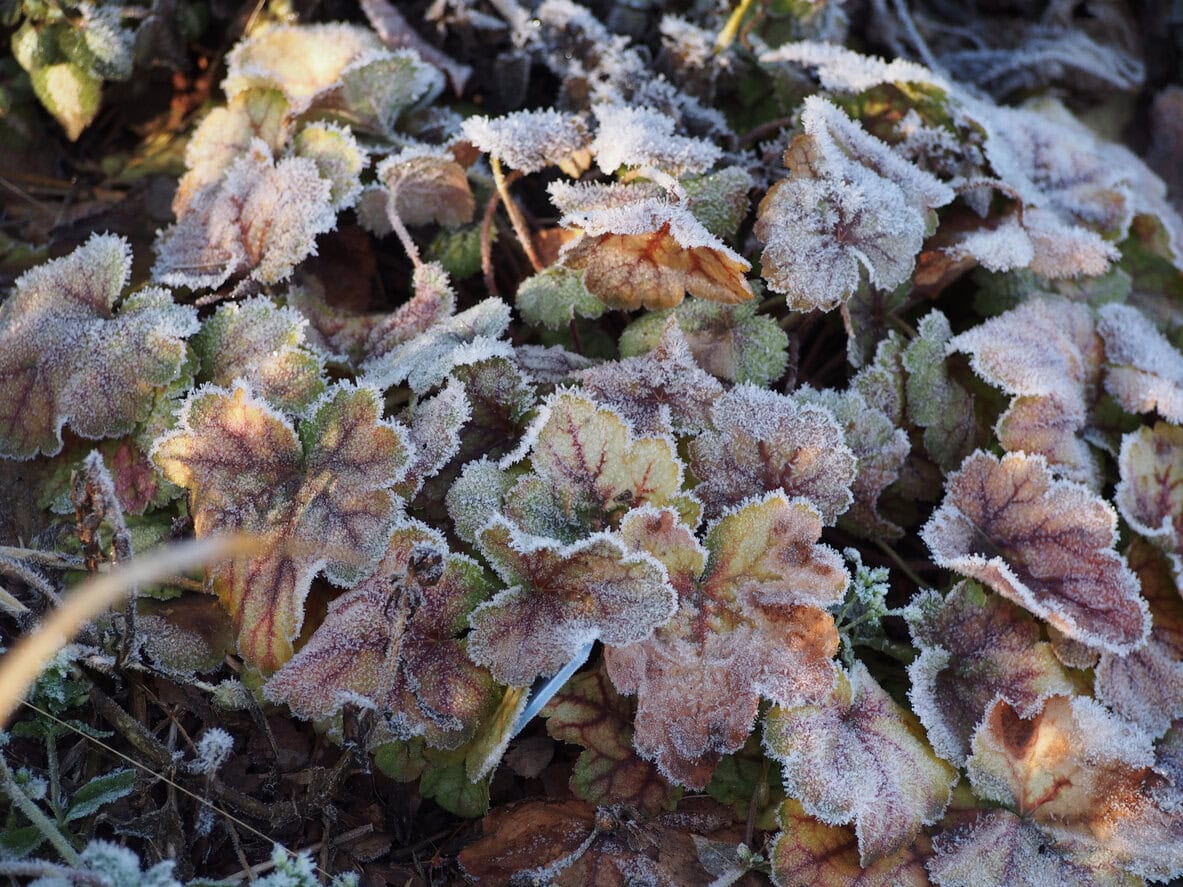
That “dead” look is often just a perfectly healthy dormant crown. New growth emerges from the center, so the old leaves help protect the sensitive core from early-spring temperature swings.
In my garden, I wait until I can clearly see fresh leaves pushing up, then I gently trim away the damaged outer foliage without disturbing the center.
5: Hardy Ferns

Last year’s fronds protect the emerging “fiddleheads” as they unfurl. If you cut too early, you risk nicking those tightly coiled new shoots.
I leave the old fronds in place until the new curls are clearly visible, then cut the old ones back to the base.
6: Lavender
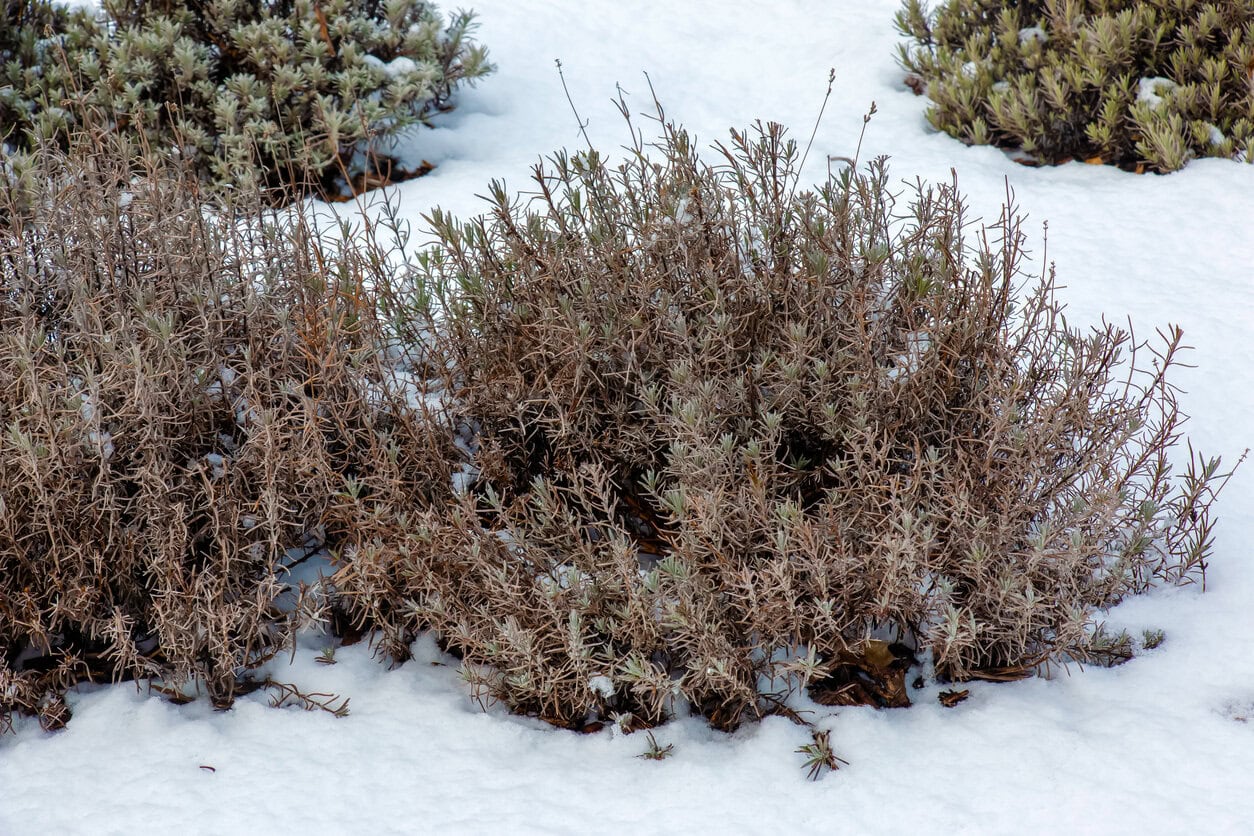
Winter makes lavender wood incredibly brittle and cranky. But it should never be cut into bare woody stems, especially after a hard winter. It’s not that spring pruning is forbidden, it just needs to happen at the right moment!
I wait until I see signs of new green growth and consistent warmer weather before pruning lightly, shaping the plant without cutting into old wood.
Lavender is one of those plants where pruning at the wrong time can really set it back, so we broke down exactly when and how to trim it safely.
Take up knitting or something else that keeps your attention away from these perennials until true spring settles in. These plants will thank you for your restraint.
Plants With Extended Dormancy
Certain perennials stay dormant so long you might honestly assume they didn’t make it. They did. They’re just late risers. Pruning or poking at them early can damage their crowns before they’ve even had a chance to wake up.
And if you’re ever unsure whether a plant is truly late or actually gone, I also put together a list of perennials that are usually the first to wake up in spring, which helps with comparison.
7: Butterfly Weed

This plant is notoriously tardy. If you prune the old stalks to the ground, you remove your only visual reminder of where it’s planted. And accidentally destroy a vital monarch habitat before it sprouts.
I like to leave the stems standing until I see new shoots emerging in late spring, then trim them back carefully.
If you’re planting with bees and butterflies in mind, I’ve had great luck focusing on native flowers that naturally attract pollinators.
8: Hardy Hibiscus

Its stems look like lifeless gray kindling for months, so you might assume the plant didn’t survive the frost. But it did and those stalks are basically a neon “here I am” sign so you don’t crush the emerging shoots.
I don’t cut it back until warm weather is consistent and I can spot new growth at the base.
9: Joe Pye Weed

This plant stays messy for a selfless reason. Native bees and other beneficial insects often tuck themselves inside its hollow tubes to survive the winter. Evicting them in March is poor hospitality and risks damaging the crown at ground level.
I’ve noticed it’s best to wait until mid-to-late spring (once temperatures are reliably mild) before cutting it back. That gives overwintering pollinators time to move on!
These plants operate on a strict “I’ll wake up when I’m good and ready” policy, and you simply cannot negotiate with them.
The Self-Sowers and Seed-Heads
For gardeners who appreciate free plants, the shears are the enemy of the future.Some perennials are basically doing their own propagation and wildlife support all winter long. You just have to resist the urge to tidy too soon.
10: Columbine

These short-lived perennials love to reseed themselves, and I’ve noticed they often pop up in the most charming unexpected places. Leaving the old stems through winter helps protect the garden bed and ensures any remaining seed has a chance to settle naturally.
I usually wait until I see new growth in spring before cleaning up the old stalks.
11: Echinacea

Are you a bird enthusiast? Then you should leave these alone. Let the goldfinches finish their winter snacks before you reach for the shears. Also, stalks will help you identify the plant’s location in a crowded bed.
I cut mine back only after the birds have moved on and spring is truly underway.
Once you see goldfinches picking through those seed heads, it changes the way you look at winter cleanup. That’s exactly why I wrote about the plants you really shouldn’t cut back if you want birds in your yard during winter.
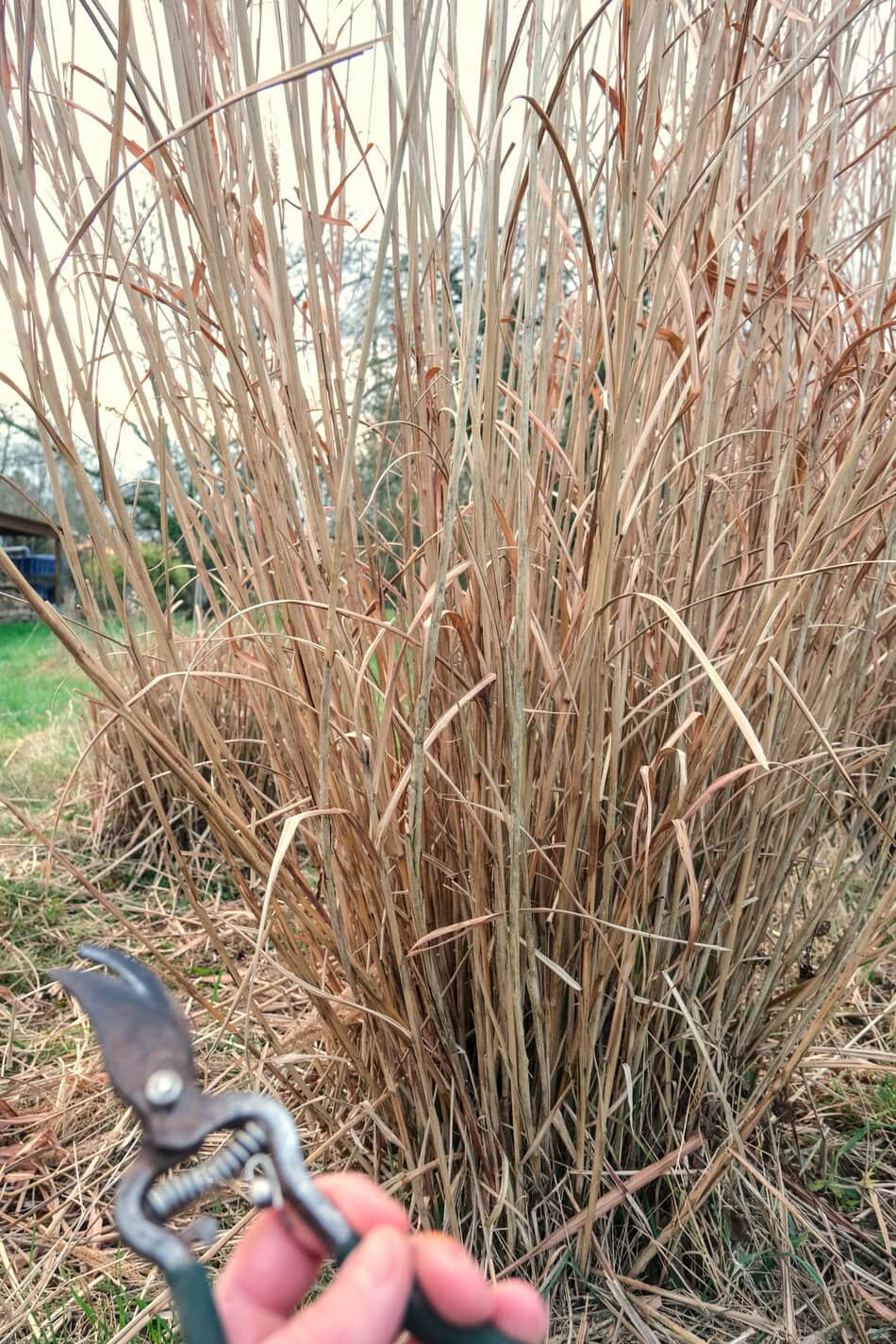
12: Ornamental Grasses

I’m actually one of those gardeners who cuts ornamental grasses back in early spring. But timing is everything!
I wait until the worst of winter has passed and the weather feels more settled. No deep freezes in the forecast and the soil isn’t waterlogged.
Then I cut them down before new growth really takes off. Jump in too early during a cold, soggy stretch, and you can stress the crown just when it’s trying to wake up.
In other words, do not cut them unless you enjoy paying full price for plants you already own(ed).
Shear Terror Avoided
Gardening is the only sport where doing nothing at the right moment actually makes you a pro. Stay inside, ignore the brown stalks. And remember that a dormant plant is just a perennial waiting for the right moment to launch a comeback tour that would make Madonna jealous.
And if you’ve ever had a perennial fail to return the way you expected, I wrote about a few common mistakes that can quietly weaken plants year after year.