Welcome back, my beautiful, slightly unhinged soil-mate! I know that you know that everyone else knows you’d rather play in (frozen-ish) dirt this December than prioritize comfort and fuzzy blankets.
Let’s hope the rest of the family leaves us to planting dormant trees this month while they argue over holiday lighting. It’s a triple win after all. The trees get a head start on root growth; the family gets bragging rights; you get an excuse to leave social gatherings early. Awesome!
Shovel Is My Therapist
Since your therapist won’t let you talk about planting trees for an entire hour, we’ll do it here, at least for a couple of minutes.
Behold, five+ incredible varieties ready for their winter installation. They need you; you need the dirt. As it goes, it’s the most honest relationship you’ll have all month.
1: Sugar Maple or the Tree That Pays You Back (In Syrup) (Zones 3-8)
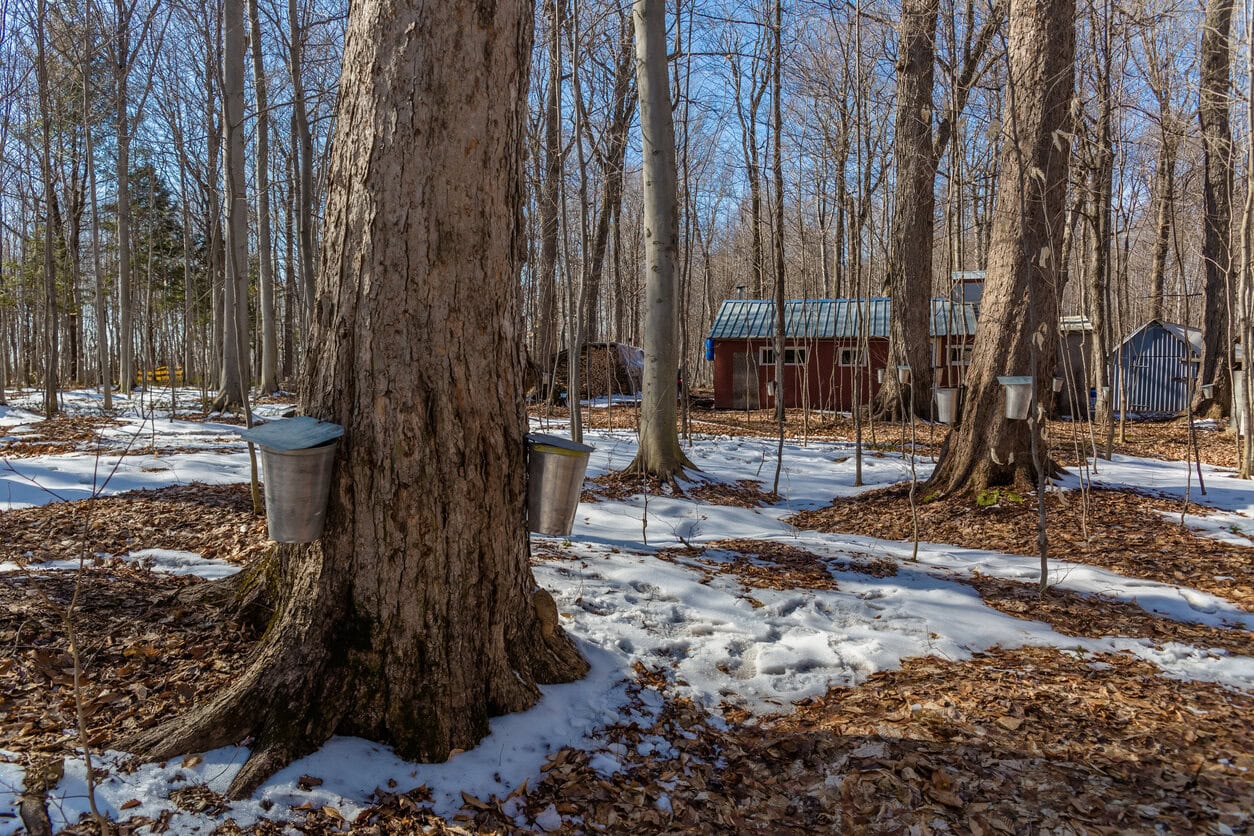
The Sugar Maple is a long-term investment that looks outrageously good come autumn. It also demands well-drained soil, so if your spot resembles a temporary pond after rain, change location. Why anger the pancake gods?
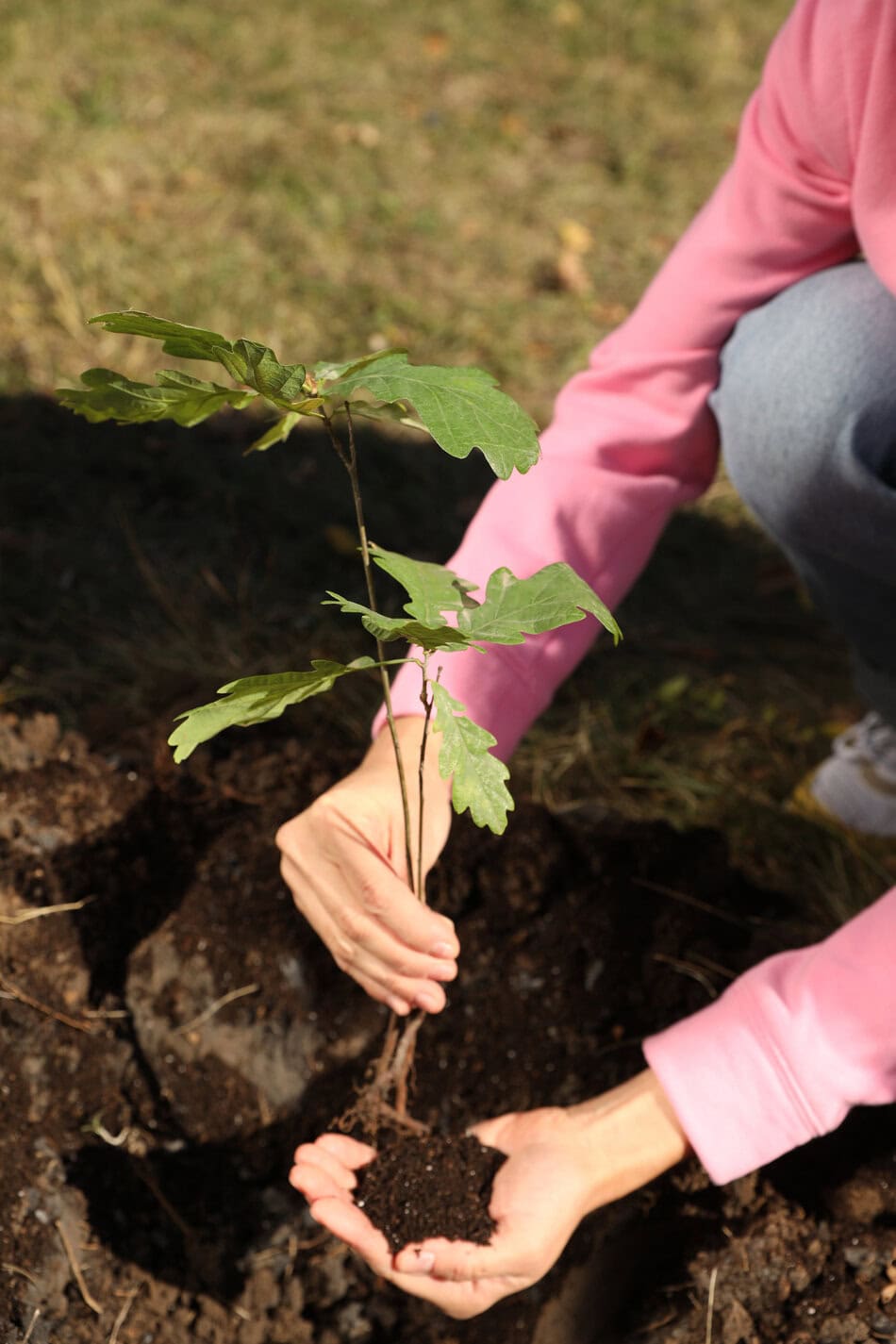
When digging, aim for girth, not depth. The hole needs to be twice as fat as the roots, but the bottom should line up perfectly with where the trunk widens out. If you bury that flare, the trunk will rot.
Treat bare roots gently before planting, like a Canadian would. Use only native soil to fill the hole, avoiding lazy amendments. Finish by creating a generous mulch donut, not a suffocating mulch volcano.
Quick tip: From personal experience, Sugar Maples seem much happier in slightly acidic soil (pH 5.5-7). In neutral or alkaline spots, mine always responded with a bit of leaf drama and slower growth.
And if you’re already in the mood to tuck a few more things into the soil this month, I also have a quick guide on the herbs you can still plant in December, surprisingly, several of them don’t mind the cold one bit.
2: River Birch or the Tree With Peeling Issues (Zones 3-9)
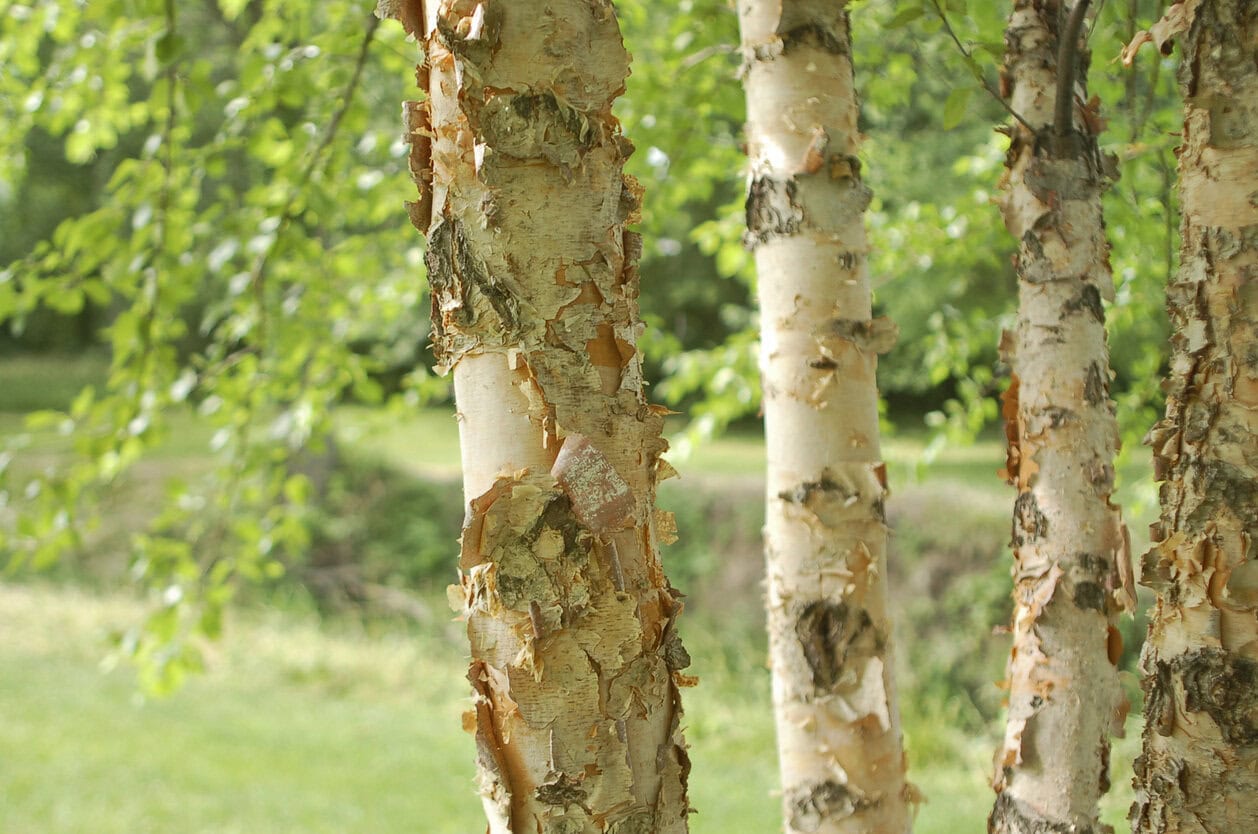
If you hate perfection, you will love the River Birch. It tolerates a wide range of soils. It also doesn’t care about the cold or drainage. And unlike maple, it actively prefers boggy dirt.
Plant this one now, while it’s too busy shedding its peeling cinnamon bark to complain. When planting, remember the Maple rules and ensure the root flare is visible. Even trees with zero cares still require oxygen.
Give your Birch ample space to become the shaggy chaos it aspires to be, because it naturally wants to sprout multiple trunks. And finally, avoid wasting time trying to tame its form with heavy pruning, as this tree knows exactly how to manage itself.
Quick tip: In my experience, River Birch grows like a dream unless the soil is too alkaline, that’s when it starts throwing a chlorosis tantrum.
If your pruners are already in your back pocket, you might like my guide on what to cut back versus leave standing in a December garden, it saves a lot of guesswork when everything looks half-asleep.
3: Oak or the Tree You Plant for Your Grandkids (Zones 4-9)
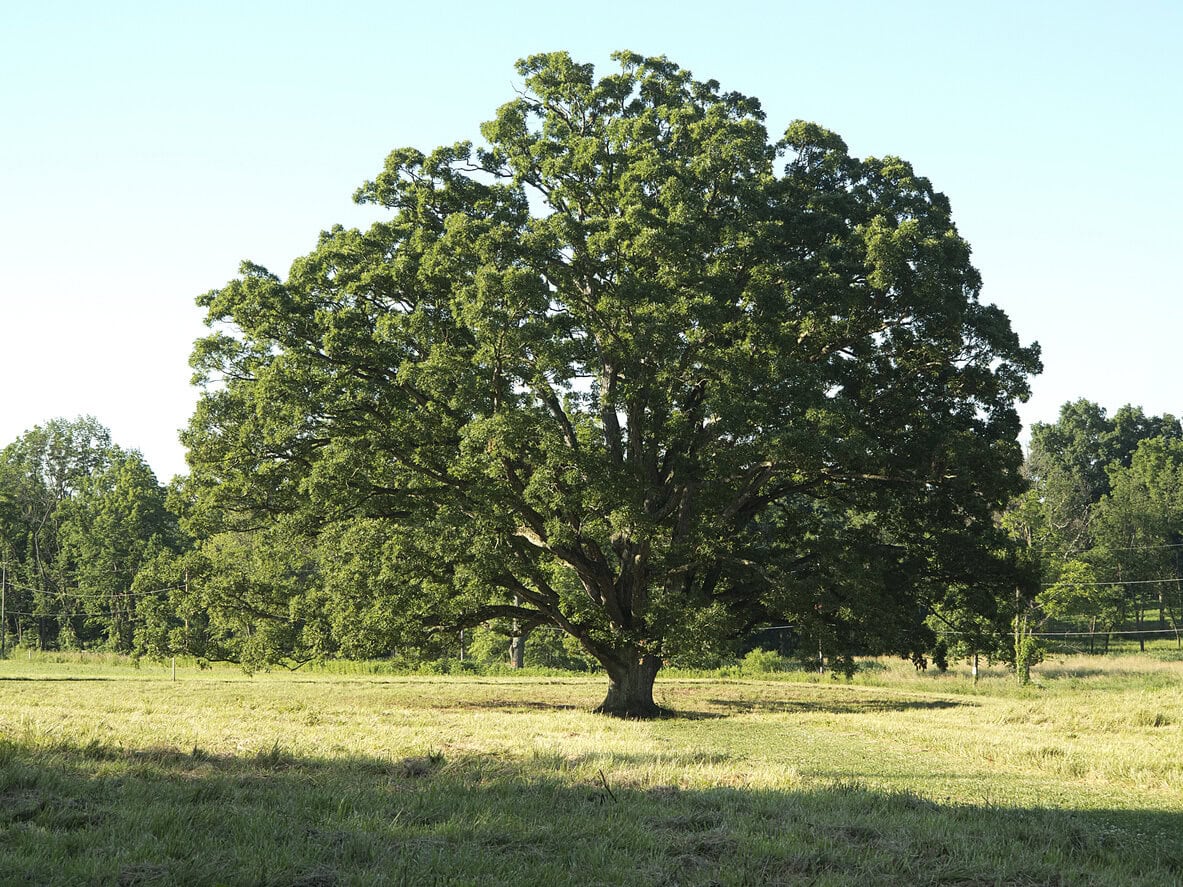
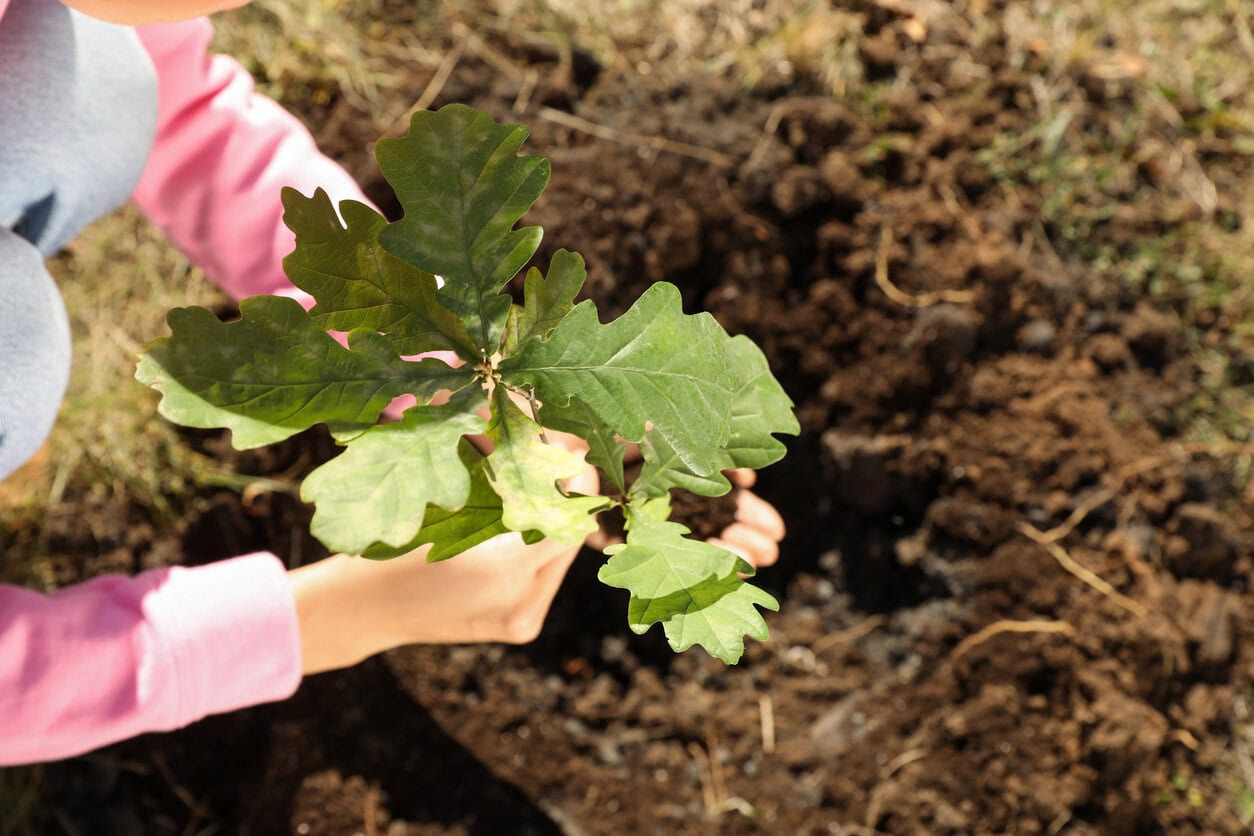
Oaks are reserved for the patient, the kind of person who enjoys staring at a barely-there sapling and imagining a majestic giant… in 80 years. You plant it this December while it sleeps, and maybe your great-niece will thank you while carving its crush’s initials.
The Oak is a creature of habit. Choosing its spot now is your only chance, because trying to relocate that enormous root system later will make untangling last year’s holiday lights feel like a head massage.
Make sure you give the roots ample lateral room in the ground now, and for the next century of veeery slooow growth, your descendants should ensure the trunk’s base is completely visible.
Quick tip: Oaks grow a deep taproot and an army of lateral roots, which basically makes them the “absolutely not moving” tree. Once they settle in, they’re more stubborn than a cat in your laundry basket.
And for anyone who’s planning ahead with fruit trees, I put together a December pruning guide that covers which ones actually appreciate a dormant-season haircut.
4: Cornelian Cherry or the Tree You Plant for Fruit (and Birds) (Zones 4-8)
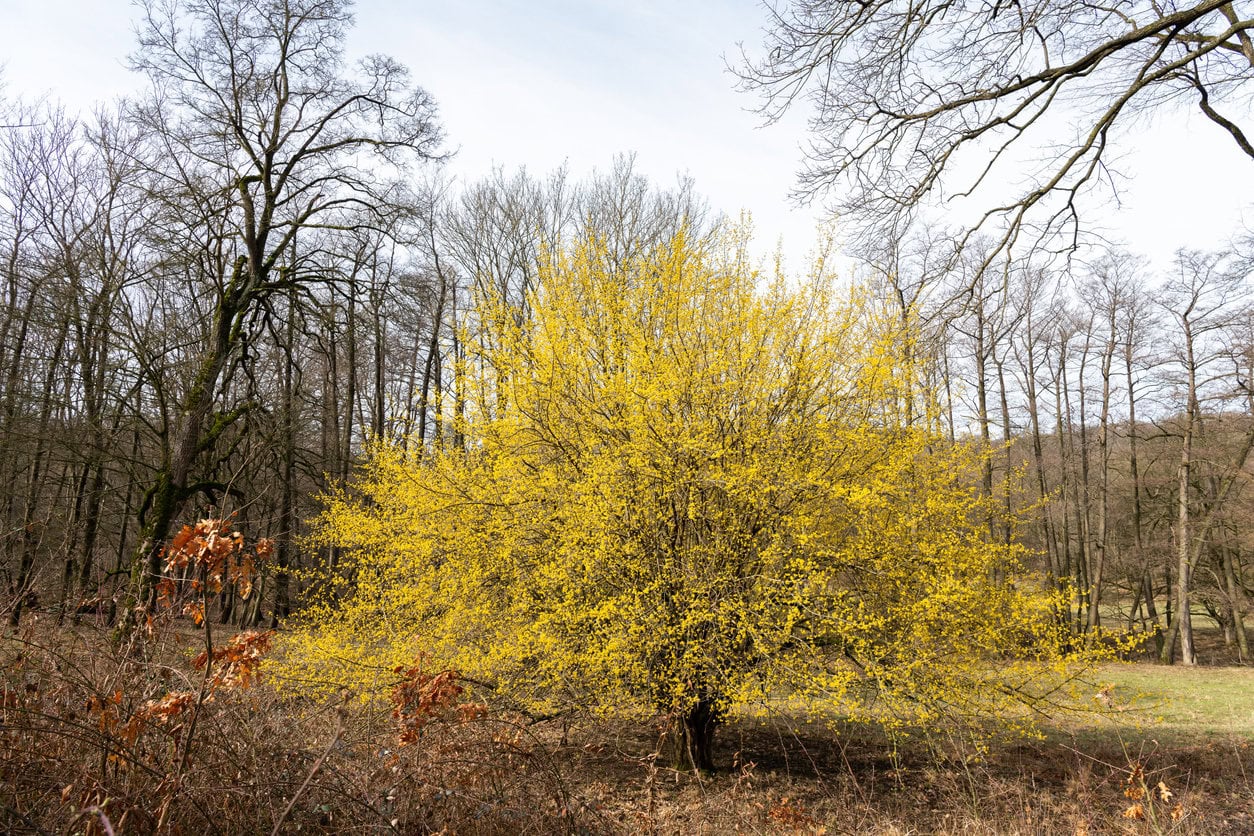
Unlike the Oak, this one tree is for the impatient, the type who checks the mailbox hourly for seeds. It will reward your December planting by being one of the first things to flower in late winter or early spring. It handles almost any soil, but requires full sun.
Also, the Cornelian Cherry is not at all a cherry but a dogwood. Yet, its glossy red fruit is quite sour and will pucker you up if provoked. Technically, it’s edible, but only after you cook it with enough sugar to turn the jam into concrete.
As it goes with all dormant trees, give its roots plenty of room to spread out. Plant it where you can easily reach the fruits, or prepare to fight for the harvest with the highly ambitious wildlife.
Quick tip: From my own experience, Cornelian Cherry fruits ripen in a way that tricks you, they look ready long before they taste ready. Wait until they practically fall into your hand, or you’ll be making the sour face of shame.
While you’re thinking about winter prep, this is also the time I usually wrap or protect a few vulnerable shrubs, I have a full list if you’re wondering which ones actually benefit from the extra layer.
5: Flowering Dogwood or the Tree That Demands Perfection (Zones 5-9)
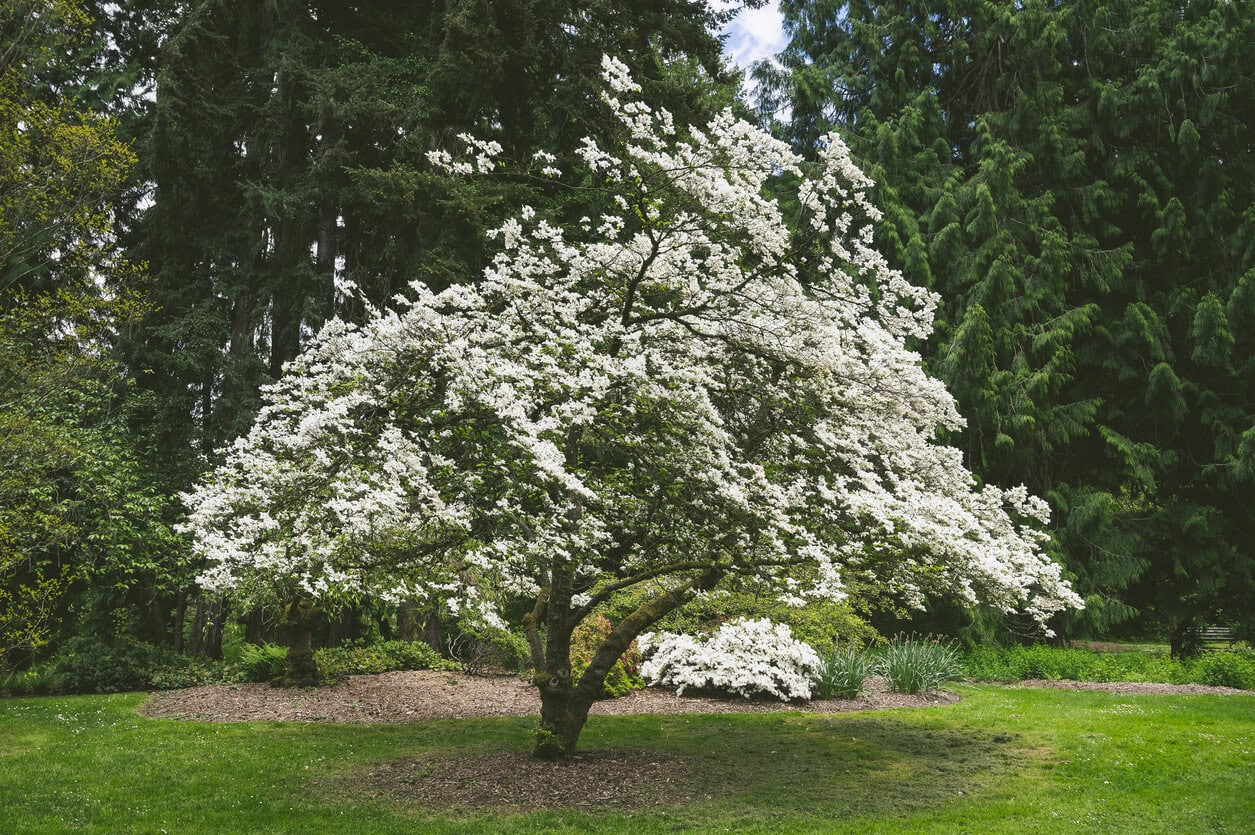
This is a beautiful tree, but it requires you to be slightly paranoid because any failure on your part immediately ruins the aesthetic. Plant it in December to fulfill its first demand for root establishment.
Its second demand is about the sun. If you expose it to the afternoon rays, your entire planting effort will result in scorched leaves and regret. Your failure will be public.
You must also give it space off the lawn. Do not approach the base with a rake, ever. The Dogwood’s fallen leaves are a sacred layer, and you are not permitted to interfere with its gloriously protective process of decay.
Quick tip: Dogwoods have shallow, drama-prone roots. If you plant anything underneath them, they’ll complain immediately. Mine once threw an entire season of crispy leaves just because I tucked in a few violas nearby.
And speaking of roots, some plants genuinely appreciate a blanket of mulch before the deep cold sets in, and some absolutely don’t, so I pulled together a list that keeps the guesswork to a minimum.
No Treeson, No Birch of Contract
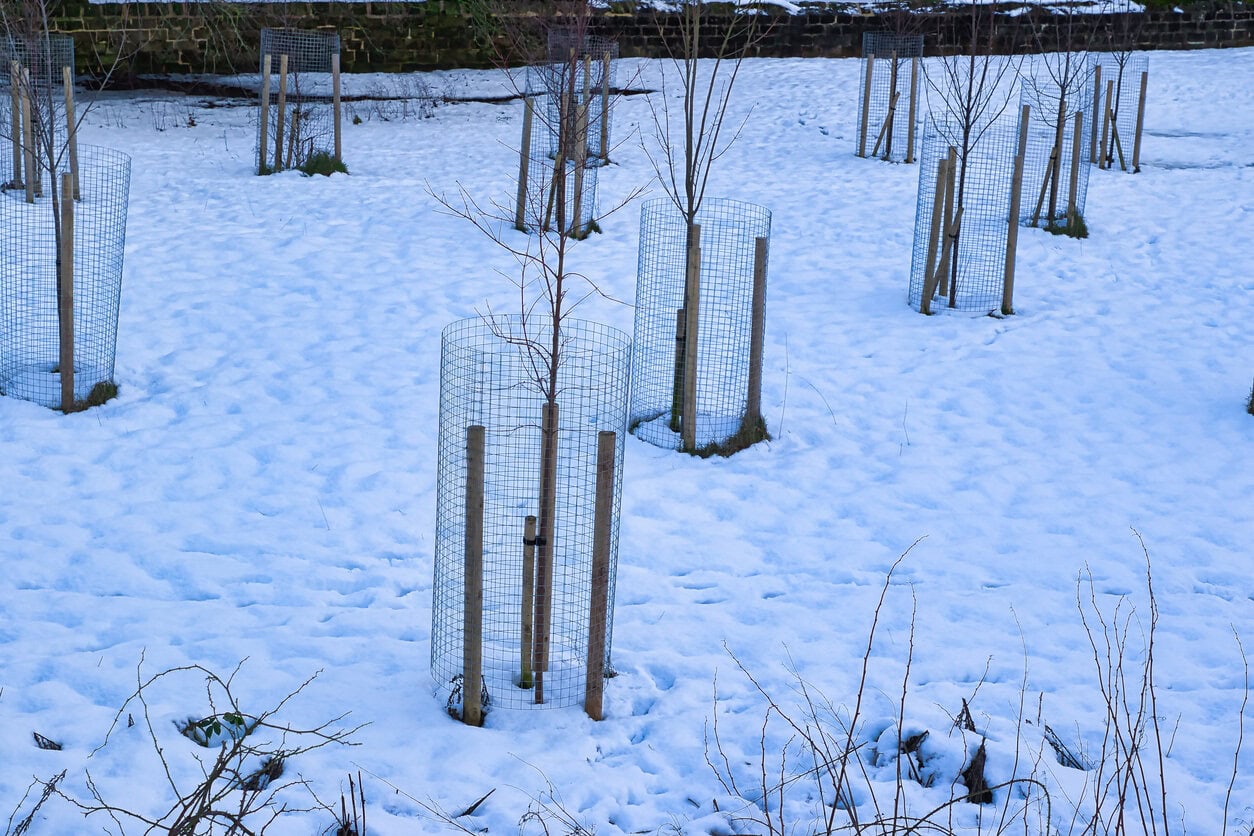
You made it through the cold dirt, now for the cold truth about zones.
Plant a tree this month and future you will thank present you. Possibly with shade, possibly with fruit, but definitely with pride!