
Do you dream of a perfectly sized, sweet bumper fruit crop next summer? That dream begins now. With leaves gone, the structural truth is exposed, revealing branches that steal sunlight.
Postpone the gym membership! Your real New Year’s resolution starts in December as you branch out and spread the holiday shear across your dormant orchard.
The Naughty Nine
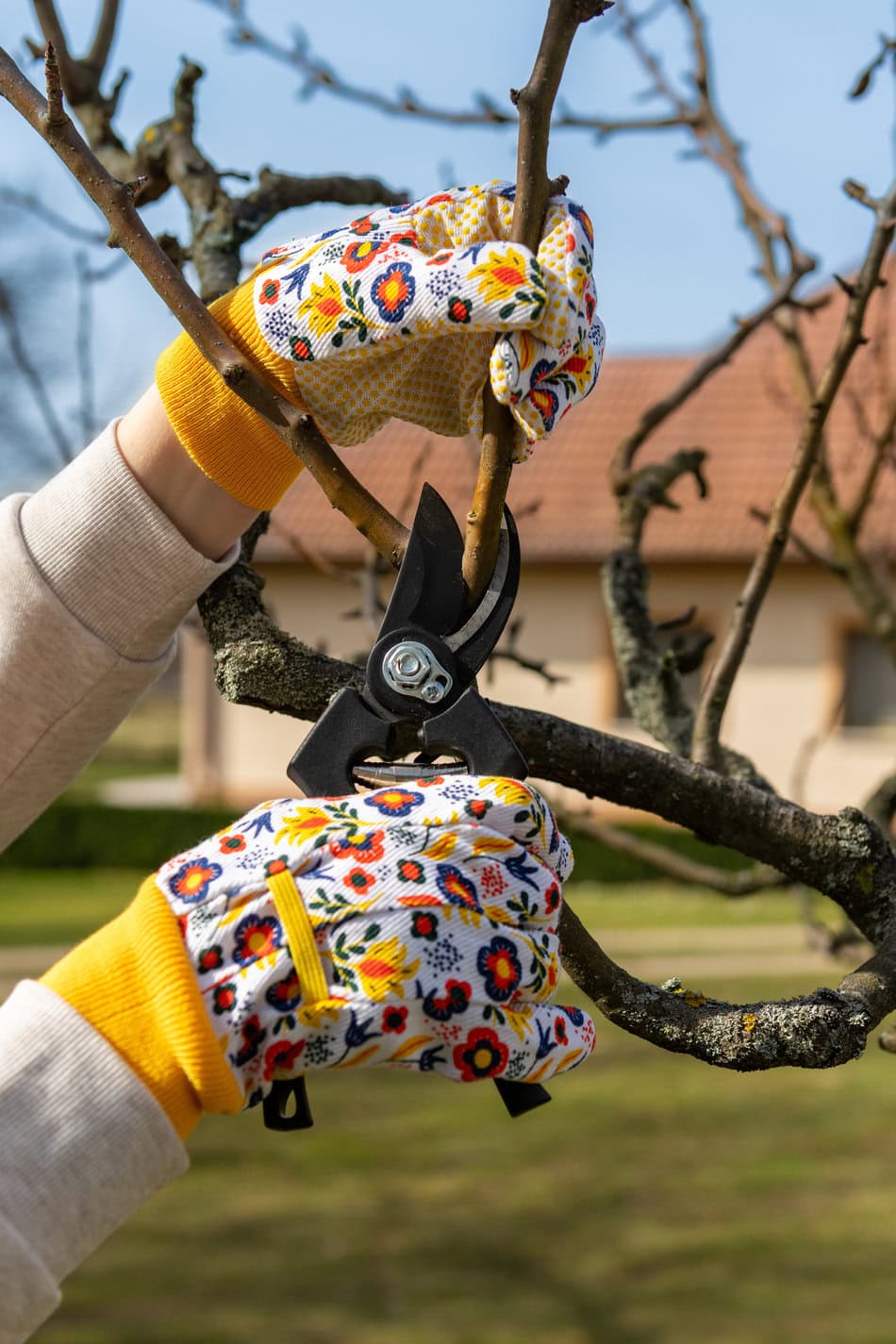
Which trees need some shear genius before they become next season’s headline fruit?
And if you’re itching to grow something while the orchard sleeps, here are a few houseplants you can propagate from cuttings this month without even stepping outside.
1: Apple (Zones 5-9)

Want color and flavor? Correct the structure by opening the center like a proper fruit bowl. Since the goal is to maximize sun access, immediately evict those straight water sprouts, such as the vertical shoots that add no value.
Ultimately, create the perfect sunbathing spot for next summer’s crop. In other words, give the aggressive growth a sharp applecut for a knockout taste.
Quick tip: In Zone 4, hold your horses until the tree is fully asleep, then prune with confidence. Zone 10 gardeners, go lighter. Low-chill apples sometimes pretend to nap but never really commit.
If you want a deeper breakdown of shaping apples season by season, here’s a simple beginner-friendly guide.
2: Pear (Zones 5-9)
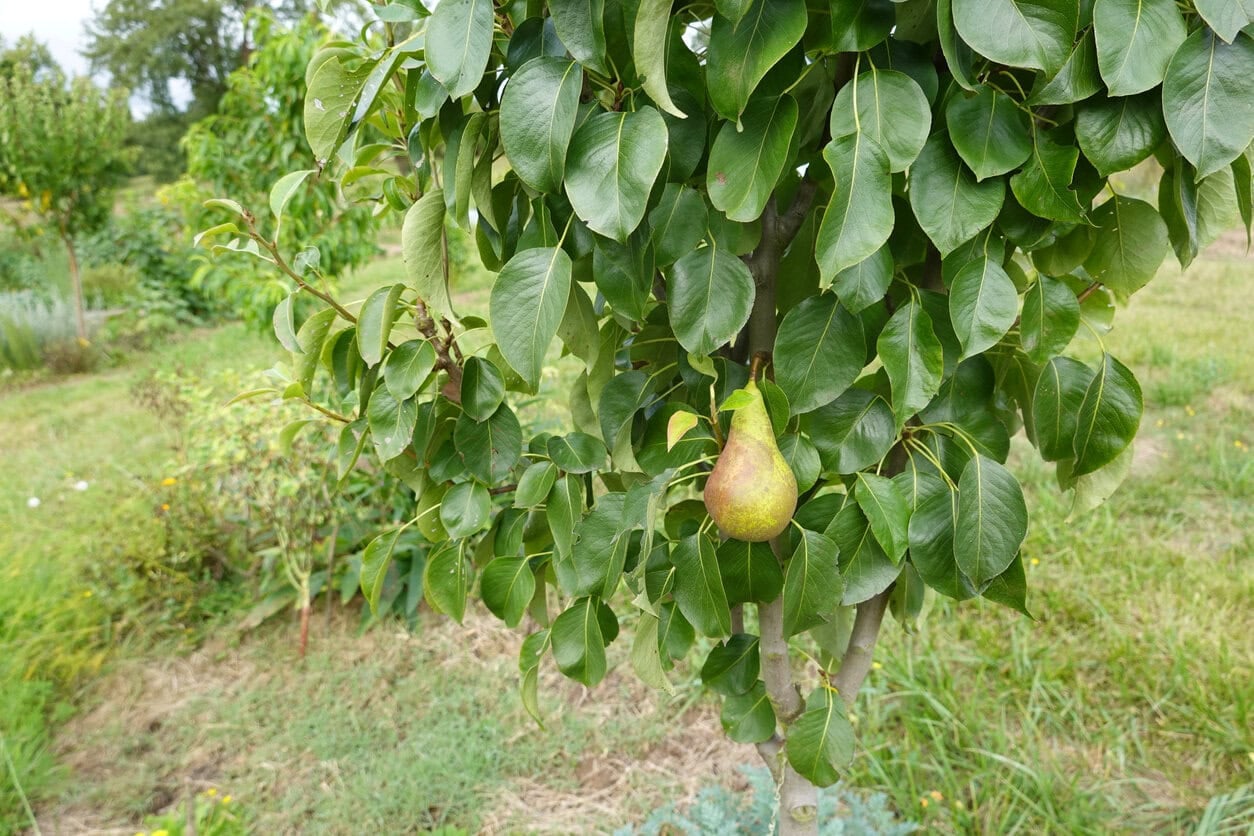
Pears aspire to be rocket ships, but their upward growth crowds the canopy and suffocates the precious fruit. Remind them they are earthbound by shortening the dominant leaders.
Encourage them to grow laterally with a technique we call the “humble bend,” ensuring they stay productive and grounded, rather than reaching for stars. Obviously, the best fruit always comes from branches respecting gravity.
Quick tip: Zone 4 growers can join the December party once their trees hit true dormancy. Down in Zone 10, pears stay half-awake, so think “soft tidy,” not “major makeover.”
And if pears are giving you attitude this year, here’s a straightforward pruning guide that keeps things productive and grounded.
3: European Plum (Zones 8-10)
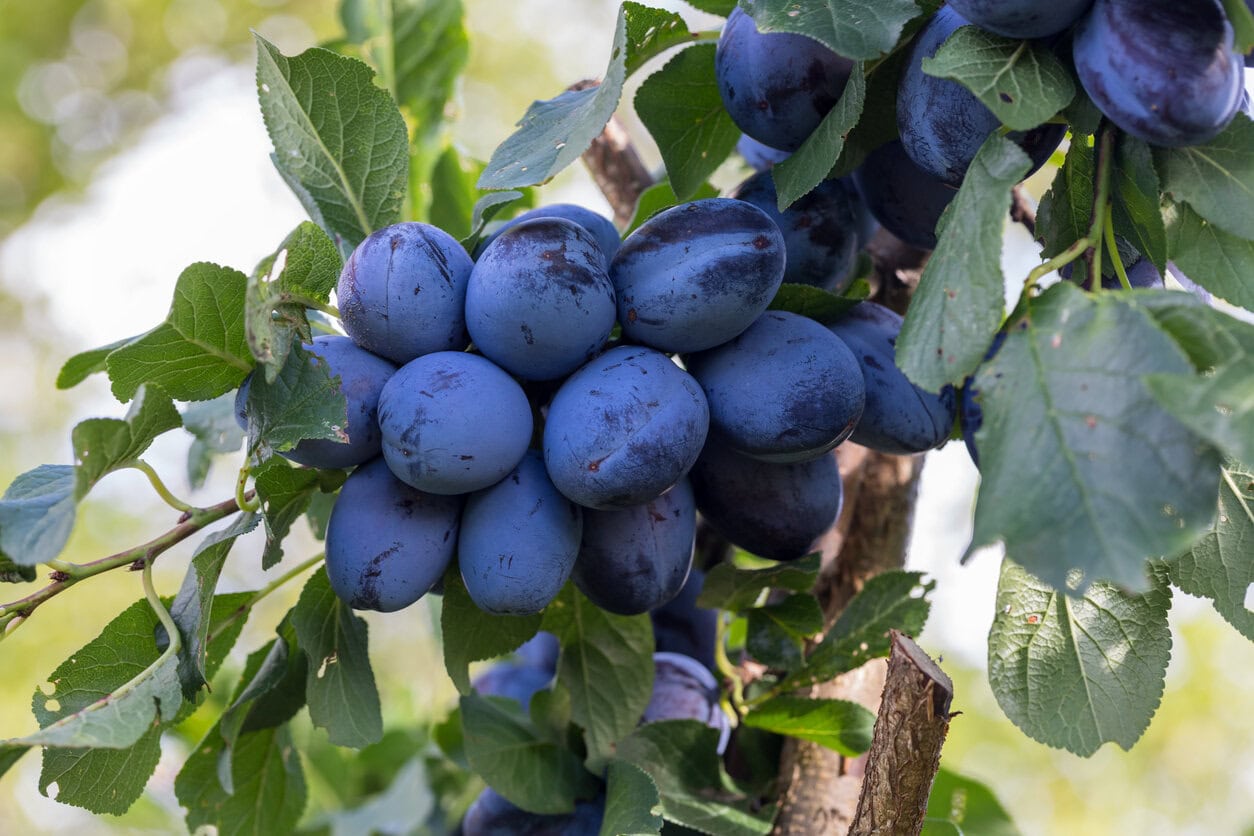
Plums are generally civilized, fruiting on older wood, so this prune sustains reliable production and shape. Your mission is simple triage: remove the Dead, Diseased, and the Damaged branches (the classic “Three D’s”).
Thin the remaining or crossing canopy to increase vital airflow, which prevents fungal issues. The old wood you cut often smells sweet, proving the effort delivers a pleasant reward.
Quick tip: If you’re in a cold or wet climate (Zones 5-7), save your plum pruning for late winter to avoid silver leaf disease. Save your pruning impulses for late winter unless you live where winter behaves itself.
4: Quince (Zones 6-9)
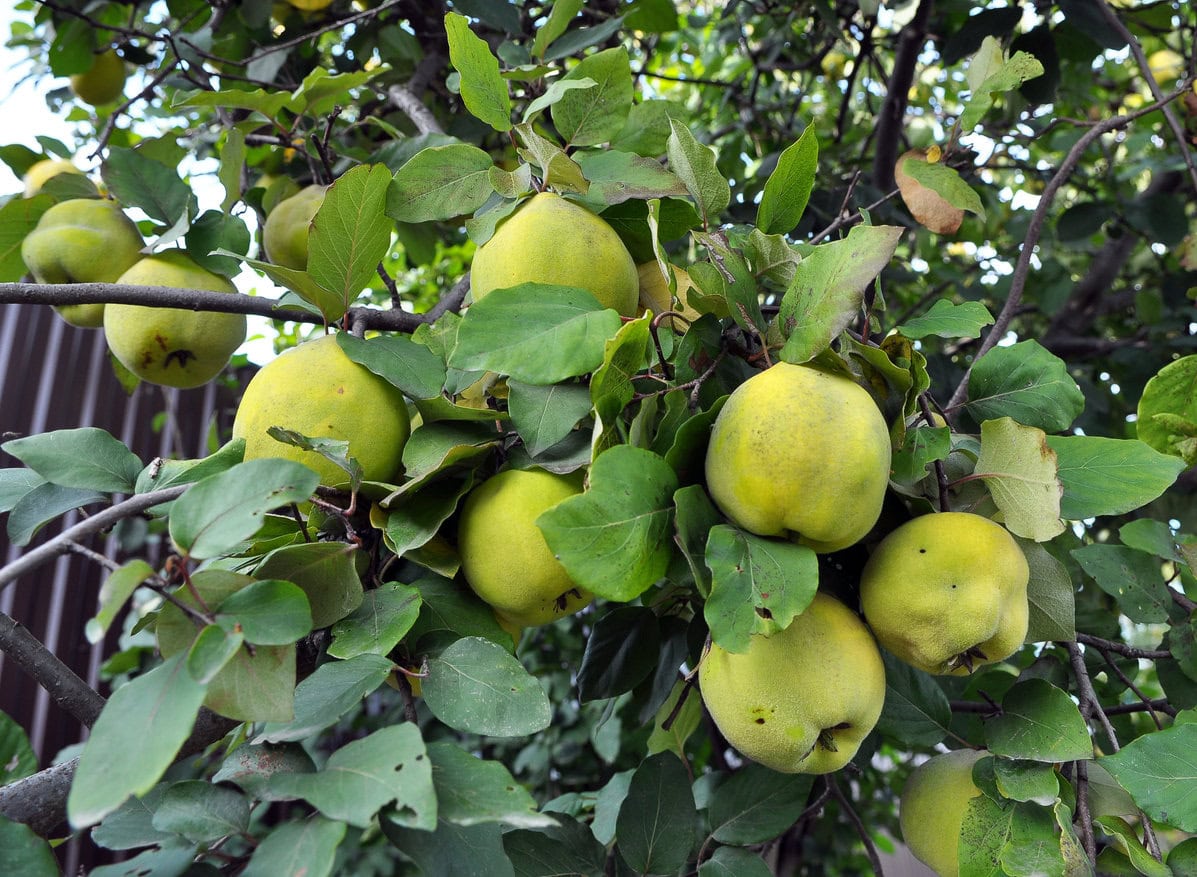
The quince is the orchard’s hairy enigma. It needs shaping during dormancy to forge a strong frame, so aim for an open center, identical to an apple’s.
Shorten new growth to encourage productive spurs, such as the short, knobby fruiting branches. Treat this queen-ce like royalty, because your diligence ensures she yields fragrant fruit.
Quick tip: Zone 5? Let the deep freeze pass before you shape your quince. Zone 10? These divas barely do dormancy, so keep December trims light and respectful.
While you’re winter-proofing the orchard, don’t forget your shrubs! Here’s a guide of which shrubs appreciate a cozy wrap before the real cold hits.
5: Fig (Zones 7-10)
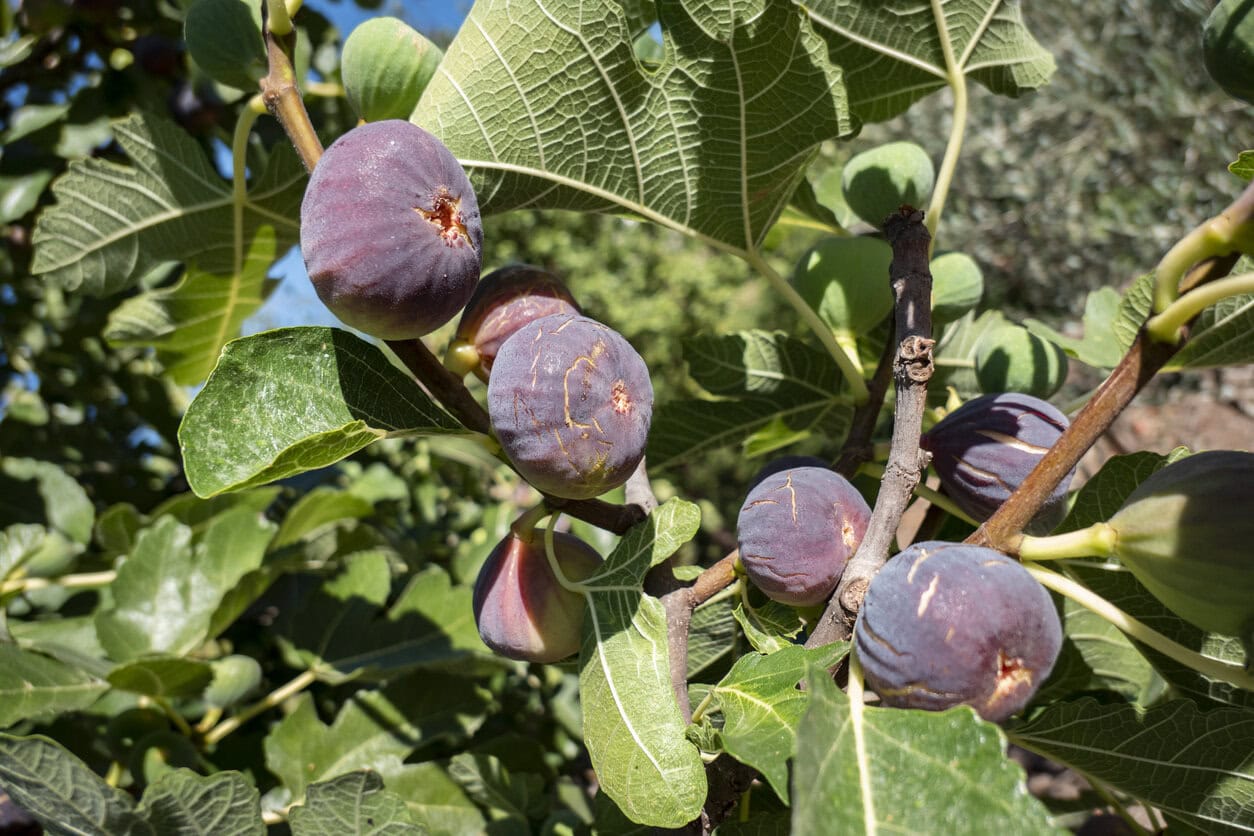
Figs produce on vigorous new wood, meaning winter pruning is essential for size control and stimulating powerful growth. Remove all old and unproductive wood in December.
Cut back main branches by a hefty third to spur great new shoots come spring. Figs tolerate the severe cut, which may seem like a drastic step, but I figure the substantial payoff is worth the initial shock.
Quick tip: Zone 6 growers resist the urge until late winter or risk frost-nipped cuts! Zone 11 folks, figs never really “turn off,” so December pruning is more of a polite nudge than a dramatic chop.
6: Persimmon (Zones 7-10)
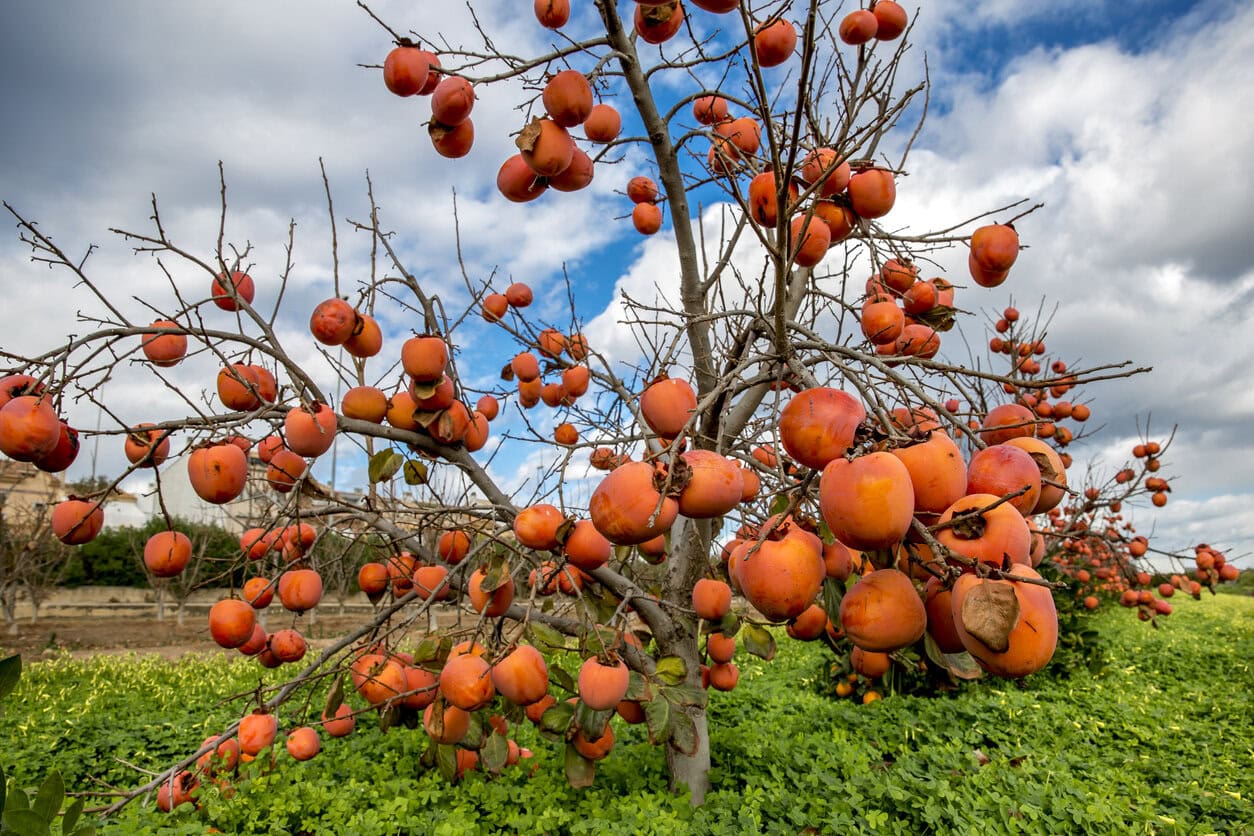
Persimmons require little pruning. Winter is the ideal time for just a bit of shaping per simmon. Remove low branches that interfere with your garden mobility or future mowing, and eliminate low-hanging hazards.
The fruit generally develops only on new growth from the past season. Hence, shaping the canopy is kaki for consistent yield and easy harvesting later.
Quick tip: Zone 6 frost will slap a fresh cut silly, wait until winter eases up. In Zone 11, persimmons stay half-awake, so just skim off the strays and call it a day.
If you’re tackling more than just fruit trees this month, here’s a quick guide on which perennials to cut back before winter, and which ones are better left standing.
7: Hazelnut/Filbert (Zones 5-8)
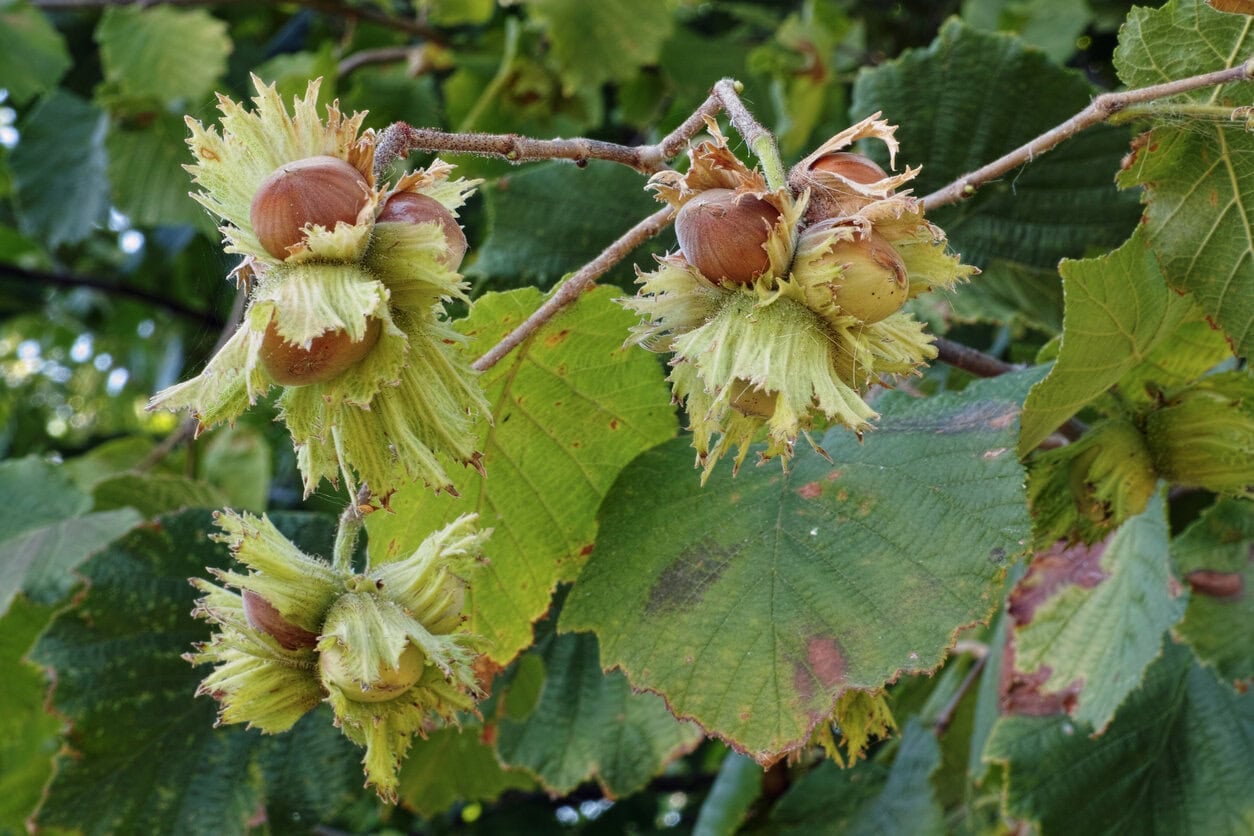
Hazelnuts are multi-stemmed shrubs that obviously feed on chaos, yet only a managed shrub is productive. If you want them to grow nuts, you must focus on removing older and weaker stems right down to the base.
Thin the center for increased airflow, so the branches don’t drive you nuts with overcrowding. Besides, remove the aggressive suckers at the base, or don’t be shell-shocked when they steal the tree’s precious energy.
Quick tip: In Zone 4, prune closer to spring so your shrub doesn’t shiver through open wounds. Zones 9-10? These shrubs aren’t fully dormant, so December calls for finesse, not bravado.
8: Cherry (Zones 9-10)
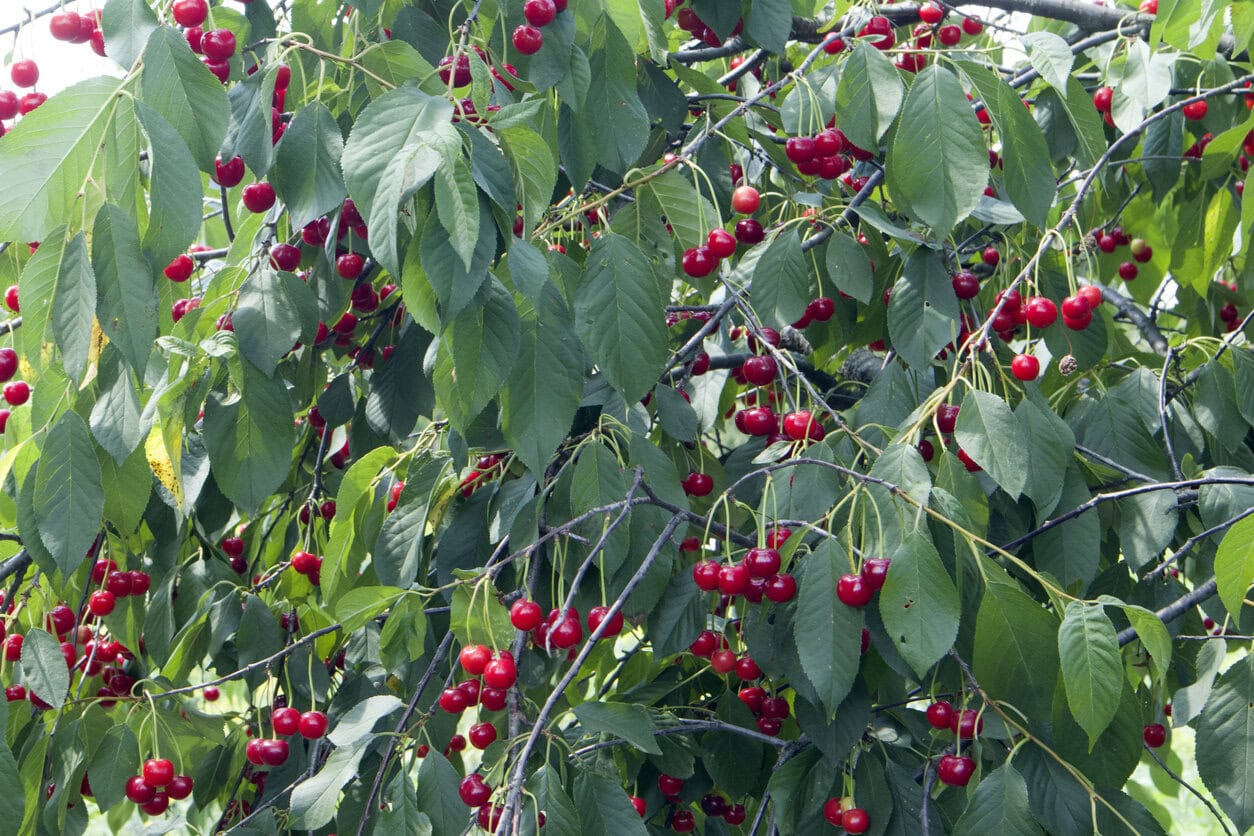
Many experts favor late winter to avoid disease, but a light structural prune during deep dormancy is fine. Your goal is a gentle structural trim, meaning you remove only the dead, damaged, and crossing branches at this time.
Save heavy structural thinning for slightly later when the weather warms. This is the “forehead trim.” Do not get ambitious with this sweety in the dead of December.
Quick tip: If you garden in Zones 5-8, close those pruners. Cold, wet cuts are basically sending cherries a handcrafted invitation to canker. Save your real shaping for late winter or even midsummer.
9: Apricot (Zones 8-10)
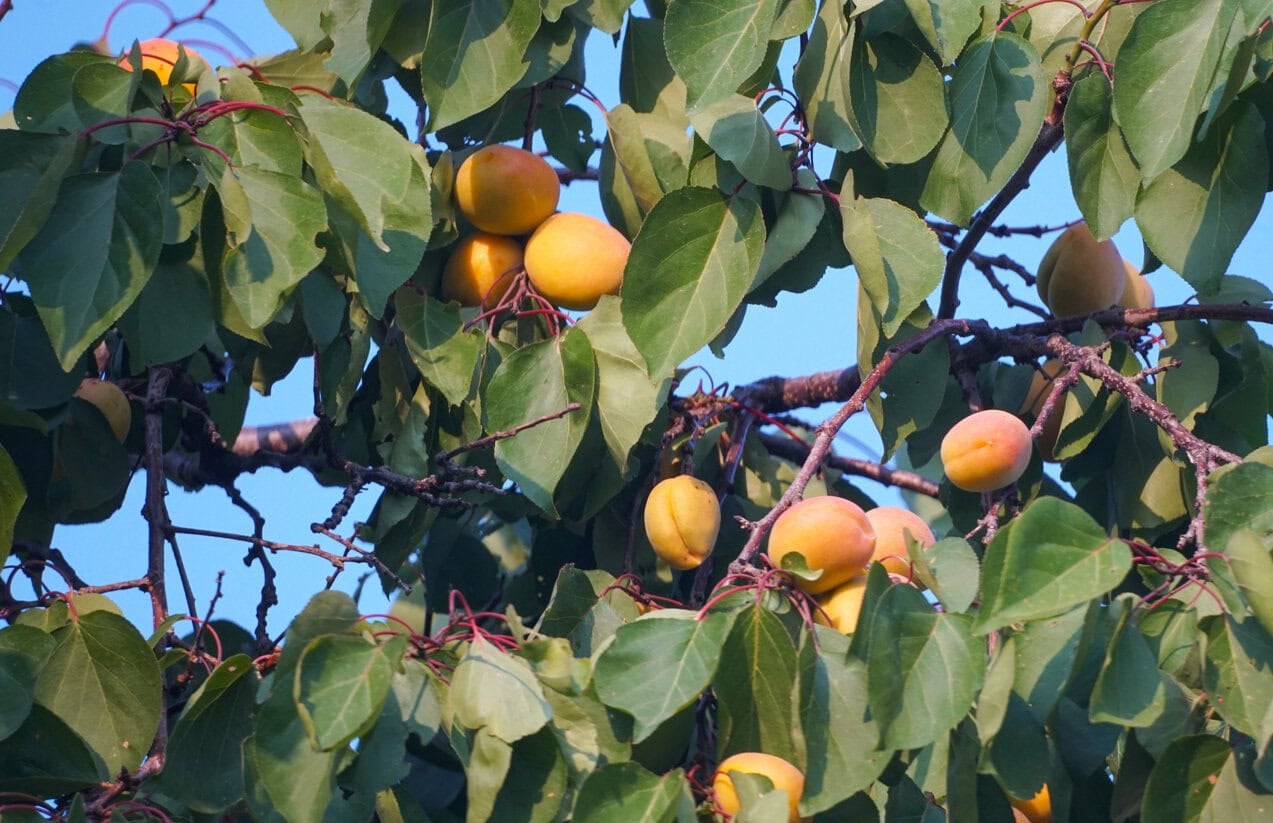
Like other stone fruits, apricots must stay compact and structured. Perform structural corrections now to prevent future failure. Maintain an open-vase shape, and thin crowded branches to avoid breaking limbs when they bear heavy fruit.
This is a future-proofing measure for your potential crop. Apricots are the first to bloom in spring, so give them a clean slate now.
Quick tip: Zones 5-7 should steer clear of December cuts! Apricots catch canker faster than you can say “stone fruit.” Hold your pruning energy until late winter or summer when the weather is friendlier.
And if all this pruning has you dreaming of expanding your little orchard, here are a few fruit trees that grow beautifully in pots (even on patios and balconies).
The Golden Rules of the Shears

Before you venture into the cold armed with sharp steel, remember the cardinal rules:
Now that your mind is sharp, go forth and make the cut.
And if you’re already out there with the pruners, it’s worth checking which plants actually benefit from a winter mulch, and which ones don’t.
A Plum Pearing of Effort and Appleied Theory
Count your December duties. Fruit trees, pruned. Chips for DIY gift wrapping, collected. Tools and pruners, cleaned, through shear force of will. Now, patiently wait for summer to prove that your winter cutting-edge technique bore the sweetest results.
Before you hang up the tools for good, here’s a quick list of plants that appreciate one last drink before a hard freeze.




Can you please define “humble bend” for my pear tree?
Hi Jerry 😊 “Humble bend” just means gently bending a young pear branch down from upright to a more horizontal angle and tying it there. In my experience, pears want to shoot straight up, and this little bend slows that tall growth and encourages more side shoots and fruiting spurs without having to hard prune 🙂