
Waiting for perfect weather is an April fool’s errand. You can either get in the dirt now or spend the rest of the season apologizing to your empty dinner plate. Anyway, a shovel in hand beats a grocery store receipt every time.
Here are some of the best cold-hardy vegetables to plant in April before warm weather sneaks in.
Ice to Meet You
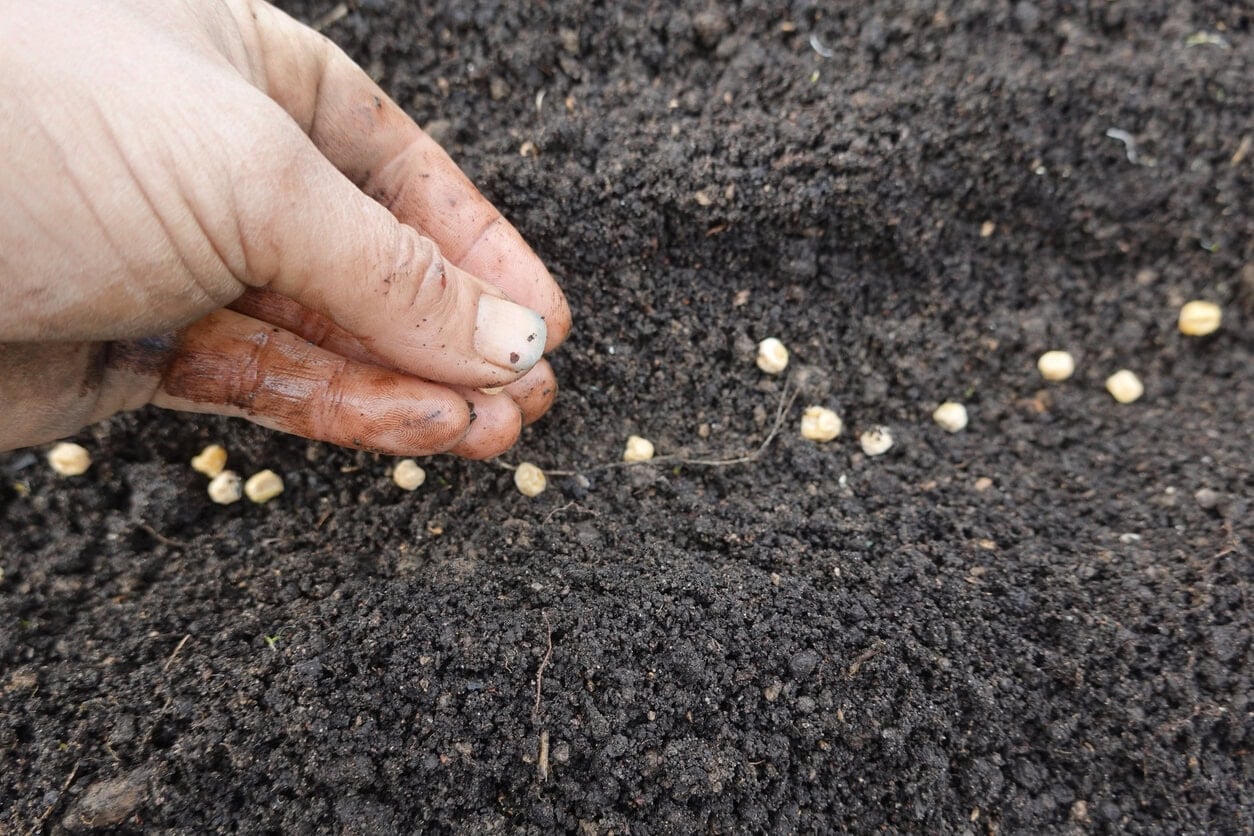
Your garden doesn’t care about your weekend plans. It only cares about these cold-hardy crops that can handle a chilly April start.
Quick note: Since April temperatures are not the same across the U.S., I’ve added each crop’s timing based on your average last frost date instead of USDA zone, as I usually do.
1. Peas (4-6 weeks before your last frost)
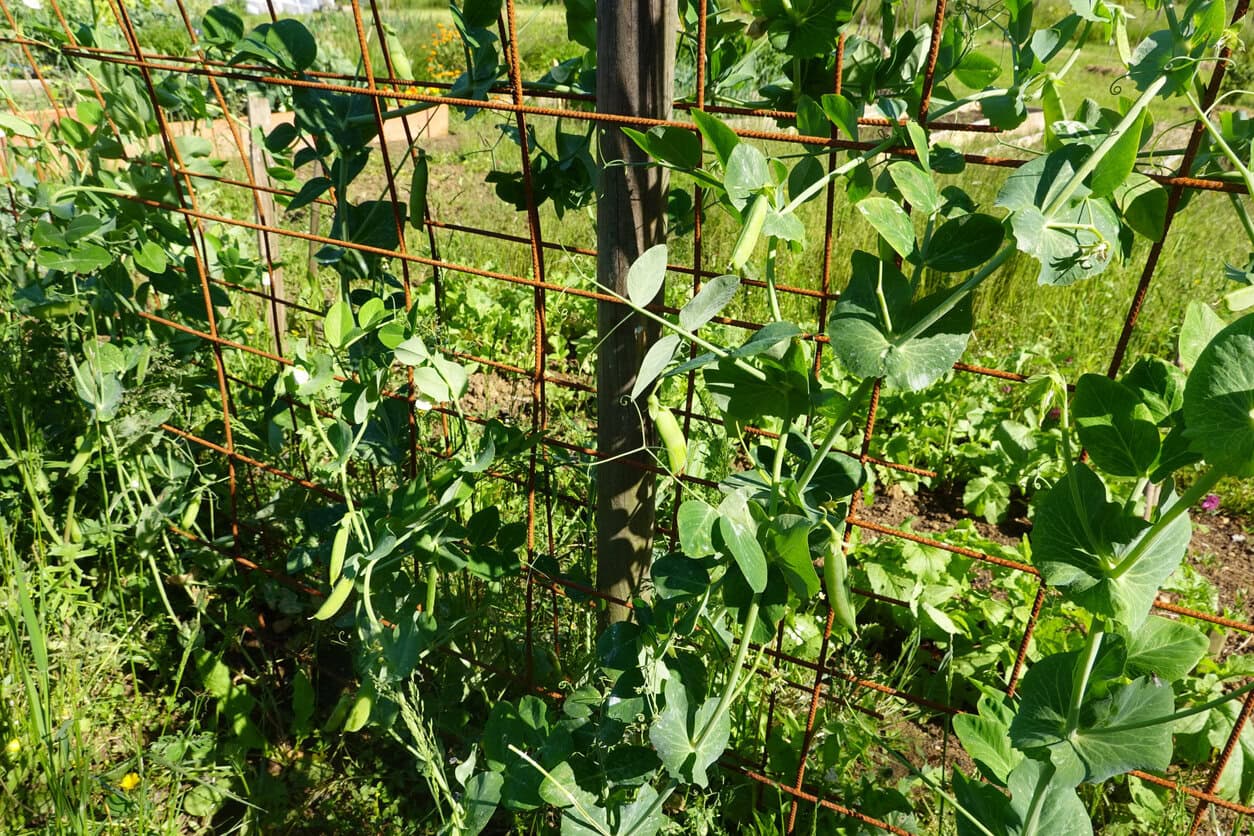
Direct sowing is usually best because peas dislike root disturbance. You can also skip the fancy prep and just poke holes one inch deep every two inches along a trench. If you want to speed germination a bit, soak the seeds overnight first.
Build a steep A-frame by leaning two wire panels together and zip-tying the top until it stays rigid. This keeps the vines and pods off the damp ground, well away from every slug currently eyeing your garden. Place the trellis where it won’t cast shade on shorter, sun-hungry crops.
Quick tip: Keep rows about a foot apart so you can harvest without a struggle. And for the love of flavor, eat peas fresh and cool.
If you’re not sure what kind of support works best, we also put together a guide on choosing the right trellis for your vegetables.
2. Spinach (4-6 weeks before your last frost)

Spinach has my grandma’s legendary toughness, yet April planting starts an immediate race. The moment it feels a hint of real heat, it bolts to seed and leaves turn bitter.
Scatter the seeds along a row and cover them with about a half-inch of fine soil. Partial shade works fine, since spinach can handle less sun than most vegetables.
Quick tip: Keep the soil rich and evenly moist, and thin seedlings early so the plants end up about four inches apart. If they get too crowded, they’ll (again) panic and bolt.
If that has happened to you before, we also wrote an article about why spinach bolts and how to slow it down.
3. Radishes (4-6 weeks before your last frost)

If you lack the patience for actual farming, radishes are your best bet. They can go from seed to crunch in about thirty days.
Plant these tiny seeds shallow, under a half-inch, and let them double as tactical markers for your slow-growing carrots. That way, you won’t accidentally hoe up your future snacks.
Space them about one to two inches apart. Any closer and you may get plenty of leaves but disappointing roots. Nobody wants a marble-sized radish.
Quick tip: Sow a new row every week instead of planting them all at once. That way, you get a steady harvest instead of a pile of radishes all in the same week
If your radishes always seem to give you leaves instead of actual roots, I also explain a few common reasons that happens.
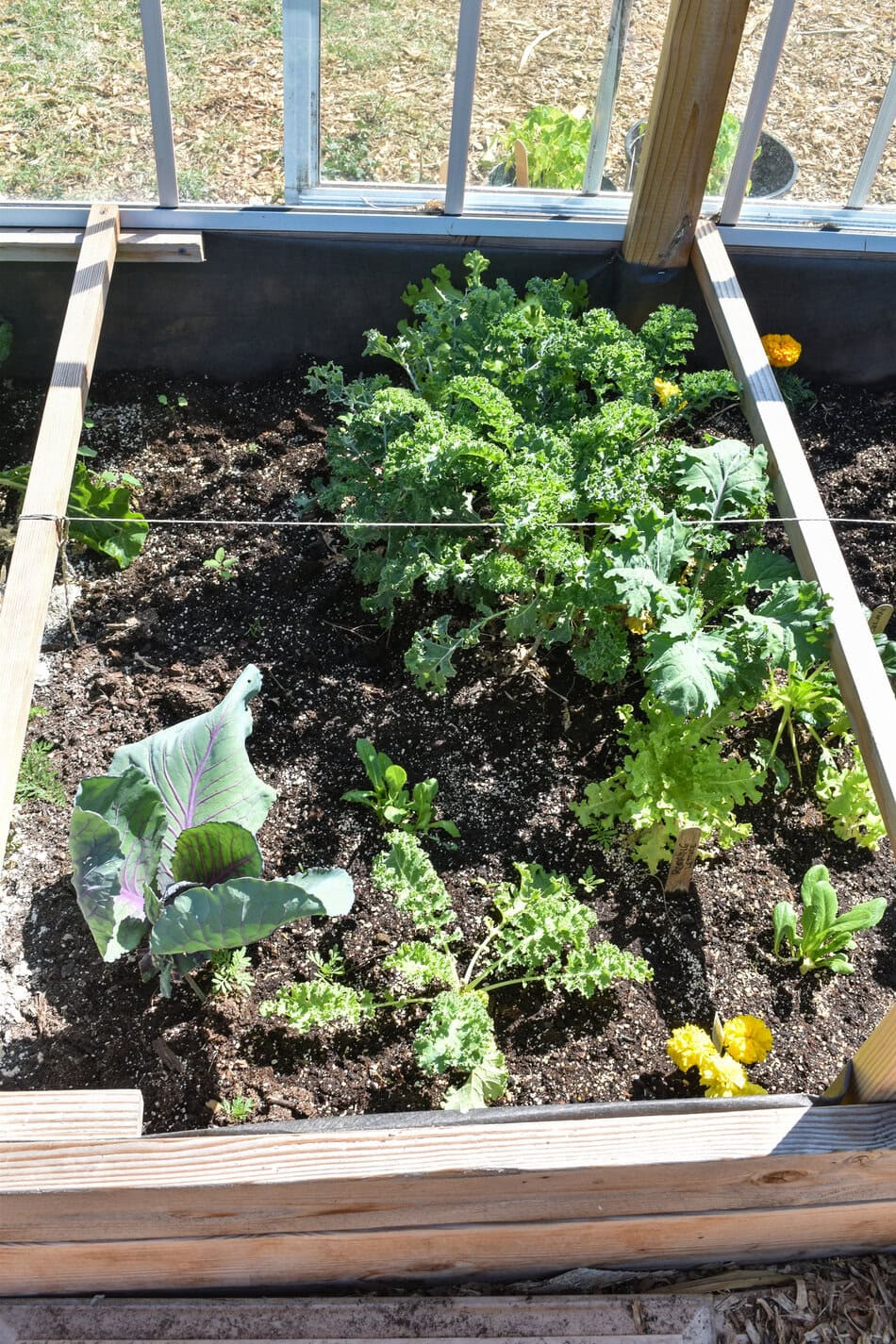
4. Kale (4-5 weeks before your last frost)

Kale does not simply survive a freeze. It actually tastes better after a cold snap. You can use transplants for a head start or sow seeds about a quarter-inch deep.
If you go the transplant route, set plants at the same depth they were growing in the pot and keep the leaves clear of the mud. Give them full sun. Kale is a glutton for light, even when the air is chilly.
It also gets big and pushy, so give it twelve inches of space or its ego will smother its neighbors.
Quick tip: Cool April weather may give kale a short break from heavy pest pressure, but keep an eye out for cabbage worms and other brassica pests.
And if you’re deciding what to grow nearby, we also wrote an article about the best companion plants for kale and what to avoid.
5. Carrots (2-4 weeks before your last frost)

Carrots take forever to germinate. You will stand there for two weeks, questioning your sanity. Yet, transplants usually lead to forked, hairy roots that look like a mutated chicken claw.
Sow the seeds shallowly in deep, loose soil and cover them with just a light dusting of fine soil. They wake with light like my grandma. Keep the surface evenly moist while they germinate, or those little guys will definitely check out.
Quick tip: You’ll (inevitably) drop too many seeds in a single spot as you sow. So once the seedlings are an inch or two tall, thin the extras until each remaining carrot has about three inches of personal space.
If carrots have given you short, twisted, or stunted roots before, I also explain what usually causes that and how to fix it.
6. Swiss Chard (2-3 weeks before your last frost)
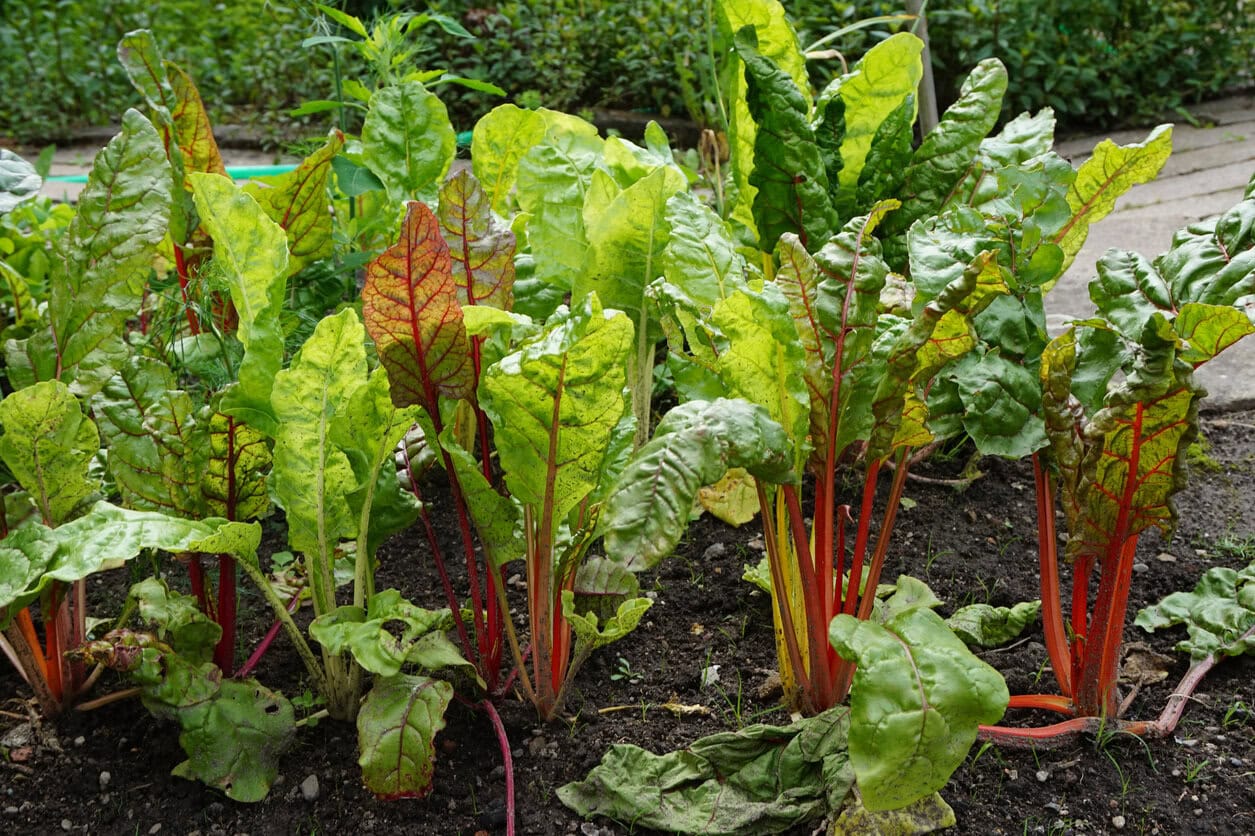
With those fancy stems, chard is the only plant in the April garden that looks expensive. It handles cool weather with ease and can stay productive for a long season.
Plant each knobby seed pod about half-inch to an inch deep. Keep it front and center so you can actually admire the colors while you pull weeds. Space them about six inches apart, with rows about a foot apart.
Quick tip: Pull the outer leaves like you are harvesting a paycheck; frequently and without guilt. That keeps the plant producing longer.
7. Broccoli (2-4 weeks before your last frost)

Broccoli is a cold-weather snob. It prefers cool conditions, and prolonged heat can make it open its buds into tiny yellow flowers, which is considered as failure in the veggie world.
Use transplants here. Pick the brightest corner of your yard. Dig a hole just deep enough to cover the root ball up and set the plant slightly deeper than it was growing in the pot, which helps it stand firm against pushy April breezes.
Quick tip: Give every head eighteen inches of elbow room. Broccoli hates sharing a bed, and a crowded plant tend to produce smaller, lower-quality heads.
If broccoli has frustrated you before, I also put together a guide on growing tight, healthy broccoli heads outdoors.
Quick Tips for Sowing Cold-Hardy Vegetables in April
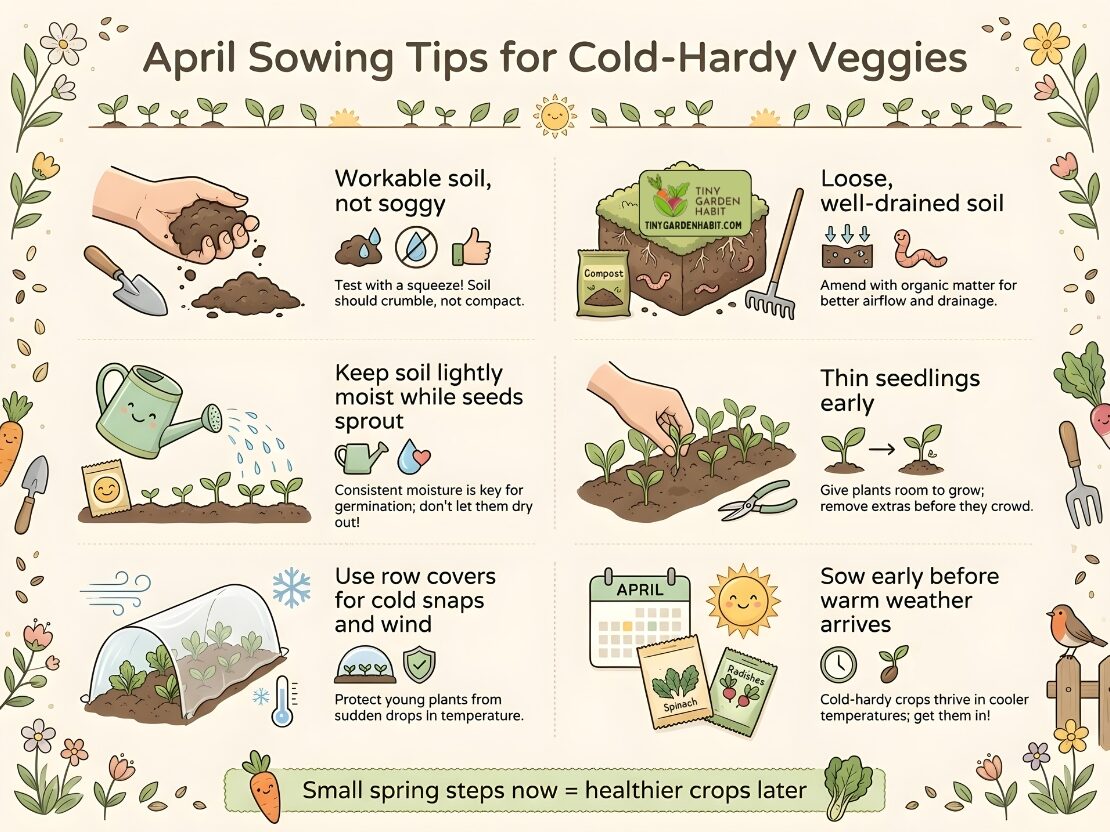
Over the years, a few simple habits have made spring planting go a lot smoother.
A little early attention goes a long way with these crops, and it usually means fewer problems later.
And if you’re in the mood for quick wins, we also wrote about fast-growing vegetables you can harvest in under 30 days.
Hot? Some Like It Not
I know people who garden to find themselves. If you ask me, gardening is all about finding dinner. Miss the April window, and you might as well tell NASA to map the craters in your backyard.


