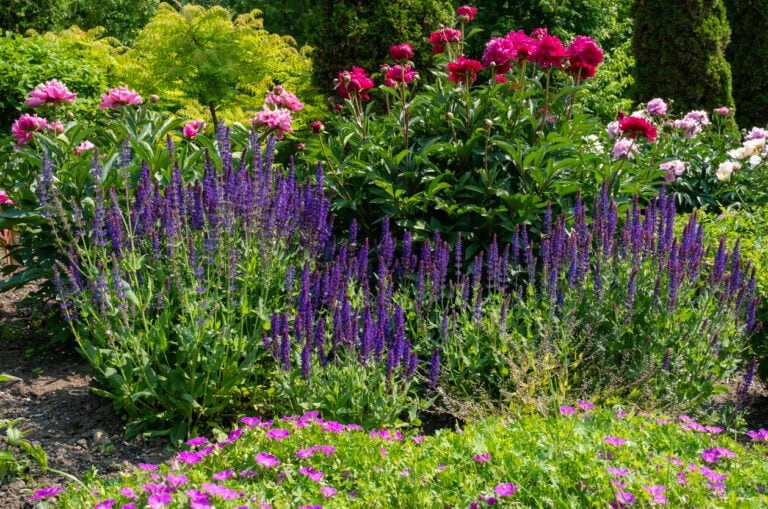
February is usually when I start losing my mind looking at the gray sky every day, so I treat my indoor seed trays like a survival kit. It’s my favorite way to get a jump on spring without spending a small fortune at the garden center in May.
And honestly, I just like knowing exactly what my plants are growing in; fresh soil, steady light, and none of the mystery “boosters” that sometimes come with mass-grown nursery starts.
9 Flowers to Start in February (So Spring Hits Faster)
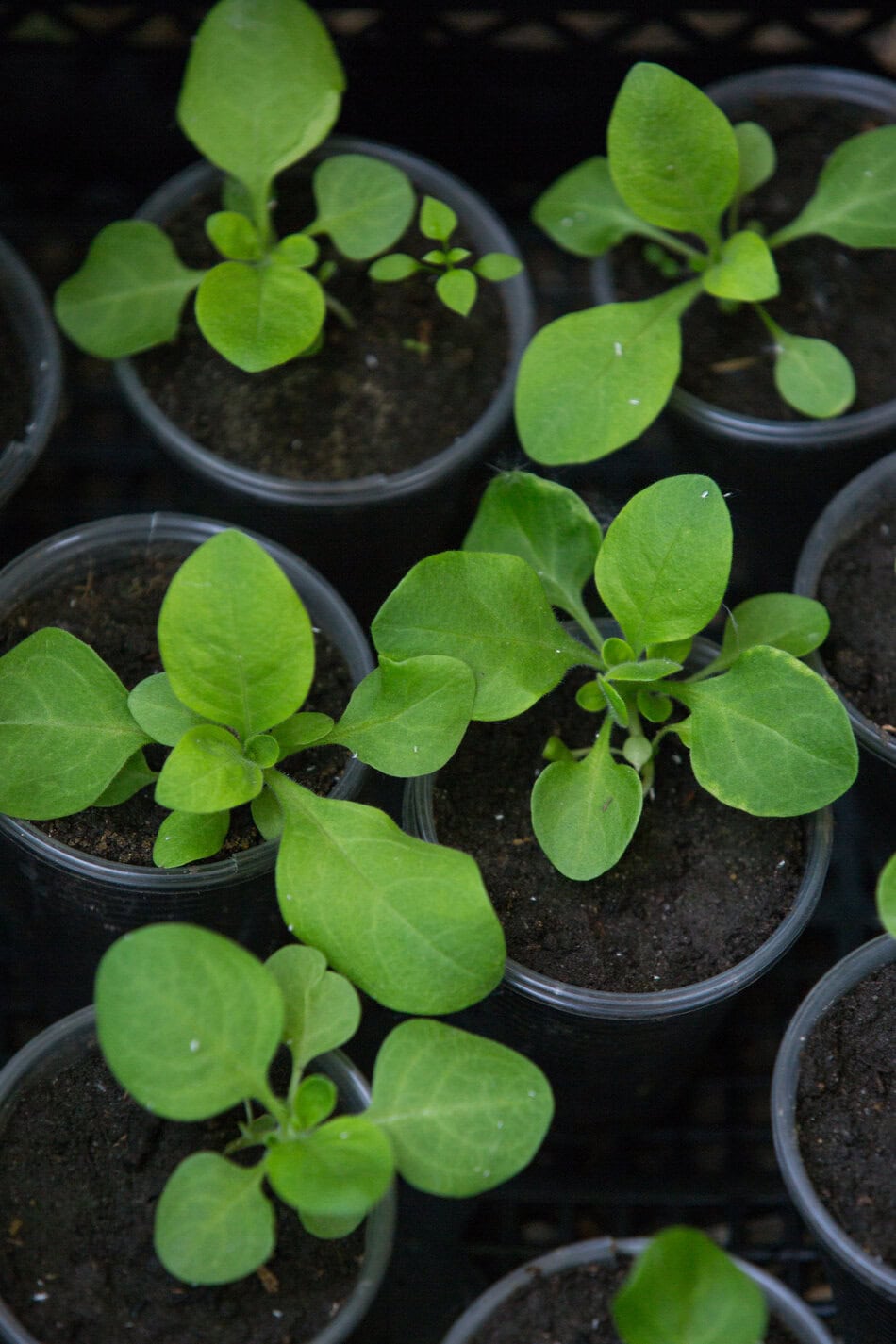
This February go-time works for just about everyone. You may live in the heat of Zone 10 Florida, the erratic swings of Zone 7 Oklahoma, or way up in Zone 3 where winter still has a personal vendetta (hello, northern U.S.). Either way, indoor seed trays are the great equalizer. It lets us ignore both the freeze and the heatwaves and focus on the plants.
Quick tip: If you’re new to seed starting, don’t overthink it! A basic seed-starting mix + a simple grow light setup will get you farther than an expensive cart full of impulse plants later.
1: Sweet Peas (USDA Zones 2-10)
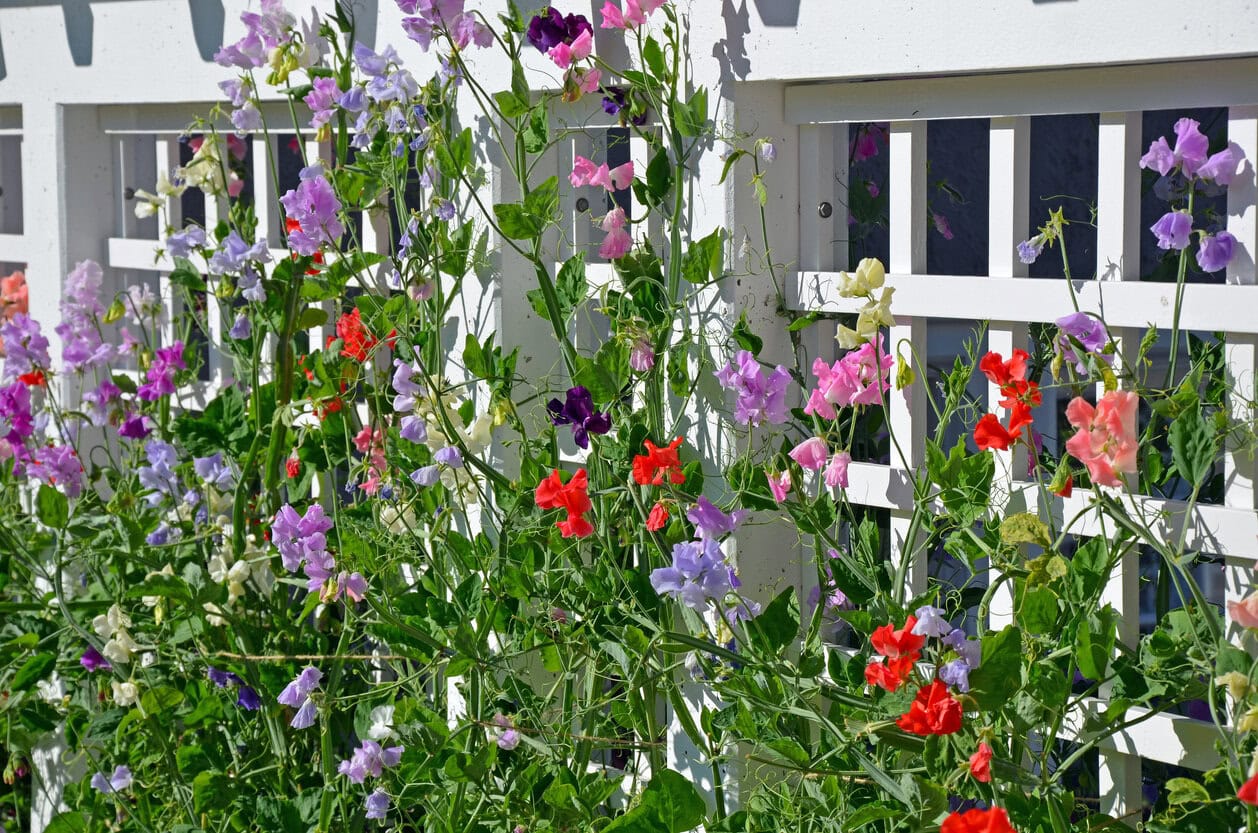
Sweet Peas are the marathon runners of any garden. I like to sow them now because they need to bulk up before the summer heat.
I use pots at least four inches deep to let their roots stretch out. When the thermometer climbs, these pea-uties stop blooming and put all their energy into surviving instead.
Quick tip: Sweet peas don’t love having their roots messed with, so I start them in individual pots or biodegradable cells to make transplanting easier (and less dramatic).
And if you’re in full February survival mode like I am, we also put together a list of houseplants you can propagate from cuttings in January and February, so you can grow something even when it’s miserable outside.
2: Pansies (USDA Zones 4-10)

Pansies are famous for their grit, but they grow with the urgency of a tectonic plate. Starting them in February is a lesson in delayed gratification.
In my experience, they need roughly 10-12 to reach a good transplant size, and they’re happiest when they grow cool and steady (not rushed). If you wait for the ground to thaw before sowing, you’ll get a shorter bloom window before summer heat shows up and they start fading out.
Quick tip: If your pansy seedlings look slow or “stuck”, don’t crank up the heat, give them bright light and slightly cooler temps instead. They grow better that way.
3: Lisianthus (USDA Zones 6-10)

If you want to feel like a pro, try these! They grow at the speed of a glacier on a coffee break.
I start them early and keep them indoors for long time because they spend their childhood building a strong root system rather than showing off any leaves.
Quick tip: Lisianthus seedlings hate soggy soil. I let the surface dry slightly between waterings, and I always make sure the trays have good airflow to prevent damping off.
4: Lobelia (USDA Zones 2-10)
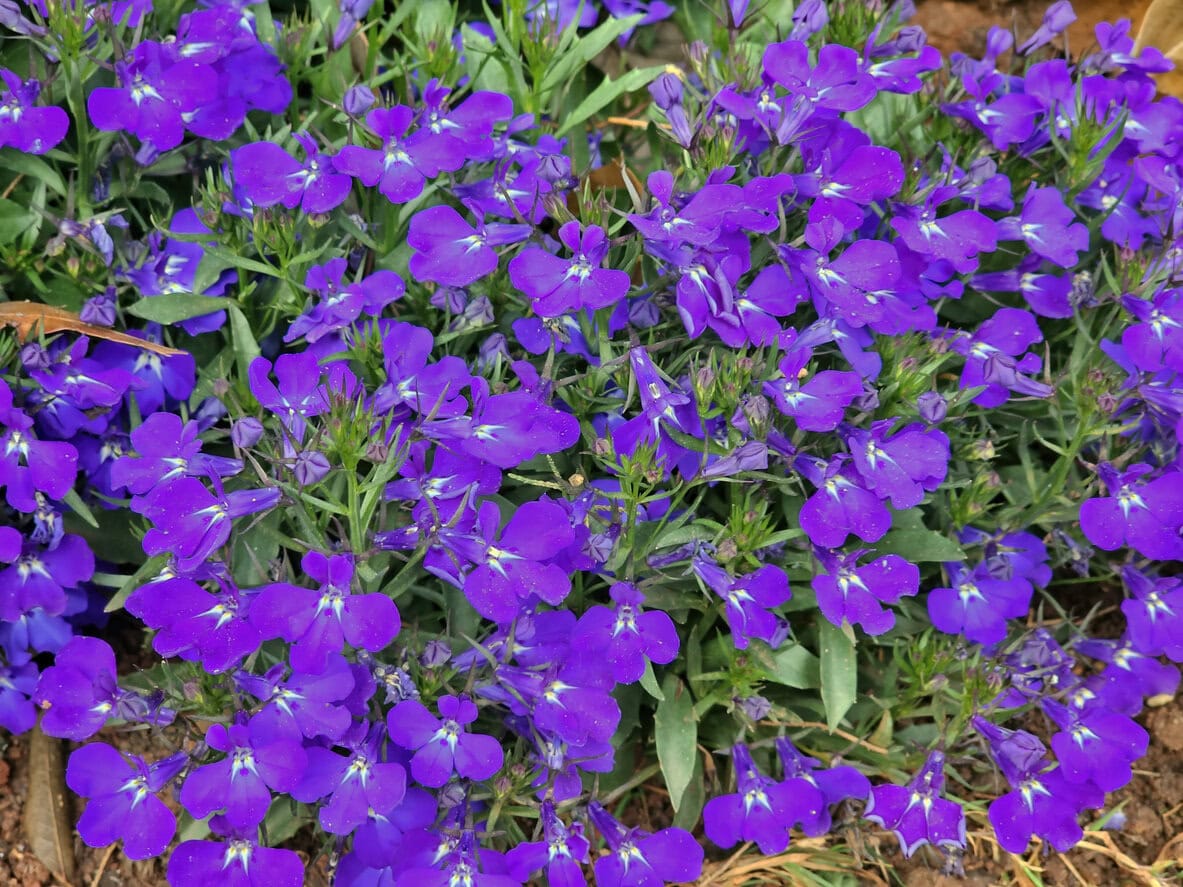
I plant Lobelia when I miss that soft “waterfall” look in hanging baskets. Yet, the seeds are tiny, so you’ll need a light touch. Start them now so they have time to fill out and knit together by May, as Lobelia takes its time to create a blue-tiful solid carpet.
Quick tip: Lobelia seeds need light to germinate. Press them gently onto the soil surface, but don’t bury them (and mist instead of pouring water on top).
And if you’re starting seeds anyway, we also put together a guide on the best vegetables to start indoors in February, because once the trays are out… I might as well fill them.
5: Petunias (USDA Zones 2-11)

Petunias need a February birthday if you want a real spring show. I like starting them early because it gives them time to grow into sturdy little plants instead of tiny, stressed-out sprouts.
I suggest using a warm heating mat to get their internal engines revving. They’ll be ready to explode the moment the frost passes. Nobody wants to wait until August for a pop of purple.
Quick tip: If your petunia seedlings start getting tall and skinny, it’s almost always a light problem. Move your grow light closer (a few inches above the tops) so they stay compact and strong.
6: Foxgloves (USDA Zones 4-9)

Foxgloves are one of those flowers that make a garden look instantly storybook. Some varieties can bloom their first year if you start them early, but a lot of foxgloves are naturally biennial. Meaning they spend year one growing leaves and saving energy, then bloom the next season.
Starting them in February gives them the best chance to size up early, and I’ve noticed stronger plants usually handle spring weather swings better once they’re outside.
Quick tip: If your foxgloves don’t bloom the first year, don’t assume you did something wrong. Keep them growing well, and you’ll likely get those tall flower spikes next year.
7: Calendula (USDA Zones 2-10)

Calendula is one of my favorite easy wins because it’s pretty and edible. They don’t mind a little chill and usually germinates faster than I can find my gloves.
I like sowing it early so I have blooms ready when the rest of the garden is just waking up, and it’s great for attracting pollinators and other helpful insects, too.
Quick tip: Calendula grows quickly, so if your seedlings start crowding each other, thin them early. You’ll get stronger plants and way more flowers.
8: Begonias (USDA Zones 3-11)

Begonias grow at the speed of a dial-up modem. By now, I know if I don’t start them in February, I’ll be looking at empty pots way too long.
If you’re growing begonias from seed, February is a great time to start because they take forever to size up indoors before they’re ready for outdoor containers.
And if you’re growing tuberous begonias, I still start them in February. I wake the tubers up indoors so they have time to sprout and build energy before planting season.
Quick tip: Begonia seeds are tiny and need light to germinate, so don’t cover them! Press them gently onto the soil and keep the surface evenly moist (a humidity dome helps a lot).
9: Dianthus (USDA Zones 3-9)

If I grow Dianthus, it’s mostly for that weirdly addictive clove scent. They are tougher than they look, and once they’re established, they handle the mood swings of spring weather without flinching.
I start them indoors about 6-8 weeks before my last frost date so they’re ready to go outside as soon as conditions are safe.
Quick tip: Dianthus likes good airflow. If your seedlings are packed too tightly, thin them out early so you don’t end up with weak, floppy growth.
If you’re also itching to get outside and plant something right now, we rounded up early-spring blooming perennials you can plant in February too.
The Nitty-Gritty Reality of Sowing Flowers

Setting up a nursery in your guest room? Same. But if your seed-starting mix is clumpy or smells like a haunted Jersey basement, it goes straight in the bin.
Damping off is a ruthless sprout-killer that loves funky conditions, so I always start with fresh mix and clean trays.
My no-soggy rule: I don’t let the trays sit in water forever, usually 10-20 minutes is plenty. Once the surface feels evenly moist, I pour off the extra water.
Prep the trays in ten minutes now, then sit back on the porch in May with a haul of expensive-looking flowers that cost you about three cents a pop.
If your seedlings always end up tall, skinny, and dramatic, we explain why seedlings get leggy in February (and the fixes that actually work) right here.
And if you want to set it up properly the first time, we wrote a simple guide on grow lights for seedlings: what to buy, where to hang them, and how long to run them.
The Great Outdoor Migration

The million-dollar question: when do these coddled babies finally face the elements?
You cannot simply chuck a seedling from a cozy 70°F room straight into the wild and expect it to thrive. They need hardening off, which is like a boot camp for plants (minus the yelling).
I usually start by placing my trays in a sheltered, shady spot for exactly one hour before whisking them back inside. From there, I slowly ramp up their outdoor shift and sun exposure every day until they can survive a full night under the stars.
And remember that wind training trick I just taught you about? This is where it pays off! Your seedlings aren’t going outside totally unprepared, they’re already a little used to movement, so that first real breeze doesn’t knock them over like a group of tiny drunk giraffes!
If you want something to look forward to while your seedlings are still tiny, we also wrote about the perennials that wake up first in spring, and it honestly gives me hope every year.