Good morning to everyone except people who forget their perennials need a little love, too. Don’t let your plants go hungry while you sip your sip lattes. I’m here to help you because every garden deserves a boost in early spring.
If you’re already working in your beds, it’s also a great time to divide certain plants. I explain which ones in our guide to perennials you can safely divide in early spring.
10 Perennials You Should Fertilize in Early Spring

Now let’s look at which perennials benefit most from an early spring feeding so you can set them up for stronger growth and better blooms.
Quick note: As a general rule, feed when you see new growth starting in your garden, which often lines up with your last frost date. Timing will vary depending on your climate. Gardeners in warmer zones may need to fertilize earlier, while colder areas should wait until the soil is workable.
1. Peonies
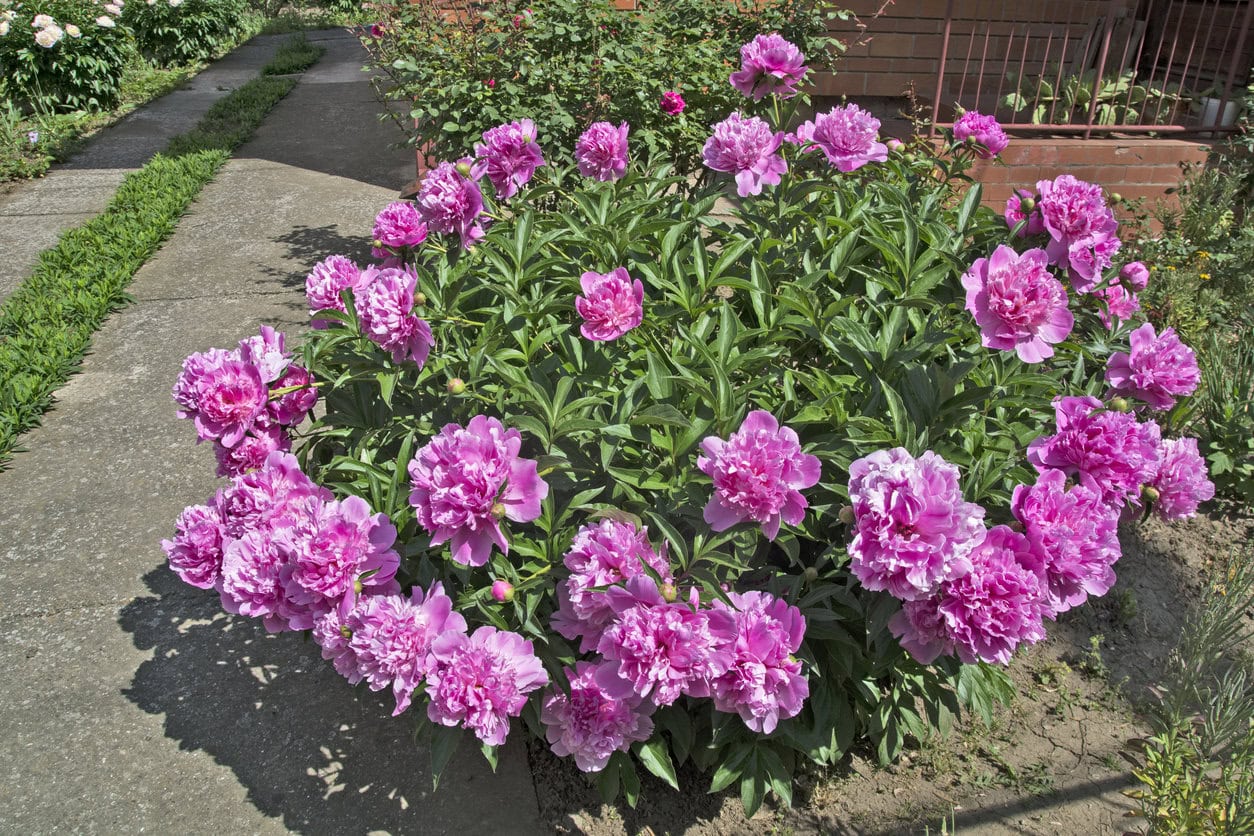
Stop drowning peonies in nitrogen unless you’re intentionally growing a big leafy bush with no blooms.
A low-nitrogen fertilizer like 5-10-10 is a better choice. Scatter granules near the base (keep them off the stems) and water them in well.
Pots or beds, it doesn’t matter! Feed in early spring as shoots emerge. Late feeding can make stems softer, increasing the risk of issues like botrytis.
Quick tip: Stake the stems early before those heavy blooms start to flop.
If you want to go deeper, we wrote a full guide on fertilizing peonies for bigger, longer-lasting blooms.
2. Daylilies

You could probably run daylilies over with a truck, and they’d still try to bloom. But just surviving isn’t the goal.
Give them a boost with a balanced fertilizer like 10-10-10 as soon as those green shoots emerge. Simply lightly scratch a small handful or about a tablespoon of granules into the soil and water it in.
Quick tip: I advise against being cheap. These blooms only have twenty-four hours to impress. Give them enough fuel to show up, or you’ll end up with something closer to overgrown chives.
3. Clematis

It’s no use shoving clematis in a hole and hoping for the best. If you want strong growth and better blooms, give them a little support early on.
A balanced fertilizer like 10-10-10 or one slightly higher in potassium, such as 5-10-10, works well. Feed them in early spring once you see a couple inches of new growth. Just keep it away from the stems.
Quick tip: Mulch around the roots while you’re at it. Clematis love that “cool roots, warm sun” setup, so keeping the base shaded really helps them thrive.
We break this down even more in our guide on how to keep clematis blooming all season.
4. Phlox
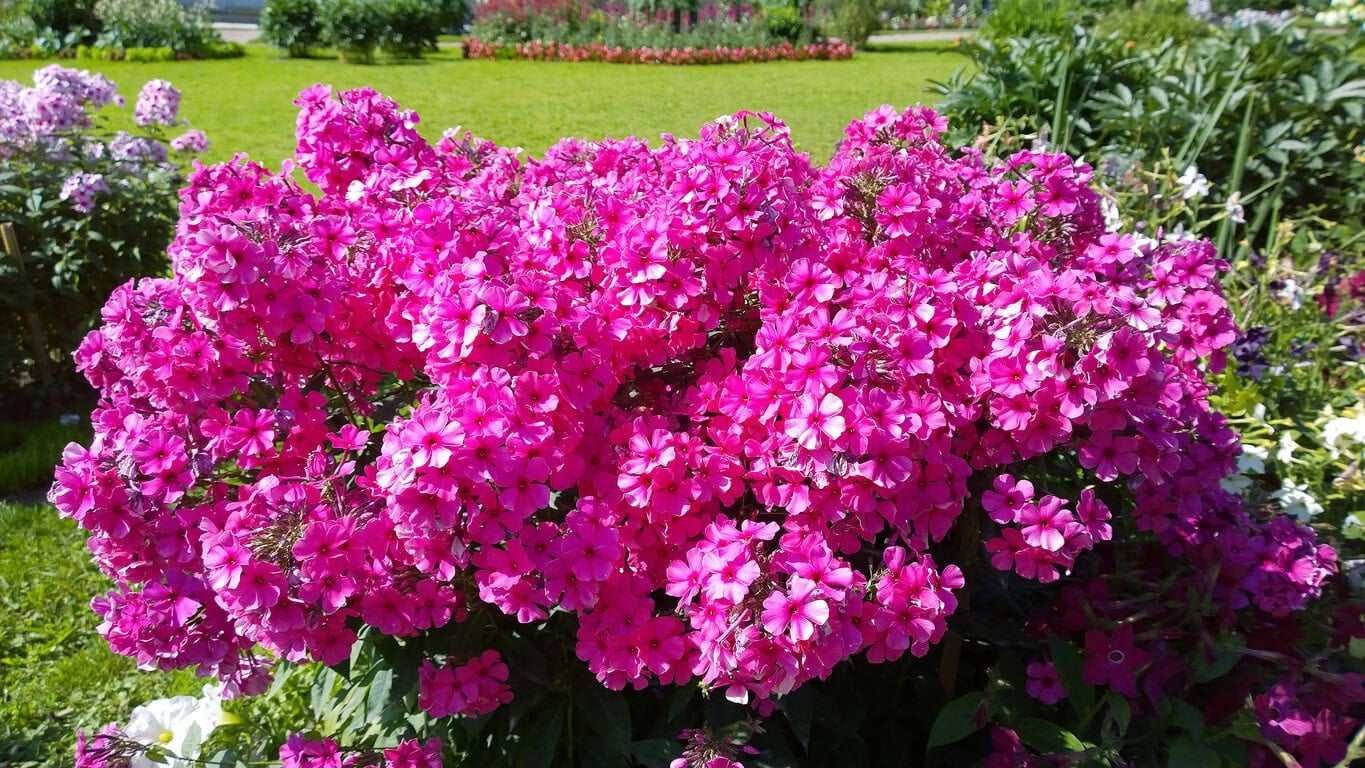
Stop letting your phlox look like a collection of crispy sticks by August. A light feeding in early spring helps support healthy growth and prevent that inevitable mid-summer burnout.
Use a balanced fertilizer like 10-10-10 and scratch it into the soil around the plant, then water it in well.
5. Delphiniums
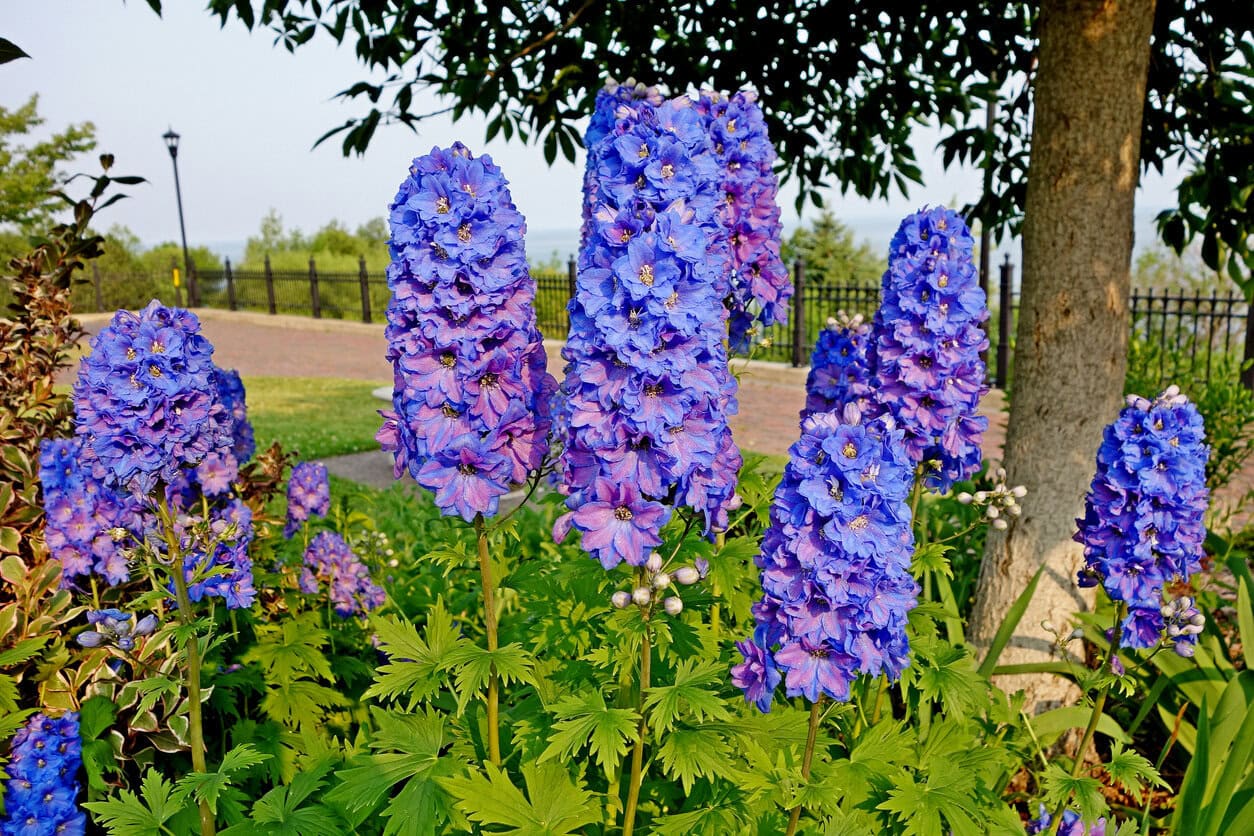
Stop starving your giants. Delphiniums benefit from a balanced fertilizer like 10-10-10 to support their flower towers. Lightly scratch the granules into the top layer of soil and water them in so the roots can actually access the nutrients.
Without enough nutrients? Those blue spikes will be short, sad, and stunted. Get them a boost in early spring as new growth starts.
6. Hostas

Hostas are essentially just giant green stomachs with leaves. Give them a boost in early spring to help maximize leaf size and get that deep color saturation everyone brags about.
A balanced fertilizer like 10-10-10 works well, or you can lean slightly higher in nitrogen if your soil is poor. Apply it as growth starts and water it in.
Quick tip: They’re essentially the lazy gardener’s trophy. Feed them once, and they’ll pretend you’re a pro. Just don’t let the slugs find out you’re making them extra juicy.
7. Bleeding Hearts

Bleeding hearts are known to fade the second heat sets in.
Spread a couple of inches of organic compost or slow-release fertilizer like 10-10-10 to support that delicate spring growth into early summer.
This acts both as a gentle feed and a mulch layer. It helps keeping sensitive cool roots against temperature swings that can trigger early dormancy. With cool soil and steady N, you help the foliage to stay green weeks longer than it planned.
If yours seems to disappear early, don’t panic! I explain why in my guide to plants that look dead in spring but aren’t.
8. Oriental Lilies

Strong bulbs are the one true basis for oversized flowers that put HOA on your side forever. A low-nitrogen fertilizer like 5-10-10 is the right move here.
You want pure muscle and flower power, not a giant pile of leaves. Apply it in early spring as shoots emerge and water it in well.
Quick tip: And if you’re cheap with the nutrients, you’ll get tiny blooms that smells like despair.
9. Astilbe
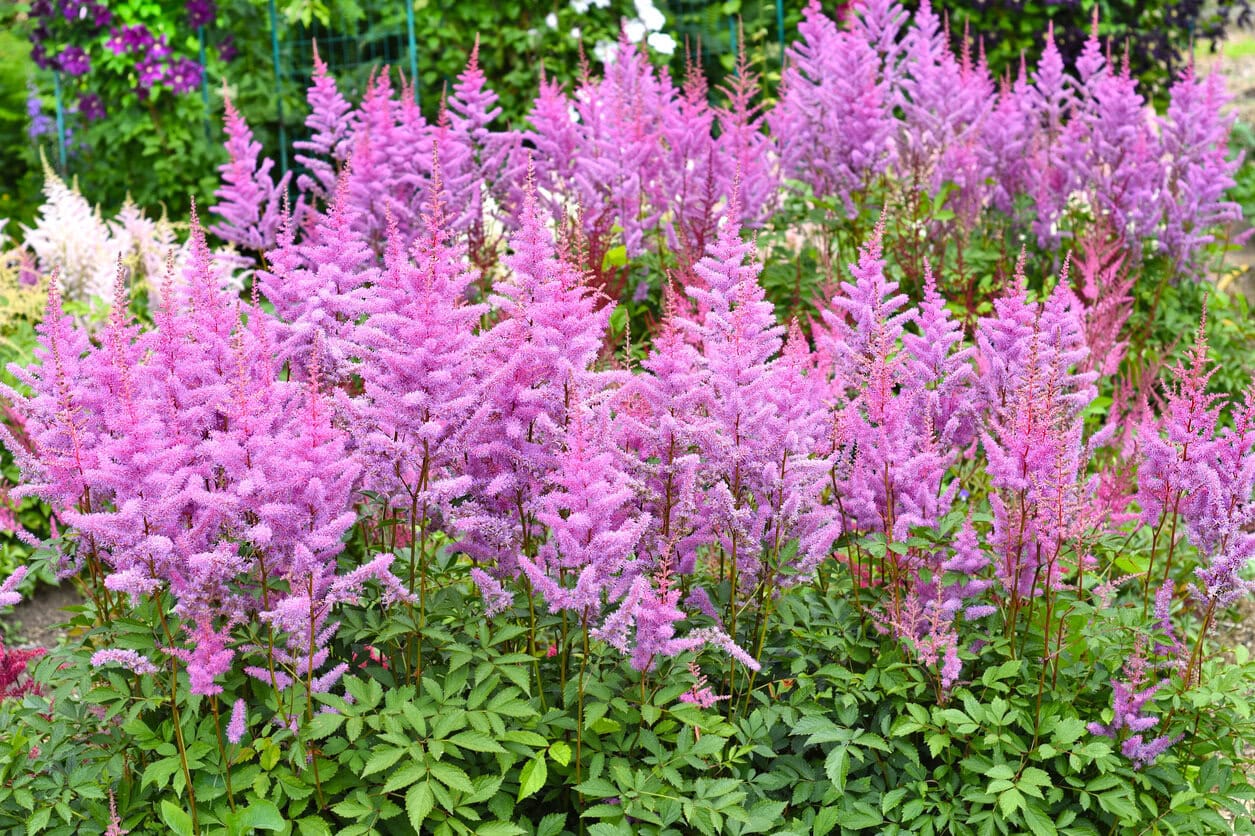
These plumes needa little extra care to thrive in shaded garden corners where bad plants are sent to repent. They love consistently moist, rich soil, so don’t let them go hungry.
Give them a light feeding in early spring with a balanced fertilizer like 10-10-10, or better yet, work in some compost to improve the soil. Delaying until you see big leaves means you’ve already lost the battle for sturdy stems.
10. Shasta Daisies

Shasta daisies are fairly easygoing, but a little boost in early spring helps keep them blooming strong into summer.
Use a balanced fertilizer like 10-10-10 and apply a small amount around each plant. Scatter the granules in a circle a six inches away from the clump center and water them in well.
Fertilize Like a Pro
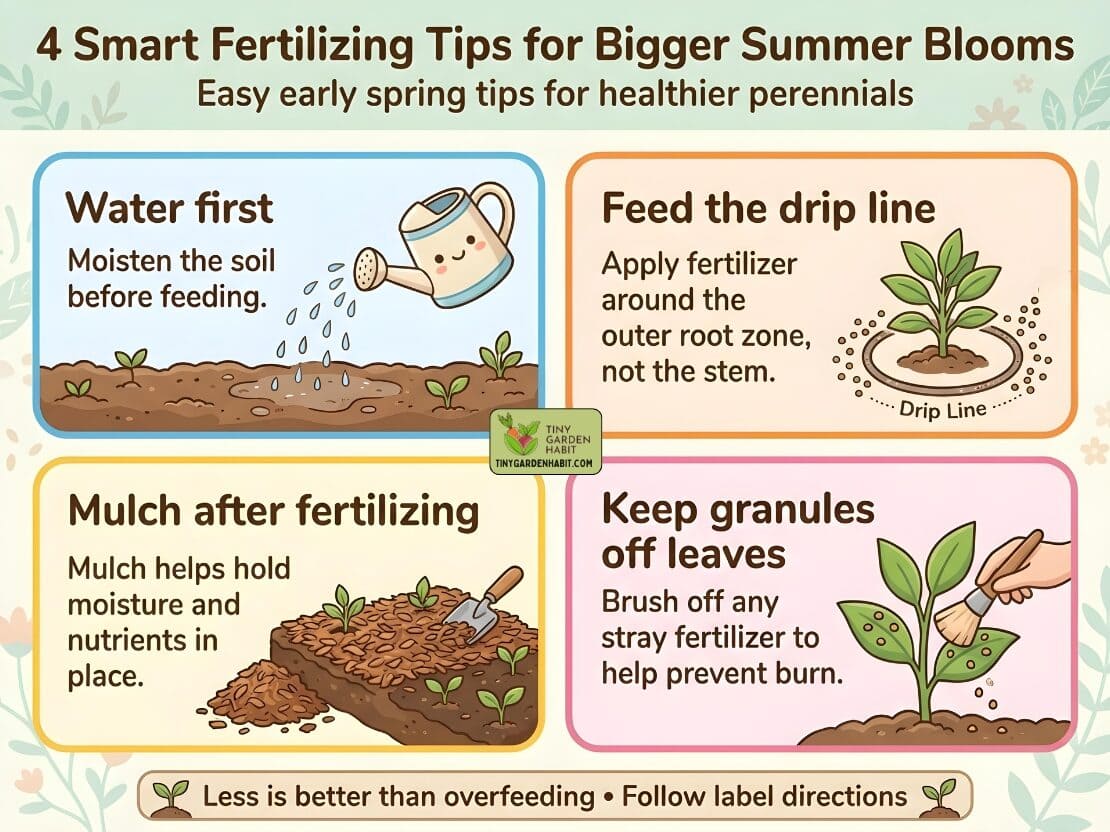
Before you get your hands dirty, here is the real dirt on fertilizing without the flop.
We also put together a guide on which perennials to thin in early spring if you want stronger, healthier growth overall.
Don’t Soil Your Reputation
Don’t let April slip away. Get the food in the ground before the growth outpaces your efforts. Feeding your perennials on time, properly, and consistently beats luck every time.