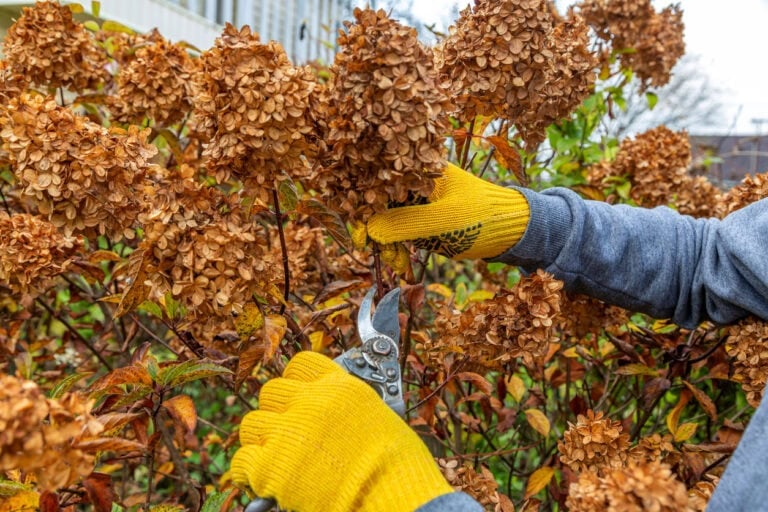
Some plants are clearly planning a planetary takeover, starting with your flower beds. These seven species spread faster than a glitch in the matrix. Reset the balance by thinning them in early spring, or prepare to find out exactly how deep the rabbit hole goes.
The Anatomy of the Thin
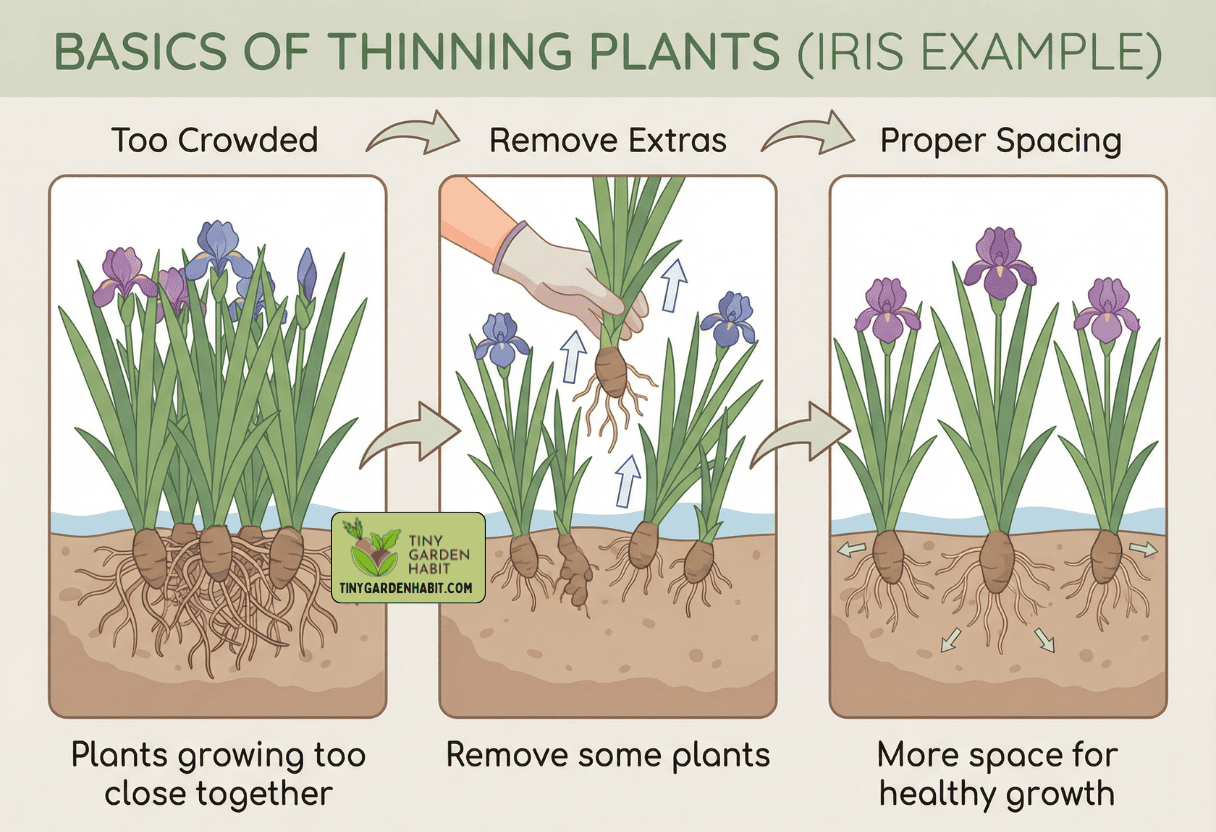
Thinning perennials isn’t about making more plants so much as making stronger ones. Unlike dividing, you’re not just moving the crowd.
When you remove some of the oldest stems or cut out tired centers, you break up the stagnant air and reduce underground competition. The remaining plants get more sunlight, water and nutrients, which often leads to sturdier stems and better blooms.
If you’re unsure which plants actually benefit from early spring division, we put together a guide on perennials you can safely divide in early spring (and which ones you should leave alone).
7 Candidates for Spring Thinning
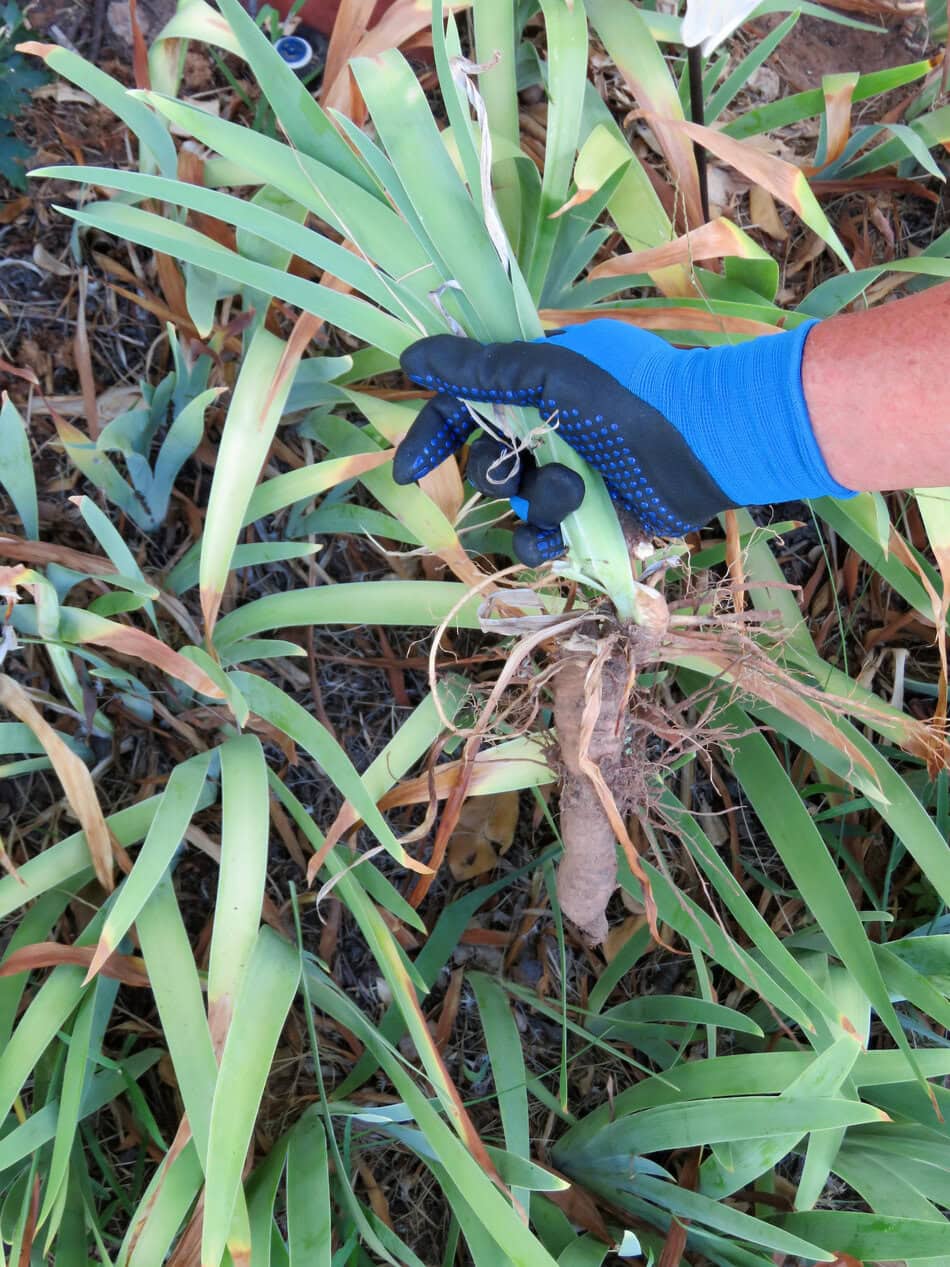
Welcome to the leaf elimination round, where only the least annoying foliage gets a rose. Truth be told, they’re all a little annoying.
Quick note: Start thinning only when the soil is workable and new shoots are just beginning to emerge. In colder regions, wait until the last hard frost has passed so fresh growth doesn’t get damaged.
1: Bee Balm (Thin every 2-3 years)
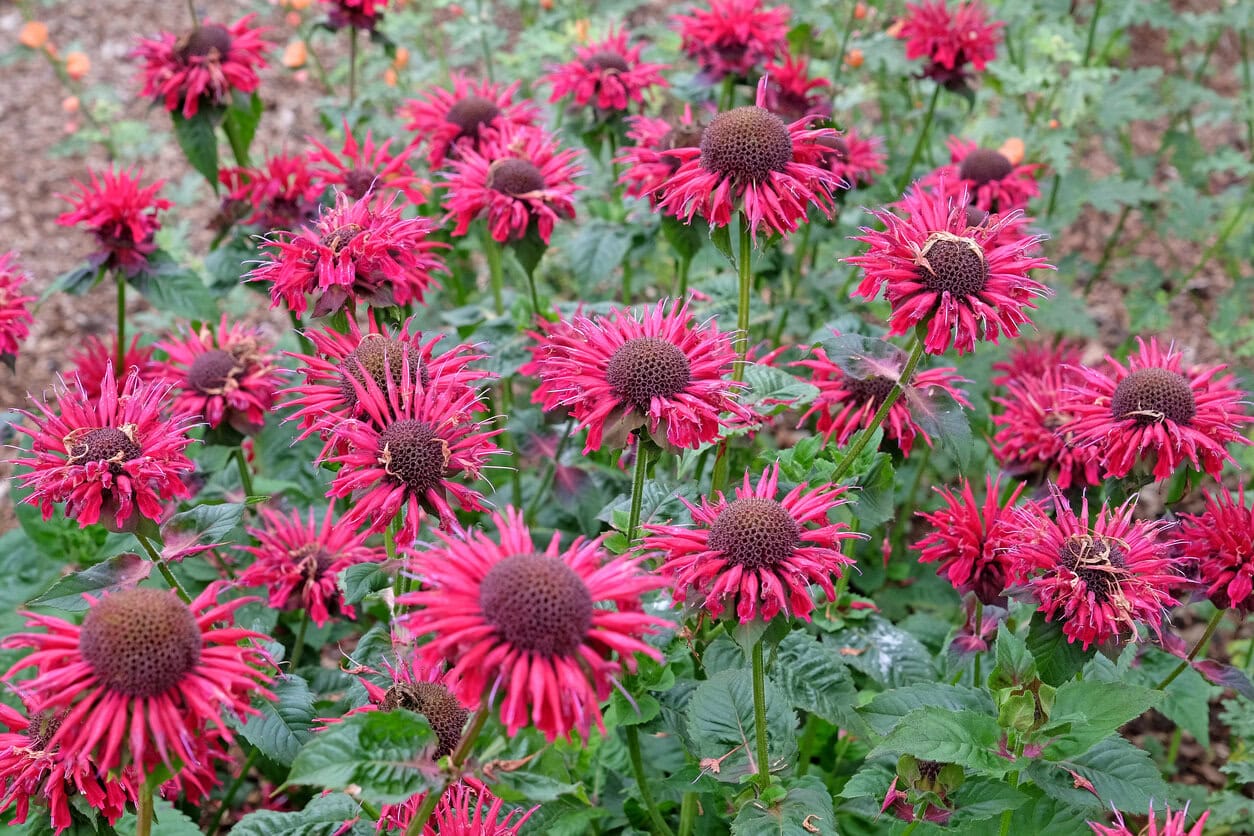
Mildew thrives in the stagnant air of a crowded monarda patch. Dividing the clump improves airflow and helps reduce fungal problems. Just drive a spade several inches down and lift the whole congested mass.
Hack out the exhausted center and toss it in the compost. Only keep the vigorous outer sections and replant them about 18-24 inches apart. You’re about to create the breezy environment bee balm needs for healthier foliage.
Quick tip: Don’t bury the crown when you replant. Bee balm should sit at the same soil level it was growing before, or the stems can rot.
2: Garden Phlox (Thin every 3-4 years)
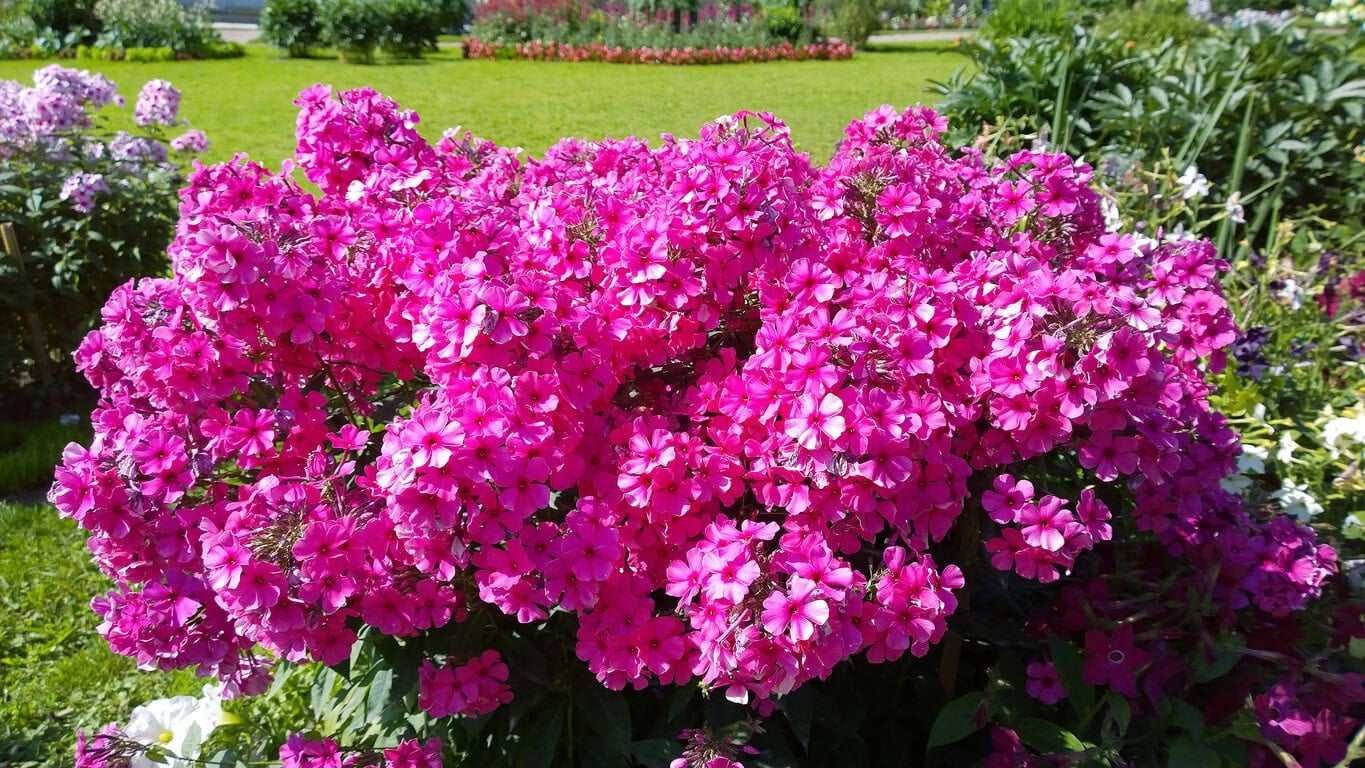
When phlox stems stand shoulder-to-shoulder, the bottom leaves turn crispy brown.
Dig deep enough to lift the heavy root system. Then, instead of leaving a massive clump, divide it into smaller sections with about three healthy stems each. I replant these starts with 18 inches of breathing room between them.
Quick tip: Once those plants hit six inches tall, I snip their main stems just above a leaf node. My goal is to encourage branching and fuller growth.
3: Hosta (Thin every 4-5 years)
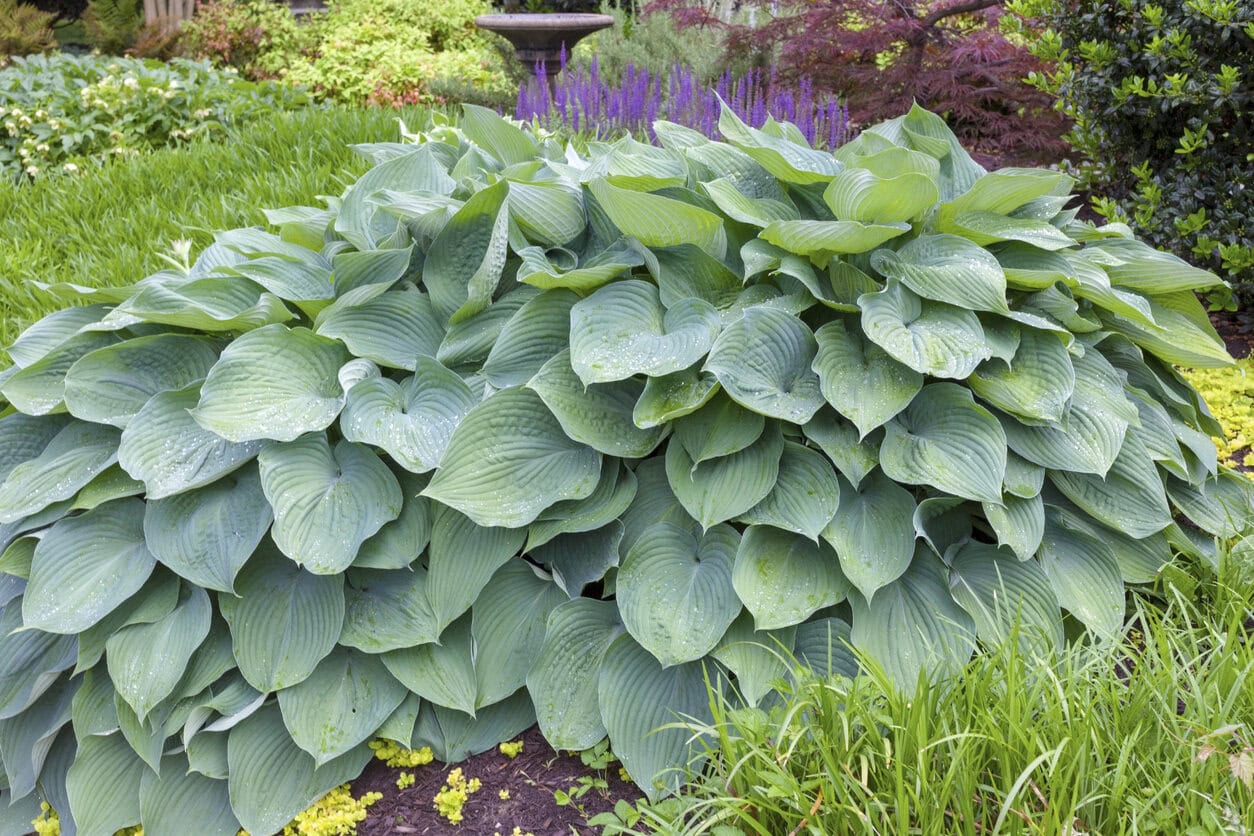
Thinning a massive hosta doesn’t always require lifting the whole heavy weight. I usually take a sharp garden knife and plunge it straight down near the outer edge of the crown to slice off a healthy section.
Pull that division out and replant it elsewhere. Removing a few outer sections gives the remaining clump more space to expand and encourages fresh foliage to fill in.
Quick tip: Make sure each division keeps at least one visible “eye” (the pointed shoot). Without it, that piece won’t regrow.
Hostas are usually slow starters in spring, but some perennials pop up much earlier. We wrote about perennials that wake up first in spring if you’re curious which plants will show up before everything else.
4: Daylily (Thin every 3-5 years)

Stop letting these turn into a wall of useless green blades. When a clump gets crowded, dig deep enough to lift the entire root mass with a transplanting spade.
Once it’s out of the ground, pull the fans apart into smaller divisions. Replant the healthiest fans 18-24 inches apart so the remaining plants have better access to water, nutrients, and sunlight.
Quick tip: When replanting daylilies, keep the crown right at soil level. Burying it too deep can reduce flowering.
5: Siberian Iris (Thin every 3-4 years)

Old Iris clumps can develop a thin or weakened center. Clear this up by digging 8 inches deep once the frost leaves the ground. Separate the firm, young rhizomes from the mushy husks.
Replant only the firm pieces and trim the leaves back by about one-third. This reduces the stress on the plant, so it can focus on repairing its roots rather than leaf maintenance.
Quick tip: Replant Siberian iris at the same soil depth they were growing before. Burying the crown too deep can reduce flowering.
6: Blanket Flower (Thin every 2-3 years)

These plants often decline after a few years because they bloom so heavily that the crown eventually becomes crowded. I dig about six inches down to lift the shallow root system before the heat of summer hits.
Hand-pull the cluster into two or three distinct pieces to relieve pressure on the crown. When you put them back, ensure the crown sits flush with the soil. Even a tiny extra layer of soil over the crown can lead to rot.
Quick tip: Blanket flowers need excellent drainage. If your soil stays wet after rain, mix in compost or plant them in a slightly raised area.
7: Yarrow (Thin every 2-3 years)
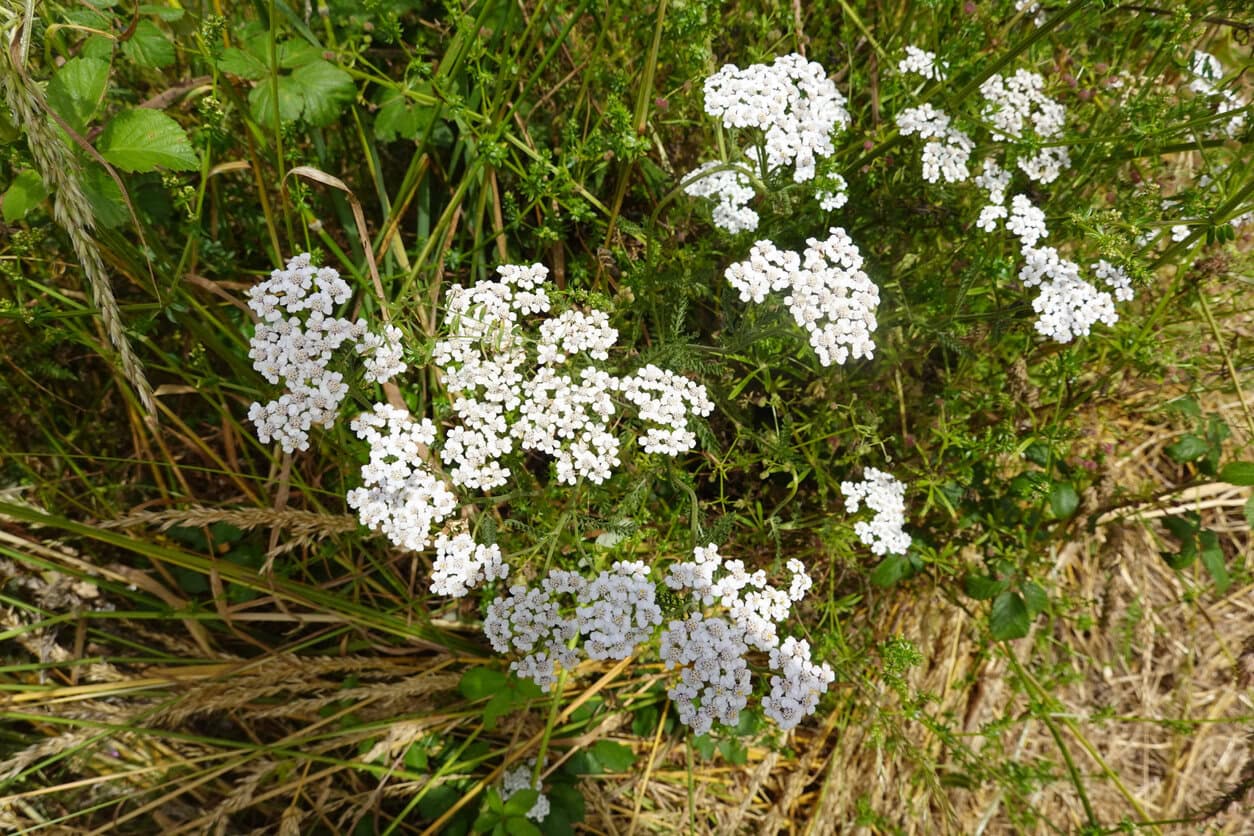
Yarrow is a garden bully that sends out underground rhizomes to colonize your entire border.
You need to sink your tool several inches deep and slice through the spreading rhizomes to thin the patch. Remove about two-thirds half the clump to keep the patch manageable. Break the remaining sections into smaller divisions before replanting.
Quick tip: I aggressively thin my yarrow every three years so the center never becomes woody.
Quick Thinning Rules
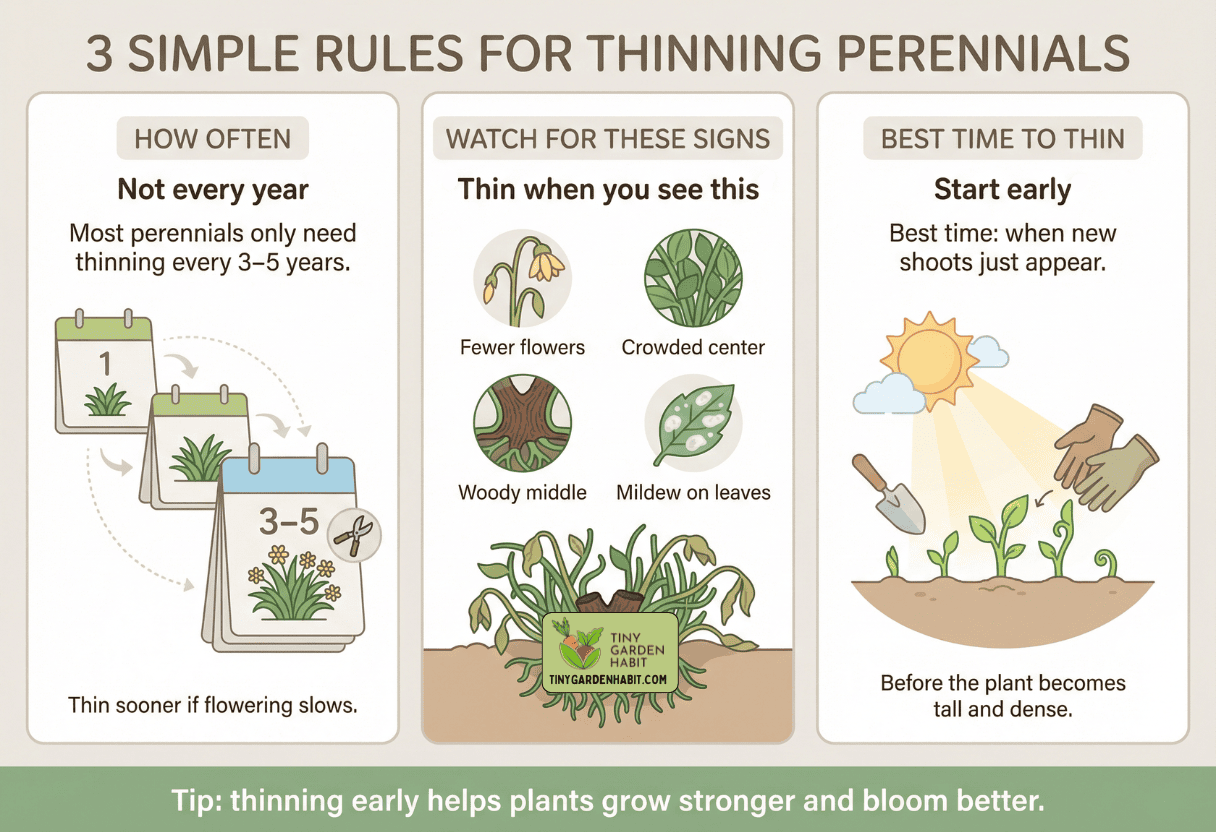
Before you grab the shovel, here are a few simple thinning rules I follow every spring!
Who’s Who of the Compost Bin
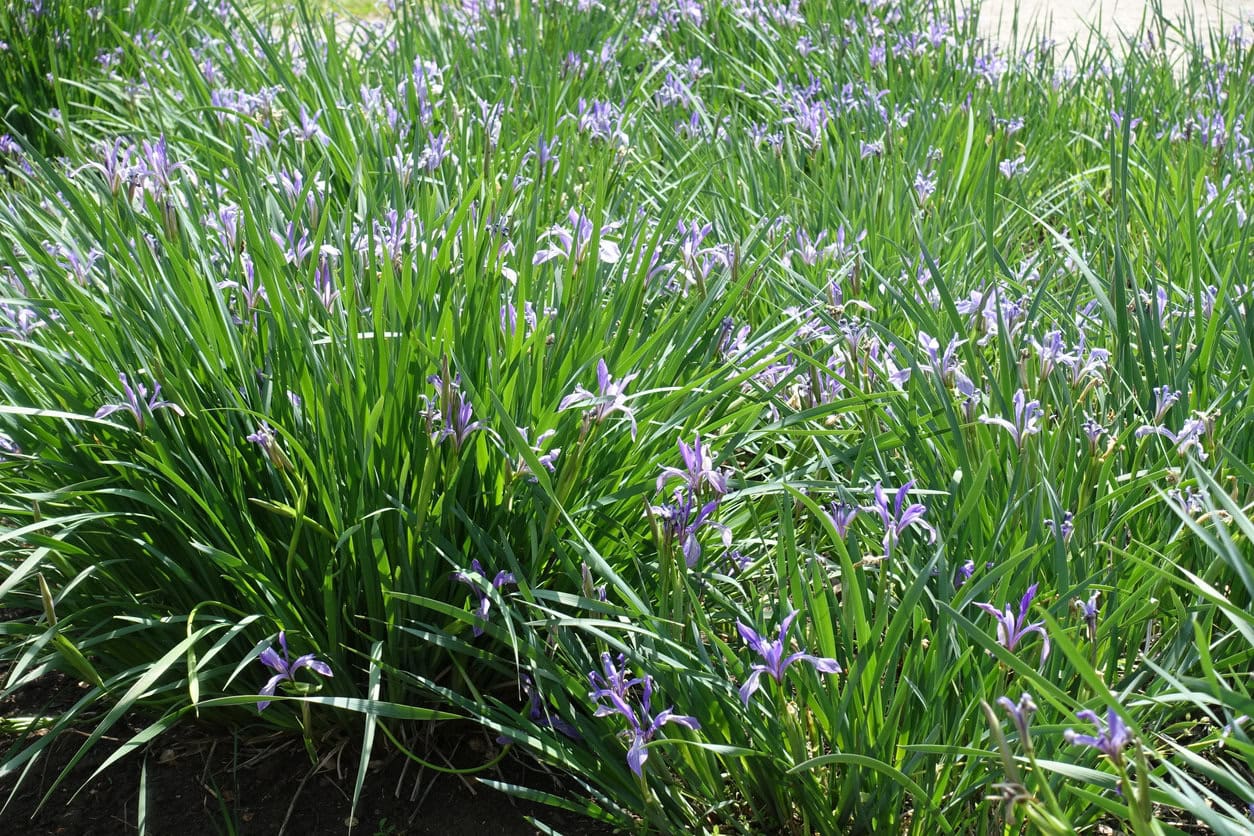
I hunt for the pale stems that lost the fight for sunlight. These weaklings usually sit in the center of the clump where the air is stagnant and the competition is fierce.
I also target any stalks with stunted leaves or those showing the first signs of spotting.
My goal is to snip these stems right at the soil line with sharp shears and open the canopy. It clears out the woodiest growth and makes room for the fresh shoots to take over the patch.
In plants prone to fungal issues, I also remove a few of the lowest leaves to create a small gap between the foliage and the soil This helps reduce the chance of soil-borne diseases splashing onto healthy leaves during rainstorms.
Thinned to Win
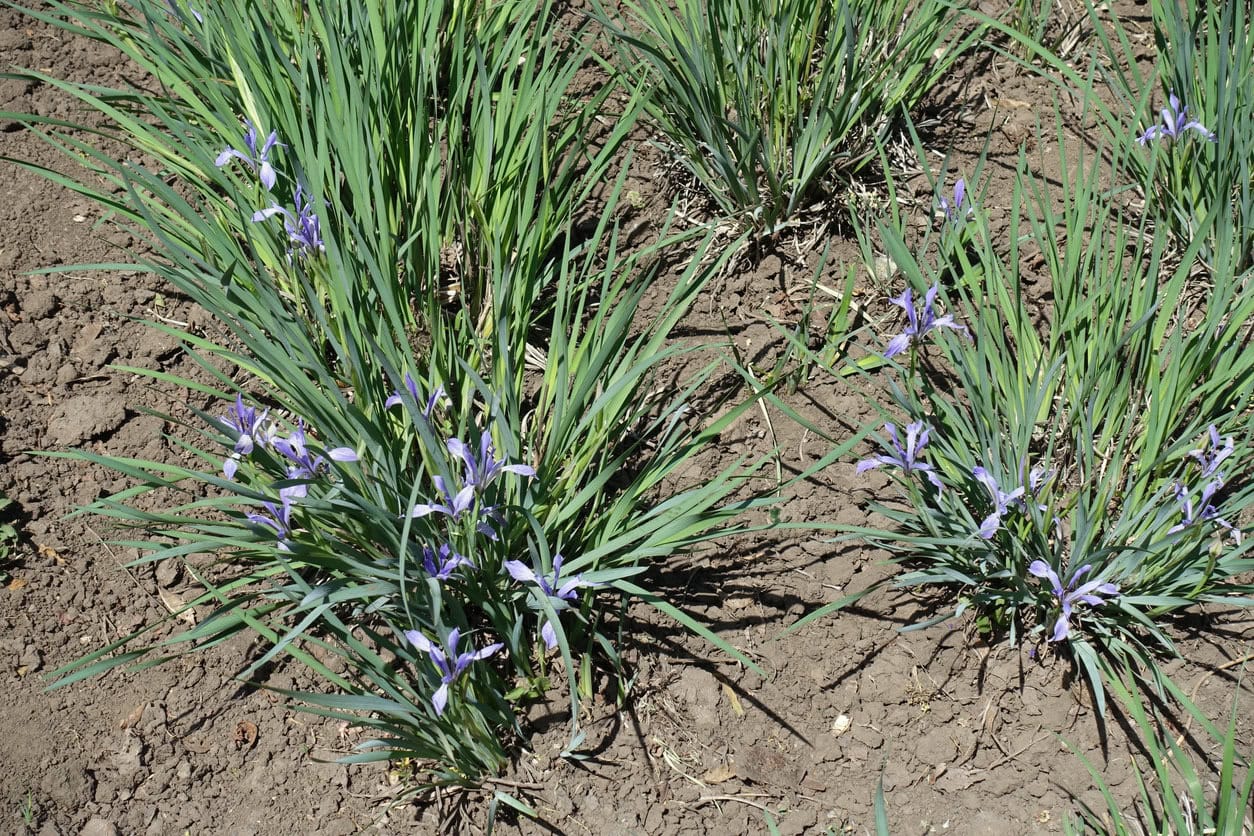
Thinning in early spring means more sunlight for the survivors and stops the leaf elimination round before summer. You get sturdier blooms instead of a wall of useless green blades. No growing pains here. Just spreadsheet management.
And while you’re doing spring cleanup, you might also want to check out our guide on perennials to prune in early spring for gorgeous summer blooms.