As winter settles in, my container plants always show the stress first. Pots don’t protect much, and the old foliage breaks down fast once the frost hits.
Over the years, I’ve found that a small December trim keeps everything cleaner and helps these plants bounce back stronger in spring. So, let’s see which container plants are ready for a December cutback.
Why Container Plants Benefit From a December Cut-Back

There are nine container plants you should cut back in December. They need a little extra TLC and others you should leave alone. This isn’t heavy pruning; it’s just winter cleaning that helps them bounce back in spring.
I think of it a bit like winter cleaning. Thoughtful tidying prepares your container plants for a fantastic spring.
After a few seasons of doing this, I can say December is one of the easiest times to give your containers a little love. Let’s take a look at which plants actually benefit from a winter trim.
If you’re working through your garden beds as well, we made a guide on which perennials to cut back before winter and which ones are better left standing.
9 Container Plants You Should Cut Back in December

1: Geranium (Pelargonium) (Zones 9-11 outdoors, 3-8 indoors)

Geraniums love warm weather, so unless you live in Zones 9-11, they can’t stay outside for winter. Mine come indoors every year, and the first thing they do is stretch toward the brightest window, like they’re trying to escape the room.
A quick trim of the soft, leggy growth keeps them compact while they rest indoors. It’s just a light winter touch-up, nothing heavy.
If you do garden in Zones 9-11 (lucky you!) and your geraniums stay outside year-round, you can give them the same small tidy. They handle a gentle winter haircut really well.
Quick tip: I used to toss the cuttings without thinking, but geranium tips root incredibly easily. Save the healthy ones and you’ll end up with free plants for spring.
2: Fuchsia (Zones 9-11)

Fuchsias make lovely container plants, but they’re only hardy in warm climates. As the days get shorter and the plant starts slipping into its winter rest (usually when the leaves look floppy or tired) give it a light trim.
Just cut back the soft, congested growth so it doesn’t turn twiggy. It doesn’t take much, and you’ll be rewarded with fresh, healthy shoots once spring rolls back in.
And if you’re unsure what to prune beyond your containers, here’s a simple December guide on what to cut back and what deserves to stay standing.
3: Lavender (Zones 5-9)

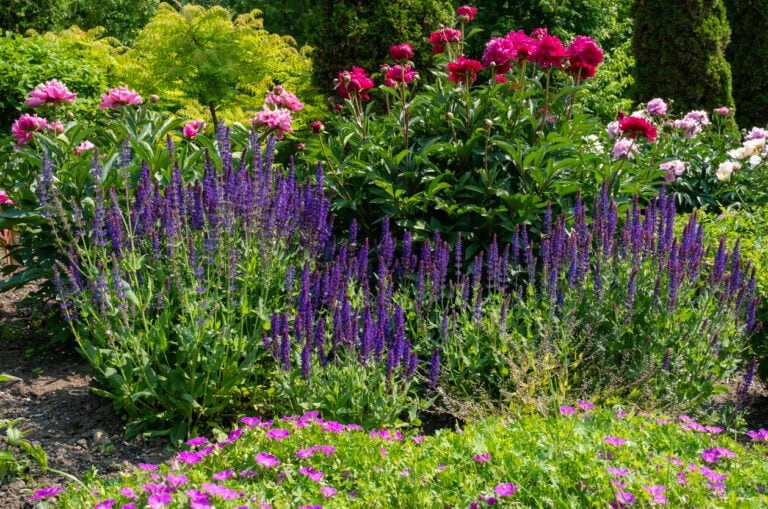
If you’re looking for good options in potted lavender, I’d suggest English varieties (Lavandula angustifolia), like Hidcote, Munstead, and Thumbelina Leigh. They stay a nice size and smell amazing on a cold day.
In December, I only trim off the spent flowers and tidy the shape a little. Don’t go overboard, though! Heavy pruning in winter can really set lavender back.
Quick tip: If your lavender looks a bit scruffy in winter, resist the urge to “fix” it. Light trims only!!! The real shaping happens in spring.
4: Hardy Geranium (Cranesbill) (Zones 4-9)

The first hard frost is my signal to deal with Cranesbill in pots. The foliage basically melts into a sad, mushy pile overnight, and if you’ve ever had to fish that out of a container in January… you only let it happen once.
A quick trim right after frost keeps all that slime from turning into a fungal mess. Once the top growth is cleared, the plant can settle in and store its energy for spring, and trust me, it comes back looking much happier for it.
And if you still have a few plants sitting outside that really shouldn’t face frost, here’s a list of the ones worth bringing indoors before the cold hits.
5: Mint (Zones 3-9)

Mint is one of my favorite herbs, but honestly…it has no boundaries. The minute you turn your back, it’s already planning to take over the entire garden. That’s why I always keep mine in pots.
By December, most mint in containers looks sad and collapsed anyway, so I just cut it right down to the soil. It seems harsh, but it really does bounce back stronger once the weather starts warming up. Mint is one of those plants that forgives everything.
Quick tip: I used to leave the dead mint stems standing all winter because I assumed they were “protecting” the plant. Nope. Cutting everything down actually gives you cleaner, fresher growth in spring.
6: Chives (Zones 3-9)

Chives were one of the first herbs I ever planted, and I massively underestimated how enthusiastic they’d be. They grow back like nothing else, which is great in the kitchen but a bit much in the garden. Keeping them in containers gives me all the flavor without the takeover.
This is one of the easiest, just snip them down to about 1-2 inches. The moment spring warms up, they shoot back up like they own the place.
Quick tip: Both common chives (Allium schoenoprasum) and garlic chives (Allium tuberosum) thrive in pots, but garlic chives get wider and heavier. If you’re growing both, give the garlic chives the slightly bigger container, they’ll fill it faster than you expect.
7: Thyme (Zones 5-9)

Thyme is one of those woody herbs that slowly stretches out and gets a bit scruffy in pots. A light trim, no more than one-third, helps keep it compact and improves airflow around the plant.
I only tidy up the soft, leggy growth in winter and leave the serious shaping for spring.
8: Salvia (Hardy Varieties Only) (Zones 4-8)

At the first frost, hardy salvias in pots usually flop over and look a little defeated. I just snip off the spent flower stalks and tidy the tops. It keeps moisture from settling in and helps the plant ride out winter without issues.
Just make sure you’re working with a hardy type, because the tender salvias rely on their old growth for protection.
9: Hostas (Zones 3-9)

Hostas are easily one of my favorite perennials for pots, they’re shade-tolerant, low-maintenance, and come in more colors and patterns than seems fair. They even pull in pollinators when they flower, which is always a win in my garden.
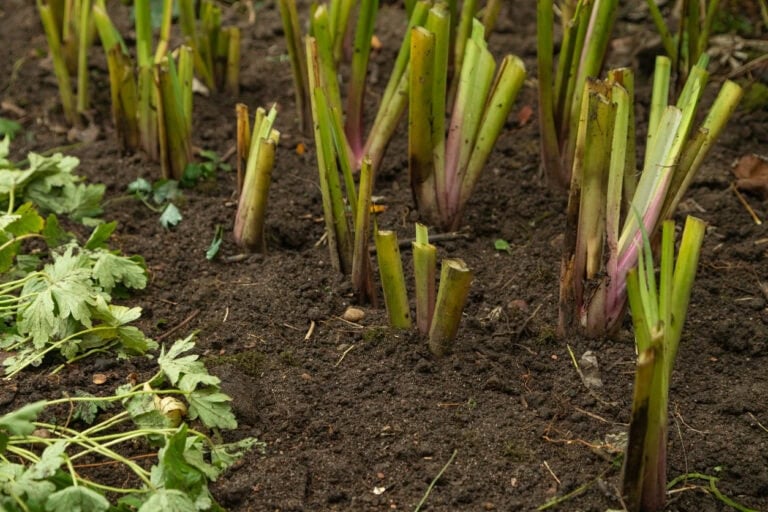
After the first hard frost, though, the leaves turn into a slimy mess almost overnight. That’s my cue to snip the whole plant back to about 2-3 inches. It keeps the pot clean and helps the plant settle in for winter without rotting.
Quick tip: I used to leave the collapsed hosta leaves in the pot, thinking they were adding insulation. All they really did was turn slimy and invite every slug in the neighborhood.
What NOT to Cut Back in December

When you start pruning, it’s easy to get carried away and snip everything in sight. But some container plants really shouldn’t be cut back in winter!
If you’re growing shrubs in pots, winter protection matters just as much as pruning, here’s a quick guide to the shrubs worth wrapping before deep cold arrives.
1: Heuchera (Coral Bells)

Heuchera has a delicate little crown that really doesn’t appreciate being exposed in winter. Its foliage acts like a built-in blanket, so don’t touch it in December. Let it stay messy for now, spring is the time to clean it up.
2: Rosemary

Winter pruning and rosemary do not mix. Any fresh cuts you make now are basically invitations for frost damage. Keep it dry, keep it drained, and wait until late spring or early summer (once it’s done flowering) to give it that one-third trim.
3: Evergreen Shrubs

Small boxwood, dwarf holly, and other evergreen shrubs in pots look like they could handle a little winter shaping, but they really can’t.
Pruning in December exposes their tender inner growth to the cold. Save the real shaping for spring, or give them a tiny touch-up after their first summer flush.
4: Healthy plants

If a potted plant still looks green and firm, leave it alone. Healthy winter growth is doing its job. Not every container plant needs a December haircut, some are perfectly happy as they are.
Mulching can be a huge help (or a big mistake) depending on the plant, so I put together a list of which ones actually benefit from a winter mulch layer.
Snip, Sip, and Call It a Day
With your containers cleaned up, you’ve officially earned a warm drink and absolutely no more outdoor chores for the moment. Let the plants rest, let yourself rest, and we’ll meet them all again when the first green shoots return.