If you’re a long-time reader, you’ll know how much I love neem oil for pest and disease prevention in the garden. In my opinion, neem is extremely overlooked when it comes to the purpose of gardening.
In today’s article, I’ll take you through a list of plants you can potentially treat with just a classic neem oil spray. And, don’t worry, everything on here is tried and tested!
What Is Neem Oil?

Neem is a large-growing tree from the mahogany family. While the tree is stunning on its own, the leaves are really where the magic is. They contain over 140 active compounds and antioxidants that give them antibacterial and antifungal properties.
Neem fruit is collected from neem trees, and seeds are extracted from them. The seeds are then left to dry in the sun and later pressed to get fresh neem oil.
Is It Safe To Use Neem Oil On Plants?
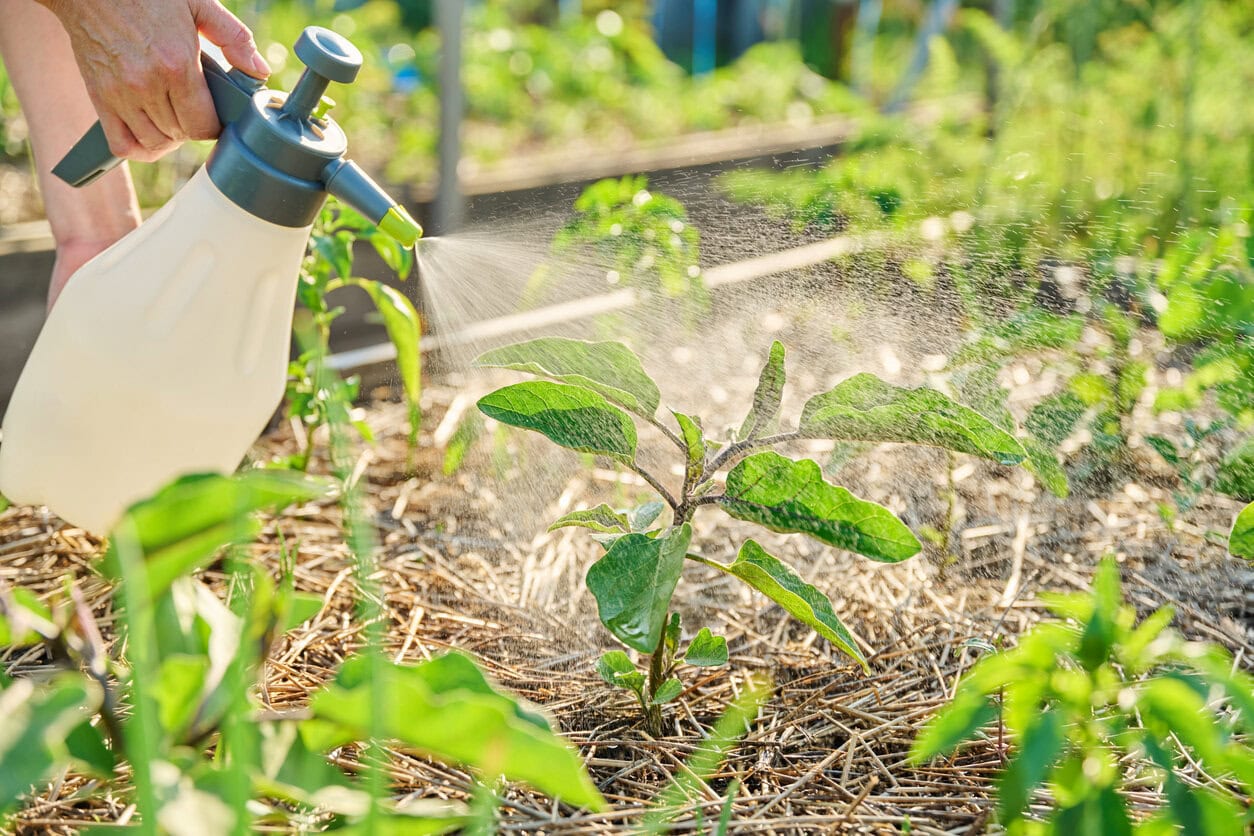
Yes! Neem oil is very safe to use on plants as long as it’s diluted well and used sparingly. Going overboard with anything is never a good idea, even if using more than necessary sounds quite appealing.
I’ve unfortunately gone too far with neem oil in my garden once and can tell you that my plants suffered much more than they benefited from it!
Quick reminder: Neem oil works best as a preventative or for early-stage infestations, it won’t eliminate a severe pest problem overnight!
If you’d like even more chemical-free options, here are some natural garden sprays for pest control.
Best Plants To Treat With Neem Oil Spray

1: Roses

Because roses are quite susceptible to common pests like aphids and spider mites, treating them with a neem oil spray can prove to be very effective. Fungal diseases like black spot can also be prevented with neem oil.
For extra protection, you can also use companion planting to your advantage, some plants naturally repel garden pests.
2: Tomatoes

A neem oil spray can guard tomatoes from whiteflies, aphids, and tomato hornworms, which are some of the most common pests that can harm fruiting tomato plants.
3: Cucumbers

In the case of cucumbers, neem oil can help prevent fungal problems like powdery mildew and drive cucumber beetles out of the garden.
And if cabbage worms are an issue nearby, here’s how to keep cabbage worms away naturally.
4: Peppers

Pepper plants can be sprayed with neem oil mixtures to protect against aphids, thrips, and fungal diseases like leaf spot.
5: Most Houseplants

Spray houseplants like pothos, monstera, and philodendrons with neem oil to treat mealybugs, spider mites, and potential fungus that could be bothering them.
6: Herb Varieties

Basic herbs like basil, mint, and oregano are vulnerable to aphids and whiteflies, so covering them with a diluted neem oil spray can serve as useful protection.
Pairing neem sprays with the right feeding helps too, here’s a guide to choosing natural fertilizers.
7: Fruit Trees

Apple, peach, pear, and plum tree growers will often face problems like scab, rust, and growing aphid populations on their trees. A neem oil spray can prevent all this while being completely safe for edible crops.
Quick reminder: Even though it’s considered safe for edible crops, make sure to wash fruits and vegetables thoroughly before eating!
You might also like these natural pest control tips for fruit trees.
8: Squash & Zucchini

Neem oil can help keep squash bugs, aphids, and unwanted beetles that could potentially damage your squash and zucchini at bay.
Squash bugs can be stubborn, but so can slugs! Here are natural ways to keep slugs away
9: Ornamentals
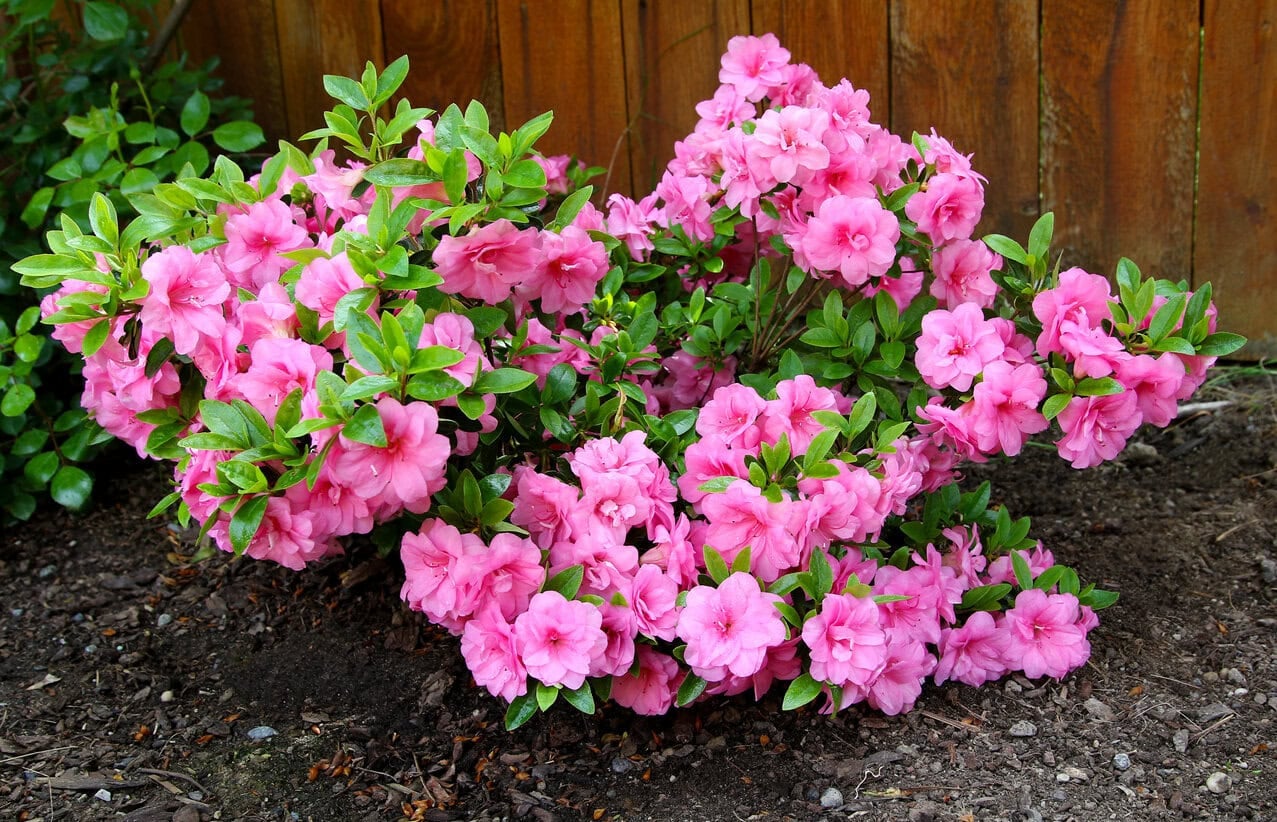
Ornamental plants like azaleas, lilacs, and hibiscus can also benefit from some neem oil action. It helps control aphid infestations and dangerous fungal diseases.
10: Berry Bushes

Blueberry, raspberry, and strawberry bushes thrive when they’re protected from mites, aphids, and fungal infections like leaf spot.
Quick reminder: If you’re planning on harvesting anything soon, don’t use this spray! Give it at least a few days before you pick and wash your berries well before eating!
How To Mix Neem Oil For Plants?

For this basic recipe, you’ll need:
Follow these steps:
Step 1: Add your tablespoon of liquid soap to the water first, and then mix the neem oil in there. Do it in this exact order or the ingredients won’t mix properly!
Step 2: Shake the whole mixture vigorously until it’s visibly dissolved and foamy on the top.
Step 3: Pour the mixture into a spray bottle and try to use it immediately because the solution breaks down very fast.
For best results, reapply every 7–14 days as needed, especially during peak pest season!
Some very important tips:
Since neem spray breaks down fast, you can also boost plant health with simple organic fertilizers made from kitchen scraps.
How To Apply Neem Oil Safely?

For safety and checking your plant’s sensitivity, test spray a few leaves first. If they react well, then go ahead and cover the rest of the foliage.
In most cases, you only have to apply the neem oil spray on the leaves, so cover the foliage from top to bottom. Try your best to avoid spraying on open blooms, as that can really affect pollinator activity in the garden.
Let’s Conclude
As more and more gardeners emerge, I’m starting to notice that neem oil sprays are finally getting the love and attention they deserve, which makes me really happy!
I’ve found great uses for neem sprays in my garden, and most of them I shared with you in this article. Now, it’s time you put neem oil to the test and see what wonders it can do for you!
And if you’re looking to give your plants a natural boost beyond pest control, check out these surprising uses of wood ash in the garden.