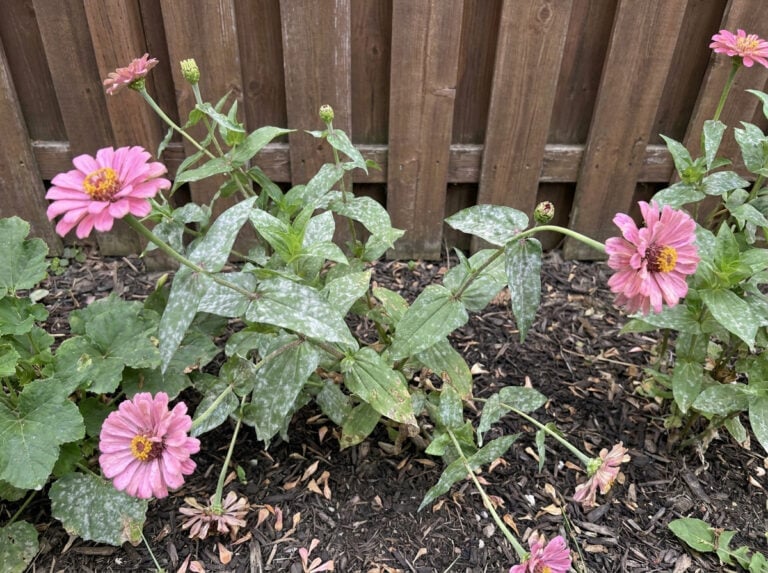
I’m personally convinced meteorologists are like politicians; they both lie for a living. I have yet to find one that predicts April weather correctly. That’s exactly why it’s important to choose the right mix of frost-hardy and half-hardy annuals for your containers matters so much this time of year.
If you want to make your containers even more rewarding, we also wrote an article about flowers that thrive in pots and attract butterflies.
Sleet Dreams Are Made of These

Here are a dozen thaw-some April container flowers you can leave out during chilly nights without regret.
1: Sweet Alyssum (USDA Zones 2-11)

Forget boring mulch. A honey-scented carpet spills over container edges like a fragrant waterfall. It thrives in cool nights and often self-seeds, giving you a freebie next year. Sunlight is the currency here, at least six hours a day, or it turns thin and sparse.
Quick tip: If the blooms slow down in late April, give it a radical haircut. Cutting it back by about half triggers a secondary flush that makes the round look like a rehearsal.
If you’re curious why it shows up in so many plant pairings, we wrote an article about why sweet alyssum is such a powerful companion plant.
2: African Daisy (USDA Zones 9-11)

Electric colors make the petals look like a neon art project. They perform best in cool spring temperatures, giving containers a sophisticated vibe that silk plants can only envy. Use a well-draining potting mix and a container with good drainage to keep roots from sitting in water.
Be warned: the blooms close up tighter than a bank vault at night and on cloudy days. Don’t panic and think you’ve killed them when the sun disappears. They’re just waiting for better light.
3: Pansies (USDA Zones 6-10)

Face it, these bearded icons own the patio. While we’re shivering in parkas, these blooms treat a light snowfall like celebratory confetti. Plant them in a well-draining mix (skip the cheap bags from the gas station), and they’ll handle light to moderate frosts with ease.
Quick tip: If the forecast calls for a deep freeze, throw a burlap sack or frost cloth over the pot. The foliage can take the cold, but no amount of morning sun can fix a frozen root ball.
4: Violas (USDA Zones 6-10)

Why settle for one giant pansy bloom when dozens of tiny ones provide better coverage? Their rugged nature often outshines their larger pansy relatives during a sudden cold snaps.
Quick tip: Their root systems are shallow, so they dry out faster than you might expect. Keep the soil consistently moist, especially in porous terracotta, or they’ll wilt the moment they encounter a dry spring breeze.
5: Nemesia (USDA Zones 9-11)
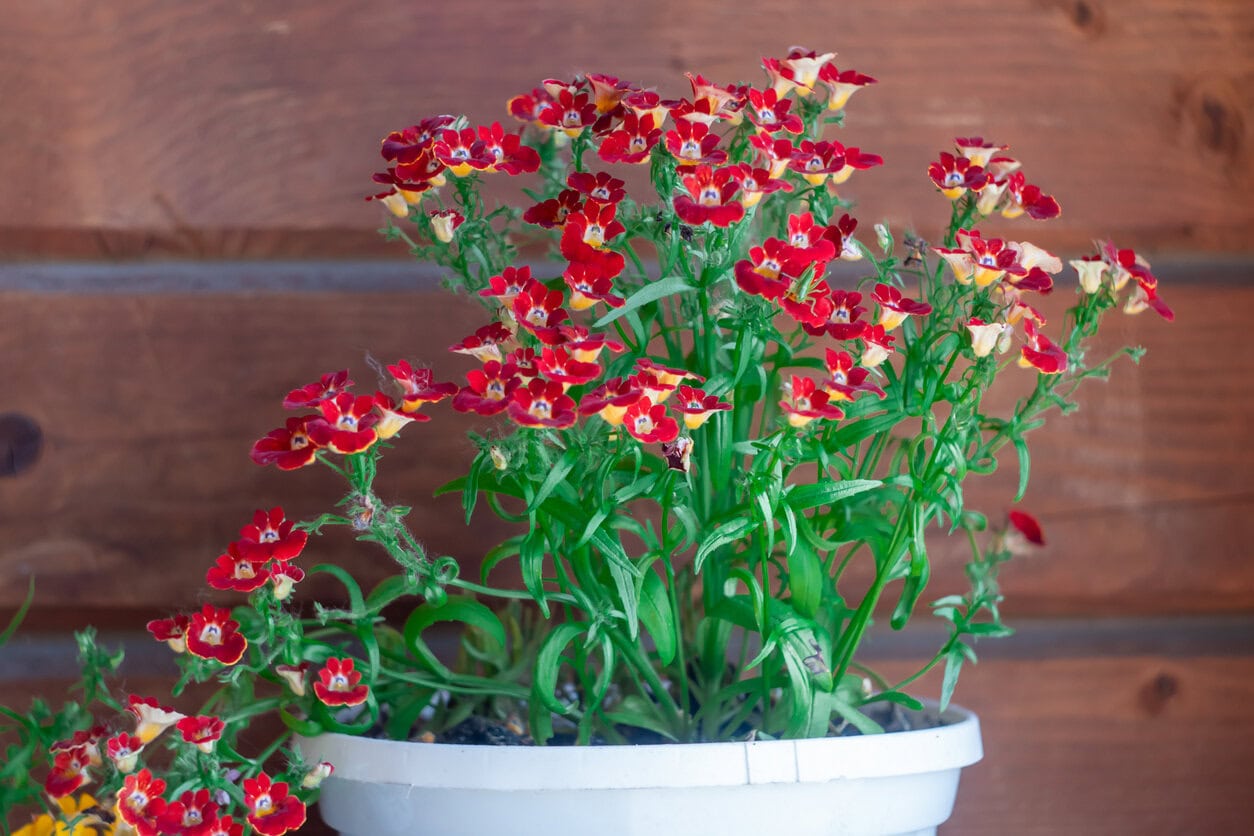
Delicate orchid-like blooms disguise a surprisingly tough cool-season performer. Many fragrant varieties thrive in the damp, cool conditions of spring.
Quick tip: If heavy rain leaves stems looking straggly, a quick trim will encourage a fresh flush of blooms. Regular light feeding can help extend flowering.
6: Calendula (USDA Zones 2-11)

Golden blooms offer a bright contrast to lingering gray slush. These edible petals actually taste better before heat sets in, when cooler temperatures keep their flavor mild. Good drainage is essential.
Calendula sitting in soggy soil rots faster than a New Year’s resolution. It can also attracts aphids. Keep neem oil handy or plant it far away from your prized vegetable starts unless you enjoy hosting an insect banquet.
If aphids start showing up, we explain how to get rid of them naturally without harming your plants.
7: Wallflower (USDA Zones 6-10)
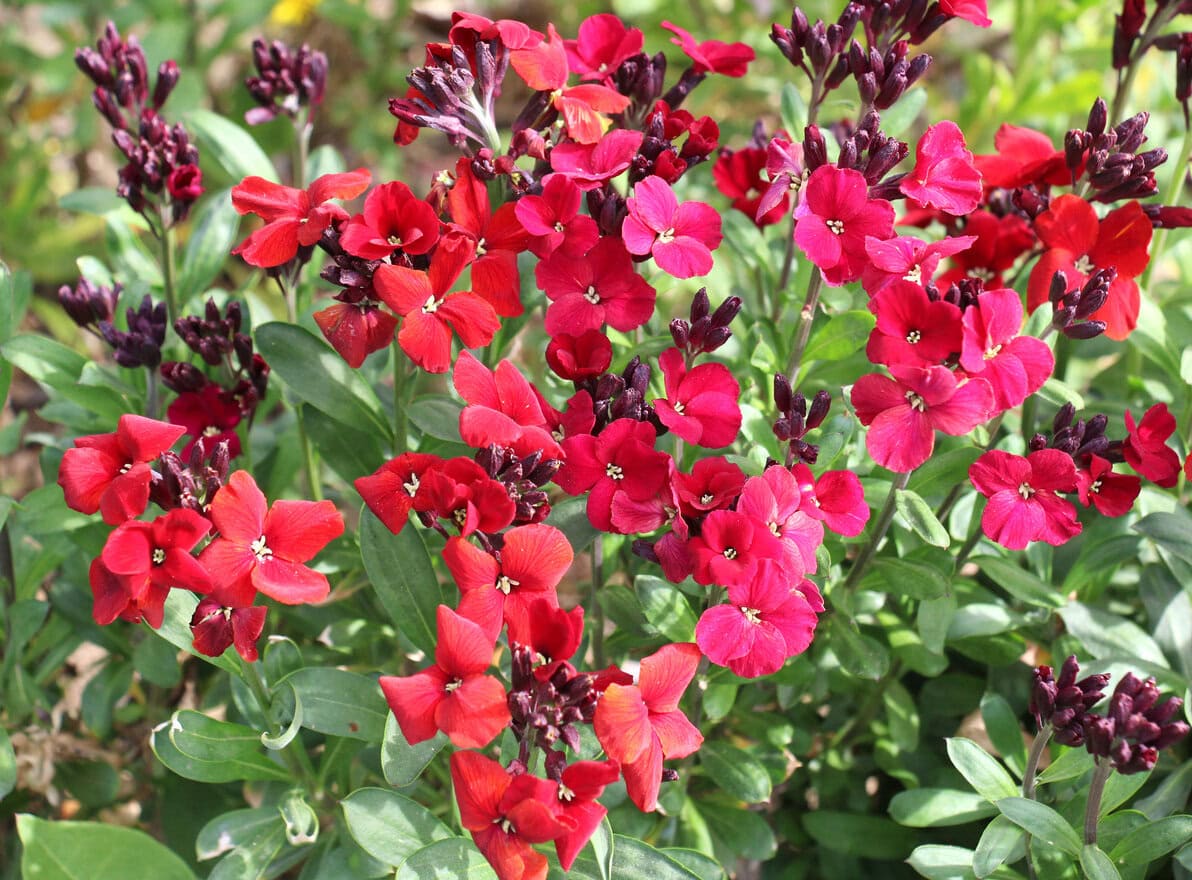
They love cool weather, hate strong wind, and absolutely despise a soggy pot. They’ll outlast your neighbors’ wilted petunias by weeks, assuming you give them full sun and a well-draining potting mix.
Quick tip: They’re not big eaters. A light feeding at planting is plenty, and after that, overwatering is a much bigger risk than underfeeding.
8: Hoary Stock (USDA Zones 7-10)

Clove-scented blooms filling the evening air is why most gardeners put up with the muddy April mess.
Dense flower spikes develop best in cool nights, making them a perfect early-season pick. Stake taller varieties in a protected spot away from strong winds.
Quick tip: They appreciate fertile soil, so mixing in a slow-release fertilizer at planting can help support steady growth and flowering.
9: Primrose (USDA Zones 4-8)

Growing primrose successfully means staying on top of soil moisture. They don’t tolerate drying out, and they struggle once temperatures start to rise.
Yellow foliage is also a giant red flag. It usually means inconsistent watering or other soil issues. Other than that, if you keep conditions steady, they’ll reward you with bright, cheerful color.
10: Persian Buttercup (USDA Zones 8-11)

These ruffled show-offs bring a surprising toughness for such delicate-looking blooms. Forget mixing them. Pack several into one pot for that high-end floral shop aesthetic without the delivery fee.
They thrive in cool spring conditions, but it’s best to protect them from frost in containers. That being said, they hate wet feet more than a cat. So never let water sit in the saucer.
Quick tip: If you bought dry corms that look like little claws, soak them in a bowl of water for a few hours before planting.
11: Twinspur (USDA Zones 9-11)

Stop waiting for petunias to arrive. This dainty trailer fills gaps with soft coral blossoms early in the season, handling cool spring weather like a pro.
It does best in a hanging basket or container with excellent drainage and good airflow. Unlike many spring annuals, it can transition into warmer May days without fading out.
12: Snapdragons (USDA Zones 7-11)

Vertical spires provide the necessary height your containers need before summer humidity takes over. Upright stems thrive in crisp April mornings and handle chilly nights better than most annuals.
Give them at least six hours of direct light. Otherwise, they’ll get leggy and start to lean.
Quick tip: Place your snapdragons in the center of the pot for structural support so a strong gust doesn’t undo your hard work.
If you’re looking to keep color going beyond spring, we also put together a guide on long-blooming flowers that thrive in containers.
How to Contain Your Enthusiasm
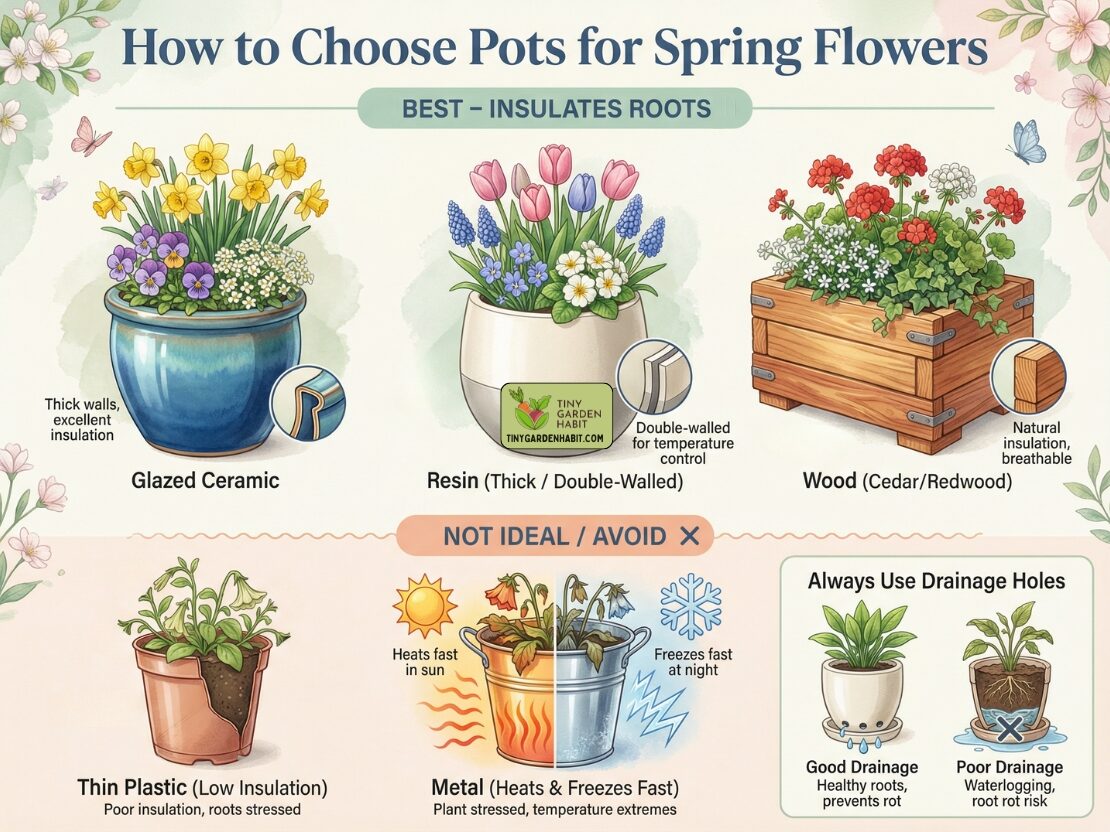
From my experience, not all containers handle temperature swings the same:
Whatever you choose, make sure the drainage hole stays clear, or you’re just building a very expensive rot-tub.
Cold Feet, Warm Blooms
April weather may be a pathological liar, but these twelve survivors do keep their promises. So lean into the chill and show the neighborhood that spring starts whenever you say it does.
And if you’re planning out the rest of your spring planting, we break down exactly what flowers to plant in April by zone.