The sun is ghosting us, the days are shorter, and most garden coaches are screaming, “Stop feeding your plants!” Why? When the light is right and the temperatures stay steady, many indoor tropicals look at the calendar and scoff at the mere idea of dormancy.
Forcefeeding a sleeping plant is rude, but starving a wide-awake floracholic is downright cruel. Which ones do you have? And what should you do?
If It’s Bloomin’, It’s Consumin’

Forget the blanket advice about starving your plants until the spring equinox. Some plants operate purely on light, temperature, and ego.
So if you notice a flower bud, a stalk (AKA a spike), or lively new leaves, reward their effort. That tiny minority is why we even have this conversation.
1: African Violets

As long as you maintain consistent, bright light, African Violets operate entirely on a false, year-round summer timeline.
Their appearance of blooms is their way of submitting a bill. Pay it with a highly specialized but low-nitrogen meal every four weeks, or the flowers will execute a dramatic walkout.
Quick tip: I like to use a low-nitrogen African violet fertilizer, the kind labeled bloom booster works beautifully in winter.
2: Orchids
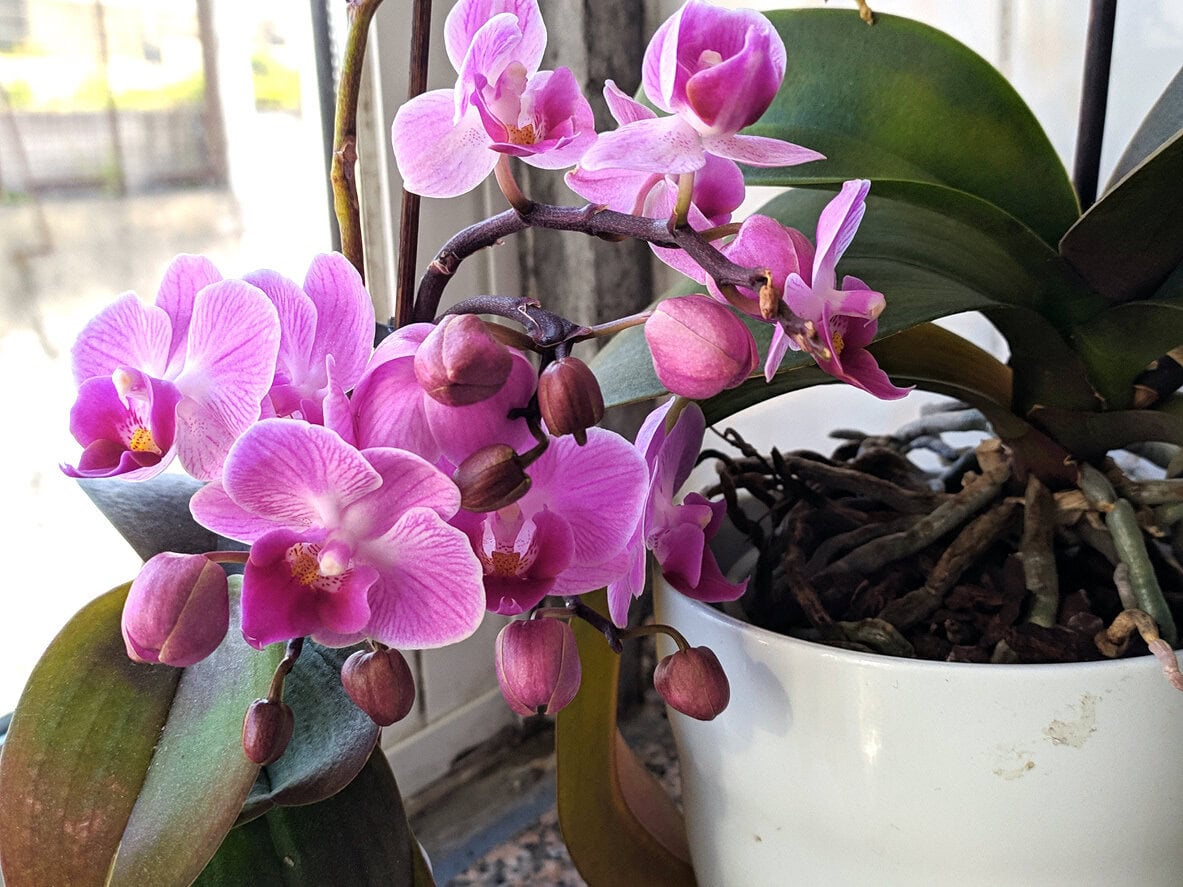
Orchids have zero respect for the calendar. Often, winter is when they develop spectacular flower spikes. If you see a new spike forming, or if the current flowers look robust and beautiful, continue with your specialized orchid fertilizer.
Quick tip: I stick with a balanced orchid fertilizer (20-20-20 or similar) and dilute it to about half strength when spikes are forming.
3: Peace Lilies

While primarily grown for their leaves, these plants are known for pushing out white, flag-like spathes year-round in warm indoor environments. If yours is putting out a bloom or new leaves, it needs a light meal to prevent those new leaves from looking stunted or sickly pale.
Quick tip: I usually give mine a light dose of a regular houseplant fertilizer diluted to half strength, any balanced one works well.
If you’re looking for easy, reliable products for indoor use, this list of the best fertilizers for indoor plants covers the ones that work well without causing salt buildup.
“I’m On a Diet” Club
However, the seasonal show-offs like the following three houseplants use the cooler months as their official time to shine, making them prime candidates for light winter feeding.
If you’re unsure about how winter feeding works in general, this guide on which plants to fertilize before winter (and which to skip) is helpful, it focuses mostly on outdoor plants, but the principles are still the same!
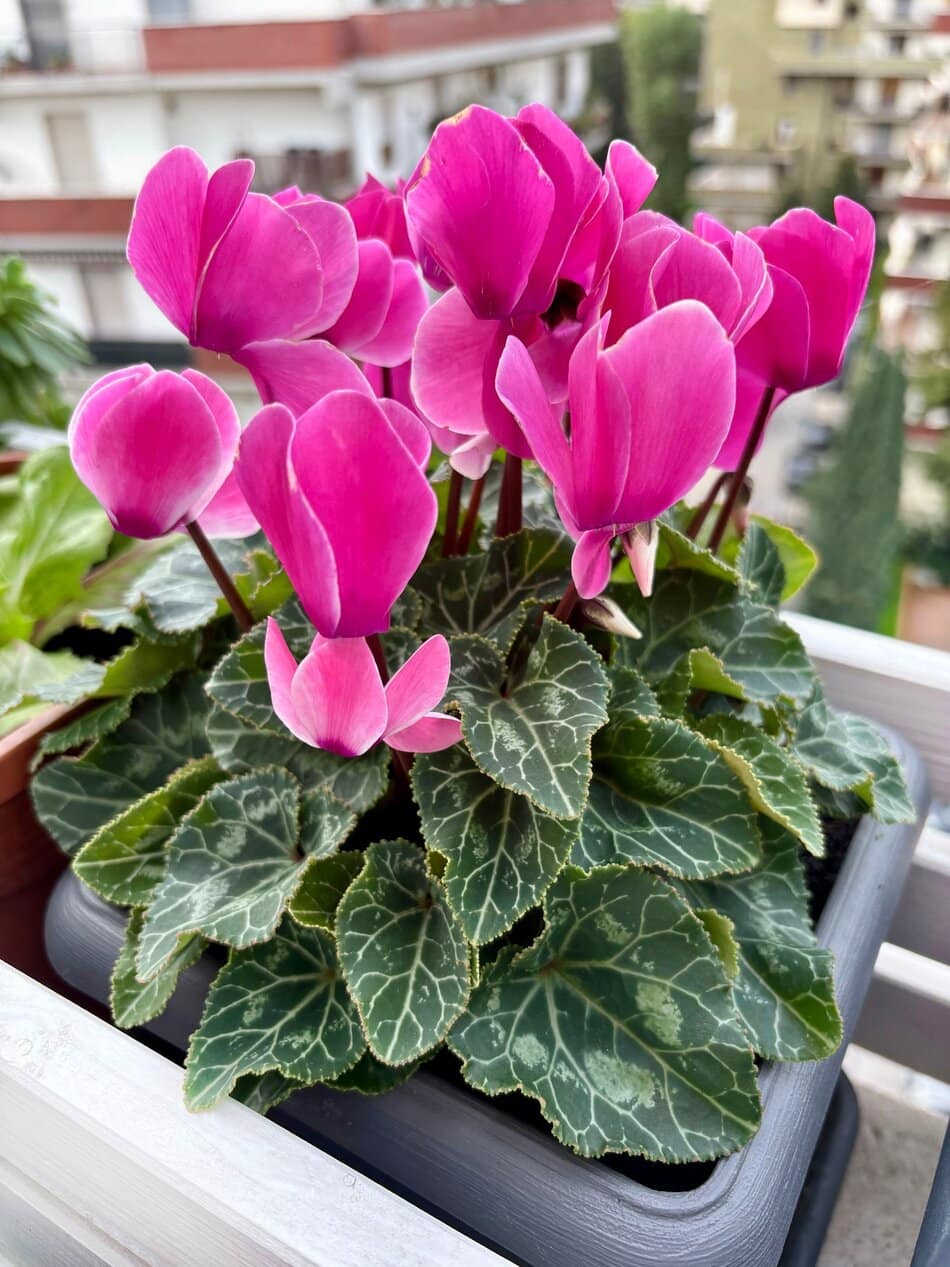
1: Cyclamen
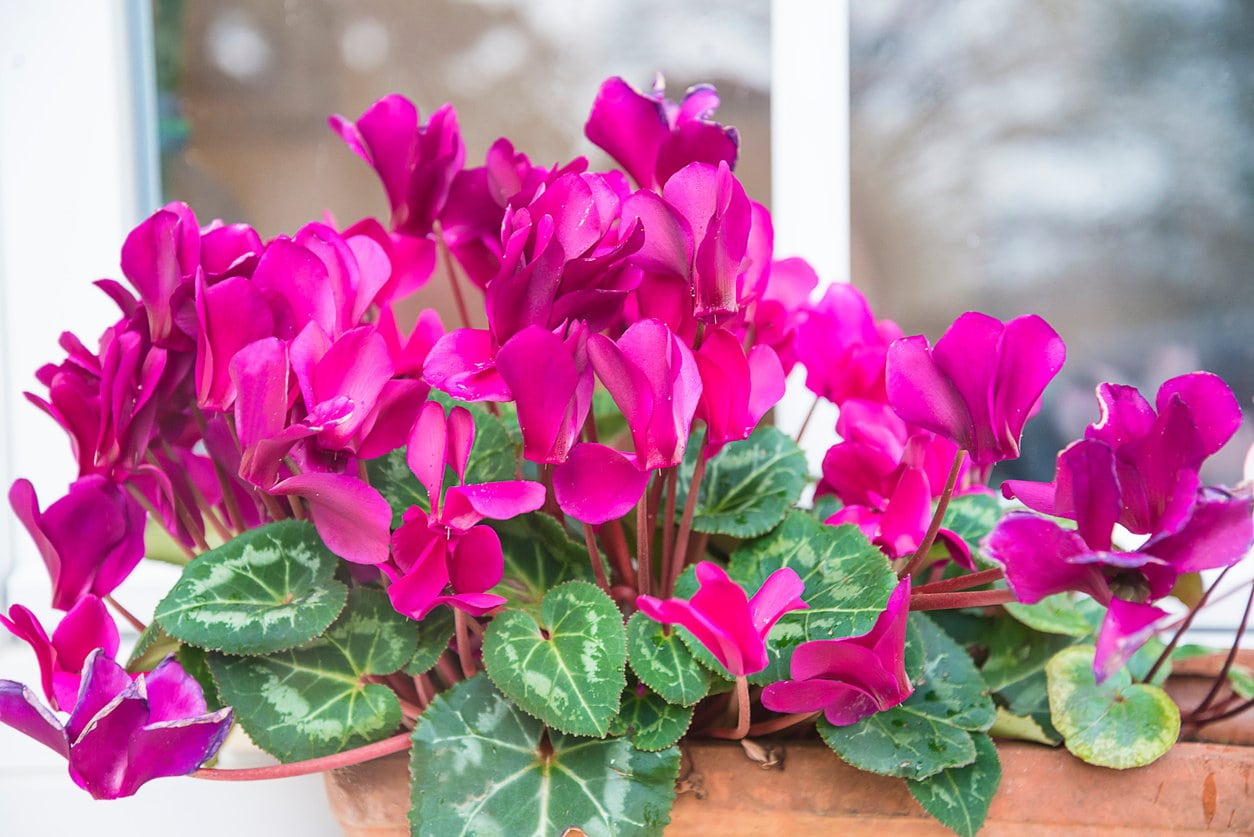
A classic holiday bloomer. The plant’s natural growing season is actually winter. They need energy to keep those delicate petals upright.
When you see those brightly colored, ruffled flowers, the plant is in full production mode and must receive fertilizer!
Quick tip: I prefer a gentle, low-dose liquid fertilizer since their roots are sensitive, half of whatever the bottle recommends is perfect.
2: Christmas Cactus

This plant is literally named after its blooming time. It sets buds in response to cool temperatures and shorter days.
Once the buds appear, it needs a drink and a light snack to push the flowers open and keep them lasting. Stop feeding once the winter flowers fade, and resume again in late spring.
Quick tip: I use a balanced, all-purpose fertilizer at half strength while the buds are developing, then stop when the flowers fade!
3: Kalanchoe
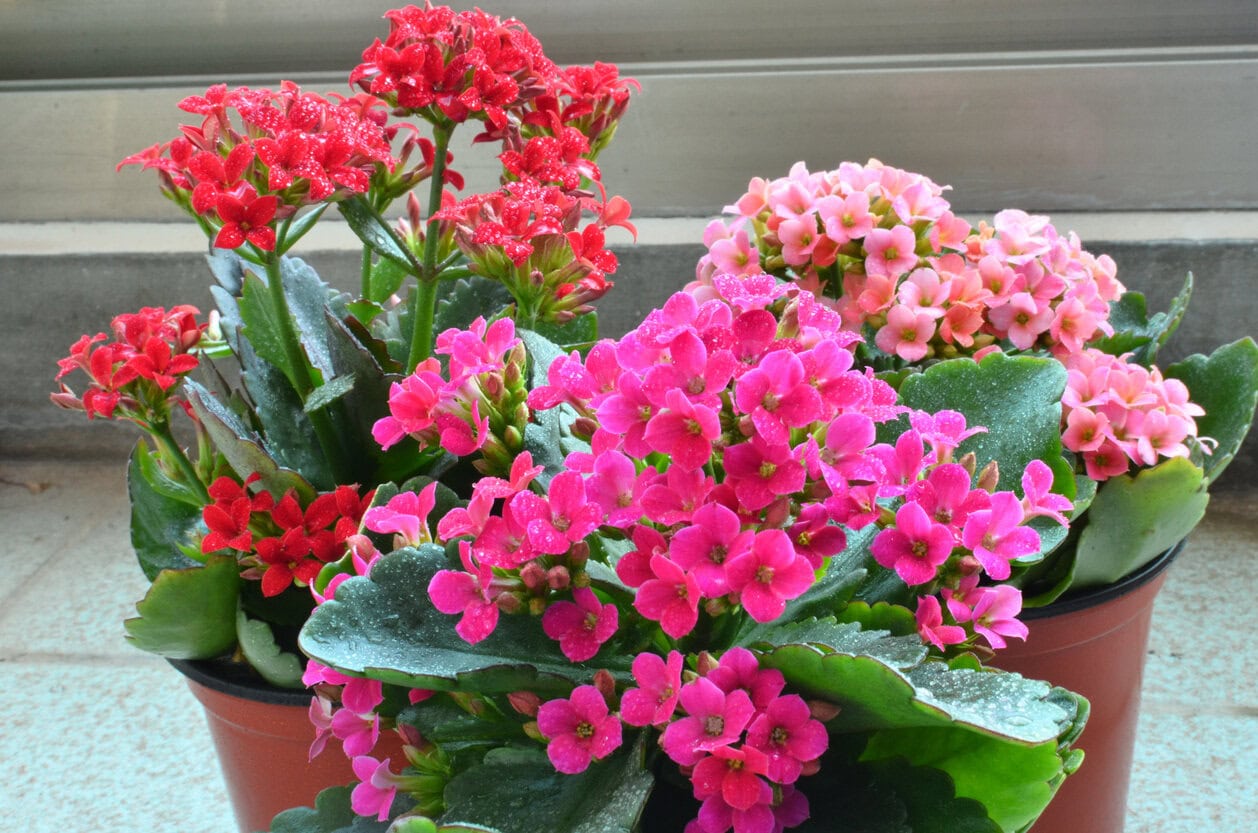
These succulents, often sold in the dead of winter, produce thick clusters of tiny flowers. As long as they’re present, a tiny sip of fertilizer will maintain their color and bloom longevity.
Quick tip: A tiny sip of succulent fertilizer or a very weak all-purpose feed keeps the blooms colorful without overwhelming the plant.
And if you enjoy DIY plant care, here’s a simple guide to organic fertilizers you can make from kitchen scraps.
The Sleepyheads
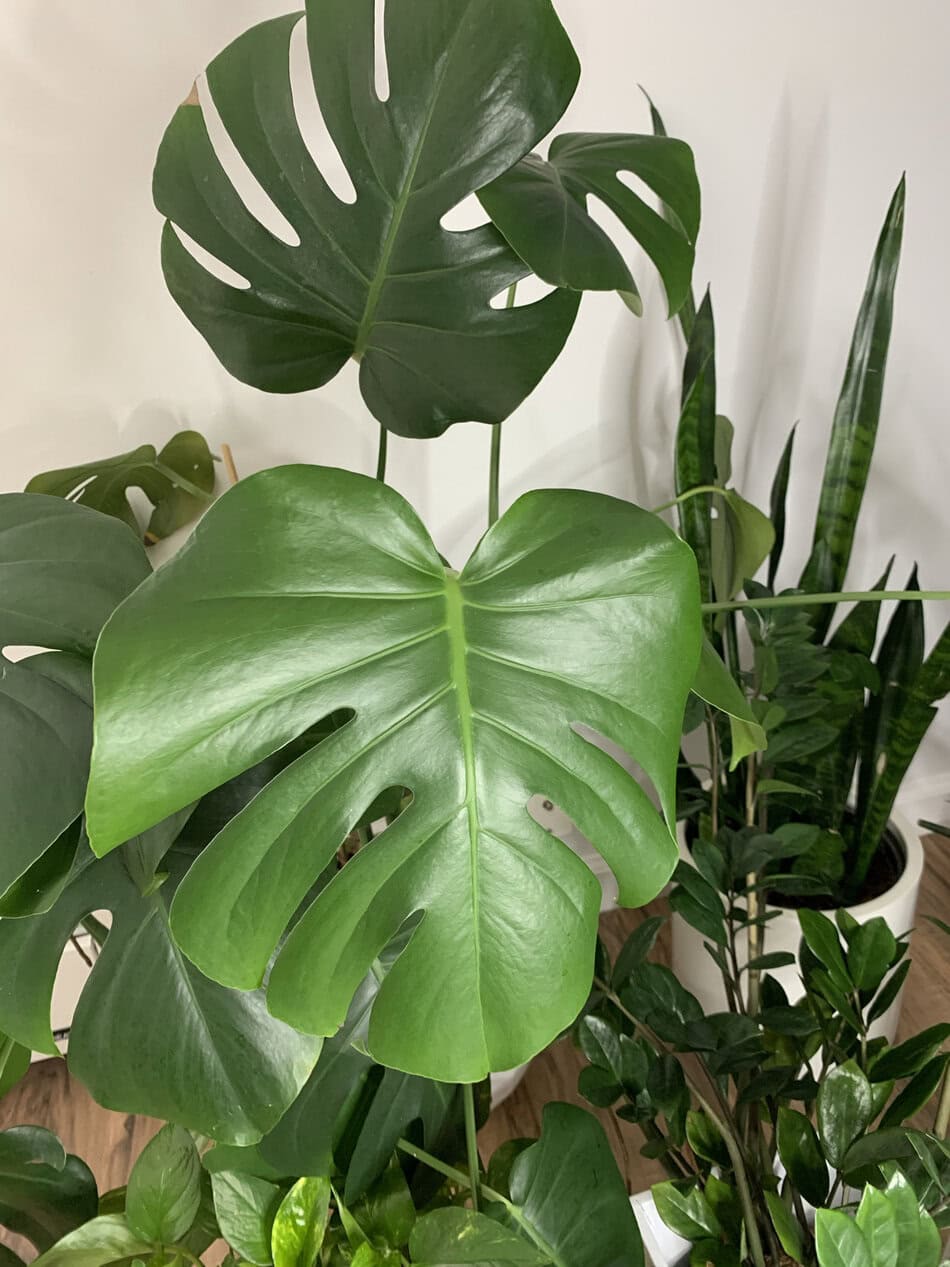
While your tropicals act like it is spring break, most houseplants enter dormancy. Until the sun gets serious again, they hoard just enough energy to maintain the status quo.
1: Cacti
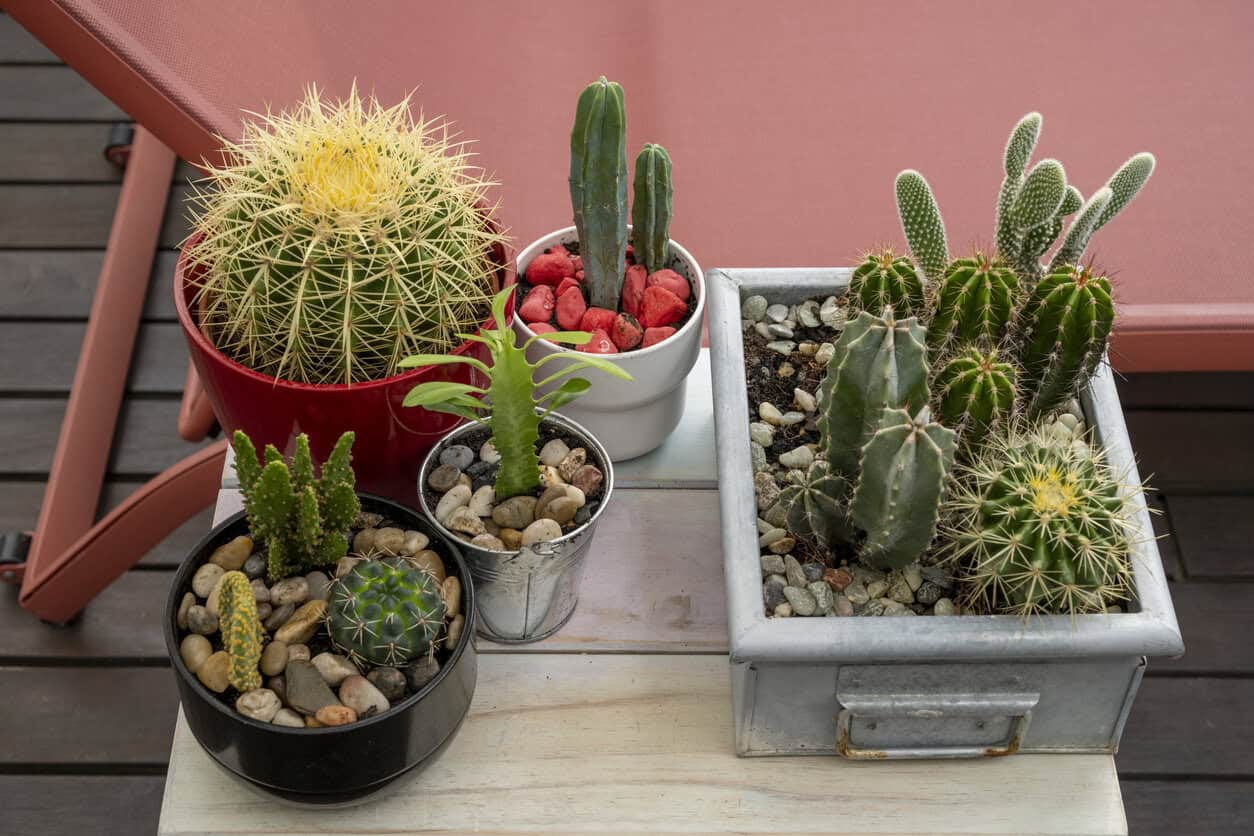
Built for low expectations, their existence revolves around a cool, dark, and dry vacation. Stop the food and water until spring because both cacti and succulents are expert conservers.
They also think your enthusiasm for fertilizer is highly suspicious. Attempting to feed a cactus now is quite the thorny issue.
2: Pothos & Philodendrons

These incredibly popular vining plants slow their growth significantly. You might see a tiny, pale leaf once a month, but that is not sufficient activity to warrant feeding. Let them chill until daylight hours noticeably increase.
3: Monsteras & ZZ Plants

The big, trendy foliage, including the iconic Monstera deliciosa and the nearly indestructible ZZ Plant, are taking a hard break. Feeding these popular sleepers is almost pointless. They are focused on conserving energy, not on giving you new Instagram-worthy leaves.
4: Sansevierias

These desert dynamos are conservation experts. They need a sharp break from food and water during the cool season. They are not growing, they are just existing, which is an impressive feat. And they have absolutely no time for winter folly-age.
5: Ficus Species

Your Fiddle Leaf Fig and Rubber Tree are prone to dramatic fits in winter anyway (hello, leaf drop!). Do not compound their stress with unnecessary nutrients they won’t process. Scratch your fertilizing itch when the first new buds emerge in late winter.
The Science of Root Burn

Root burn is a form of chemical dehydration where excess fertilizer salts in the soil draw essential moisture out of the plant’s roots, essentially forcing the plant to dehydrate itself.
Dilution is key when you feed a working plant. Use a quarter-teaspoon maximum of water-soluble food, cutting your dose by at least 50%.
To protect the roots and avoid that painful root shock, always water the soil thoroughly with plain water first. Wait, then apply the highly diluted food.
Remember to check the thermostat. If the plant is cold, its roots will not bother processing nutrients anyway.
And when in doubt, stick with plain water. Neglect is rarely fatal, but overzealous feeding is frequently the ultimate flaw. Your plant is not hungry; it is just salty.
If you prefer sticking with gentler, plant-safe options, this overview of the right natural fertilizer for each type of plant is a good place to start.