
Pruning appears deceptively easy. Yet, it is a critical, momentous, complex, high-risk endeavor. Your shears hold the immense power of the Universe to guarantee abundant spring blooms or to eliminate them immediately.
The line between being a patient caretaker and a regretful butcher is exceptionally fine. Finding that correct window of opportunity means knowing exactly who is dormant and who is secretly raising sap.
In other words, if you need to cut off their limbs, do it in their sleep. The trees, you little sap-thirsty brute!
Part One: The “Safe to Snip” Club
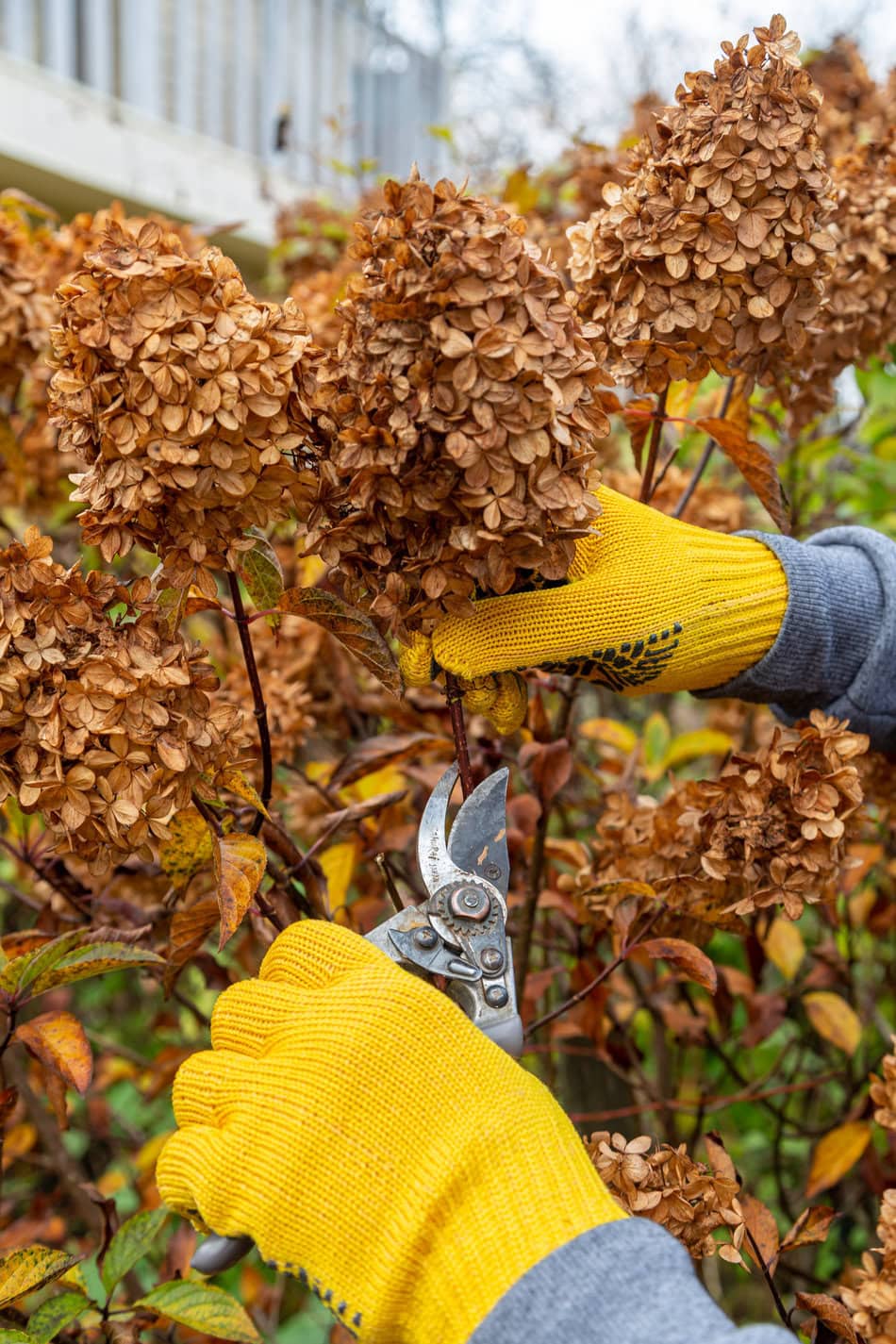
Many plants are excellent and forgiving candidates for late fall or the quiet, early winter pruning.
Once you confirm true dormancy, your mission objective is to prune for structure and health. Always prioritize the removal of dead, diseased, or awkward and crossing branches.
Before you grab those shears, make sure you’re not snipping the wrong plants too soon, here’s a quick list of plants you should never prune in fall (wait until spring!) so you can avoid early regrets.
1: Trees That Don’t Weep

Oak, Honeylocust, Ash, Hawthorn, and dormant fruit trees like Apple and Pear are generally safe to handle now.
These deciduous, upright trees are sound sleepers who don’t engage in early sap activity, meaning, you can remove structural defects or weak, damaged limbs.
Although a little light shaping is fine, save the massive cuts for mid-winter. They will not complain, weep profusely, or call plant protective services. I usually wait until we’ve had at least one hard frost before touching my trees, that’s when I know dormancy has truly started and the sap has stopped moving.
2: Shrubs That Bloom on New Wood
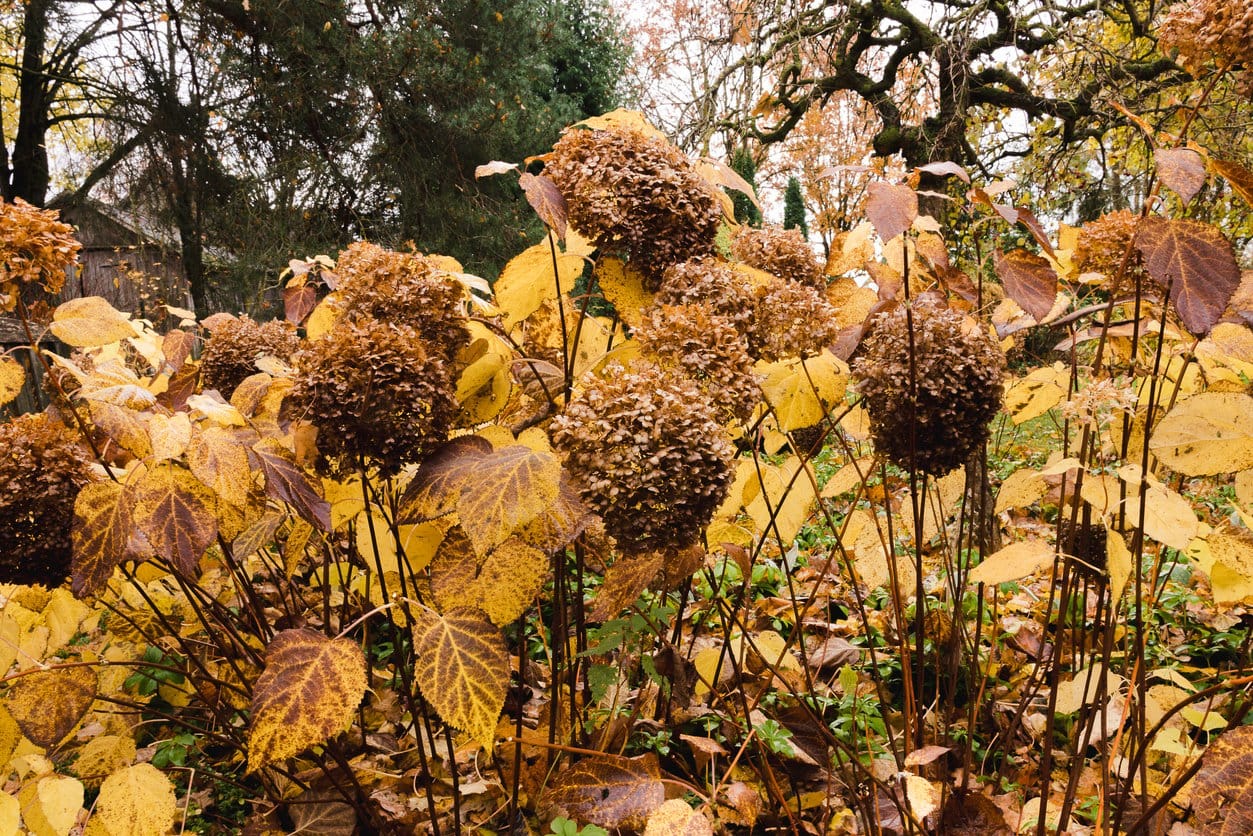
Why are these the most rewarding and forgiving plants for late fall pruning? Their flowers reliably form on new wood grown during the following season. Pruning them now guarantees you a sold-out spring show.
Hydrangeas that bloom on new wood:
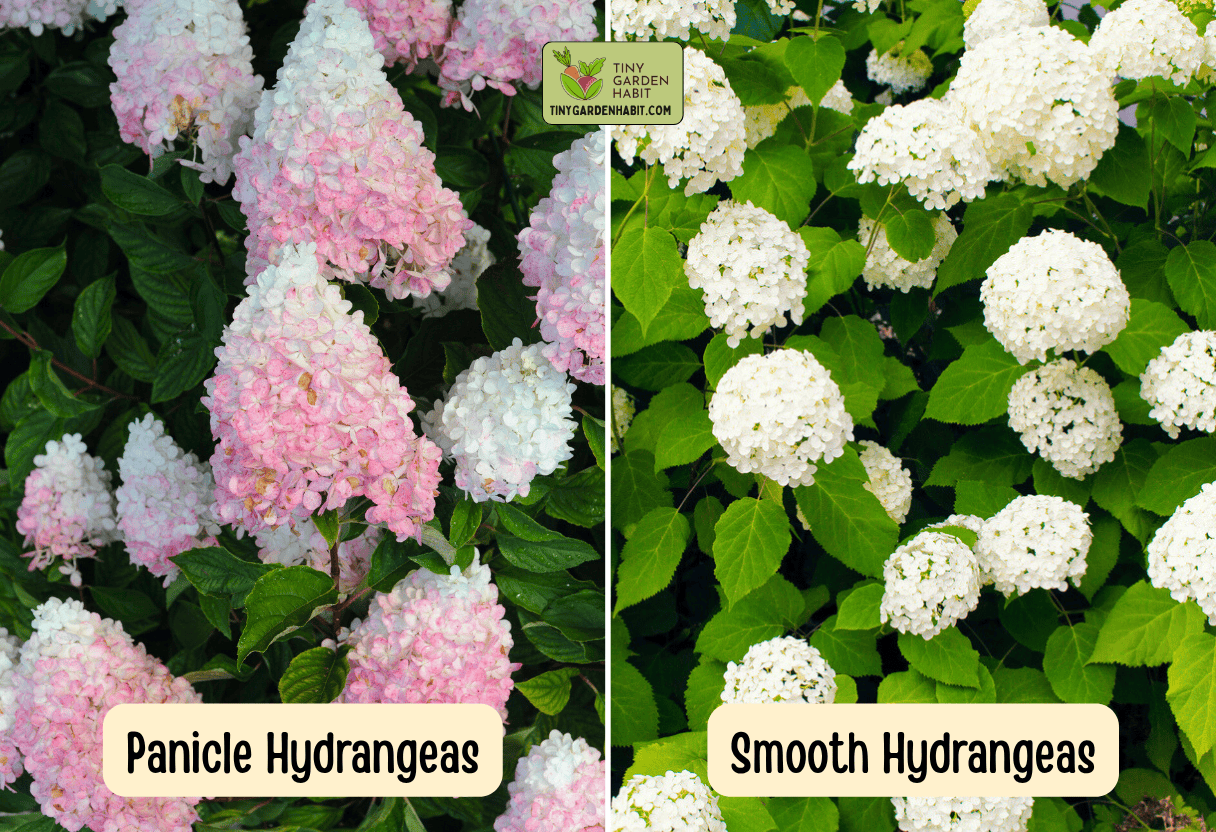
Panicle Hydrangeas like ‘Limelight’ and ‘Quick Fire’ don’t mind being shorter by up to one-third or even two-thirds of their height, but they insist you cut right above a strong and outward-facing bud. Otherwise, they will cancel your subscription to summer blooms.
The classic Smooth Hydrangea, like the ‘Annabelle’ type, also blooms on new wood. Cut all stems back drastically to approximately six inches to one foot from the ground.
If you live in a colder zone (below Zone 5), hold off pruning until very early spring, those fresh cuts can get damaged if winter snaps back hard.
If you’re unsure whether to prune your hydrangeas in fall or wait for spring, here’s a helpful guide on what to do with hydrangeas after blooming, cut back or leave them alone in fall. It’ll help you tell exactly when to bring out the shears (and when to step away).
Shrub roses and late-blooming spirea:

Hybrid Tea and Floribunda roses benefit from an early “insurance cut” now, and by that I mean a light trim. Just take the tops off to stop the canes from whipping around in winter winds. That’s it! No shaping, no sculpting, no auditioning for Rose Topiary of the Year.
Save the real pruning (the dramatic one-third height reduction) and proper shaping for late winter, when the plant is fully dormant and actually ready for a makeover.
Quick reminder: Climbing and Rambling roses that need heavy cane renewal should also wait until late winter. They will absolutely hold a grudge if you rush them.
And if your roses make you nervous this time of year, here’s a handy guide on which roses to prune in fall and which ones will turn on you if you do.
For Spirea, remove the oldest, thickest stems right at the base and lightly shape the younger canopy.
And if you’re deciding what else to leave untouched until spring, check out what to cut back vs. leave standing in a November garden, it’s a good reminder that not every stem needs a trim just yet.
3: Evergreen Hedges
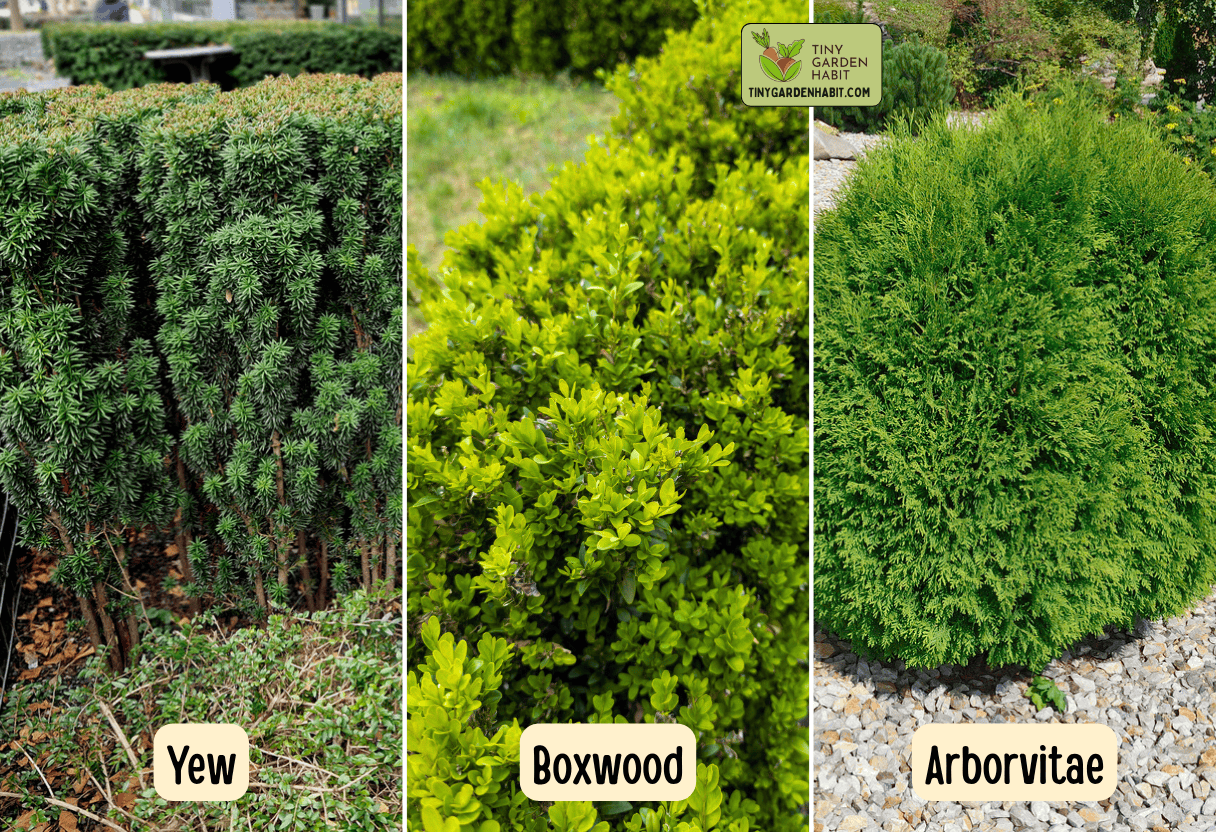
Evergreen shrubs like Yew, Boxwood and Arborvitae that form hedges or screens can receive some light, surface shaping, too.
Do not cut back into old wood because evergreens rarely recover from radical cuts. Removing an awkward, dead branch is like deleting a truly regrettable old post before anyone notices. It’s simply called maintenance, nothing to see here, carry on.
If you’re unsure, always err on the side of less. I once took a yew too far back into old wood, and it stayed bald for almost two years.
For a broader look at perennials that benefit from a late-season haircut, here’s a helpful guide on which perennials to cut back before winter (and which to leave standing), a great companion to your evergreen routine.
Part Two: The Leader Bleeders
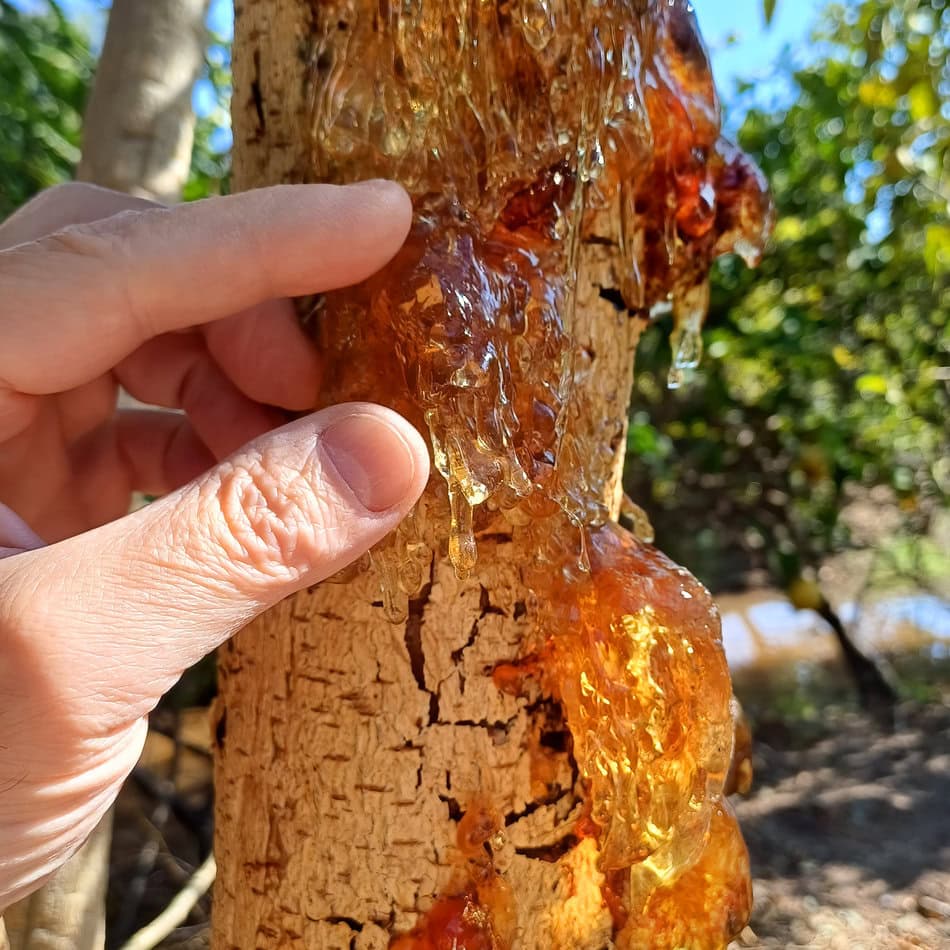
I’ll name names later, but certain woody species begin raising their sap from the root system very early, much earlier than you might expect.
Cutting these plants in late fall or early winter results in an intense sap flow. This phenomenon, sweetly and affectionately called “bleeding,” is rarely fatal to a healthy tree, but it is deeply unattractive and signals wasted plant energy.
1: The Weeping Hardwoods
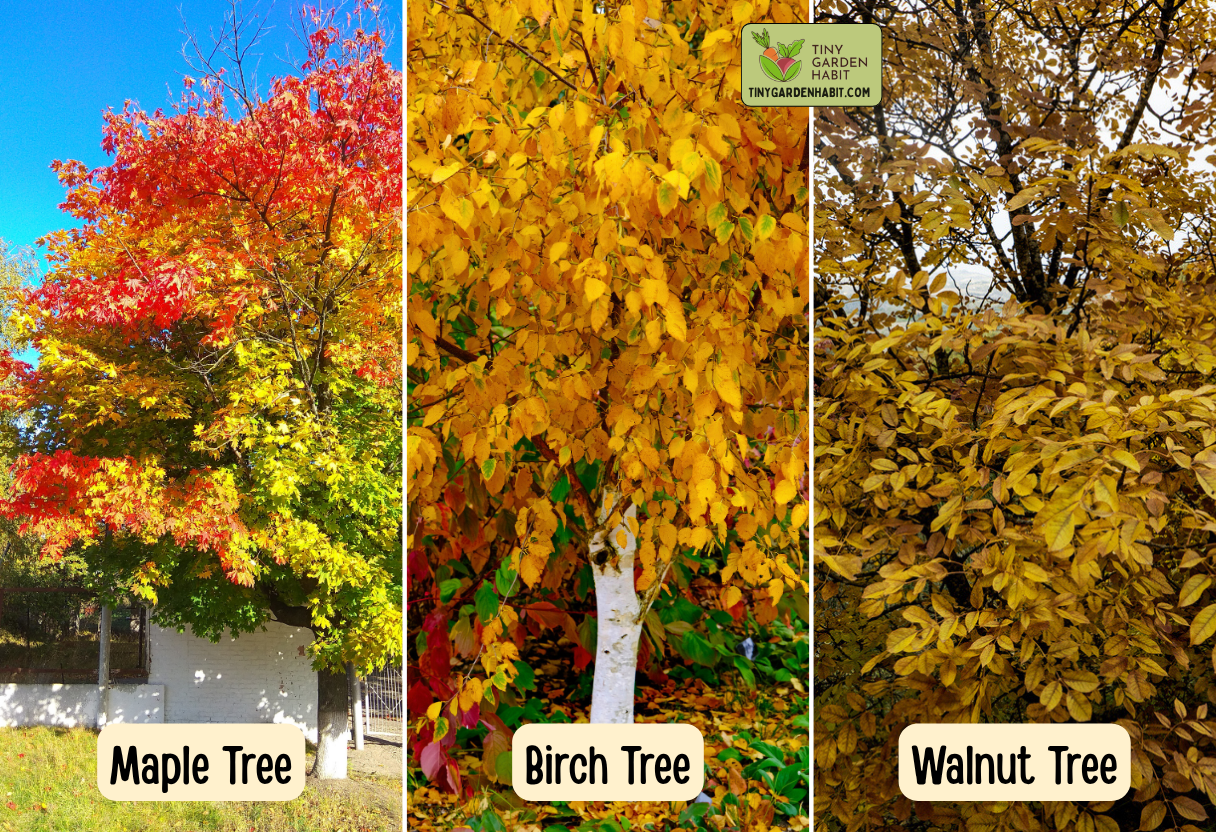
Maple, Birch, and Walnut are the earliest risers who won’t get the worm but will rather bleed most eagerly. Prune Sugar and Red maples only in the summer after the leaves fully form and harden.
Birch trees, just like Walnuts, are prone to heavy bleeding when cut outside of summer, which significantly reduces the tree’s water and nutrient reserves. The sheer volume of sticky sap flow is like hidden subscription fees draining your bank account.
I’ve learned to leave my maples completely alone until summer. I tried once in late fall, and it looked like someone had drilled a syrup tap.
2: The Whining Vines
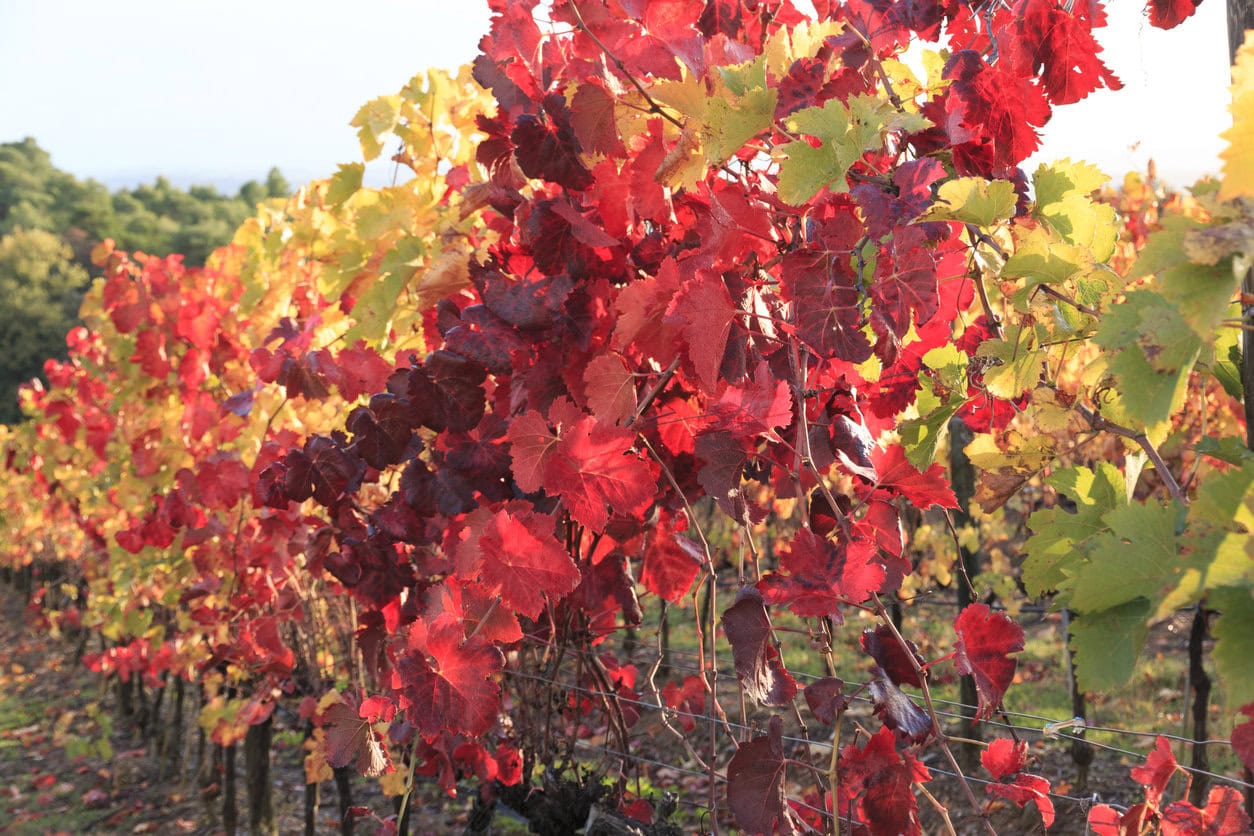
Grape Vines are tremendous bleeders. Living where I live, I noticed it firsthand, or well, second hand… Cut them in late fall and you’ll think you tapped a tiny spigot. Because of this, you should save all major pruning for the bitter cold of mid-winter when the vine is entirely frozen and dormant.
The pruning wound is highly vulnerable to airborne fungal spores for several weeks. What I noticed, though, is that growers bypass this specific sap issue by immediately applying a protective wound sealant.
Esca (also known as grape measles) and Eutypa Dieback enter the vine almost exclusively through these open wounds. The rubbery dressing the tenders use forms an immediate barrier and often contains a fungicide that instantly kills any fungal spores.
So, if you really must cut vines in November, at least bind their wounds so they heal properly.
And before you clean up every dead-looking plant, take a moment to read about plants not to cut in fall, the birds need them for winter. It’s one of those details that turns a tidy garden into a truly wildlife-friendly one.
Dormancy Detection

Successful pruning happens only when plants genuinely enter dormancy. That quiet stage is the only safe window for cutting. So always wait until leaves fully drop to ensure the plant’s stored energy (sugary sap) has completely retreated deep down into the root system.
Attempting to cut before this specific point signals the plant to start young growth. And the tender growth lacks the necessary winter toughness and will be killed instantly by sharp frost. In plant law, that’s called involuntary plant-slaughter.
Basically, the plant has wasted a significant portion of its food reserves on this unfortunate attempt at growth. It may yet survive, but it’ll go into hard dormancy weaker and must spend next spring recovering instead of creating amazing blooms.
The Shear Brutality of Not Knowing When to Prune Trees
The key to proper tree and shrub pruning is learning when to stop the chop and when to start the cut. Your timing must be perfect.
For some species, that moment arrives in mid-winter. For others, it’s mid-summer, or simply right after the spring flowers fade entirely. So, know your plants and their inner clock. Because, quite often, tough skin hides a (profusely, sticky, messy) bleeding heart.


