Fall nursery clearance sales offer healthy, well-rooted plants for pennies on the dollar. Planting these established bargains now gives them a chance to settle in before winter and put on a show next year at a fraction of their usual price, assuming you get them in the ground about four to six weeks before the ground typically freezes!
10 Flowers You Can Plant In October Before The Ground Freezes
And if you’d rather skip the nursery pots altogether, we also have a guide on flowers you can sow directly in October.
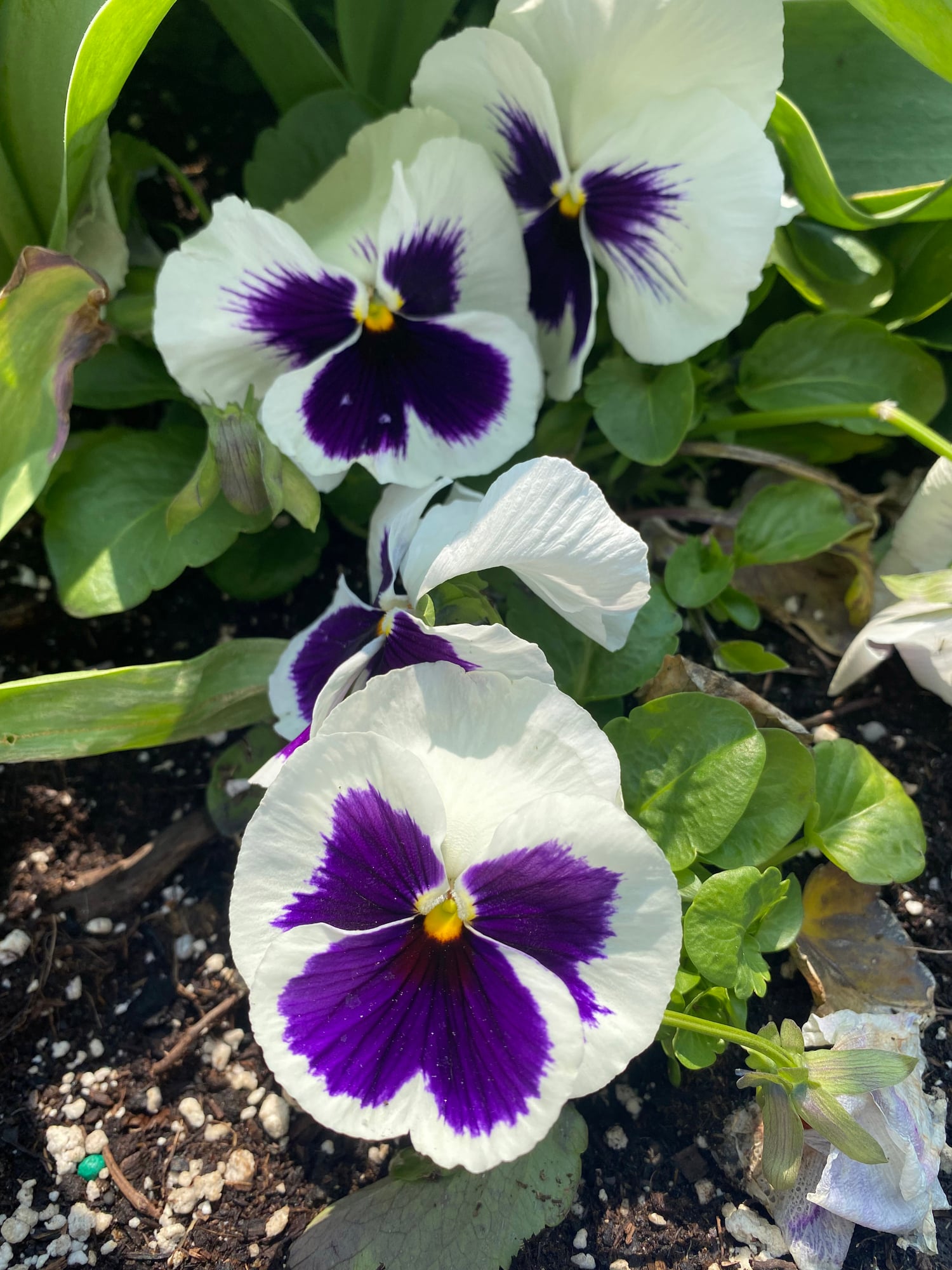
1: Pansies (USDA Zones 6-10)
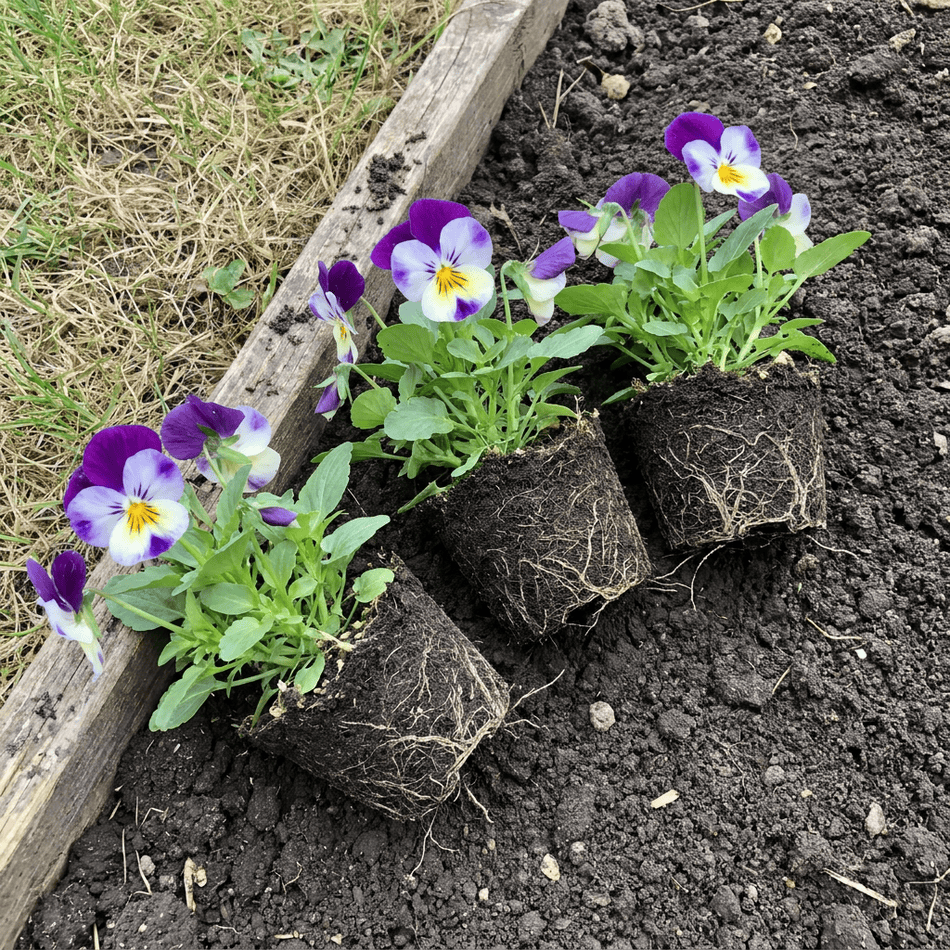
Plant them in full sun, with top-notch drainage. Dig a hole slightly wider than the root ball and set each pansy at the same depth it was growing in its nursery pot. Don’t bury the crown, or you risk rot.
Soak them well after planting, then keep the soil lightly moist while their roots settle in.
Quick tip: In colder zones, spread a little clean straw around the plants once the ground starts freezing to help prevent frost heaving.
Once they’re planted, we also explain how to keep pansies blooming longer through fall and spring.
2: Violas (USDA Zones 6-11)
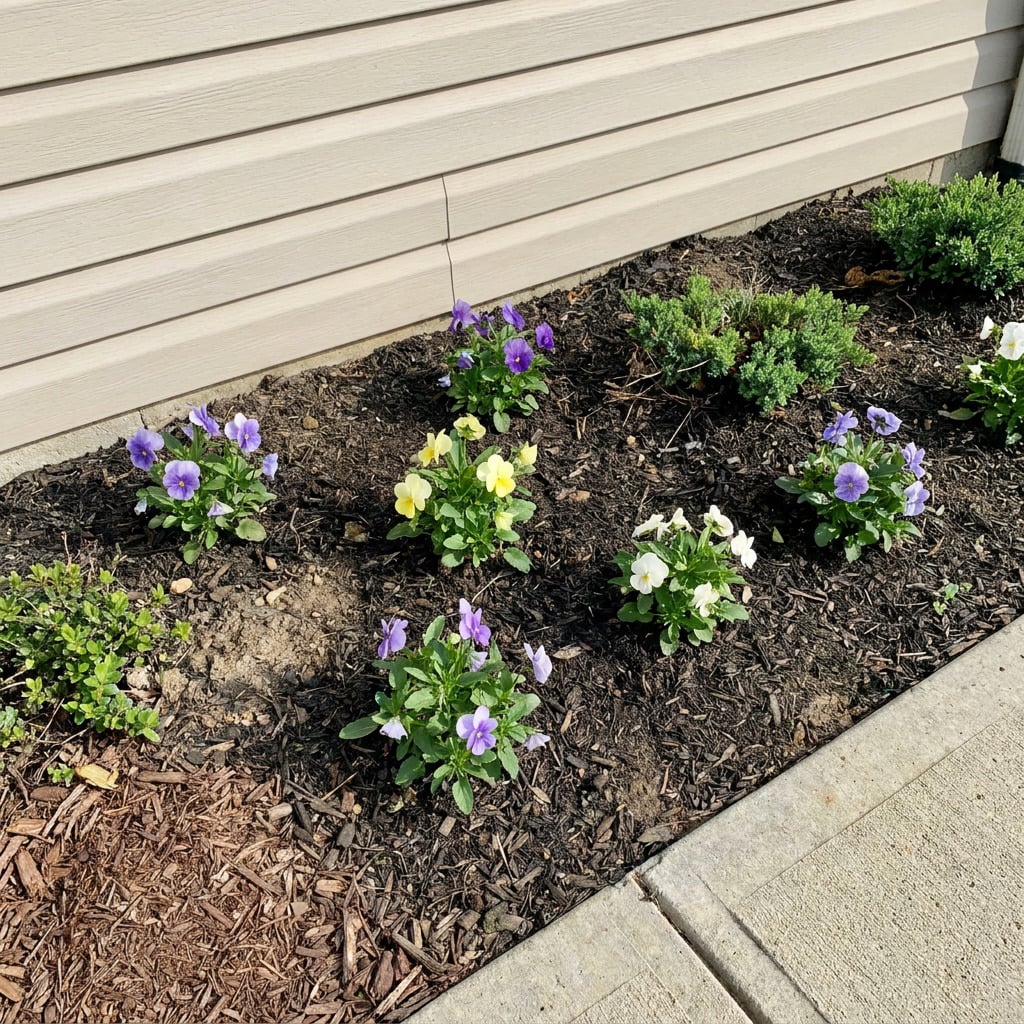
If pansies are showy, violas are absolute street fighters. Their smaller blooms handle hard frosts, often bouncing back once the afternoon sun warms them up.
Grab compact, well-rooted nursery plants for beds or winter containers and space them six inches apart in full sun to partial shade. Plant them at the same depth they were growing in their pots, and prioritize sharp drainage that can defy soggy November clay.
Quick note: In milder winters, they may keep blooming. Where winters are colder, hardy, established plants can hold the fort and return with fresh flowers in early spring.
3: Snapdragons (USDA Zones 7-10)
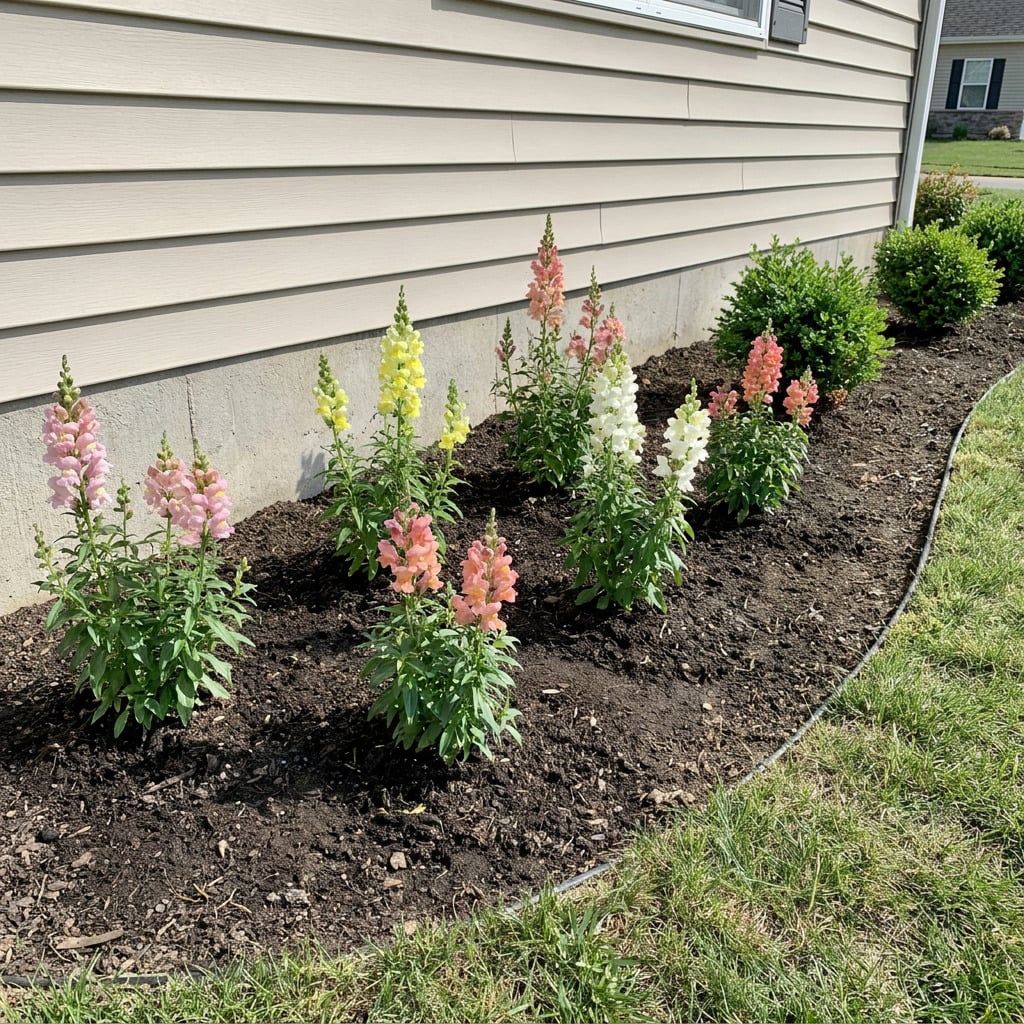
Snapdragon planting in October works best in sunny gardens with mild winters, so don’t expect miracles if you live somewhere the ground stays frozen for weeks.
Target well-rooted nursery plants and give them loose, well-drained soil. Set them at the same depth they were growing in their pots, then gently firm the soil around the roots and water well to settle them in.
Quick tip: In colder gardens, a layer of straw mulch may help protect the roots, though it won’t guarantee they survive a harsh winter.
4: Dianthus (USDA Zones 3-9)
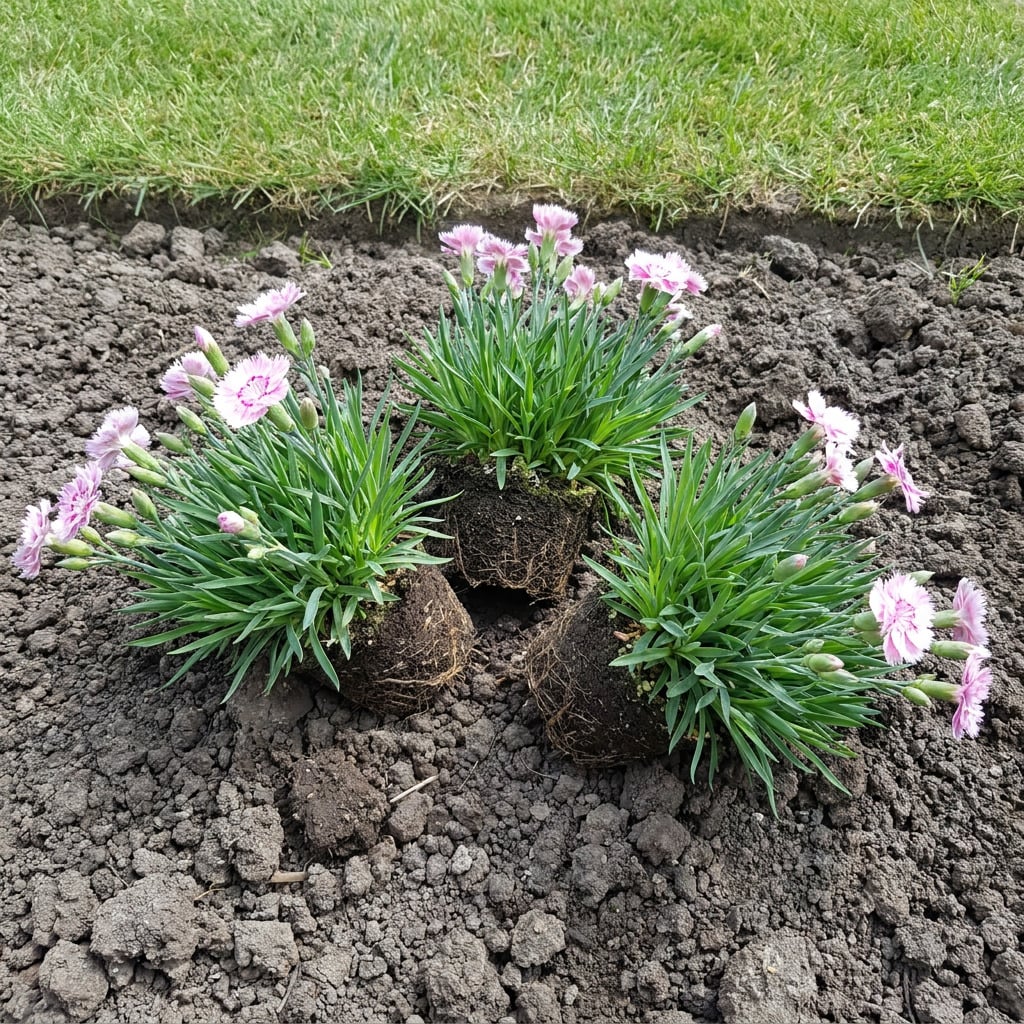
Don’t buy Dianthus blindly, expecting instant gratification. Sweet William spends fall building roots and foliage before flowering the following spring, while Chinese pinks may keep trickling out sporadic blooms until a hard freeze.
They both need bright sun and sharp drainage to survive wet weather. Plant them at the same depth they were growing in their nursery pots, keeping the crowns level with the soil to avoid rot.
Quick note: Chinese pinks aren’t as cold-hardy, so check the plant tag before counting on them to return.
5: Peonies (USDA Zones 3-8)
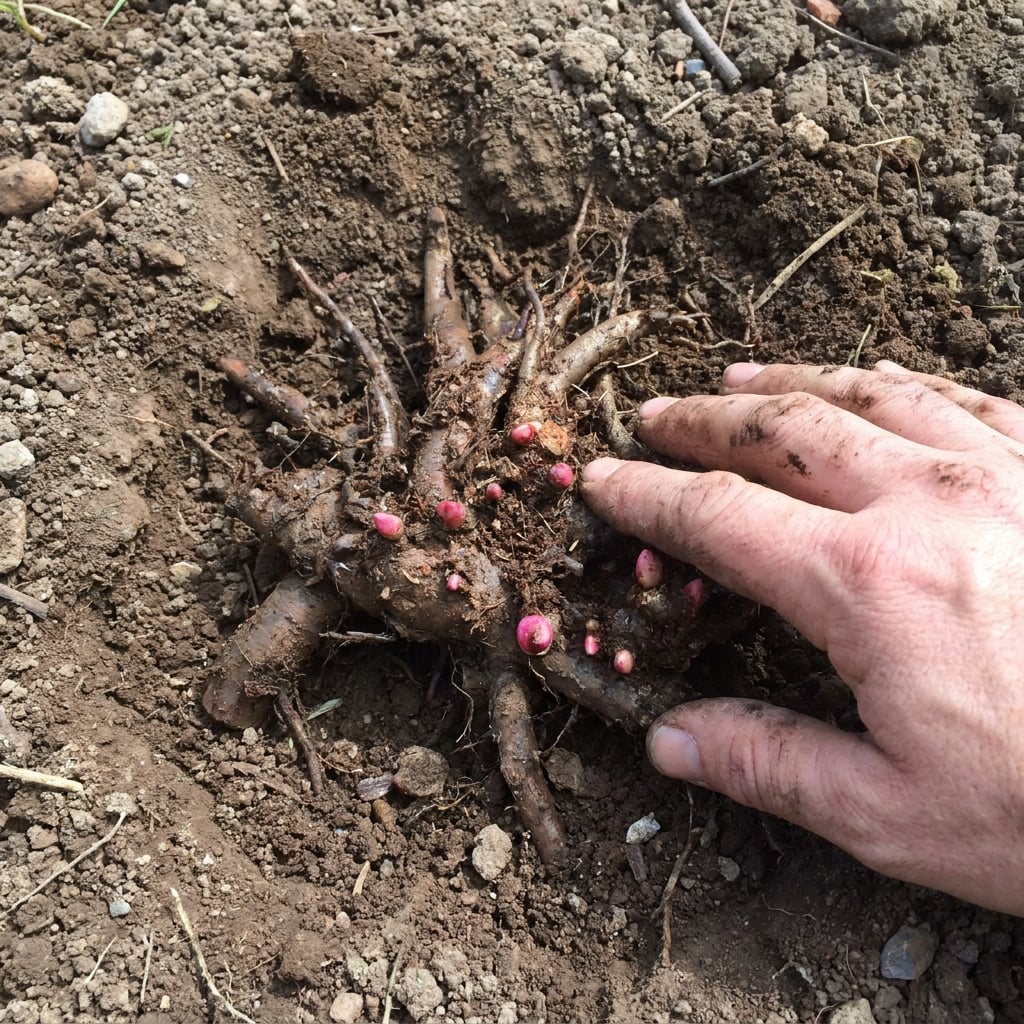
For bare-root peonies, bury those pink growth eyes just one to two inches deep. Any deeper and you’ll probably end up with a lush bush that refuses to bloom. Potted peonies are different, so keep them at the same depth they were growing in their nursery pots.
Give them plenty of sunlight, rich, well-drained soil, and enough winter chill to encourage spring blooms. In warmer gardens, choose varieties suited to milder winters.
Quick note: Fall is prime for getting bare-root or potted stock in the ground, yet those first-year roots will test your patience. They’re fully concentrated on establishing themselves underground, so consider any spring blossoms a lucky bonus rather than a promise.
Peonies can stay in the same spot for years, so it’s worth getting the location right. We also have a guide on choosing the best place to plant them if you’re still deciding.
6: Purple Coneflower (USDA Zones 3-9)
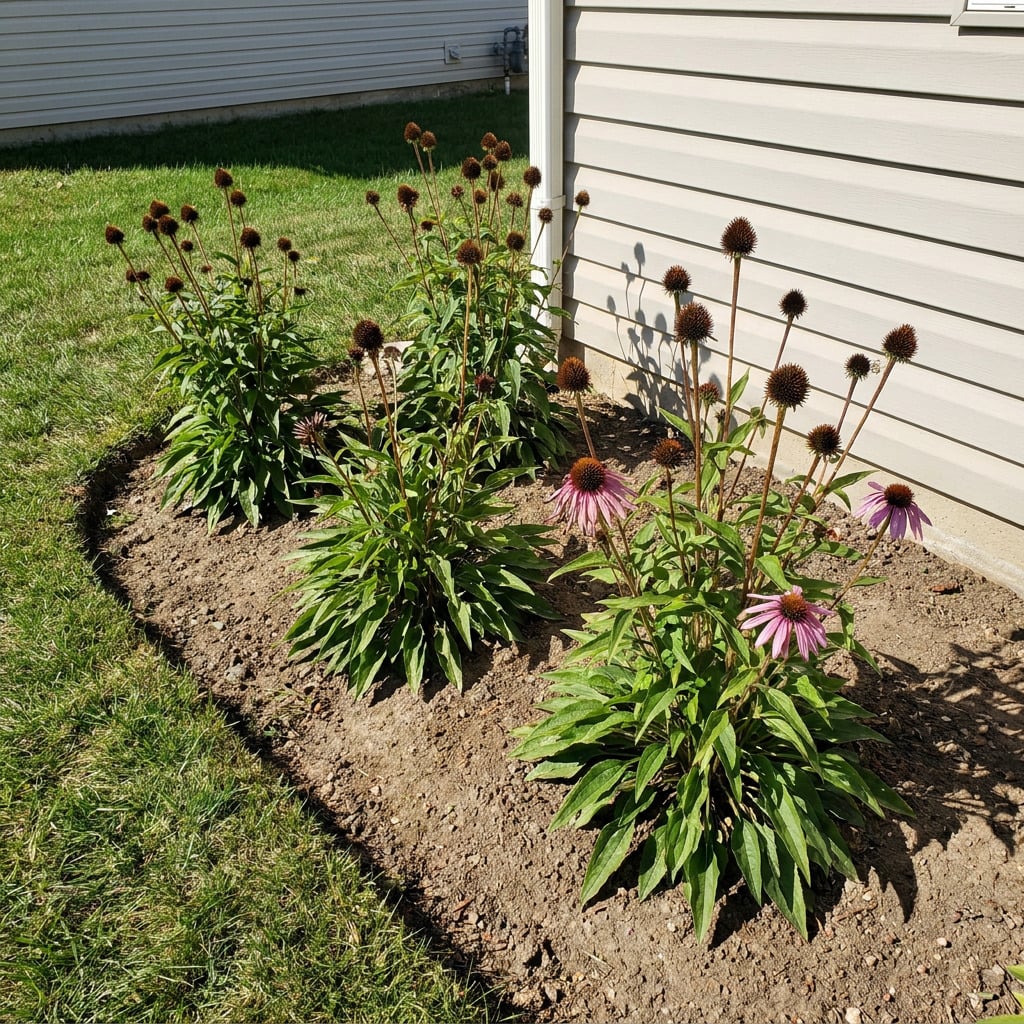
Stop rescuing sad, root-bound coneflowers from clearance racks. This October, pick stocky, healthy nursery plants instead.
Purple coneflowers handle fall planting well when given enough time to establish. Their fibrous roots can keep growing as the soil cools, giving them a head start on next summer’s blooms.
They don’t need fancy soil amendments, but give them full sun and well-drained soil. Plant at the same depth as the nursery pot, keeping the crown level with the soil line. Don’t let water pool around it and cause rot over winter.
Once they’re established, we’ve also put together some practical coneflower care tips to help keep them healthy and blooming year after year.
7: Perennial Rudbeckia (USDA Zones 3-9)
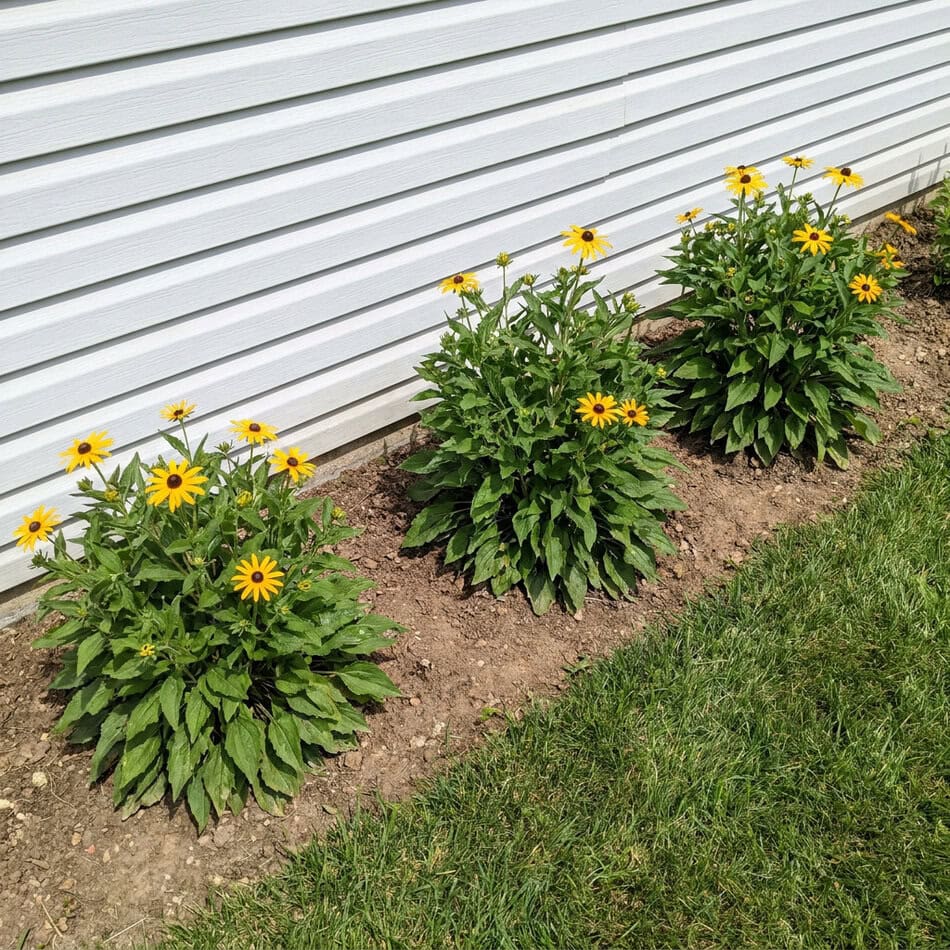
Don’t gamble on a short-lived Black-Eyed Susan if you want flowers year after year. Get yourself a true perennial, Rudbeckia fulgida ‘Goldsturm’.
Planting timing is critical. Northern gardeners should get them in as early in October as possible, while those with milder winters may have until November. Set each plant at the same depth it was growing in its nursery pot, keeping the crown level with the surrounding soil.
Quick tip: Give them full sun to light afternoon shade. You can get away with heavier soil than you would with coneflowers, but pooled water can still rot the roots and underground rhizomes.
And when summer rolls around, we also explain how to care for black-eyed Susans to get the most out of their blooms.
8: Daylilies (USDA Zones 3-9)
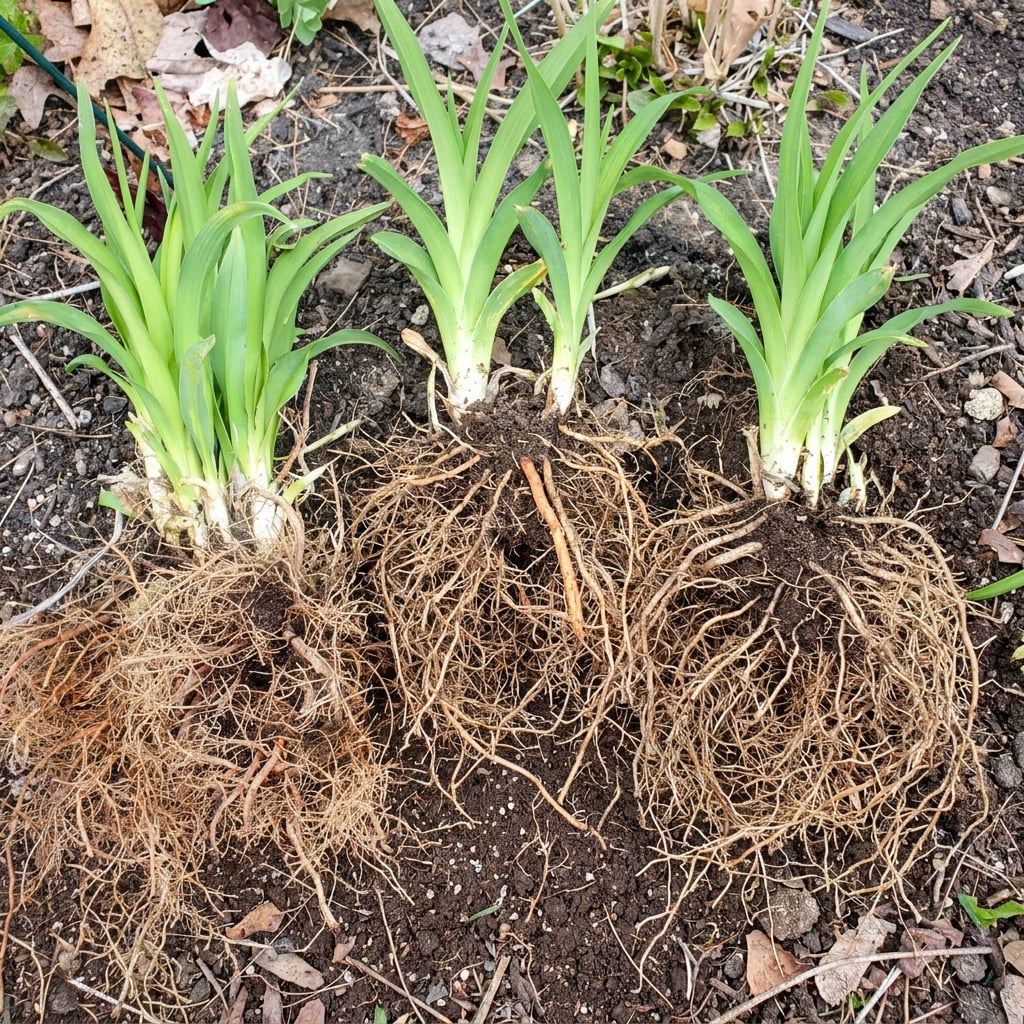
Daylilies’ reputation for being bulletproof tricks people into dropping bare-root crowns into freezing November mud. They’re tough, not immortal.
Those fleshy roots need several weeks to anchor before the ground freezes. Give them full sun and dirt that doesn’t hold standing water.
The crown depth is where most gardeners mess up. Set the point where the leaves meet the roots no deeper than one inch below the soil surface.
Quick tip: Dormant varieties will turn yellow and die back as winter approaches, but once those roots are established, they can push fresh growth and flower scapes next summer.
Already have an overcrowded clump in your garden? We also explain how to divide daylilies and other perennials in October instead of buying new plants.
9: Garden Phlox (USDA Zones 4-8)
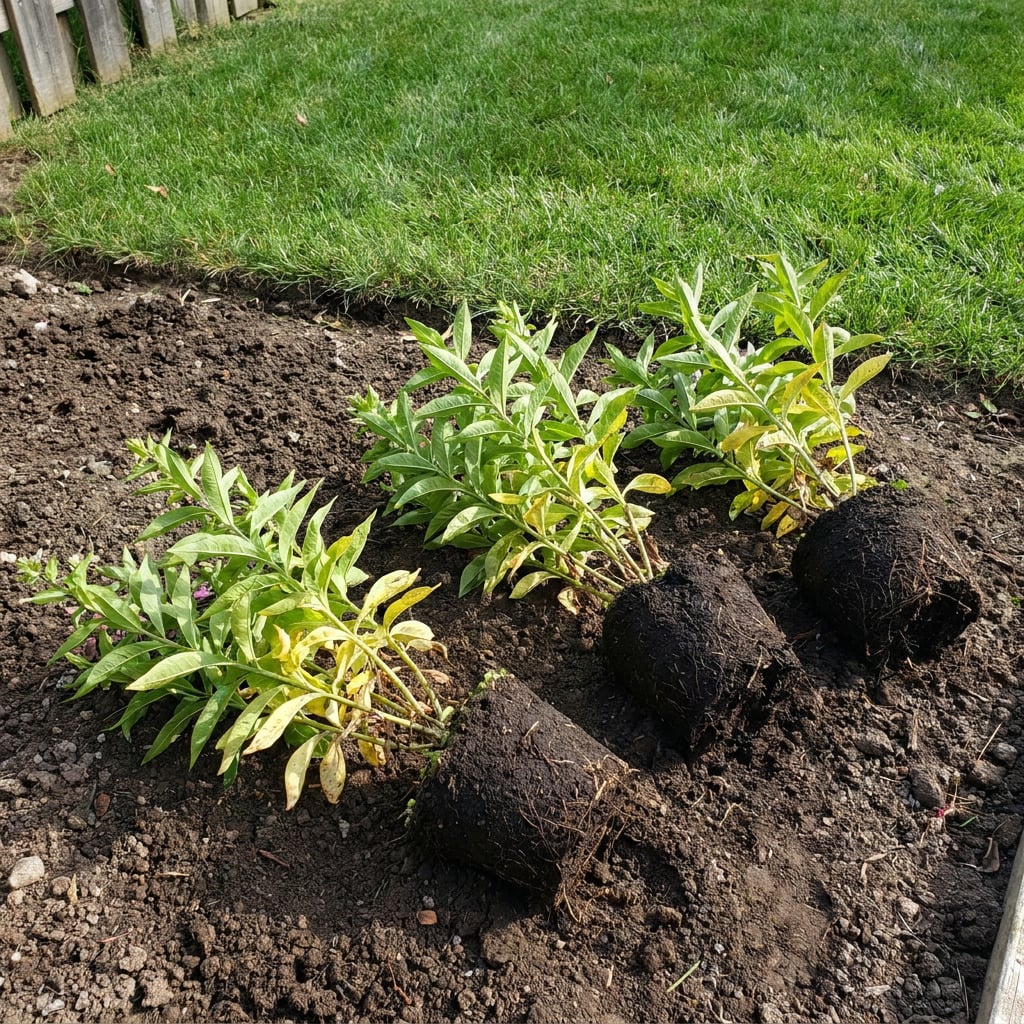
Fall nursery sales are notorious for dumping mildew-covered garden phlox on the discount rack. Skip any plant showing that telltale white, powdery dust.
Pick healthy, green stock and give them full sun with moist, well-drained soil. Space them about two feet apart to improve airflow and reduce the risk of powdery mildew.
In colder regions, get them in by early October, while milder gardens can often stretch into November. Plant at the same depth as the nursery pot, giving those roots time to settle in before the ground freezes.
10: Astilbes (USDA Zones 3-9)
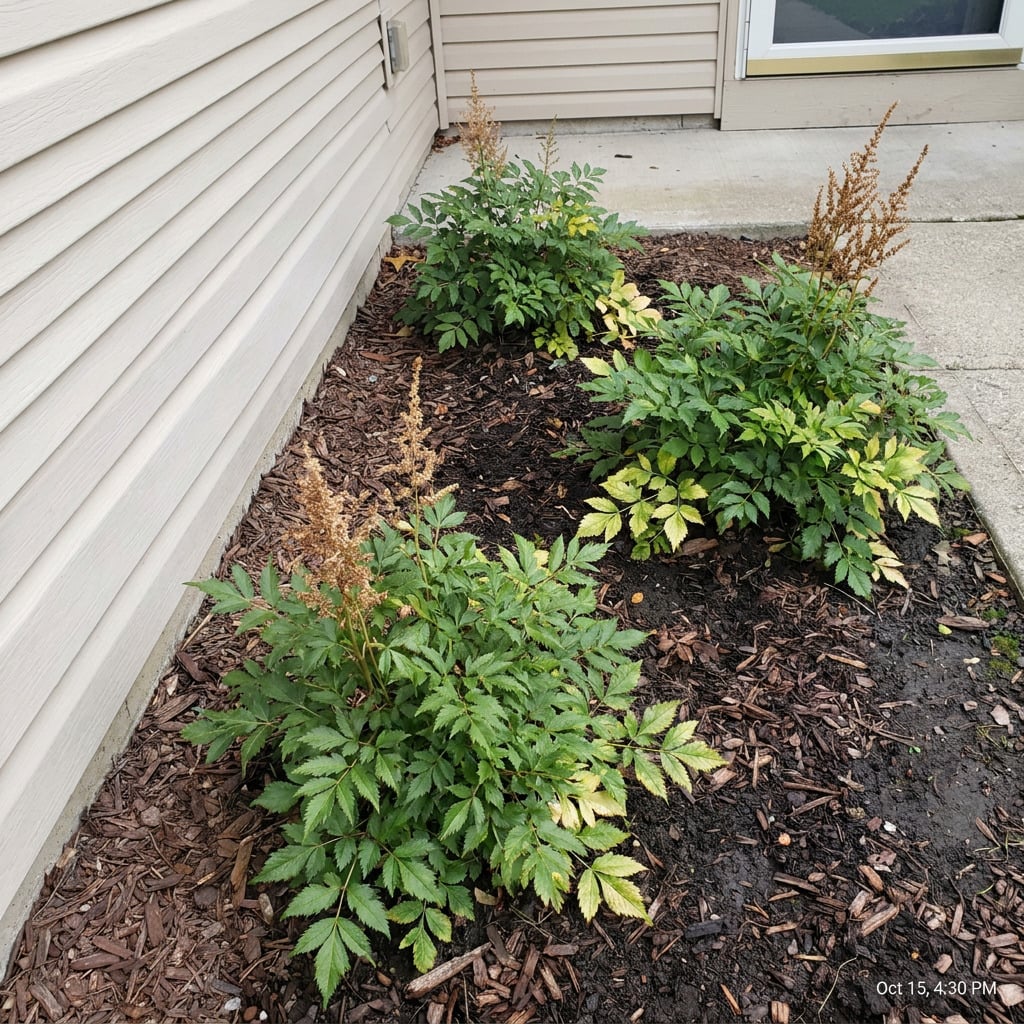
Astilbes break every rule on this list. They prefer partial shade and rich, moist soil that still drains well. So don’t let the ground dry out while those roots settle in.
In colder gardens, get them planted as early in October as possible. Milder regions can often stretch into November, provided there’s enough time for roots to establish before the ground freezes.
Plant them at the same depth they were growing in their nursery pots. Once the ground starts freezing, cushion their shallow roots with a two- to three-inch layer of leaf mold to help prevent frost heaving.
Ground Rules for Next Year’s Blooms
Planting flowers in October works best when roots have time to settle in before the ground freezes. Get the planting depth, water, and sunlight right this fall, and give those plants a head start on next year’s blooms.
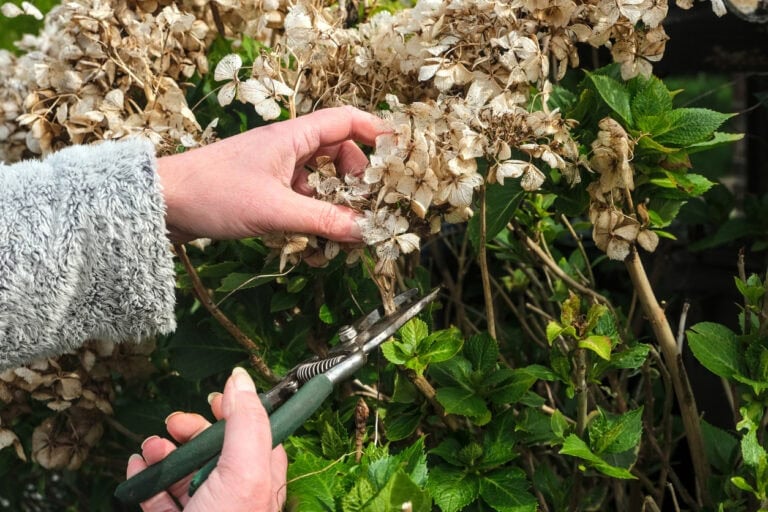
And while you’re tidying up those flower beds, don’t be too quick with the pruners! We also explain which perennials are better left standing in October, including coneflowers and black-eyed Susans.