Shear instinct isn’t always right. Scalping beds in fall can wipe out bird food, strip away cold-weather texture, and leave some perennial crowns more exposed to damaging freeze-thaw cycles. So, snip smart or don’t snip at all!
Wildlife First

Untouched seed heads and hollow stems turn frozen borders into valuable cold-weather shelter and feeding spots where birds and overwintering insects can just bee.
Of course, that doesn’t mean every perennial gets a free pass, we put together a separate guide to the ones you should prune in October.
1. Coneflower
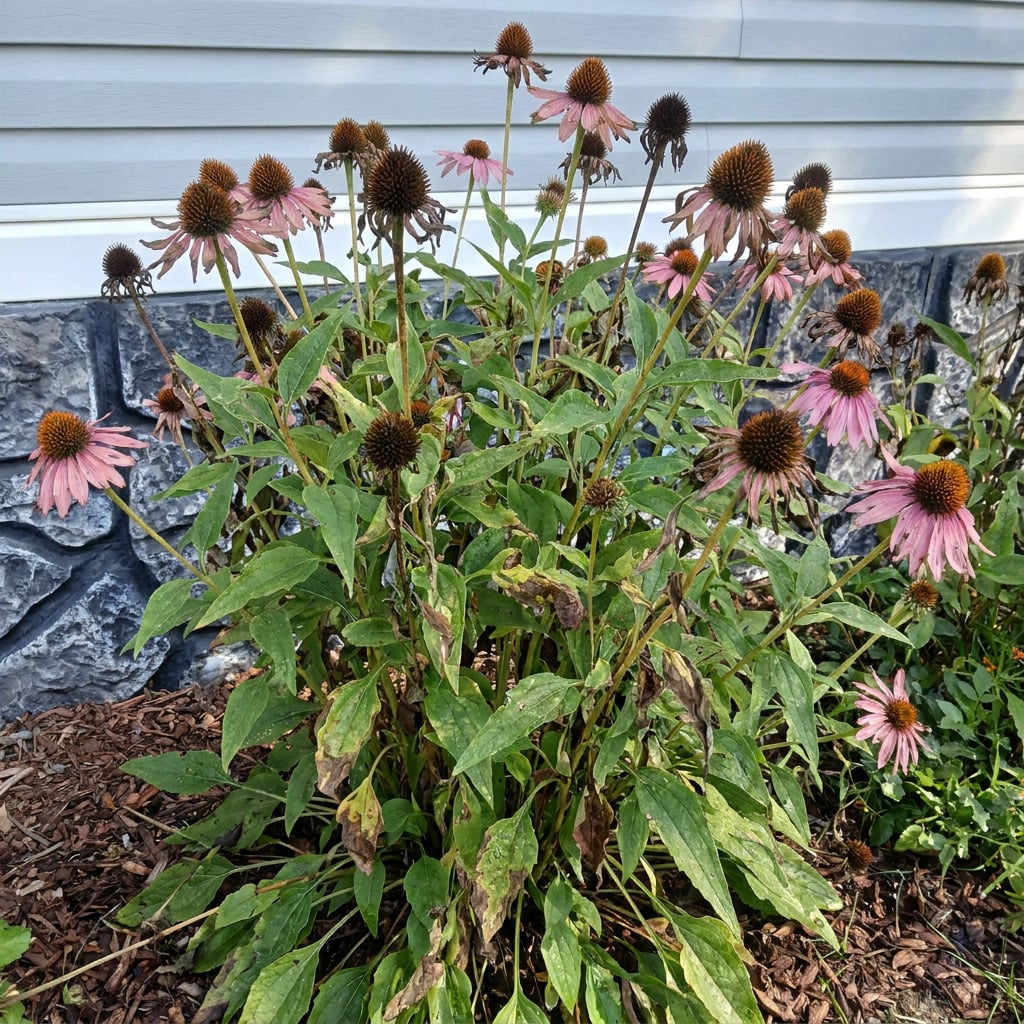
Purple coneflower seed heads are packed with nutritious seeds that provide valuable winter calories for American goldfinches.
Cutting stems now means removing this yummy seed source when snow covers ground forage. It also removes standing stems that can provide winter shelter for insects.
When to cut instead: Slice the dead stems of your Echinacea purpurea at ground level in early spring, just before or as fresh green growth starts to break through.
2. Upright Stonecrop

Hylotelephium spectabile doesn’t need a fall haircut. Its stiff, dried flower heads stay upright through frost and snow, adding structure when most of the garden has gone flat.
Cutting it down in October also removes standing stems that can shelter overwintering insects and catch snow around the crown. I leave mine standing and let winter do its thing.
When to cut instead: Wait for spring when the green center starts expanding, then grab the dead stalks and snap or cut them off close to soil level.
3. Black-eyed Susan
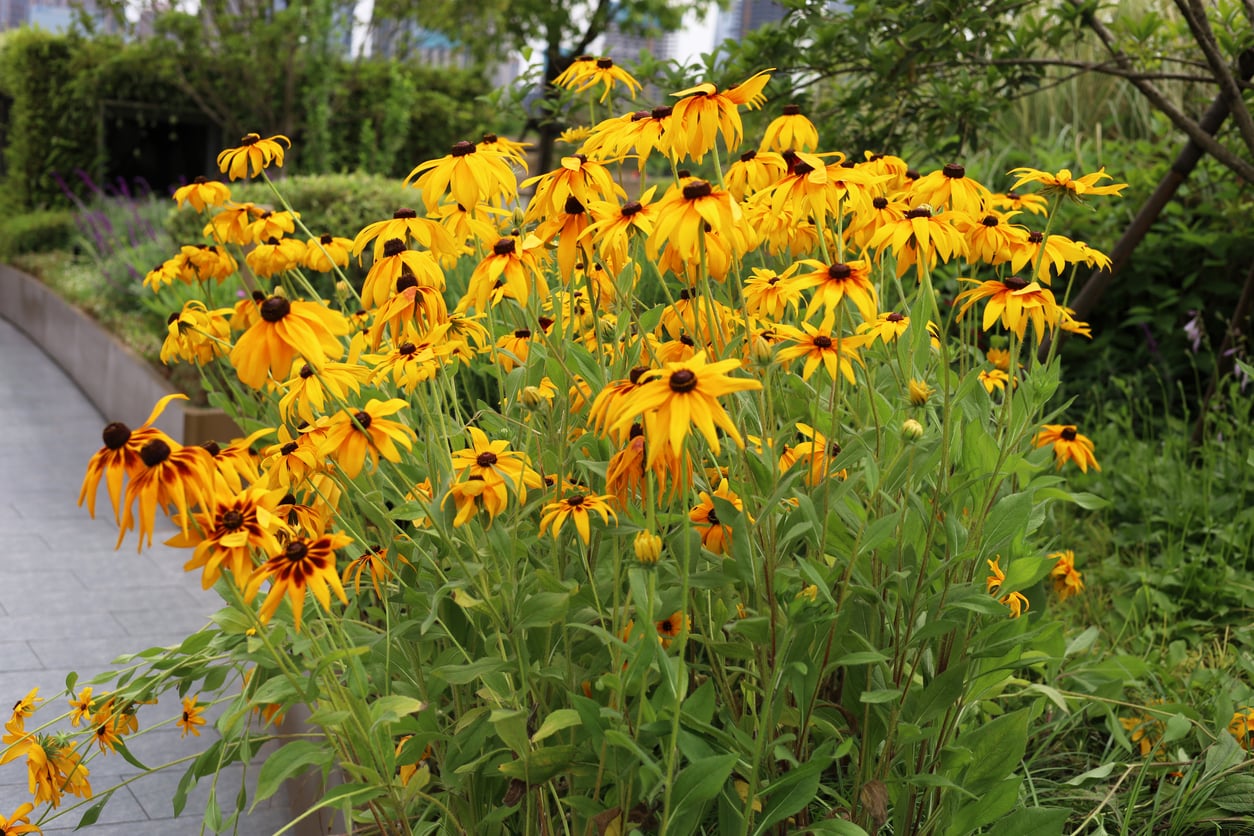
At its core are seed heads that goldfinches and sparrows pick through well into winter.
Shearing the top growth in fall removes that natural food source and strips away stems that help hold fallen leaves and snow around the root zone. Leave those stiff, hairy stems standing through winter. They add structure, provide shelter for insects, and help catch insulating snow around the plant.
When to cut instead: Cut the dead stems back to the basal leaves in early spring, just before or as fresh growth starts to emerge.
If you’re tempted to tidy spent blooms instead, we also broke down which flowers are still worth deadheading in October.
4. Joe-pye Weed

Its hollow stalks double as winter apartments for stem-nesting bees, while fluffy seed clusters provide food for small seed-eating birds through icy snaps.
Trim those thick canes in fall and you remove both that winter habitat and one of the garden’s last standing seed sources.
When to cut instead: In spring, cut the dead stalks back to about 12 to 18 inches rather than all the way to the ground. Those remaining stems can become nesting sites for solitary bees, so leave the stubs in place through the growing season.
Crown And Root Safety

Stand between the shears and the root crown, or you risk leaving some perennials more exposed to winter wet and freeze-thaw swings; the kind of conditions that can end in black, waterlogged pulp.
5. Coral Bells
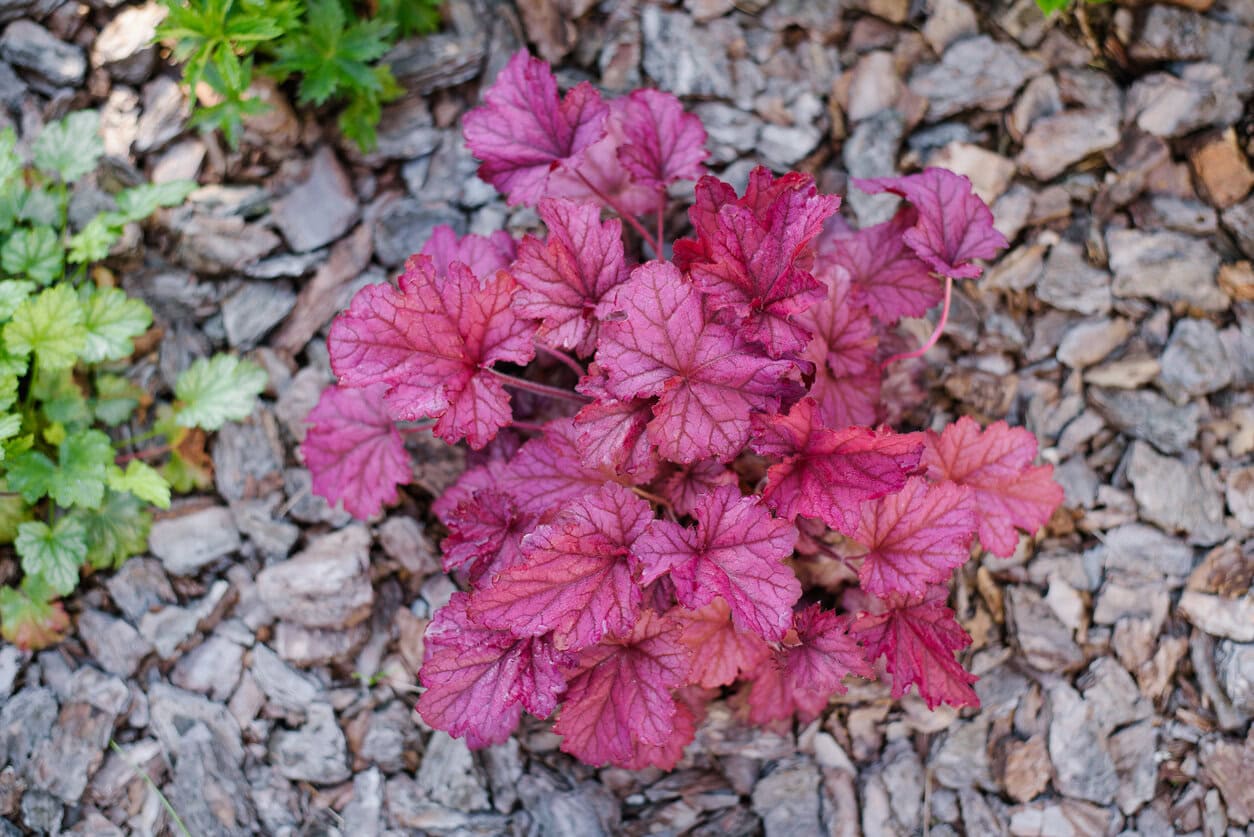
Its evergreen or semi-evergreen foliage isn’t just for show. Leaving it intact helps shelter the crown and buffer the soil surface through winter temperature swings.
Heuchera is already prone to frost heaving, which can gradually push the crown upward during repeated freeze-thaw cycles. Don’t make things worse by stripping away its protective foliage in fall and helping it eject itself from the garden bed!
When to cut instead: Leave everything as is until early spring. When fresh growth finally pops from the center, trim off only the ratty, winter-burned outer leaves.
And if you’re disturbing crowns for another reason this month, I also have a guide to which perennials you can still divide in October.
6. Hellebores
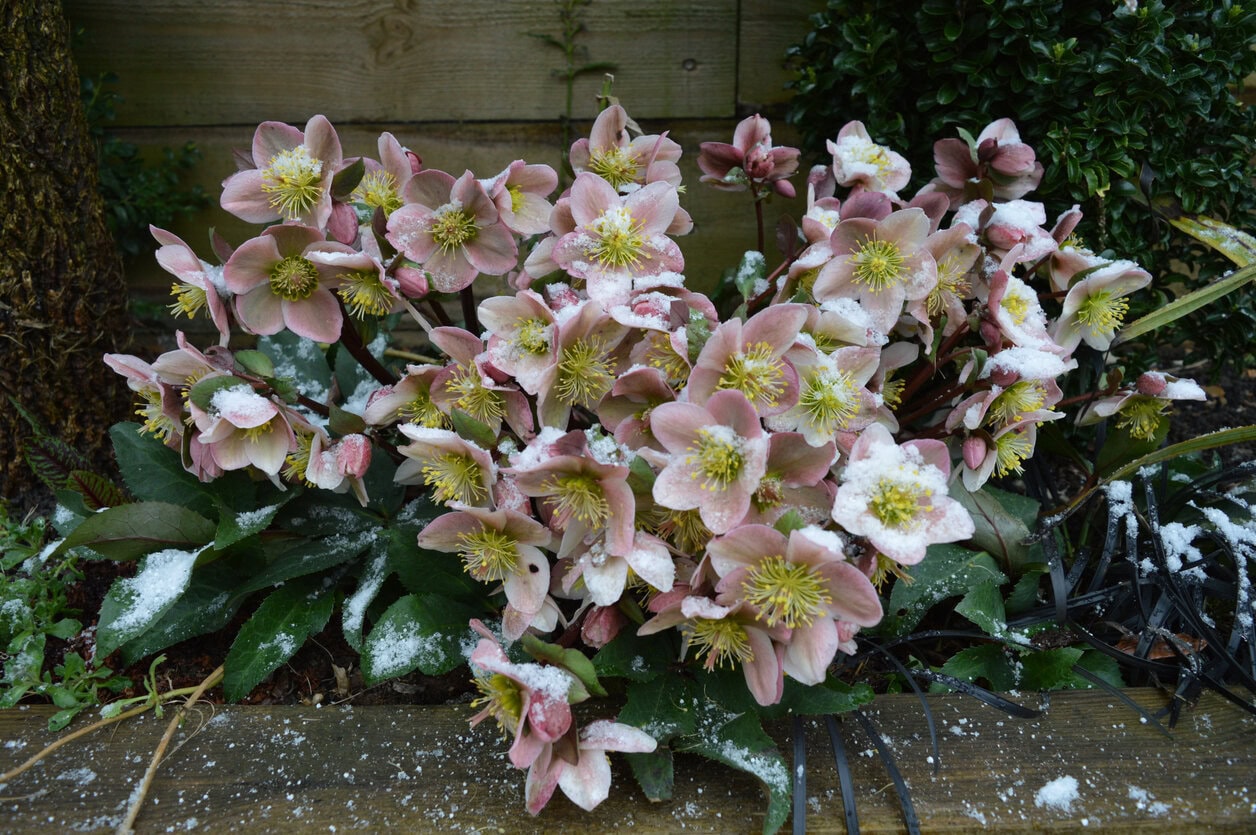
Those tough leaves do a fine job sheltering developing winter buds from harsh weather, but keeping tattered growth around past mid-winter can harbor hellebore leaf spot and other fungal problems.
Don’t leave ragged old leaves to rot over the fresh blooms!
When to cut instead: Wait until late winter, catch the flower stalks as they first push out of the ground, and chop the old, damaged foliage right at the base before it flops over the new flowers.
7. Garden Mums
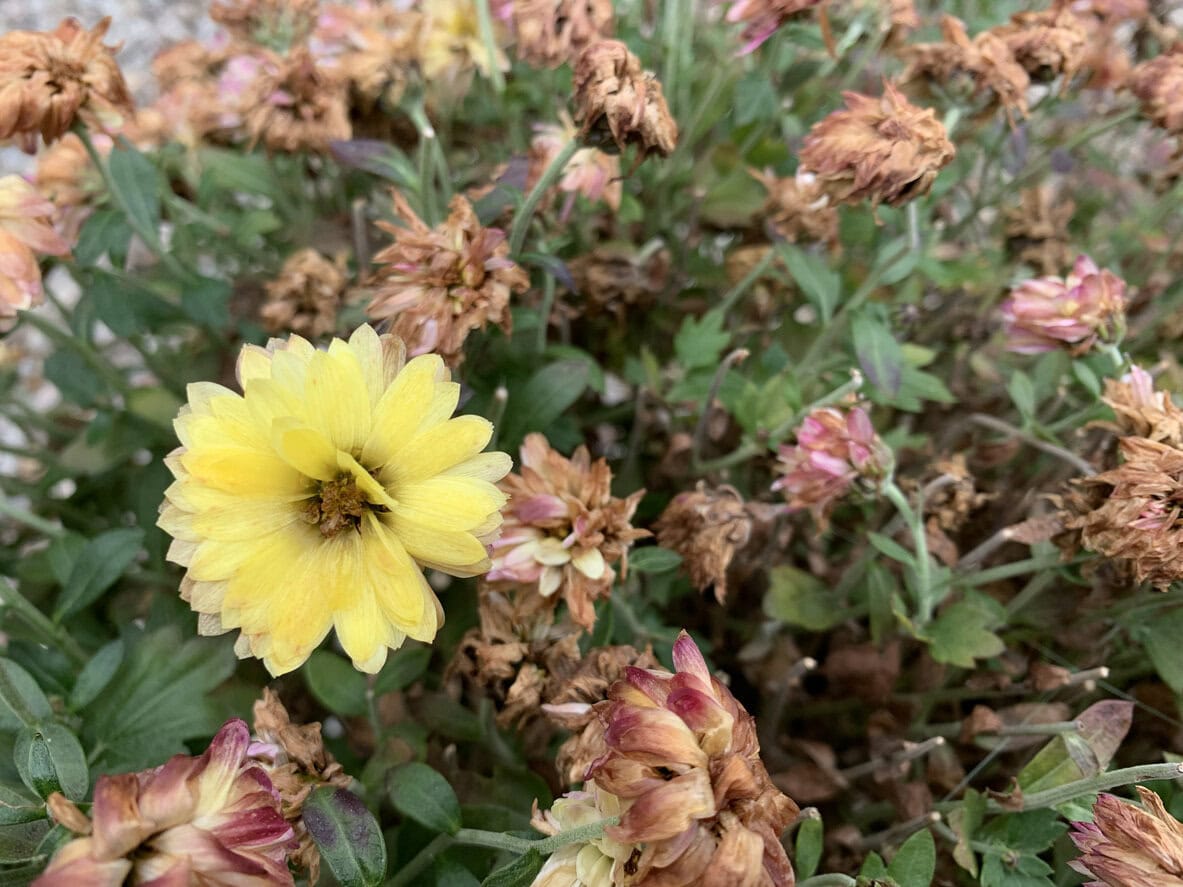
Garden mums don’t need a fall buzz cut. Those brittle stems catch fallen leaves and snow over the crown, giving the roots a little extra insulation through winter.
Scalp them in October and you strip away that natural blanket just before the hard freezes arrive.
When to cut instead: Wait until early spring, then chop the old stems back as fresh shoots start pushing from the base.
8. Anise Hyssop
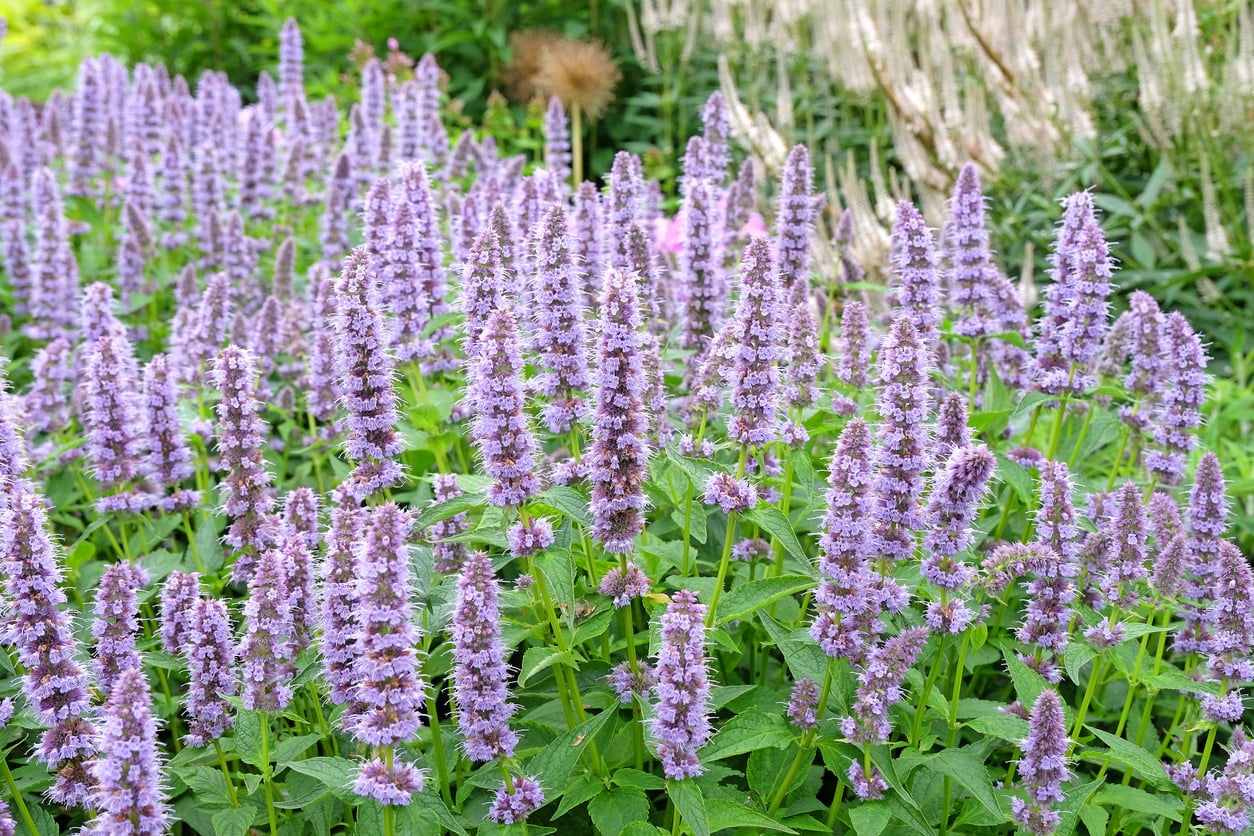
Anise hyssop is more cold-sensitive than its tough summer growth suggests. Cut those stems to the ground in fall and you leave the crown more exposed to repeated freezing, thawing, and bitter winter winds.
Those dry stalks help catch leaves and snow around the base, giving the crown a little extra insulation when temperatures plunge.
When to cut instead: Wait until early spring, then shear the dead stems back as fresh shoots start waking up at the base.
9. Russian Sage
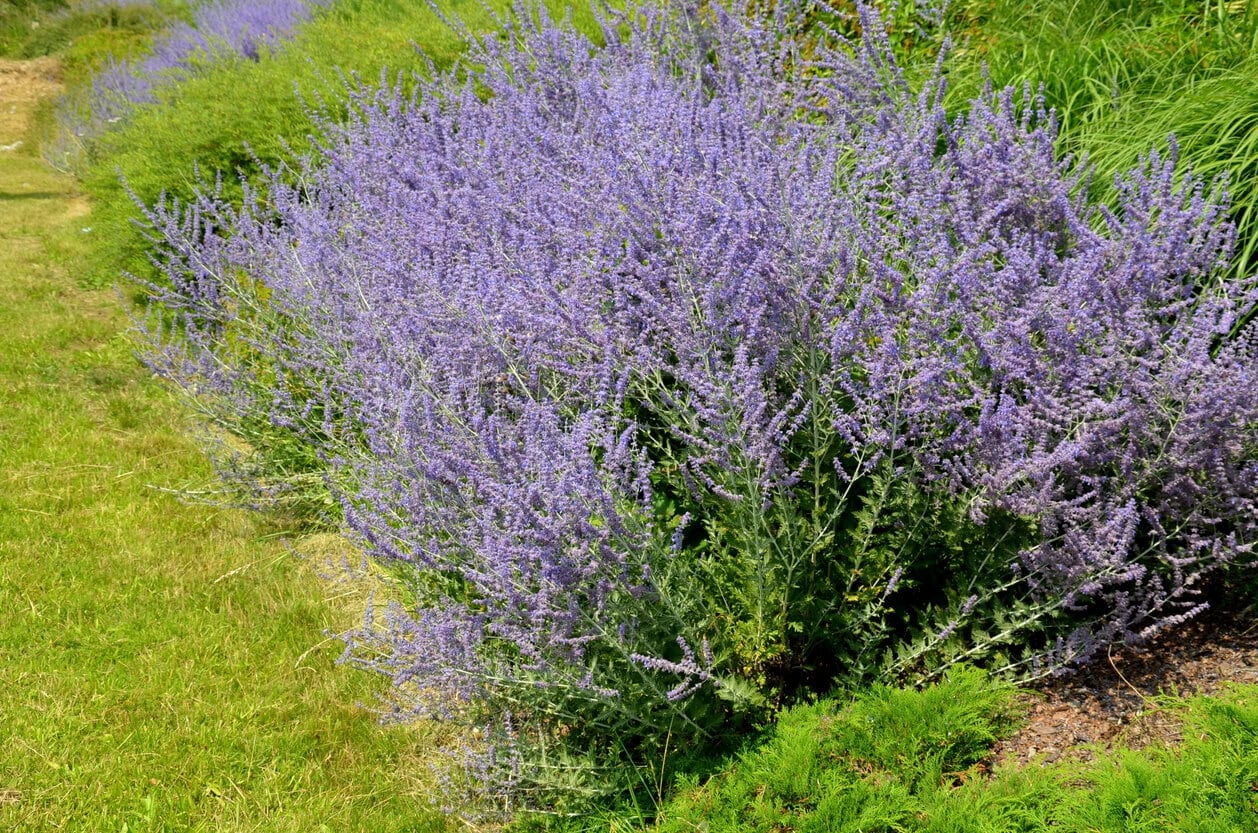
Salvia yangii forms semi-woody stems that are better left standing through winter than whacked back to the ground in fall.
A hard fall cut strips away the standing growth and leaves the crown more exposed to cold, winter wet, and repeated freeze-thaw swings. Leave the silver stalks standing all winter.
When to cut instead: Shear the stems back to about four to six inches in early spring, once you see green buds starting to wake up on the lower wood.
10. English Lavender
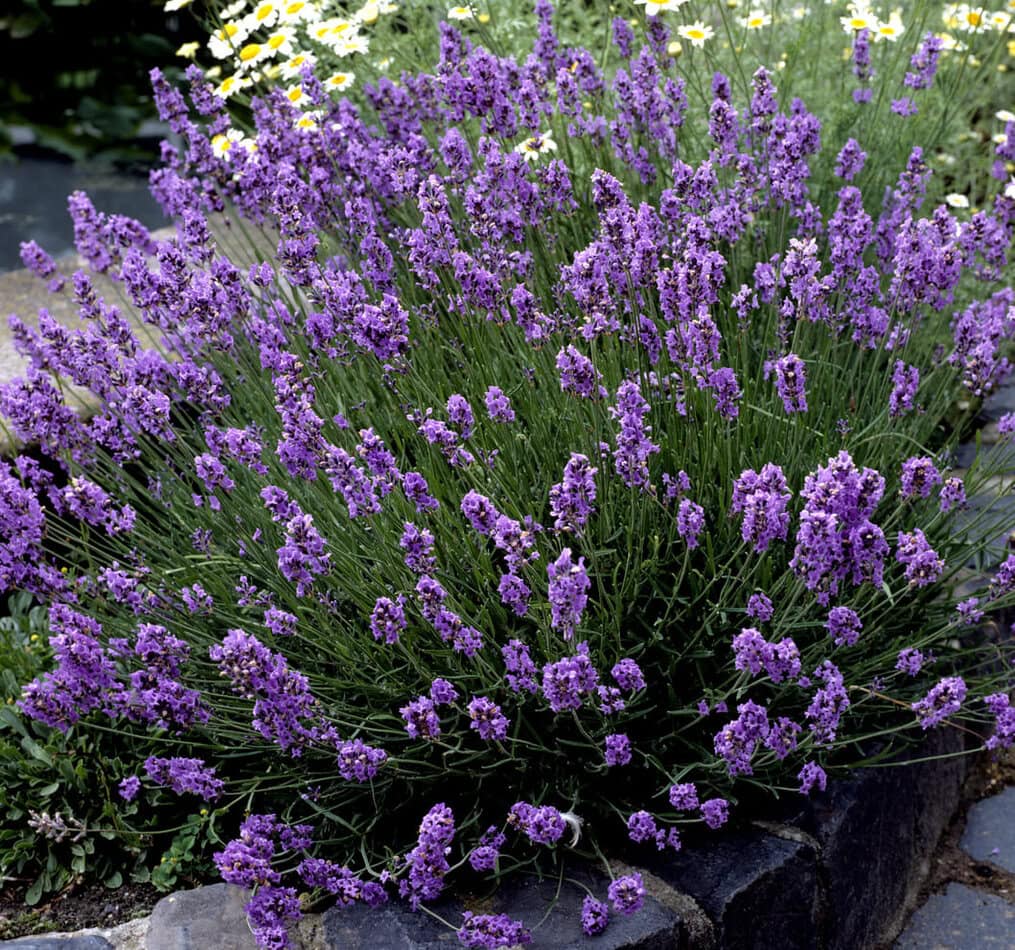
If you’re getting yours ready for winter, I also put together a guide to the other lavender jobs I do in October.
Your Lavandula angustifolia can react to fall cuts by pushing tender shoots that the first hard freeze quickly fries. Leave every scrap of silver foliage alone to help shelter the crown until spring.
Slicing into old wood is the bigger risk. Lavender often struggles to resprout from bare, leafless wood, so one cut too low can leave permanently dead sections.
When to cut instead: Trim back by one-third in spring right after new growth shows up, making sure to stay strictly above the bare, woody base.
Don’t Be So Quick to Clip
Is your plant covered in powdery mildew or other disease? Cut the affected growth down in fall and get that debris out of the garden. Drops seed heads like a weed? Snip those off before they scatter everywhere.
But stripping healthy perennials just to keep things looking tidy?! It strips away the natural windbreaks and snow traps that can help protect root crowns through winter.
Obviously, your need for a spotless garden isn’t worth taking away a goldfinch’s winter snack or evicting a bee!