Want to kick back next spring while your garden erupts into early color? Direct sow these tough-as-nails annual flower seeds this October and let Mother Nature do most of the work while you sip hot cider. Or mulled wine, like certain gardeners.
7 Flower Seeds To Direct Sow In October For Earlier Spring Blooms
If you’re still filling gaps in the garden this month, we also wrote a zone-by-zone guide to 7 cold-hardy greens you can still plant in October.
1: Calendula (USDA Zones 7-11)
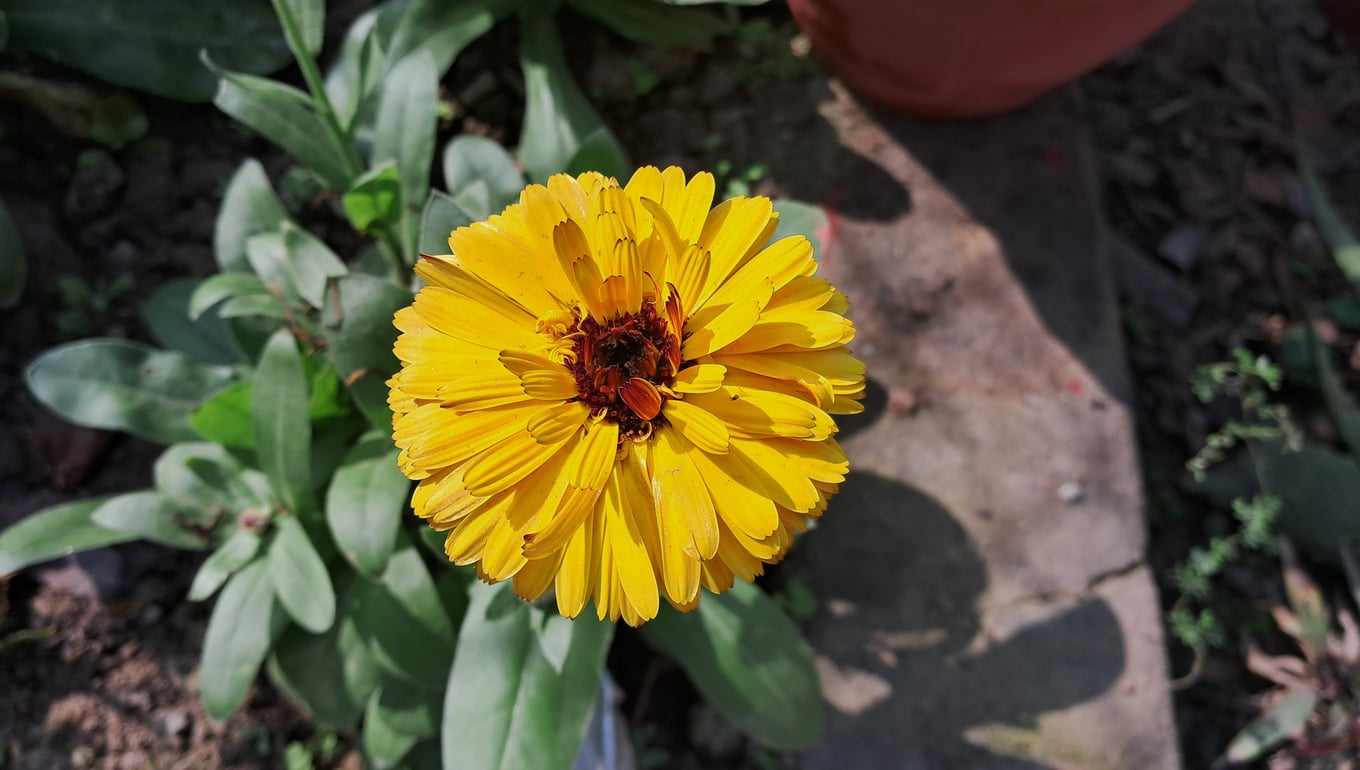
First off: do not confuse pot marigold (Calendula officinalis) with French marigolds (Tagetes). French marigolds hate frost, while calendula is a cool-season annual that handles chilly weather surprisingly well.
Plant the seeds about 1/4 inch deep in a sunny, well-drained bed. They’re easy to direct sow and don’t need much fussing once they’re in the ground.
Quick tip: Skip heavy fertilizer in fall. Calendula doesn’t need much feeding, and good drainage matters more going into winter.
2: Bachelor’s Buttons (USDA Zones 7-10)
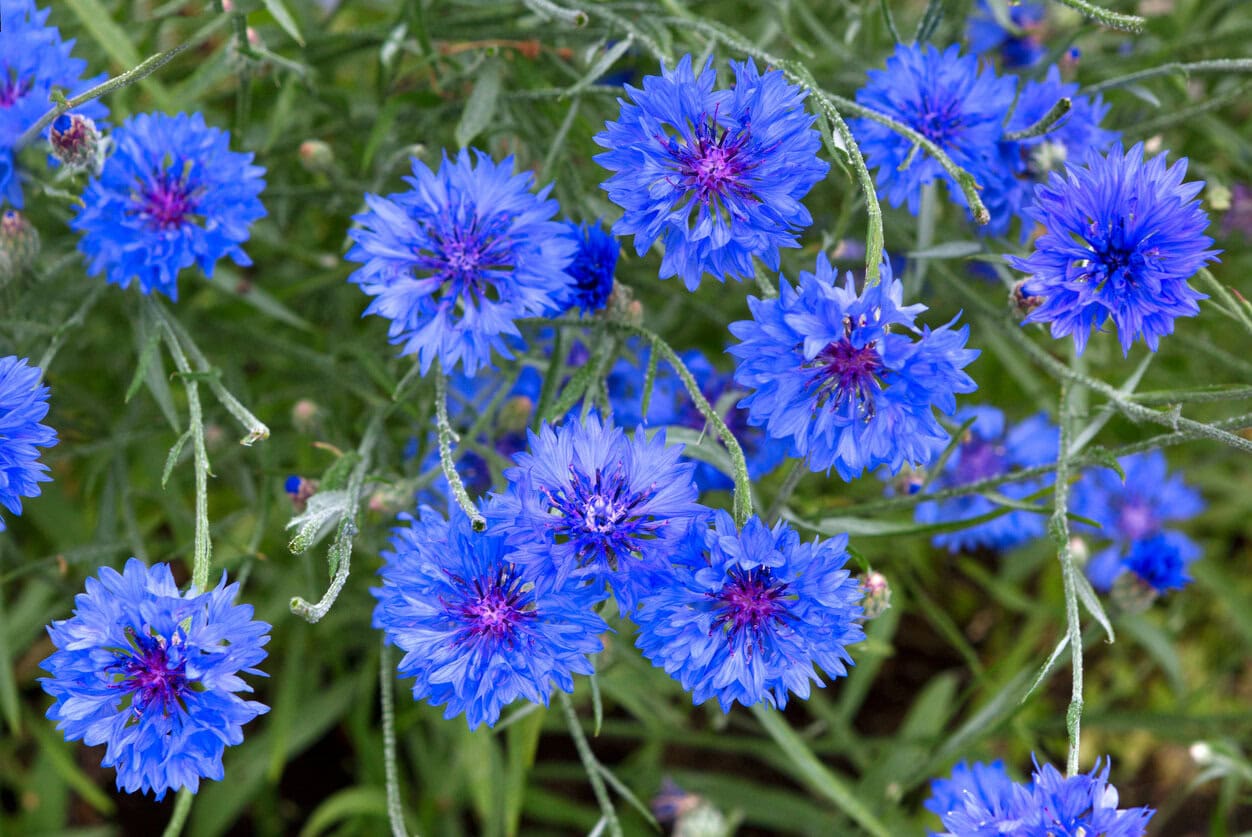
Cornflowers are about as easy as it gets, and fall sowing gives these cool-season annuals a nice head start on spring.
I rake the bed clean, scatter the seeds, and cover them with about 1/4 inch of soil. Once the seedlings are up, I thin them to about 8 inches apart so they have plenty of airflow as they fill out.
They aren’t demanding about soil, either. As long as the bed drains well and gets plenty of sun, I don’t bother adding fertilizer.
Quick tip: Keep the soil surface lightly moist until the seeds germinate. Once established, they are much less needy.
3: Annual Larkspur (USDA Zones 5b-10)

One caution: larkspur is toxic if eaten, so keep the seeds and plants away from children and pets.
If you love the dramatic look of perennial delphiniums but hate how fussy they are, annual larkspur gives you those same tall flower spikes with a lot less drama.
The trick with larkspur is waiting for genuinely cool soil. Don’t sow until soil temperatures are around 55°F or lower, then cover the seeds with about 1/4 inch of soil.
Unlike many tiny flower seeds, larkspur needs darkness to germinate, so make sure none are left sitting exposed on the surface.
Quick tip: Don’t rush this one just because the calendar says October! If your soil is still warm, give it another week or two. Larkspur germinates much more reliably once things cool down.
4: Love-in-a-Mist (USDA Zones 5-8)

Love-in-a-mist is one I prefer to direct sow. Nigella damascena doesn’t love having its roots disturbed, so I find it much easier to put the seeds exactly where I want the plants to grow.
In October, I scatter the seeds over a sunny, well-drained bed and cover them very lightly with soil. Don’t bury them deeply, they need some light to germinate.
Quick tip: Leave a few seed pods on the plants after flowering. Nigella self-sows readily, and you may get another crop popping up on its own next season.
If you’re still deciding what to cut and what to leave in your fall flower beds, we also explain which flowers to deadhead in October for another round of blooms.
5: Shirley Poppies (USDA Zones 3-10)

Poppy seeds are tiny as dust speckles, so this is one flower I never bury. I scatter them over a clean, weed-free patch of soil, then press them firmly into the surface with my hand or a flat board.
The goal is that the tiny seeds make solid contact with the soil without blowing away in the wind. They need light to germinate, so skip the usual layer of soil on top!
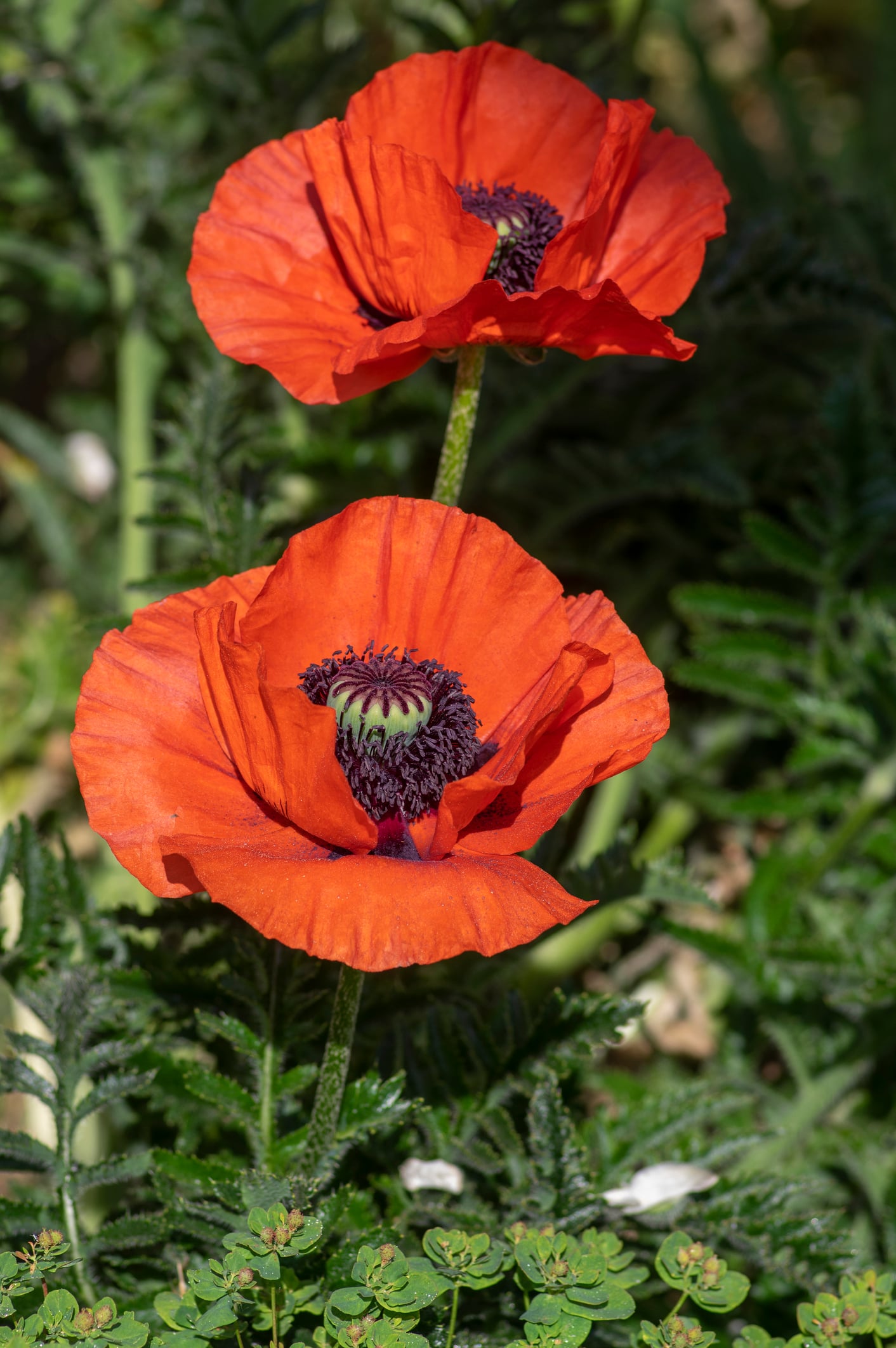
Fall sowing works beautifully with Papaver rhoeas. The seeds sit through the cold weather and get an early start once conditions are right, eventually producing those papery red, pink, and white blooms in spring.
Quick tip: Mix the tiny seeds with a little dry sand before scattering them. It makes them much easier to spread evenly instead of accidentally dumping half the packet in one spot.
6: Ladybird poppies (USDA Zones 8-10)
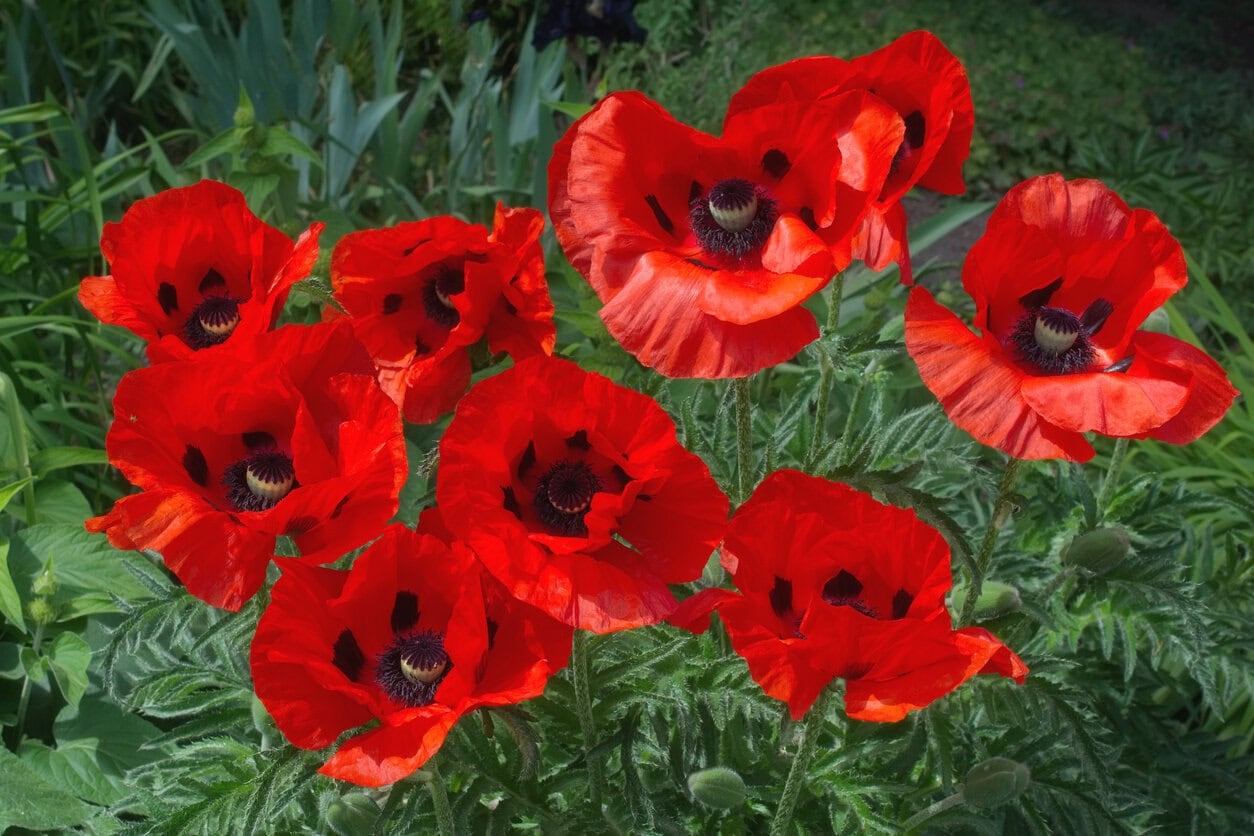
Ladybird poppies are the intense cousin of Shirley poppies, with brilliant crimson petals and bold black spots at the base. I give these tiny seeds a clean, weed-free patch in full sun so the young seedlings don’t have to compete as they get established.
Scatter the seeds directly over the soil surface and press them in gently with your hand or a flat board. Just like Shirleys, don’t cover them, they need light to germinate. Once they’re growing, thin the seedlings to about 8 inches apart and let them do their thing.
Quick tip: Mark the spot after sowing. Poppy seedlings are tiny at first, and it’s surprisingly easy to pull them while weeding if you forget where you scattered the seeds.
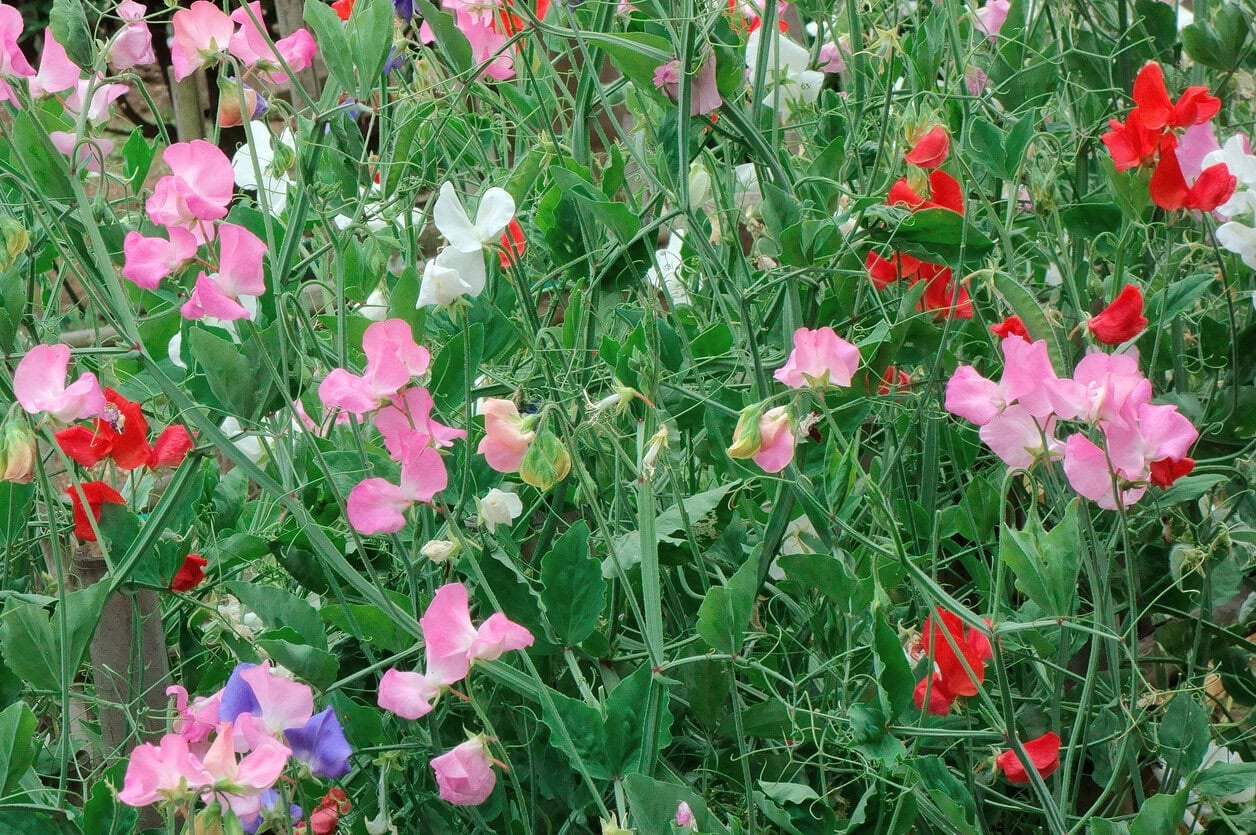
7: Sweet Peas (USDA Zones 8-10)
One caution: Sweet pea seeds and plants are toxic if eaten, so keep them away from children and pets.
Sweet peas are one of my favorite flowers to sow in fall because the cooler weather gives them time to build strong roots before spring. Then, once the days start getting longer, they take off with those ruffled, fragrant blooms in shades of pink, purple, white, red, and lavender.
I sow Lathyrus odoratus about 1/2 inch deep in rich, well-drained soil and give the vines a trellis or fence to climb as they grow. They like cool conditions, so an October start works especially well in mild-winter areas where spring heats up quickly.
Quick tip: Soak the seeds in room-temperature water overnight before sowing. Their seed coats are pretty tough, and a good soak can help speed up germination.
Seeds aren’t the only way to get a head start on spring color, either. We also put together a guide to 13 bulbs to plant in October for stunning spring blooms.
Tips for Direct Sowing Flower Seeds in October

The USDA Zones listed above refer to where I recommend October sowing specifically, not the only places these flowers can grow because local soil temperatures and frost timing still matter, even within the same zone!
So in colder climates, it’s often better to wait until after a hard freeze and dormant-sow once the soil is cold enough to keep seeds from germinating too early.
And if you’re using October to rearrange your beds too, we wrote a guide to 10 perennials you can safely transplant this month.
Seven Seeds, Zero Indoor Trays
No grow lights. No damp paper towels in the fridge. No delicate seedlings legging out on a windowsill. If October sowing fits your climate, get these seven seeds into the garden now and let the cool months do most of the work. By spring, they’ll already have a head start while everyone else is just getting their flower beds going.