The April weather report predicts a 100% chance of growth if you act fast. Moreover, peeling back the dead layers feels like unwrapping a gift from Mother Nature. And who doesn’t love a gift from nature?!
And if you’re already planning your spring garden, we also put together a guide on flowers you can direct-sow in April, perfect for filling the freshly cleaned beds.
The Moment Your Garden Finally Wakes Up
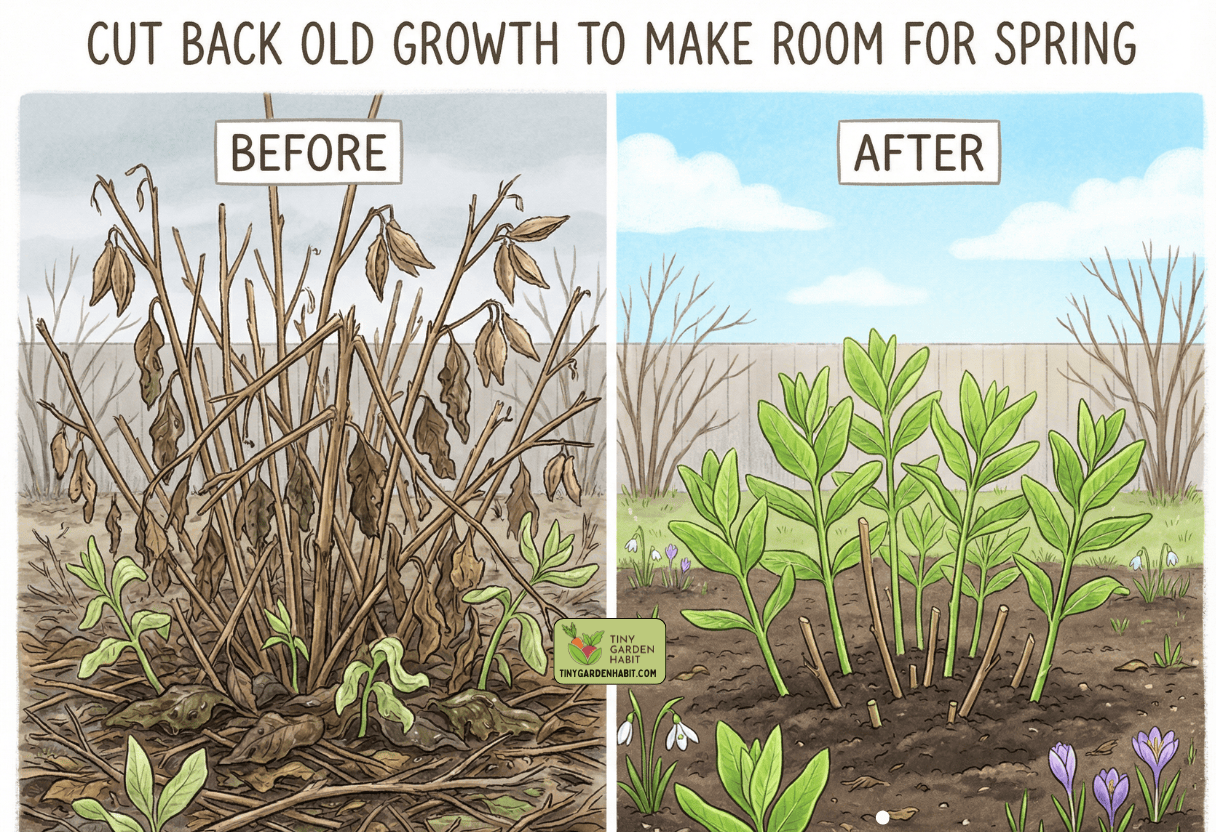
Winter leaves behind a mess of brittle stalks and soggy foliage.
By April, many perennials are quietly pushing up new growth beneath that debris. Clearing away the old stems is like pulling back the curtains so the garden can finally stretch into the sunlight.
Quick note: This guide fits best for USDA Zones 5-8, but spring cleanup timing can vary. If your area still has snow on the ground or your last frost date is weeks away, wait until conditions are right before cutting plants back.
Shave The Day
Cutting back perennials soon? Channel your inner Sean Connery, the world’s most dangerous horticulturist, who surely once said that there’s nothing like a challenge to bring out the best in a gardener.
1: Milkweed
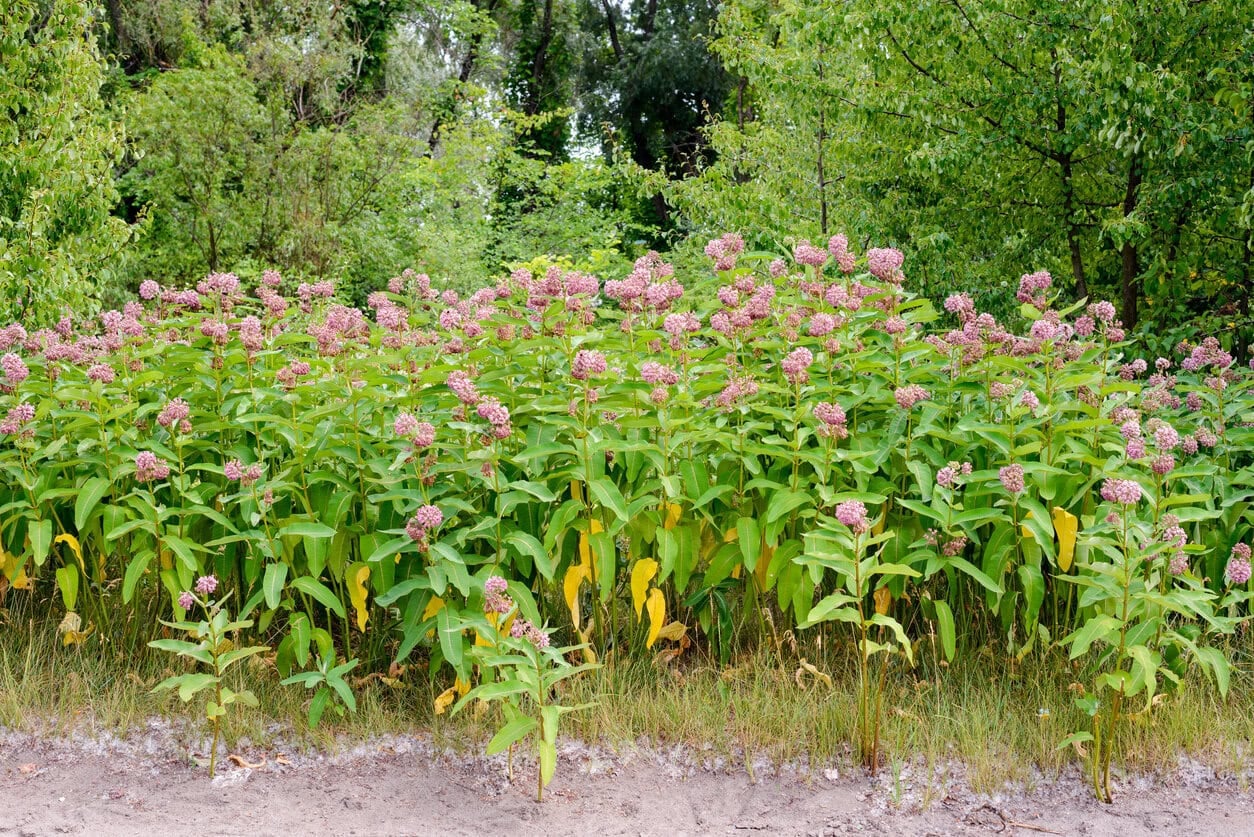
Monarchs are picky. They want the freshest meal available for their larvae. Succulent growth becomes much easier to find after you snip away woody stalks from last year.
Cut old stems down to about 2-4 inches above the soil once you see new shoots starting at the base.
Leave a tiny marker so you don’t accidentally stomp on the emerging shoots. Providing a high-end nursery for the most iconic travelers in the insect world starts with some maintenance.
Quick tip: Wait until daytime temperatures are consistently around 50°F before cutting milkweed back. Many beneficial insects overwinter inside the hollow stems, and cutting too early can disturb them.
2: Mexican Bush Sage
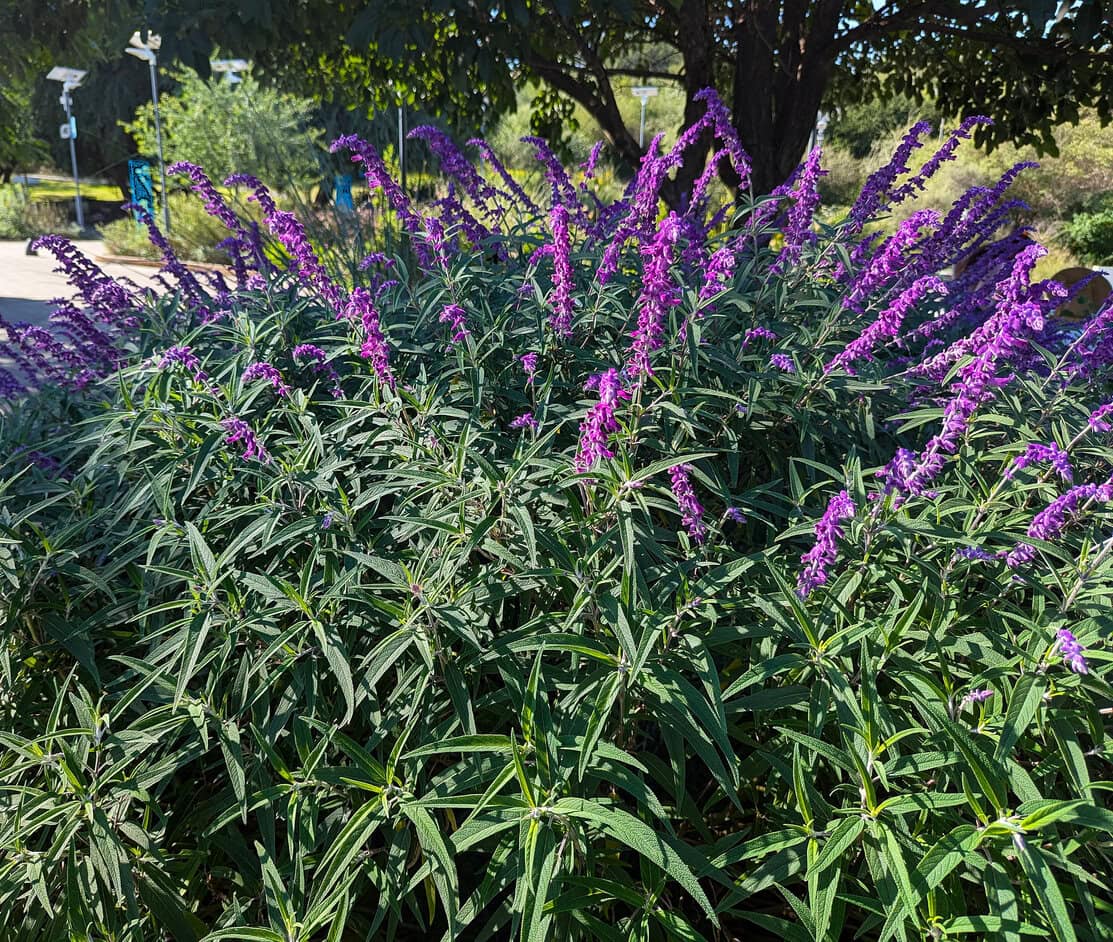
Lanky ghosts of season past are a structural liability for any border. Cut them back to about 4-6 inches above the soil, making room for plush growth before the temperature climbs. Southern landscapes, in particular, benefit from this early spring reset.
A hard cut in April stops the middle of the clump from balding like a middle-aged accountant by August. What better cutback response than a dense habit that stays tight all season?
Quick tip: Wait until you see small green shoots forming near the base before cutting. Many beginners prune too early after winter damage, but it rebounds best once new growth signals it’s ready.
3: Japanese Forest Grass

Shave the entire clump down to about 1-2 inches above the soil using sharp shears to reveal the hidden crown. April showers can turn last year’s golden blades into a matted carpet that serves nobody.
Exposing this area to sunlight acts like a jumpstart for this slow beauty. The elegant habit you paid for will struggle to emerge through matted debris without this clearing.
Quick tip: Cut back before new shoots start pushing up through the crown. If you wait too long, it’s easy to accidentally snip the fresh blades while trimming the old foliage.
4: Joe Pye Weed
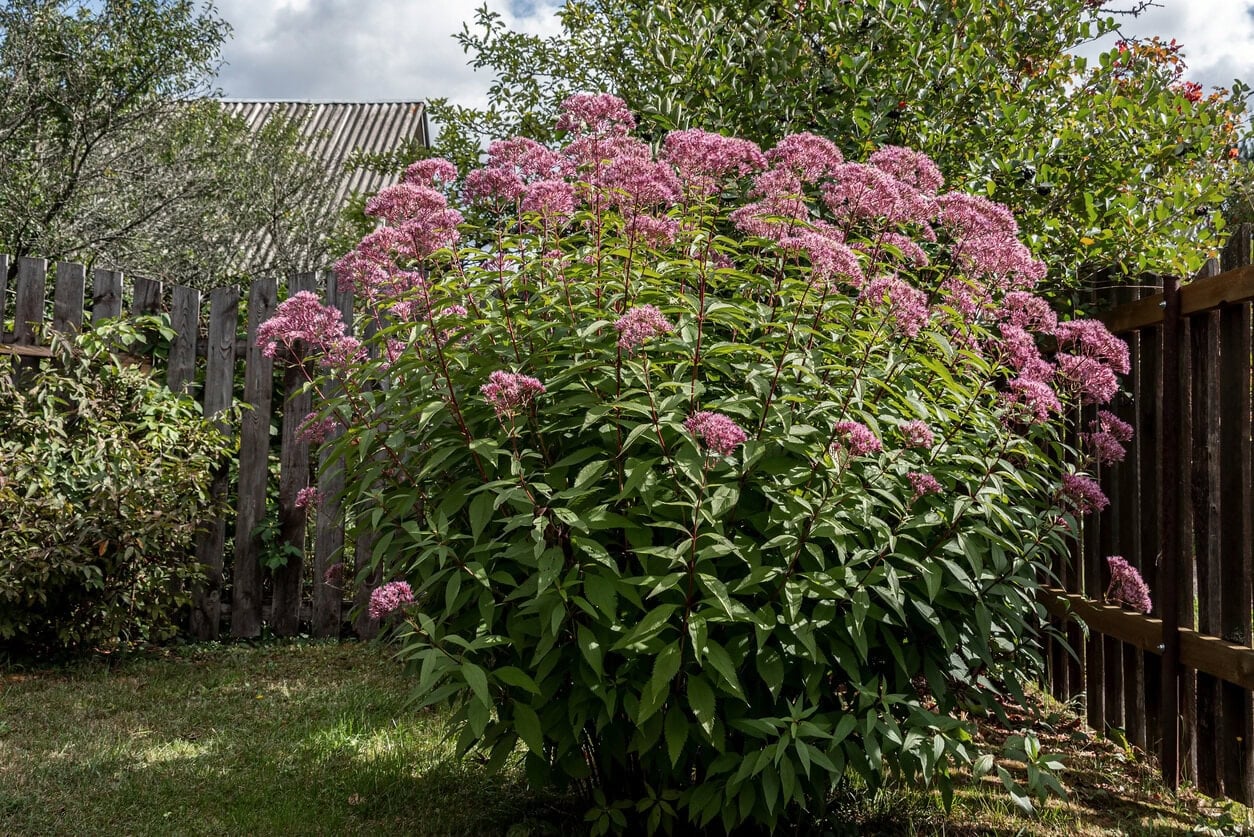
Slice these thick stalks down to about 2-4 inches above the ground before purple shoots break the surface. Autumn skeletons provided great bird perches, yet they’ll snap like crackers in the next spring gale.
Starting with a blank slate avoids a cluttered look since this native giant grows at a terrifying pace.
Quick tip: Cut stems back before new shoots emerge at the base. It’s easy to accidentally snap or cut the tender young growth while removing the old stalks.
If some of your perennials look overcrowded instead of messy, we also explain how thinning certain perennials in early spring leads to stronger growth in another guide.
5: Lantana

Scrubby branches give this beauty the unfortunate aesthetic of a ditch. Snip every woody branch down to about six inches above the soil to trigger fresh growth.
This drastic cut removes the brittle tips that otherwise stall spring development. A low starting point ensures the plant remains a dense mound.
Quick tip: Wait until all danger of frost has passed before cutting lantana back hard. Otherwise you may expose fresh growth to cold damage and slow the plant’s recovery.
6: Turtlehead
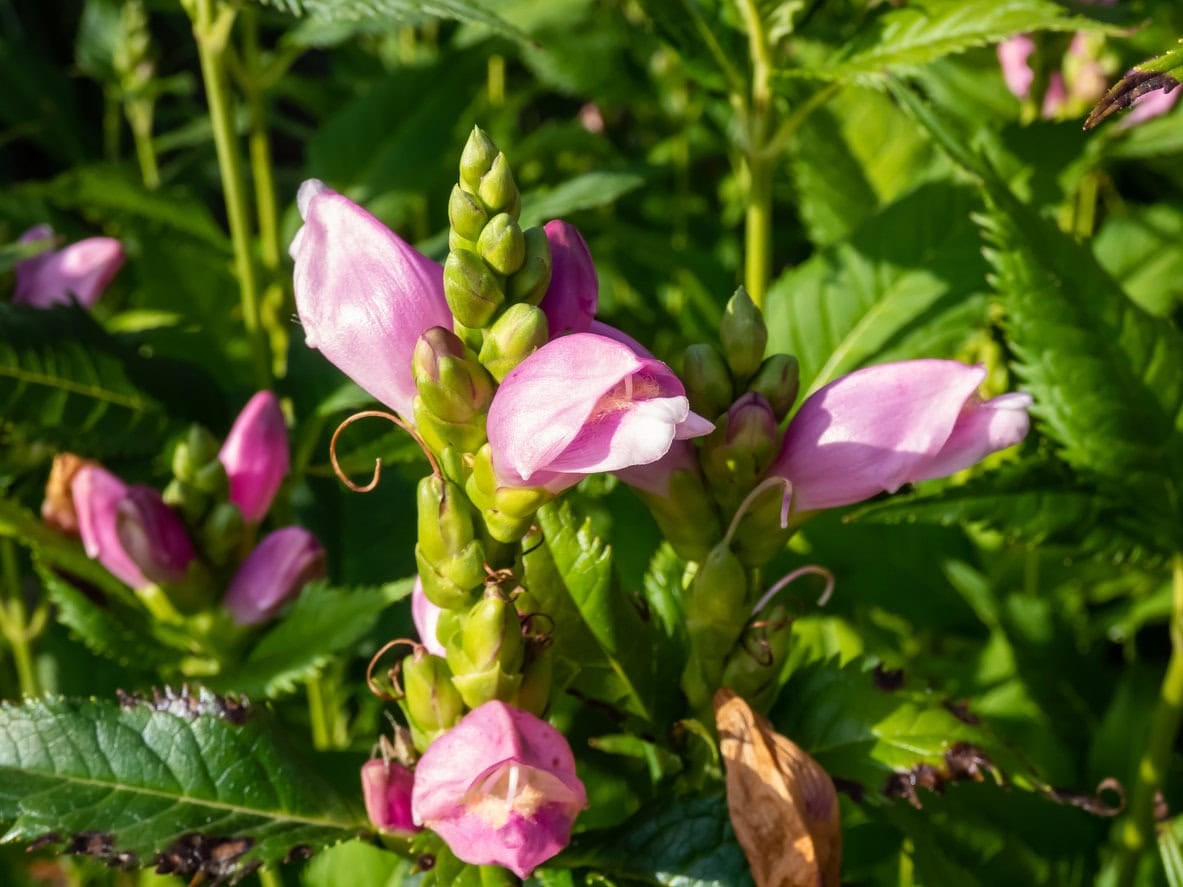
Target the brittle spikes that once held hooded blossoms to keep northern gardens looking sharp. Glossy leaves receive every ounce of spring energy once you finish this cleanup.
Snip old growth down to about 2-3 inches above the soil to prevent the foliage from appearing like a tattered oversight. A tidy base also improves airflow around the plant in damp corners.
Quick tip: Cut turtlehead back before new shoots appear. The emerging stems are surprisingly tender, and you can snap them accidentally while removing old stalks.
7: Coreopsis

Chop the brown debris down to about 1-2 inches above the soil to expose the crown. That matted thatch acts like a wet blanket, suffocating the only parts of the plant that actually matter.
Use the sharpest shears in your bucket to level the pile and let the sun hit the soil. Otherwise, your Coreopsis risks turning into a soggy mess during a rainy spring.
Quick tip: Cut back before new shoots emerge from the crown. Waiting too long can make it difficult to remove the old stems without damaging the fresh growth.
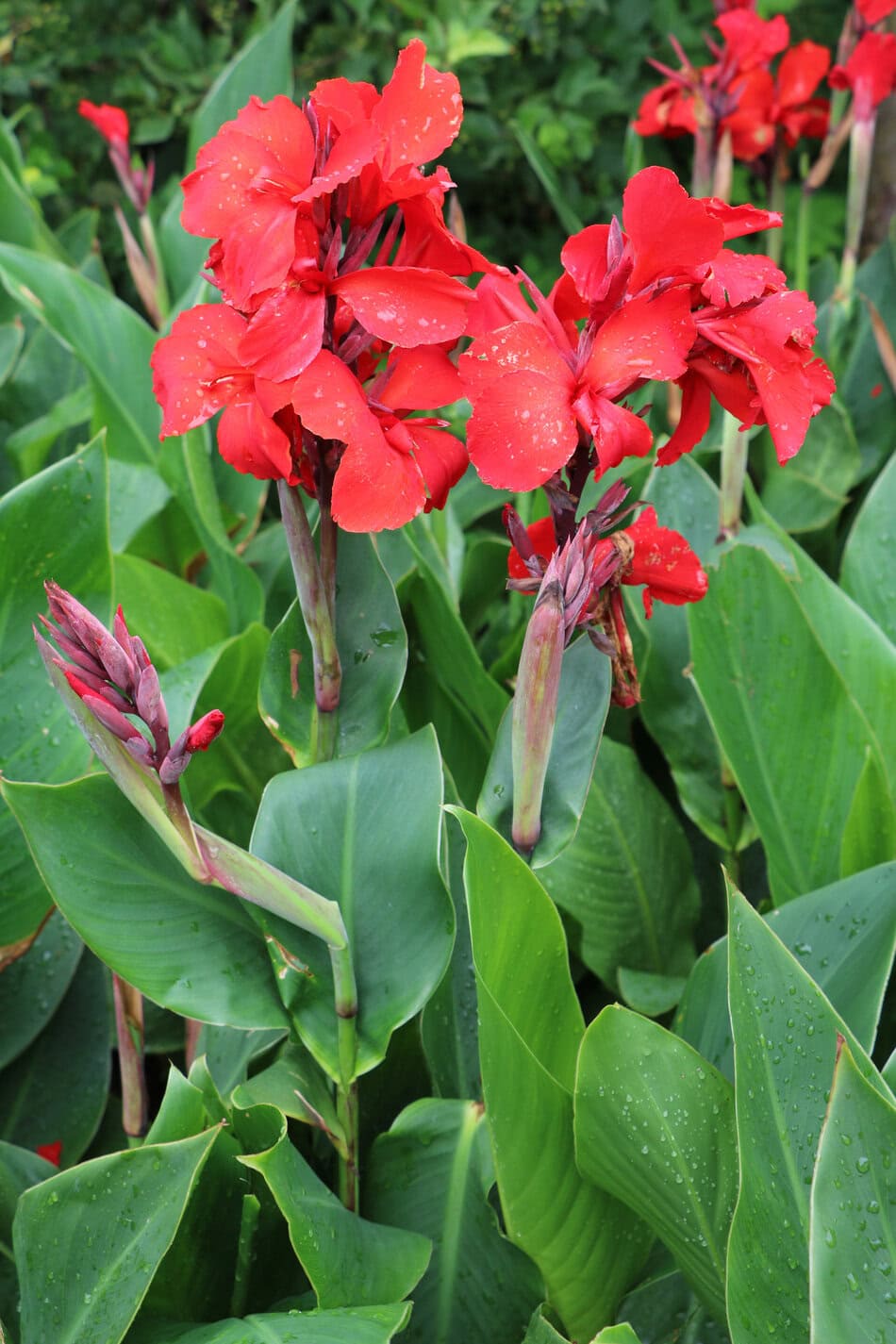
8: Canna Lilies
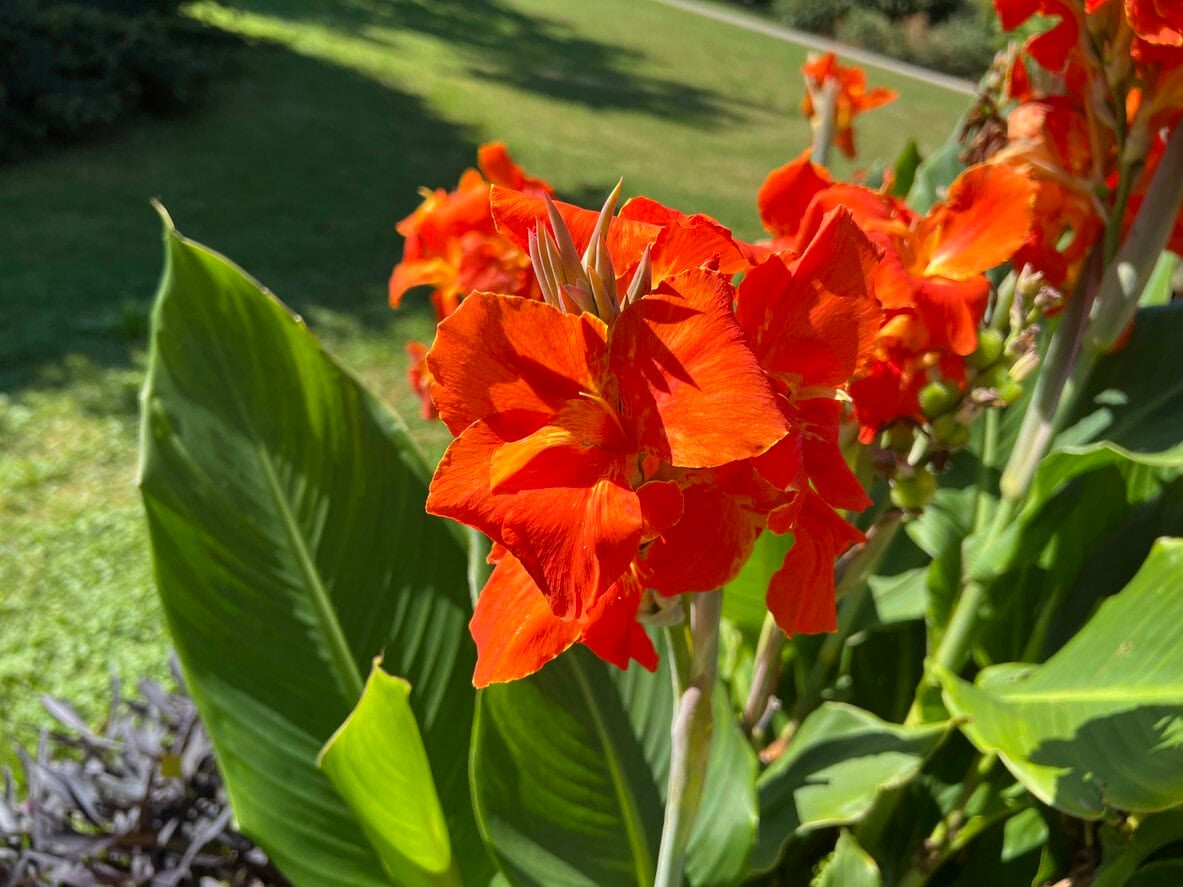
Cut the entire stalk down to about 1-2 inches above the soil, clearing the runway for green spikes. April turns last season’s bold leaves into something resembling used tissue.
If you stored rhizomes over winter, take this moment to check stored rhizomes for any signs of squishiness. Discard any that feel soft or smell rotten before planting. New spikes will grow faster if they aren’t battling through a wall of rotting foliage.
Quick tip: Wait until new shoots begin to emerge or frost danger has passed before cutting back cannas outdoors.
9: False Indigo

Cut old stems down to about 2-3 inches above the soil before new shoots emerge in spring.
Dried pods offer a charming winter soundtrack, but the stalks eventually become as brittle as my patience on Friday. If you remove the grey wreckage now, emerging shoots won’t get tangled in the old woody stems.
This deep-rooted perennial hates moving, so focus purely on surface housekeeping. A clean start allows those blue spikes to stand tall without distracting baggage.
If you’re wondering which plants actually tolerate being moved, we wrote a guide on perennials you can safely divide in early spring (and which ones you should leave alone).
10: Yarrow
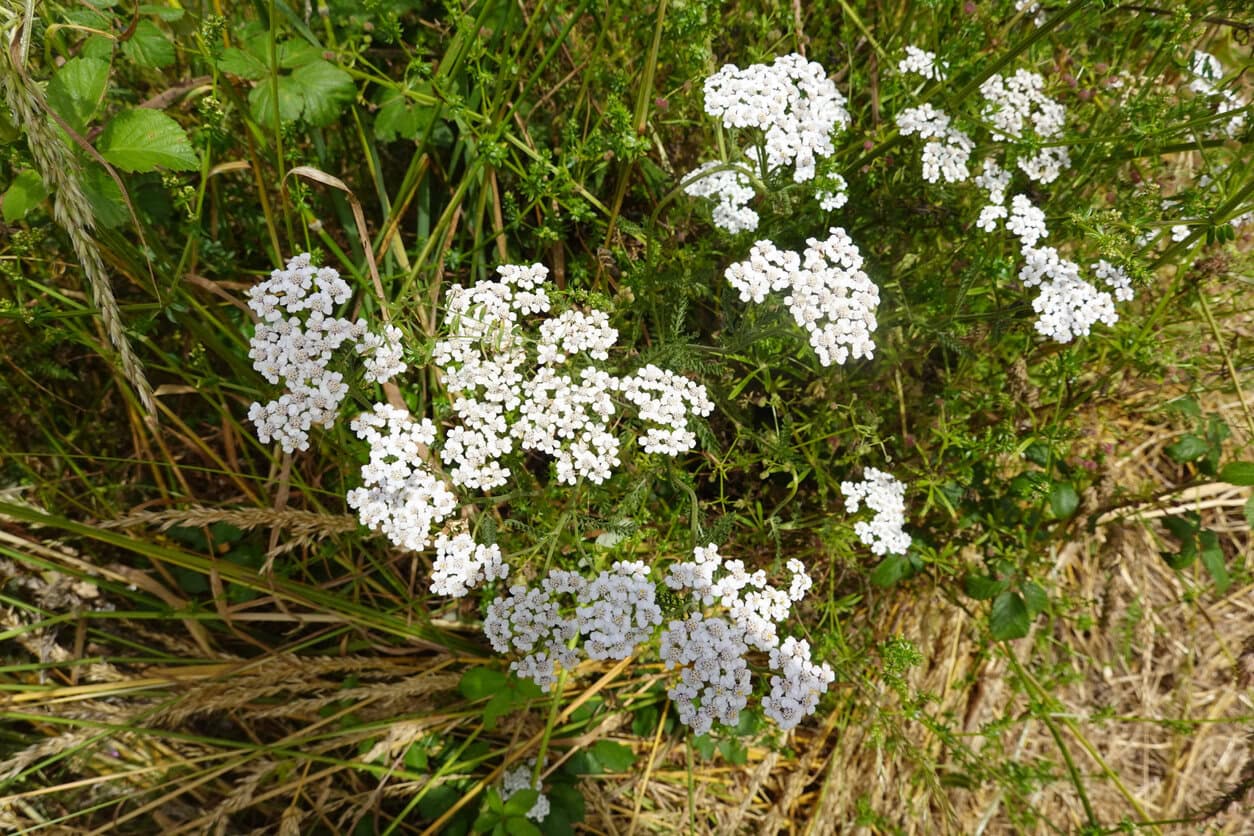
April serves as the perfect moment to revitalize an ancient herb for the coming heat. Cut yarrow down to about 1-2 inches above the soil (just above the silvery rosette) to reveal fern-like sprouts hiding near the soil.
Cleaning away the old debris improves airflow around the plant and helps fresh growth emerge cleanly. Also, fresh growth responds quickly to attention, producing much stronger stalks for pollinators.
Quick tip: Avoid cutting into the new basal leaves, which are the plant’s first wave of spring growth.
11: Hummingbird Mint
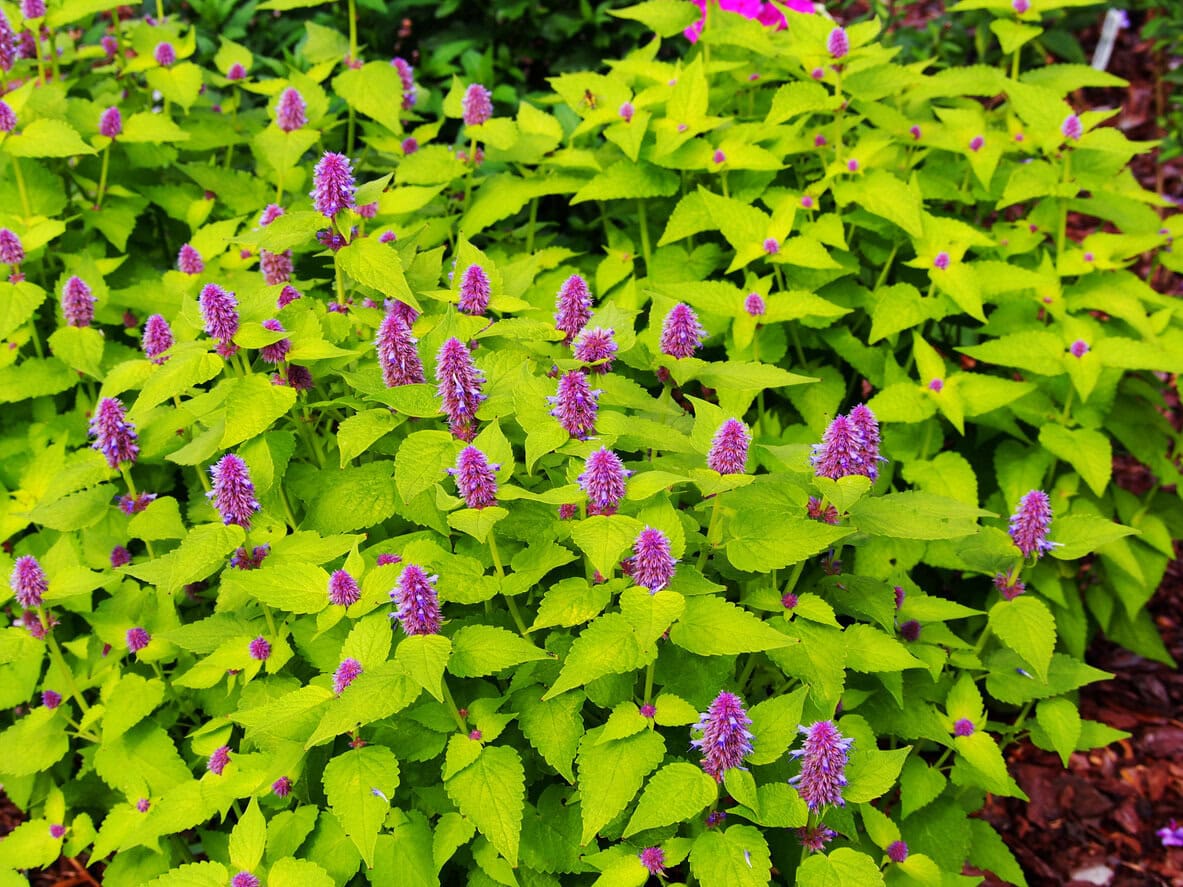
Hollow stalks functioned as winter snorkels, but their shift ended yesterday. Snip these relics down to about 2-3 inches above the soil before aromatic rosettes suffocate under the debris.
Dead wood can trap moisture around the crown during soggy spring weather, so clearing it away helps fresh air circulate and protects the plant from rot.
Quick tip: Wait until new basal growth appears at the base before cutting. Agastache can be slow to wake up in spring, so you don’t cut too early and damage emerging shoots.
If you’re trying to turn your garden into a hummingbird stopover, we also wrote a guide on flowers that attract hummingbirds that pairs beautifully with plants like hummingbird mint.
12: Hardy Fuchsia

Patience pays off here, so put the shears down until tiny buds begin to appear along the branches. Skeletal indifference marks this plant’s strategy for mocking your eagerness well into spring.
Then, you can cut damaged stems back to just above a healthy bud or about 4-6 inches above the soil.
Trim away frozen tips down to the first healthy green growth, encouraging a fuller plant and more flowers. Neglecting this task can result in a leggy plant that even a desperate pollinator would ignore.
Chop To It
April is the garden’s version of a Monday morning. Your perennials are hungover from winter, suffer from bad hair day syndrome, and smell… questionable. A proper cutback and sunlight finally hitting the dirt are the only caffeine their roots need to spring into spring action.