Although herbs are typically known for needing lots of consistent sun exposure, there are still some varieties out there that can do well without full sun.
If you live in a region where constant sunlight is scarce, or just isn’t able to reach your plants properly, this article is for you, my friend.
Today, we’re going to take a look at shade-tolerant herbs that grow just as well without full sun. And, just as a quick notice, every herb I recommend in here is tried and tested by me personally. Now, let’s jump into it!
Can Herbs Really Grow Without Full Sun?
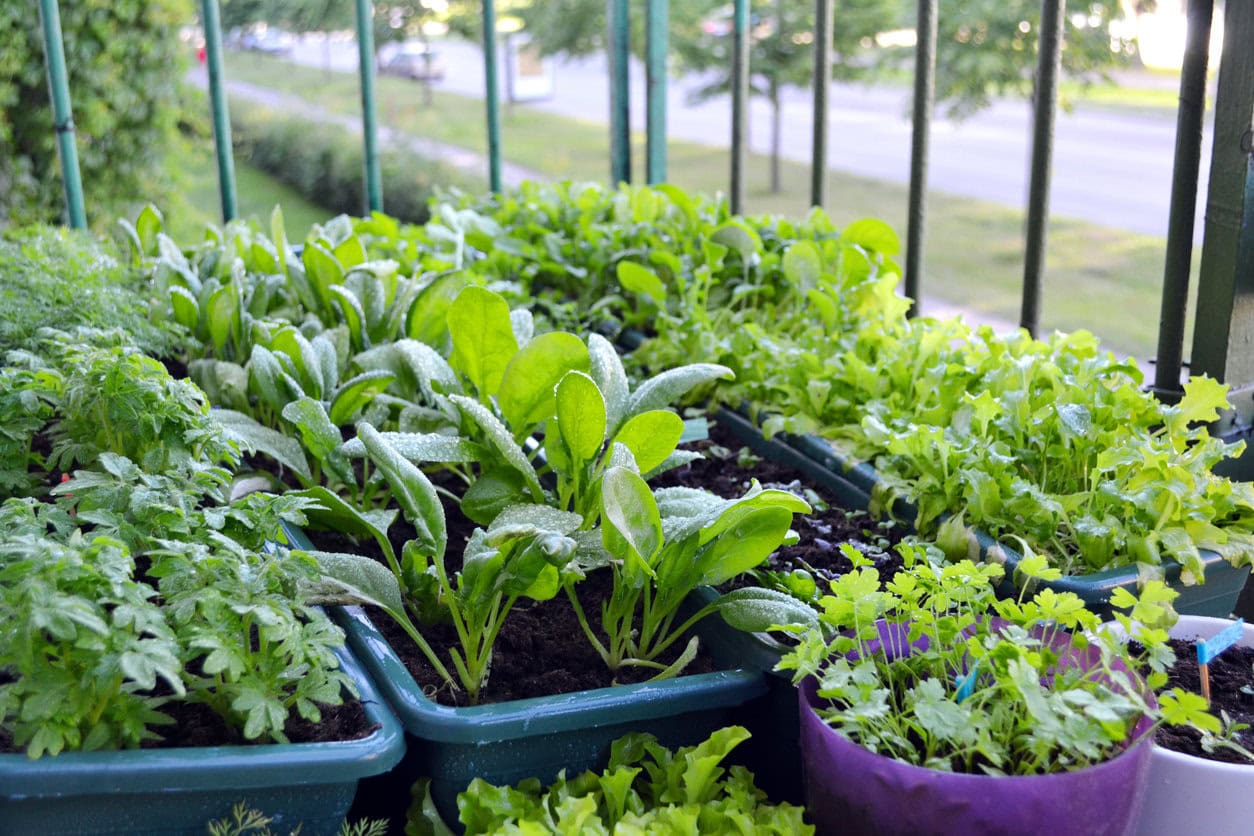
While not all herbs tolerate shade well, there are some that can, and they’re pretty popular too. Shade isn’t exactly a “requirement” to grow them; it just means they can tolerate low-light conditions without succumbing to weakness or slow death.
So, to answer the question, yes, some herbs can really grow without full sun, and it’s much more common than you might think!
In fact, many edible plants will tolerate partial shade just fine, so herbs aren’t as unusual as they might seem here!
How Many Hours Of Sunlight Do Shade-Tolerant Herbs Need?
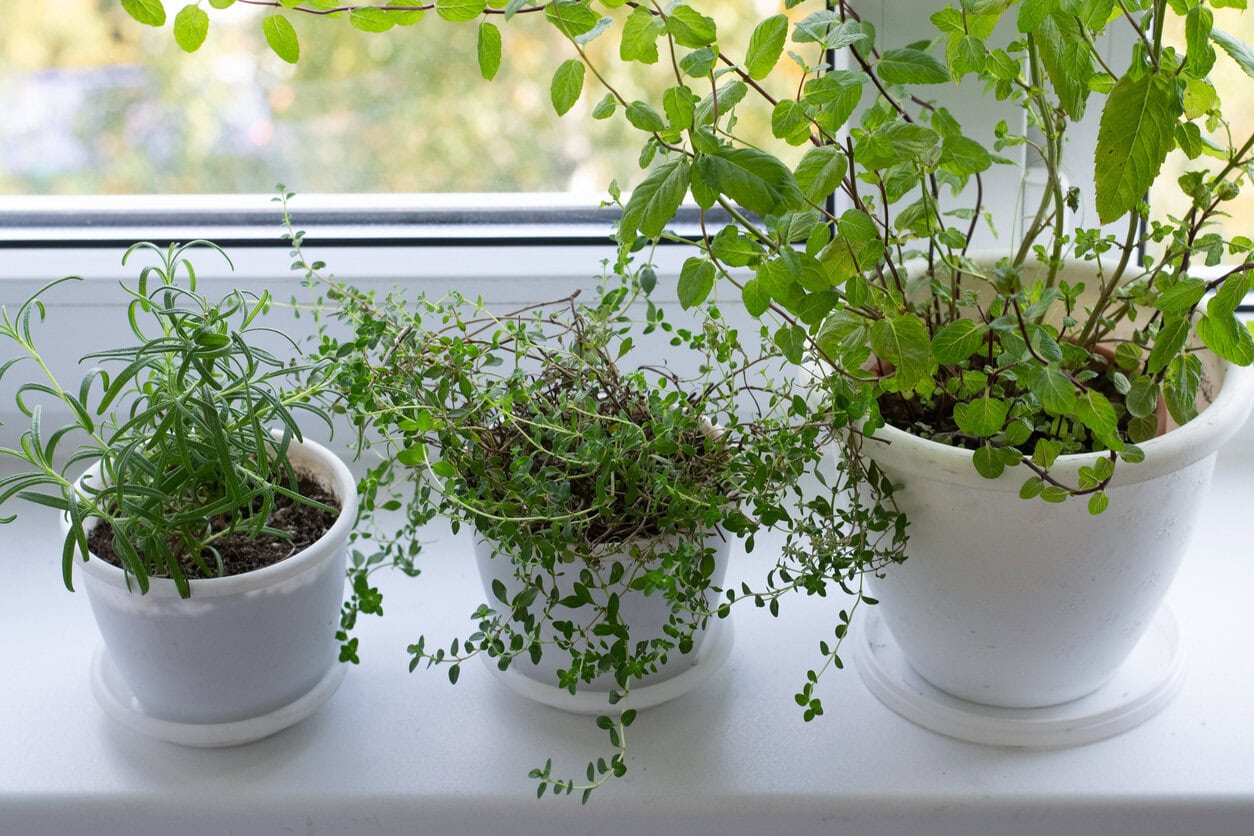
Anywhere between 3-4 hours of direct sun or bright, indirect light is usually enough. Even the light coming in through a window should be sufficient for growing most of the shade-tolerant herbs we’re going to discuss today.
And, just to make it clear: these herbs won’t exactly “thrive” in deep, full shade but rather just tolerate partial shade.
Containers are a great way to make the most of shifting light, here’s a full list of herbs you can grow in containers on your balcony!
Herbs That Grow Well Without Full Sun
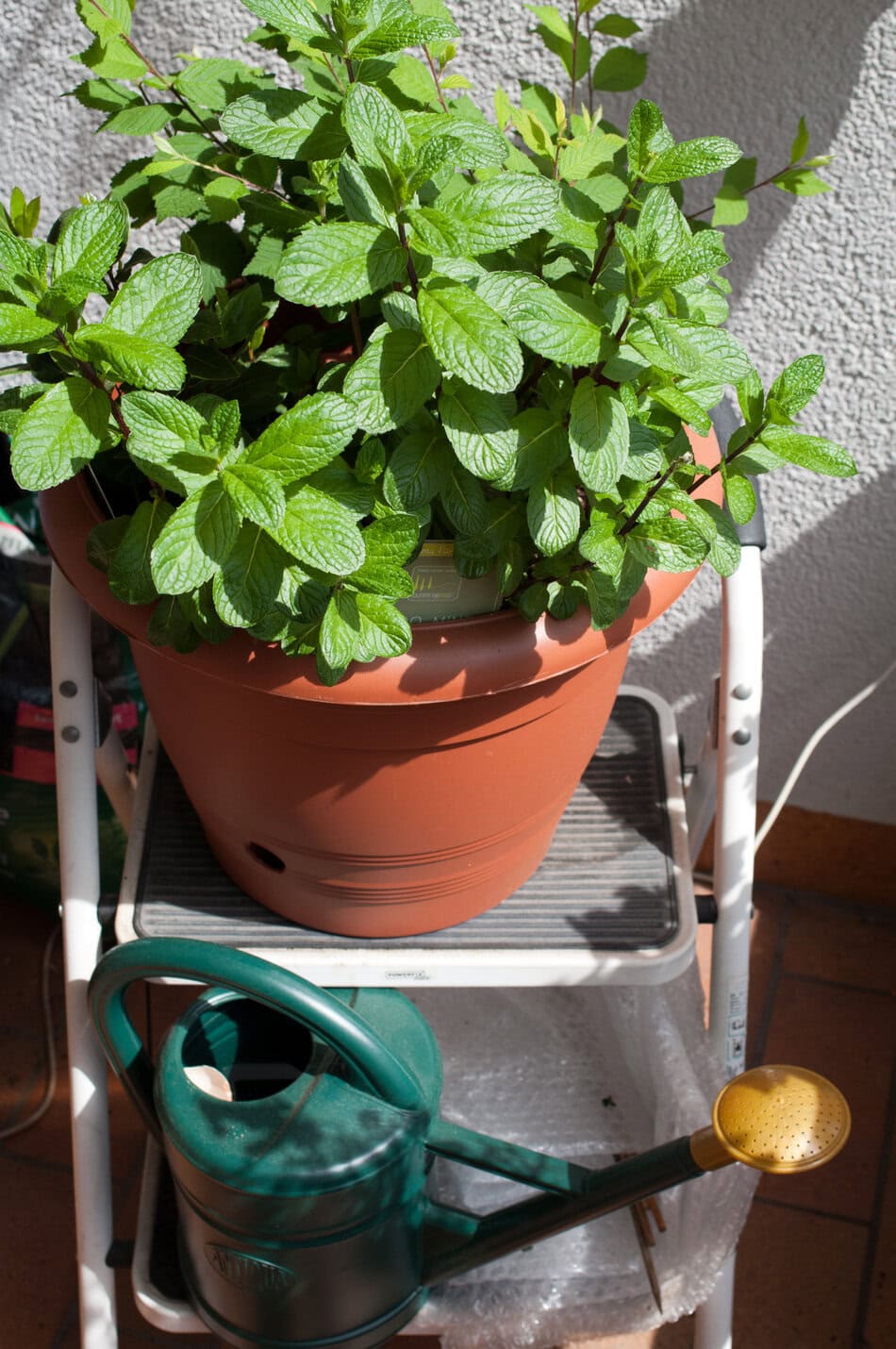
1: Mint (Zones 3-11)

Mint is probably the fastest and easiest growing herb for shaded areas. It spreads quickly and can be invasive, so planting it in a pot is never a bad idea.
Mint loves moist, fertile soil and partial shade for the best growth.
If you’re short on light indoors, you’ll also want to check out our guide on growing herbs indoors in winter by zone.
2: Parsley (Zones 4-9)

Both flat-leaf and curly parsley varieties handle shaded conditions extremely well. They might grow a little slower with reduced sunlight, but the flavor will be just as strong.
Parsley prefers rich, well-drained soil that stays slightly moist, it doesn’t like drying out completely
3: Cilantro (Zones 3-11)

Cilantro tends to bolt super fast in hot, sunny weather. However, in shade, it stays cool and lasts much longer while producing more tender leaves.
It’s perfect for late spring or summer planting in partly shaded beds.
4: Chives (Zones 3-9)

Chives adapt fairly quickly to shade and are still able to produce vibrant, purple flowers as well as delicious stalks. They’re best planted around the edges of raised beds or in small pots.
It also adapts well but really shine in soil that drains well and stays lightly moist!
And since chives grow fast, don’t forget regular harvesting, or better yet, follow these tips on which herbs need pruning for a healthier growth.
5: Lemon Balm (Zones 4-9)

While the lemon balm isn’t that popular of an herb, it’s still a prominent member of the mint family. Its strongly lemon-flavored leaves make it perfect for teas and salads. It enjoys soil that’s moist but not soggy, and it can dry out quickly in pots if you forget to water.
Plant your lemon balm, in a pot, like its mint relatives. It grows wells underneath the shade of large trees or on shaded patios.
6: Tarragon (French) (Zones 4-9)
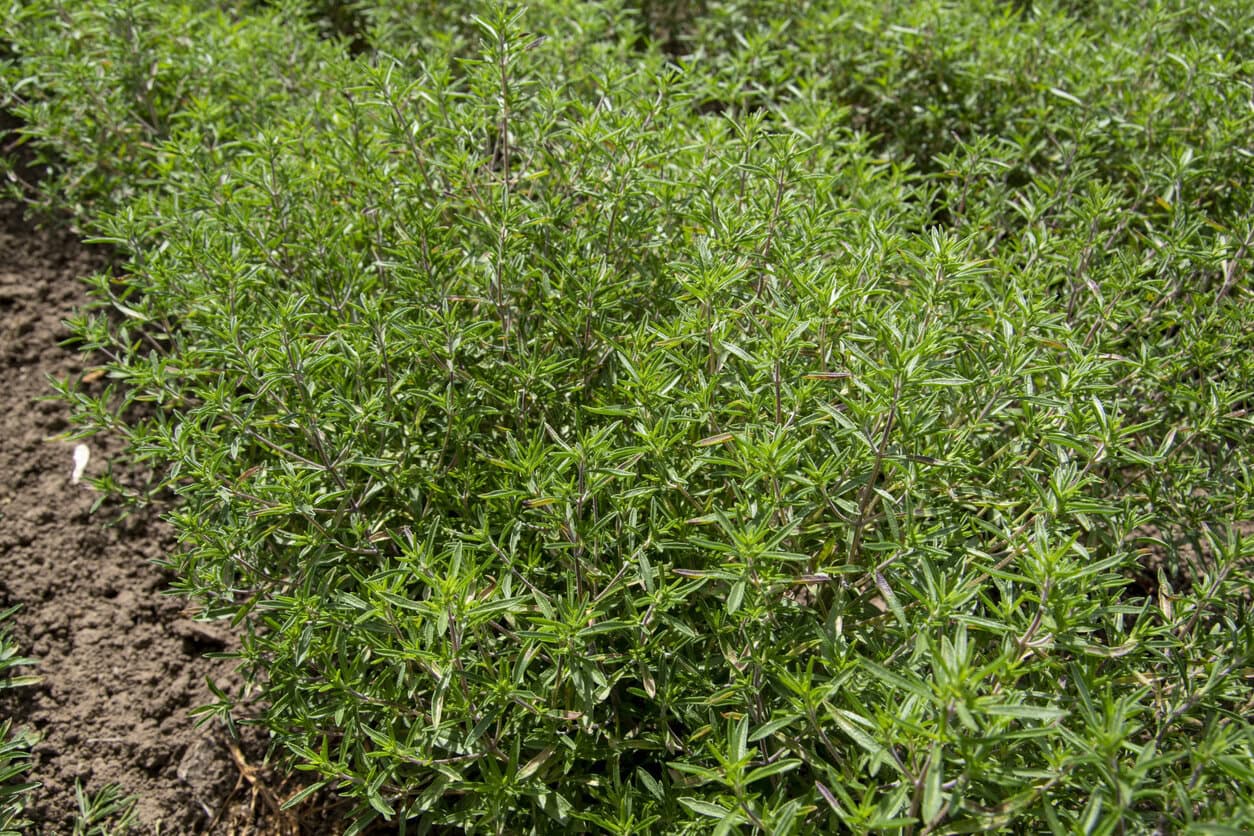
French tarragon is another herb that flies under the radar but is perfect for cool, partially shaded areas. Just give it some sun in the morning and protect it from the strong afternoon heat.
Also keep it on the drier side, give it well-drained soil and avoid soggy spots.
If you’re planning a mixed herb bed, just remember that not all combinations work well. Here are the worst herb pairings to avoid planting side by side.
7: Lovage (Zones 3-9)
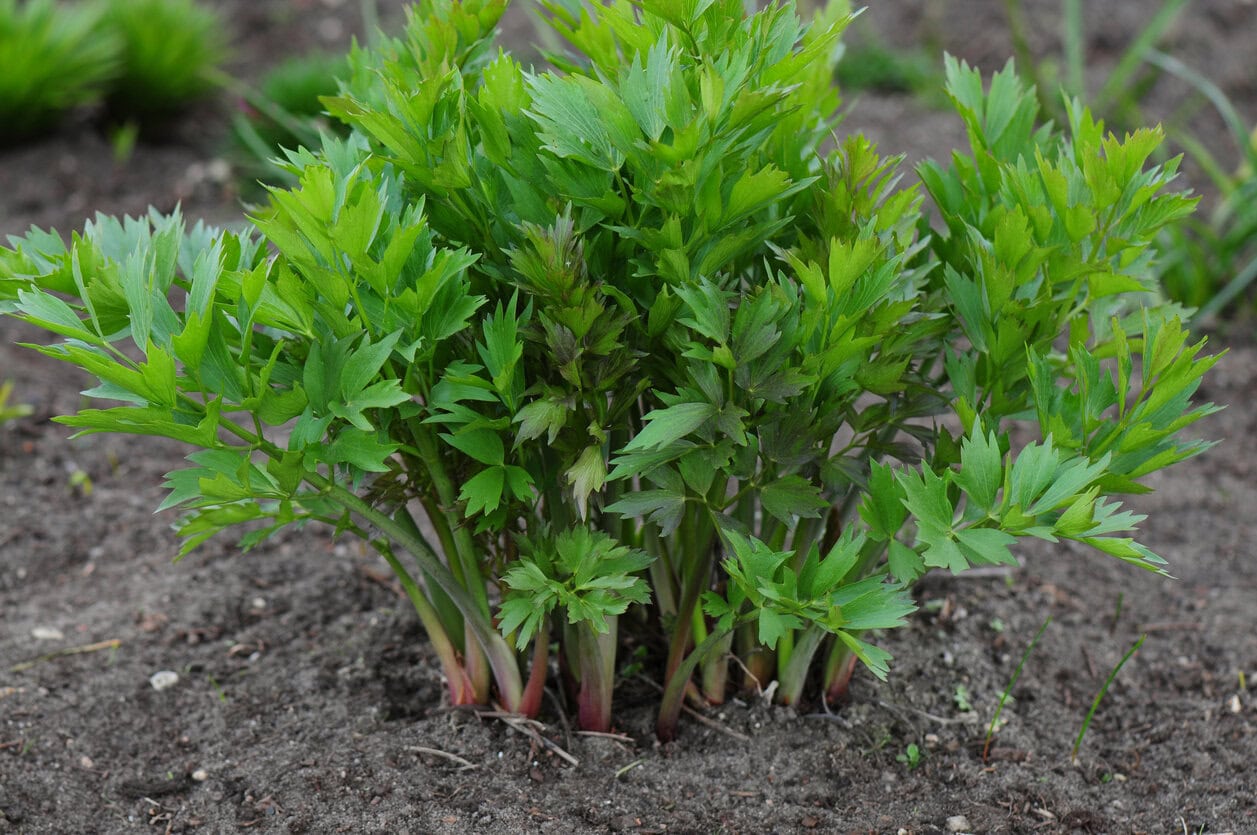
Lovage is a pretty old-school herb that has a celery-like flavor at its core. It grows tall and tolerates partial shade very well, especially when it’s super hot outside.
Lovage is a thirsty plant, so it thrives in fertile soil that stays moist through the season.
8: Sweet Woodruff (Zones 4-8)
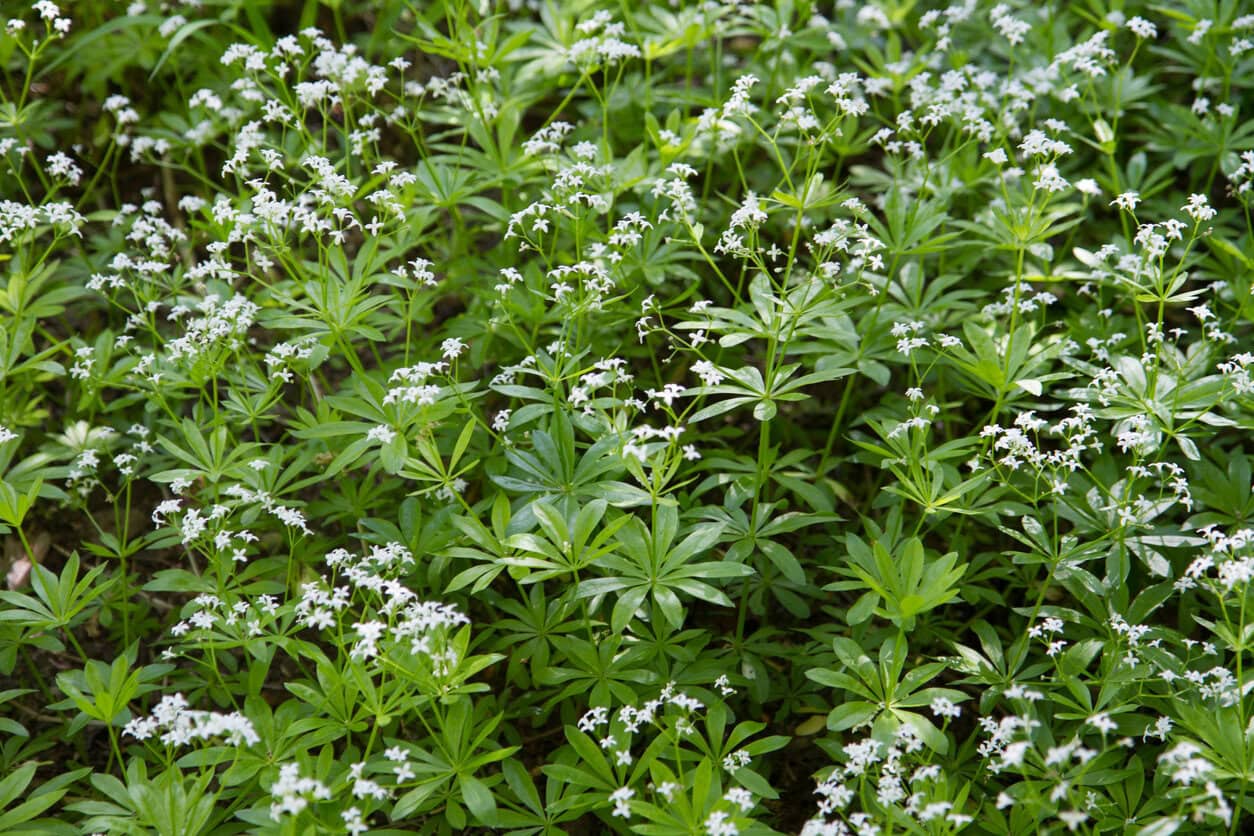
While sweet woodruff is less common in the kitchen, it deserves a little spotlight. Gardeners have used its fragrant leaves for centuries to flavor drinks like teas or even traditional wines.
It absolutely loves damp, shady soil and will happily spread if the conditions are right!
9: Sorrel (Zones 4-9)

If you’re an old-time reader, you’ll know that I actually don’t frequently mention sorrel in my herb-related articles. But it’s a tangy, lemon-flavored herb that really shines through in soups and salads.
Grow it easily in partial shade in a moist, fertile soil and enjoy delicious leaves all season long!
Some Tips To Help Your Herbs Thrive
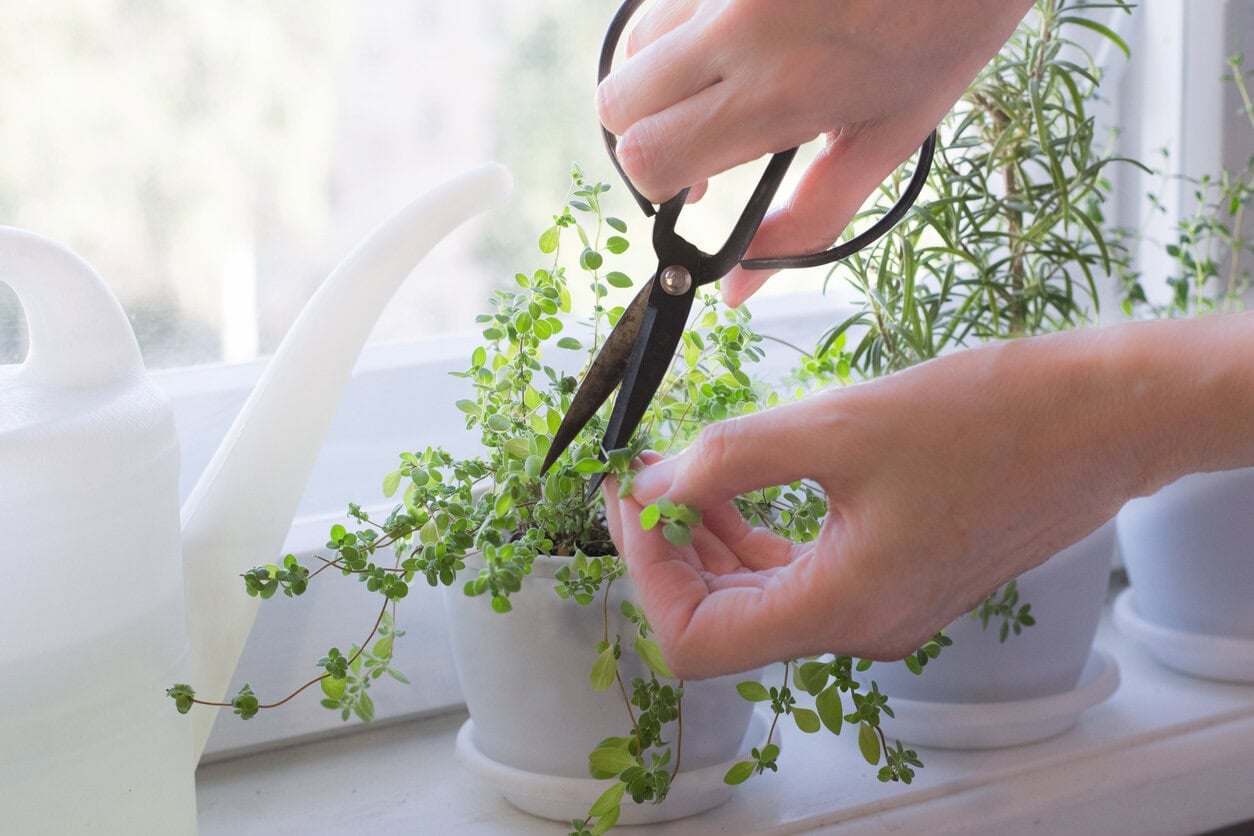
Even small spaces count, you can get creative with growing herbs in mason jars right on a windowsill.
Let’s Conclude
While I do enjoy growing herbs a lot and find them as simple and predictable as breathing after all these years, not every herb can adapt, but these shade-tolerant ones give us gardeners more room to play.
That being said, I’m glad there are some shade-tolerant herbs out there that we gardeners can still experiment with in our limited circumstances. Now, it’s time for you to pick your favorites and get on with planting them right away!