
Although there is a strong narrative in the gardening community that annuals aren’t suitable for cooler weather, there are some annuals that may go against this idea.
Today, we’ll be taking a look at cold and frost-tolerant annuals that grow well in cool weather without causing trouble.
Trust me, you’ll enjoy this one, because things might get a little interesting as the list goes on! Let’s jump straight into the world of annuals, shall we?
Frost-Tolerant Annuals For Your Winter Garden

This list was actually created with the help of my aunt, who gardens in Zone 5, and trust me, her winters are much harsher than mine! She’s the true expert when it comes to finding annuals that don’t just survive the cold but thrive in it.
If you’re planning your winter garden, you might also like reading about winter-flowering plants for cold-season beauty, it’s full of ideas to keep your beds colorful even when temperatures drop.
1: Violas (Zones 4-9)

My grandma used to call violas her “happy flowers” since their blooms just have this jolly, whimsical look that made her smile every time.
This annual thrives in cold weather and can survive light frosts without a problem. They often keep blooming even after the first frost.
Aunt’s tip: My aunt tucks a thin layer of leaf mulch around her violas in late fall. It keeps the soil temperature steady and helps them bounce back fast after frost.
For even more cool-weather color, take a look at fall flowers that love containers (& cool weather). Many of these pair beautifully with pansies and violas in pots or window boxes.
2: Pansies (Zones 4-8)

Famed for their bright, majestic flowers that come in a variety of different colors, pansies handle cold and frost extremely well. They actually bloom best in cool weather and can survive several light frosts!
Just make sure you never put them through extended dry spells and water them regularly.
Aunt’s tip: She plants pansies near the base of shrubs where snow piles up naturally, that bit of cover protects the roots through sudden freezes.
3: Chrysanthemums (Zones 4-9)

Chrysanthemums, also known as mums, are known for bold, dominant colors and long-lasting blooms. Technically, they’re perennials, but many gardeners grow them as annuals in colder zones since they don’t always survive harsh winters.
Hardy garden mums can handle several light frosts with ease if planted early enough in the season.
Aunt’s tip: For hardy mums, she piles a few inches of straw mulch after the first frost. It protects the crowns and helps them return strong in spring.
For shrubs and other plants, you might also want to read shrubs you should wrap or protect before winter, the same principles apply when frost gets severe.
4: Bachelor Buttons (Zones 2-10)

Bachelor buttons are popular for their ability to survive a wide variety of temperature conditions and adaptability, including extreme cold.
They produce blueish-purple flowers that are loved by pollinators and require relatively less maintenance compared to other annuals. They can survive light frost and even self-seed in cool climates.
Aunt’s tip: She leaves the spent stems standing until spring; they trap snow and insulate self-sown seeds for the next season.
5: Larkspur (Zones 2-10)

Larkspur might just be one of the most underrated cool-weather annuals out there. These elegant, spiky blooms thrive in early spring and can handle frost without flinching.
Sow them directly in cold soil for a burst of color long before most other flowers even wake up.
Aunt’s tip: She actually sows larkspur in late winter, right into frozen soil. The snowmelt gives perfect moisture for germination.
6: Calendulas (Zones 3-10)

Yellow and orange calendula flowers thrive in cold weather and are incredibly frost-tolerant if they’re cared for and maintained properly. Sometimes, you might even find them blooming in the freezing cold!
Aunt’s tip: She grows them against a sunny wall where reflected warmth helps them flower longer into winter.
Before winter fully sets in, it’s worth checking my november checklist: tasks that prepare your garden for winter, it’ll help you get ahead on protection and cleanup.
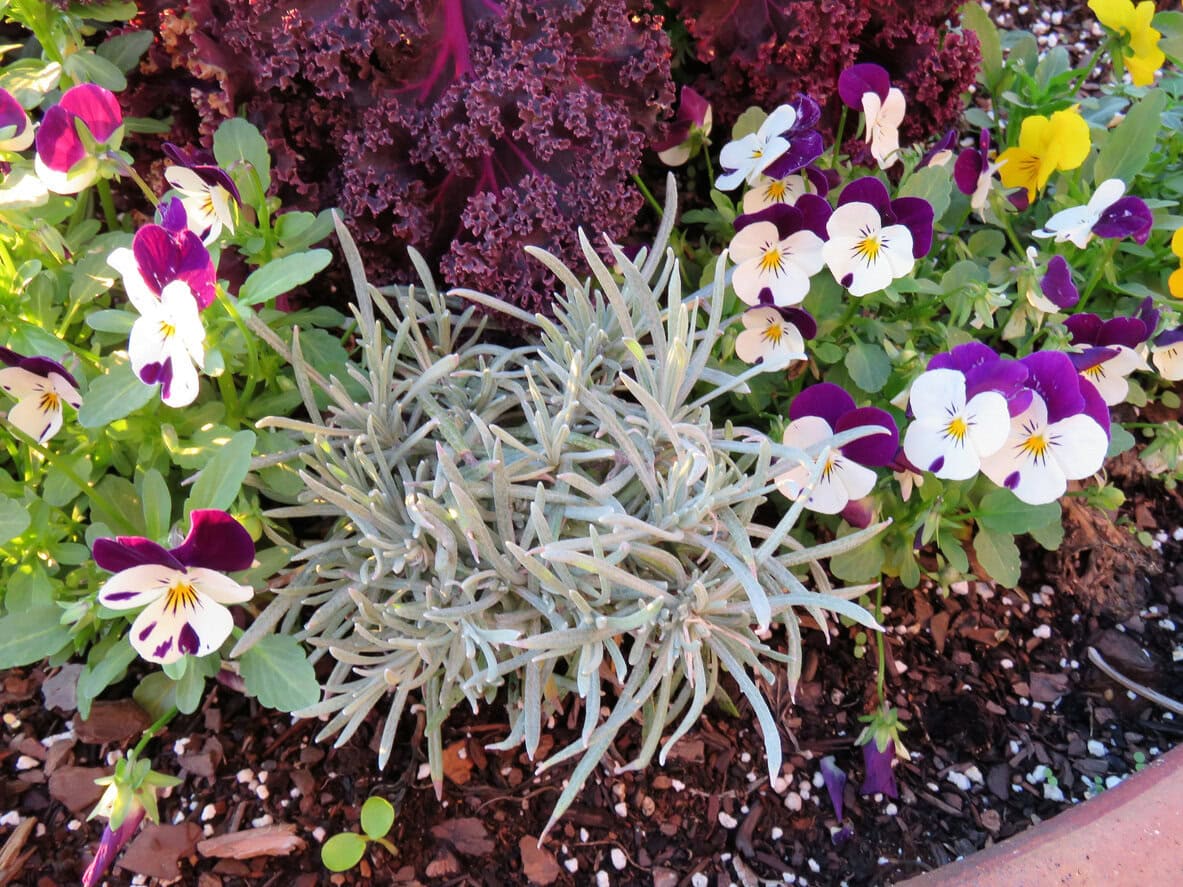
7: Dusty Miller (Zones 7-10)

If you’re looking for a cold-tolerant annual with a touch of silver magic, dusty miller is your go-to. Its soft, silvery foliage stays beautiful even through frost, adding contrast and texture to any garden bed. Plus, it pairs perfectly with pansies and violas for winter containers.
8: Ornamental Kale & Cabbage (Zones 2-11)
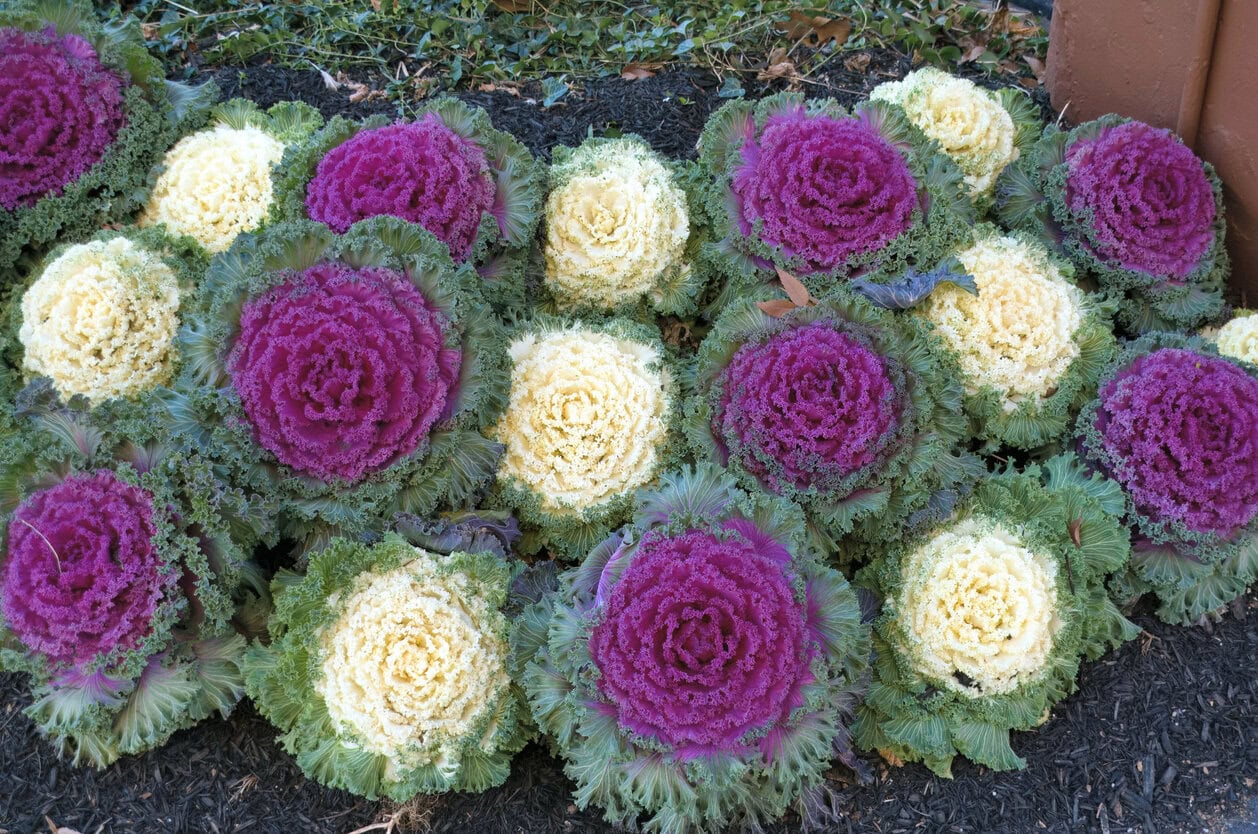
These cool-weather champions love the cold so much they actually look better after a frost! Ornamental kale and cabbage come in stunning shades of purple, pink, and white, and their ruffled leaves stay vibrant well into winter.
They’re the true definition of low-maintenance beauty for chilly gardens.
Aunt’s tip: She lightly mists them before a freeze, the water freezes on the leaves first, shielding the inner layers from deeper cold.
9: Sweet Alyssums (Zones 5-8)

Many gardeners prefer to grow sweet alyssums as groundcover, and thanks to their low growth, they’re perfect for it. Fragrant sweet alyssum flowers draw in bees and butterflies from afar and improve the garden ecosystem drastically in cold weather.
Aunt’s tip: A thin straw mulch prevents frost-heaving and helps the plants reseed naturally once the soil warms up.
And if you’re wondering which plants actually benefit from an extra layer, this guide on plants you should mulch before winter (and shouldn’t) explains everything clearly.
10: Sweet Peas (Zones 3-11)
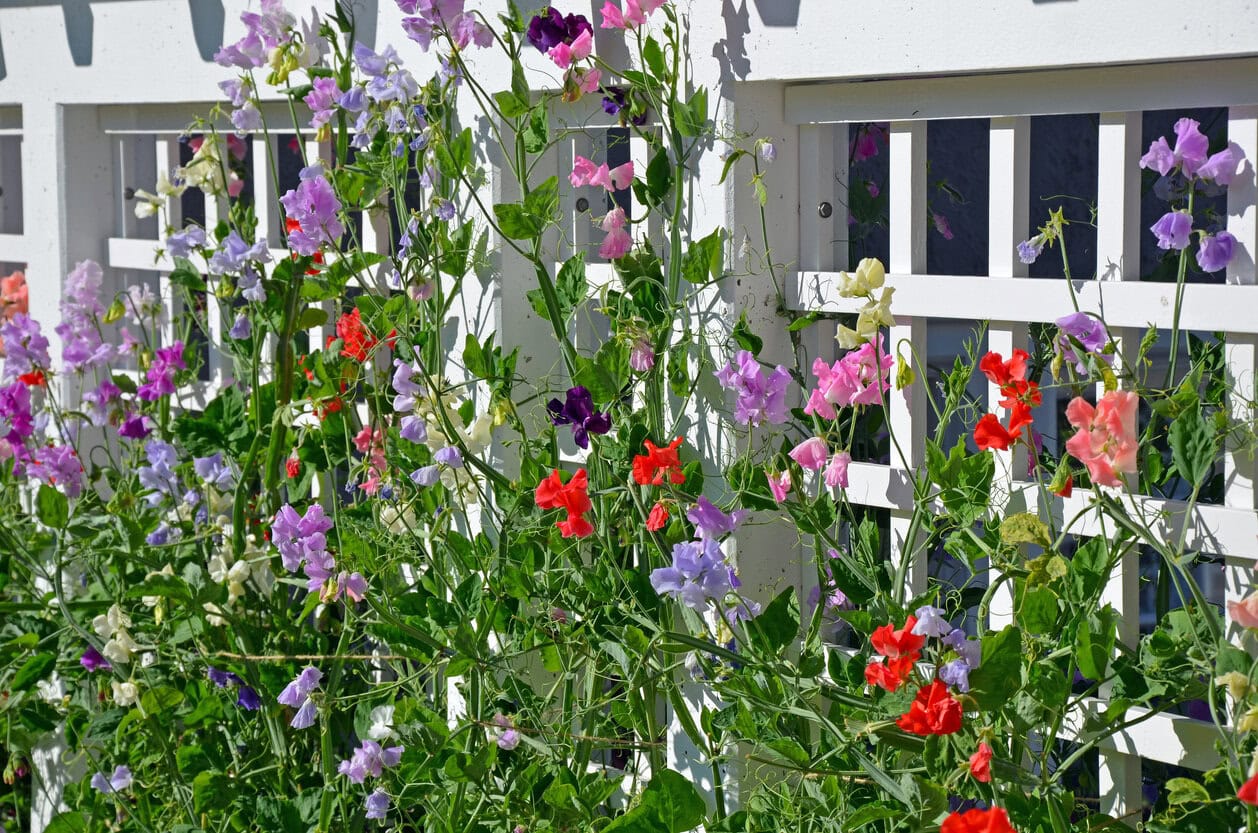
Known for their beautiful climbing nature, sweet peas are extremely well-adapted to cold conditions and can survive even the roughest of frosts without intervention. They just need support in the form of a stake, cage, or trellis, as well as consistent watering.
Aunt’s tip: She sows them in fall, then throws a frost cloth over the young shoots until steady snow cover arrives.
11: Snapdragons (Zones 7-10)

Snapdragons are widely known for their dragon-shaped velvety flowers. When cared for properly, these annuals can survive rough winter frost incredibly well (especially when established), and can even continue blooming for even longer if deadheaded.
12: Stocks (Zones 7-10)

No, these aren’t your Apple, Amazon, or Nvidia stocks!
The stocks (or matthiola) are cold-hardy annuals that produce tall, vibrant flower spikes in spring and early to mid summer. Plant stocks in well-drained soil in a spot that receives full sun ideally.
What If You Plant Annuals That Are Not Cold-Tolerant?

Well, then you’d be asking for trouble. Planting annuals that aren’t cold-hardy in chilly conditions is a recipe for disaster and disappointment.
Not only will you witness all your planting efforts wasted when the annual starts to display stunted growth, but it can leave your garden looking patchy and lifeless until spring returns.
What’s The Best Way To Care For Cold-Hardy Annuals?

Well, generally speaking, cold-hardy annuals have considerably less care and maintenance requirements; in most cases, it’s better to just let them be and deadhead spent flowers to keep blooms coming.
That said, in cooler weather, it’s a good idea to plant your annuals in partial to full sun and keep the soil consistently moist to prevent bloom stagnation.
During extremely cold and rough nights, a frost cloth or row cover can definitely come in handy. If harsh frost is expected, take effective countermeasures and protect your annuals.
Cold-weather gardening is all about smart timing and choosing what truly thrives. If you’re working with perennials too, don’t miss which perennials to cut back before winter (and which to leave standing).
Let’s Conclude
Whenever somebody tells you that you can’t plant annuals in cool weather, don’t believe it for a second. Experienced gardeners know that with the right plant choices, you can enjoy bright, cheerful blooms even through the coldest months.
My aunt’s Zone 5 garden is living proof that even the coldest climates can burst with color when you choose the right plants. It’s all about picking the varieties that truly love the chill.


