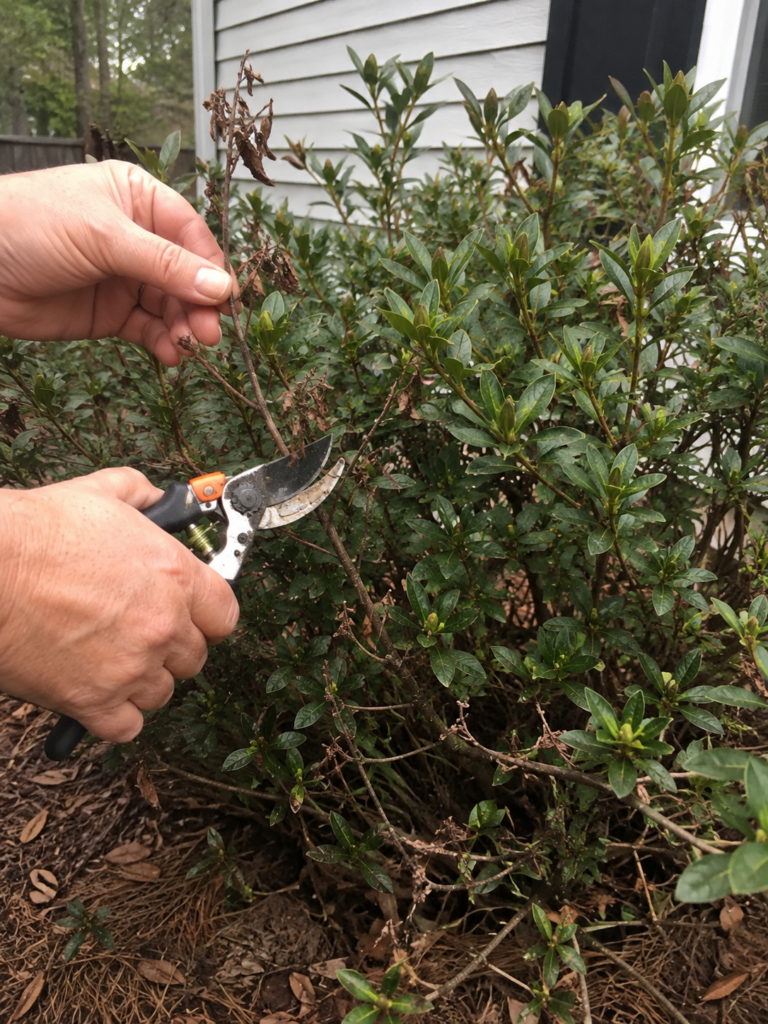
Don’t rush to cut back every brown coneflower stem this fall. Those dried seed heads feed birds through winter, while any healthy green leaves support the roots before dormancy. Cut diseased stalks today; save the general tidy-up for April. I doubt April will appreciate all the work you left her, though.
Do Not Remove Healthy Seed Heads

Your local goldfinches petition you to leave coneflower cones standing. Those dried seed heads act as natural bird feeders throughout fall and winter, providing seeds when other food sources become scarce.
Beyond supporting songbirds, dark dried cones contrast dramatically against pale snowdrifts, adding architectural lines to empty beds. Shear away flower stalks early, and you flatten your landscape’s visual depth.
We also wrote a guide on 9 plants you should leave standing in fall for the birds, because coneflowers aren’t the only ones offering free winter snacks!
Keep Healthy Basal Foliage
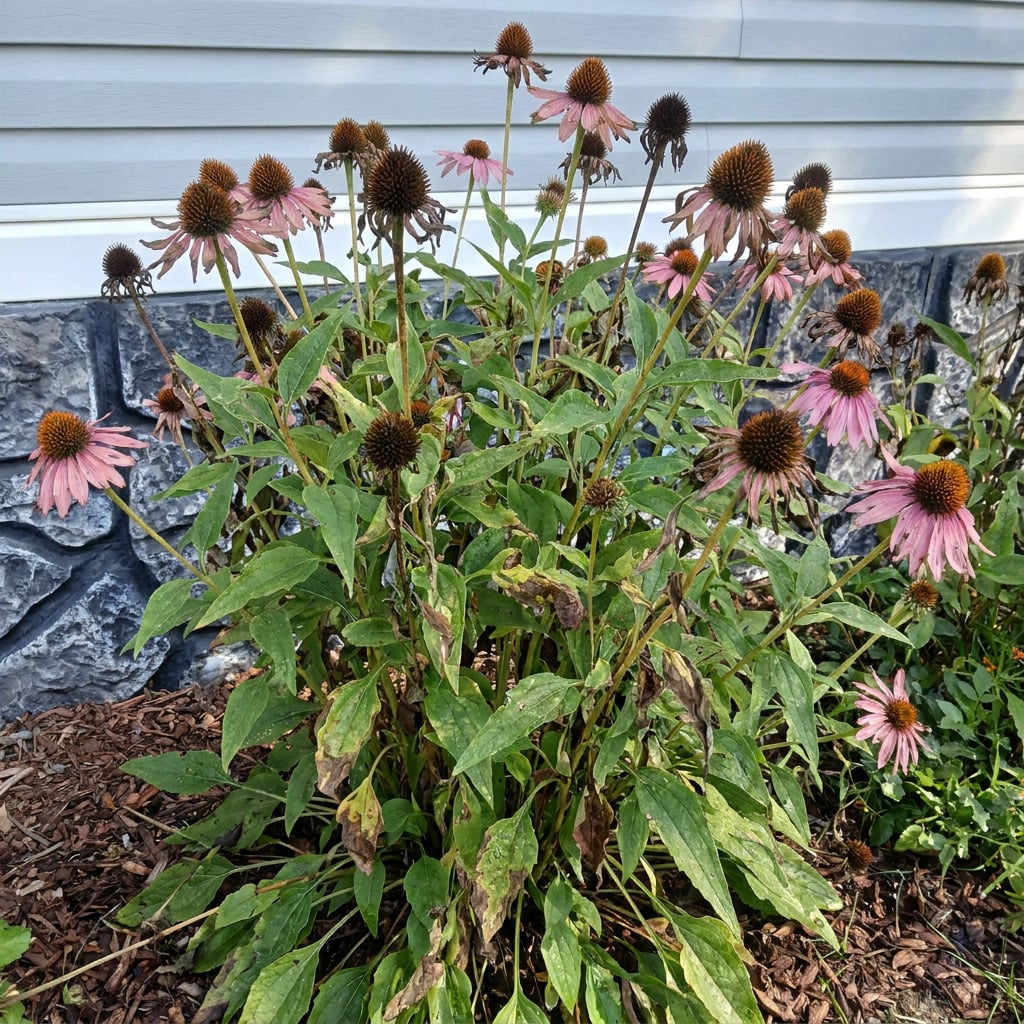
Green leaves hugging the soil line continue feeding the roots long after upper stems turn brittle and black. Scalping these low rosettes too early removes healthy foliage that can still help the plant store energy before winter dormancy.
Put away the lawnmower or string trimmer when working around plant bases. Leave that vibrant bottom ring intact while it’s green, and let cold weather take care of the rest.
Remove Problem Material Selectively
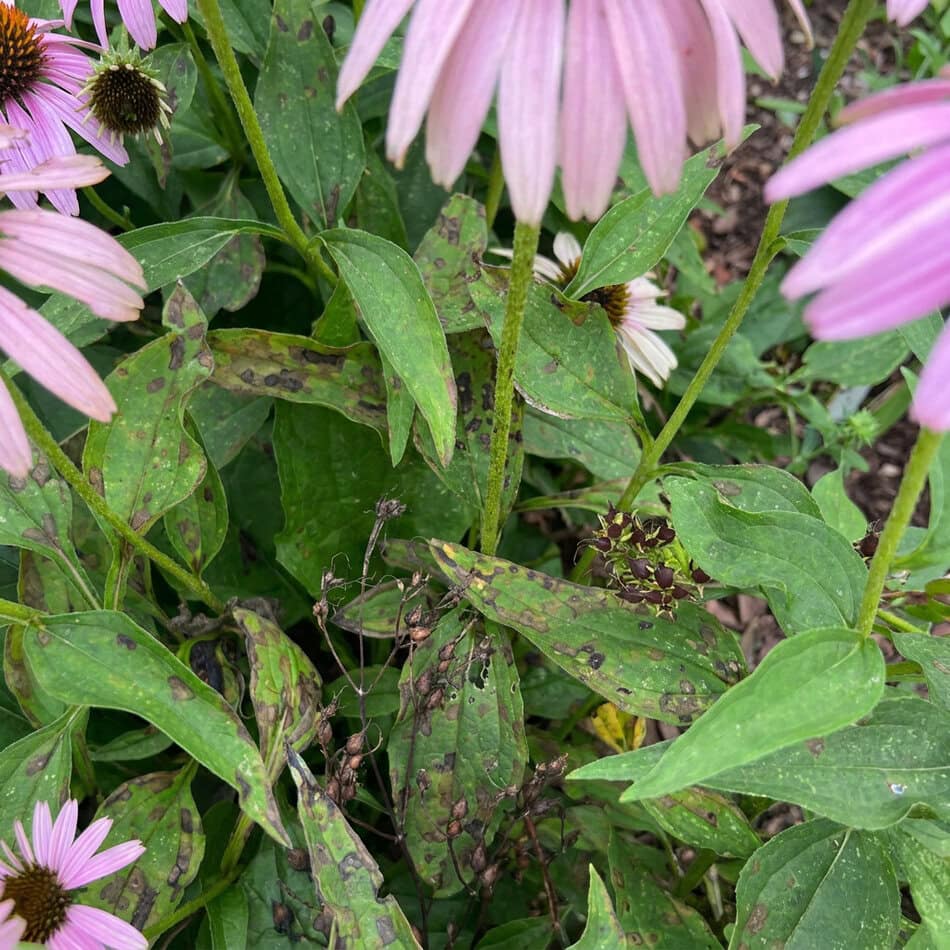
Brown coneflower stems aren’t necessarily diseased. Most are simply drying out for winter, so don’t cut them just because they look dead.
If a dog or strong fall winds leave a stalk badly torn, use clean pruners to trim below the break without damaging healthy leaves at the base.
Remove mushy, rotting stems or heavily diseased foliage and toss them in the trash. Otherwise, leave those firm, dried stalks standing.
Manage Unwanted Self-Seeding
Echinacea scatters seeds across bare soil when fall winds shake dried heads loose. Who wouldn’t, right? Yet, controlling rogue volunteers does not demand stripping every single bloom across your border.
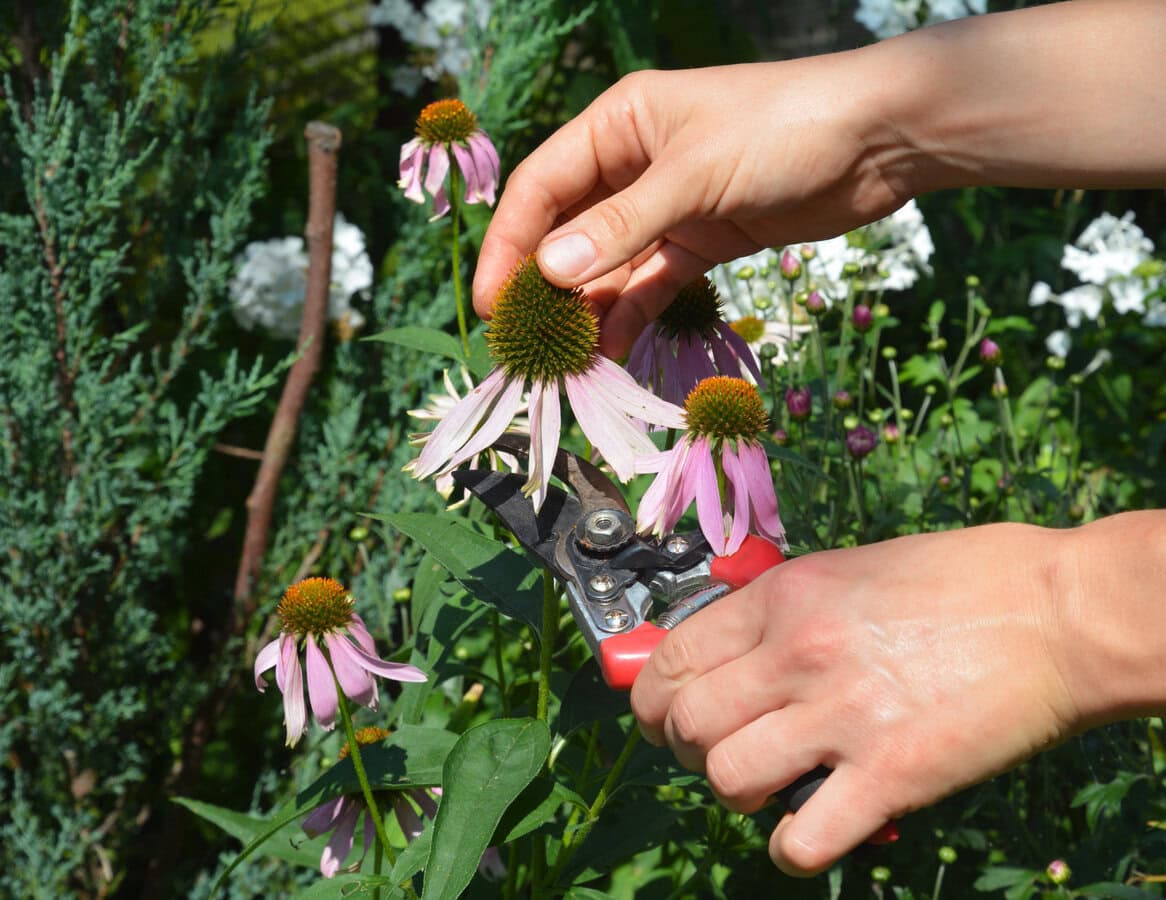
If your plants tend to spread more than you’d like, snip a few faded flower heads before the seeds fully ripen. Leave the rest standing for hungry goldfinches, and pull or move any extra seedlings in spring.
If you’re unsure exactly where to make those cuts during the growing season, we explain everything in our coneflower deadheading guide.
Plan Spring Cleanup
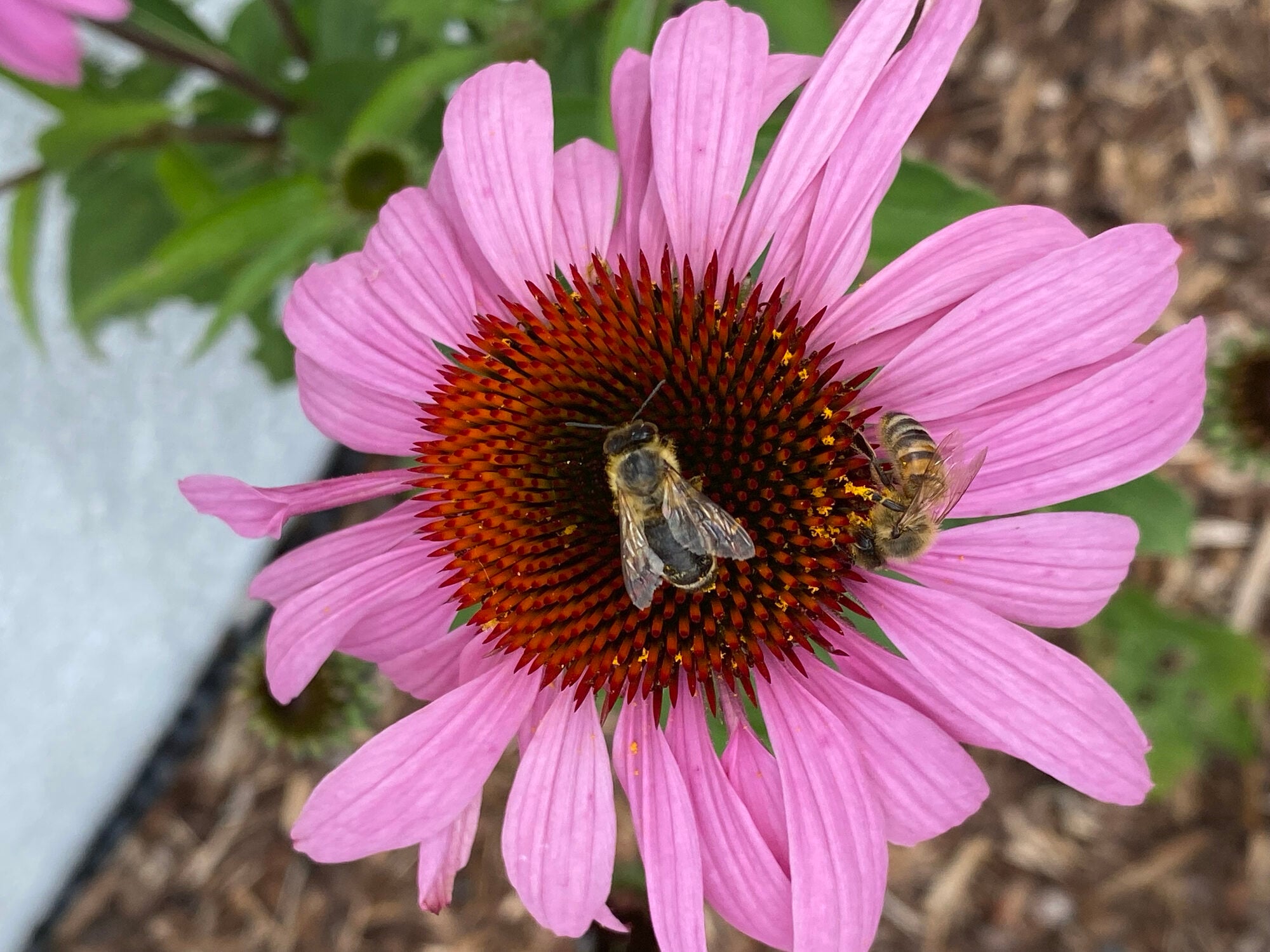
Save the final tidy-up for late winter or early spring, before native bees begin nesting in freshly cut stems.
Your sharp hand pruners will make quick work of brittle coneflower stems, but don’t slice too close to tender green shoots. Leave 12-24 inches of stem standing to provide potential nesting spots for native bees.
My fellow gardeners with OCD, don’t worry! Fresh spring growth will eventually hide those leftover stalks. Just leave older, previously cut stems alone, since bees may already be nesting inside.
And coneflowers aren’t the only plants that deserve a break from your shears! We also wrote a guide on 10 perennials you should never cut back in October.
The Aster Yellows Exception
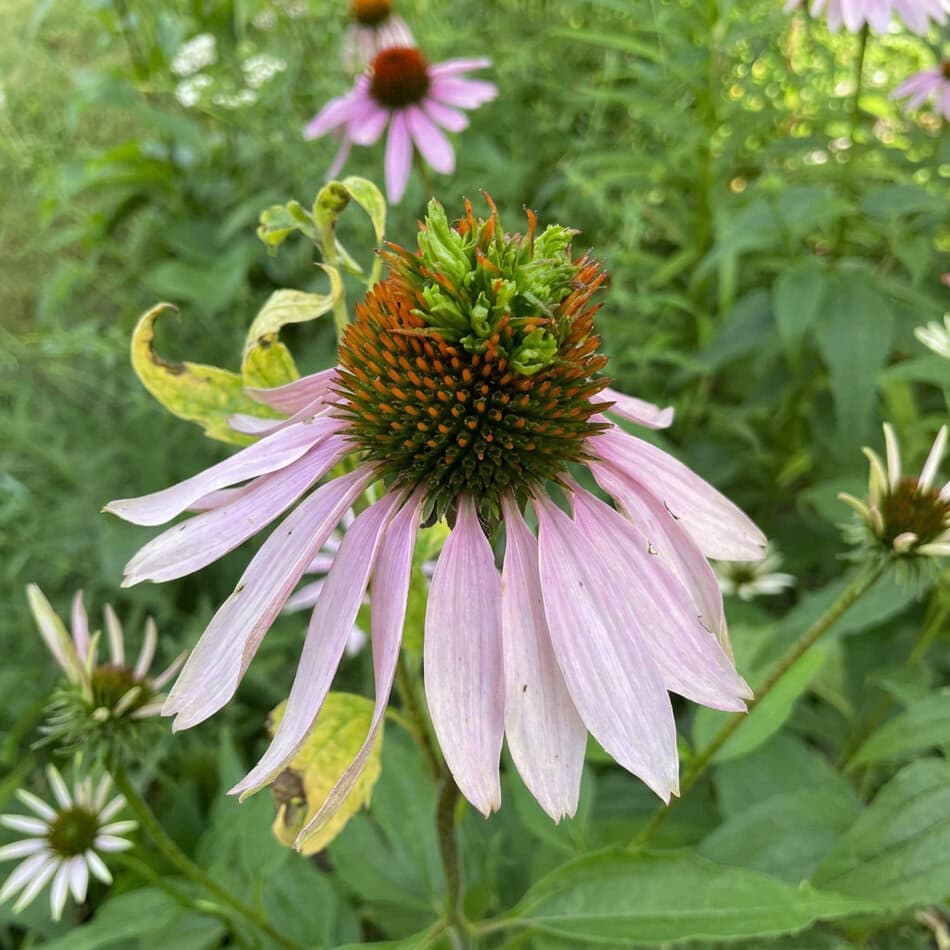
Aster yellows isn’t something you can fix with routine pruning. Plants showing deformed green petals along with stunted bushy growth or unusual leaf yellowing may have this incurable disease.
Snagging infected flowers off stalks accomplishes nothing. Leafhoppers can carry the disease to neighboring plants.
Once you confirm aster yellows, you shovel the entire plant out, roots and all. Bag it and toss it in the trash rather than your compost pile.
But don’t confuse it with rosette mites, which cause ugly cone tufts while the rest of the plant usually stays healthy. Check carefully before sacrificing an entire coneflower! If mites are the culprit, snip off the affected flower heads and toss them in the trash instead.
And if you’re already checking your coneflowers this month, we also put together a guide on 6 October coneflower tasks, covering everything from spotting disease to checking drainage before winter.
Troubleshooting Your Fall Pruning
When you let the shears gather dust, a few predictable panic questions usually follow. Here is how to handle the mess without ruining your plants.
Beetles Tore Up the Leaves?
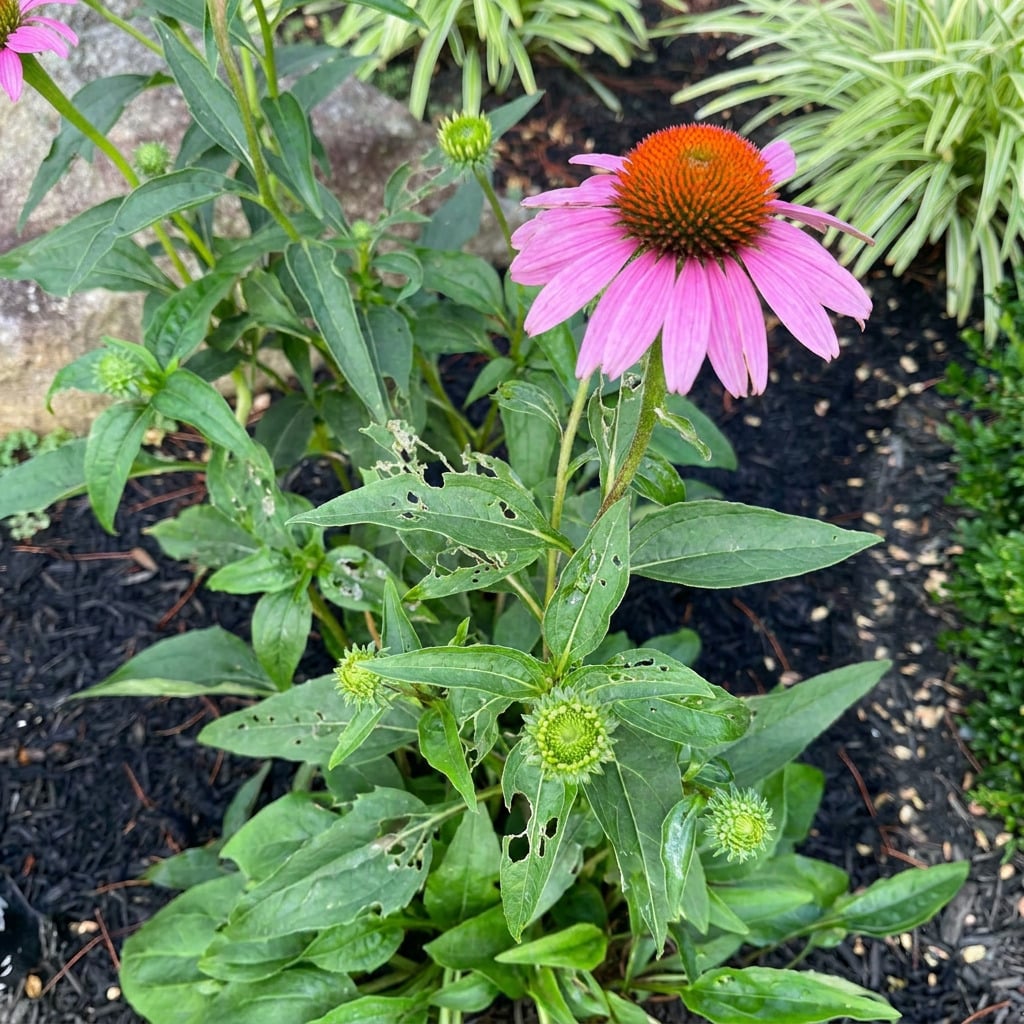
Japanese beetles will chew your coneflower foliage into lace, yet ugly leaves usually bother neat-freak gardeners more than the plants themselves. Unless the damage is severe, healthy coneflowers generally bounce back.
Leave rigid stalks and their seed heads standing to feed birds. If the sight bugs you, don’t strip off chewed leaves while they’re still green or chop the entire stem. Older stalks may shelter native bees, and the plant doesn’t care about your aesthetic standards.
If beetles aren’t your only coneflower headache, we also wrote a guide with 12 essential tips for growing and caring for coneflowers, from watering and sunlight to dealing with common garden pests.
Flowers Scorched by Summer Heat
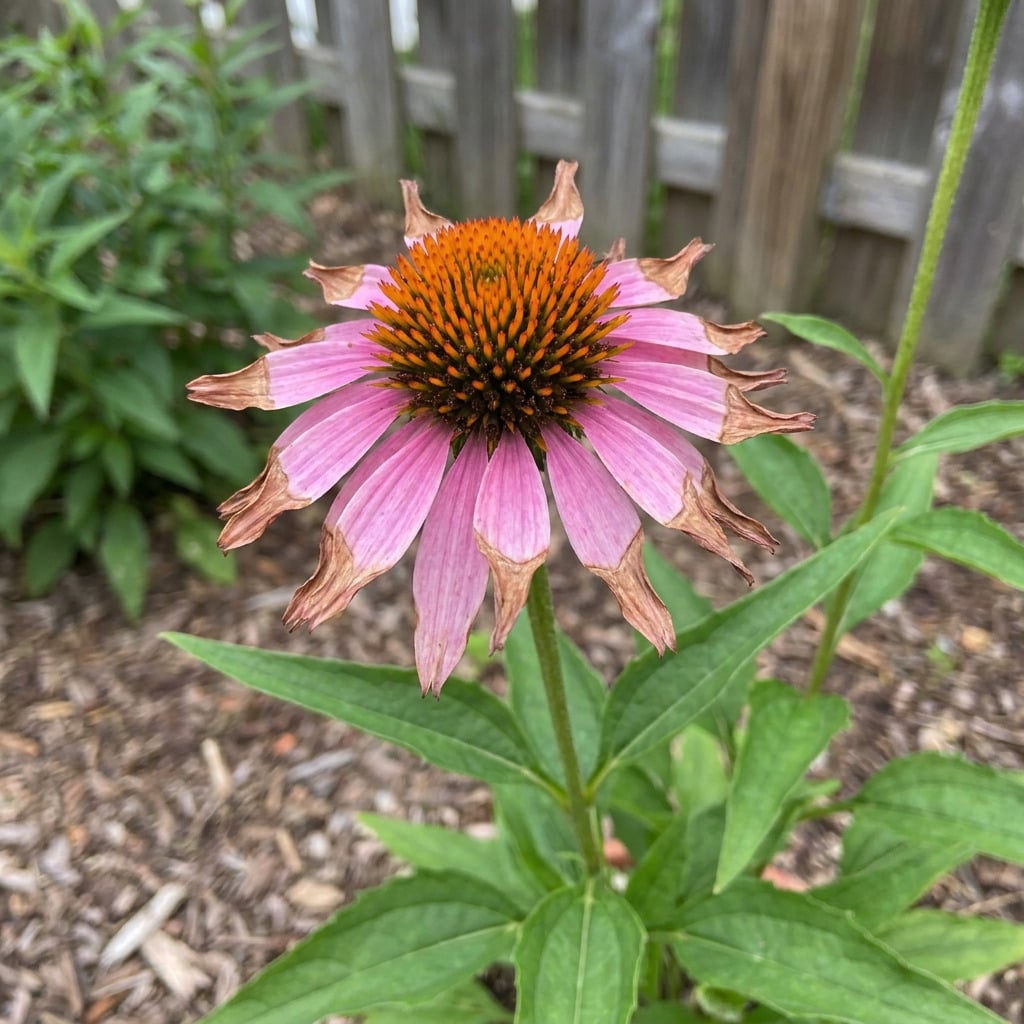
Midsummer heat can turn bright purple petals into crispy brown trash fast. Gardeners panic and reach for shears, assuming the plant collapsed. It didn’t.
Faded petals alone don’t mean your coneflower is unhealthy, and the seed cone underneath can still develop seeds. Unless you spot mold or rot on the flower head, leave those ugly brown heads be.
Put Those Pruners on Vacation!
Your coneflowers don’t need a fall haircut just because they’ve stopped looking pretty. Leave the healthy stems and seed heads standing, remove anything diseased, and let the goldfinches handle the rest.
Less pruning for you, more snacks for the birds. Now that’s a gardening deal worth taking!