The only thing moving in December should be Santa, right? Wrong! Some trees and shrubs are ready to pack their bags. I call this replanting with a purpose.
My folks call it procrastinating until the ground is almost frozen. They might be right. But we all agree that gardening is a lifestyle! Nod to each other. They move on, spend December wrestling with tinsel. If you’re like me, you capitalize on plants’ winter rest. Get digging, you clever thing.
December Isn’t Just for Evergreens and Nihilists

Only the strong survive transplanting in December, so you need to know which species are too cool to complain about the cold.
Quick note: this only works if your soil isn’t frozen solid. If your shovel bounces back at you, take the hint and wait.
1: Serviceberry (Zones 4-8)

If you need a plant that does everything, you have found your annoying star pupil. The Serviceberry is perpetually over-eager to leaf out, so attempting to move it later is a no-go.
You move the Serviceberry in December, not just because it’s easy, but because you’re actively avoiding its inevitable April rage. Its roots are compliant, so the lifting is surprisingly quick. You’ll replant it and still have time to binge-watch Hallmark’s Christmas movies.
Quick tip: I’ve found that a good soak plus a little mulch right after transplanting makes all the difference. The roots stay evenly moist through winter, and every serviceberry I’ve moved this way has bounced back like nothing happened.
If you’re also rearranging your flower beds this month, here’s my guide on which perennials you can safely transplant in December while everything is still asleep.
2: Japanese Maple (Zones 6-8)

As a darling of the ornamental tree world, this maple often demands a premium price tag. It’s usually sold bare-root in December. It’s just a beautifully branched skeleton, zero dirt, at a dramatically reduced cost.
This is why people move them now: financial savvy. You are getting a supermodel on clearance. Relocating this beauty during its deepest sleep ensures it spends all of its spring budget on leafing out in its new hood. Efficiency over drama, always.
Quick tip: I’ve noticed that Japanese maples under a few years old transplant beautifully. The older, established ones… not so much. They don’t appreciate root pruning, so move them carefully or save the big ones for a proper fall transplant instead!
3: Ginkgo (Zones 4-8)
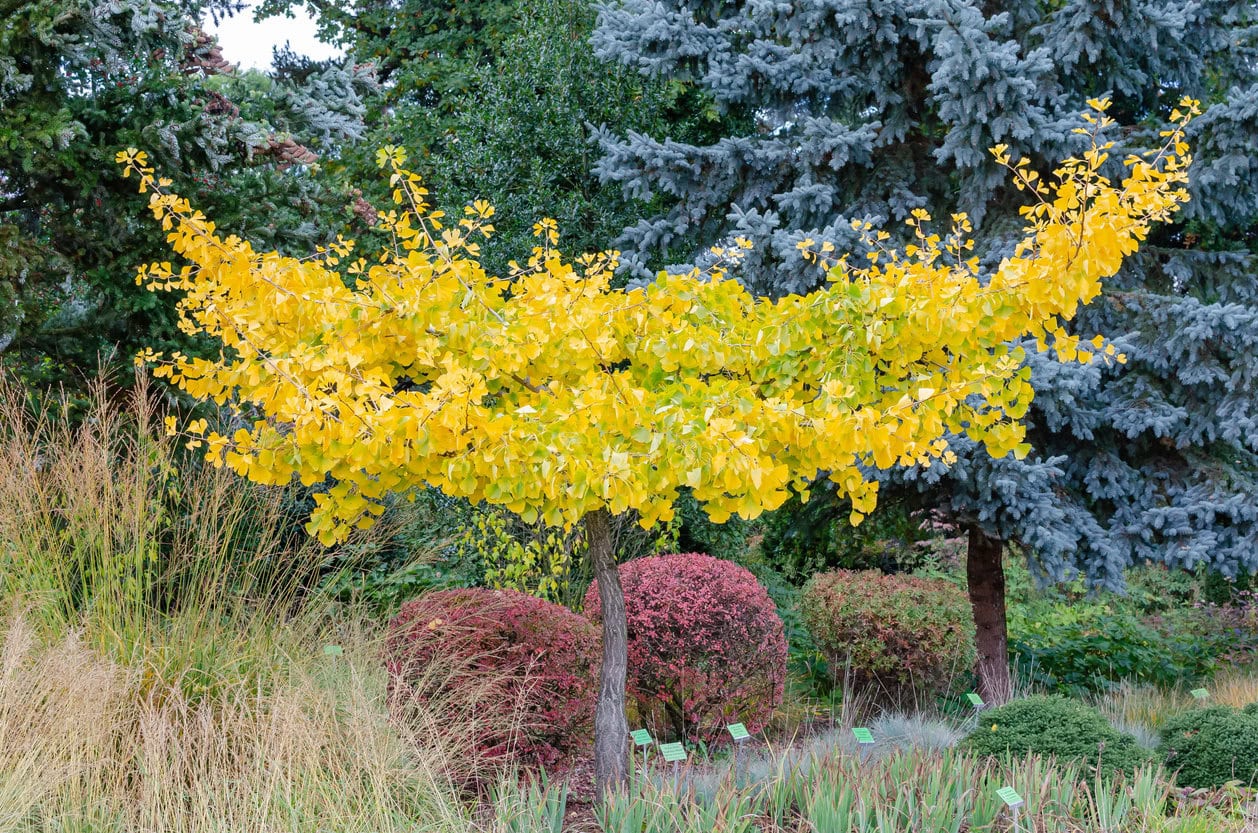
The Ginkgo is famous for its golden autumn spectacle and its ancient pedigree. It has survived practically everything short of a modern HOA meeting. When you transplant this tree in December, you are relying on its legendary toughness.
The root system is generally unfussy and deep, but its deciduous nature means the shock of relocation is minimal during cold weather. You’re not babysitting here. You’re setting up a resilient landmark that will mock the next ice age from your yard.
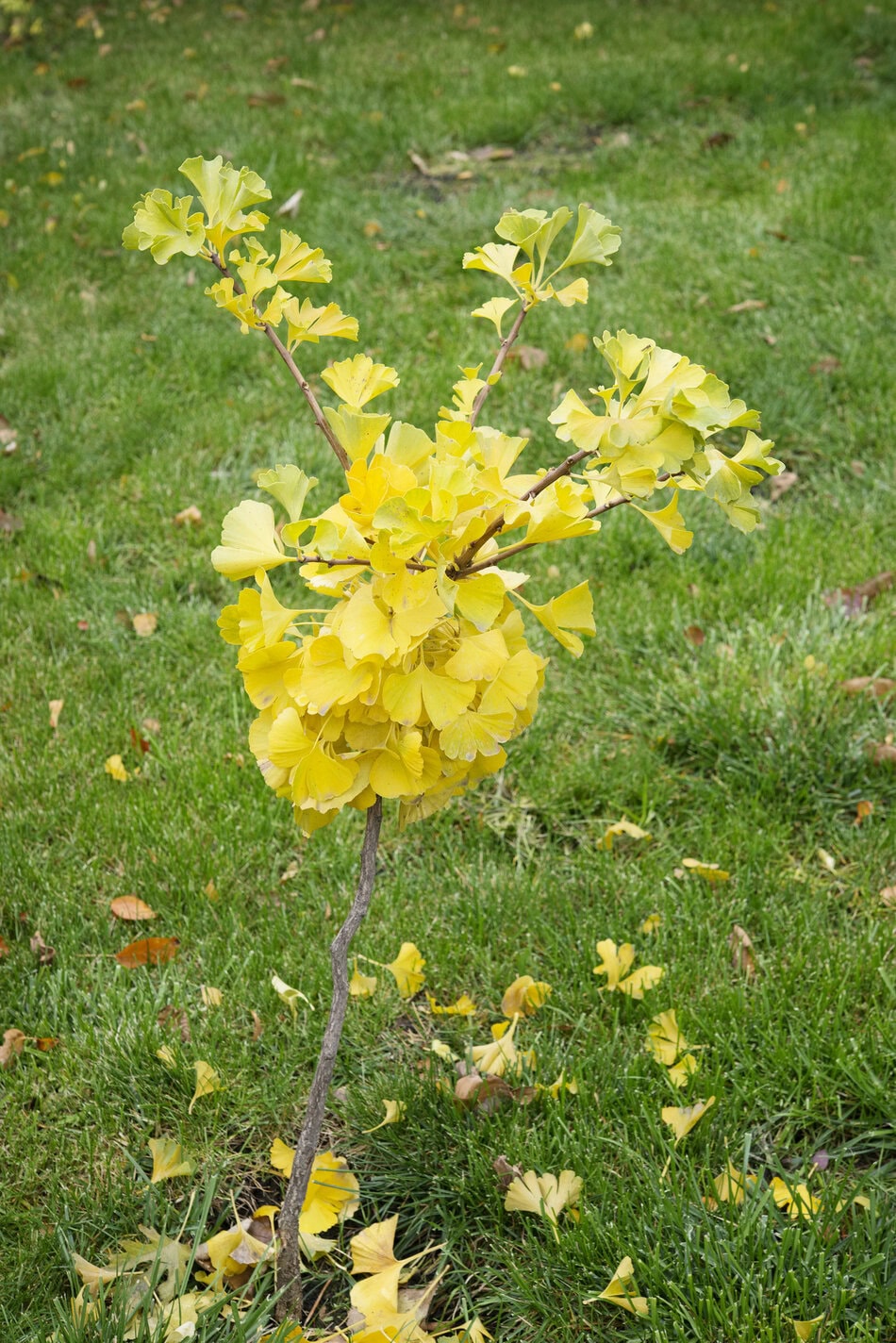
Quick tip: Ginkgos move best when they’re still young. The older ones grow a stubborn taproot that does not care about your plans, once they mature, they become enormous, dignified beasts you’re definitely not dragging across the yard. I also recommend give them a light mulch blanket after transplanting too.
And if you’re in more of a planting mood than a transplanting one, here are the five trees you can actually plant in December while they’re fully dormant.
4: Birch (Zones 3-7)

Most people adore the Birch in winter because its stark, striking bark is a bright mark against the dark. Also, its shallow roots are what make it a December favorite, for better or worse.
Because its roots are so accessible, it’s one of the easier, if more nerve-wracking, trees to lift once the leaves are gone.
You move the Birch in winter because you want that gorgeous bark right now, and because waiting until spring will stress its fragile surface roots during active growth. It’s a trade-off: quick beauty for careful handling.
Quick tip: Birch roots cannot dry out, not even for the length of a dramatic sigh. I move these like I’m carrying a sleeping baby: fast, careful, and absolutely no dawdling.
5: Rose (Zones 5-9)

Roses are generally bought and shipped bare-root in winter, and not just for logistical convenience. Sometimes, a cold start is the best start.
Decembers offer the perfect chilly cocktail that allows the root system to settle and develop without the demand of supporting any top growth. Sure, you can wait, but you risk the entirely unnecessary stress of moving a budding plant.
Transplanting your Rose now is you being a responsible plant parent. If you put little ones to bed early, they wake up cheerful. Works every time. Otherwise, good luck dealing with prickly goblins.
Quick tip: After you tuck a rose into its new home, give it a good drink and a light mulch blanket. It keeps the soil from freezing and thawing like a soap opera and helps the roots settle in peacefully.
If you’re thinking about mulching the rest of your garden while you’re out there, here’s our guide on which plants truly need a winter mulch layer and which ones shouldn’t get one at all.
6: Boxwood (Zones 6-8)

Yes, it’s an evergreen, and evergreens are sometimes fickle about winter moves. But Boxwood is the icon of garden structure.
Why do people move these densely packed shrubs in December? Because they provide instant form and don’t look tragic when you yank them out of the ground.
Wait for a day when the ground is soft, not frozen solid. The Boxwood is too bored by winter to notice the disturbance. It remains your perfect, silent accomplice in looking better than the neighbors.
Quick tip: Just like roses, after transplanting, I give my boxwoods a deep soak and a cozy mulch blanket. Even in winter, those evergreen leaves keep sipping moisture, so the mulch helps the roots stay steady and hydrated.
7: Hydrangea (Zones 5-9)

Just look at it now, a tangle of bare sticks. Perfect. The Hydrangea is the most demanding shrub in your yard, which is the reason you don’t disturb its roots when it’s awake.
December is the only rational time to move it, i.e., when the sap is not running. While it’s in its deepest, most unaware state of dormancy. The lack of leaves means zero demands, zero wilting, and zero need for you to utter pathetic apologies.
Quick tip: Like birch, hydrangea roots cannot dry out… not even for a dramatic pause! Move them fast, have the new hole ready, and plant immediately. These shallow roots have zero chill when exposed to air.
And for gardeners in warmer zones, here are the perennials you can still divide in December if you want to squeeze in one last job before the holidays.
The Science of the Snooze
You need warmth to grow. But you’re not a hardy tree or shrub. In winter, your sturdy, silent neighbors enter a stage called dormancy. I wish it were a human thing. Anyway.
Their energy factory, the leaves, has shut down for a long season. While the top half looks like lazy overpriced modern art, the root system is putting in overtime. It’s simple. If the ground is soft, the roots are making moves.
Relocating your tree or shrub now ensures its entire focus is on anchoring into its new soil, which in turn guarantees a huge head start. There are no pesky leaves to demand water. Just simple yet vital root development.
It’s the only time the plant is truly focused on its future, which is more than we can say for most people in December.
If you’re already in winter clean-up mode, here’s my guide on which perennials to cut back now and which ones you should definitely leave standing.