
The official gardener’s handbook says August is when you put down your snips and accept the slow march to autumn.
It’s time to wave the white flag. The show’s over. You’ve earned a break, right? Well, I say it’s not over till it’s over.
You only need to know which plants are preparing their final bows and which ones are just waiting for you to give them a reason to keep blooming.
Isn’t August too late for deadheading? Well… No!
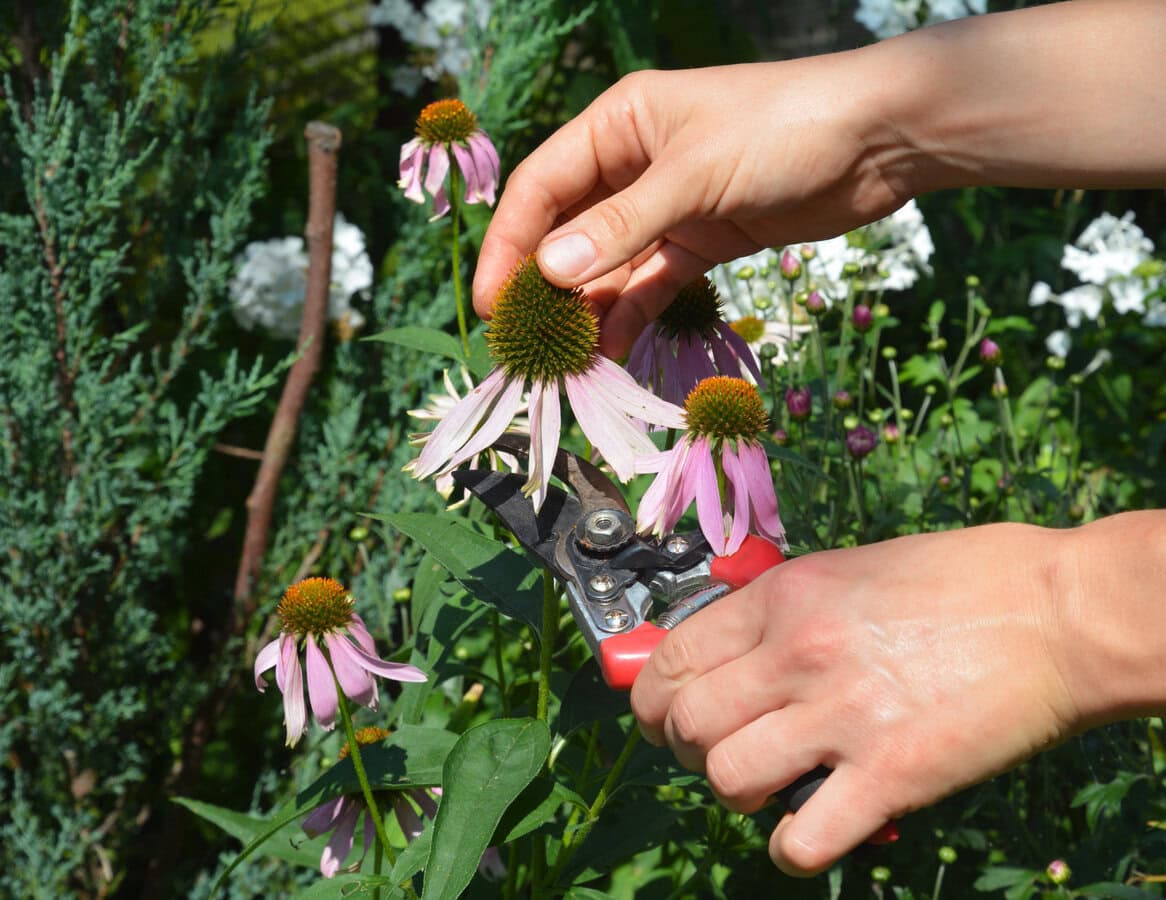
Most gardeners, by this point in the season, are mentally (and physically) checked out. They see browning flowers and resign themselves to a sea of green. But you are not most gardeners. You’re a rebel with a cause, and that cause is a little act of defiance against the seasons.
You’re telling Mother Nature that you decide when the party’s over.
A little selective pruning in August can clean up your flower beds, prevent certain plant bullies from seeding themselves all over the place, and, sure, coax fresh blooms from plants that others have already written off.
Want a full rundown? This is our August pruning guide: what to cut back and what to leave alone.
You should deadhead in August! Do you know why?

It’s all about strategic resource management. Think of your plants as having a limited amount of energy. Once a flower fades, the plant’s default programming diverts all its remaining power into producing seeds. A completely logical plan from the plant’s perspective, but not for you.
Deadheading in August basically hacks the system. Removing spent flowers (perhaps not so) gently nudges the plant to keep flowering. It’s a clever trick that also makes your garden look much tidier than the wild tangle it might otherwise become.
And if you’re tempted to pull something that looks scraggly, DON’T! Take a look at which flowers are just getting started (or still haven’t finished blooming).
But most importantly, it’s a vital tool for your garden’s population control. Deadheading is your first and best defense against uncontrollable spreading of those plants that are a little too eager to reproduce. Only you get to decide which plants get to procreate and which have to keep working for a living.
What to Deadhead in August for More Blooms

Dahlias:

Not all plants are created equal. There are tireless overachievers, always ready to put in overtime if you just give them a little nudge. Deadheading high-maintenance Dahlias, for example, is not optional for repeat flowering.
If you’re not sure how to do it right, here’s our full guide to deadheading Dahlias.
Zinnias and Cosmos:
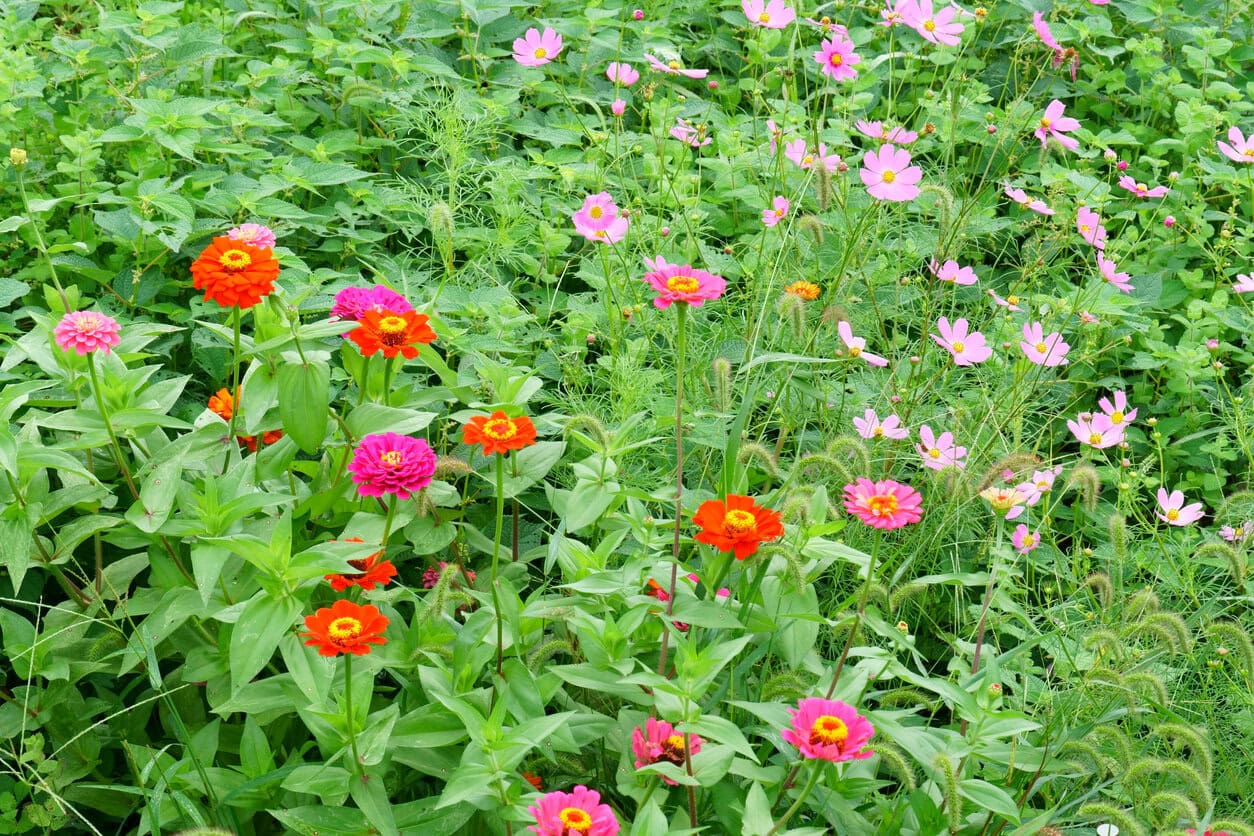
Likewise, Zinnias and Cosmos will keep the blooms coming if you snip above a leaf node on the Zinnias and stay on top of the Cosmos (which will go to seed the second you turn your back).
Take a look at this post on how to deadhead Zinnias to keep them blooming like crazy.
Marigolds and Coreopsis:
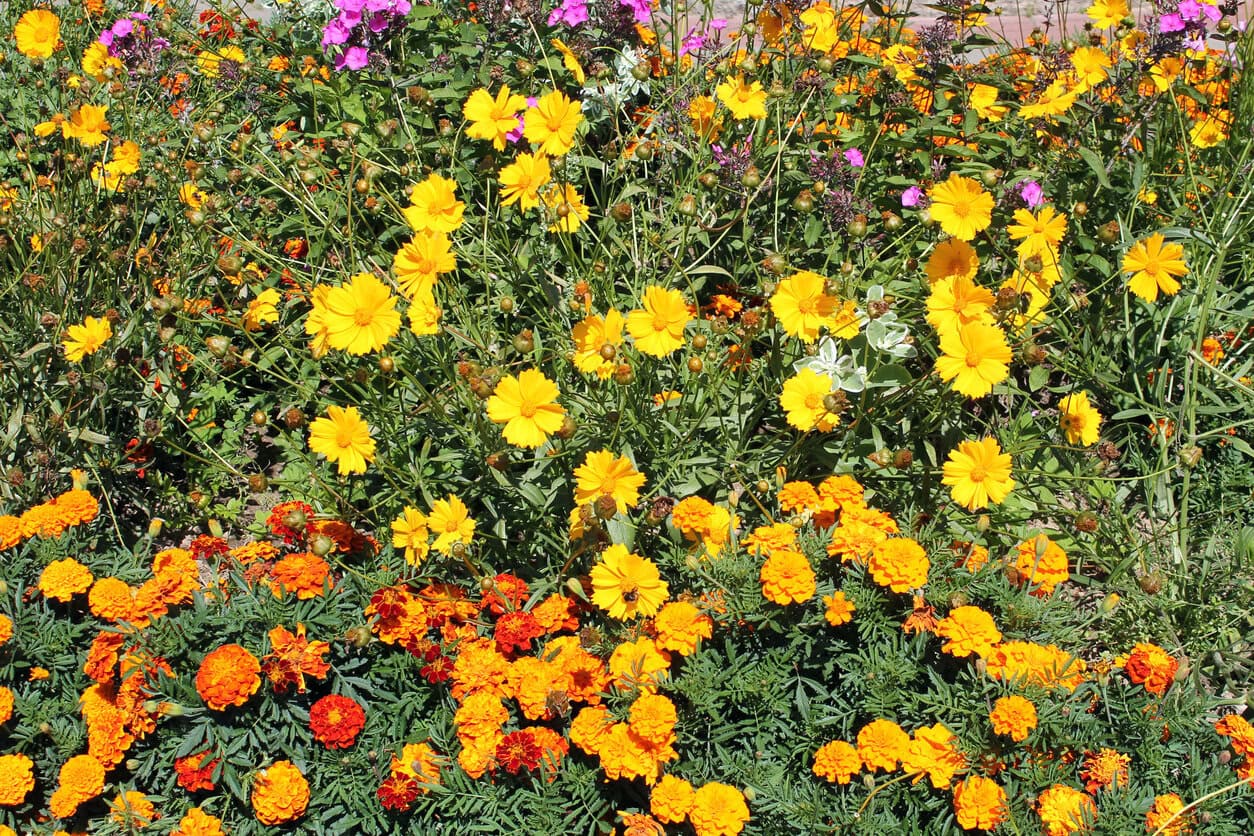
For an easy win, remove the brown blooms on Marigolds to keep them compact and tidy, and give Coreopsis a quick trim to promote nonstop flowering. Their flowers are particularly good at hiding their spent cousins, so be a bit of a CoreopSIs detective.
Need help deadheading your marigolds? Here’s how to give your Marigolds a trim.
Rudbeckia and Coneflowers:
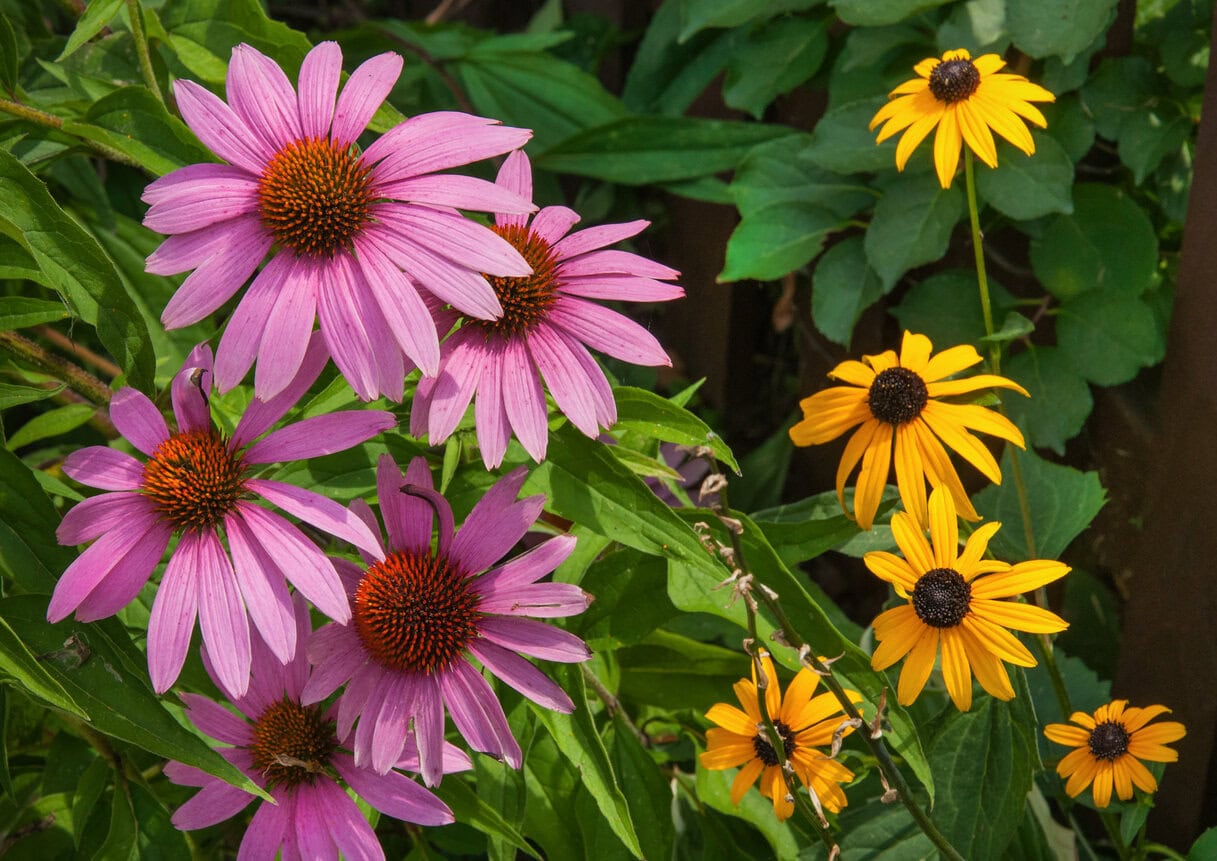
And then we have the plants with a split personality: Rudbeckia and Coneflowers. They’re happy to give you more blooms if you deadhead them early in August, but as the month wears on, you’ll want to start leaving some of those spent flowers alone for a very important reason. We have some beaks to feed.
Not sure where to cut? This post walks you through deadheading Coneflowers step by step.
Note: Don’t worry, deadheading now just gives you a bonus round of blooms, you’re NOT stealing food from the birds. Most birds won’t touch those seed heads until much later anyway. By the time September rolls around, you can let the last wave of blooms go to seed just in time for hungry birds. Everybody wins: more flowers for you, more snacks for them.
What to Let Go to Seed for the Birds

Now that you’ve been a micromanager all season, it’s time to let go and prepare your garden’s winter pension plan for the local winged wildlife.
Sunflowers, Rudbeckia, and Coneflowers:

The dried heads on your Sunflowers, Rudbeckia, and Coneflowers will be a generous 401(k) and provide a reliable food source, quite popular with goldfinches. Let the last round of blooms on your Sunflowers, Rudbeckia, and Coneflowers dry out naturally!
Dill and Fennel:
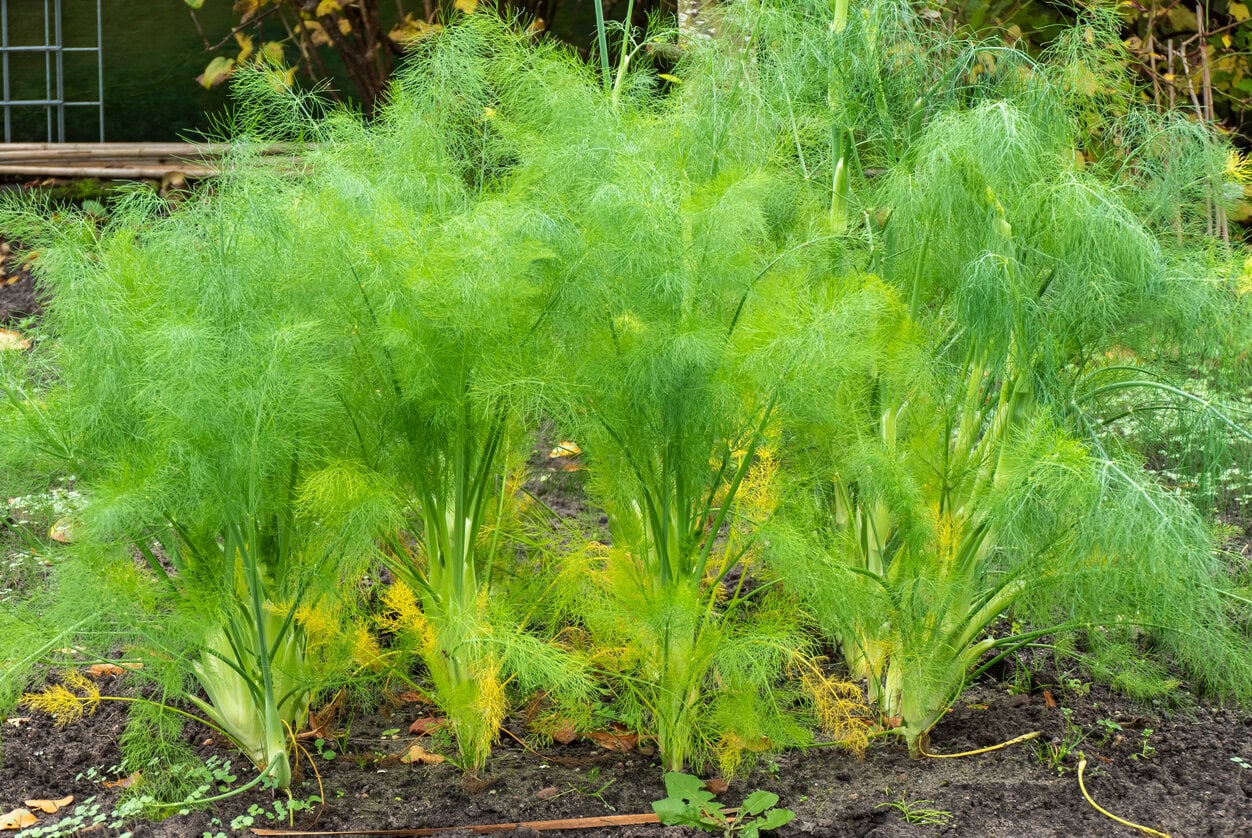
Your Dill and Fennel offer a comprehensive benefits package, with seeds that attract both birds and beneficial insects.
Sedum and Nigella:

For your aesthetic portfolio, leave the seed heads on Sedum ‘Autumn Joy’ and the pods on Nigella. You’ll get interesting fall texture and the potential for new plants next year, proving that sometimes, doing nothing at all is the most brilliant gardening move you can make.
Want to collect your own seeds this month? Here’s a guide to which flower seeds you can harvest in August.
Ornamental Grasses:
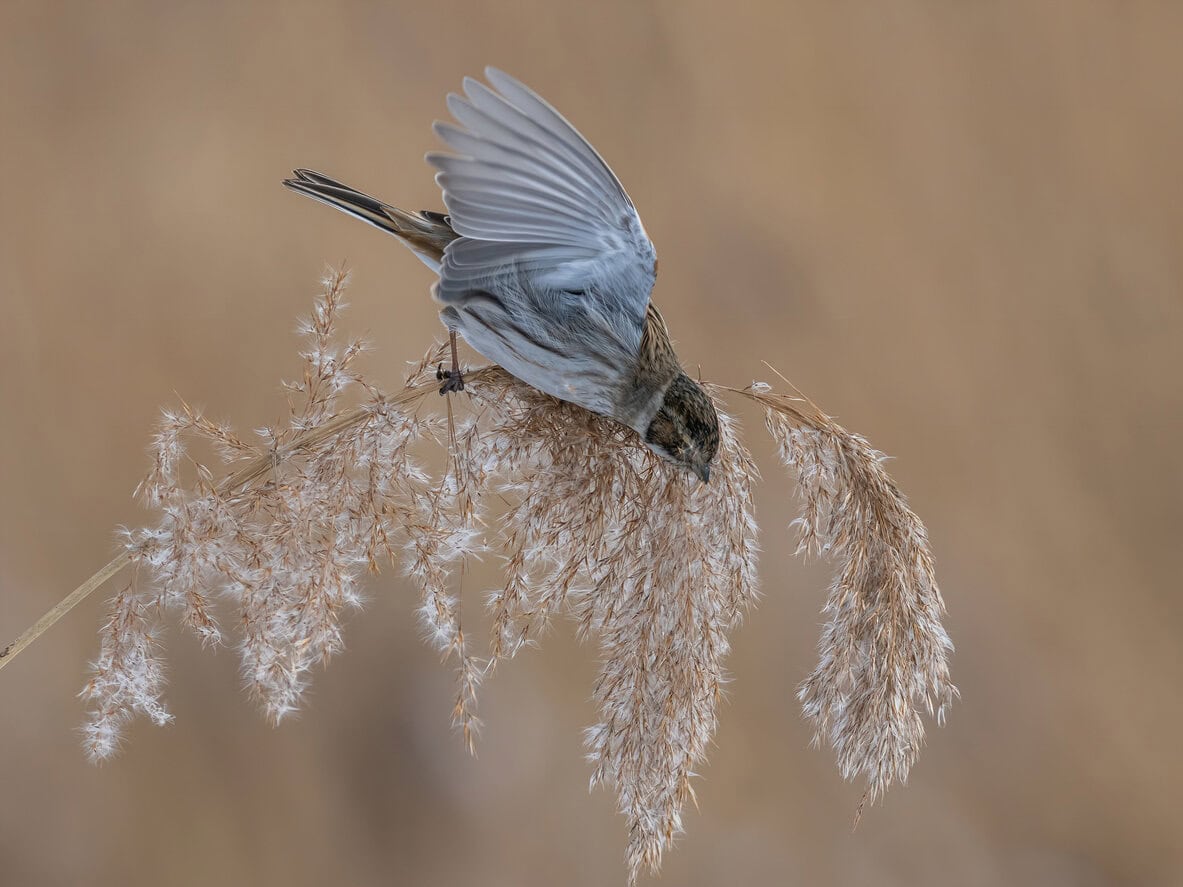
And finally, let your Ornamental Grasses stand tall. They’ll supply food and provide shelter for your feathered visitors in the colder months.
Your Expert Deadheading Cheat Sheet

Before you wield your weapon of choice, know that your scissors matter, so use a sharp and clean pair for a tidy cut that heals quickly. Dull blades crush stems and also invite disease, just like deadheading on a rainy day.
And for a professional finish, make your cut at a 45-degree angle just above a fresh leaf node or bud. It’s a small detail, but it’s a courtesy that gives the plant a proper umbrella against the rain and proves you’re no amateur.
And while you’re at it, August is a great time to sow flowers for spring, here’s what to plant by zone.
A Masterclass in Both Snip and Surrender
Being a good (late-season garden) manager means knowing when to be demanding and when to let go. So, be a little rebellious in August. Put in a small, strategic effort. And sure enough, you’ll learn to cheat the seasons. Your reward is a garden that keeps blooming into autumn and proves you’re a savvy gardener, not just a hands-off one. With a generous, birb-loving heart.


