Some people say good things come to those who wait, but some apparently haven’t tried cheating nature.
Forcing branches is the clever technique where you snip dormant limbs from your yard, bring them inside, soak, and watch blossoms appear right on your kitchen counter. Consider this your official invitation to skip the line to spring.
Why Bother Forcing Branches?

This is not just about getting a preview of spring. If you are going to endure the long, gray, depressing stretch of late winter, at least you deserve to be rewarded with something better than static electricity and holiday debt.
If you’re craving more color this season, there’s also a guide with winter-flowering plants that keep the garden cheerful when everything else is asleep.
Best Trees and Shrubs for the Indoor Ka-Bloom
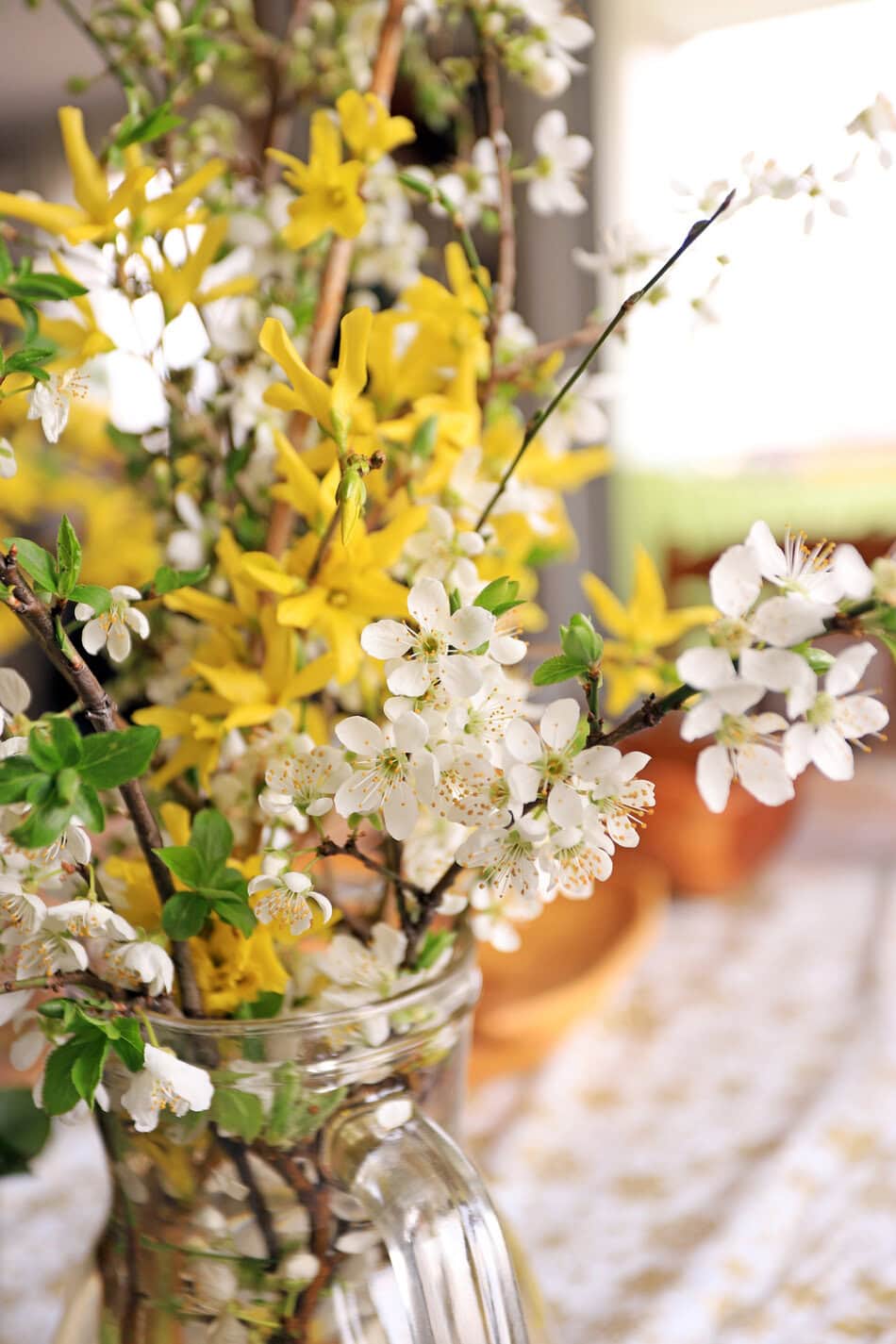
Not every branch is cut out for stardom, but these do their best to achieve it.
1: Forsythia
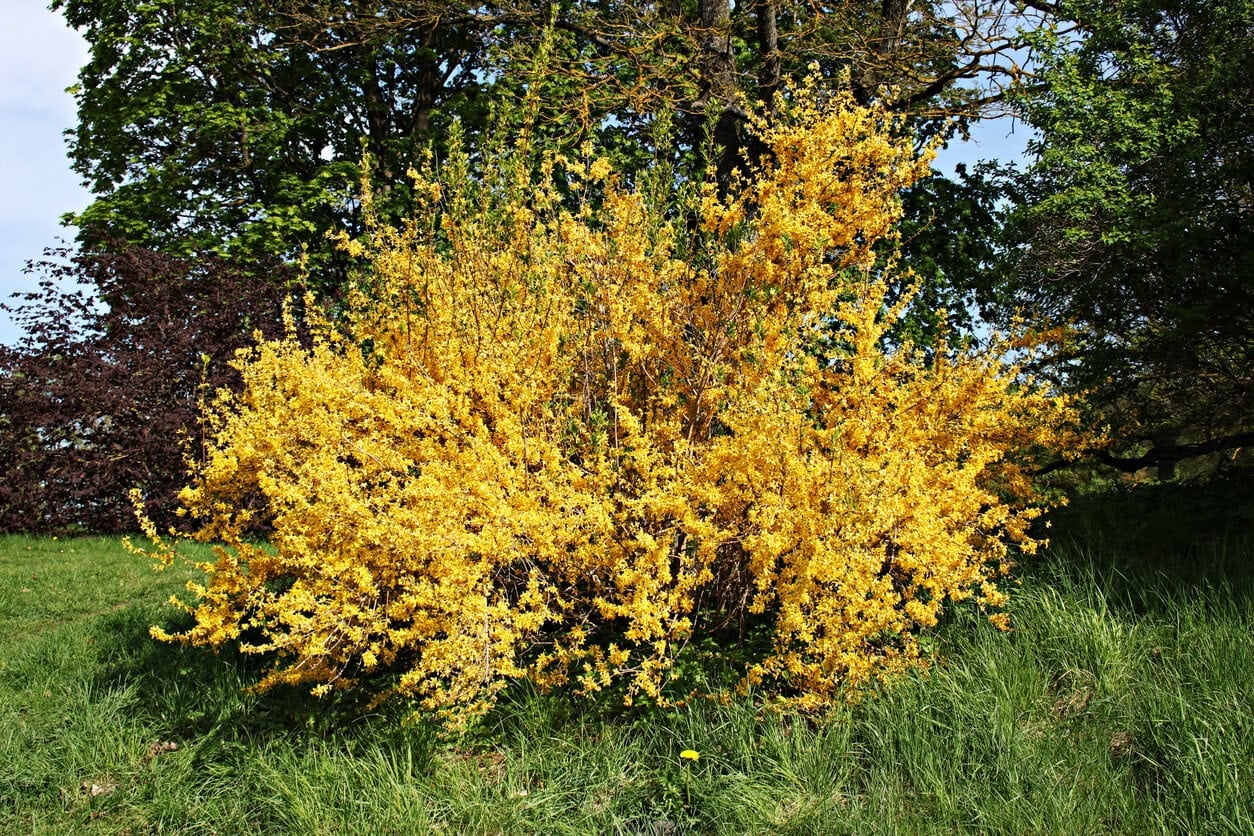
The ultimate class favorite. Its sunny yellow color reliably appears in under two weeks, making it the fastest way to get your sunshine fix (no therapy required).
2: Pussy Willow
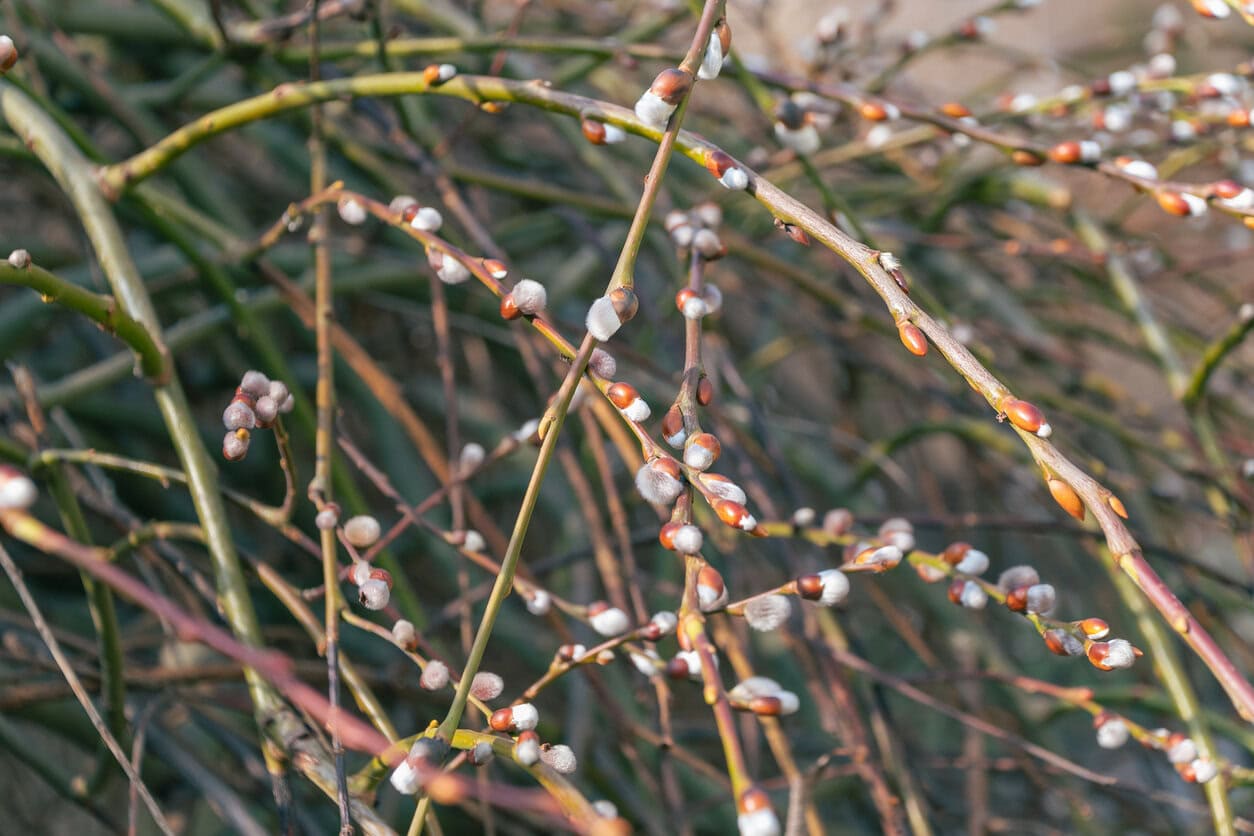
Expect immediate, fuzzy gratification from these velvety catkins. This variety is exceptionally easy, basically the participation trophy of the forcing world.
Bonus: these guys will often sprout roots right in the vase, because of course they do, overachievers
3: Flowering Quince
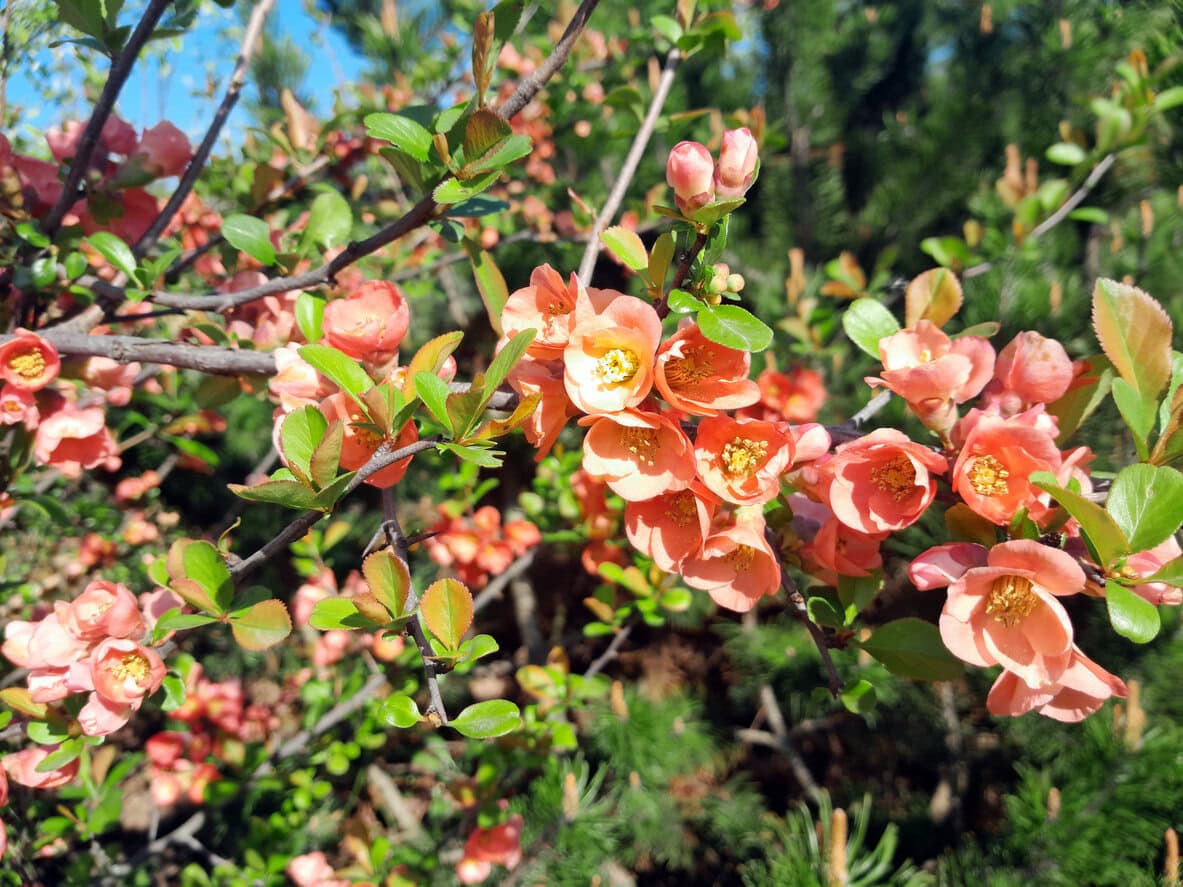
A sure bet for bright color and reliable, effortless flowering indoors. They bring the drama of the tropics without sweat, literally. It doesn’t even need big swollen buds to perform; it wakes up indoors like it had a double espresso.
4: Cherry and Plum

Bring the Japanese spring festival to your home with a branchload of pink and pure white flowers. The result is a stunning cloud of blossoms, perfect for pretending your house is in an anime.
Just keep them out of the sauna, too much warmth and they’ll snow petals all over your table!
5: Crabapple
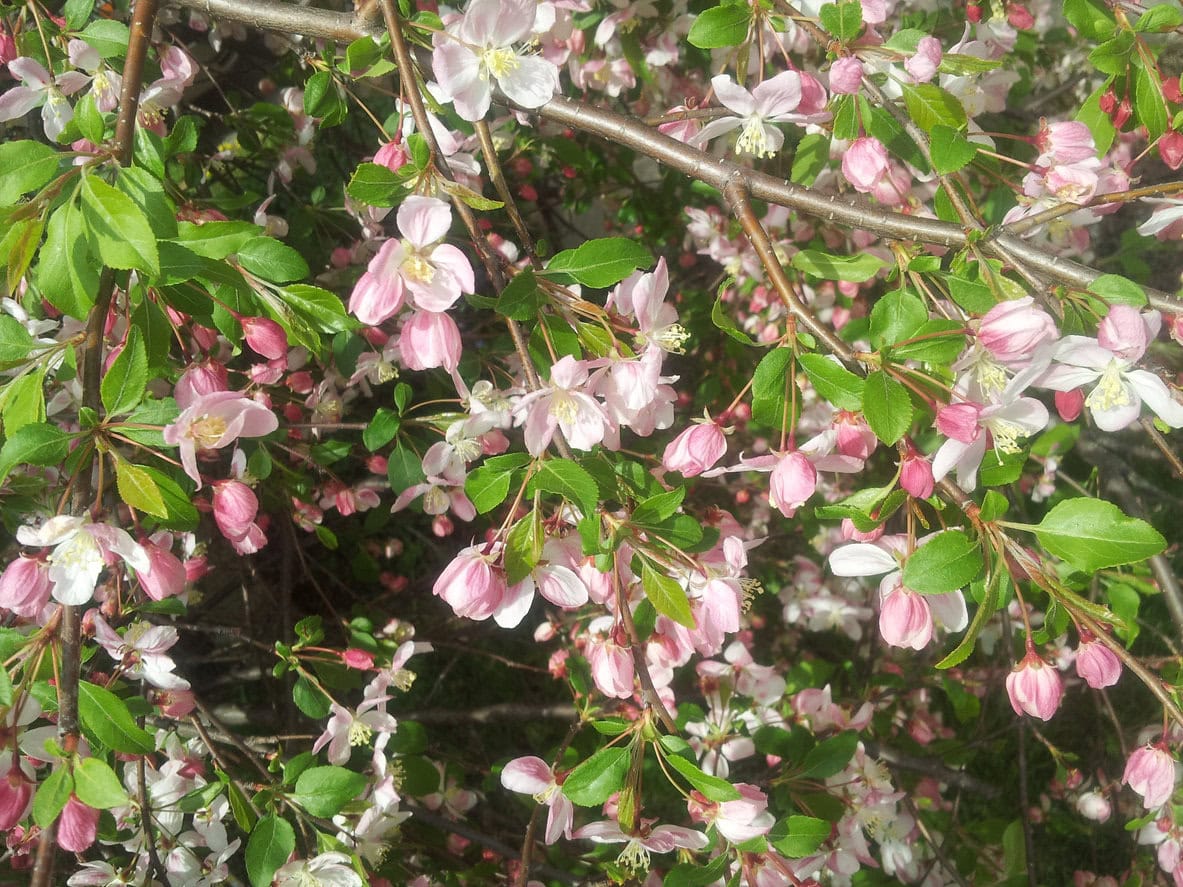
Prized for their richly scented small flowers. You get lovely, classic blossoms that turn your entire room into a fragrant haven, proving beauty does not always have to be loud. Cut the branches when the buds are tight and plump for the strongest hit of that classic, room-filling fragrance.
6: Dogwood

The wait can be long for this beauty, but the reward is large, truly gorgeous flowers. You earn the right to brag about your patience when these finally show up.
Some dogwoods are divas, so don’t be shocked if a few buds stay stubborn. From my experience, Cornus mas and Cornus officinalis are the most dependable dogwoods for forcing.
7: Apple
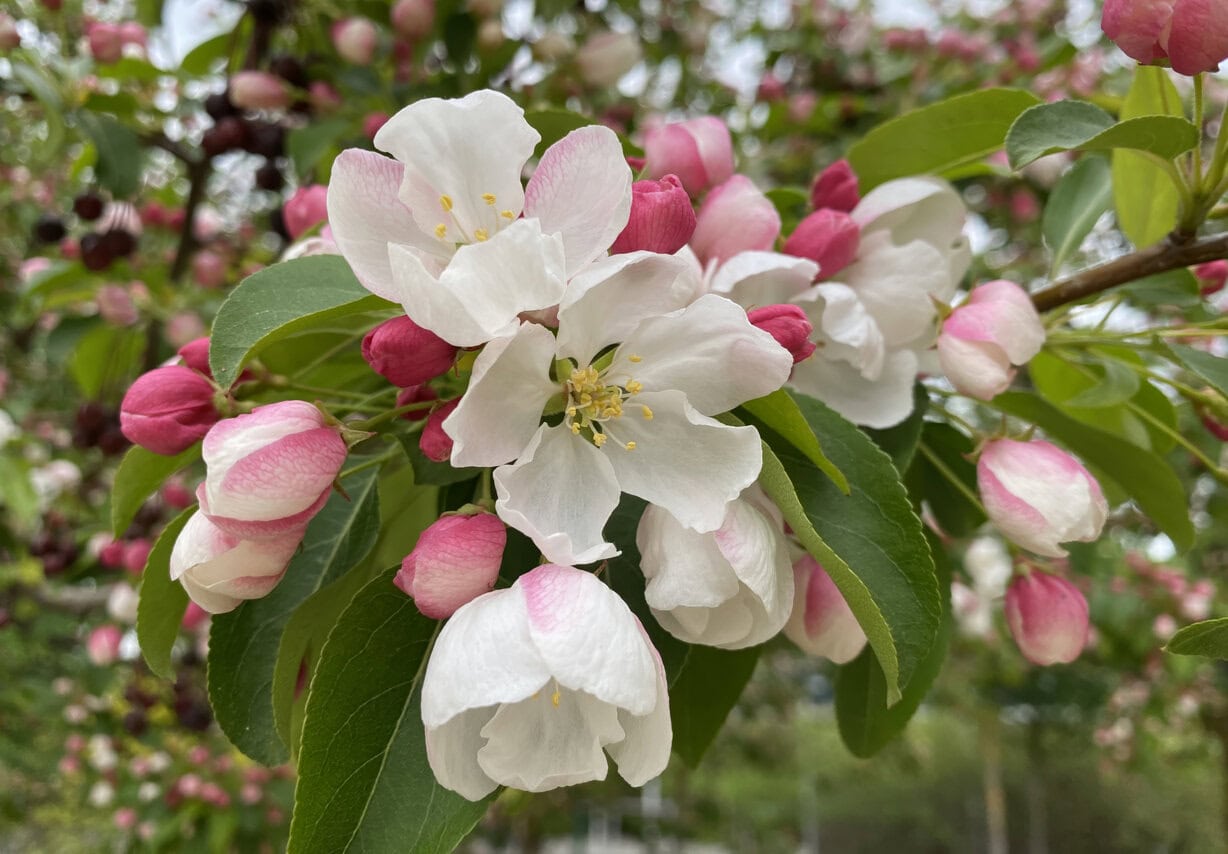
These offer charming, delicate blossoms that signal the return of warmer weather. They are a wholesome addition, not crabby at all.
If you’re thinking ahead to apple tree care, I’ve got an easy beginner’s apple tree pruning guide you can follow in spring.
8: Magnolia
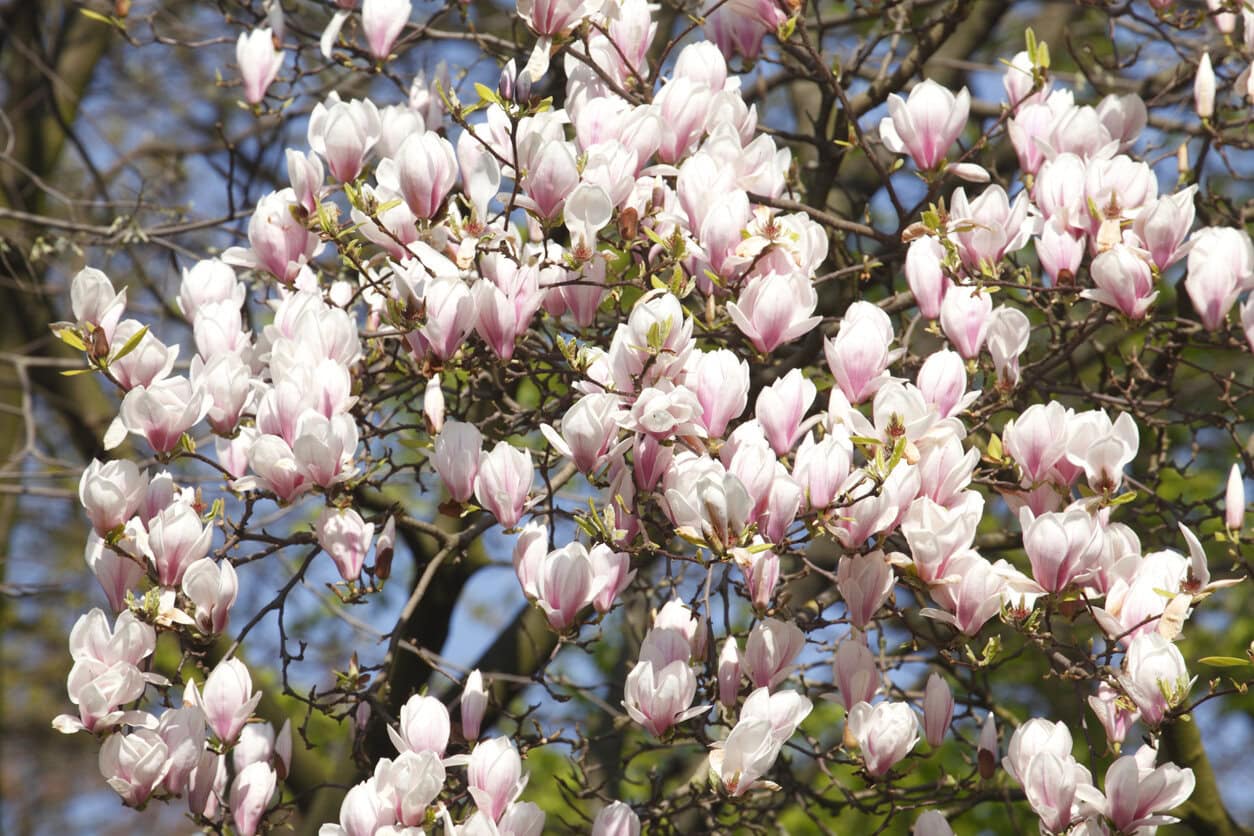
Expect big, stunning cup-shaped flowers, but success requires a highly specific amount of chill time, usually around 8 to 10 weeks. This plant is unapologetic, demanding respect for its elegant result.
Magnolia only cooperates if the buds are already fuzzy and swollen, bring them in too early and they’ll simply judge you.
9: Witch Hazel
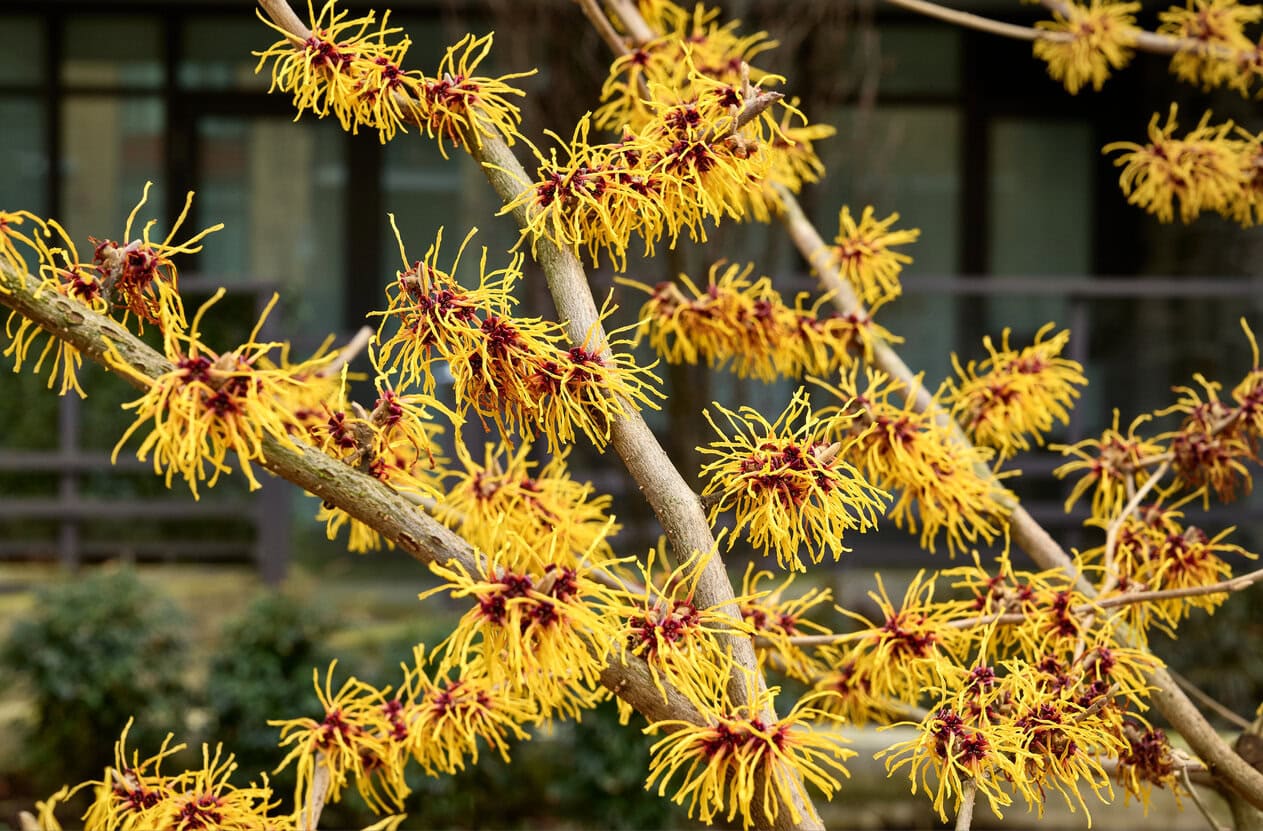
This unusual shrub blooms in the cold anyway, giving you strange, spidery flowers for a unique winter display. It is the odd yet charming rebel who enjoys ignoring the calendar rules. It blooms the second it crosses your doorway, it’s a winter rebel with zero patience.
10: Lilac
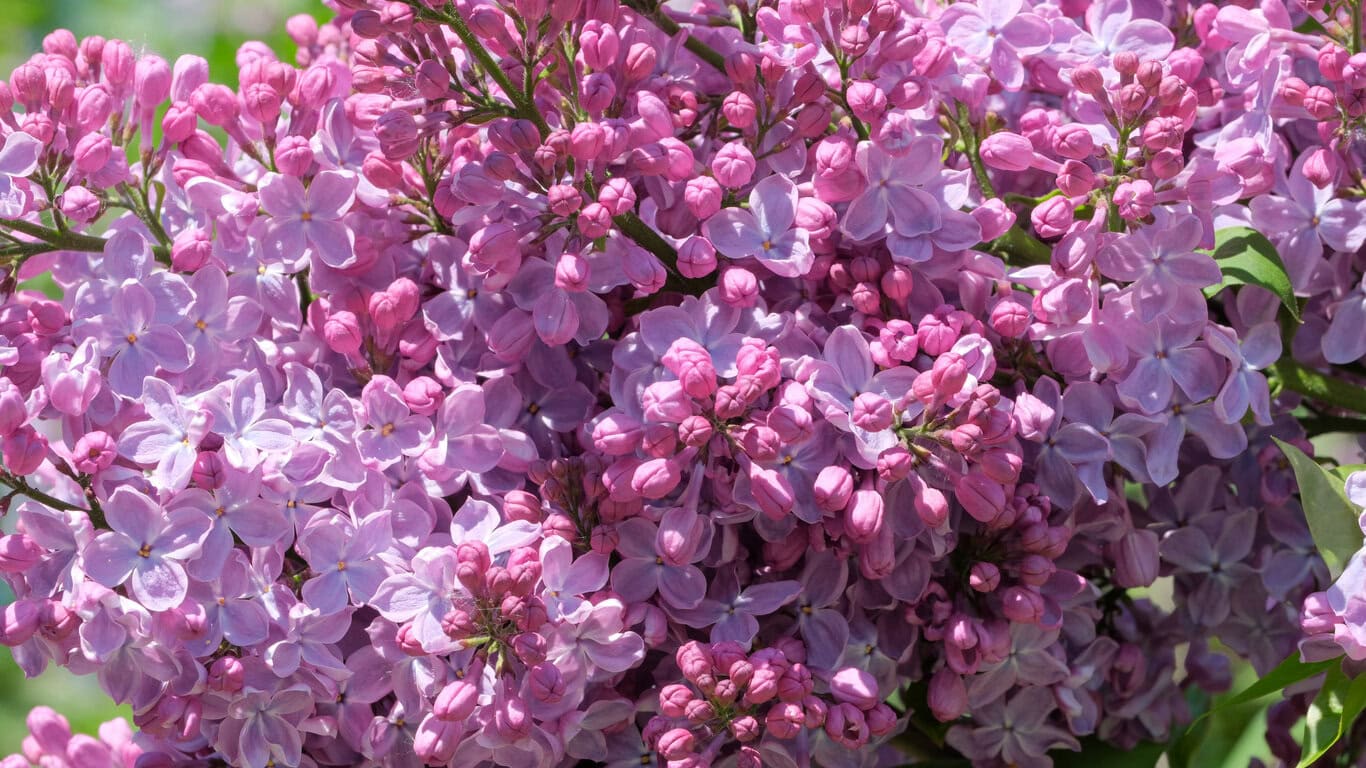
Possible to force indoors, but success demands more patience and cold exposure than others, about 10 to 12 weeks. This highly fragrant favorite is a moody challenge, but its famous clusters are the ultimate prize.
And if you’re hunting for even more winter bloomers, there’s a list of shrubs that flower in the dead of winter that you might enjoy exploring
How to Force a Bloom (Without Getting Arrested)
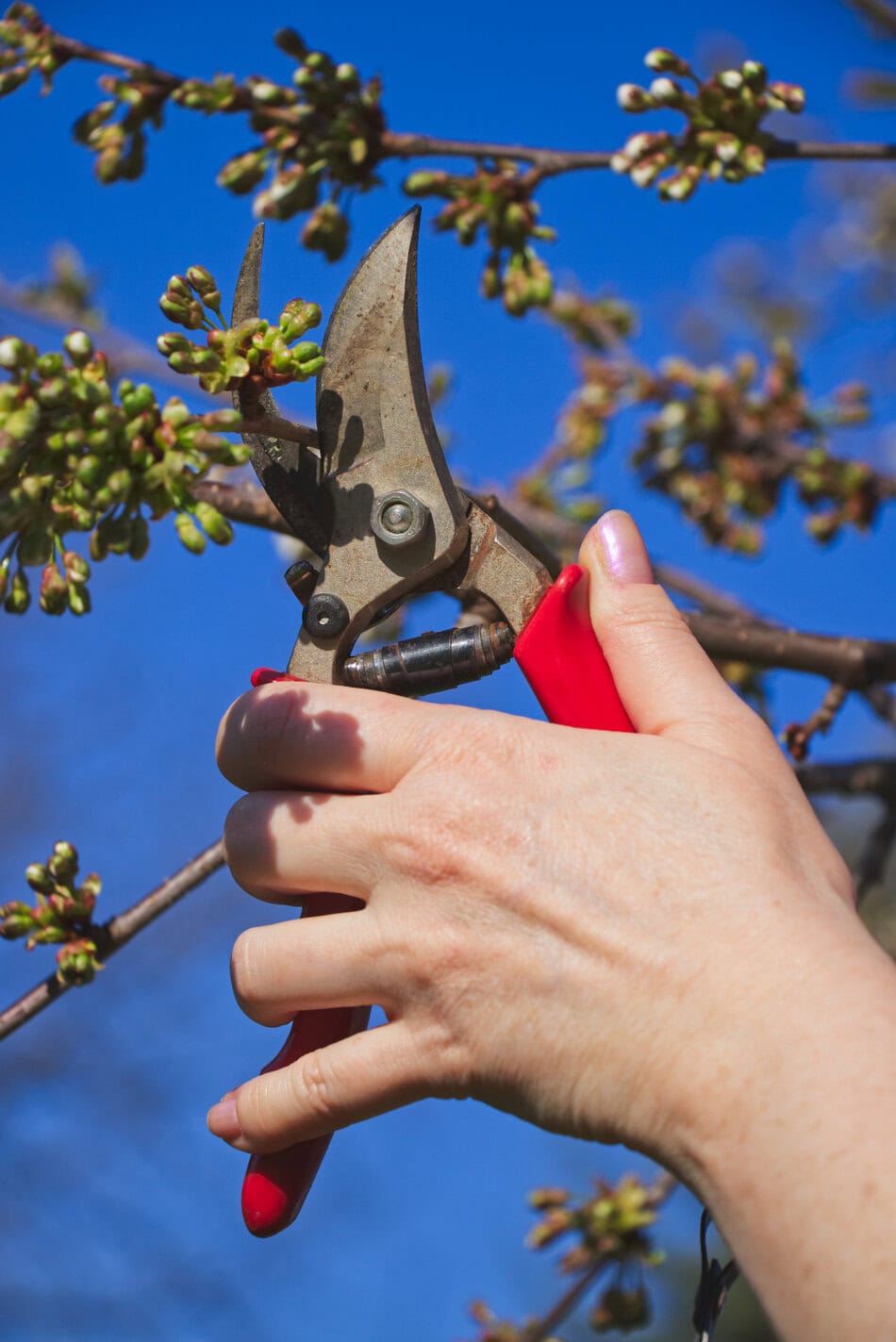
Stealing is wrong, of course, but borrowing a few limbs from your unsuspecting shrubs for the greater good of your home’s winter ambiance? That’s clever and endearing like Ocean’s Eleven. All you need is a precise strategy.
1: When to Strike
Do not rush the robbery! Your branches need enough of the cold, hard reality of winter (what our friends the botanists call chill time) anywhere from 6 to 12 weeks.
The best window for cutting is typically mid-January through late February. This timing works best for most USDA zones 5 to 8.
Hit too early, and the buds may just dry up. Look for a mild, above-freezing day because cold limbs do not like sudden and intense warmth.
2: Choose Your Target
Identify the prized buds. They look much rounder, much fatter than the skinny, pointy leaf buds you should ignore. Choose branches between 12 and 18 inches long that you can remove without ruining the shrub’s perfect silhouette. Thin the plant, not join in global deforestation.
3: Making the Cut

You’ll need your sharpest pruners for a clean cut.
Gently crush the wood or make several vertical slices. It may sound aggressive, but this step allows the branch to drink water more easily, starting the magical process.
4: The Great Soak & Display
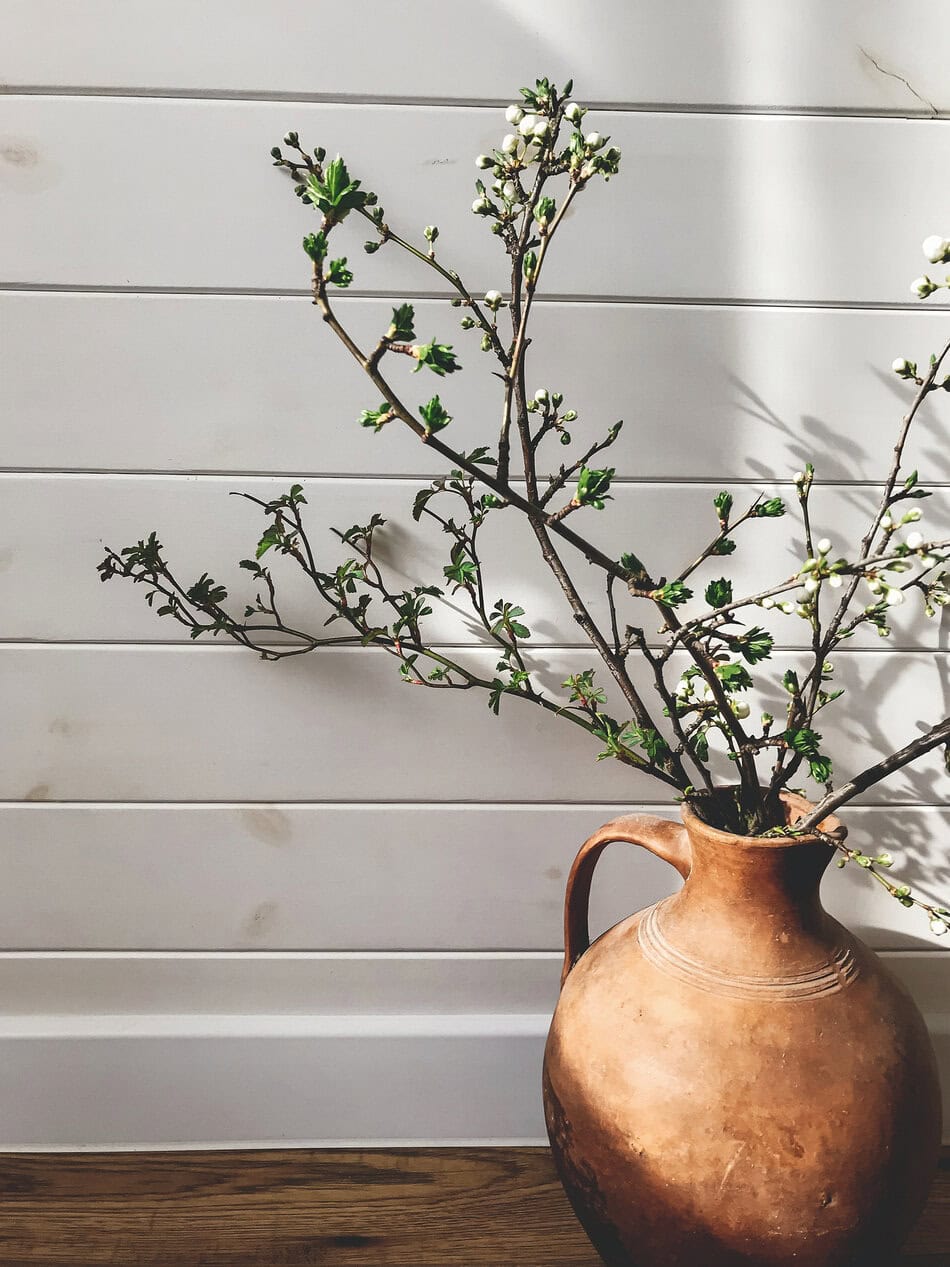
Let the wounded stems soak entirely overnight in cool water. When morning comes, move them to a tall vase. Fill the said vase with fresh water, making sure you change it every few days. Stale water is yuck.
Find a cool, bright spot like an unheated entryway. Maintaining a lower temperature is trick #3, forcing the buds into swelling.
A Toast to Seasonal Subversion
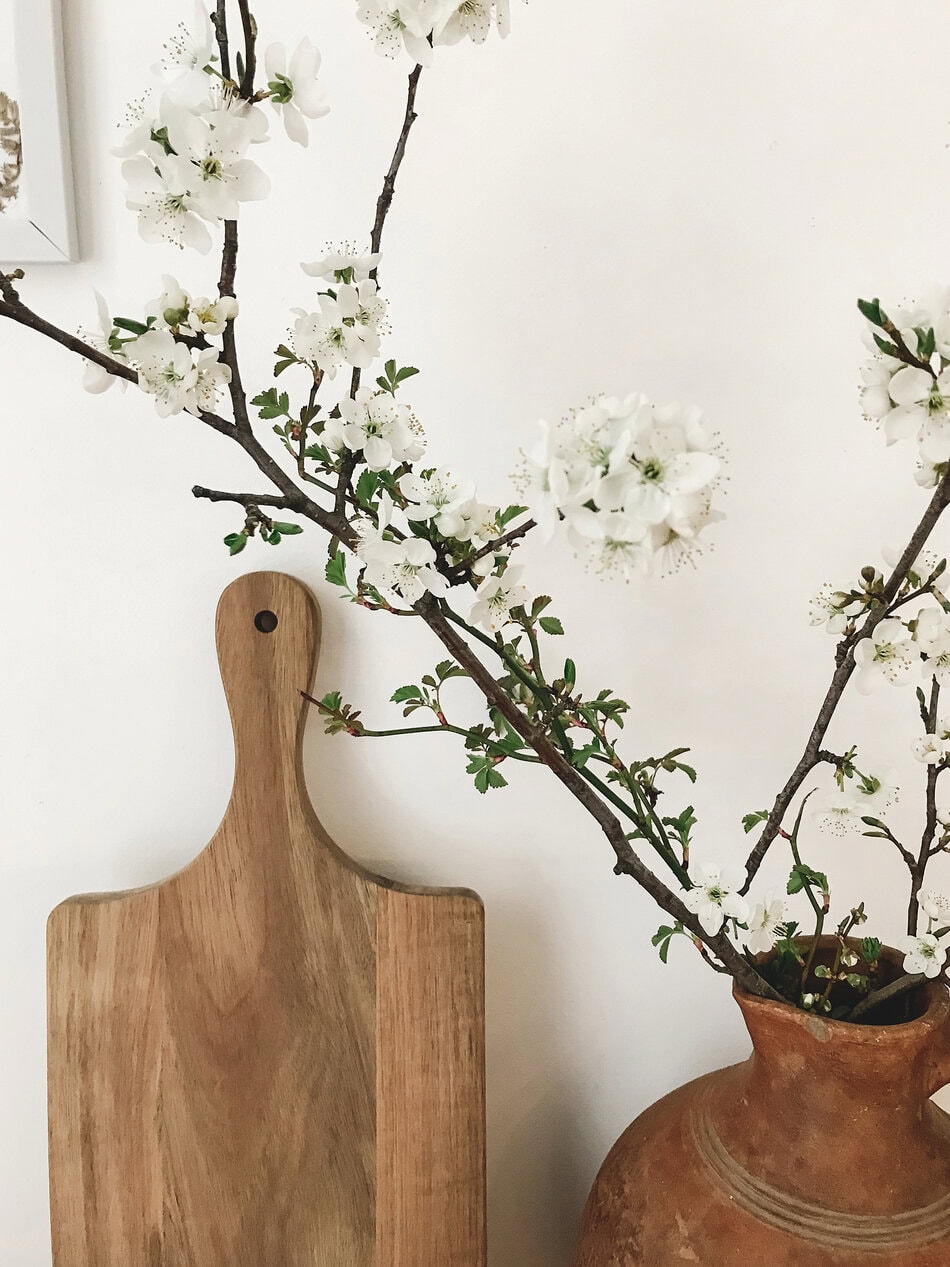
Forcing certain dormant branches indoors proves you merely need a sharp eye, a steady hand, and an appreciation for the dramatic reveal. Thank god that you also have this guide that makes winter a little less… wintry.