
Every fall, birds fly south for the winter, and so do shipments from smart garden centers. If you live up north, save this list for your spring setup.
But if you live in a mild-winter region, you’ve unlocked a secret bonus round of the growing season. November. All it takes is nine dependable, cool-weather nursery starts to give your garden a head start on spring.
In a colder zone? Don’t give up on spring color just yet! We also wrote a guide on 9 bulbs you can still plant in November, as long as the ground hasn’t frozen!
1: Pansies (USDA Zones 8-11)
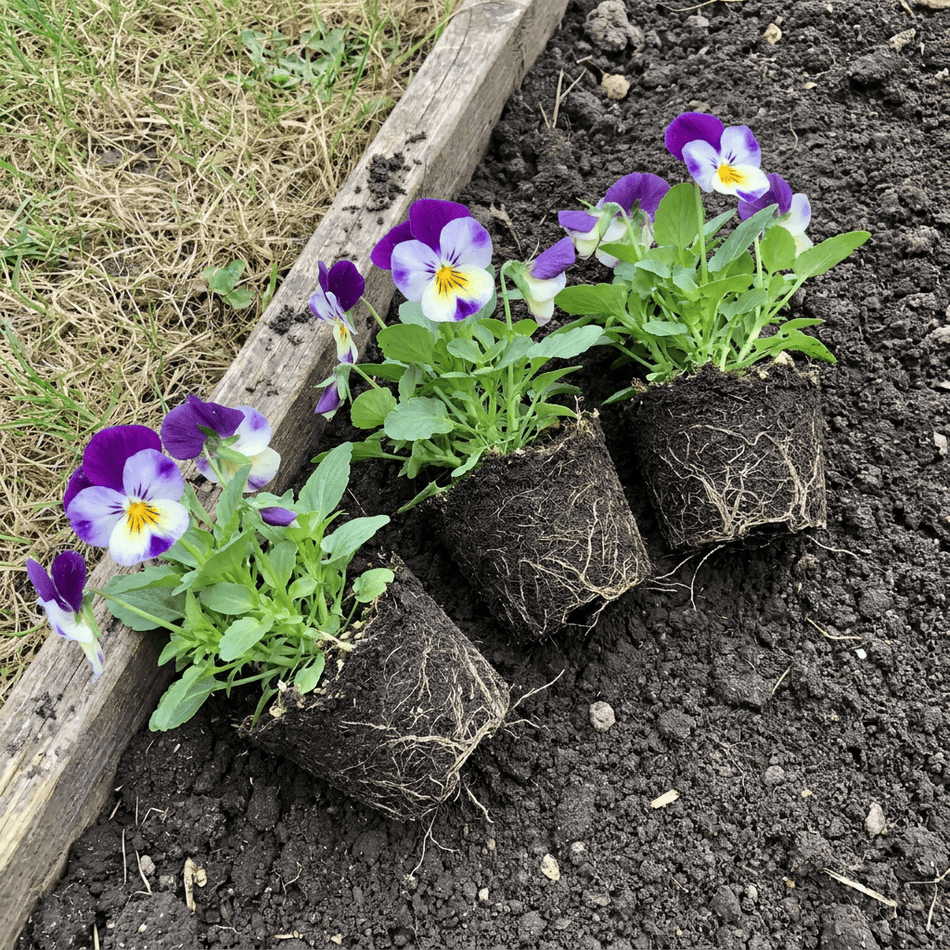
If you’ve watched a plant lose its mind after sitting in soggy soil, you’ve met the garden pansy. These tough monsters can casually shrug off overnight dips into the low 20s°F once established.
Skip gangly nursery plants stretching toward the light. Grab short, stocky brawlers with dark green leaves and plenty of unopened buds instead. Set them six to ten inches apart in full sun to partial shade.
Quick tip: Good drainage is a must. Underneath that velvet mask lies a zero-tolerance policy for waterlogged roots.
And if you want to keep those colorful faces blooming longer come spring, we also wrote a guide with 11 pansy care tips covering everything from watering to deadheading.
2: Violas (USDA Zones 8-11)
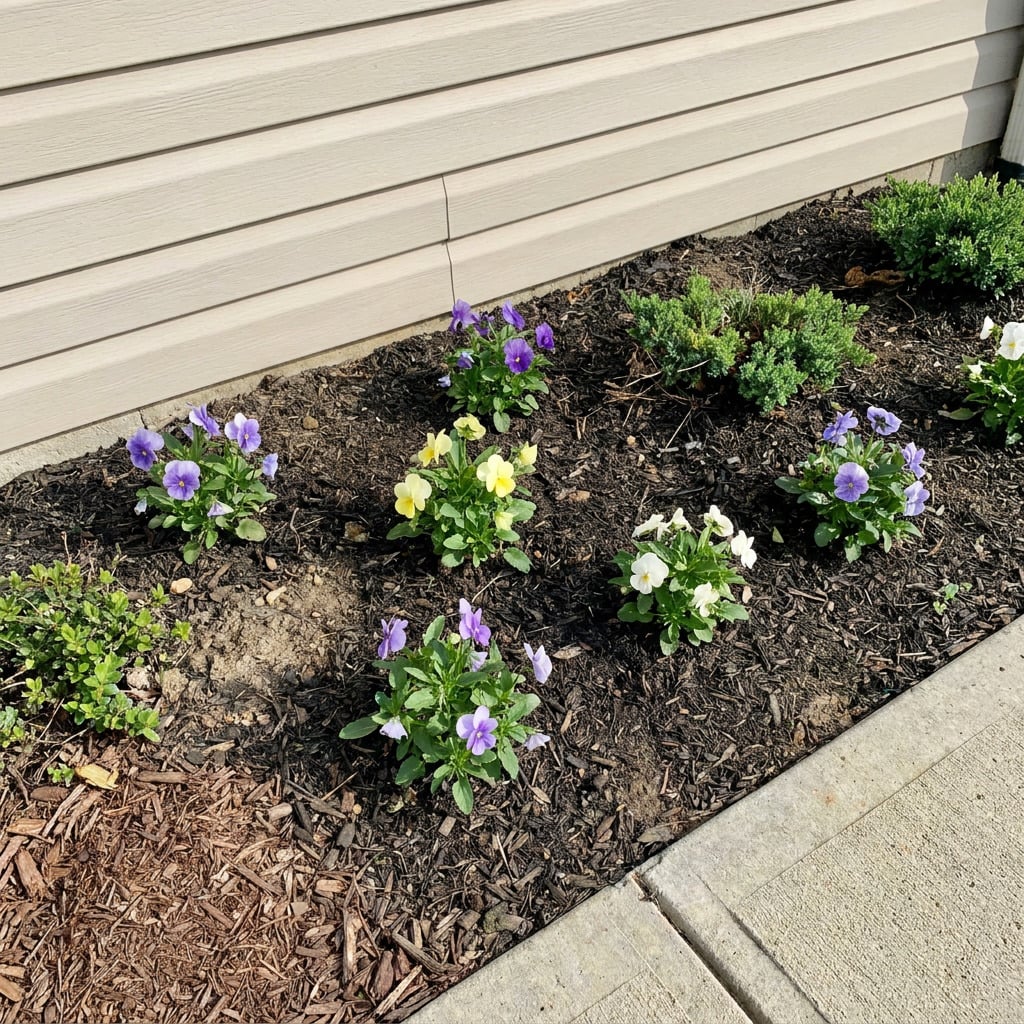
Can you name a tougher, smaller-flowered beast than the viola? These lovelies bounce back fast once temperatures rise.
Get healthy nursery starts into well-draining soil now, and come spring, they’ll pack dense clusters of one-inch blooms across compact mats, perfect for softening container rims or filling bed borders. You might even get a few winter flowers along the way.
3: Snapdragons (USDA Zones 8-11)
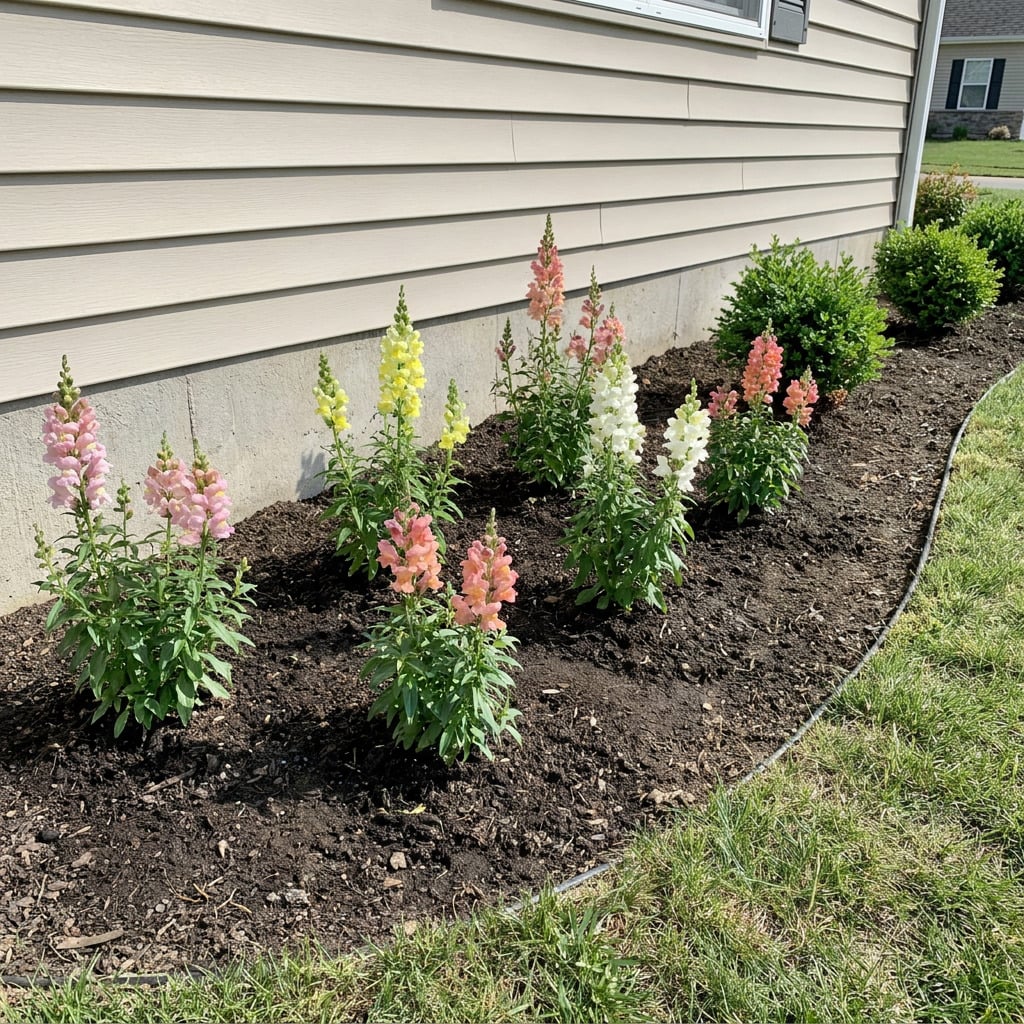
Flat garden beds, meet Snapdragons. They can fix anything with their vertical architecture, growing from six-inch dwarf tufts into three-foot flower spires that double as indoor cut flowers.
Snapdragons need six solid hours of direct sun to produce strong, colorful flower spikes. Give them well-draining soil, and watch those young transplants during unexpected temperature dips.
They need a few weeks in the soil to establish their roots before facing a serious freeze. Once settled in, they’ll handle brief dips to around 28°F, but prolonged freezing weather is another story.
And once those spring flower spikes start fading, we also have a step-by-step guide on how to deadhead snapdragons to encourage another round of blooms.
4: Dianthus (USDA Zones 8-10)
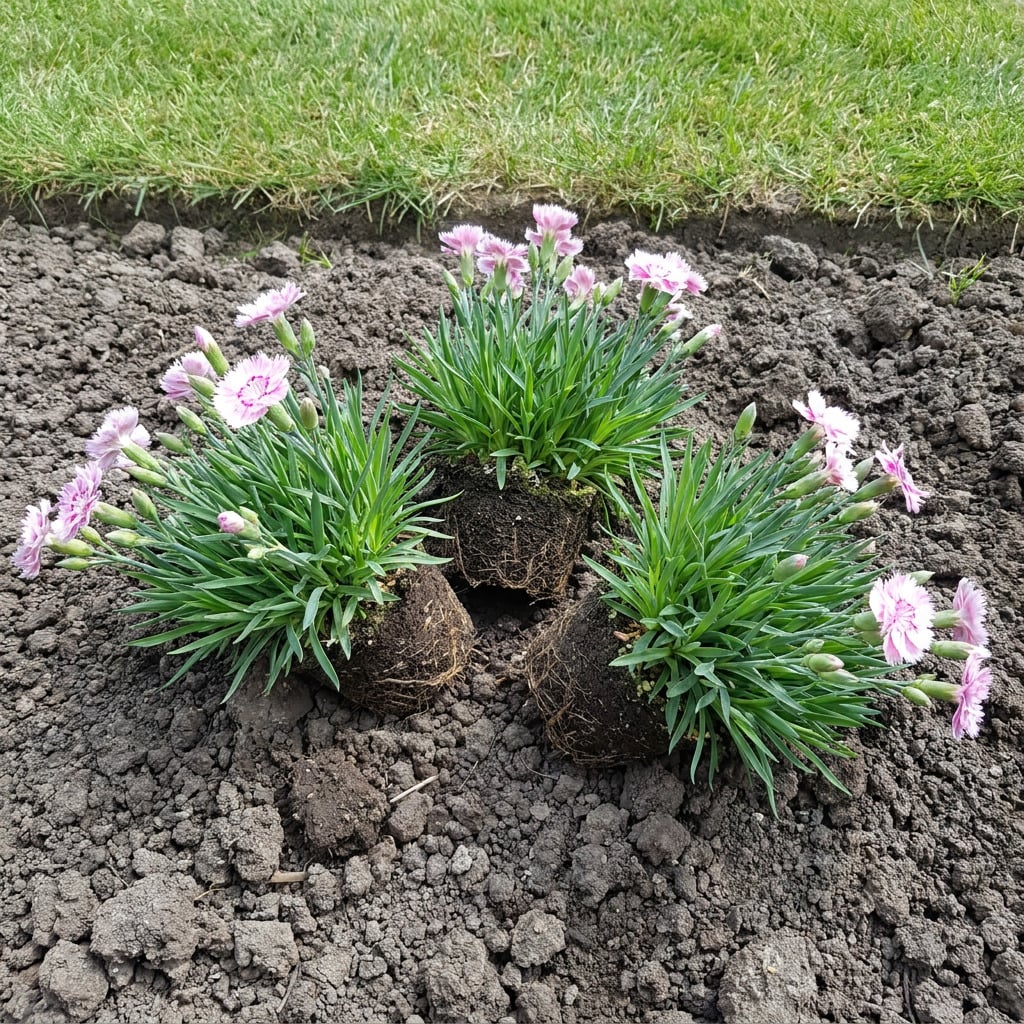
If you pink you can ignore soil chemistry, you’ve got another thing coming. Neutral to slightly alkaline ground that drains well. A spot baking in full sun. Treat dianthus (including sweet William and pinks) to soggy soil, they’ll flat-out rot.
For your cooperation, you get colorful, often clove-scented spring blooms and tidy green or blue-green foliage through winter.
Quick tip: Just keep snapping off old flower heads once blooming begins. With repeat-flowering varieties, it’ll keep the new buds coming until the heat of late spring.
5: Calendula (USDA Zones 9-11)
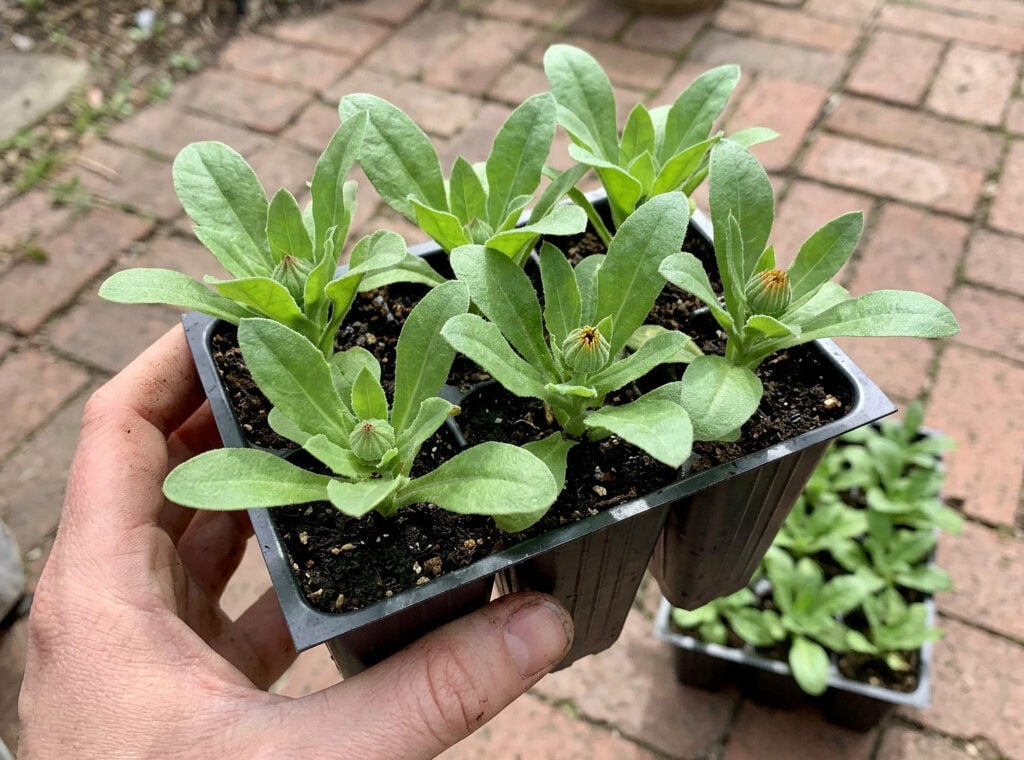
Calendula (pot marigold) thrives in mild winter ground, but it won’t babysit itself. Give nursery starts full sun and well-draining soil, and they’ll be ready to throw bright, thick flower heads come spring. You might even catch a few blooms before then.
Quick tip: Pinch off spent blooms weekly once flowering starts to keep the plant from putting all its energy into seeds. This encourages fresh flowers to keep popping. It’s an easy keeper, asking only for occasional watering and that quick walk-through.
6: Sweet Alyssum (USDA Zones 8-11)
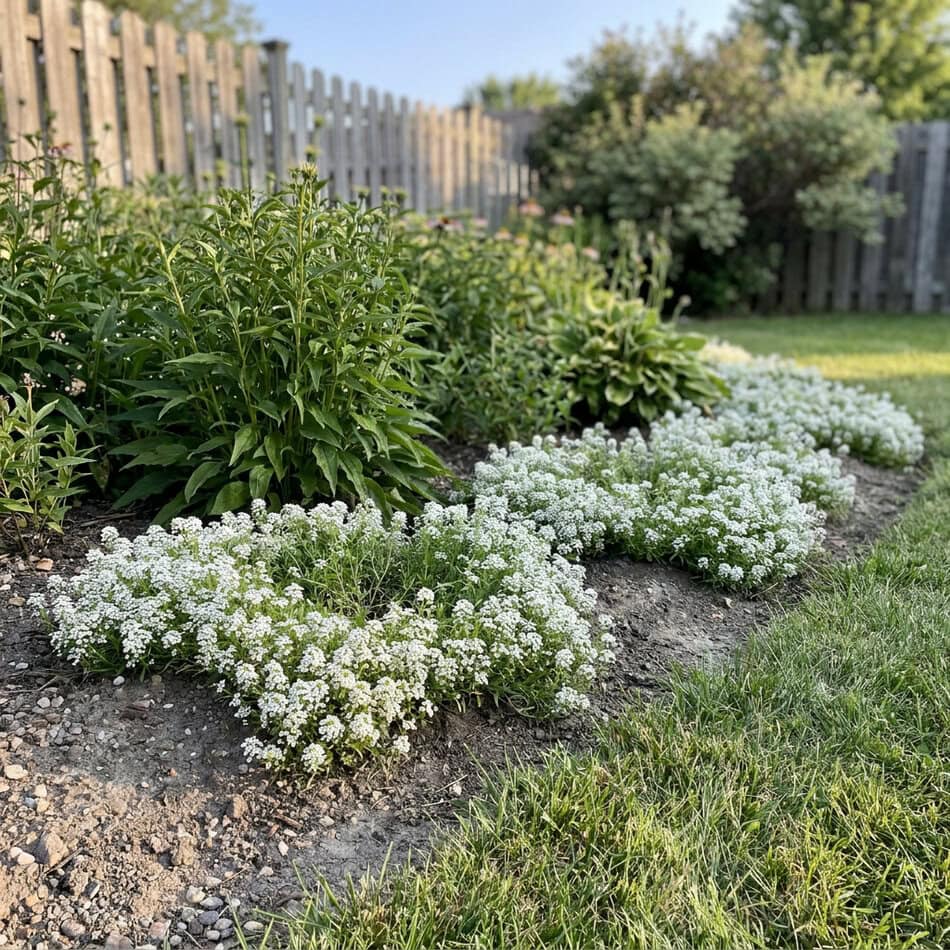
No more empty soil in your bed borders! Plant sweet alyssum now, and come spring, they’ll spread into a thick carpet of white and purple blooms that smells like a honey pot and helps crowd out weeds.
It’s not needy about light, thriving anywhere from full sun to partial shade as long as the ground drains. Established plants can handle light frosts, giving you months of fragrant spring color before summer heat arrives.
And there’s more to this little flower than good looks! We wrote a guide on why sweet alyssum makes such a useful companion plant, especially when it comes to attracting beneficial insects.
7: Stock (USDA Zones 9-11)

The scent of stock hits before you even see the flowers, if that’s even possible. Come spring, gillyflower’s dense clusters of red, white, pink, and purple petals throw a heavy clove and cinnamon aroma off sturdy 12- to 30-inch spires!
Quick tip: These cool-weather beauties tolerate light frosts, but hard freezes can damage young plants. Keep frost cloth handy while they settle in for their fragrant spring display.
8: Petunias (USDA Zones 8-11)
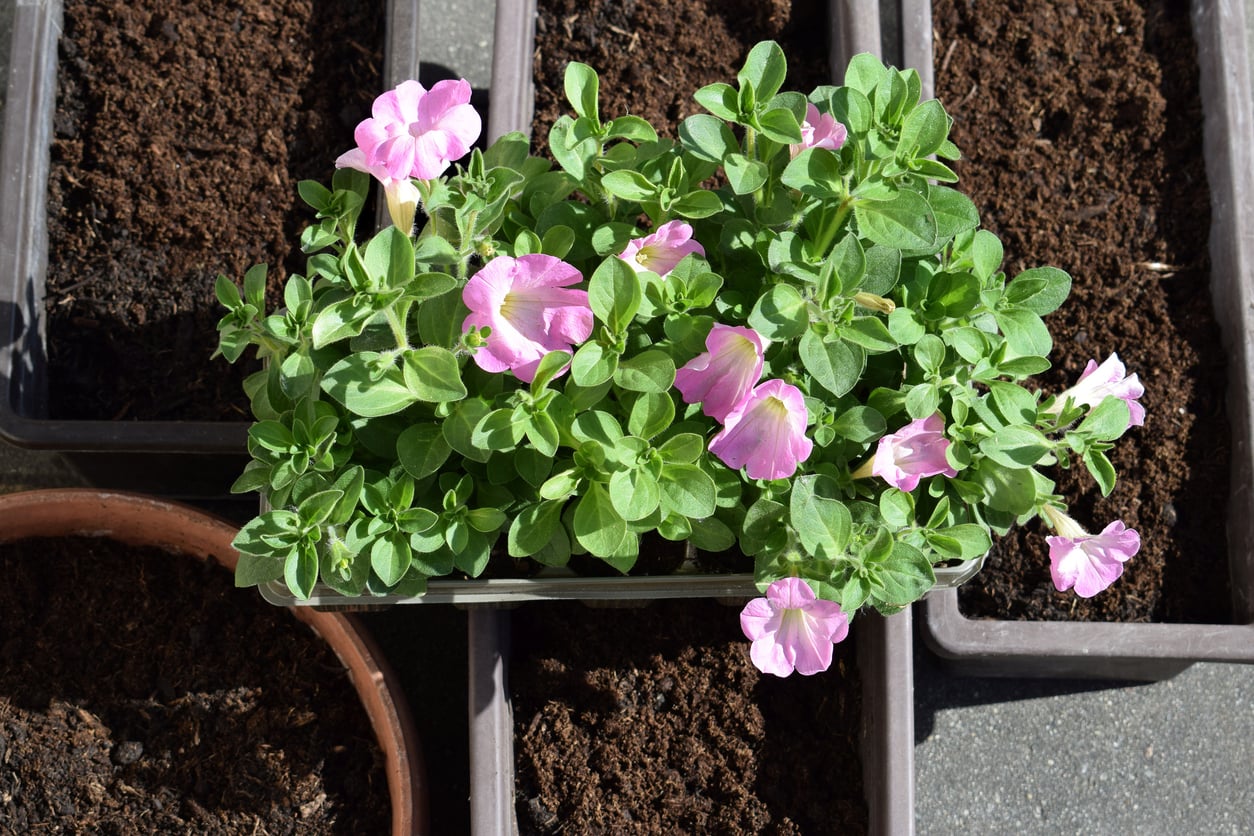
Do not attempt planting petunias in a northern garden in November unless you like watching your money freeze. Then turn to slime. Then die.
In mild-winter regions, though, petunias are your secret fall weapon. Cool weather helps them settle in and build strong roots for a spectacular spring display.
Full sun? Decent drainage? Occasional deadheading? They’ll keep pushing colorful trumpet blooms until the intense heat of early summer finally wears them down.
If you’re growing a traditional variety that needs a little extra attention, we also explain how to deadhead petunias for fuller, longer-lasting blooms in a separate guide.
9: Wallflowers (USDA Zones 8-10)
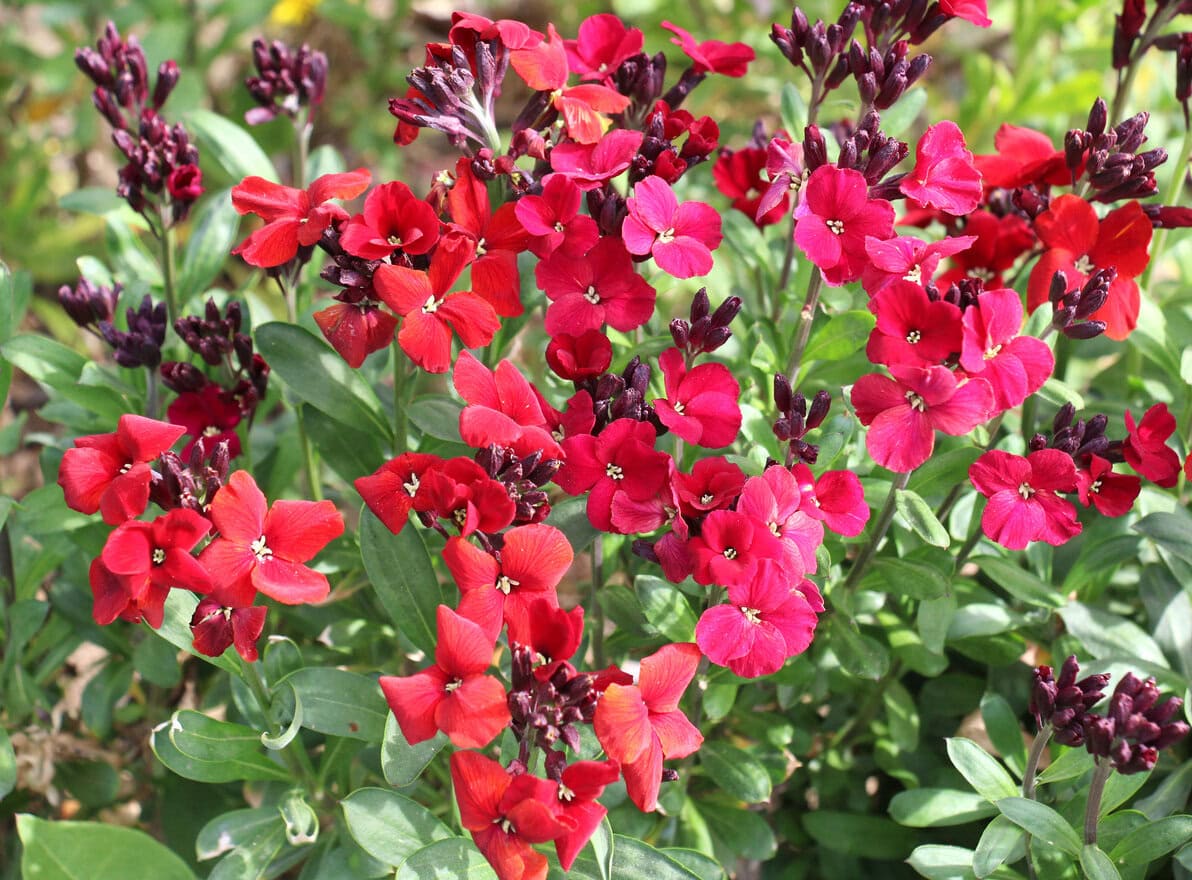
Wallflowers aren’t a one-size-fits-all deal. Hardiness varies so much across the genus that checking the tag on your local nursery bench is a must.
Once you’ve got the right cool-season type, plant it in November in full sun and free-draining soil. Give those roots time to settle in over winter, and they’ll reward you with clusters of rich yellow, orange, and purple blooms come spring.
Not planting nursery starts this November? We also put together a guide on 11 flowers you can sow in fall for spring blooms, with suggestions for different USDA zones. Some hardy seeds are actually better off waiting until after a hard frost!
Before You Dig
Don’t start digging blind. A few minutes of prep now can make all the difference come spring.
Get these basics right, and your November transplants will have a much better shot at a spectacular spring display.


