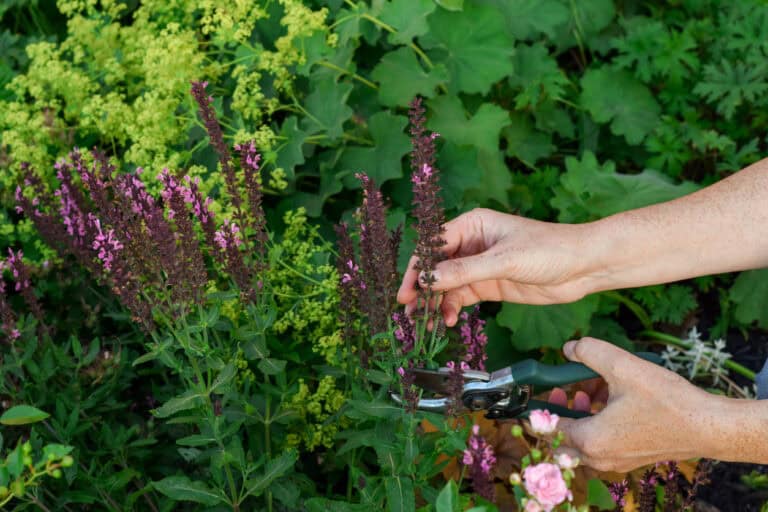
Is gardening season finished yet? November gives you another chance to raid your own yard for free hardwood cuttings. However, winter propagation is not for the impatient.
True, it doesn’t take long to sink six- to eight-inch pieces of wood into soil. But a free garden? It demands a price, and the currency is pure, unadulterated waiting.
Trimming and Waiting (Mainly Waiting)
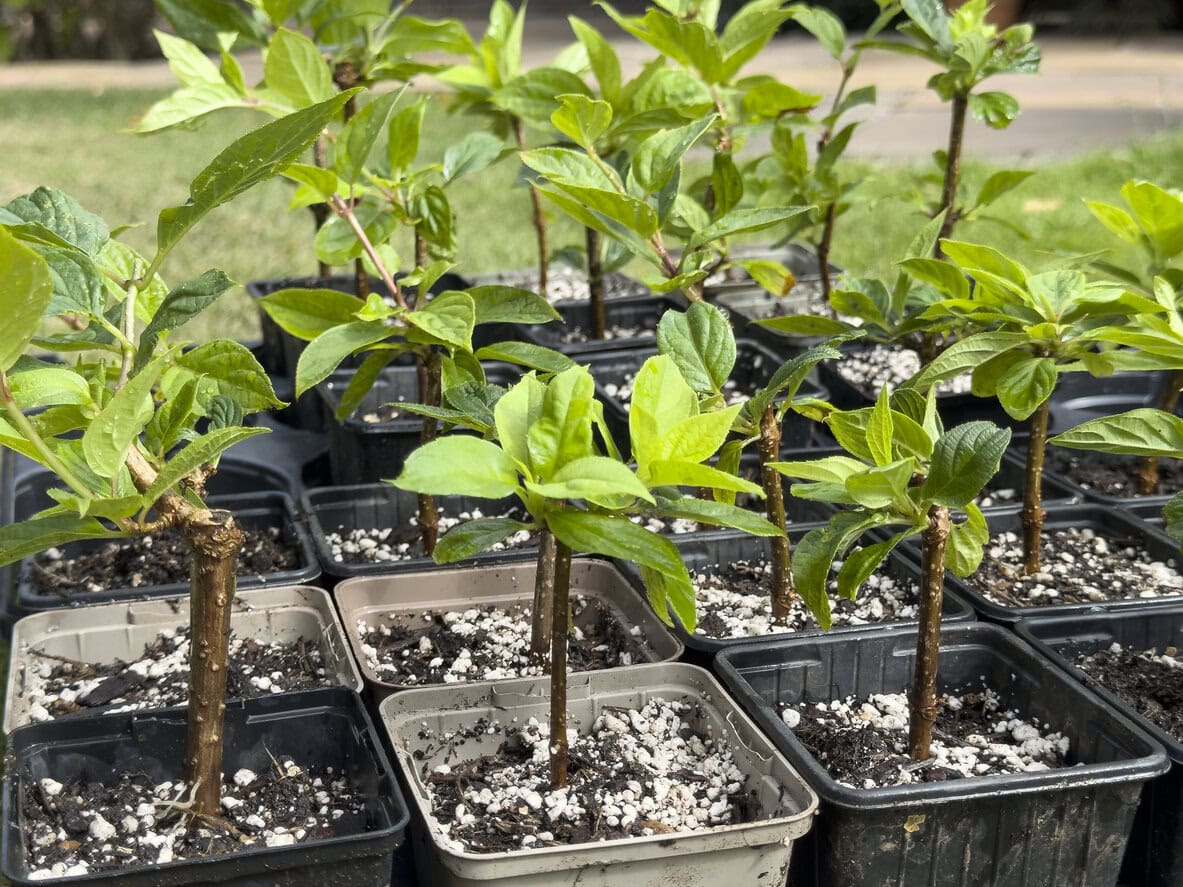
Once the leaves drop and your shrubs pass out for the winter, you can finally raid them without feeling guilty.
And then you wait… For months, very little seems to happen, testing your sanity all the way through January and February. By spring, you might be tempted to give a cutting a gentle tug and, gasp, feel some resistance.
1: Forsythia
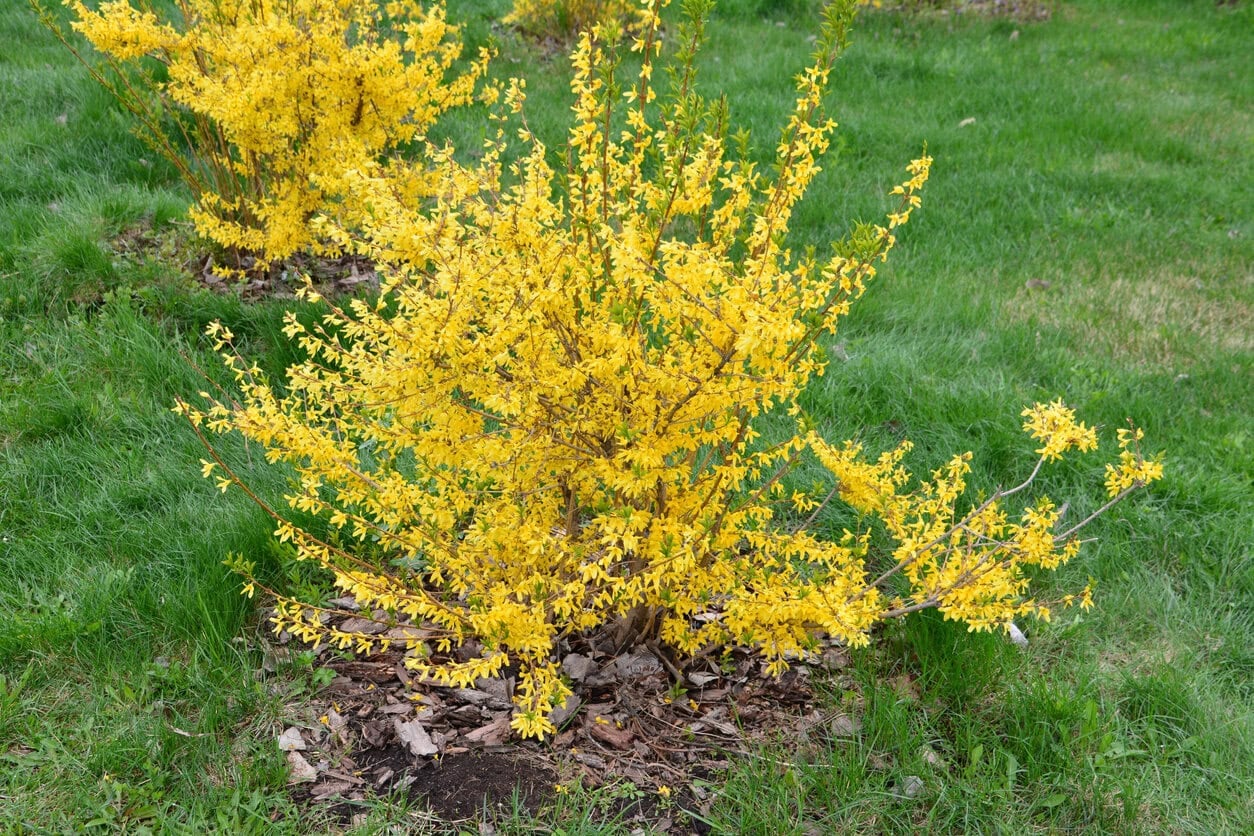
You can easily take forsythia hardwood cuttings in November, making this shrub ideal when your confidence needs a quick, cheap boost.
Snip six- to eight-inch sections from ripe, healthy shoots once the yellow leaves have dropped. Make your bottom cut just below a node and the top cut above a bud.
Bury the lower nodes in a well-drained rooting mix and firm it around each stem. Keep your cuttings sheltered from drying winter winds while they wait for warmer weather to start rooting.
Quick tip: Spread your snips across different branches because hacking away an entire stem cluster can steal part of your spring floral show.
2: Suitable Hydrangeas
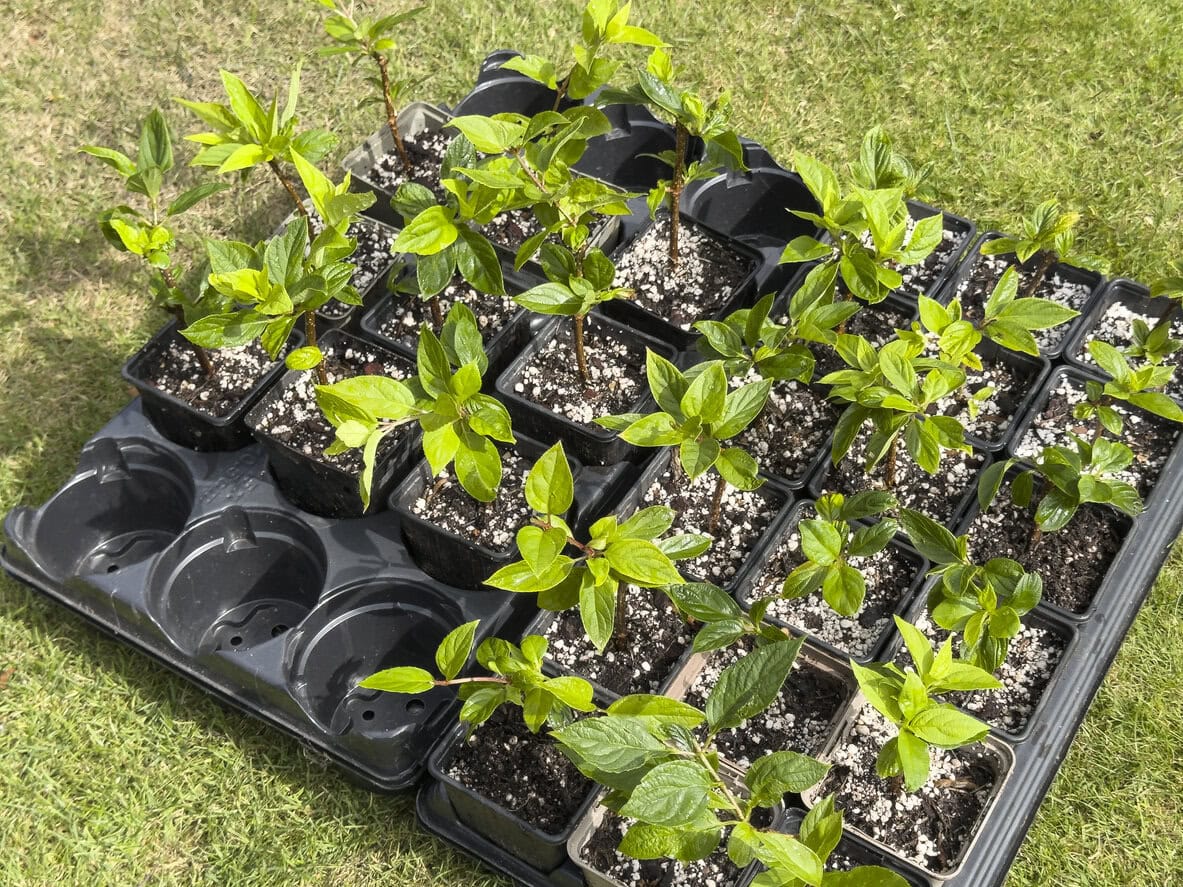
Treat November hardwood hydrangea cuttings as an experiment rather than a sure thing. Take plenty of extra stems because not every cutting will make it through winter.
I’ve had better luck with panicle types like Limelight. Bigleaf hydrangeas work too, but they’re easier to root from softer summer cuttings.
Snip six- to eight-inch sections of healthy, pencil-thick growth from this year, cutting just below a node. Toss the dead flower heads, dip the bases in rooting hormone, and bury the lower two-thirds in a moist, well-drained rooting mix.
Quick tip: Keep them in a sheltered spot where those pots can sit tight through winter.
We also wrote a step-by-step guide on how to propagate hydrangeas, covering both softwood and hardwood cuttings if you want to try your luck with either method.
3: Shrub Roses
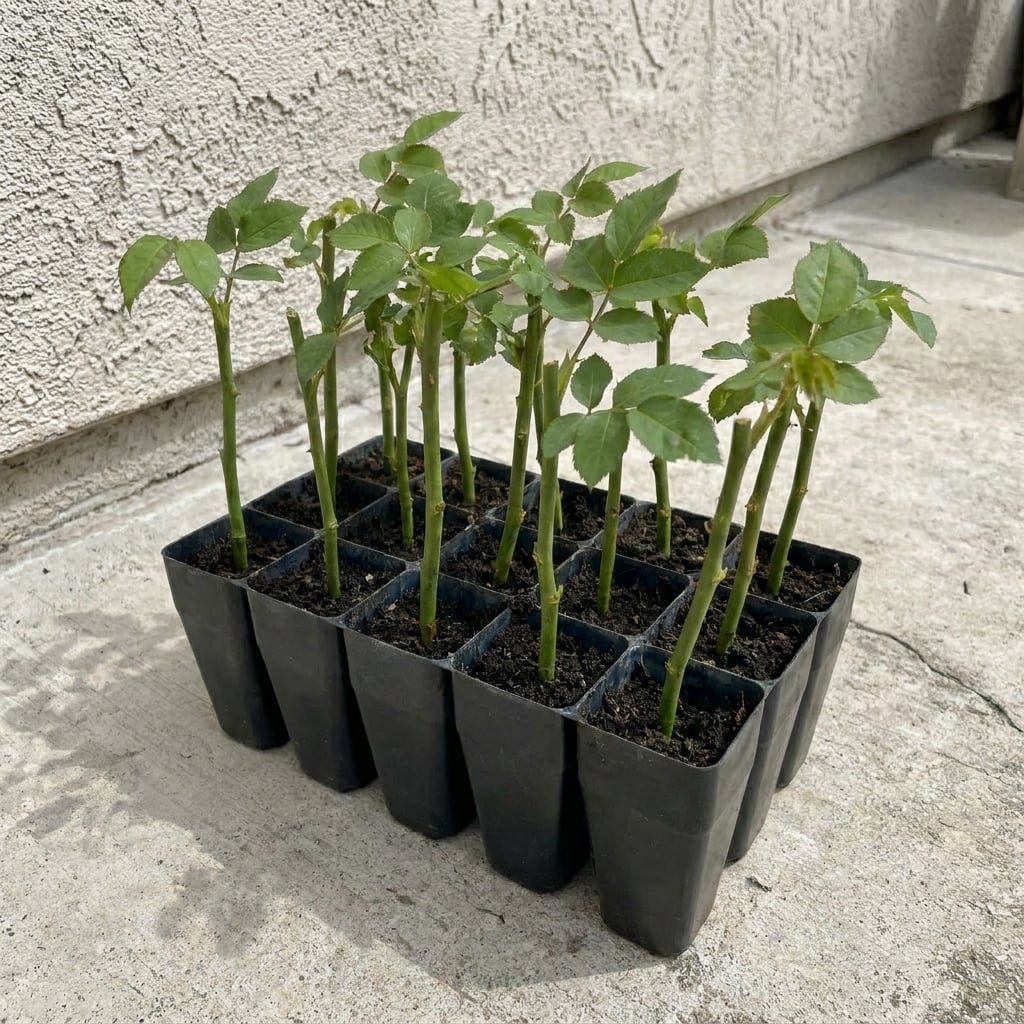
Expect slow progress with dormant rose stems. They rely on stored energy while callus forms and roots eventually develop.
Your best bet is cutting eight-inch lengths of firm, healthy growth from this year, making your bottom cut just below a node and the top cut above a bud.
Stick the lower two-thirds into a light, well-drained mix of coarse sand and perlite. Skip heavy, waterlogged compost that can encourage fungal rot over winter. Keep the mix slightly damp, never soaking wet.
Quick tip: Not every cutting will make it through winter, so take a few extras rather than betting everything on a single stem.
If you’d rather try your luck with leafy cuttings when the weather warms up, we also wrote a complete guide on how to grow roses from a single stem cutting, from choosing the right shoot to getting it rooted.
4: Spirea
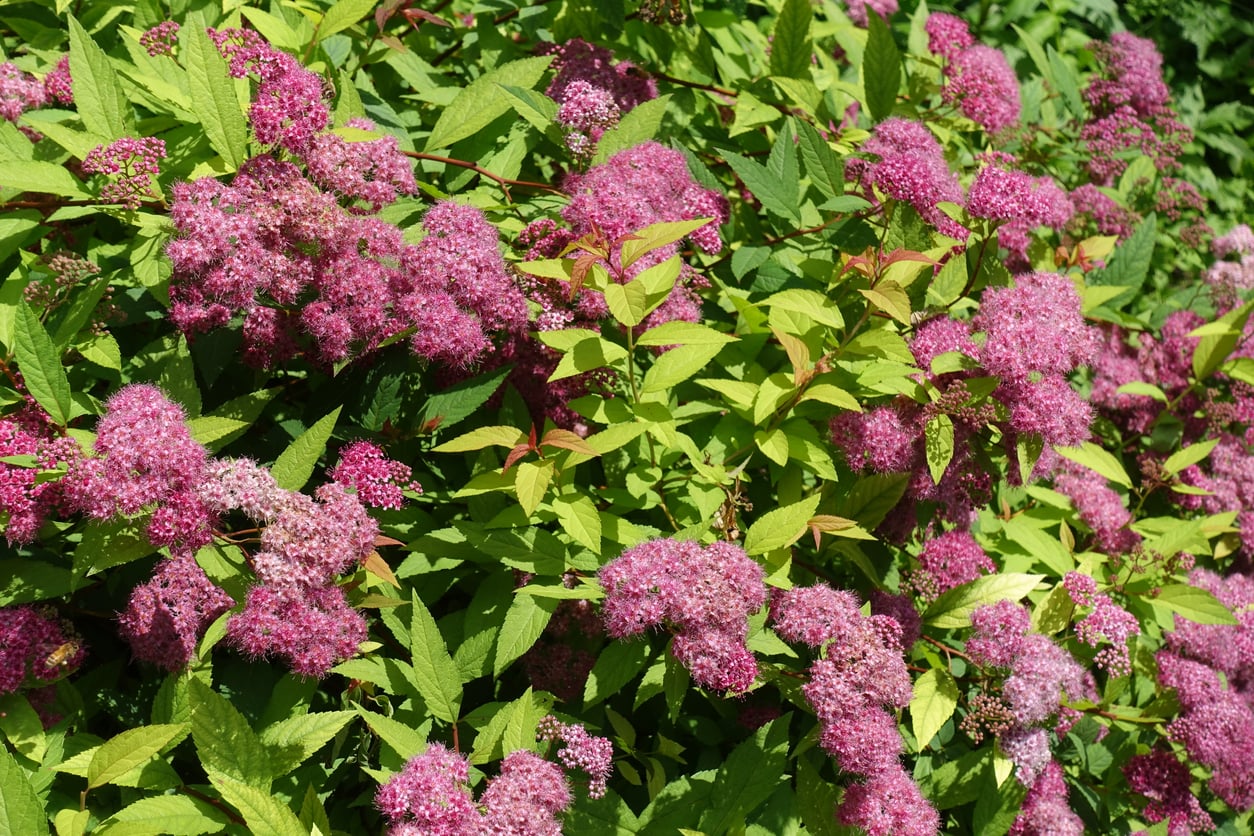
Bare spirea stems look like identical brown toothpicks once fall clears out the garden bed. But don’t grab just any twig. Skip the thin and weak tips.
Snip six-inch sections from healthy, firm growth from this year, making each bottom cut just below a node. Bury the lower two-thirds in a well-drained rooting mix and gently firm it around each stem.
Quick tip: Keep an eye out for frost heave as winter temperatures swing between freezing and thawing. If any cuttings get pushed upward, gently press the mix back around them so they stay firmly planted.
5: Rose of Sharon

Rose of Sharon doesn’t always get the memo that the growing season is over. Even after the leaves drop, those stubborn seed pods can cling to the bare branches for weeks. Ignore them and look for straight, pencil-thick shoots from this year’s growth rather than the thick, older wood.
Snip six- to eight-inch sections just below a node, removing any seed pods still attached. Dip the bases in rooting hormone and tuck them into deep pots filled with a well-drained rooting mix, burying roughly two-thirds of each stem.
Quick tip: Leave a couple of buds poking above the surface, and make sure those pots won’t sit in puddles every time November brings another downpour.
And don’t panic if your Rose of Sharon takes forever to wake up in spring. We actually included it in our guide to plants that look dead in spring but aren’t, because this shrub loves testing a gardener’s patience.
6: Red-Twig Dogwood
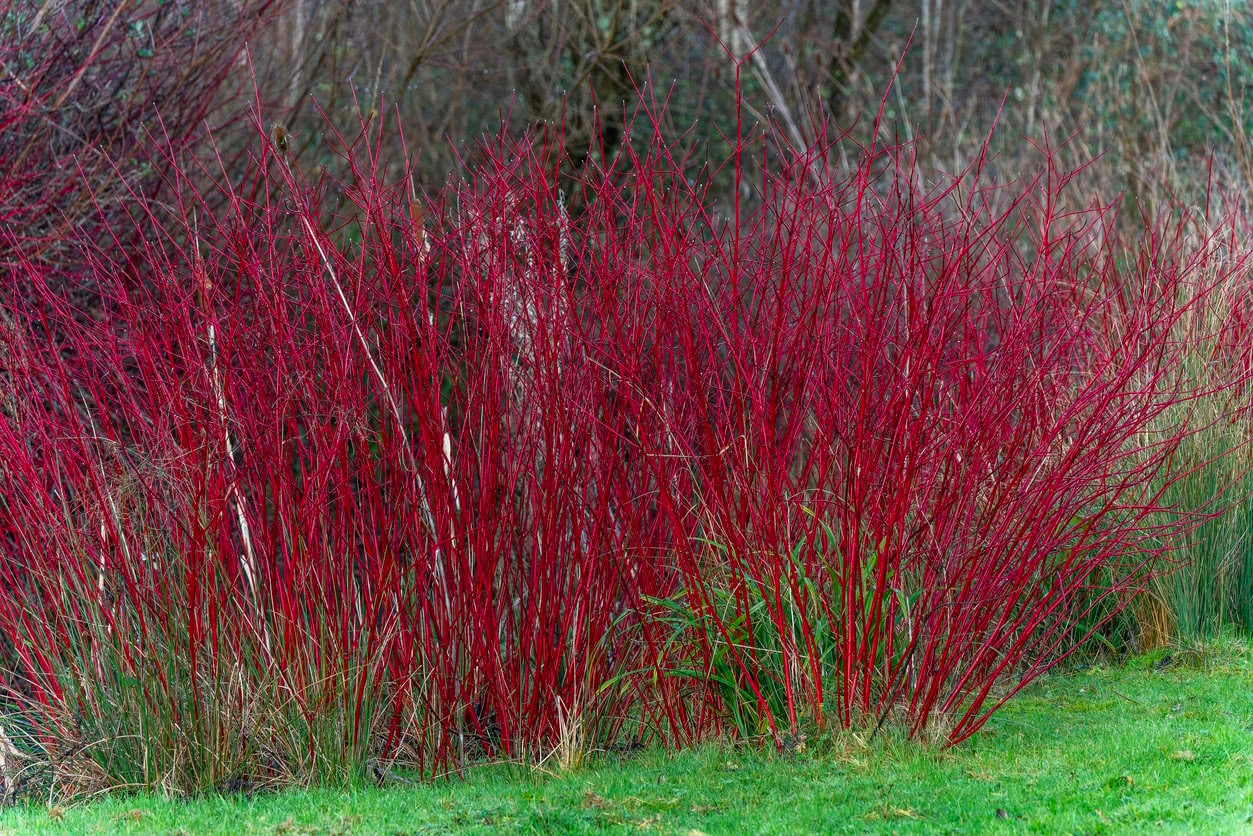
Those vibrant red stems might look too pretty to cut, but red-twig dogwood roots readily from dormant hardwood. The top buds may look dead to the world, but they’re simply sleeping.
Snip eight- to ten-inch sections from straight, pencil-thick stems. Pay attention to orientation so your angled cuts stay just above a bud and flat bases just below a node.
Bury the lower two-thirds, leaving a few buds exposed. Use a clean, coarse-grit mix to let excess water drain away naturally.
7: Elderberry
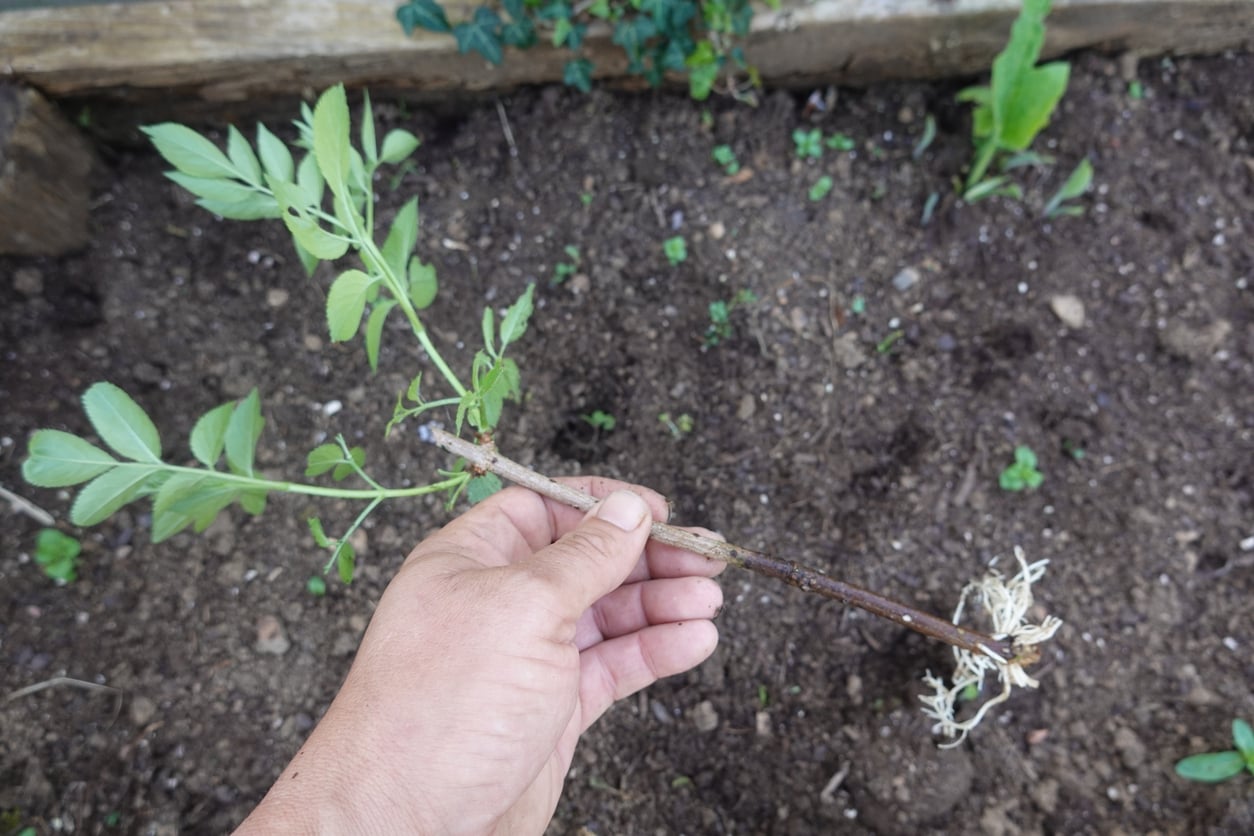
Fat elderberry stems can root surprisingly quickly once temperatures warm, but don’t expect visible roots by early March.
Cut seven- to eight-inch sections from straight, pencil-thick canes that grew last summer, making your bottom cut just below a node.
Bury the lower one or two nodes beneath the soil line, leaving the upper buds exposed. There’s no need to hunt down three pairs of nodes on every stick. A healthy cutting with two to four nodes is plenty.
Quick tip: Give these vigorous growers five to seven feet of elbow room in the landscape because established shrubs can throw up enough new canes and suckers to crowd their neighbors.
Thinking about turning those extra elderberry plants into a living screen? We also included American elderberry in our guide to fast-growing native privacy shrubs, along with eight other options worth considering.
Deep Freeze and Legal Ease
Seven different shrubs can look remarkably alike when all you’ve got are pots full of bare sticks. Label your cuttings now, unless you fancy playing a guessing game when spring rolls around.
If you garden somewhere with brutal winters, tuck those pots into a sheltered cold frame or an unheated garage during severe freezes. Check the rooting mix occasionally so it doesn’t dry out, and don’t mistake the first green buds for a fully rooted plant.
One last thing before you get too enthusiastic with those pruners. Check whether your shrubs are protected by active U.S. plant patents. Propagating patented cultivars without permission can get you into legal trouble, even if you’re only making a few extras for your own backyard.