Perhaps it’s the Halloween mood talking, but there’s something darkly beautiful about a garden that looks a tiny bit… decayed.
We chop, we rake, and we shave perennial beds down to shivering soil. No more. Step away, Scissorhands! Brew something warm, dark, and spicy, and embrace your magnificently blackened stems.
10 Perennials To Keep Your Pruners Away From This November

1: Creeping Phlox
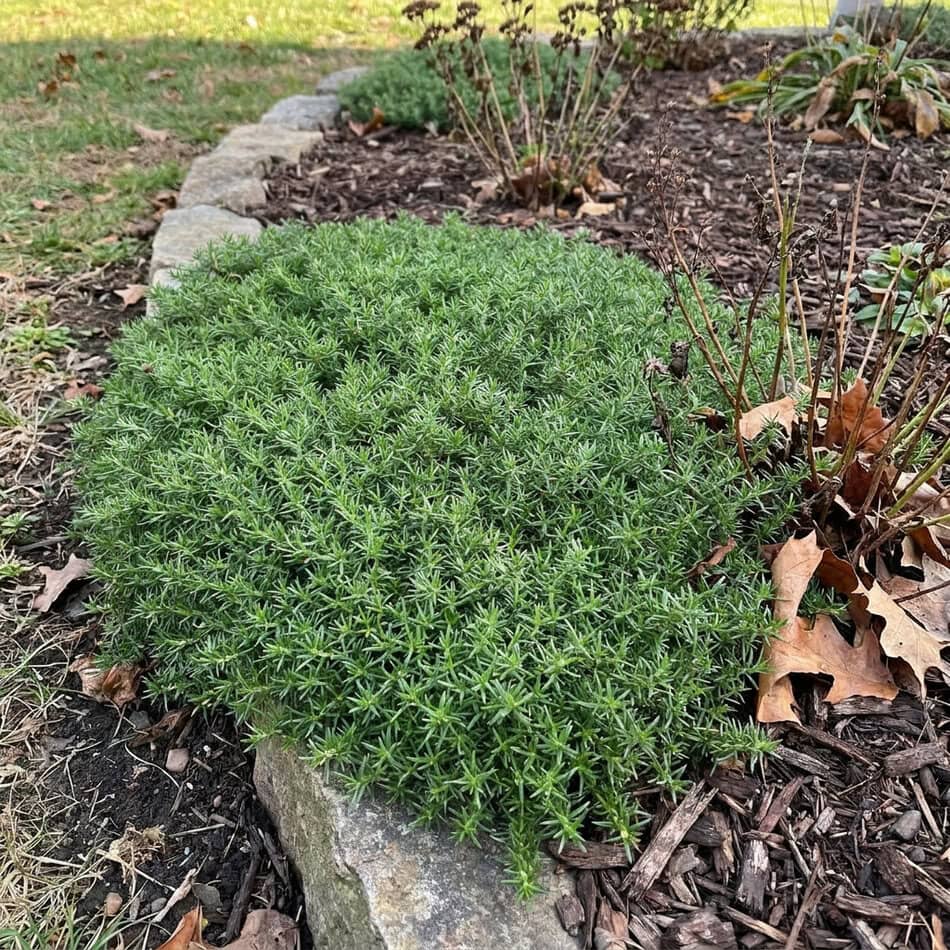
That shaggy green carpet spilling over your garden borders isn’t begging for a November buzz cut. Creeping phlox might have finished flowering, but its needle-like foliage is still very much alive.
Shear it down now, and you risk sacrificing some of next spring’s spectacular pink, purple, or white blooms. Not exactly the spring surprise you wanted.
Leave that evergreen carpet alone through winter. If it needs a haircut, wait until the flowers fade next spring.
Still itching to use those pruners? Don’t worry, we wrote a guide on 9 perennials you can actually prune in November when conditions are right.
2: Coneflowers
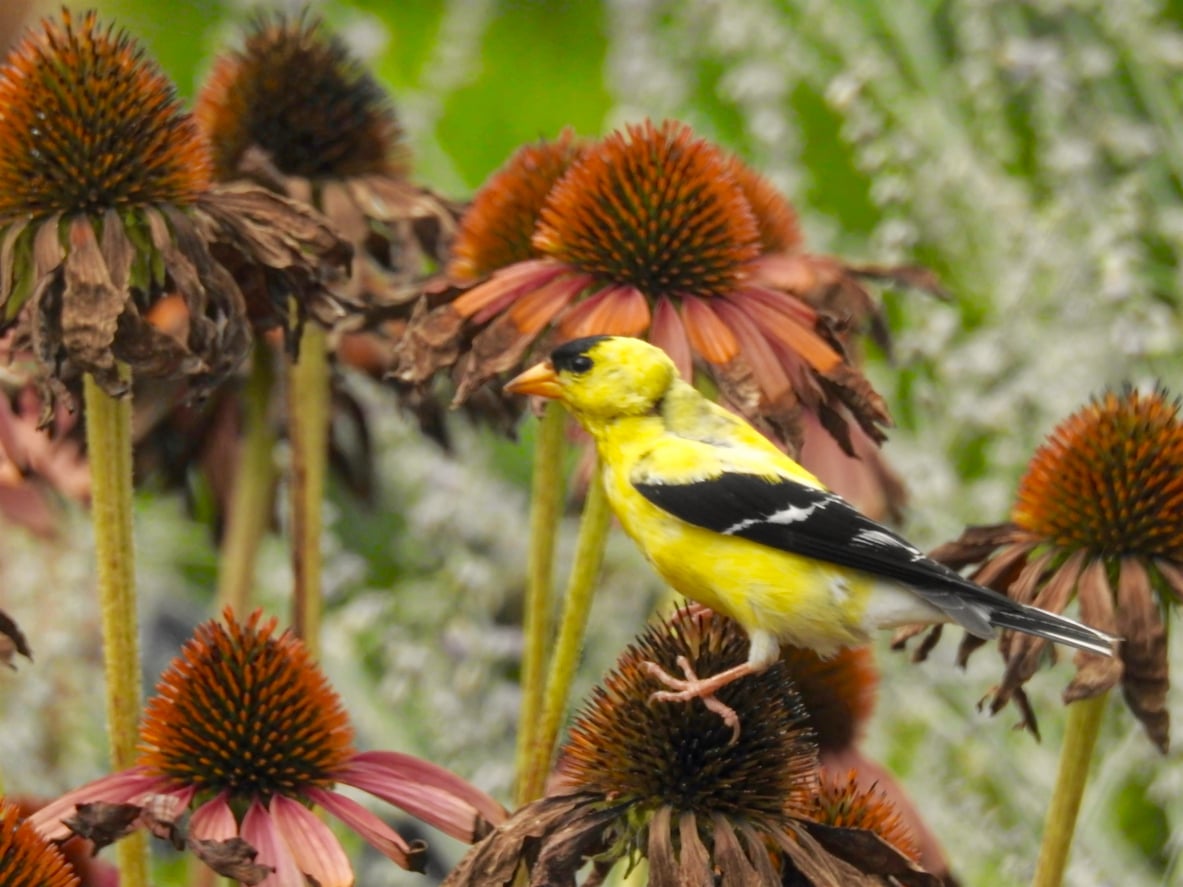
Goldfinches and sparrows feast on those spiky seed heads throughout winter.
Snip purple coneflower stalks, and you commit two quiet crimes. You rob birds of winter food and remove potential nesting sites for native solitary bees.
Don’t worry, established Echinacea purpurea handles freezing winters just fine. It’s soggy soil, not freezing temperatures, that should worry you
Still wondering which plants deserve a November haircut? We wrote a guide on what to cut back and what to leave standing in your garden this month.
3: Black-Eyed Susan
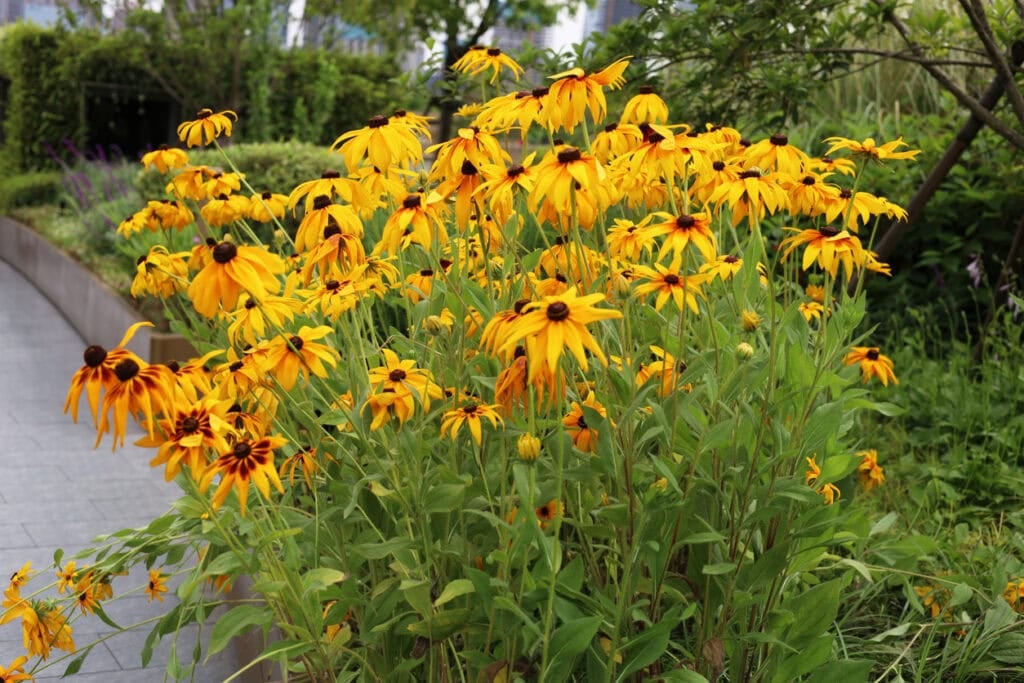
Dead stems are NOT a sign you’ve negleced your Black-Eyed Susan. Sparrows and finches strip seeds from those dark cones when winter shuts down much of the garden buffet.
Furthermore, keep your pruners away from that tight rosette of basal leaves hugging the soil. On perennial Rudbeckia, those leaves can stay green through winter. Let its living armor be.
4: ‘Autumn Joy’ Sedum

Obsidian umbrellas. Rigid stalks. You can’t deny their eerily architectural silhouettes in an otherwise empty landscape. But no-prune-in-November policy goes beyond pretty gardens.
Those dried flower heads give small birds a place to perch and pick at leftover seeds. They also hold their shape beautifully through frost and snow.
Most importantly, keep your cold steel away from any new buds tucked around the crown.
Leave those stalks standing until late winter or early spring, then cut them back without damaging fresh growth.
And if those sedum clumps are getting crowded, we also wrote a guide on 11 perennials you can still divide in November, provided the weather and soil conditions allow it.
5: Garden Mums
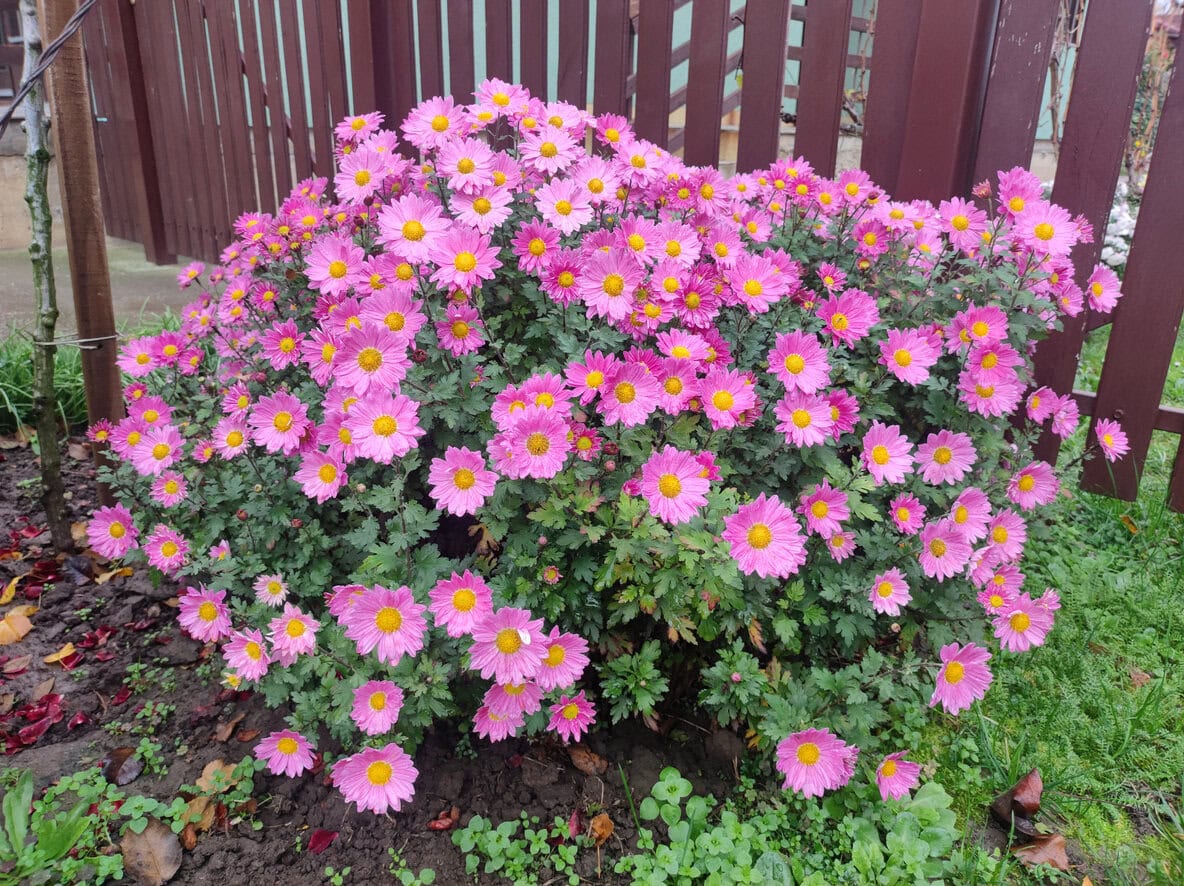
Florist mums areoften end up in the trash after Thanksgiving. But hardy garden mums play a longer game against winter. If only you’d leave those brown, withered branches intact through November.
The dead stems help catch snow and hold protective mulch around the crown. It’s DIY insulation, but don’t trust that brittle lattice alone. Once the ground starts to freeze, add loose straw or pine needles to protect those shallow roots from frost heaving.
Let the brown lattice stand guard until spring. Then clean it gently to expose the emerging growth without snapping the delicate green crowns underneath.
6: New England Aster
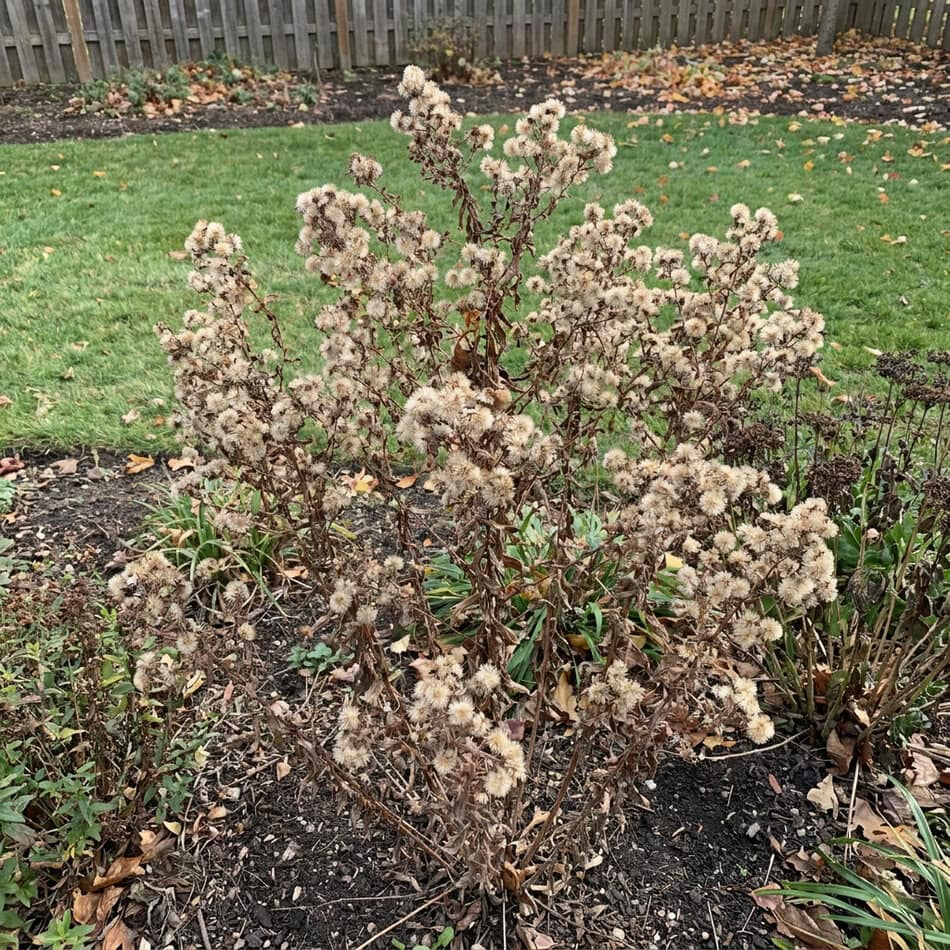
Aster stalks defy winter blizzards, catching fallen leaves around the crown. Sparrows and other seed-eating birds appreciate those fluffy seed heads when winter food gets scarce.
Leave the healthy stalks alone and let your garden keep its lovely, tufted winter silhouettes.
Cut everything to ground level, and you remove potential nesting sites for solitary bees come spring. Rake away the leaf litter, and you disturb other beneficial insects sheltering beneath it.
7: Joe-Pye Weed
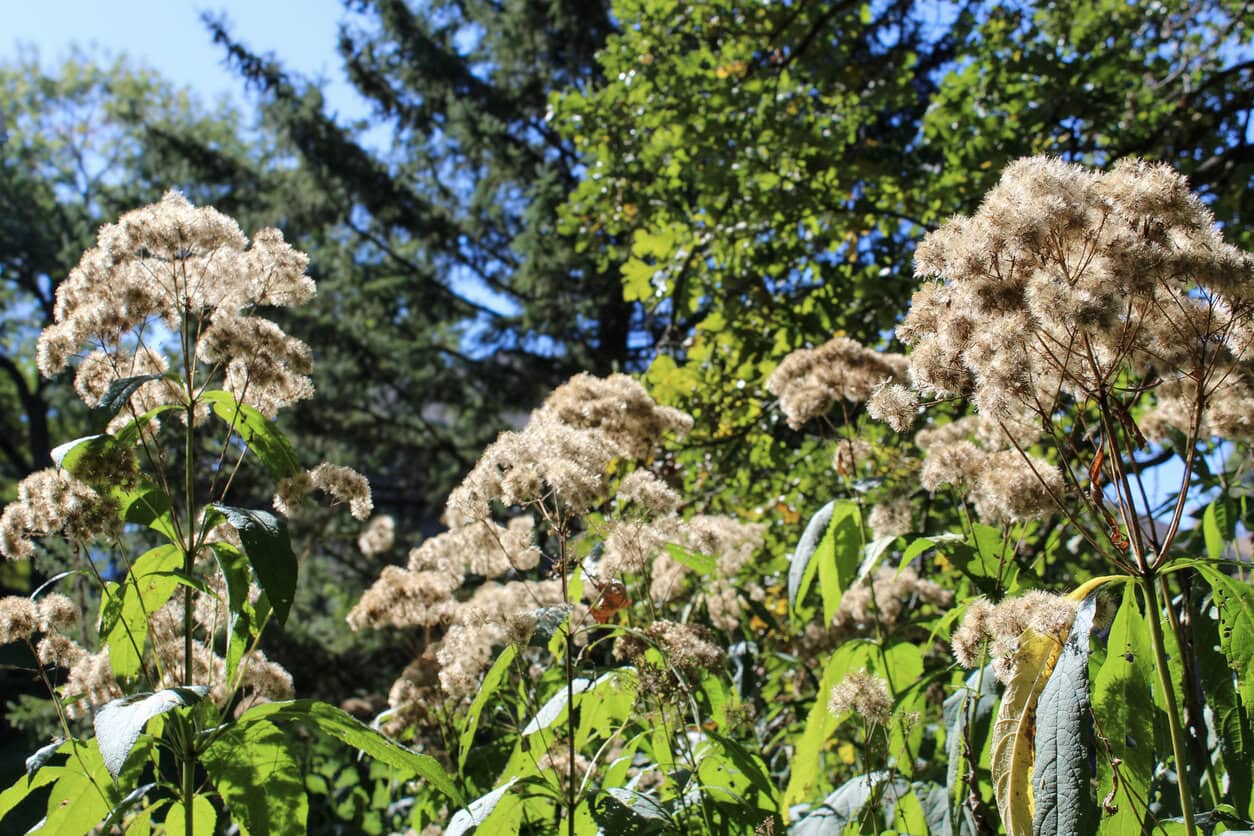
There are many misconceptions about Joe-Pye weed. First, despite its name, it’s a native U.S. wildflower, not some intruder you need to pull.
You might look at a seven-foot dead stem and see an eyesore. Small birds see lingering seeds and a perch above the snow.
Nearby plants benefit from leaves caught around the stalks. Native solitary bees may use those hollow or pithy stems for nesting once the ends are exposed. Don’t clean up what isn’t broken.
8: Hardy Hibiscus

Those enormous summer blooms have vanished, leaving nothing but tall, lifeless stalks. But don’t mistake your hardy hibiscus for a corpse that needs cleaning up.
The roots are resting safely underground, while those dead stems can provide valuable nesting space for native solitary bees.
Come spring, trim the stalks back, leaving some 12- to 24-inch stubs for nesting bees. The plant will produce fresh flowering stems anyway.
9: Goldenrod
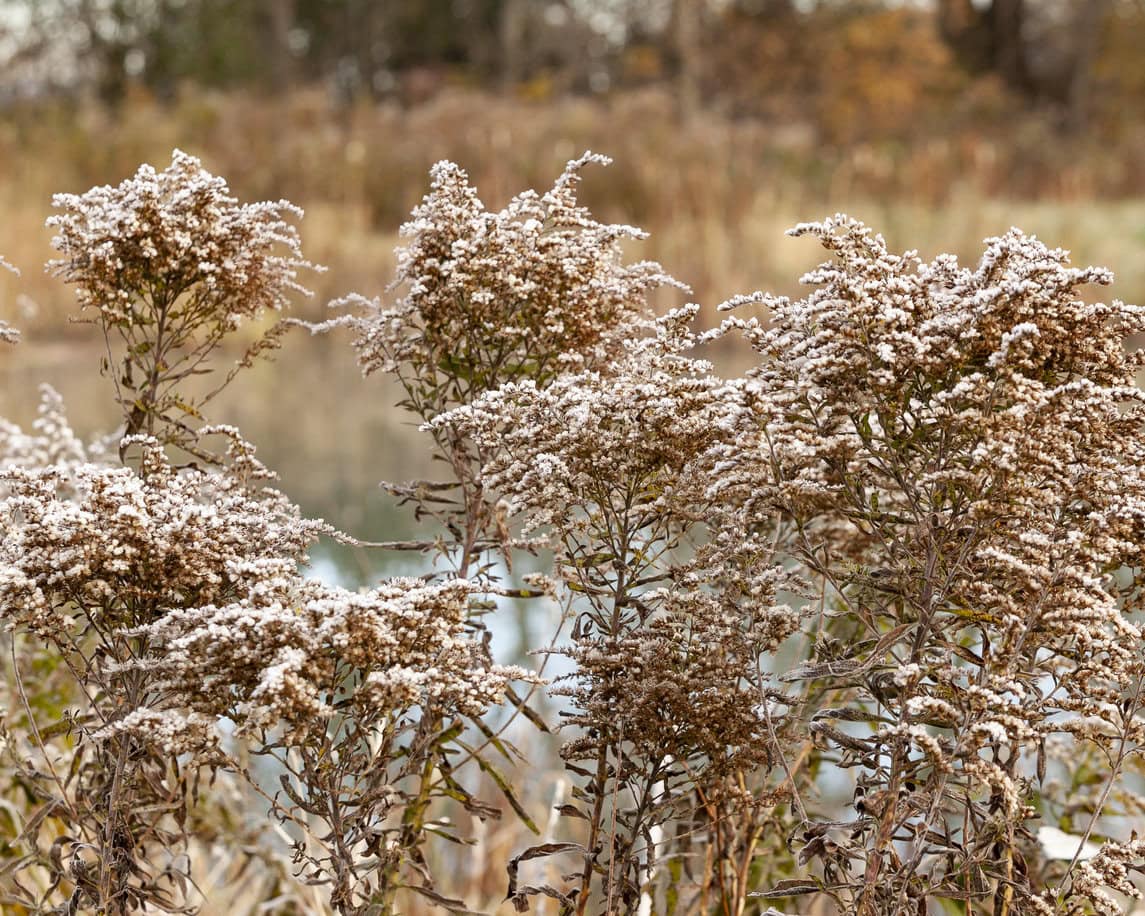
Solidago rugosa gives fussy neighborhood associations a collective migraine, and good riddance. Those dried seed heads still feed hungry songbirds, while standing stems offer potential nesting sites for native solitary bees.
Terrified of its assertive underground creep? Cutting stalks in November won’t stop those spreading rhizomes. Dig out unwanted shoots or divide crowded clumps in early spring. Otherwise, let the dried, arching plumes stand tall and irritate the lawn-obsessed.
10: Coral Bells
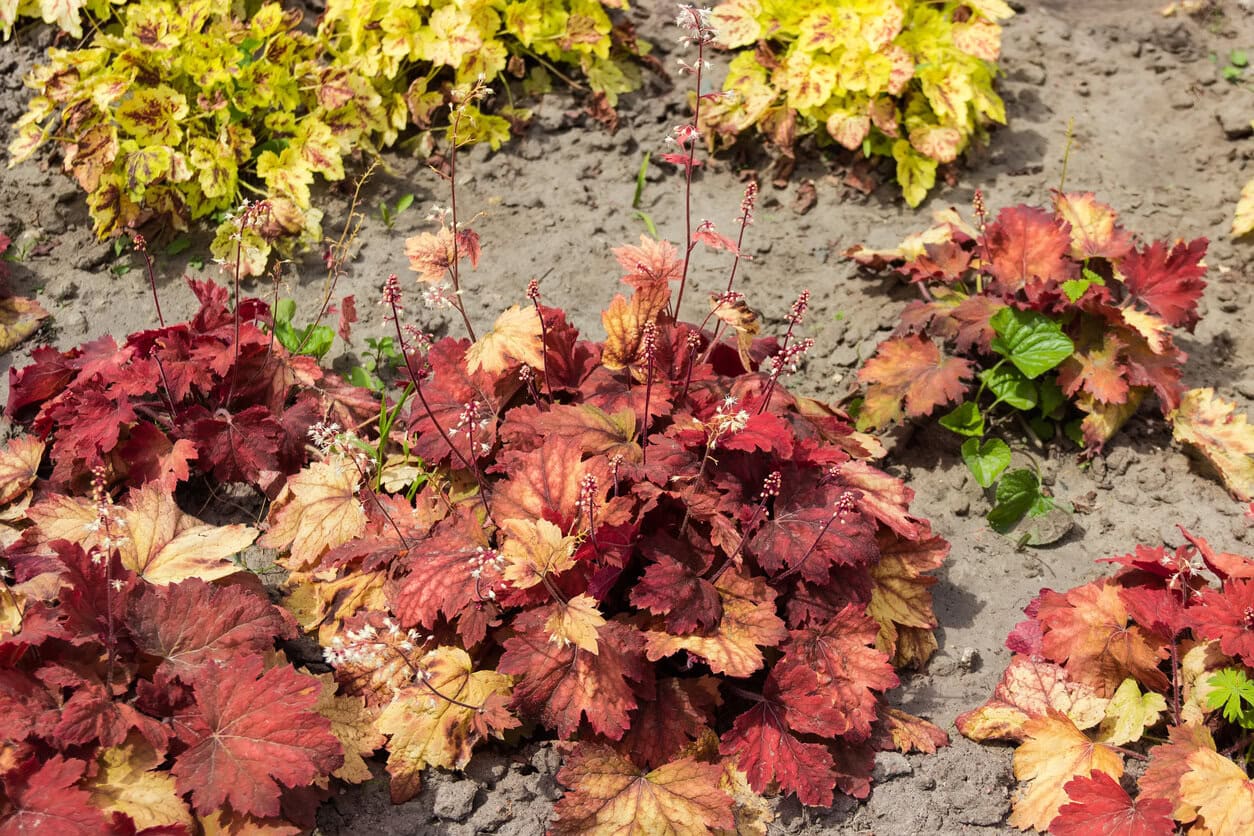
There’s a thin line between evergreen and evergrim, and your pruners won’t help your Heuchera stay on the right side.
Those vibrant leaves (green, plum, or amber) aren’t finished just because summer is. Many coral bells keep their foliage through winter, protecting the vulnerable crown from cold.
Cut the whole rosette down, and you strip away that natural protection. Even battered leaves can shelter overwintering insects.
PruneSeed with Caution
The best part of any rule? The exceptions.
Pour another dark drink and let the shears Rust In Peace.
Still want to get your hands dirty? We put together a November garden checklist with 10 tasks worth tackling before winter. Not all of them involve your pruners, thankfully.