Throwing your fallen leaves into yard waste bags is a total waste of natural mulch-erial. First of all, tidying up every single leaf is a real pain in the grass. And second, it robs your perennials of free winter armor.
Thick layers of whole leaves can turn into a crown-rotting shroud, yet shredded leaves are like a warm quilt. A loose quilt locking in moisture while reducing frost heaving and pumping organic matter right back into the soil. These eight perennials approve.
8 Perennials That Benefit From Fallen Leaves Around Them
1: Daylilies
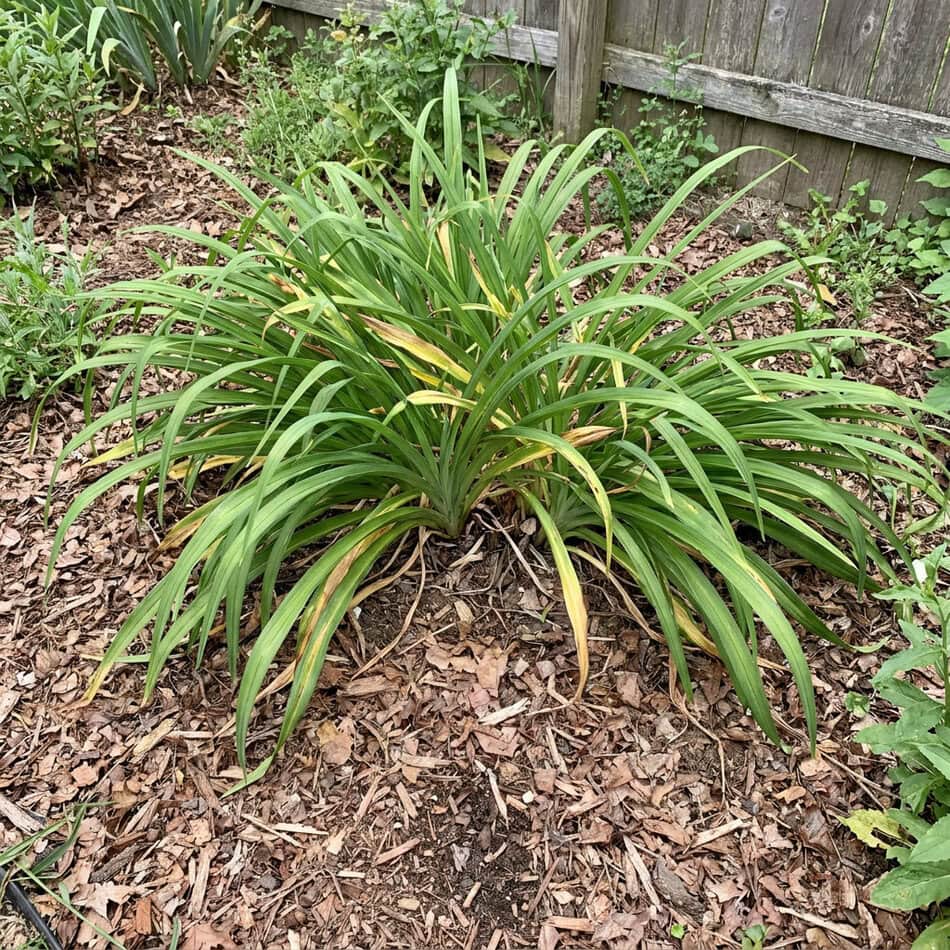
All-grown-up daylilies can survive winter through natural design. On dormant varieties, spent foliage naturally collapses outward, catching fallen leaves around the base. Tiny air pockets trapped below help insulate the roots against abrupt temperature swings.
Newly planted daylily babies need this organic shield the most. Their roots aren’t fully established yet, making them prime targets for frost heaving during freeze-thaw cycles.
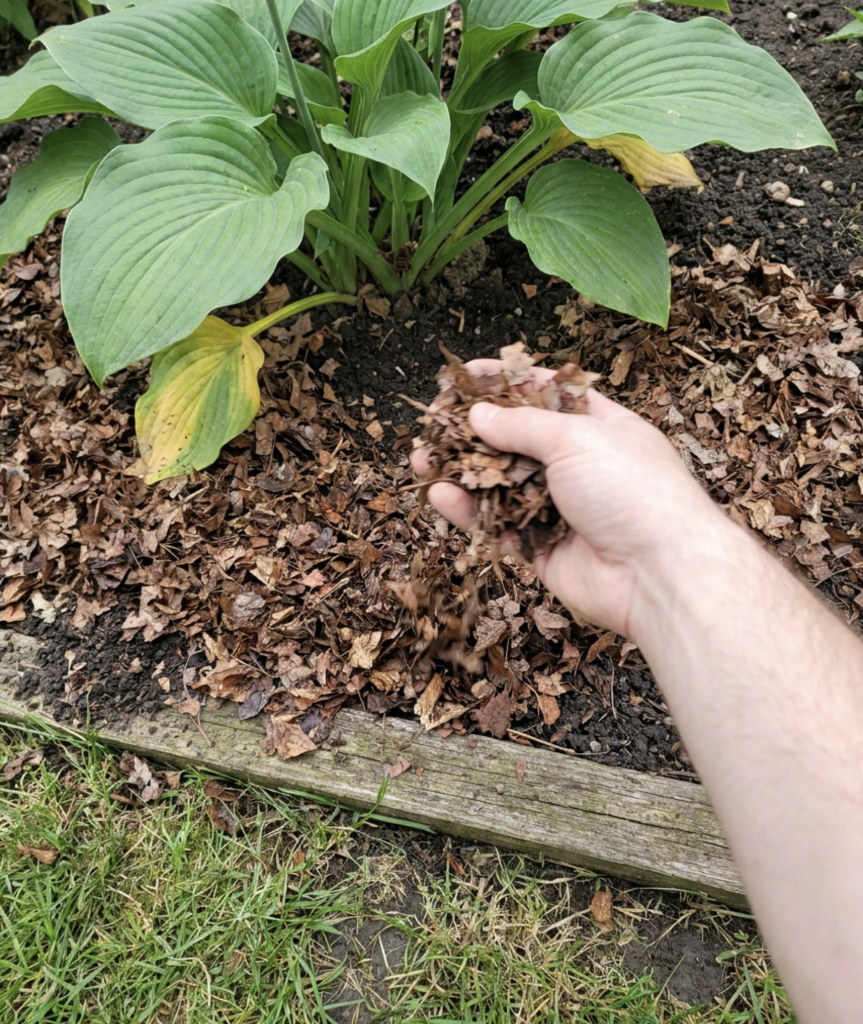
How to apply: Once the soil begins to freeze, tuck 2-3 inches of loose, shredded leaves around the base, keeping the crown uncovered.
If you’re splitting more than just daylilies, we also wrote a guide on 9 perennials you can still divide in October before winter.
2: Astilbe
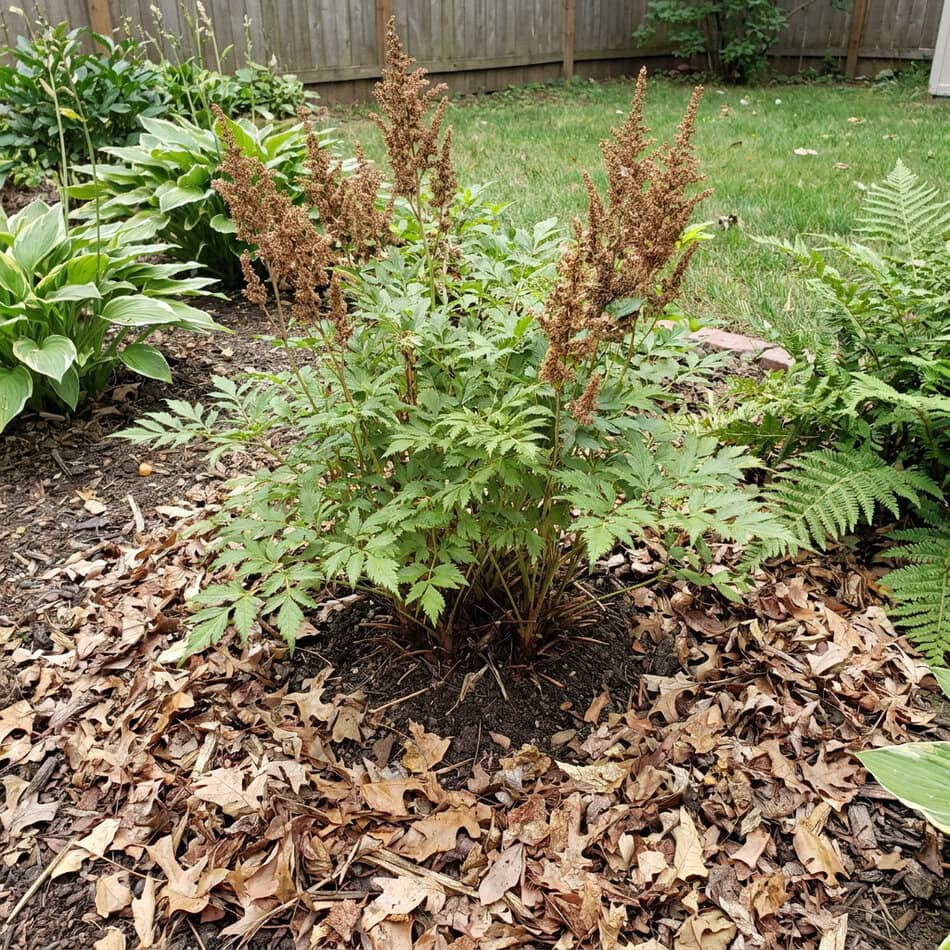
Astilbe take dry soil and biting fall winds personally. Their shallow roots love consistent moisture, so letting them dry out before the ground freezes is a fast ticket to a stressed plant.
Shredded leaves help lock moisture into the soil while buffering those thirsty astilbe roots against erratic temperature swings.
How to apply: Tuck a generous 2-inch blanket of shredded leaves around the clump in fall, keeping the crown uncovered. Water first if the soil is dry.
3: Coral Bells
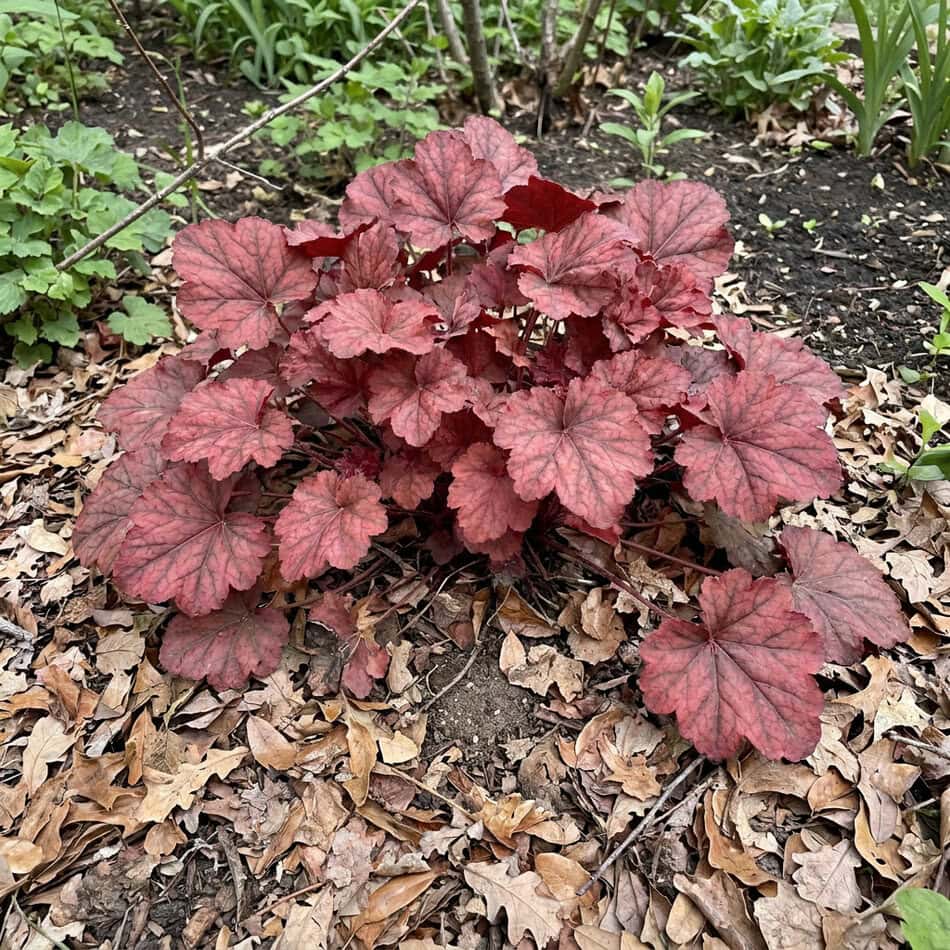
Coral bells are lovely, but they have one major quirk: their crowns can rot if kept too wet. You surely don’t want to bury them under a soggy heap of late-season foliage.
Their shallow roots are also prone to frost heaving. Luckily, chopped leaves help insulate the ground against erratic temperature swings while leaving the center of coral bells wide open to breathe all winter long.
How to apply: Once the soil begins to freeze, gently bank 1-2 inches of shredded leaves around the outside of the plant, keeping the crown uncovered.
And if you’ve ever wondered what else can sabotage a perennial, we also explain 10 mistakes that keep perennials from coming back stronger each year, including burying crowns too deep and piling on too much mulch.
4: Bleeding Heart
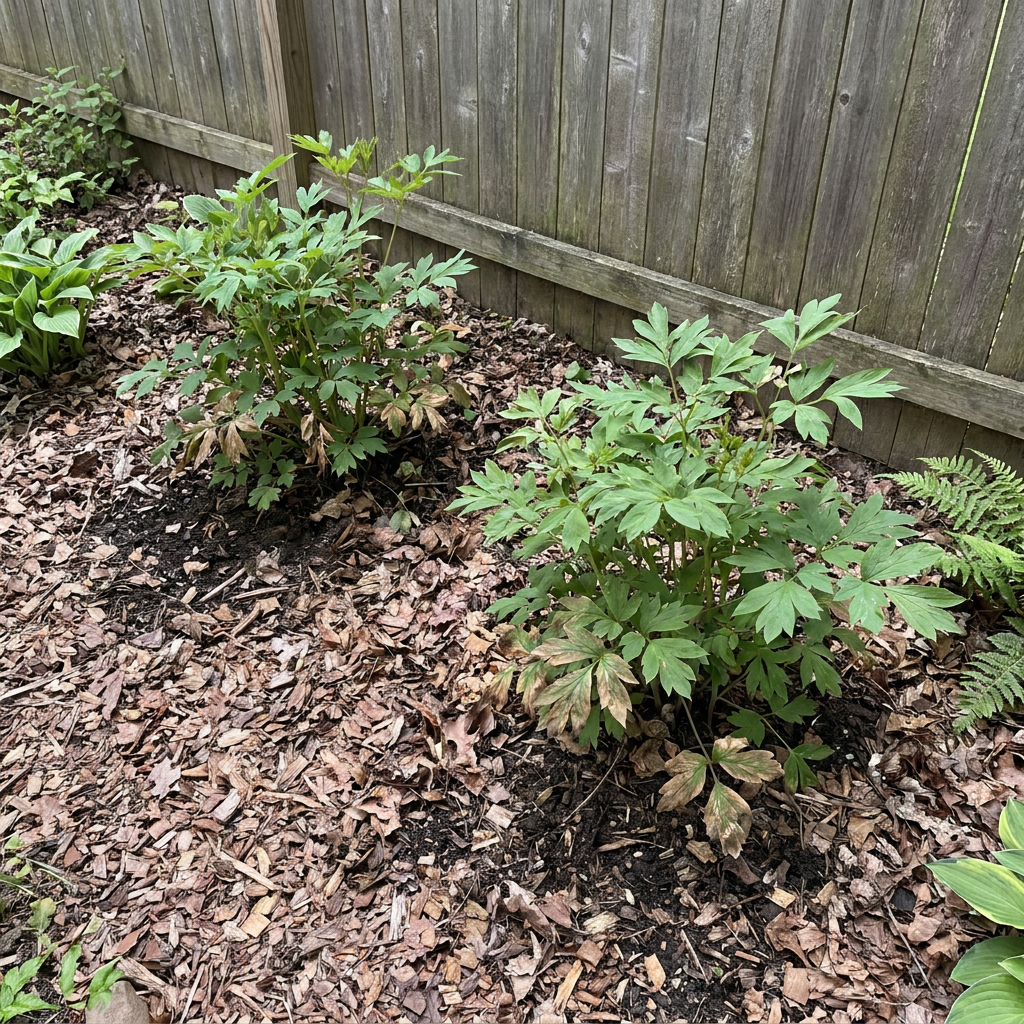
Bleeding hearts naturally feel right at home in woodland settings where they’re used to a nice, cozy floor of decomposing leaves.
Giving them a layer of shredded leaves this fall is basically giving them a taste of their native habitat. It insulates the roots against the coming winter chill and feeds the soil as it breaks down, so bleeding hearts are ready to pop up strong when spring rolls around.
How to apply: Spread 2-3 inches of shredded leaves over the soil around the plant in fall, without digging them in or burying the crown.
5: Garden Mums
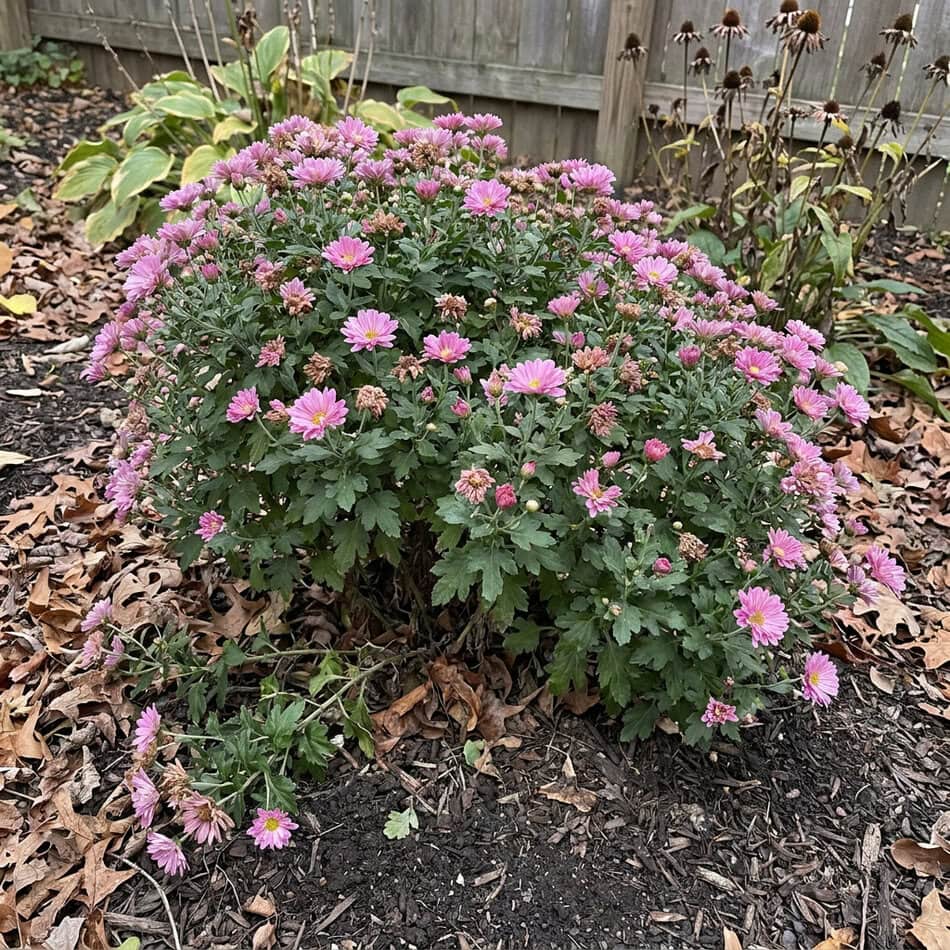
Garden mums have wonderfully shallow root systems, which unfortunately makes them prime targets for frost heaving when winter weather can’t make up its mind.
Shredded leaves help buffer those shallow roots against repeated freezing and thawing, giving them a better chance of staying put through winter.
How to apply: Once the ground begins to freeze, spread about 4 inches of loose, shredded leaves around the base. Leave the spent stems standing for extra winter protection.
Not sure what else should stay standing? We also wrote a guide on which perennials to cut back before winter and which to leave standing.
6: Hardy Hibiscus
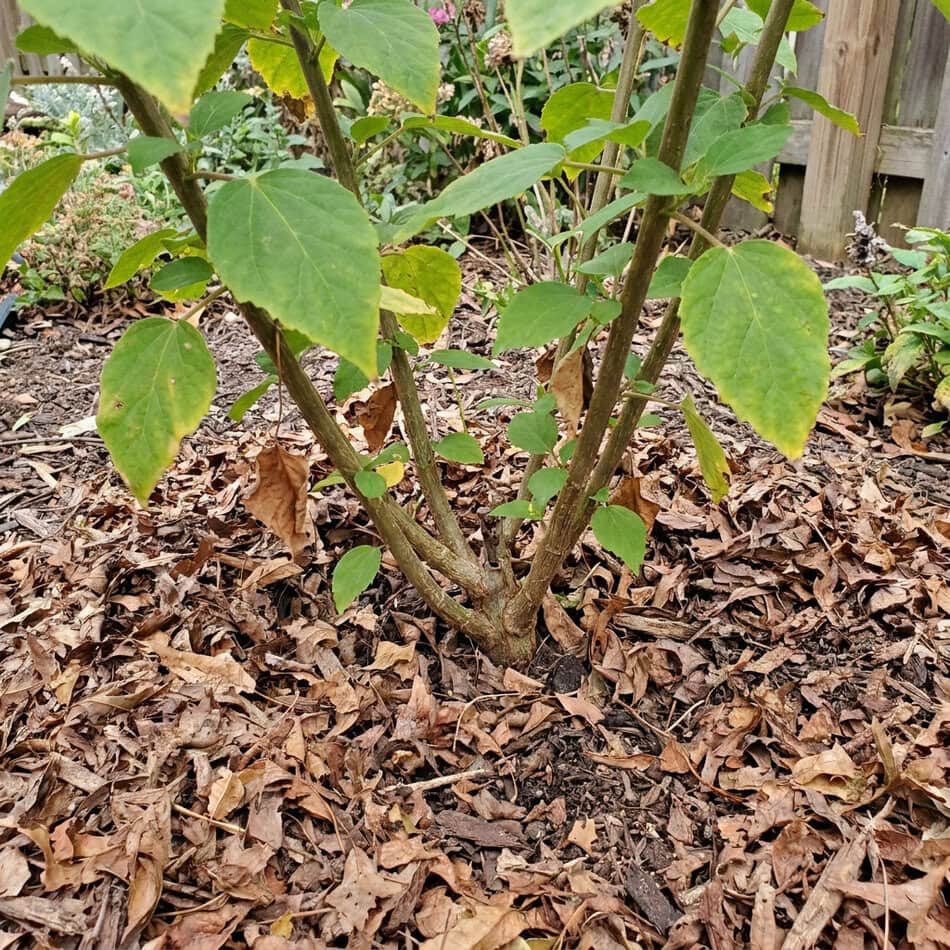
Hardy hibiscus might look tropical with those dinner-plate blooms, but it’s tougher than it looks. Once frost knocks down its stems, the plant retreats underground, leaving its roots to face the winter cold.
A blanket of shredded leaves helps protect those roots from sudden temperature swings, especially during their first winter.
How to apply: Once the ground begins to freeze, spread 3-4 inches of loose, shredded leaves over the root zone. Pull back excess mulch in spring.
7: Hardy Ferns
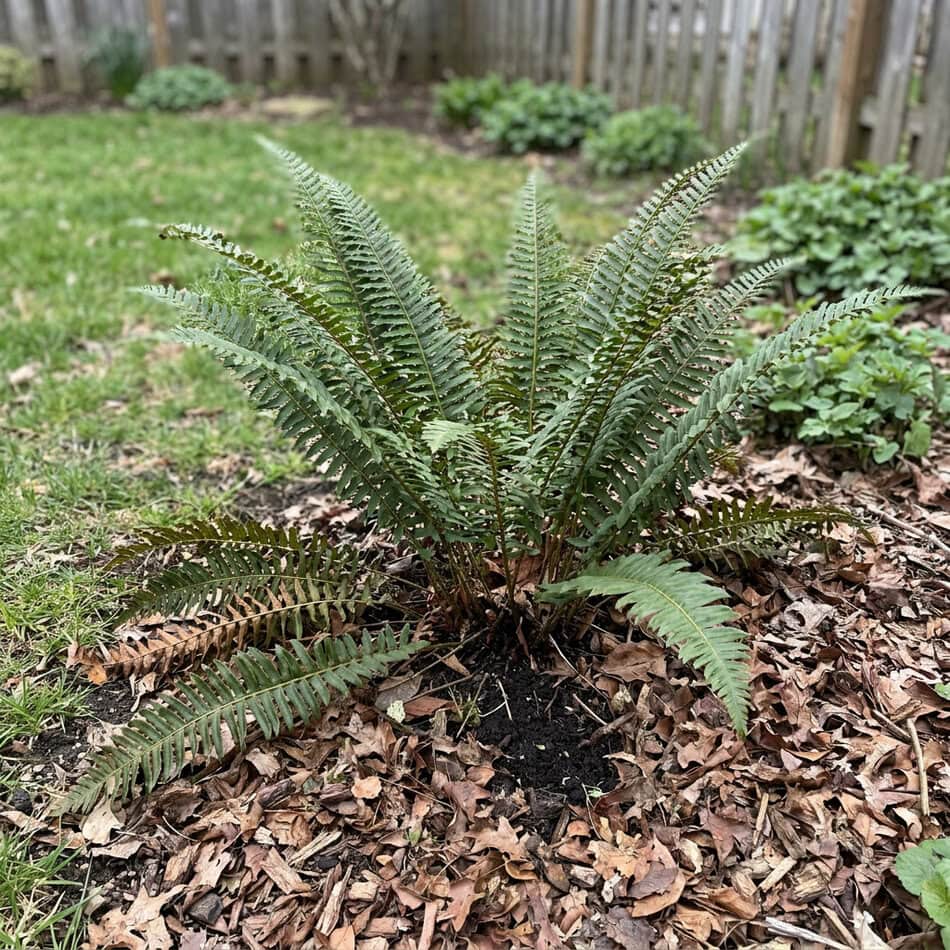
Hardy ferns are no strangers to fallen leaves. In their natural woodland habitat, fall leaves settle around them every year, creating a cozy blanket over their shallow roots.
This leafy protection helps hold moisture in the soil, helps reduce frost heaving, and slowly adds the organic matter these shade-loving beauties adore.
How to apply: Spread 2-3 inches of shredded leaves around the ferns in fall, keeping their crowns and any evergreen fronds uncovered. Gently clear excess mulch away as new fronds emerge in spring.
8: Hostas
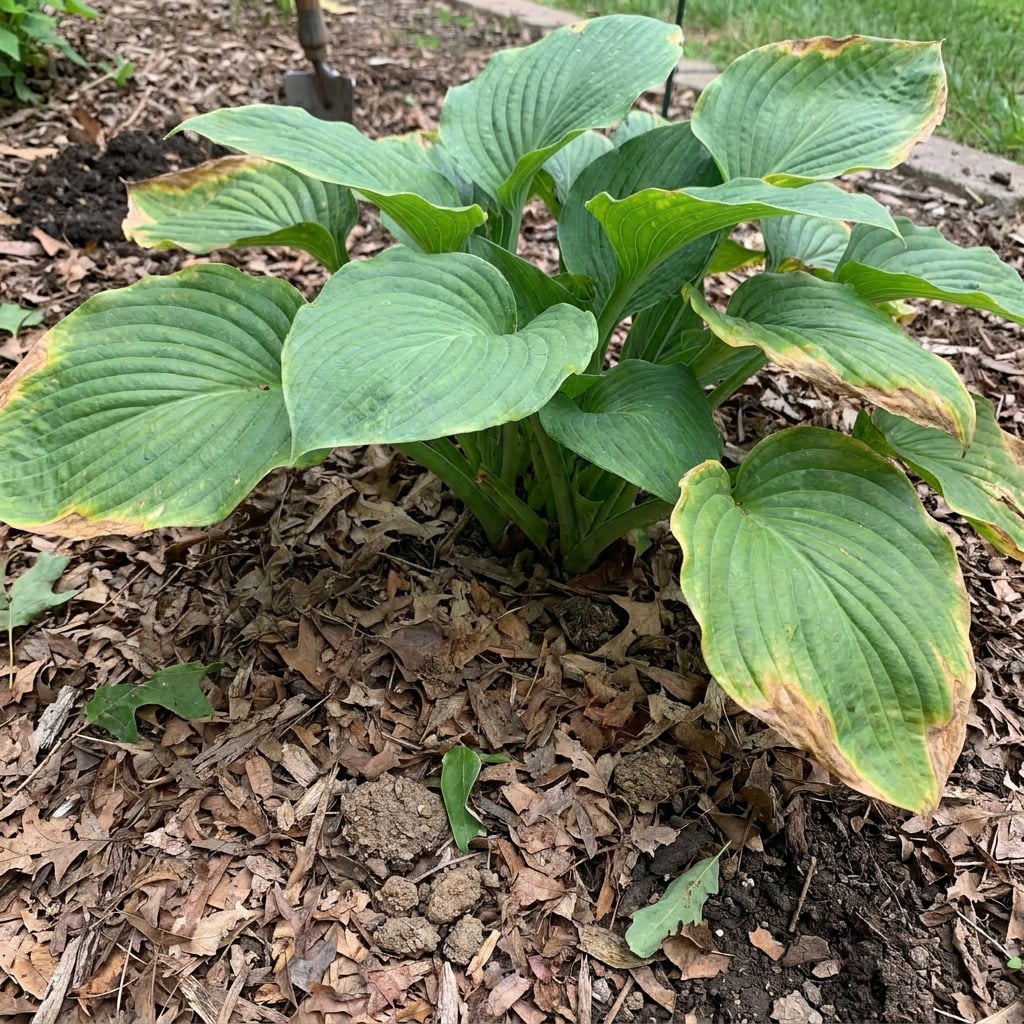
Established hostas are tough cookies that usually don’t need much help surviving the cold. What if you just planted a new one or split a big clump this fall? Those young hosta roots need a little extra love.
A loose layer of chopped leaves helps protect them from repeated freezing and thawing, which can push newly planted hostas right out of the ground.
How to apply: Once the ground freezes, place a 3-inch halo of shredded leaves around the base, keeping the crown clear. Rake the winter mulch away in early spring so brand-new green shoots can break through easily.
If you’ve got more perennials to relocate before winter, we also put together a guide on 9 perennials you can move or transplant before winter, hostas included.
Matching Leaves to Your Region
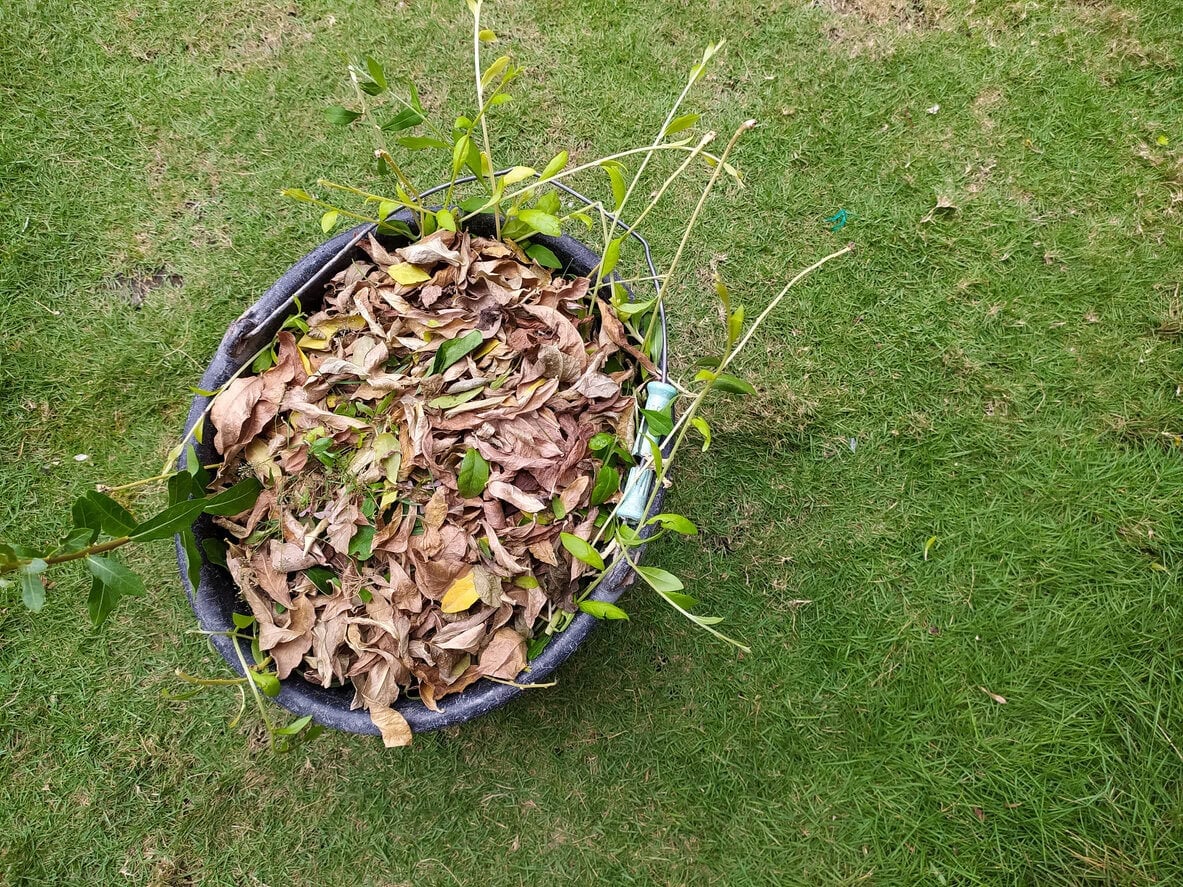
Region matters for leaves, but the type of tree matters more. Northeast and Midwest yards buried in leaves from sugar maples, ash, or healthy fruit tree leaves are indisputable treasure troves. These thinner leaves break down relatively fast into rich garden gold.
Heavy oak regions deal with tougher, slower-rotting leaves that can form soggy mats when left whole. But give them a quick run through the mower, and they make excellent mulch for perennials, too, slowly breaking down and enriching the soil.
Delicate crowns on hostas, coral bells, astilbes, and mums shouldn’t sit beneath a wet, rotting roof of leaves. Shredding helps prevent that mess, but keeping thick piles away from the crowns is just as important.
Prepping Your Fall Leaves
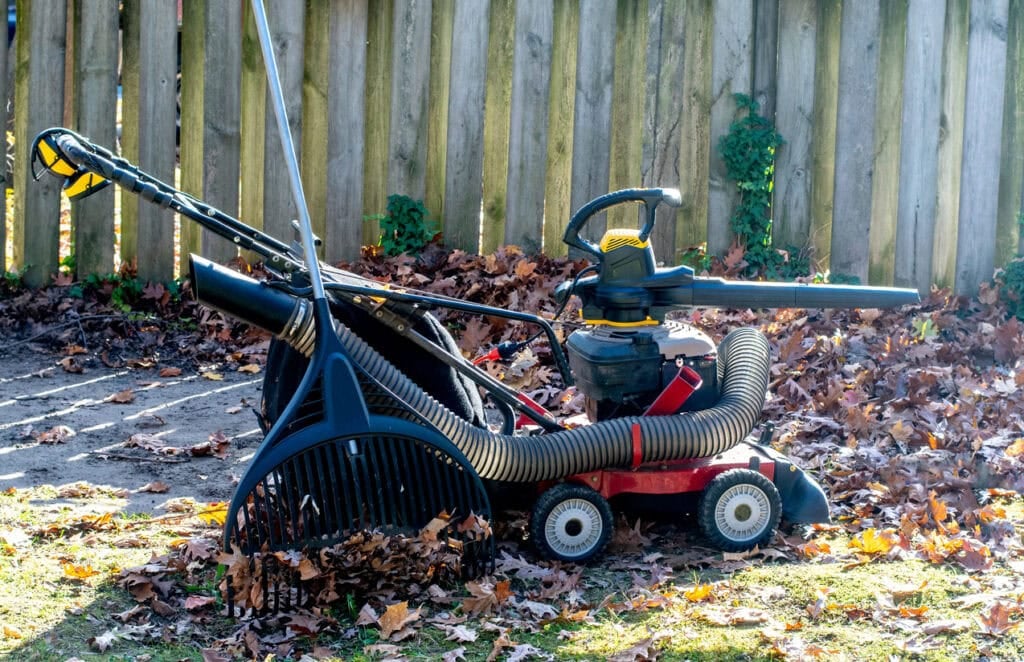
Shredded leaf mulch should be light and breathable, with pieces small enough to resist matting while letting water and oxygen reach the soil.
And if you’re wondering which other plants want a winter blanket (and which really don’t), we also put together a guide on 12 plants you should mulch before winter and 5 you shouldn’t.
Leaf Mold, Perennial Gold
No more hauling your fallen leaves to the curb, no more stuffing them into plastic bags. Organic winter insulation for your perennials is literally there for the taking. And raking. And shredding. Turns out, the best winter coat your perennials can wear is free.