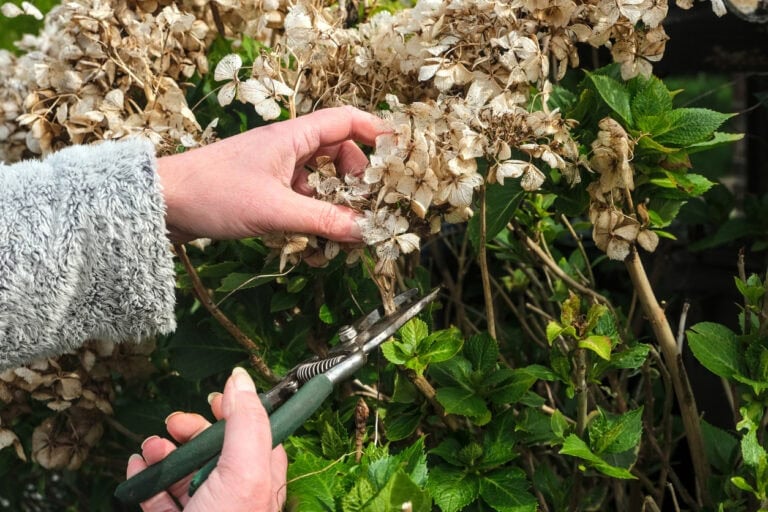
The crazy thing about gardening in a country as ginormous as the U.S. is that half your Instagram feed is panicking over frost while the other half is running the air conditioner in shorts. Roses do not give a dirt under the thorn what month it is out there.
Read the signals your plants are sending, because they’ve been running this biological clock a lot longer than you have.
Task 1: Check Your Tags Before You Touch Anything

More than one rose variety in your garden equals as many different survival rules. Before you do anything, check the tag and figure out what you’re actually growing:
Look at those tags again before you reach for fertilizer or pruners. What you planted will matter when you start pulling the plug on nitrogen.
If you’re unsure what can actually be cut now, we wrote a guide on which roses to prune in fall and which ones are better left alone.
Task 2: Cut Off the Feed-N
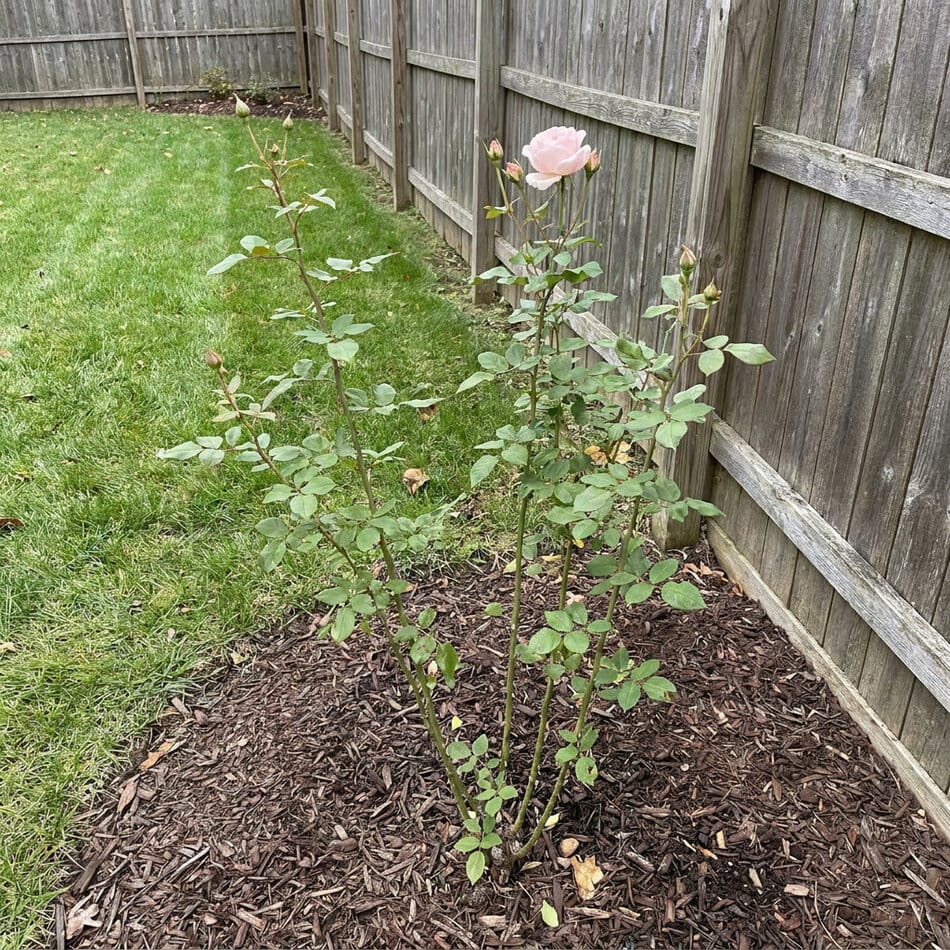
If you’re getting close to your first hard frost, the high-nitrogen fertilizer should already be put away. Late feeding can push soft new growth that doesn’t have time to harden off before freezing weather arrives.
I stop feeding my roses once cold weather is closing in and let the canes mature naturally. At this point, you want the plant preparing for winter, not racing to put out another flush of growth.
We wrote a full guide on when to fertilize roses if you’re unsure when feeding should start and stop through the growing season.
Task 3: Let Hips Form On Repeat Bloomers
You spent all summer playing with your pruners, deadheading passionately to squeeze out one more flush of flowers. In colder regions, it’s time to stop!
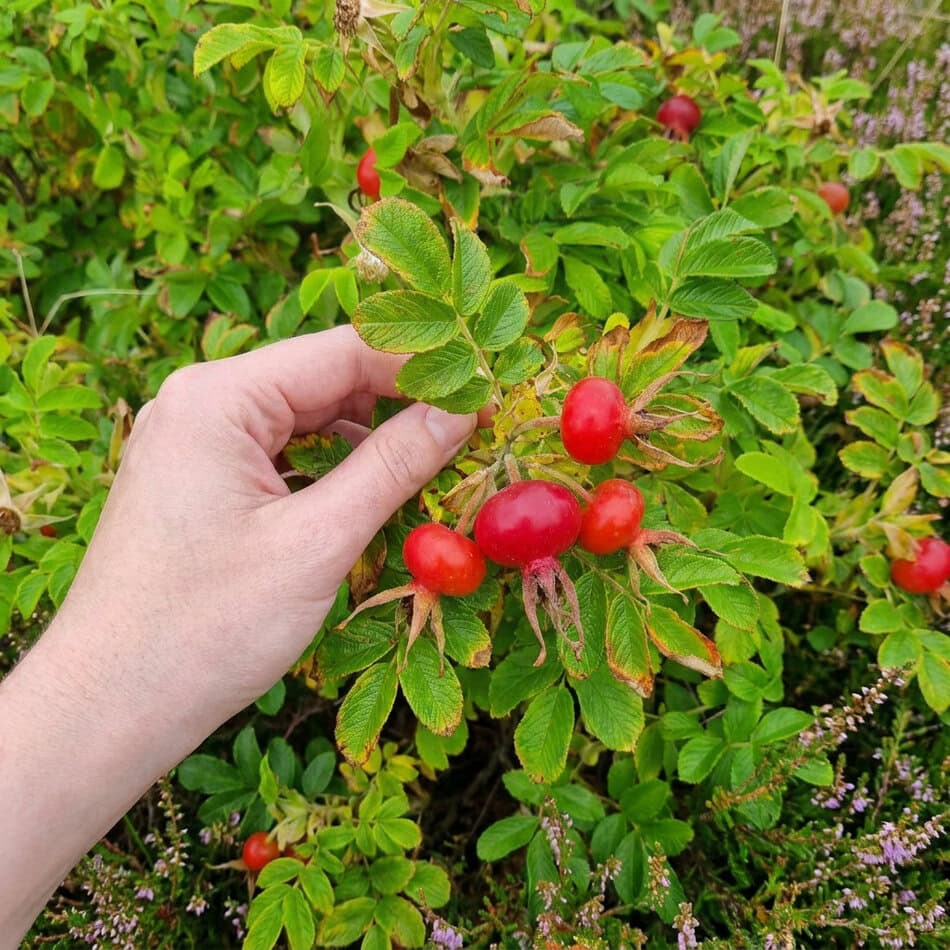
Once I’m getting close to frost, I leave the spent blooms alone and let hips form. That helps the plant shift away from producing more flowers and fresh growth and start winding down for winter.
Once-blooming heritage roses and varieties grown for colorful winter hips never needed constant deadheading anyway. Leave the hips in place and let the plant slow down naturally.
If you want the full technique for the rest of the growing season, we explain how and when to deadhead roses for more blooms in this guide.
Task 4: Hydrate the Roots Before the Freeze
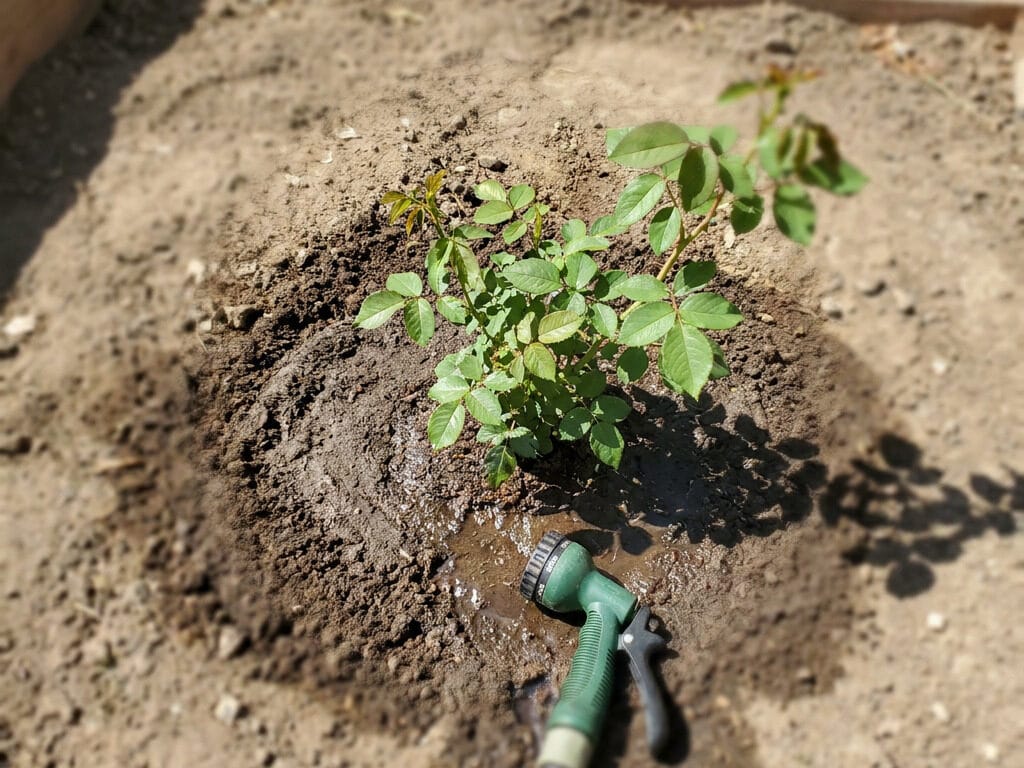
Dry dirt can leave fine feeder roots more vulnerable to cold injury, which is a lousy reward for everything your rose worked all year to grow. And fall drought can sneak up on you just as the plant needs steady moisture going into winter.
Do not just wave a garden hose around the base for ten seconds and call it a day. Soak the top foot of soil until it’s evenly moist, but not saturated or waterlogged.
Check it during dry spells and water again when the soil starts drying out. Keep watering at the base whenever possible so the foliage stays dry.
Quick tip: Pay extra attention to your newly planted bushes. With root systems still small and shallow, they’re much less forgiving of dry soil going into a freeze. Double the attention, right up until the ground freezes.
Task 5: Bypass Heavy Fall Pruning
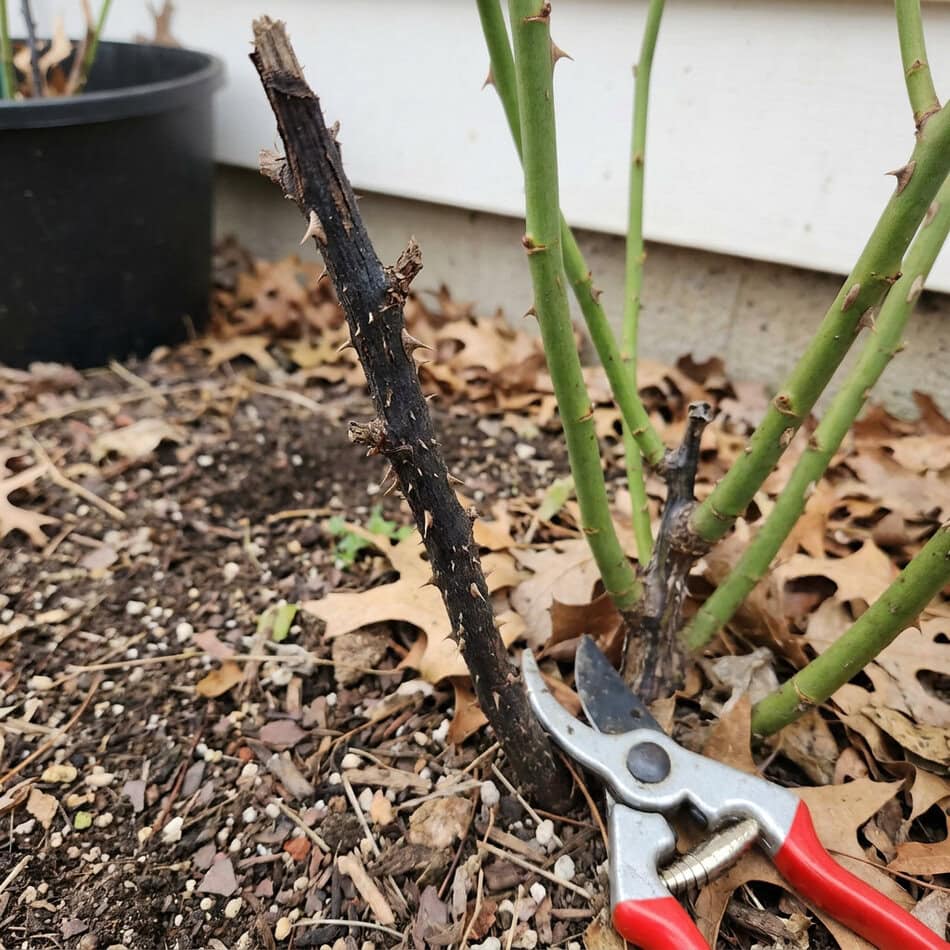
Major reshape jobs can wait until spring reveals what survived the deep freeze.
And no matter your zone, you never stop cleaning up the trash.
When spring does roll around, we wrote a guide on exactly what to prune for each type of rose.
Task 6: Clear Out Diseased Leaves And Debris
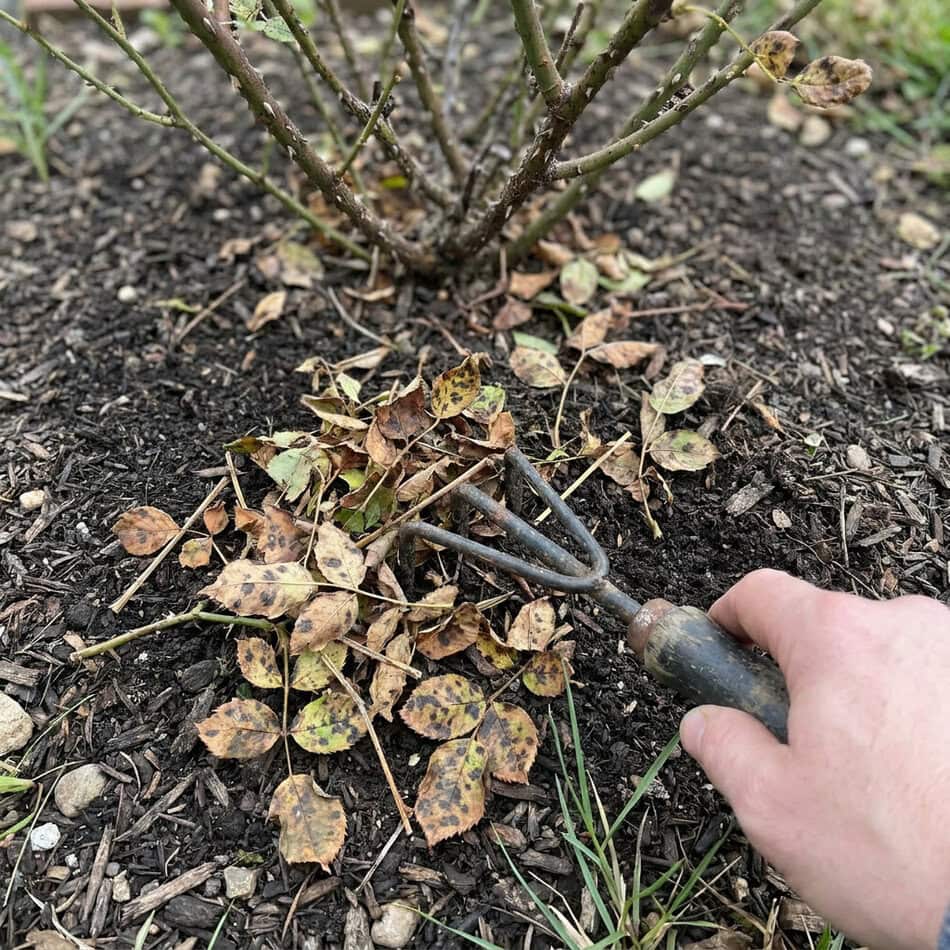
Black spot spores and other fungal pathogens are lazy. They love spending the winter lounging in fallen leaves and infected cane tissue around your bushes.
Rake up every scrap of infected debris and chuck it straight into the trash. Don’t toss diseased foliage into a cold compost pile. Spores can survive and come back to reinfect your roses in spring.
Quick tip: Keep the ground around the base of the plant clean, especially if black spot gave you trouble this year.
Task 7: Match Your Protection to Your Climate
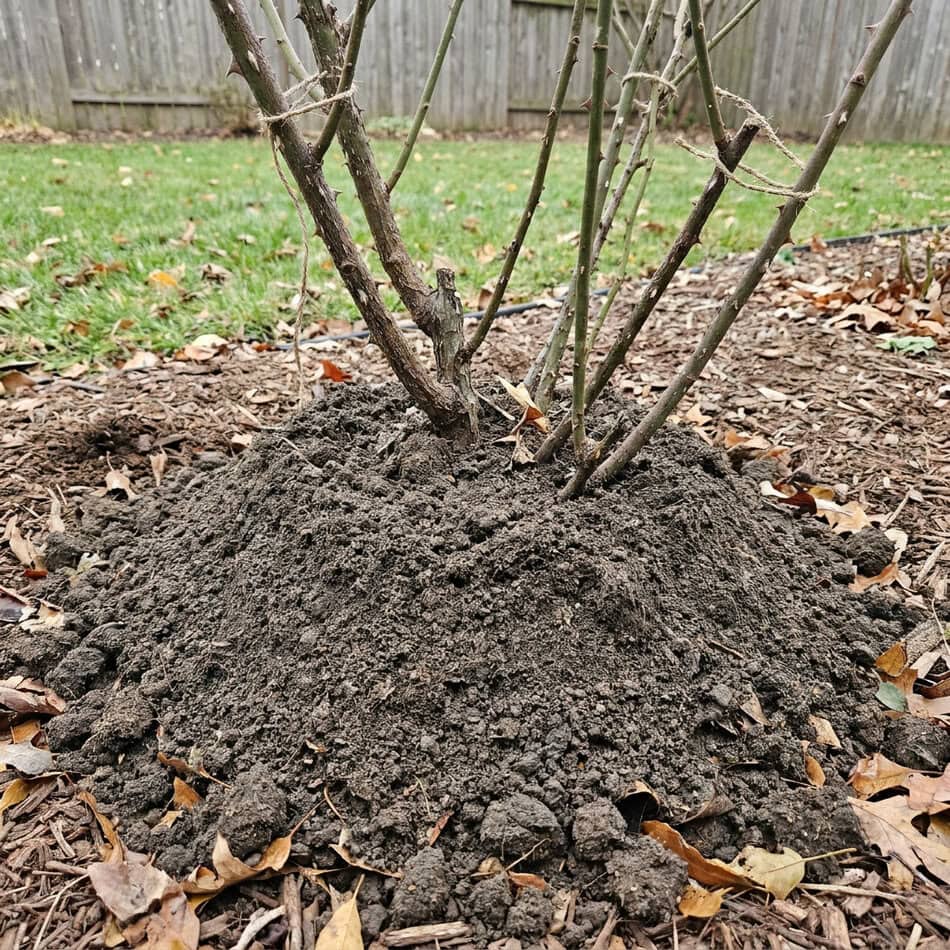
Mounding soil or compost over the graft union of tender hybrid teas too early can trap warmth and moisture around the base or give mice a cozy winter condo before winter has even arrived.
Wait until the rose has gone dormant and you’ve had several hard frosts. That’s your cue to heap about 8 to 12 inches of loose, well-drained soil or compost around the base, covering the graft union on grafted roses. Bring that material in from elsewhere instead of digging soil away from the rose’s own roots.
Quick tip: You can usually skip the heavy mounding if you grow hardy shrub roses. They’re built to take far more winter punishment with much less fuss.
We also wrote a full guide on mulching, pruning, and protecting roses through winter if you want to get the whole setup right before the real cold arrives.
Who Can Take a Punch and Who Needs a Blankie
October isn’t a single uniform month everywhere, so time your dormancy prep to your climate and match it to your rose type. Your rugosa is tough, so let it weather the blow; your tender hybrid tea may need its graft union protected before the real winter cold arrives.
Pay attention to what your roses and your weather are telling you, not just the date on the calendar.